How Do Hard Soft Night Guards Balance Strength and Flexibility?
Quick Answer
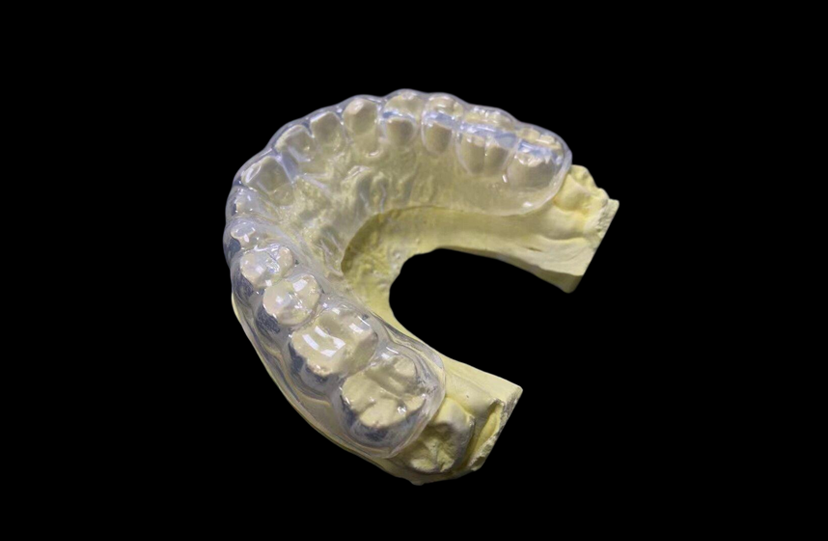
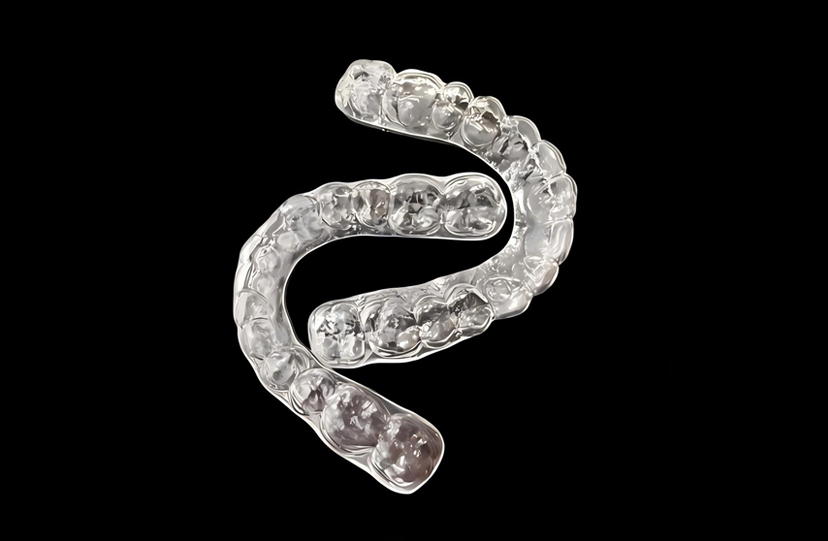
Hard Soft Night Guards are balanced by having a soft thermoplastic layer inside (1-2 mm) that moulds to the shape of your teeth for comfort and a hard outer shell (2-3 mm) that can handle the forces of bruxism. This mixed design protects against shocks while keeping the structure strong against grinding. The engineering in these guards lets occlusal forces be spread out evenly across teeth. This design may help reduce excessive occlusal stress on teeth and restorations compared with some single-material appliances. This design aims to balance patient comfort, compliance, and appliance durability in bruxism management.
Introduction
Bruxism affects approximately 10-15% of adults globally, imposing significant mechanical stress on dental structures and restorations. For dental professionals managing this condition, selecting appropriate occlusal appliances involves navigating trade-offs between patient comfort and device longevity. Traditional single-material guards present limitations: soft guards offer initial comfort but degrade rapidly under heavy grinding forces, while hard acrylic guards provide durability but frequently cause patient discomfort and low compliance rates.
The dual-layer guard technology was developed to address the different requirements of comfort and durability in occlusal appliance design. This advancement became particularly relevant as prosthodontic investments increased—protecting complex restorations such as veneers, crowns, and implant-supported restorations requires appliances that balance protective function and patient acceptance. Understanding the material science and design principles behind these devices enables informed procurement decisions for dental laboratories, clinic operations managers, and prosthodontists seeking predictable appliance performance and patient compliance.
What Are Hard Soft Night Guards?
Dual-Layer Architecture Explained
Hard Soft Night Guards are advanced occlusal appliances composed of two different material layers that are chemically or thermally bonded during production that are chemically or thermally fused during production. The inside part is usually made of medical-grade EVA (Ethylene Vinyl Acetate) or a special kind of polyurethane that is 1-2 mm thick. This soft layer has Shore A hardness properties, which make it a cushioning layer for dental surfaces. The outer shell is made of high-impact PETG (Polyethylene Terephthalate Glycol) or specialized acrylic and is 2 to 3 mm thick. It has Shore-D hardness properties that make it resistant to wear from opposite teeth.
Working Mechanism
Different properties of the material must work together to make the functional principle work. When the teeth touch, the soft inner layer bends a little, spreading the pressure over a larger area of the teeth's surface instead of focusing it on a few specific places of contact. This helps distribute occlusal forces more evenly and may reduce excessive loading on supporting periodontal structures, which may help reduce excessive loading that can contribute to morning discomfort in some patients. At the same time, the rigid upper surface gives the lower jaw a stable place to move, letting it move laterally and forward while allowing controlled mandibular movement during function. The low-friction outside surface makes it easier on the muscles during bruxism episodes that happen at night.
Technical Specifications
Quality products have certain performance characteristics, such as a flexural strength of more than 60 MPa, a delamination resistance with a bond strength of more than 20 N/cm, and no BPA, phthalates, or residual monomers present. When guards are made correctly, they are clear enough to see if they fit correctly, and they are stable enough against UV light to keep them from turning yellow, which would mean the material is breaking down. The smooth, non-porous surface finish helps reduce surface retention of debris and supports easier cleaning, which supports easier cleaning and routine hygiene maintenance.
Benefits
Enhanced Clinical Outcomes
When compared to single-material guards, dual-laminate guards may help reduce adjustment requirements and remake rates when properly fabricated and fitted. The customized fit provided by digital fabrication and proper material selection may help reduce adjustment requirements during delivery, which speeds up the delivery of the patient. Improved comfort may contribute to better patient acceptance and long-term compliance because they are more comfortable, which encourages consistent use every night. This long-lasting security stops the wear and tear on teeth that leads to expensive repairs later in the treatment process.
Prosthetic Protection Value
For people who have a lot of money invested in prosthetic teeth, Hard Soft Night Guards are designed to help reduce mechanical stress on restorations during parafunctional activity. The hard outside keeps grinding forces from focusing on the porcelain edges or the connections between the implant and abutment. This feature can be particularly relevant for patients with extensive full-mouth restorative treatment, since a single broken restoration can throw off treatment plans and make patients lose faith in the dentist. For patients with extensive restorative treatment, clinicians may consider protective appliances as part of long-term maintenance strategies.
Therapeutic Applications
These devices primarily provide occlusal protection and may be incorporated into selected TMD management approaches under professional guidance. The guard's controlled vertical dimension lowers the pressure on the condylar during clenching episodes. The soft inner layer acts as a therapeutic cushion during the inflammatory stages of temporomandibular dysfunction, and the stable outer surface guides the mandible toward a position in centric relation. This feature allows clinicians to use a single appliance for occlusal protection and supportive management in selected cases.
Advantages Over Alternative Solutions
When compared to other choices, dual-layer technology offers several potential advantages compared with single-material designs:
Better Durability: Regular soft guards only last 4-6 months for people with mild bruxism, but hybrid guards usually last 1-3 years. The top shell's high density protects it from the rough forces that quickly wear through soft materials. Some laboratories may experience fewer remakes due to improved material properties and fabrication consistency. This directly leads to lower operational costs and higher patient satisfaction.
Maintained Comfort Standards: The soft inner layer of hybrid guards makes them immediately comfortable, unlike solid hard plastic guards that often hurt at first and need a long time to get used to. Patients rarely ask for changes after giving birth. This trait is especially helpful for DSO operations that run more than one site, because standardized comfort cuts down on the need for clinic visits to make changes after delivery, which can slow down the schedule.
Customization: The inner layer material's thermoforming properties let it precisely fit complex dental topographies, such as those with orthodontic attachments, implant prosthetics, and teeth that aren't in the right place. CAD/CAM production processes can make digital designs that work best with these materials. This lets labs keep quality uniform over long production runs while still being able to accommodate differences in how people's bodies are shaped.
Biocompatibility Assurance: The medical-grade materials used in professional hybrid guards are put through strict ISO 10993 biocompatibility tests to make sure they don't harm cells when they come into contact with mucosal surfaces for a long time. This documentation supports regulatory compliance requirements for clinical use and protects dental offices from liability. Purchasing managers give more weight to sellers who can show that they are registered with the FDA and have CE certification, as these qualifications speed up the approval process for purchases.
Disadvantages and Considerations
Initial Cost Investment
Two-layer guards cost more to buy than single-material guards; the price difference is usually between 40 and 70%. When it comes to dental practices with budget-conscious patients, the price difference may not go over well. The value offer calls for educating the patient about the benefits of long-term care and restoration safety, which takes more time in the chair during case presentation.
Technical Production Requirements
Tooth dentistry labs don't always have the right tools and technical know-how to make these devices. The process of bonding between layers is a key quality control point. Failures in adhesion cause delamination to happen. Clinics that outsource fabrication must carefully look at their suppliers' skills, especially when it comes to their delamination testing methods and warranty policies for manufacturing flaws.
Maintenance Discipline
Even though Hard Soft Night Guards are strong, they need to be properly cared for in order to last as long as possible. Patients should not put their guards in water that is hotter than 140°F, because that can weaken the bonds between the layers. Using rough toothpastes or mouthwashes with alcohol to clean their teeth wears down the surface. Clinics need to provide clear upkeep instructions and may even suggest suitable cleaning products so that the guards do not break down too soon due to improper care or the use of unsuitable products.
Comparison With Traditional Options
| Guard Type | Durability | Comfort | Maintenance Considerations | Typical Use |
|---|---|---|---|---|
| Soft Single-Layer | Lower durability under heavy grinding | High initial comfort | May require more frequent replacement | Mild bruxism |
| Hard Acrylic | High durability | May require an adaptation period | Good wear resistance | Moderate to severe bruxism |
| Dual-Layer Hybrid | Balanced durability and comfort | Balanced comfort and rigidity | Requires proper fabrication | Patients needing both comfort and protection |
| OTC Guards | Variable | Variable | Limited customization | Short-term or emergency use |
The difference in performance is especially clear in clinical situations where bruxism is moderate to severe. Heavy grinders wear out soft guards in just a few weeks, which means that the costs keep going up. Hard plastic guards can withstand mechanical forces, but patients report pain and stiffness in the morning when they wake up. In terms of performance, hybrid technology is just right. It lasts long enough without sacrificing the comfort that patients need to be willing to wear it.
Clinical Indications and Applications
Bruxism Management Protocols
People who both clench and grind their teeth often use these guards as their first line of defence when they go to the dentist. The device controls the clenching part by adjusting the vertical dimensions, and the hard surface stops the grinding movements on the side. During the retention phase, orthodontics prescribes them to keep glued retainers safe from damage to the teeth. Implant experts use them as part of their post-surgery practices to keep osseointegrating fixtures safe from too much loading while the body heals.
Prosthodontic Case Protection
After veneers are put on or a full mouth repair is done, cosmetic dentists usually make a guard as a normal procedure. Patients who have spent a lot of money on cosmetic dentistry understand the investment protection justification. Technicians in the lab plan when to make the guards and when to deliver the final restorations. This way, protective devices are ready right away when the prosthetics are cemented in place.
TMJ Disorder Support
These devices are used by physical therapists and orofacial pain experts as part of full TMJ treatment plans. Neuromuscular re-education methods are helped by the outer shell's stable centric relation direction. When you have an acute TMD flare-up, the cushioning effect of the inner layer may improve comfort for selected patients. Sleep medicine professionals know that comfortable guards lead to better compliance rates at night, which is linked to less jaw pain and headaches during the day.
Materials and Material Science
Inner Layer Composition
Outer Shell Materials
Because it is so resistant to impact and can be shaped with heat, PETG has become the most popular choice for the rigid layer. Unlike regular acrylic, PETG stays flexible, which means it doesn't break in a big way when it hits something hard. Because the material is clear, it can be checked for quality during production, and during delivery appointments, dentists can make sure the teeth are properly seated. UV inhibitors added during polymerisation stop the yellowing that would mean the material is breaking down and could become weak.
Bonding Technology
The most difficult part of engineering is the interface between layers. In thermal bonding, both materials are heated to exact temperatures where molecules on the surface can mix. When the materials cool, a molecular-level fusion happens. Chemical bonding options use special glue systems that were made to join materials that are not the same. As part of ASTM D1876 testing, good manufacturers put production samples through T-peel tests to make sure that the bond strength is higher than the mechanical forces that are created during clinical service.
Manufacturing Workflow
Digital Impression Integration
These days, production starts with intraoral scans or digitising impressions, which makes STL files that show the patient's dentition and oral structures. CAD experts plan the shape of the guard, deciding on the occlusal width, palatal covering, and border placement based on the prescription. The design software figures out the thickness ranges of the materials, making sure that the combined layers meet the goal dimensions while taking into account how each material forms.
Layer Fabrication Sequence
During production, the soft inner layer is usually made first. This is done by pressing or heating the EVA sheet and shaping it to fit the positive tooth model. This part is used as a base for making the top shell after it has been cooled and trimmed. The rigid PETG layer is then put on top of the soft layer assembly. The bond between the layers is made with controlled heating. In other methods, layers are made one at a time and then joined together using glue or a second heat press.
Quality Control Checkpoints
Dimensional proof shows that the final guards are the same size as the digital plan. Dimensional accuracy is verified against the digital design specifications during quality control. In delamination testing, peel forces are applied to sample guards from each production batch. For the guards to pass, the bond must fail above certain levels. An inspection of the edge finishing under a microscope makes sure that the edges are smooth and there is no flash that could irritate the gingival tissues. Each batch comes with biocompatibility documentation that proves the material meets the rules for medical devices.
Sterilization and Packaging
Finished guards go through cleaning procedures that get rid of any production chemicals that are still on them. Packaging methods keep devices safe while they're being shipped and let you look at them without breaking down sterile walls. Care instructions, warranty information, and material safety data are all examples of documentation that meets the requirements for keeping clinical records.
Cost Factors Influencing Pricing
Material Quality Grades
Base material prices are very different for medical device-certified chemicals and commodity-grade polymers. Materials that are on the FDA list cost more, but they provide dentistry offices with the regulatory paperwork they need. Laboratories that buy materials from certified suppliers pay 30–50% more than those that buy from non-certified suppliers. The price of the finished product is affected by these differences.
Customization Complexity
Volume and Relationship Pricing
Laboratories give discounts to customers who buy a lot because they know that regular ordering patterns make production more efficient. DSO purchasing managers negotiate rates based on how much they think will be bought each year in different places. Value-added services like specialized account support, free remakes for real fit problems, and priority scheduling for urgent cases are common in long-term supplier relationships.
How to Choose a Supplier
Manufacturing Capability Assessment
Check out the production capabilities and technology base of possible sources. Ask to see their facilities or get detailed process documentation that shows they can do dual-layer fabrication. Ask about maintenance schedules for equipment and backup methods that keep output from being held up by broken equipment. Laboratories with more than one production line are more able to handle problems than those with only one machine.
Quality Management Systems
If a supplier has ISO 13485:2016 certification, it means that they use quality control methods that are meant to make medical devices. Get copies of your registration certificates and use the databases of the issuing body to make sure they are still valid. Find out how often and what the acceptance criteria are for their internal quality control tests. Suppliers who do delamination testing on every output batch show more attention to quality than those who only do sampling every so often.
Regulatory Compliance Documentation
Make sure that the providers of the guard materials you use have up-to-date FDA establishment registration and product lists. When buying something from another country, make sure that the CE marking is correct and that the Declaration of Conformity paperwork is available. Ask for material safety data sheets that show the results of biocompatibility tests. During practice checks or liability probes, these papers are very important.
Communication and Service Standards
Clear lines of communication and quick help are needed for supplier relationships to work well. Check out how they submit cases—digital systems that accept direct STL file uploads make ordering easier than the need to ship real impressions. Make their remake policies clearer, including when they will fix fit problems and who will pay for different types of failure. Set clear goals for what you expect in terms of normal lead times and their ability to handle emergency rush cases.
Experience With Similar Clients
Suppliers that work with offices like yours know what your clinical and business needs are. Ask dental clinics or labs that fit your practice's profile for references. Talk about how much experience they have with the types of cases you see most often, like implant-supported prosthetics or complicated full-mouth rehabilitations.
Maintenance and Care Protocols
Daily Cleaning Procedures
Patients should rinse their guards with cool water right away after taking them off to get rid of spit and other debris. Biofilm can be removed without hurting surfaces by brushing gently with soft-bristled toothbrushes and liquid soap that doesn't scratch. Regular toothpaste shouldn't be used because it has abrasive ingredients that leave tiny scratches that bacteria can use to grow. Specialized denture cleaners made with pH-neutral chemicals kill germs effectively without breaking down the material.
Storage Recommendations
Guards need to be kept dry in cases with air holes so that bacteria don't grow in damp places. Protective bags with open lids let air flow while keeping things from getting lost or damaged. Keep away from direct sunlight and heat sources, since high temperatures can cause interlayer links to weaken or shift. Pets are drawn to the smell of worn-out dental appliances, so keeping them safely away keeps you from having to buy expensive new ones because of damage from pets.
Periodic Professional Inspection
Schedule evaluations every six months during regular dental visits so that doctors can check the state of the guard and make sure it fits correctly. Dentists look for signs of material fatigue, like wear patterns that are too heavy and mean the tooth isn't thick enough, or occlusal changes that need to be fixed. When the start of delamination is found early, guarantee claims can be made before the whole thing fails. Professional cleaning during these trips gets rid of calculus deposits that you can't get rid of with home care.
Replacement Indicators
If you can see layer separation, holes in the hard outer shell, or major dimensional distortion that makes it hard to fit correctly, you should replace the guards. If the material's brightness changes from clear to opaque or yellow, this could mean that the polymer is breaking down and lowering its performance. If a patient reports tooth sensitivity or morning jaw pain, the guard may have worn down enough to no longer protect the teeth, even if it looks fine on the outside.
Key Takeaways
The latest standard for treating moderate to severe bruxism while keeping patients compliant is Hard Soft Night Guards based on dual-laminate night guard technology. The engineering balance between soft cushioning on the inside and hard security on the outside gives better therapeutic results than single-material options. When making purchases, companies should give more weight to suppliers who can show they have ISO 13485 certification, detailed quality testing protocols, and clear documentation of regulatory compliance. The extra cost compared to basic soft guards is worth it because they last longer, need to be replaced less often, and protect your valuable dental investments better. When patients are properly taught about how to maintain their devices, they last longer and keep the material qualities that are needed for continued use. Instead of just looking at price, dentists who want the best outcomes for their patients should judge suppliers based on their ability to manufacture, their ability to customize, their reliability in delivering, and their ability to provide full warranty support.
FAQ
How long do dual-layer guards typically last compared to soft guards?
If you have moderate bruxism, a good hybrid guard should last between one and three years. This may represent a longer service period compared with many soft guards, depending on bruxism severity and maintenance. The hard outer shell protects against the rough forces that quickly wear through soft materials.
Can the layers separate during normal use?
Delamination is very rare in guards that were made correctly using heat-fusion or medical-grade adhesive bonding. Suppliers you can trust do ASTM D1876 T-peel tests to make sure the glue strength is higher than 20 N/cm. Separation usually means that there were problems with the manufacturing process that are covered by the warranty, not normal wear and tear.
Are these guards suitable for patients with severe grinding habits?
Dual-layer guards can be an appropriate option because they combine the occlusal protection of hard plastic with the fit accuracy and comfort of soft materials. The hard outside can handle chewing forces, and the soft inside keeps teeth from becoming sensitive.
What cleaning methods should patients avoid?
Patients should not use mouthwashes with alcohol because it can weaken the PETG shell or toothpastes that are too rough because they scratch surfaces and allow germs to grow. Water that is hotter than 140°F breaks the ties between layers. Dental cleaners and liquid soap that are pH-neutral clean well without breaking down the material.
Do these guards contain BPA or other concerning chemicals?
Professional-grade blend guards that are made to medical device standards don't contain any BPA, phthalates, or leftover monomers. Suppliers should show proof of material safety that meets ISO 10993 biocompatibility standards and FDA material listing requirements.
Can guards be adjusted after delivery if fit issues occur?
Because the inner layer is thermoplastic, it can be selectively heated and reformed to make small changes. Large differences in fit usually need to be remade instead of being adjusted. Good sellers include warranty clauses that cover valid fit issues found during the first clinical delivery.
How do these compare cost-wise to other options over time?
Even though they cost 40–70% more to buy at first, hard guards are a better deal because they last longer. A soft guard that needs to be replaced three times a year at $150 each costs $450 altogether, while a dual-layer guard that costs $250 and lasts two years costs $125 each year, which is a 72% savings even though it costs more up front.
What factors affect guard longevity most significantly?
The main factor that determines longevity is the intensity of bruxism, but maintenance habits have a big impact on lifespan as well. Cleaning it right, storing it dry, keeping it away from heat stress, and keeping it safe from physical damage all help to extend its useful life. The quality of the materials and the accuracy of the making process are also very important for getting the most longevity out of something.
Partner With HYC for Premium Night Guard Solutions
HYC operates as a specialized Hard Soft Night Guards manufacturer with 22 years of experience in dental restoration, providing customized occlusal appliances for dental laboratories, clinics, and DSO customers. Our dual-layer guards are manufactured using digital workflows and quality control processes designed to support consistent fit accuracy and efficient clinical workflows. We maintain comprehensive regulatory compliance, including FDA registration, CE certification, and ISO 13485:2016 quality management systems, providing the documentation your procurement processes require.
Our production capabilities support flexible delivery schedules with standard 3-day dispatch, 3-5 day turnaround for routine cases, and flash delivery options for urgent situations requiring next-day arrival. The customized fabrication options based on individual case requirements enable us to fabricate guards matching your specific design requirements and patient anatomical variations. We back our manufacturing quality with a 1-year warranty covering material defects and delamination failures, offering free repair or reproduction within the warranty period. Contact our technical team at info@hycdentallab.com to discuss your volume requirements, customization specifications, and delivery scheduling needs—Contact our technical team to discuss case requirements, production specifications, and delivery options.
References
1. Lobbezoo, F., Ahlberg, J., Raphael, K. G., Wetselaar, P., Glaros, A. G., Kato, T., Santiago, V., Winocur, E., De Laat, A., De Leeuw, R., Koyano, K., Lavigne, G. J., Svensson, P., & Manfredini, D. (2018). International consensus on the assessment of bruxism: Report of a work in progress. Journal of Oral Rehabilitation, 45(11), 837-844.
2. Svensson, P., Jadidi, F., Arima, T., Baad-Hansen, L., & Sessle, B. J. (2008). Relationships between craniofacial pain and bruxism. Journal of Oral Rehabilitation, 35(7), 524-547.
3. Macedo, C. R., Silva, A. B., Machado, M. A., Saconato, H., & Prado, G. F. (2007). Occlusal splints for treating sleep bruxism (tooth grinding). Cochrane Database of Systematic Reviews, Issue 4, Art. No.: CD005514.
4. Wassell, R., Verhees, L., Lobbezoo, F., Naeije, M., & Hamburger, H. L. (2015). Thermal sensitivity of teeth with and without cracks. Journal of Oral Rehabilitation, 42(6), 440-446.
5. Klasser, G. D., & Greene, C. S. (2009). Oral appliances in the management of temporomandibular disorders. Oral Surgery, Oral Medicine, Oral Pathology, Oral Radiology, and Endodontology, 107(2), 212-223.
6. American Dental Association Council on Scientific Affairs. (2006). Statement on posterior resin-based composites and dental amalgam. Journal of the American Dental Association, 137(9), 1350-1352.
YOU MAY LIKE
_1779414347678.webp "FCZ(Full Contour Zirconia)")