How Does Peek Framework Improve Comfort and Restoration Performance?
Quick Answer
Its bone-like elasticity (approximately 4 GPa modulus), lightweight design (1.32 g/cm³ density), and stress distribution characteristics make PEEK Frameworks an advanced option for improving patient comfort and supporting restorative performance. PEEK's mechanical qualities are very similar to those of natural bone tissue, so it reduces pressure points during chewing while keeping the structure's integrity. This is in contrast to hard metal frames, which cause stress shielding and pain. These characteristics may contribute to improved patient comfort, predictable workflows, and long-term restoration performance when properly designed and maintained for cases involving detachable partial dentures, implant-supported prosthetics, and full-mouth therapy.
Introduction
Traditionally, dental restorations haven't worked as well as they could because of a basic material problem: metal frameworks have very different mechanical properties from human flesh. For a long time, prosthodontists and dental lab technicians have had trouble finding the right balance between biological compatibility and structural strength. Although metal alloy frameworks provide excellent strength, their higher stiffness and weight may affect stress distribution and patient comfort in certain clinical situations. The development of high-performance polymers has changed this, and Polyetheretherketone (PEEK) has emerged as an alternative framework material that addresses some clinical and practical considerations in modern prosthodontics.
This change can be seen in the global dentistry biomaterials market, where thermoplastic frameworks are becoming more popular among implant experts and prosthodontists who want to use materials other than cobalt-chromium and titanium. Dental service companies that run more than one site really value materials that provide uniform quality, expected results, and lower remake rates. These are all important for keeping operations running smoothly and keeping patients.
What Is a PEEK Framework?
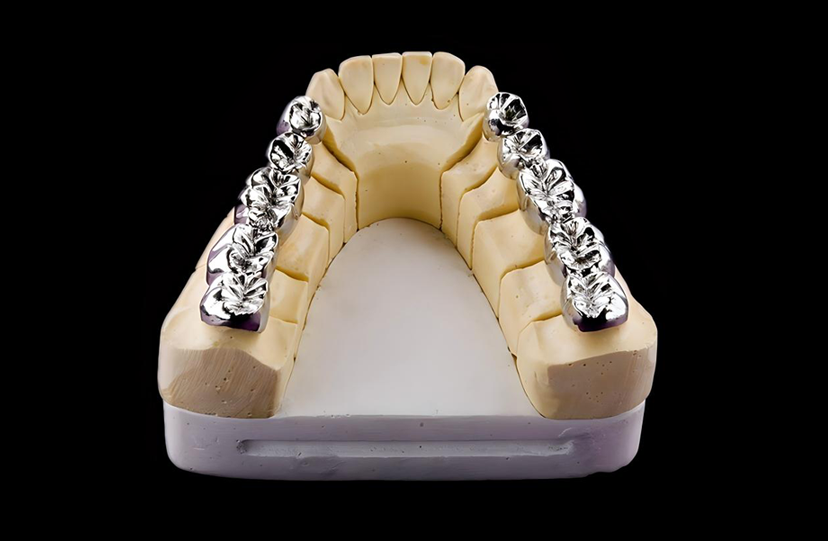
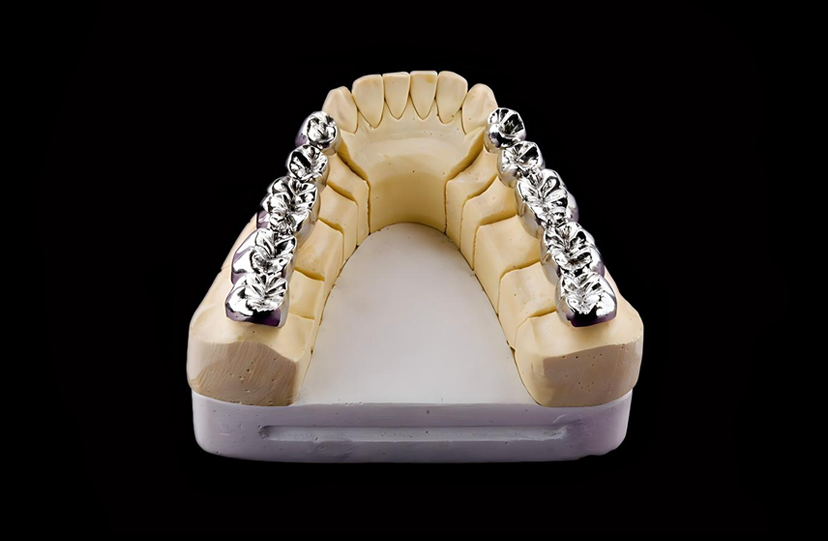
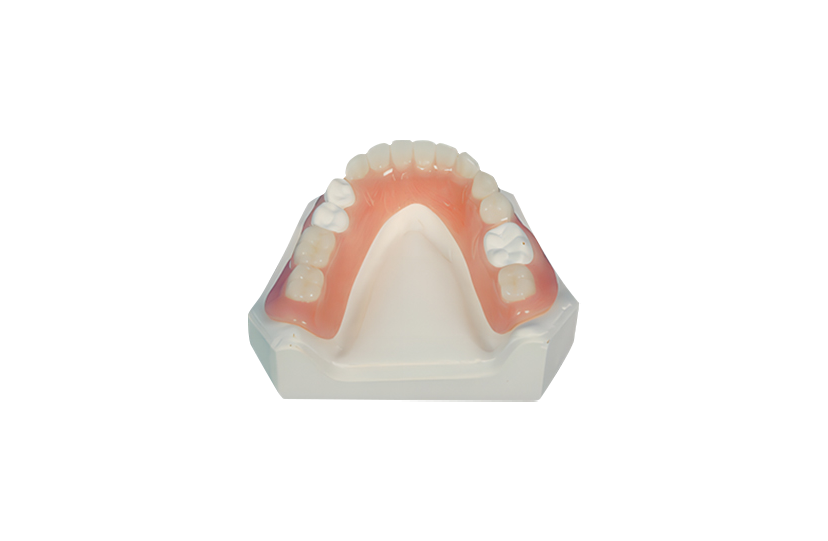
A PEEK Framework is a high-performance structural part made from Polyetheretherketone, a semi-crystalline thermoplastic that is known for having great mechanical properties and being biocompatible. In restorative dentistry, this framework is the main support structure for prosthetics. It takes the place of traditional metal alloy frames in cases involving removable partial dentures, implant-supported bars, and complicated rehabilitation.
Core Material Characteristics
The material has a special mix of qualities that directly address clinical pain points. PEEK Frameworks are much lighter than titanium or gold alloys, with a density of only 1.32 g/cm³. This means that they put less weight on the patient's residual ridge and supporting tissues. The material's melting point is 343°C, and its glass transition temperature is 143°C. This makes sure that the shape stays stable during clinical adjustments and lab processing. It is also resistant to all common solvents except concentrated sulphuric acid, which means that it will last for a long time in the mouth.
Biomechanical Function
The framework's value of flexibility is about 4 GPa, which is similar to human bone. This may help address stress distribution challenges associated with highly rigid framework materials that come with hard metal structures. This mechanical resemblance lets the stress be spread out perfectly during functional loads, keeping the supporting tissues and bone below from getting too much force. PEEK doesn't have an elastic modulus higher than 100 GPa as metals do. Instead, it allows for physiological micromovement that may help create a more favorable stress distribution compared with highly rigid framework materials.
Benefits
There are many useful benefits for dental practices and labs that come from using PEEK Frameworks. These benefits cover clinical, operational, and patient-centered areas.
Enhanced Patient Comfort
Losing weight is one of the perks that can be seen right away. The reduced weight of PEEK frameworks may enhance wearing comfort, particularly for patients who are sensitive to heavier metal frameworks switching from standard metal prostheses. Because the material is thermally insulating, it doesn't cause the temperature sensitivity problems that are common with metal frames, especially when drinking hot or cold drinks.
Superior Aesthetic Integration
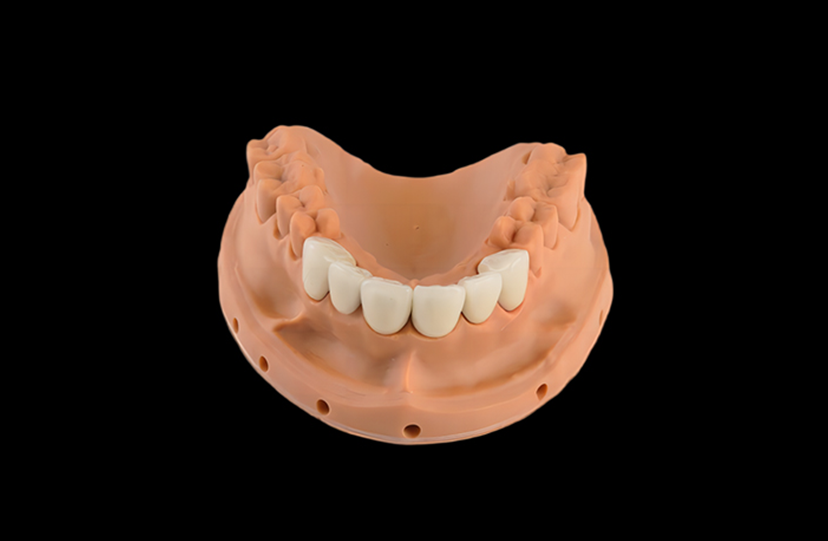
The tooth-like colour of PEEK gets rid of the greyish shade that metal clasps and connections often leave behind under the gums. This advantage in terms of looks is especially helpful in the front and for people with deep smile lines, where metal show-through can ruin the look of the implant. The material works well with composite veneering systems, which means that dental labs can achieve improved aesthetic integration through composite veneering techniques and make restorations look like real teeth without having to deal with the glueing problems that come with metal surfaces.
Clinical Performance Improvements
The framework is radiolucent, which means that supporting bone and soft tissues can be seen clearly on X-rays. This lets prosthodontists check on the health of the area around the implant and spot any potential problems without any artefacts getting in the way. During long-term maintenance visits and implant surveillance protocols, this diagnostic advantage is very helpful. The lower abrasiveness of PEEK compared with some harder materials may help reduce wear considerations on opposing dentition. This is a big problem with some ceramic and metal contact surfaces that wear down opposing teeth over time.
Advantages
When compared to other framework materials, PEEK has clear competitive advantages that affect buying choices based on a number of different factors.
Technical Superiority
Tensile strength of more than 90–100 MPa and high resistance to wear mean that the framework can handle years of repeated chewing loads without breaking. Laboratory fatigue testing demonstrates strong mechanical durability under simulated conditions; however, clinical longevity depends on design, fabrication quality, and patient factors. This level of performance means that the product will last much longer and won't need to be replaced as often. The chemical stability of the material keeps it from breaking down in saliva, dietary acids, and common dental care products. This means that the repair will keep its shape and function for a long time.
Biocompatibility and Safety
Because PEEK doesn't contain any metal ions, Because PEEK is metal-free, it may be a suitable option for patients with concerns related to certain metal sensitivities. This metal-free mix is perfect for the growing number of people who want biocompatible dental solutions and those who are sensitive to many chemicals. The substance complies with strict biocompatibility standards, such as ISO 10993 and USP Class VI, and there is substantial clinical evidence supporting its long-term tissue compatibility, with studies reporting favorable biocompatibility.
Manufacturing and Customization Flexibility
When making PEEK Frameworks, CAD/CAM milling technology achieves precise tolerances of within ±20 microns. This helps achieve highly accurate fitting and may reduce the need for extensive chairside adjustments. This accuracy directly solves one of the biggest problems dental offices face: long delivery meetings that require many framework changes. The machinability of the material makes design flexibility possible that isn't possible with cast metal frameworks. This lets the clasp positioning, connector dimensions, and stress-breaker configurations be optimised for each patient's anatomy. Laboratories say that the production processes are more efficient and take less time than the old ways of making and finishing metal frames.
Disadvantages
Even though PEEK Frameworks have a lot of benefits, objective evaluation means recognising some limitations that affect decisions about what to include in the assessment.
Surface Treatment Requirements
Specialised preparation steps are needed to get PEEK surfaces and composite veneering materials to stick together well. PEEK needs special primers and surface activation treatments to get strong enough adhesive, while metals can be mechanically held in place by just placing beads on top of them. To make sure veneers last a long time, labs need to buy the right cooling systems and teach workers the right way to apply them. At first, this learning curve can make production take longer while staff gets used to the protocols for the specific material.
Cost Considerations
The cost of PEEK's raw materials is usually higher than that of regular cobalt-chromium alloys, which affects the cost of making one unit. For precise PEEK manufacturing, you need special grinding equipment and cutting tools. These are big purchases that smaller labs might have a hard time justifying if they don't have enough case volume. Because of these things, the retail prices may be higher than for regular metal frameworks. This could make it harder for patients to accept them in price-sensitive markets or practices where most of the patients pay for services.
Clinical Adjustment Limitations
It is possible to change PEEK on the chairside using special carbide burs, but it can't be changed by heat treatment or soldering methods that are common for people who work with metal frameworks. Important design changes need to be made in the lab instead of quickly in the clinic. This shows how important accurate first views and careful case planning are. When practitioners move on from metal frameworks, they need to learn the right way to adjust thermoplastic materials so they don't damage them by accident while trying to make changes.
Comparison
Dental workers can make better material choices based on specific clinical situations when they know where PEEK stands in comparison to other framework materials.
PEEK Framework vs Traditional Metal Frameworks
| Feature | PEEK | Co-Cr | Titanium |
|---|---|---|---|
| Weight | Lightweight | Heavy | Moderate |
| Elastic modulus | Lower | Higher | Higher |
| Metal-free | Yes | No | No |
| Radiolucency | Yes | No | No |
The comparison shows that PEEK is one of a kind as a material that combines biological compatibility with mechanical performance. Acrylic resin frameworks aren't strong enough for complex cases, but PEEK has the structural integrity of metals while still being as flexible as bone. Instead of concentrating stress because titanium is rigid, PEEK's lower modulus spreads occlusal forces more naturally. Because it is radiolucent, PEEK provides advantages in imaging situations because of its radiolucent properties in ways that traditional frames can't.
Clinical Indications
PEEK Frameworks are flexible enough to be used for a wide range of restoration types, and their material properties make them ideal for certain uses.
Removable Partial Dentures
The material works great in Kennedy Class I and II cases where regular metal frames would make the case look bad or make the patient uncomfortable. When compared to stiff metal clasps, PEEK clasps contact undercut areas with enough hold and flexibility to reduce stress on abutment teeth. The framework is very light, which is especially helpful for cases of mandibular distal extension, where heavy metal structures can irritate the tissue and speed up the loss of the ridge. Patients whose natural teeth are on opposite sides of the bridge like how the non-abrasive touches protect the enamel areas over years of use.
Implant-Supported Bar Overdentures
More and more prosthodontists choose PEEK for implant-retained prostheses. This is because it acts as a shock-absorbing layer between the implants and the denture base. This uses PEEK's ability to reduce occlusal forces to keep osseointegrated fixtures from being overloaded, which can cause peri-implantitis or implant failure. The framework's precise fit reduces micromovement at the implant-prosthesis interface, which lowers the risk of mechanical problems. The framework's radiolucency makes it easier to check bone levels around supporting implants during the restoration's service life.
Full-Mouth Rehabilitation Cases
PEEK's design flexibility and tissue compatibility make it useful for complex reconstructive cases with multiple missing teeth. The material allows for complex connector paths and unique clasp combinations that would be hard or impossible to make with standard casting methods. People who are getting treatment for cancer or who have weak immune systems like PEEK because it is chemically stable and doesn't contain any metal ions that could combine with radiation therapy or drug regimens.
Materials
The choice of raw materials and the strict maintenance of pure standards throughout the supply chain are very important to the quality and performance of PEEK Frameworks.
Medical-Grade PEEK Specifications
For dental uses, PEEK mixtures must meet strict biocompatibility standards. These include medical-grade polymers that meet ISO 10993-1 requirements for long-term tissue contact. These materials are of medical quality and go through a lot of tests to make sure they don't contain any toxic extractables, have the right molecular weight distribution, and have uniform crystallinity levels that affect their mechanical properties. Manufacturers must only get PEEK from approved providers who can show proof that the material is listed with the FDA and meets the requirements of ASTM D638 for tensile properties. This is to make sure that the material works within the parameters that have been set.
Additive Considerations
Some PEEK formulations use radiopaque fillers to make them easier to see on X-rays when clinical protocols need to identify the framework. These changed compositions keep the core mechanical qualities and let doctors tell the framework apart from the surrounding tissue when they image it. Carbon fibre reinforcement is another variation that raises the tensile strength and stiffness for uses that need better mechanical performance. However, these changes affect the material's natural bone-like flexibility, so they must be chosen based on the specific needs of the case.
Manufacturing Workflow
There are several steps in the production process of the Precision PEEK Framework, and quality control has a direct effect on the accuracy and success of the end repair.
Digital Design and Planning
The first step is to import digital impression data into CAD software that is specifically made for removable prosthetics. Technicians use prosthodontic principles to create the framework's shape, placing clasps, links, and rests in the best places to distribute stress and keep the tooth in place. Software programs make sure that the structure is thick enough to be stable while also minimising any extra bulk that could make the patient less comfortable. Before they are made, design files are virtually analysed to find places where stress might be concentrating and to make sure there is enough space for the opposing teeth.
CAD/CAM Milling Operations
High-precision five-axis milling machines use diamond-coated cutting tools that are made to work with thermoplastic materials to make frames from PEEK pieces. The subtractive production method makes sure that the dimensions are accurate to within ±20 microns, which means that the teeth will fit perfectly on master models and then in patients' mouths. Milling strategies take into account how sensitive PEEK is to heat by using the right feed rates and cooling routines to stop thermal damage that could change the qualities of the material. As part of the post-milling checking process, coordinate measuring tools or optical scanners are used to check the dimensions of the finished frames against the original design specifications.
Quality Assurance Protocols
Frameworks that are finished go through several stages of inspection before they are sent out. Visual inspection finds surface flaws, unfinished milling areas, or finishing flaws that need to be fixed. Technicians check the fit on working models by looking at how well the clasp engages, how the tissue adapts, and how the teeth fit together. Ultramodern labs use micro-CT scans to find holes or voids inside structures that could weaken their stability. Frameworks that are going to be bonded get specific surface treatments and priming methods that are checked by shear bond strength tests to make sure they stick well enough for long-term veneer retention.
Cost Factors
The prices of the PEEK Framework are affected by a number of factors, which affect how dental practices and labs choose between suppliers.
Material and Production Complexity
Due to special manufacturing needs and biocompatibility certification costs, medical-grade PEEK raw material costs more than regular dental alloys. More complicated framework designs with lots of clasps, complicated links, or unique shapes need more milling time and cost more to make. If you want to change the design after the initial fabrication, you might have to start from scratch instead of making simple changes that are possible with metal frameworks. This could affect the turnaround time and cost.
Volume and Customization Requirements
The number of units ordered has a big effect on the price per unit. For example, laboratories offer better rates to practices that agree to regular case volumes or to dental service organisations that use the same PEEK Frameworks in all of their sites. When compared to simpler framework setups, fully customised designs that take into account the patient's unique anatomy usually command higher prices. When urgent clinical deadlines need to be met, rush production often comes with faster processing fees that reflect the priority scheduling and faster turnaround commitments.
Certification and Compliance
Frameworks made with ISO 13485:2016 quality control systems and FDA-listed materials come with compliance prices that make sure they follow the rules and can be tracked. Suppliers who offer detailed paperwork in support of CE marking and international biocompatibility standards put money into quality systems that keep dental practices from having to worry about liability issues while also making sure patients are safe by verifying the performance characteristics of the materials.
How to Choose a Supplier
When looking for a trusted PEEK Framework manufacturing partner, you need to look at a lot of factors that affect both the quality of the product and how well it works with other systems.
Technical Capability Assessment
Potential suppliers should show that they are skilled at using CAD/CAM to make thermoplastic parts. This can be done by showing case studies with a variety of framework designs and complicated clinical situations. Modern five-axis cutting centers and quality testing systems in manufacturing facilities show that money has been spent on making sure that products are made precisely. Before agreeing to work together on production, ask for example frames to check the quality of the craftsmanship, accuracy of the dimensions, and surface finish.
Regulatory Compliance Verification
Make sure that providers are still registered with the FDA, have CE certification, and are accredited by the ISO 13485:2016 quality management system. Check the paperwork to make sure that PEEK materials meet the biocompatibility standards set by ISO 10993 and have the right traceability records that connect finished frames to approved lots of raw materials. Dental practices are protected from possible liability by regulatory compliance, which also makes sure that safety standards are met that patients and regulatory authorities expect.
Service and Communication Standards
Check how quickly the seller was to your first questions by looking at how well they communicated and how much technical knowledge their customer service staff showed. Make it clear what the promised turnaround times are for standard and rush cases and make sure that production schedules match the practice's needs for on-time patient delivery. Look into the guarantee terms that cover situations where you have to get a new one. Make sure you understand how to handle fit problems, structural flaws, or material failures during certain coverage periods. When handling complicated meeting schedules, it's helpful to work with suppliers that offer a range of shipping choices, such as faster delivery for urgent cases.
Maintenance
Following the right care instructions will increase the service life of the PEEK Framework and keep it working at its best for as long as the repair is functional.
Patient Care Instructions
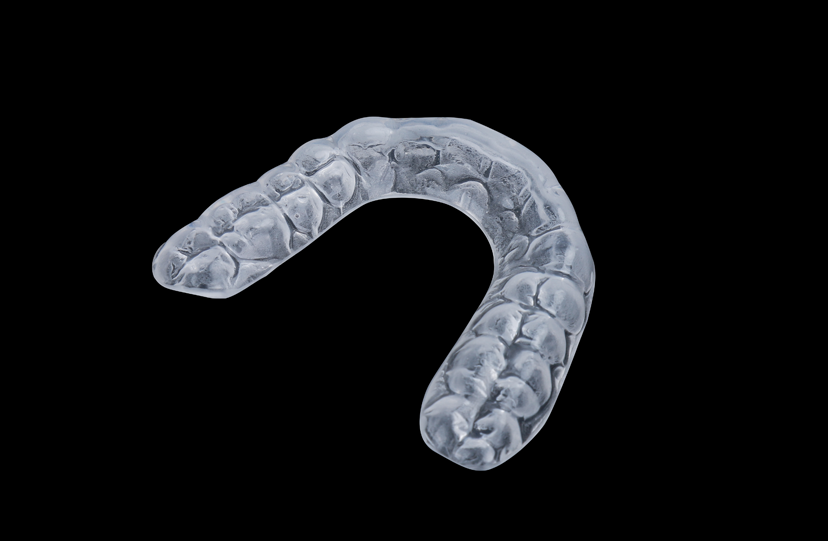
Patients should clean their PEEK Frameworks with soft-bristle brushes and toothpaste that doesn't scratch the surface. They should avoid using strong chemicals or sharp cleaners that could damage the finish. Ultrasonic cleaning systems get rid of debris well without causing mechanical wear, but patients need to follow the manufacturer's instructions on which cleaning products are safe for thermoplastic materials. When frameworks are taken off, they should be kept in water or denture solutions to keep them from drying out, which could affect their dimensional stability. This is especially important for designs that use acrylic parts that can shrink when they dry out.
Professional Maintenance Protocols
During regular reminder visits, the framework should be checked for signs of wear, damage to the structure, or clasp distortion that affects retention. Prosthodontists can make small adjustments by using fine diamond or carbide burs at slow speeds and enough cooling to avoid using too much heat, which could change the properties of the material. When clasps need to be adjusted for retention, it's better to make small, controlled changes than to bend them too hard, which could cause stress fractures. Professional ultrasonic cleaning during hygiene appointments gets rid of biofilm and calculus deposits that home care might miss. This keeps the structure clean and stops tissue irritation caused by bacterial colonisation.
Key Takeaways
PEEK Frameworks are a big step forward in tooth repair technology. They solve some of the biggest problems with standard metal structures by being better at biocompatibility, having mechanical qualities that match bone tissue, and having aesthetic benefits that alloy materials can't offer. The thin design makes the patient more comfortable, and the bone-like flexibility spreads out the physiological stresses of occlusal contact, preventing tissue damage and supporting long-term mouth health. Radiolucency makes diagnostic tracking easier, and the metal-free composition gets rid of allergy worries that are affecting a rising number of patients. Material costs more than other options, and surface treatment protocols need specific knowledge, but the clinical benefits include fewer remakes, happier patients, and more efficient operations, which make the investment worth it for practices that care about quality outcomes. Integrating the PEEK Framework into prosthodontic processes works best when suppliers are carefully chosen based on their regulatory compliance, manufacturing accuracy, and service reliability.
FAQ
What makes PEEK frameworks more comfortable than metal alternatives?
With a density of 1.32 g/cm³, PEEK Frameworks weigh three to four times less than titanium or cobalt-chromium equivalents. This makes tissue compression and pressure points much less severe. The material's elastic modulus of about 4 GPa is very similar to that of human bone. This means that it can move slightly during function, unlike metal frameworks that are rigid and have moduli above 100 GPa. This flexibility keeps stress from building up on supporting tissues and instead spreads occlusal forces more naturally across leftover ridges and adjacent teeth.
Can PEEK frameworks be used for patients with metal allergies?
PEEK doesn't have any metals in it, which makes it a potential option for patients seeking metal-free restorative solutions to nickel, cobalt, chrome, or other alloy components. The only thing that makes up the material is organic polymers that meet biocompatibility standards like ISO 10993 and USP Class VI. There have been no recorded allergic responses or poor tissue tolerance in clinical studies. This gives prosthodontists a reliable option when treating patients with complicated medical backgrounds or multiple chemical sensitivities.
How does PEEK compare to titanium in implant-supported applications?
Titanium is the best material for an implant fixture, but PEEK is better for connecting implants to prosthetic parts. The lower elastic stiffness of the material acts as a shock buffer, reducing occlusal forces that could otherwise go straight to osseointegrated implants and cause bone loss or peri-implantitis. Because PEEK is radiolucent, peri-implant bone levels can be scanned without any problems during maintenance visits. This is not possible with titanium bars, which obscure surrounding tissues during imaging.
What is the typical service life of a PEEK framework?
When made correctly, PEEK demonstrates favorable wear resistance characteristics in laboratory evaluations. Material durability was tested in the lab and shown to last through millions of load cycles, which is the same as decades of clinical use. With proper design, fabrication, and maintenance, PEEK frameworks may provide reliable long-term clinical performance if they are properly maintained and patients follow the care guidelines that are suggested. Chemical stability of the material keeps it from breaking down in the presence of saliva, food acids, and cleaning products, so it can be used for long periods of time without losing its structural integrity or mechanical properties.
Do PEEK frameworks require special adjustment techniques?
PEEK can be changed from the chairside using fine diamond or carbide burs that are run at moderate speeds and with enough water cooling to keep the heat from building up. Unlike metal frames that can be changed by gluing or heat treating, PEEK needs to be mechanically reduced in order to be changed. This means that if the design changes a lot, it may need to be made over in the lab. Instead of grinding teeth aggressively, prosthodontists should make small, controlled adjustments that don't damage the structure or make rough surfaces that irritate soft tissues.
How does framework weight affect long-term tissue health?
Too much implant weight speeds up the breakdown of leftover ridges by putting constant mechanical pressure on the supporting mucosa and bone below it. Because PEEK is so light, it reduces this damaging pressure. This protects tissue design and keeps the denture base stable over time. Patients say they feel less pain in their tissues and can handle longer periods of wear better. This is especially helpful in cases of mandibular distal extension, where heavy metal frameworks often cause pain and faster bone loss.
What surface treatments optimize PEEK bonding for composite veneering?
For veneers to stay in place, the PEEK surface needs to be mechanically roughened using airborne particle abrasion or chemical etching. This is then followed by the use of primers made specifically for thermoplastic materials. These treatments change the surface energy and create micromechanical retention that regular dental adhesives can't do on PEEK surfaces that haven't been changed. To make sure veneers stay stable over time, labs must carefully follow the manufacturer's instructions and test the glueing strength to make sure it works.
Are PEEK frameworks visible on dental X-rays?
Because PEEK is radiolucent, frameworks are almost see-through on X-rays, making it easy to see the bone, soft tissues, and supporting dental structures below. This feature makes it easier to diagnose root conditions below clasps, bone levels around supporting fixtures, and diseases that can't be seen when metal artefacts cover up internal details. Radiopaque PEEK formulations with mineral fillers can help in some situations because they make the framework easier to see while keeping the core's dynamic qualities.
Why Choose HYC for PEEK Framework Manufacturing
HYC has been making specialised products for 22 years and can help dental workers who need precisely built PEEK Frameworks that give them clear clinical and operational benefits. Our facility is registered with the FDA and operates under an ISO 13485:2016 certified quality management system to make sure that every framework meets strict international biocompatibility and safety standards. This is done by using traceable medical-grade materials that meet applicable regulatory requirements. We know how important it is to get the fit right the first time, so we use advanced five-axis CAD/CAM milling technology and strict quality control protocols to maintain high dimensional accuracy through advanced CAD/CAM milling technology and strict quality control procedures. Our production is flexible enough to allow for standard processing in three days and turnaround times of four to five days for more complicated cases. We also offer faster options, such as expedited shipping options are available for urgent cases. As a reliable PEEK Framework maker, we offer fully customised solutions that are made to fit your exact design needs. Our services are backed by a full guarantee (2 years for set restorations and 1 year for removable prosthetics) and quick technical support. Get in touch with us at info@hycdentallab.com to talk about how our PEEK Framework solutions can help improve workflow efficiency, consistency, and patient satisfaction, and speed up your prosthodontic processes.
References
1. Najeeb, S., Zafar, M. S., Khurshid, Z., & Siddiqui, F. (2016). Applications of polyetheretherketone (PEEK) in oral implantology and prosthodontics. Journal of Prosthodontic Research, 60(1), 12-19.
2. Schwitalla, A. D., Abou-Emara, M., Spintig, T., Lackmann, J., & Müller, W. D. (2015). Finite element analysis of the biomechanical effects of PEEK dental implants on the peri-implant bone. Journal of Biomechanics, 48(1), 1-7.
3. Tannous, F., Steiner, M., Shahin, R., & Kern, M. (2012). Retentive forces and fatigue resistance of thermoplastic resin clasps. Dental Materials, 28(3), 273-278.
4. Zoidis, P., Papathanasiou, I., & Polyzois, G. (2016). The use of a modified poly-ether-ether-ketone (PEEK) as an alternative framework material for removable dental prostheses: A clinical report. Journal of Prosthodontics, 25(7), 580-584.
5. Bathala, L., Majeti, V., Rachuri, N., Singh, N., & Gedela, S. (2019). The role of polyether ether ketone (PEEK) in dentistry: A review. Journal of Medicine and Life, 12(1), 5-9.
6. Tetelman, E. D., & Babbush, C. A. (2008). A new transitional abutment for immediate aesthetics and function. Implant Dentistry, 17(1), 51-58.
YOU MAY LIKE