Zirconia in Dentistry-Everything you need to know about Multilayer zirconia
Multi-Layer Zirconia is a big step forward in dental restoration technology. It combines stacked gradient structures that look like the structure of real teeth. This pre-sintered zirconia material has different levels of shade and translucency inside it. It is strong and dark in the cervical area and clear like real teeth at the incisal edge. Understanding this material gives dentistry labs, clinics, and procurement managers access to replacements that fit the first time perfectly, need fewer remakes, and can be turned around faster for patients. Precision, aesthetics, durability, and legal compliance are some of the biggest problems in buying this technology. It also makes CAD/CAM processes more efficient.
What is Multi-Layer Zirconia and How is it Made?
Engineered Layer Architecture for Natural Aesthetics
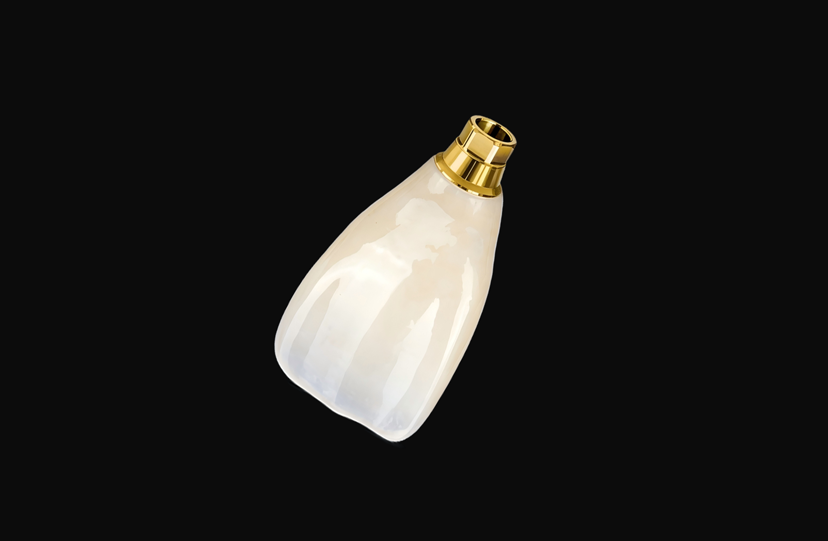
Multi-Layer Zirconia is made up of blocks of pre-sintered zirconium dioxide that have been designed with different layers inside them. Each layer is set up to have certain visual and mechanical qualities. The neck base is very clear and strong—more than 1200 MPa—so it's perfect for uses that need to hold weight. As you move closer to the front edge of the tooth, the translucency gradually rises, mimicking the way real enamel lets light through. This smooth gradient gets rid of any obvious lines, making replacements that look exactly like the teeth next to them.
The structure of the material solves a major problem for prosthodontists and lab technicians: it makes it possible to get both power and beauty without having to add porcelain. In the past, painting and applying ceramics had to be done by hand, which took more time and caused more variation. Gradient zirconia blocks get rid of these steps, which cuts down on production time while keeping quality consistent across batches. This is a big plus for dental service companies that have to handle a lot of cases.
Manufacturing Process: From Block to Restoration
High-purity zirconium dioxide powder is mixed with yttria oxides to make the first step in production. Manufacturers make 3Y-TZP (tetragonal zirconia polycrystal with 3 mol% yttria) for the greatest strength, 5Y-PSZ (partially stabilized zirconia with 5 mol% yttria) for ultra-translucency, or hybrid mixes that have the best of both worlds. Isostatic pressing is used to turn the powder into thick green bodies, which are then pre-sintered to about 40–50% of their final density.
At this pre-sintered stage, digital CAD/CAM milling takes place, when the material is still stable in size but soft enough to be machined easily. Dental labs or outsourcing centers send in digital prints, use their own software to create restorations, and then mill the blocks with five-axis accuracy. After milling, repairs go through high-temperature sintering processes, which usually last between 8 and 12 hours at 1450 to 1550°C. This makes the material denser and smaller by about 20 to 25 percent. Controlling the sintering process correctly is very important because changes in temperature can affect the mechanical qualities and color consistency.
This fabrication process works perfectly with how current dental labs work. When labs use open-architecture CAD/CAM systems, they can get pre-shaded zirconia blocks from a number of different suppliers. This gives them more buying options and lets them meet the needs of a wide range of cases. It's even more flexible because it works with different implant systems and base designs, so it can hold anything from a single anterior crown to a full-arch implant bridge.
Material Science: Balancing Strength and Translucency
Stabilizing the yttria is what makes gradient zirconia work so well. 3Y-TZP versions have a flexural strength of more than 1200 MPa, which means they can be used for long-span bridges and posterior replacements that are put through a lot of force during chewing. But because they are less clear, they can't be used for aesthetic purposes in the front zone. 5Y-PSZ, on the other hand, has the same level of translucency as enamel but is weaker (about 600–800 MPa), so it can only be used for single-unit frontal repairs.
These pros are combined in hybrid Multi-Layer Zirconia. The neck layers use 3Y or 4Y formulas to keep the structure strong, and the incisal layers use 5Y material to make the teeth look like real teeth. This engineered gradient makes it possible for a single repair to meet both functional and cosmetic needs. This makes it easier for buying managers to keep track of their goods, since they don't have to keep different types of materials on hand.
Biocompatibility is another very important benefit. Zirconia doesn't react with living things and doesn't cause allergies. It doesn't release metal ions that could make people sensitive or darken their gums. Studies in humans show that soft tissues respond very well to implants, and healthy tissues around the implants stay healthy for long periods of time. The fact that this material meets FDA, CE, and ISO 13485:2016 standards gives quality assurance teams the legal trust they need for foreign distribution.
Benefits and Clinical Applications of Multi-Layer Zirconia in Dentistry
Superior Aesthetic Performance
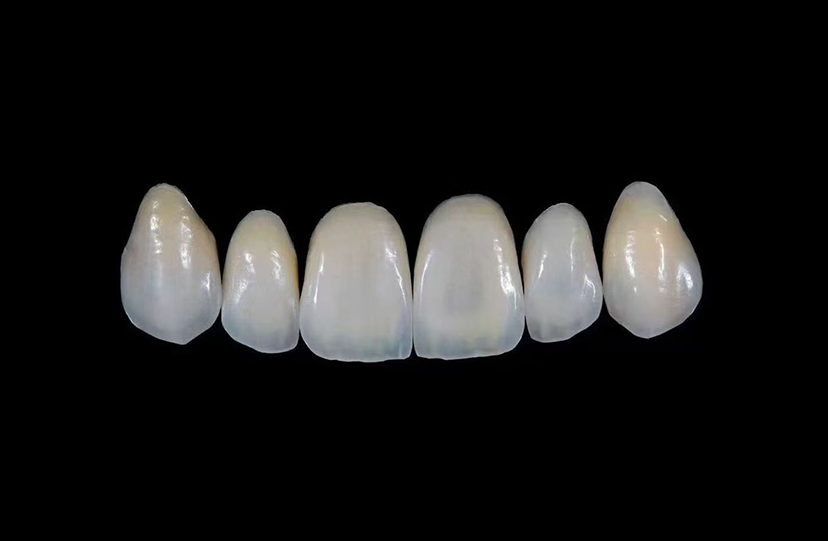
Layered gradient technology gives teeth optical qualities that are similar to those of real teeth. The material's internal shading gives colors an accurate depth without any stains on the outside, which can wear off over time. Different levels of translucency let light pass through and bounce naturally, creating the warm liveliness that is typical of healthy enamel. This means anterior restorations that meet the needs of even the pickiest patients, fewer changes made at the chairside, and higher case acceptance rates for cosmetic dentistry centers.
Dental lab owners gain from more efficient work processes. With pre-shaded blocks, techs don't have to spend hours layering and staining by hand, so they can focus on fine-tuning the margins and making changes to the occlusal surfaces. This speed directly leads to faster turnaround times, which gives them a competitive edge when clinics need regular cases to be produced every three to five days.
Versatile Clinical Indications
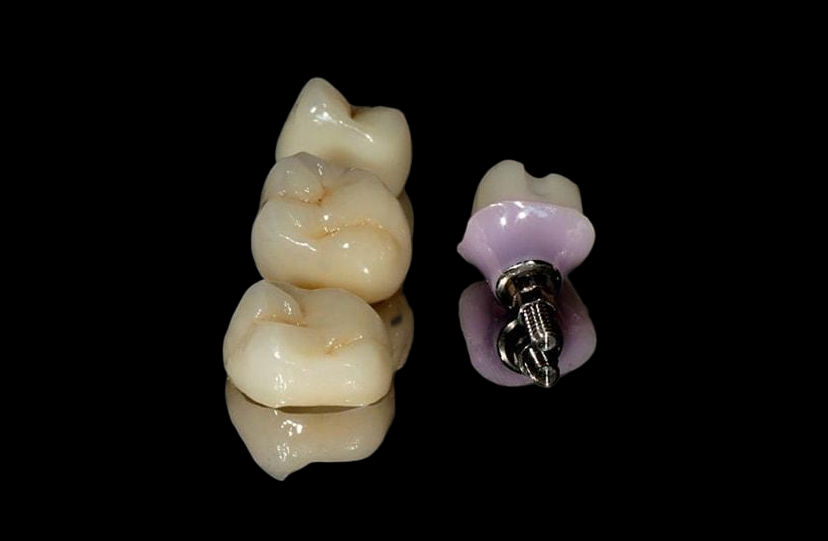
The balanced performance rating of Multi-Layer Zirconia makes it useful for many different tasks. The most common use is for anterior and posterior single crowns, where the material's strength and good looks make it ideal. This technology also lets three-unit bridges be used in places where premolars are, where regular, clear zirconia might not be strong enough.
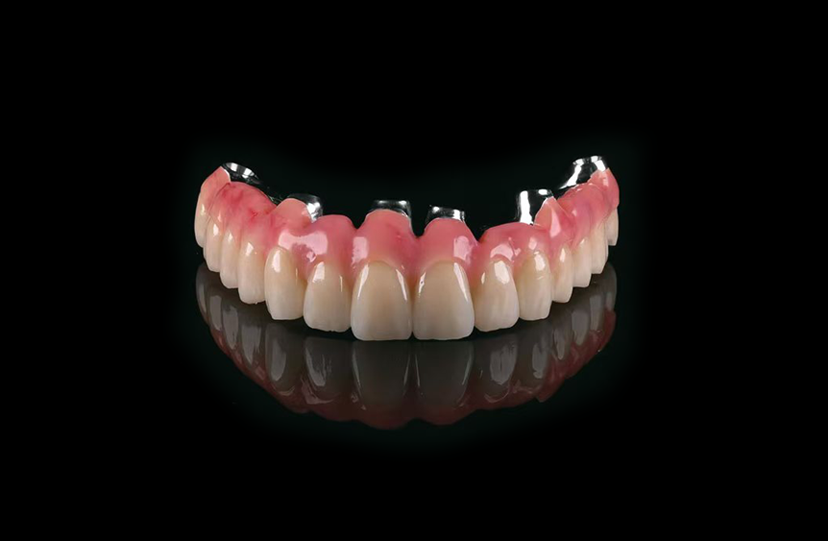
Gradient zirconia is being used more and more in full-arch rehabilitation cases for implant-supported frames. The high strength-to-weight ratio of the material makes it possible to make prostheses that are smaller and more comfortable while still keeping their shape over 14–16 unit spans. This lowers the risk of framework fracture, which is a costly problem that needs a full reconstruction for implant experts working on complicated cases.
New uses are being found for minimally invasive repairs. When 5Y-PSZ or hybrid formulas are used to make veneers, inlays, and onlays, the teeth only need to be slightly ground down (as little as 0.6 to 0.8 mm), which protects the original tooth structure. This conservative method fits in with the focus on biomimetic techniques in modern dentistry, making it appealing to both dentists and patients who want less invasive treatment choices.
Biocompatibility and Long-Term Reliability
Multi-Layer Zirconia has become a major advancement in modern dental restoration technology because it combines strength, aesthetics, and long-term reliability in a single material. Unlike traditional zirconia, Multi-Layer Zirconia is designed with a natural gradient structure that closely mimics real teeth, offering higher translucency at the incisal edge and greater strength near the cervical area. This allows dental laboratories and clinics to produce restorations that fit more accurately, reduce remakes, and improve patient satisfaction. Multi-Layer Zirconia is widely used for crowns, bridges, veneers, and full-arch restorations because it delivers both durability and a natural appearance. Its excellent biocompatibility also helps maintain healthy surrounding tissue and reduces the risk of irritation or allergic reactions. There is a lot of clinical proof that gradient zirconia repairs last a very long time. At ten years, survival rates were over 95% in several studies. Because it doesn't wear down, chip, or stain easily, the material keeps its good looks for a long time. If you get porcelain-fused-to-metal replacements, the metal may show through, or the porcelain may become slightly discolored. But zirconia doesn't contain any metal, so the color stays fixed, and the tissue stays healthy.
This stability lowers the number of remakes needed and the costs that come with them for dental chains and group practices that manage standard procedures across multiple sites. It's easier to get quality that is the same from one seller to the next when the features of the materials are clear, and the manufacturing processes are managed. Purchasing managers can make vendor scorecards based on real measures like fit accuracy, shipping time, and defect rates, knowing that the performance of the materials will meet these quality standards.
Comparing Multi-Layer Zirconia with Other Dental Materials
Multi-Layer Zirconia vs. Monolithic Zirconia
Comparison of Multi-Layer Zirconia and Monolithic Zirconia generally refers to blocks made of a single mixture, most often 3Y-TZP. These blocks are very strong but not very clear. When longevity is more important than looks, these materials work great for posterior uses. But because they look cloudy, they can't be used for areas that will be seen from the front. Multi-layer options get around this problem by adding clear incisal layers, which means that clinical signs can cover the whole arch.
Monolithic zirconia is better for businesses that want to save money because single-composition blocks tend to be cheaper. But the total cost of ownership changes when you look at how often things are redone and how happy the patients are. Because gradient zirconia looks better, porcelain veneering isn't needed as much. Porcelain veneering is hard to do and can chip, so less material is wasted, and technicians spend less time on it. For labs that do a lot of work, these savings make up for the small price increase.
Multi-Layer Zirconia vs. Lithium Disilicate
Lithium disilicate glass-ceramics are very clear and have been the most popular choice for anterior restorations for many years. The way they look is still great, and their optical qualities are very close to those of real enamel. However, the bending strength (around 400–500 MPa) means that it can only be used for single-unit fillings or short-span anterior bridges when the teeth are in the best possible position.
This problem is solved by Multi-Layer Zirconia, which has the same look but is much stronger. A mixed gradient repair can reach a flexural strength of 900–1200 MPa while still being clear enough for anterior uses. This gives dentists the confidence to treat cases that needed lithium disilicate in the front and zirconia in the back before. It also makes choosing materials and keeping track of supplies easier.
Multi-Layer Zirconia vs. Porcelain-Fused-to-Metal
Porcelain-fused-to-metal (PFM) veneers have been used in dentistry for many years because they last a long time and look good. However, the move to all-ceramic options is being driven by a number of problems. Metal substructures make teeth opaque, which requires thick porcelain veneers to cover up. This makes preparation more difficult and increases the risk of breaking. In the smile zone, metal ions can cause metal show-through or darkening of the gums in the margins, which is not aesthetically pleasing.
These worries are completely taken away by Multi-Layer Zirconia. Metal-free makeup keeps colors from running and helps soft tissues respond better. Because the material is stronger, it requires less preparation, which allows for more careful tooth reduction. The CAD/CAM method makes sure that the edges of the repair always fit together correctly, which is often a problem with PFM restorations that are made by hand casting metal and layering porcelain.
From a purchasing point of view, Multi-Layer Zirconia's digital process makes the lab less reliant on techs' different manual skills. It becomes easier to predict and increase quality, which is very important for dental service companies that are opening more sites. Even though PFM may still have some uses, the market clearly prefers all-ceramic options. This means that practices and labs that want to be ahead of the curve should consider investing in gradient Multi-Layer Zirconia.
How to Choose the Right Multi-Layer Zirconia Supplier and Product
Evaluating Supplier Credentials and Quality Standards
To find a trustworthy Multi-Layer Zirconia provider, you need to carefully consider a number of important factors. Regulatory compliance is very important. For materials sold in the U.S. market, sellers must show that they are registered with the FDA. For materials sold in Europe, they must have CE marking and ISO 13485:2016 approval that confirms their quality management systems. These qualifications make sure that materials meet standards for biocompatibility and that quality control is maintained throughout the manufacturing process.
Comparing Brand Options and Product Portfolios
Both production ability and freedom are important. Dental labs that have to deal with changing case loads need sources that can handle both large orders and requests for custom manufacturing. Minimum order numbers (MOQ) should be in line with how quickly your inventory turns over. MOQs that are too high can tie up working capital, while MOQs that are too low could mean that you can't produce as much, and the supply could become unstable. Find out from possible sellers how long their lead times are, if they offer fast shipping, and if they can handle urgent orders.
Professional sellers are different from product vendors because they are clear about where their materials come from. Manufacturers with a good reputation list the amount of yttria and other ingredients in their gradient blocks on technical data sheets that also include the blocks' bending strength, translucency values, and sintering processes. With this information, lab workers can find the best milling settings and sintering plans so that the results are the same for each production run.
Best Practices: Handling, Polishing, and Maintaining Multi-Layer Zirconia
Proper Handling and Storage Protocols
During the production process, Multi-Layer Zirconia blocks and repairs need to be handled carefully. Pre-sintered blocks are pretty fragile and can break if they are dropped or hit. Keep blocks in their original packaging in climate-controlled areas where the temperature stays between 15°C and 25°C and the relative humidity stays below 60%. Too much moisture uptake can lower the quality of sintering, leading to splits or changes in the shape of the material.
Make sure that the cutting tools you use for milling stay sharp and are set correctly. When dull burs create too much heat and pressure, they make tiny cracks that spread during sintering or clinical service. As suggested by the maker, burs should be replaced every 10 to 15 repairs for standard-density zirconia. Before fusing, use compressed air to get rid of all the grinding dust. Any leftover particles can cause surface flaws or color changes.
Adjustment and Polishing Techniques
Even when using exact CAD/CAM fabrication, clinical changes are sometimes needed to get the best contact and occlusion. When you grind Multi-Layer Zirconia without water, you create heat that changes the phases and makes tiny cracks in the structure. To keep the material from getting too hot, use fine-grit diamond burs (30–40 μm) at modest speeds (about 20,000 RPM) and a lot of water. Don't stay in one place for too long; instead, move in broad motions to spread the heat around.
Once the change is done, cleaning is a must. If you don't polish Multi-Layer Zirconia surfaces, they become rougher, which can eat away at the opposing enamel and make the teeth less comfortable and useful over time. Two-step polishing methods work well: first, use medium-grit rubber polishers to make the surface smooth, and then use fine-grit or diamond-impregnated polishers to give the surface a shiny look. Some labs use ceramic coating to fix areas that need it, but this takes longer to process, and there is a chance that the glaze will chip.
Conclusion
Through designed gradient technology, Multi-Layer Zirconia has changed tooth restoration by combining natural looks with structural strength. The layered structure of the material—strong cervical base moving to clear incisal edge—means that longevity and beauty don't have to be chosen between them. It can be used for everything from single anterior crowns to full-arch implant bridges. For dentistry labs, clinics, and procurement managers, Multi-Layer Zirconia solves important problems: perfect fit the first time, fewer remakes, faster turnaround times, and full regulatory compliance, such as FDA registration and ISO 13485:2016 certification. Strategically choosing suppliers based on their quality records, output flexibility, and logistics dependability guarantees consistent material performance and low prices. Multi-Layer Zirconia is the best material for offices and labs that want to be efficient, provide high-quality work, and make sure patients are happy in modern restorative dentistry because it works with both CAD and CAM systems.
FAQ
How long do multi-layer zirconia restorations typically last?
Clinical data show that gradient Multi-Layer Zirconia replacements that are properly made and cared for usually last longer than ten years. In fact, many studies have found survival rates above 95% at the ten-year mark. Preparation quality, cementation methods, occlusal forces, and patient oral care are some of the things that affect how long a tooth lasts. Because bruxism patients put too much force on their restorations, they may not last as long. Multi-Layer Zirconia's high hardness lowers this risk compared to other materials.
Can multi-layer zirconia be used for long-span bridges?
Gradient Multi-Layer Zirconia can be used for long-span bridges, but it relies on how the material is made. Newer 4Y or mixed multi-layer compositions can support bridge uses as long as the base layer keeps its flexural strength around 1100 MPa. 3Y-TZP with less translucency is still best for long spans. Manufacturers say what the highest span should be for each product. Typical limits range from full-arch frames with 3Y-TZP or hybrid formulas to 3-unit bridges with 5Y-PSZ. When choosing materials for long-span cases, look at the technical paperwork and think about the framework design, the connector size, and the way the patient bites down.
What factors cause price differences between gradient zirconia brands?
Price changes are caused by more than just the makeup of the object. Premium positioning is based on a brand's image and marketing investments, even if the technical performance isn't that different from that of specialized makers. The size of production affects unit prices; bigger companies get economies of scale that smaller ones can't. Location affects prices by affecting transportation, labor costs, and the cost of following rules. Costs are also affected by things like the clarity of the yttria, the range of particle sizes, and the strictness of quality control. Instead of just looking at the price per unit, purchasing managers should think about the overall value, which includes expert help, delivery reliability, and warranty coverage.
Partner with HYC for Premium Multi-Layer Zirconia Solutions
HYC provides high-precision, Multi-Layer Zirconia restorations backed by 22 years of excellent manufacturing and full legal compliance, such as FDA registration, CE approval, and ISO 13485:2016 quality management systems. Our gradient Multi-Layer Zirconia goods have very low remake rates and very high first-time fit accuracy, which immediately meets your main procurement needs for quality and efficiency. We offer a flexible production schedule, with normal shipping in three days and turnaround times of four to five days for set cases. In urgent cases, we also offer flash delivery. As a Multi-Layer Zirconia maker with a lot of experience, we can make any pattern you want. We also offer a 2-year guarantee on fixed restorations and quick customer service after the sale. Get in touch with our team at info@hycdentallab.com to talk about your unique case needs and see why dental pros all over the world trust us.
References
1. Zhang Y, Lawn BR. Novel zirconia materials in dentistry. Journal of Dental Research, 2018; 97(2): 140-147.
2. Sulaiman TA, et al. Optical and mechanical property development of multilayer zirconia. Dental Materials, 2020; 36(12): 1645-1656.
3. Carrabba M, Vichi A, Louca C, Ferrari M. Translucency of multi-layer zirconia: a comparison of different brands and formulations. Journal of Prosthodontic Research, 2021; 65(3): 358-364.
4. Denry I, Kelly JR. State of the art of zirconia for dental applications. Dental Materials, 2008; 24(3): 299-307.
5. Stawarczyk B, et al. Three-unit anterior fixed dental prostheses made of monolithic, veneered, and multilayer zirconia: five-year clinical evaluation. Dental Materials, 2021; 37(9): 1427-1436.
6. Kontonasaki E, et al. Strength and aging resistance of multilayer zirconia after different sintering protocols. Journal of the Mechanical Behavior of Biomedical Materials, 2019; 97: 311-318.
YOU MAY LIKE
_1779414347678.webp "FCZ(Full Contour Zirconia)")
 Partial.webp "Cobalt-Chrome (Co-Cr) Partial")