IPS e.max Press: Sustainable Packaging in Dental Ceramics
When purchasing managers and dentistry lab owners look at lithium disilicate ceramic materials, IPS e.max Press always comes out on top because it is so strong and looks great. This pressed ceramic system is made of high-strength lithium disilicate glass-ceramic and has a flexural strength of more than 470 MPa. This makes it possible to make exact, long-lasting repairs that make both doctors and patients happy. Sustainable packaging has become an important strategic factor in choosing a provider, going beyond clinical success. Eco-friendly packaging is better for the earth, costs less to throw away, and fits with business sustainability goals that are becoming more common in North America and Europe's dental supply chains.
Understanding IPS e.max Press and Its Industry Role
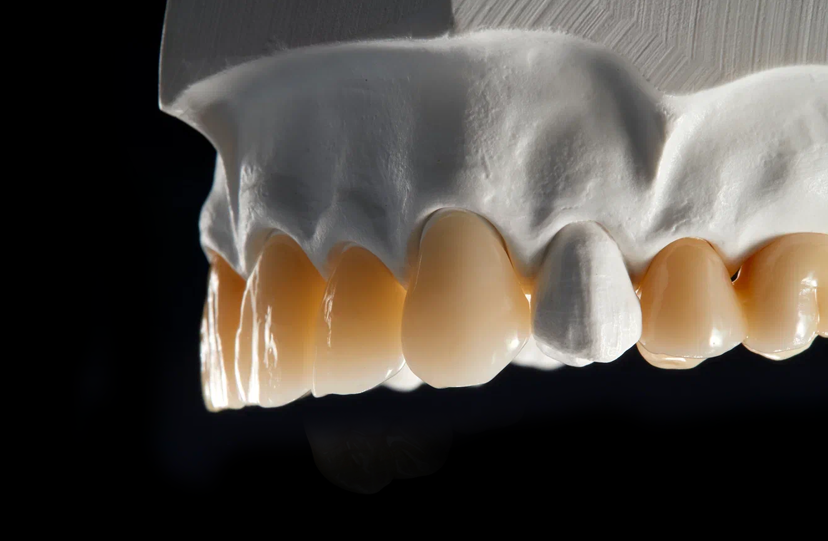
Lithium disilicate materials have changed the way cosmetic dentistry is done because they are so clear and strong. The heat-pressing method copies fine wax-up details and high-resolution 3D prints, making repairs that are more precisely made on the edges than cut options. This precision is very important when centers want low remake rates and few changes made at the chairside. The bending strength of pressed lithium disilicate is around 400–500 MPa, while the flexural strength of CAD blocks is usually around 360 MPa before they crystallize completely. Long-term durability and first-time fit success are affected by the difference. These are two measures that have a direct effect on patient happiness and operational efficiency.
Material Properties and Packaging Requirements
Specialized packing is needed to keep fragile ceramic ingots safe while they are being shipped and stored. Because materials are sensitive to moisture and easily damaged, they need strong shields that keep them intact from the plant to the lab. The packaging for ingots needs to protect them from changes in temperature, dampness, and mechanical shock while still being easy to handle during high-volume production processes. Sustainable designs use reusable or organic materials without lowering safety standards to find a balance between better protection and less damage to the environment.
Global Procurement Trends Favoring Sustainability
There is more and more pressure on dental labs and procurement teams to show they care about the earth. Regulatory systems in Europe and North America are making it more and more necessary for medical device supply lines to reduce trash and use recyclable materials. Distributors who offer eco-friendly packing choices get an edge over their competitors and draw customers who care about business social responsibility. When making purchases, people now look at the total cost of ownership, which includes the cost of disposing of packaging trash as well as the performance of the material and how reliably it can be delivered. Sustainable packaging used to be a marketing benefit, but now it's a real procurement factor that affects which suppliers are chosen and how long-term partnerships are formed.
The Importance of Sustainable Packaging in Dental Ceramics
IPS e.max Press is often packaged in plastic boxes, foam inserts, and non-recyclable composites that are widely used in traditional dental packaging. These materials generate a large amount of waste, placing pressure on landfills and increasing disposal costs for dental laboratories. The environmental impact extends throughout the entire supply chain, from raw material extraction and product manufacturing to transportation and end-of-life disposal. As environmental regulations become increasingly strict, manufacturers and distributors are being pushed to adopt cleaner alternatives that still ensure compliance and protect product integrity.
Environmental Impact of Conventional Packaging
Most traditional dentistry ceramic packing is made of single-use plastics, which contribute to waste and resource loss. Laboratories that handle hundreds of cases every month produce a lot of packaging trash, which increases the cost of removal and the environmental risk. The carbon impact that comes with making new plastic materials is even worse for the Earth. More and more, procurement teams are aware that packaging waste has hidden costs that affect business budgets and company environmental measures.
Benefits of Sustainable Packaging Solutions
Changing to packing that is better for the environment has real benefits in many areas. Recycling materials lowers the amount of trash that ends up in landfills and the cost of managing trash. Biodegradable parts have less of an effect on the environment over time, which is in line with the ideals of the cycle economy. Shipping costs and pollution from movement go down when packing is lighter. This makes the supply chain more efficient. Adopting sustainable packaging helps a lab's image with customers who care about the environment and meet the needs for sustainability reports set by government agencies and industry certifications.
Companies that make medical devices and use recyclable packaging say their customers are more loyal and their products stand out in competitive markets. Case studies from companies that sell dental materials show that eco-friendly packaging makes relationships stronger with purchasing teams that put sustainability goals first. These real benefits show that sustainable packaging adds value beyond just protecting the earth; it also helps businesses grow and run more efficiently.
How IPS e.max Press Packaging Meets Sustainability and Functional Needs
Modern designs for packing pressed ceramic materials take care of the environment and meet strict standards for product safety. Material science advances have made it possible for reusable and biodegradable packaging to keep the moisture barriers and impact protection that are needed for ceramic ingots that are fragile. Manufacturers and packaging suppliers work together to find materials that are made in an environmentally friendly way, make sure that the packaging can be recycled, and find the best ways to utilize logistics across delivery networks.
Innovative Packaging Materials and Design
IPS e.max Press uses paperboard that can be recycled, biodegradable plastics, and reduced-plastic hybrid materials in environmentally friendly packaging for lithium disilicate ceramics. Protective fillers are made of molded pulp or recyclable foams that absorb shock and break down safely when thrown away. Traditional plastic laminates are being replaced with moisture-resistant coats made from plant-based materials. This keeps the quality of the ceramic without hurting the environment. These design choices make sure that packing does its job of protecting things while also having the least amount of effect on the environment over its whole life.
Compliance with International Standards
Following the rules is still very important in the supply lines for dental materials. For packaging options to be sustainable, they need to meet the requirements for FDA registration, ISO 13485:2016 quality control standards, and CE certification. Biocompatibility testing proves that the materials used for packaging don't get on ceramic goods or put patients at risk. Procurement teams make sure that sellers keep a lot of paperwork that shows they are following the rules. This paperwork should include environmental certifications and material safety data sheets. This close supervision lowers the risk and makes sure that efforts to be more environmentally friendly don't hurt the quality of products or regulations.
Comparing IPS e.max Press Packaging with Alternatives in the Market
Looking at the different types of packaging for ceramic systems shows that there are big differences in how environmentally friendly they are and how well they protect. Because zirconia is a dense and brittle material, the plastic used to package crowns is often heavy. This has an effect on the environment and raises the cost of removal. Pressed lithium disilicate packaging is better when the ingots are smaller and lighter, which means less packing bulk and less pollution from shipping. The total cost of ownership includes the cost of getting rid of packaging trash, the room needed for storage, and the chance of damage during shipping.
Cost Implications and Return on Investment
Sustainable packaging may cost a little more up front than regular plastics, but over time, the costs of ownership usually work out better for eco-friendly options. Lower fees for getting rid of trash help cover the initial cost, especially for labs that handle a lot of packing. Better brand image and customer trust bring intangible benefits that help a business grow and stay competitive over the long run. When procurement managers figure out ROI, they should include things like less waste, possible fines saved, and higher customer happiness.
Supplier Commitment and Support Services
Leading makers of IPS e.max Press show their commitment to sustainability by being open about their supply chains, setting clear environmental goals, and starting projects to keep getting better. Distributors with training programs teach lab workers how to properly handle and get rid of sustainable packing materials so that the earth benefits the most. Technical help makes sure that eco-friendly packaging fits in with current processes so that it doesn't mess up production plans or lower the quality of the products. These services boost faith in using eco-friendly packaging, making the shift easier for buying teams.
Guidelines for Procurement and Supply Chain Teams: Sourcing IPS e.max Press with Sustainable Packaging
Finding sellers who care about sustainable packing means carefully looking at their certifications, how they get their materials, and how open they are about their operations. Procurement workers should ask for specific information about the parts of the packaging, confirmation that they can be recycled, and suggestions for how to get rid of them at the end of their useful life. Authorized sellers show proof that they follow environmental rules and material specs listed by the FDA. Setting clear criteria for evaluating suppliers ensures that sustainable goals are in line with standards for quality, on-time delivery, and managing costs.
Supplier Evaluation and Certification Verification
To check a supplier's sustainability records, you need to look at their ISO 14001 environmental management certifications, information about the materials used in packing, and the results of supply chain audits. Claims should be checked by third-party licenses, and procurement teams should ask for samples that show how well the packaging works in real-life working situations. Being open about where materials come from and how they are made shows a real commitment to being environmentally responsible, not just greenwashing. Building ties with sellers who care about sustainability helps you work together for a long time and keep getting better.
Best Practices for Ordering and Storage
Optimizing order amounts cuts down on wasteful packing and harmful emissions from shipping while keeping enough inventory on hand to quickly handle cases. Combining shipments cuts down on the amount of packing needed per unit and makes transportation more efficient. When ceramics and boxes are stored properly, they stay in good shape and don't get damaged, which leads to less waste. Teaching lab workers how to handle sustainable packaging materials makes sure that they are thrown away correctly, which increases recycling rates and helps the environment.
Conclusion
Environmentally friendly packing is a smart way for dental labs and purchasing teams to help the environment while still meeting the high-performance standards needed for IPS e.max Press and pressed lithium disilicate restorations. The newest types of packaging protect fragile ceramics well by using biodegradable and reusable materials that meet strict government standards. Partnering with environmentally responsible suppliers gives procurement teams a competitive edge. They save money on trash disposal costs and improve the brand's image. Sustainable packaging can be successfully added to dentistry supply chains by checking approvals, figuring out the total cost of ownership, and following best practices.
FAQ
Why does sustainable packaging matter for pressed ceramic materials?
Sustainable packaging cuts down on trash, lowers the cost of disposal, and meets legal requirements that are being applied more and more in the medical equipment supply chain. Laboratories that handle a lot of cases create a lot of packaging waste, so using eco-friendly options is good for both the earth and the bottom line.
How can procurement managers verify supplier sustainability claims?
Ask for proof, like ISO 14001 licenses, material safety data sheets, and test results from a third party. Check samples of packaging to see if they can be recycled and broken down naturally. Transparent sellers give a lot of information about where to get materials and how to get rid of them.
Does sustainable packaging compromise product protection?
When compared to traditional plastics, modern biodegradable materials offer the same level of security or more. New developments in biodegradable polymers and reusable materials keep moisture barriers and impact resistance up, which are important for keeping the quality of ceramics while they are being shipped and stored.
What cost implications should procurement teams consider?
Total ownership costs should be looked at, including fees for getting rid of trash, how well storage works, and how often damage might happen. Sustainable packaging may have a little higher starting costs, but the money saved on disposal fees and the better image of the brand will help the business grow in the long run.
Partner with HYC for Sustainable Pressed Ceramic Solutions
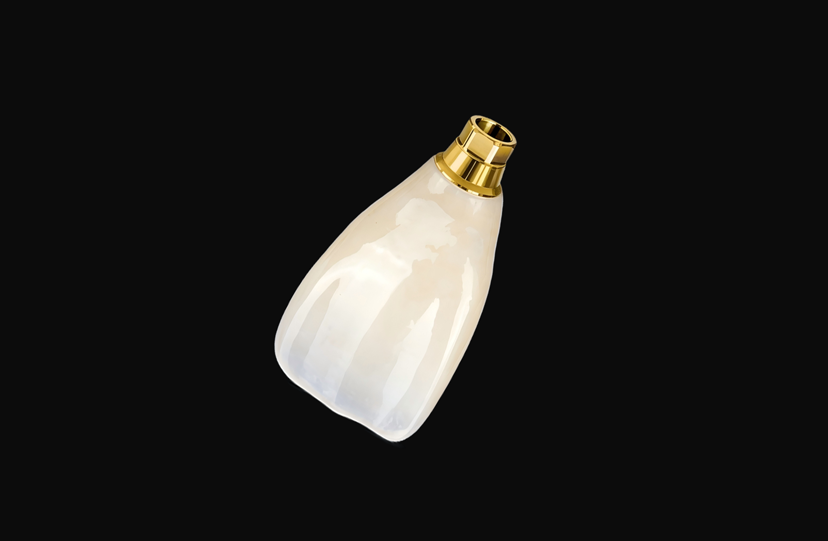
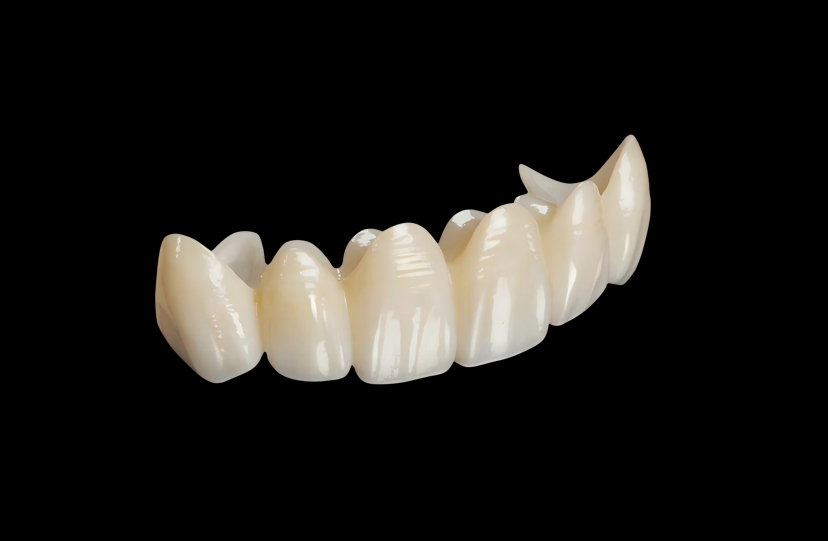
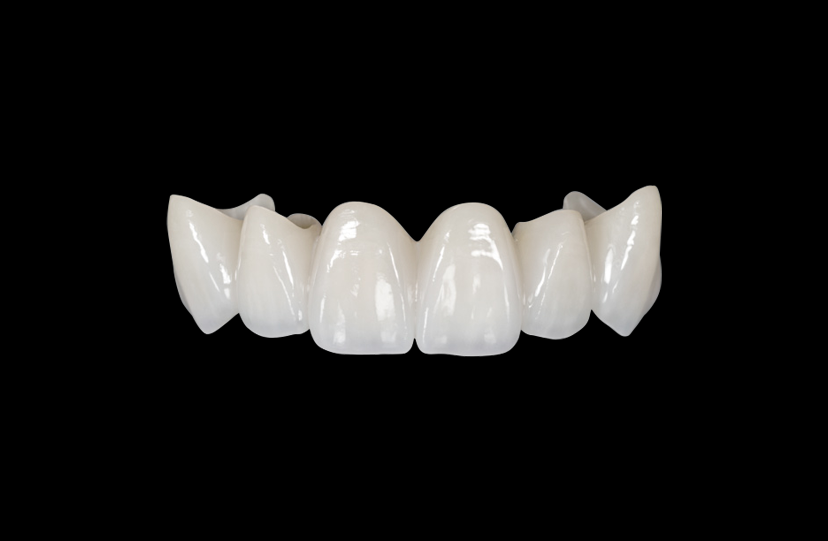
HYC uses its 22 years of experience in production, along with environmentally friendly methods, to make lithium disilicate replacements that meet your clinical and environmental needs. Our pressed ceramic crowns have a tensile strength of more than 470 MPa and fit the first time perfectly, so there are fewer remakes and changes made at the chairside. We keep our FDA registration, CE approval, and ISO 13485:2016 compliance up to date, which makes sure that all foreign markets follow the rules. Our production is flexible enough to allow for normal shipping in three days and turnaround times of four to five days for fixed repairs. For urgent cases, we can also offer flash delivery. We offer 100% customizable solutions and a 2-year guarantee on fixed goods as a reliable IPS e.max Press provider. Email us at info@hycdentallab.com to find out how our eco-friendly materials and high-quality production can help your lab work better and be more eco-friendly.
References
1. Ivoclar Vivadent AG. (2021). IPS e.max Press: Scientific Documentation. Schaan, Liechtenstein: Ivoclar Vivadent.
2. Kelly, J. R., & Benetti, P. (2018). Ceramic Materials in Dentistry: Historical Evolution and Current Practice. Australian Dental Journal, 63(S1), S84-S96.
3. Conrad, H. J., Seong, W. J., & Pesun, I. J. (2017). Current Ceramic Materials and Systems with Clinical Recommendations: A Systematic Review. The Journal of Prosthetic Dentistry, 118(3), 389-401.
4. International Organization for Standardization. (2019). ISO 13485:2016 Medical Devices — Quality Management Systems. Geneva: ISO.
5. Dental Tribune International. (2020). Sustainability in Dental Manufacturing: Environmental Impact Reduction Strategies. Leipzig: Dental Tribune International GmbH.
6. Healthcare Plastics Recycling Council. (2022). Sustainable Packaging Solutions for Medical Devices: Best Practices and Emerging Innovations. Washington, DC: HPRC.
YOU MAY LIKE