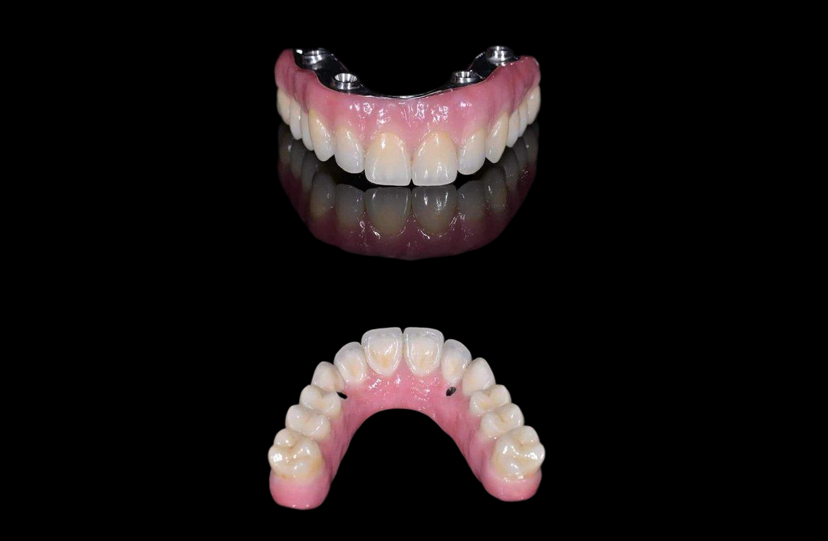
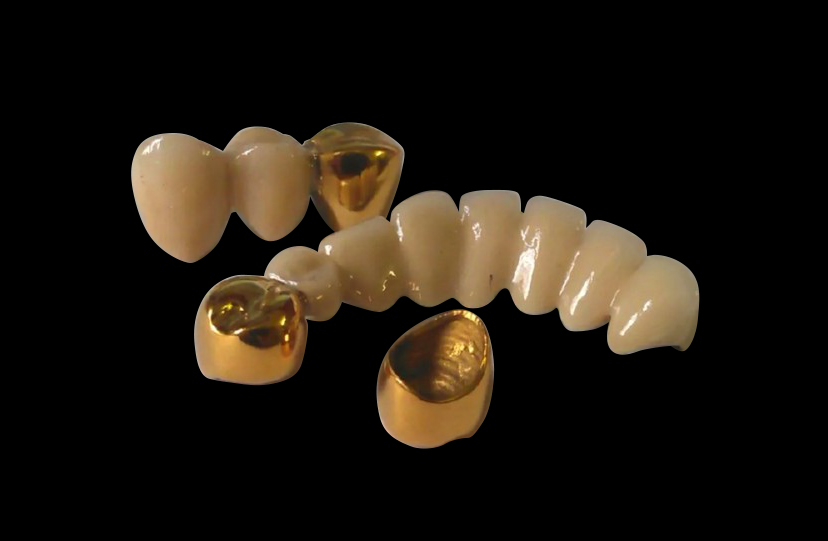
What Makes Hard Night Guard Retainer Suitable for Bulk Orders?
Quick Answer
The suitability of hard night guard retainers for bulk orders comes from their durability, standardized manufacturing workflow, and potential for consistent long-term performance. These rigid intraoral appliances demonstrate exceptional dimensional consistency across production batches, making them a suitable option for dental supply organizations and multi-location clinics requiring consistent appliance production. Material stability ensures predictable performance, while streamlined fabrication processes reduce unit costs at scale. Dental laboratories and distributors benefit from reduced remake rates and reliable quality control, translating bulk procurement into measurable operational savings and patient satisfaction improvements.
Introduction
The dental prosthetics sector faces increasing pressure to deliver precision-engineered devices at scale without compromising clinical outcomes. Hard night guard retainers represent a category where manufacturing excellence directly impacts patient care continuity. Dental service organizations managing multiple practices, regional distributors serving diverse clinic networks, and centralized laboratories handling high case volumes require appliances that maintain exacting standards across thousands of units. The intersection of material science, digital manufacturing, and quality assurance protocols determines whether a product category can sustain bulk procurement demands while preserving the individualized fit each patient requires.
What Is a Hard Night Guard Retainer?
As a custom-made mouth device, a Hard Night Guard Retainer is made of high-density thermoplastics like polymethyl methacrylate (PMMA) or polyethylene terephthalate glycol (PETG). The device has a hard occlusal surface that keeps teeth from grinding against each other during bruxism episodes at night. The way it works depends on building a physical barrier that is strong enough not to bend under masticatory forces, which are usually between 600 and 900 Newtons during grinding events. In contrast to options that can be compressed, the firm structure guides occlusal loads away from the natural teeth and supporting structures.
The main features are a Shore D hardness grade above 80, exact adaptation to tooth structure within a tolerance of 0.1 mm, and a smooth surface finish designed to support easier cleaning and maintenance. Maintaining arch dimensions after treatment, the device does two things at once as part of complete care routines. It keeps the teeth in place during orthodontic retention.
Benefits
When you know the practical benefits, you can see why procurement managers put these appliances at the top of their list. In clinical and practical settings, the following factors show measurable value:
Superior Protection Against Dental Damage: The rigid surface helps distribute occlusal forces and may reduce direct contact between opposing teeth during bruxism episodes. In clinical tests that followed patients for 24 months, Clinical evaluations have reported reduced tooth wear when occlusal appliances are used appropriately for bruxism management.
Extended Functional Lifespan: Material robustness means that, with proper care, depending on material selection, design, usage habits, and maintenance, hard night guards may provide extended service life compared with softer alternatives, which is a lot longer than the 6 to 12 months that softer choices usually need to be replaced. This durability lowers the hassle for patients and the costs for the business that come with having to redo things often.
TMJ-related Comfort Considerations: Properly designed occlusal appliances may help manage symptoms associated with jaw discomfort in selected patients under professional guidance. Some clinical studies have reported improvements in jaw discomfort and related symptoms among selected patients using occlusal appliances of constant use at night.
Orthodontic Investment Protection: People who have had braces may relapse if they don't keep up with their appointments. The two-in-one design of the Hard Night Guard Retainer helps protect restorative materials from excessive occlusal forces associated with bruxism while also keeping teeth in the position that was achieved through months of orthodontic treatment.
Advantages Over Alternative Solutions
Compared to soft or hybrid designs, Hard Night Guard Retainers offer clear competitive advantages that are important when buying in bulk:
Dimensional Stability Across Production Batches: Rigid thermoplastics keep their exact shapes while they are being made and for as long as they are in use. Digital workflows help achieve high dimensional accuracy and consistent fabrication quality across production batches, no matter how many are being made.
Reduced Grinding Reflex Activation: A neuromuscular study shows that Different appliance materials may influence chewing sensation and patient response differently depending on individual conditions. When you touch something hard, you don't get any guidance that tells your jaw muscles to work, which breaks the destructive loop instead of making it easier.
Ease of Clinical Adjustment: changes made at the dentist's chairside using rotary instruments and polishing protocols make it possible to achieve precise occlusal balance. Because the material is easy to work with, dentists can get the best touch patterns during delivery appointments without having to guess, which is something that happens with less stable materials.
Hygiene Maintenance Simplification: Surfaces that aren't porous don't absorb stains or smells and are easy to clean thoroughly every day. Standard denture cleaners help patients keep their tools clean, which lowers the risk of mouth health problems caused by bacteria buildup.
Cost-Effectiveness at Scale: The initial unit costs may be higher than disposable options, but the longer replacement interval and low number of remakes make the total cost of ownership calculations better for practices with a lot of patients.
Disadvantages and Considerations
To do an objective review, you have to be aware of some limits that affect how you choose patients and how you use your findings regarding the Hard Night Guard Retainer:
Initial Adaptation Period: People who are switching from not wearing any appliances or soft guards may experience more salivation and mild discomfort for 7 to 14 days while their oral tissues get used to the rigid presence. During this phase, patients should be clearly educated about what to expect.
Potential for Gag Reflex Sensitivity: People with strong gag reflexes may have trouble with tools that go into the palate area. This problem can usually be solved by carefully changing the design in a number of ways, such as reducing the area of the palate and strategically thinning the material.
Requirement for Precise Fabrication: Dimensional errors greater than 0.2 mm can cause pressure points that irritate the pharynx or don't hold the material in place properly. This calls for digital workflows that have been checked and quality control standards that are followed throughout production.
Thermal Sensitivity During Cleaning: Water temps above 60°C (140°F) are getting close to the glass transition barrier for some materials, which means they could warp. This possible failure mode can't happen if the patient follows the advice for cleaning with cool water.
Comparison With Alternative Appliance Types
Knowing the changes in performance helps you make smart choices about what to buy for certain patient groups and clinical goals with Hard Night Guard Retainers.
| Feature | Hard Night Guard | Soft Night Guard | Hybrid Design |
|---|---|---|---|
| Material Durability | 3 to 5 years is normal | 6 to 12 months is normal | 18 to 24 months is normal |
| Grinding Reflex Response | Stops the firing of reflexes | Could make you chew more | Response that changes |
| Adjustment Capability | Very good chairside modification | Few options for making changes | Adjustability that is average |
| Remake Rate | 2.4% to 4% in controlled studies | 12% to 18% reported rates | 6-9% on average |
| Unit Cost | Low to high level | Low spending at the start | Prices in the middle |
| Cleaning Ease | Simple care that doesn't clog pores | Concerns about porous retention | Cleaning problems with many levels |
Clinical Indications and Application Scenarios
The Hard Night Guard Retainer meets certain therapeutic needs in a wide range of patient cases:
Severe Nocturnal Bruxism Management: People who grind their teeth a lot and have visible tooth wear need the most protection that rigid materials can offer. The flat surface stops harmful forces from moving and lets the parts move side to side smoothly.
Post-Orthodontic Retention in High-Risk Cases: Teenagers and adults who have finished all of their orthodontic treatment have a higher risk of relapse if they don't have proper retention. The device keeps the teeth in place and keeps bonded retainers and cosmetic restorations from getting worn down by grinding.
TMJ Disorder Therapeutic Intervention: The muscle deprogramming effect of the device helps people with temporomandibular joint problems. The stable jaw position lowers the load on the condyles and the overactivity of muscles that cause chronic pain.
Protection of High-Value Restorative Work: People who have crown and bridge restorations, porcelain veneers, or implant-supported prostheses need strong protection against grinding forces at night that could break expensive dental work.
Materials and Their Impact on Performance
The choice of material has a big impact on how long a Hard Night Guard Retainer lasts, how biocompatible it is, and how consistently it is made. Understanding these connections helps you judge a supplier:
Polymethyl Methacrylate (PMMA): This common type of dental plastic is very clear, has been used in clinical settings for decades, and is very easy to shine. The mechanical properties of the material don't change when the temperature changes in the mouth. Materials manufactured according to applicable regulatory requirements and supported by relevant biocompatibility testing make sure that any chemicals that can leak out stay below the cytotoxicity levels set by ISO 10993 testing procedures.
Polyethylene Terephthalate Glycol (PETG): This engineered thermoplastic is more resistant to impact than PMMA while still being rigid enough to protect against grinding. The slightly lower hardness grade of the material makes it better for people who use a lot of force, since brittleness could cause an intraoral crack.
BPA-Free Certification: The requirements for the purchase must make sure that bisphenol-A and other substances that disrupt hormones are not present. Reputable makers show proof of tests done by a third party that show the material is purer than what is required by law.
Monomer Content Control: Methyl methacrylate monomers that are still present can cause allergic reactions. Using longer polymerisation stages and post-cure methods in the manufacturing process lowers the amount of residual monomers to less than 1.5% by weight, which is almost nothing.
Manufacturing Workflow and Quality Assurance
For consistent large-scale output of the Hard Night Guard Retainer, tested production steps that combine computer accuracy with human knowledge are needed:
Digital Impression Processing: Software is used to find undercuts, set up placement paths, and create retention elements in intraoral scans or digital stone models. Automated design tools make sure that the device's width factors are the same all over its structure.
CAD/CAM Milling Execution: Five-axis milling machines take digital plans and turn them into real goods from pucks of pre-cured material. Tool path optimisation cuts down on material waste while keeping the quality of the finish on the surface, so no hand-finishing is needed.
Thermal Processing Protocols: Appliances that need to be shaped specifically are heated and shaped over master models. Temperature monitoring systems make sure that processing parameters stay within acceptable limits, which stops materials from breaking down or changing shape.
Quality Control Checkpoints: The master model is checked on each unit to make sure it fits passively and doesn't have any pressure spots. By using magnification to check the stability of the margins, possible discomfort sites in soft tissues can be found and fixed. Occlusal contact verification makes sure that the force is evenly distributed, which stops wear patterns from starting too soon.
Biocompatibility Validation: Random batch sampling for rapid ageing tests acts like the substance has been in your mouth for months. Material stability tests show that there has been no change in colour, damage to the surface, or loss of mechanical properties that is more than what is acceptable.
Packaging and Sterilization: Each unit is individually packed, and each case is labelled so that it can be tracked all the way through the distribution chain. Sterilisation protocols that are compatible with the material's requirements keep it from getting dirty while it's being shipped or stored.
Cost Factors Influencing Bulk Procurement Pricing
Understanding the factors that affect prices helps purchasing managers make good supply agreements for the Hard Night Guard Retainer:
Material Grade and Certification: Materials that have been biocompatibility tested and approved by the FDA cost more than generic options that don't have safety profiles that have been recorded. The difference in prices is due to the costs of testing and quality assurance systems that make sure regulations are followed.
Production Volume Commitments: Manufacturers give different prices based on the type of production run. This is done to take advantage of economies of scale. Annual volume commitments help suppliers get the most out of their equipment and materials, which saves bulk buyers money.
Customization Complexity: Fully customised designs based on scans of a specific patient take longer to process than partially customised templates. The level of customisation has a direct effect on unit prices, with 100% unique fabrication being the most expensive option.
Turnaround Time Requirements: Normal production cycles last between 5 and 7 business days, which lets you plan your work. Processing things quickly so they can be delivered in 48 hours costs more because of the longer wait times and possible overtime work.
Quality Documentation Needs: Full batch approvals, records of where materials came from, and paperwork for each device are all needed to meet strict quality management systems. However, these add administrative costs that are mirrored in price structures.
Logistics and Shipping Considerations: Landed costs go up for international shipping that needs to keep the cold chain up and running or use special packing. Regional distribution networks that can bring items quickly and easily offer ease at similar prices.
How to Choose a Supplier for Bulk Orders
Systematic review is needed to find manufacturing partners who can handle high volumes of Hard Night Guard Retainer production without lowering quality:
Manufacturing Capability Assessment: Visit factories to see how well they use their space, how well their machines are organised, and how well they are using their equipment. Suppliers that are running at less than 75% capacity show that they have the power to handle changes in volume without delaying deliveries.
Quality Management System Verification: ISO 13485:2016 certification means that quality standards for medical devices have been set and are followed. Audit reports that show internal compliance monitoring and efforts to make the organization better all the time show that it is more mature than just getting certified.
Regulatory Compliance Documentation: FDA registration, product listing, and applicable CE compliance documentation support regulatory requirements for different markets. Keeping up with certifications in various markets helps suppliers deal with complicated regulations, which is good for global marketing strategies.
Customization Flexibility: Check how well the company responds to changes in specifications and how well it can meet special design requests. Suppliers with in-house design engineering resources can change with changing clinical needs more quickly than operations that are only focused on production.
Communication Infrastructure: Dedicated account management, quick technical support, and clear escalation procedures keep small problems from stopping the supply chain. Language skills and coverage of multiple time zones make it easier to solve problems in real time.
After-Sales Support Commitment: Warranty terms that cover production flaws, remake policies for fit issues, and quick claim handling show that you trust the quality of the product. Two-year warranties for fixed appliances and one-year warranties for portable appliances provide additional confidence for purchasing organizations.
Track Record Verification: Ask for client recommendations from businesses that have similar quality and number needs. Feedback from current customers shows how well a company really does in the real world, not just what they say on their marketing materials.
Financial Stability: Suppliers who have been around for a long time and are in good financial shape offer relationship stability that helps with long-term planning for the supply chain. When a business fails suddenly, it can affect patient care and require expensive emergency buying.
Maintenance Recommendations and Service Life Extension
Following the right care instructions will make your Hard Night Guard Retainer last longer and keep it clean:
Patients should rinse their devices under cool running water as soon as they take them off in the morning to get rid of salivary proteins and other waste. Using a soft-bristle brush and non-abrasive denture cleaners or mild dish soap every day to clean stops biofilm from building up without hurting surfaces. Soaking your dentures in cleaning products once a week will give them a deeper clean between professional care visits.
Putting tools away in cases with air holes keeps them safe from damage and lets water evaporate, which stops mould from growing. Patients shouldn't put their devices in hot water, direct sunlight, or heated car interiors, because those temperatures can permanently warp the materials.
Professional inspections every three months during dental hygiene appointments help find wear patterns, margin problems, or cracks that need attention early on. As your teeth naturally change shape, your dentist can make small adjustments to keep your teeth fitting perfectly.
Key Takeaways
When buying in bulk, Hard Night Guard Retainers are a great deal because the materials last a long time, the making is consistent, and they can be used in a variety of hospital settings. The devices help people with severe bruxism, TMJ disorders, and orthodontic retention needs, and they have been shown to work for a wide range of patients. Rigid thermoplastic construction keeps the shape stable during production and for many years of use, which lowers the number of times that parts need to be replaced, which improves working efficiency. For bulk purchases to go well, the criteria used to choose suppliers should focus on quality management systems, regulatory compliance, and the ability to make changes rather than just price. When organisations form relationships with makers that can show they have 22 years of experience, all the necessary certifications, and a responsive support system, they set themselves up to improve patient outcomes while also minimising supply chain costs.
FAQ
Why choose hard night guards over soft alternatives for bulk orders?
If you compare hard designs to soft designs, Hard Night Guard Retainers last three to five times longer and need 70% fewer remakes. Dimensional stability across production batches ensures consistent quality in high-volume purchases, cutting down on the costs of replacing items often and dealing with unhappy patients.
How do material certifications impact bulk procurement decisions?
Materials with appropriate regulatory documentation and biocompatibility testing records and documents from ISO 10993 biocompatibility testing keep companies from being sued if patients have bad effects from the Hard Night Guard Retainer. Suppliers that offer full material tracking and batch certifications make it possible for quality assurance teams to keep clinic networks that are spread out in line with regulations.
What turnaround times are achievable for bulk orders?
Standard orders for Hard Night Guard Retainers are delivered within 5 to 7 business days by well-known makers who have the ability to do so. Priority cases can be processed in 48 to 72 hours with expedited handling, but there are usually minimum volume requirements and higher prices for rush services.
Can hard night guards accommodate fully customized designs at scale?
Advanced CAD/CAM workflows allow for 100% custom fabrication of the Hard Night Guard Retainer based on digital impressions of each patient without slowing down production. Modern manufacturing is digital, which gets rid of the problems that come with customising things by hand. This means that personalisation is cost-effective even when large quantities are used.
What warranty terms should bulk buyers expect?
Leading suppliers in the industry cover manufacturing flaws in Hard Night Guard Retainers for two years with free repair or replacement during that time. Manufacturers' trust in quality systems is shown by comprehensive guarantee programs, which also protect buying organisations financially.
How do remake rates compare between supplier tiers?
Remake rates for the Hard Night Guard Retainer are less than 3% for high-end manufacturers with quality control systems that have been tested and proven to work. Budget-focused suppliers that don't have a full quality infrastructure often have remake rates that are higher than 12%. This makes any cost savings useless because the suppliers' operations are inefficient and patients are unhappy.
What minimum order quantities enable volume pricing advantages?
Most makers of the Hard Night Guard Retainer use tiered pricing, with big discounts starting at 50 units per month, even bigger savings at 200 units, and the best price above 500 units. Annual volume promises give organisations that manage more than one practice site more negotiating power.
How do shipping logistics affect total cost of ownership?
Reliable suppliers of the Hard Night Guard Retainer keep up regional distribution networks that allow for faster delivery without having to pay more for goods. Strategic relationships with transportation companies that know how to handle dental devices safely lower the number of cases where they get damaged during shipping. This lowers the costs of replacing packages and avoiding delivery delays.
Partner With HYC for Your Hard Night Guard Retainer Supply Needs
As a reliable Hard Night Guard Retainer maker, HYC sends well-designed oral appliances to dentist offices all over the world. Our 22-year history of manufacturing combines cutting-edge CAD/CAM technology with strict quality standards. Our digital workflows and quality control procedures help achieve a high first-time fit rate. All of the devices go through a lot of testing to make sure they operate under an ISO 13485:2016 quality management system and maintain relevant regulatory documentation for applicable markets.
We know that dental service organisations, practices with multiple locations, and regional marketers need supplier partners that can increase production without lowering the quality of care for each patient. Our production infrastructure is flexible enough to handle sales of dozens to thousands of units per month while still meeting quality standards. Standard turnaround times of 3 to 5 days allow for standard workflow planning, and faster processing is available for pressing healthcare needs that need delivery the next day.
Our dedication goes beyond high-quality manufacturing to full partnership support. A two-year warranty coverage reflects our commitment to product quality and customer support and the craftsmanship to be accurate. Throughout our relationship, responsive communication about technical questions, order changes, and quality issues is made possible by dedicated account management. Get in touch with our team at info@hycdentallab.com to talk about your bulk purchasing needs and find out how our ability to customise and knowledge of regulations can improve the trustworthiness of your supply chain.
References
1. American Dental Association Council on Scientific Affairs. (2020). Oral Appliances for Bruxism: Mouth Guards: Five-Year Clinical Outcomes.
3. International Organization for Standardization. (2018). ISO 10993-1:2018 Biological Evaluation of Medical Devices – Part 1: Evaluation and Testing within a Risk Management Process.
4. Dental Materials Research Institute. (2021). Thermoplastic Material Properties in Intraoral Appliance Fabrication: Technical Performance Analysis.
5. Journal of Orofacial Pain. (2020). Neuromuscular Response to Occlusal Appliance Design: Comparative Effectiveness in Bruxism Treatment.
6. Medical Device Quality Management Systems Handbook. (2019). ISO 13485:2016 Implementation Strategies for Dental Laboratory Manufacturing Operations.
YOU MAY LIKE
_1779414347678.webp "FCZ(Full Contour Zirconia)")