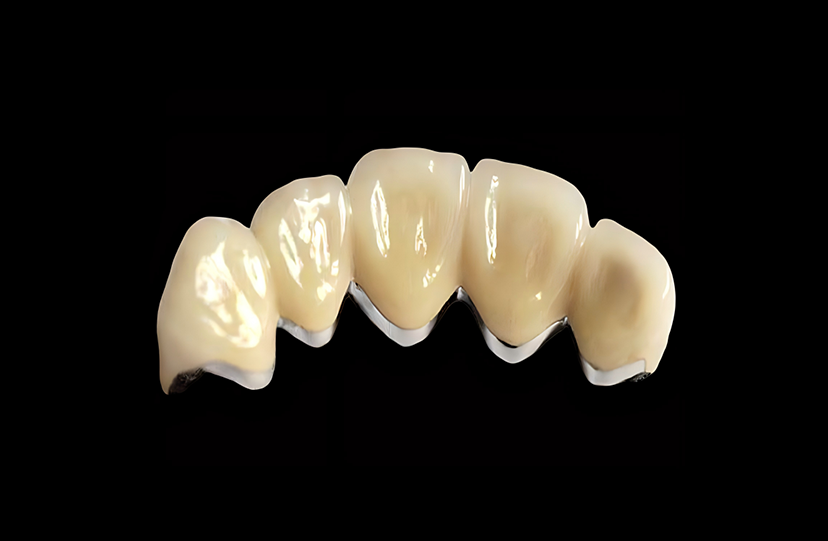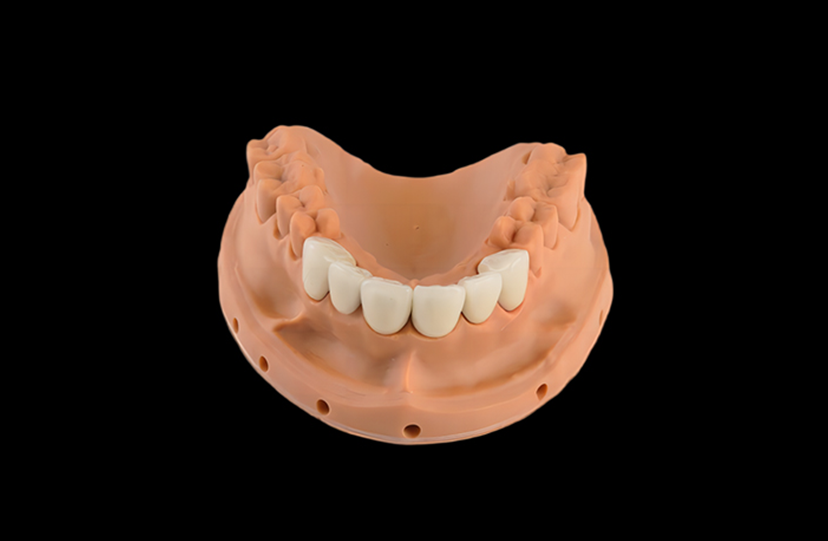
Silver PFM
Silver PFM Crowns and Bridges – Durable, Affordable Restorations for Your Practice
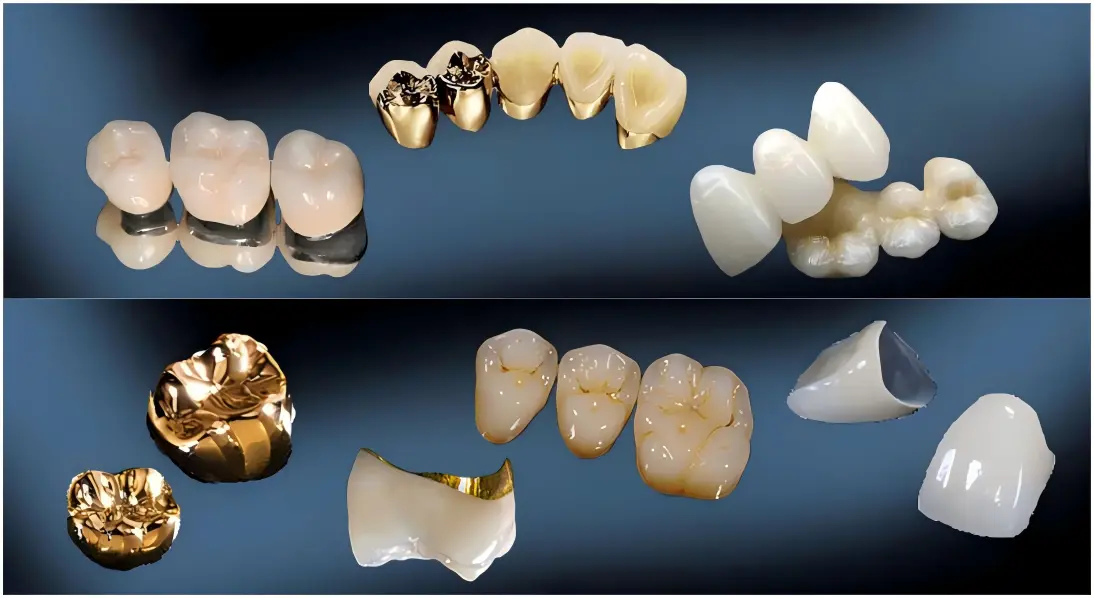
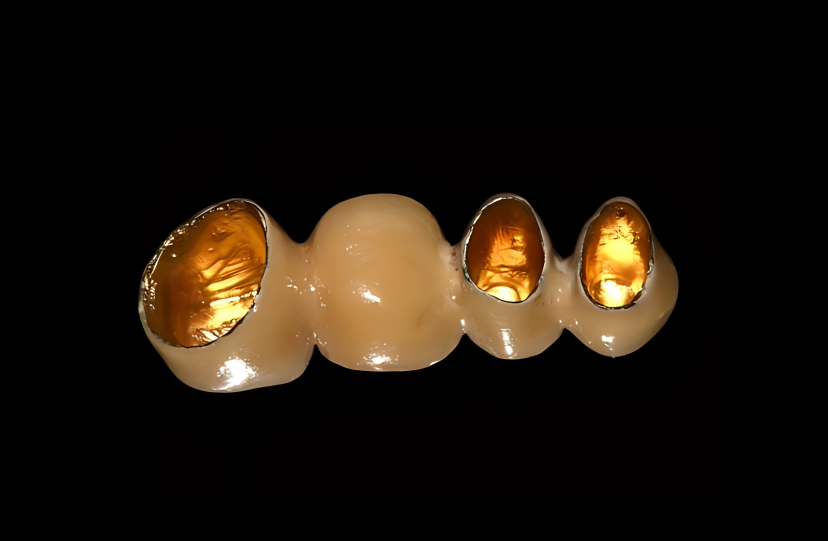
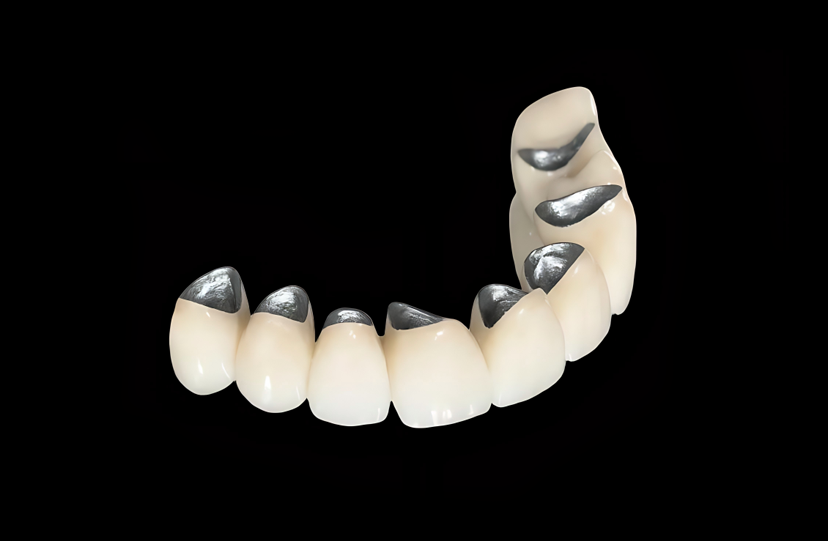
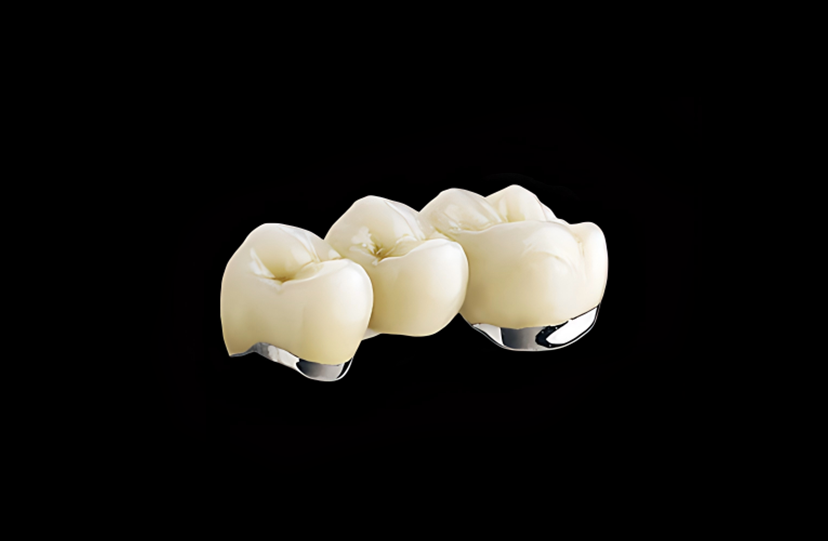
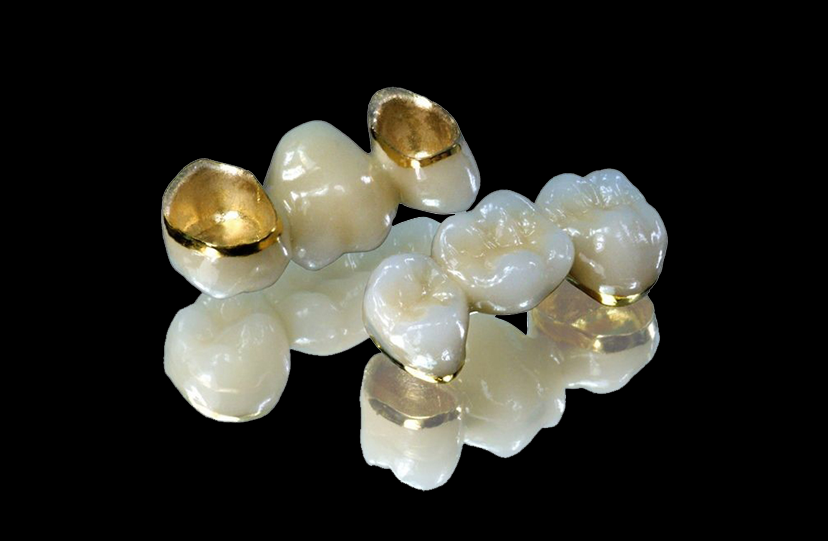
Silver PFM (porcelain-fused-to-metal) crowns from HYC Dental Laboratory combine over 22 years of proven dental expertise with modern digital precision. Our non-precious metal frameworks—crafted from cobalt-chromium or titanium alloys—deliver extraordinary pliable quality, fabulous negligible keenness, and a first-time fit rate that minimizes chair time. With ISO 13485 certification, US FDA enrollment, and CE-compliant materials, you can believe each reclamation that clears out our lab. Standard turnaround is fair 3 days, with assisted choices accessible. Perfect for long-span bridges (up to 14 units), embed crowns, and patients with overwhelming occlusal forces.
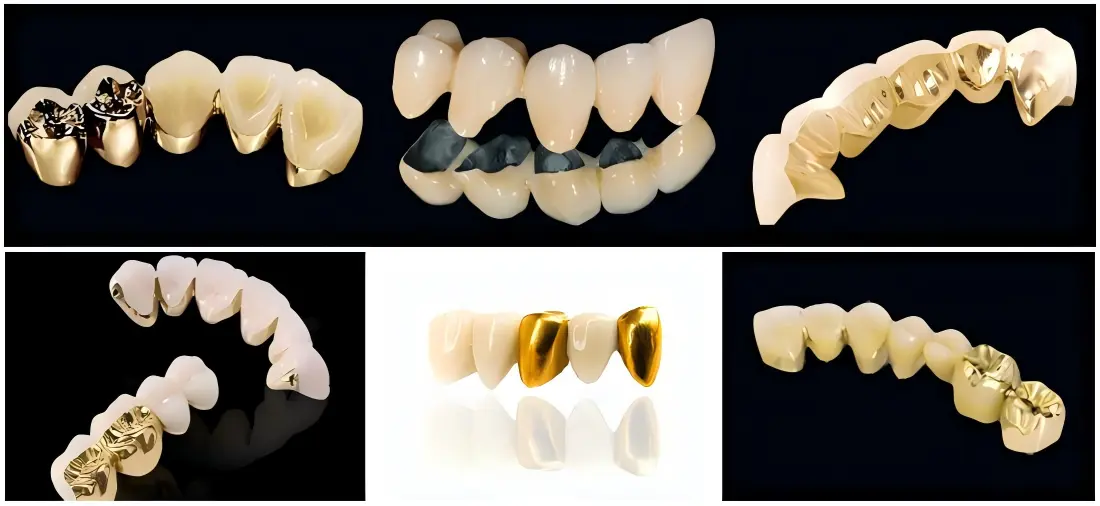
What Makes Our Silver PFM Different?
Proven Quality You Can Tally On
Your patients require reclamations that persevere. The item systems offer predominant break resistance and can final more than 20 a long time with legitimate care. The cobalt-chromium or titanium base gives a unbending establishment that bolsters porcelain layering, indeed in back zones where gnawing powers peak.
Precision Fit, Each Time
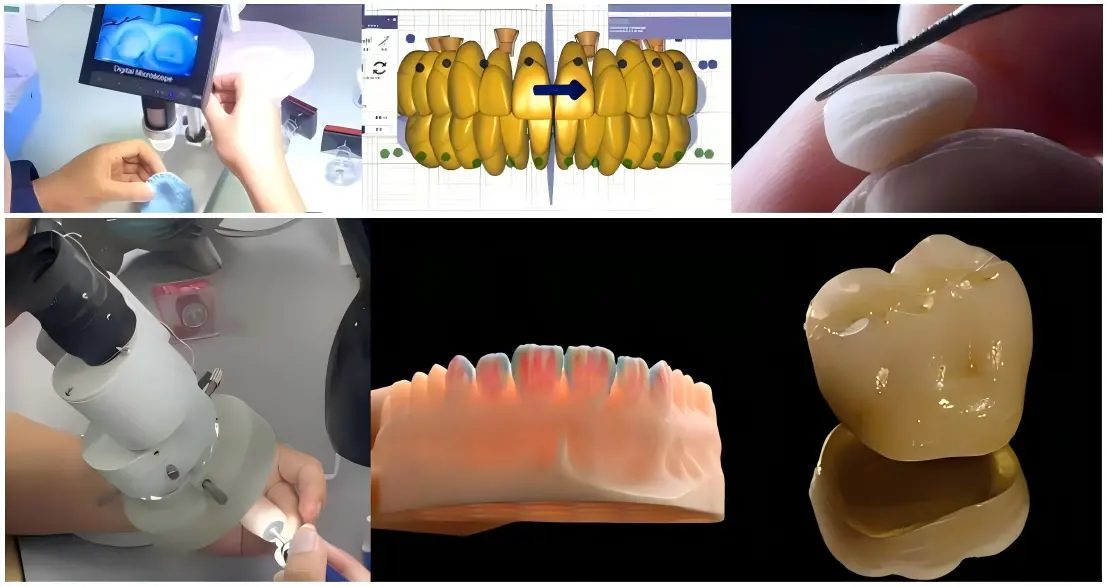
We coordinated progressed CAD/CAM workflows to accomplish minimal exactness that conventional casting strategies battle to coordinate. Computerized checking and DMLS (coordinate metal laser sintering) kill hand-waxing inconstancy and warm shrinkage. The result? Crowns that situate superbly on the to begin with attempt, sparing you alteration time and lessening expensive remakes.
Cost-Effective Without Compromise
Non-precious combinations provide amazing esteem for clinics centered on both quality and budget. You get the strength of a metal substructure at a division of the fetched of gold or high-end all-ceramic systems—perfect for hones serving assorted understanding demographics.
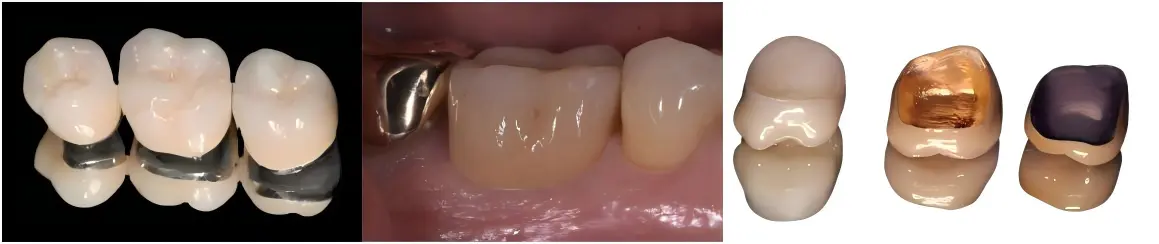
Technical Specifications
| Feature | Specification |
|---|---|
| Material Composition | Co-Cr, Ni-Cr, or Titanium alloys |
| Tensile Strength | Excellent fracture resistance |
| Margin Type | Deep chamfer (0.8–1.0 mm) or shoulder (1.0–1.2 mm for porcelain margin) |
| Occlusal Reduction | 1.5–2.0 mm |
| Facial Reduction | 1.5–2.0 mm |
| Lingual Reduction | 1.0–1.5 mm |
| Bridge Span | Up to 14 units |
| Biocompatibility | Nickel-free, Beryllium-free options available |
| Service Life | 20+ years with proper care |
| Standard Lead Time | 3 days (expedited options available) |
| Warranty | 2 years (fixed restorations) |
When to Choose Silver PFM
Ideal Indications
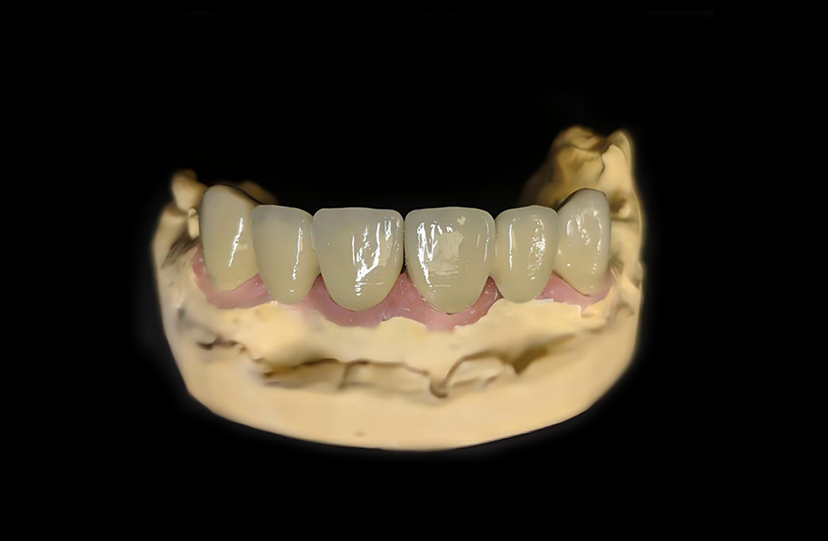
- Posterior and Anterior Crowns: Strong enough for molars, aesthetic enough for front teeth in most cases.
- Long-Span Bridges: The high-strength metal core supports multi-unit frameworks reliably.
- Implant-Supported Crowns: Compatible with standard abutments for predictable screw- or cement-retained restorations.
- Limited Vertical Space: Thinner metal substructures fit where all-ceramic options may require more aggressive reduction.
- Periodontal Splinting: Rigid framework stabilizes mobile teeth effectively.
When to Consider Alternatives
- Known Metal Hypersensitivities: Patients touchy to nickel, cobalt, or chromium ought to select for zirconia or e.max.
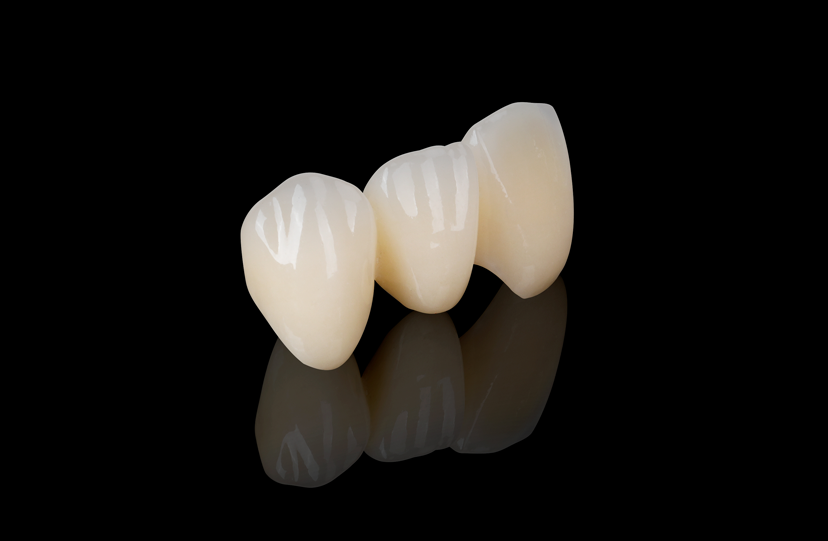
- Ultra-High Esthetics: Lean gingival biotypes or central incisors may appear a gray shadow; consider all-ceramic or a porcelain butt margin.
- Severe Bruxism: Overwhelming pounding can chip porcelain polishes over time—discuss occlusal watches or full-contour zirconia.
- Very Brief Arrangements: Inadequately tooth structure compromises maintenance notwithstanding of material.
How We Ensure Quality
Certified Materials & Compliance
Every Silver PFM alloy we use is FDA-listed and CE certified for biocompatibility. Our nickel-free, beryllium-free Co-Cr details meet worldwide medical-device guidelines, giving you certainty in understanding safety.
Digital Workflow Advantage
Traditional lost-wax casting presents variables—wax mutilation, venture extension, and warm shrinkage. Our CAD/CAM and DMLS forms dispense with those dangers. You send us a computerized impression; we process or sinter a system with micron-level exactness. Porcelain layering takes after controlled vacuum-firing cycles to guarantee ideal oxide-layer grip and color stability.
Strict Assessment Some time recently Shipment
Each reclamation passes multi-stage quality checks: minimal fit confirmation, shade coordinating beneath standard lighting, and occlusal contact audit. As it were pieces that meet our inner benchmarks take off the lab.
Why Partner with HYC Dental Laboratory?
- 22 Years of Global Experience: Trusted by clinics across Europe and the United States.
- Fast Turnaround: Standard 3-day shipment; 4–5 days for complex cases; expedited service available.
- Comprehensive Warranty: 2 years on fixed restorations, 1 year on removables—free repair or remake for quality issues.
- Flexible Customization: We adapt to your digital impressions, traditional workflows, and regional clinical standards.
- Continuous Support: Technical guidance and case consultation whenever you need it.
-
Frequently Asked Questions
Q:How do I prevent the porcelain from chipping or delaminating?
A:Focus on coefficient of thermal expansion (CTE) compatibility and oxide-layer control. Co-Cr alloys develop a thick oxide quickly; if it's too thick, the porcelain will debond. We use vacuum-firing cycles for the initial oxide wash to ensure a dense, thin layer. On your end, provide at least 2.0 mm of occlusal reduction so the metal substructure won't flex under load.
Q:Why is the margin showing a dark line or gray shadow?
A:Metal collars block light transmission. Switch to a porcelain butt margin (shoulder preparation) that replaces the metal at the visible edge with 360° porcelain. We can also apply a high-opacity (HO) pink mask over the metal framework to neutralize the gray before layering final dentin shades.
Q:Is Co-Cr safe for patients with metal sensitivities?
A:Modern Co-Cr is nickel- and beryllium-free, making it much more secure than more seasoned base-metal amalgams. In any case, it's not metal-free. If your persistent has a history of costume-jewelry responses, consider a fix test or turn to zirconia.
Q:Why is the fit tight or the edges open after casting?
A:We advocate for DMLS (3D-printed) systems over conventional lost-wax casting. Laser sintering dispenses with hand-waxing factors and warm shrinkage, conveying an inside fit that rivals processed zirconia. For conventional strategies, utilize a overwhelming chamfer (≈0.5 mm) to provide the scanner or professional a clear wrap up line, lessening lean, over-extended metal that can misshape amid terminating.
Ready to Enhance Your Restorative Workflow?
Experience precision, reliability, and exceptional value with our Silver PFM solutions. Contact us at info@hycdentallab.com to discuss your next case.
SC-Bold
.webp "Ni-Cr PFM (Nickel-Chrome)")