Cobalt-Chromium (Co-Cr) vs. Titanium Partial Dentures
For partial denture frameworks, dentists have to choose between Cobalt-Chromium (Co-Cr) and Titanium. This is a very important material choice that affects patient outcomes, clinical efficiency, and long-term success rates. Titanium partial frameworks have emerged as an advanced alternative to traditional cobalt-chromium frameworks. They offer superior biocompatibility and are lighter without affecting the strength of the structure. While Cobalt-Chromium (Co-Cr) is still a good, low-cost option for removable prosthodontics, Titanium is better for patients who are allergic to metal or who need long-term prosthesis solutions because it is hypoallergenic and highly corrosion-resistant. Clinics, labs, and procurement managers can make better restoration choices that meet patient needs and operational goals when they understand these important differences.
Understanding Partial Dentures and Material Basics
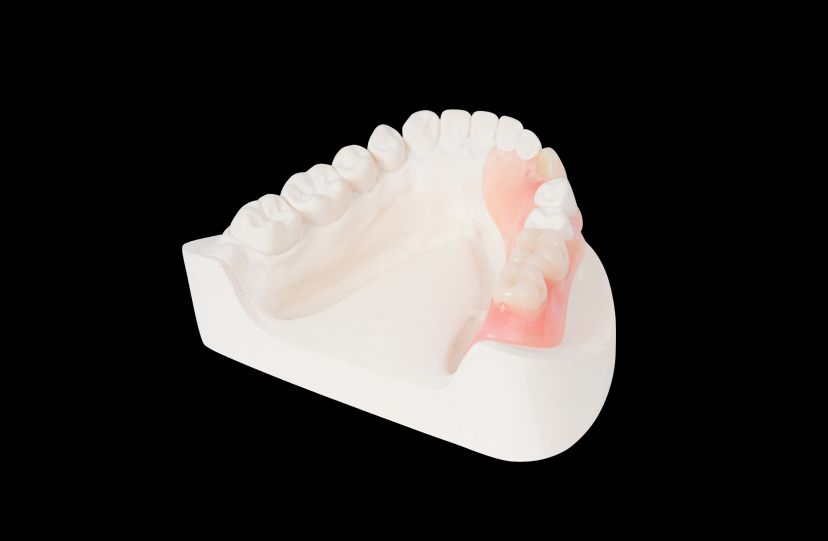
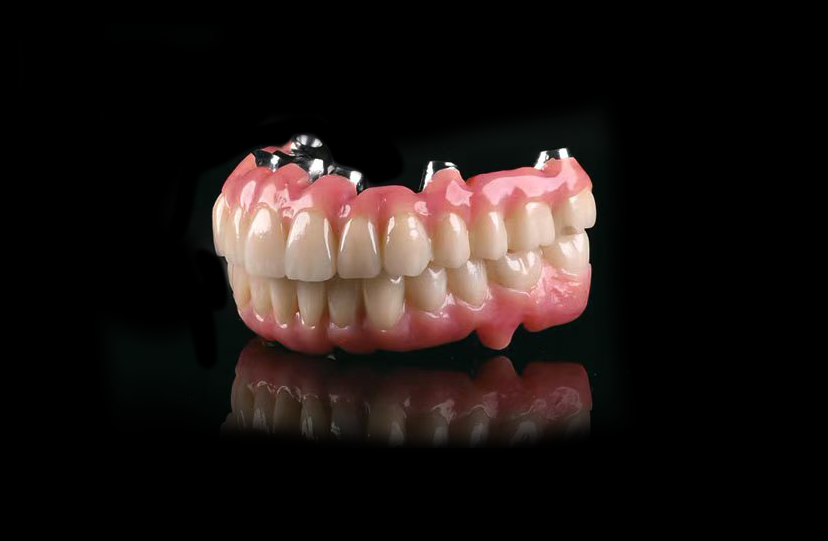
Partial dentures are important replacement devices that replace lost teeth while protecting the natural teeth that are still there. These removable devices have prosthetic teeth attached to a metal or resin frame that fits over natural teeth to keep them in place. The framework material has a direct effect on how comfortable patients are, their service life, and how well they do in the clinic.
Cobalt-Chromium (Co-Cr): Traditional Framework Material
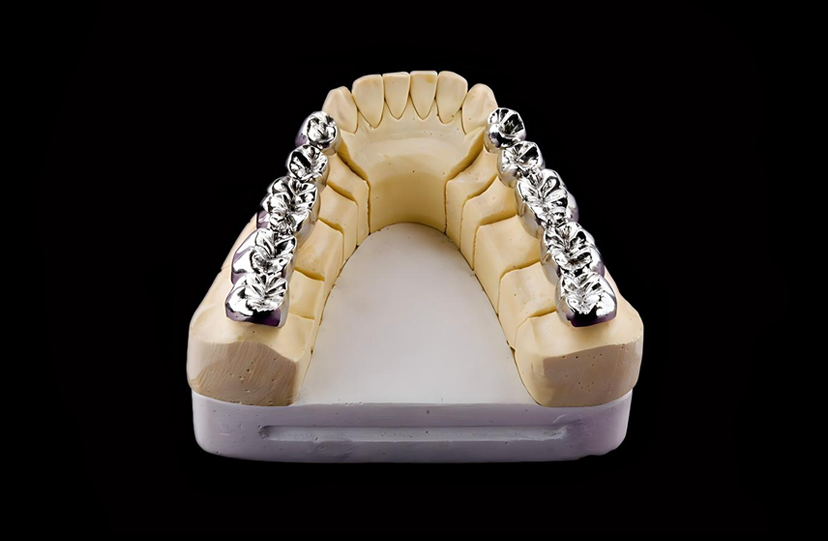
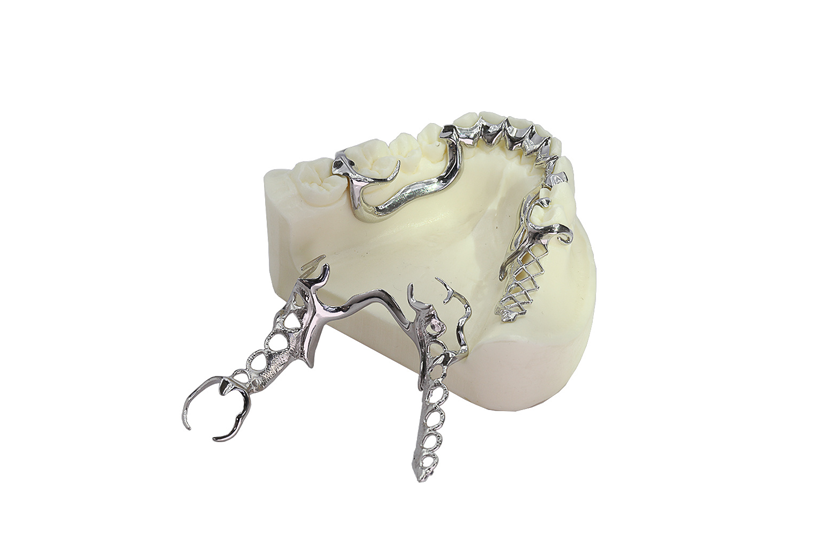
Chrome-cobalt alloys have been the most common way to make partial dentures for decades because they are easy to work with and have good mechanical qualities. This substance has chromium (about 25–30%), cobalt (60–65%), molybdenum, manganese, and sometimes nickel in smaller amounts. The metal that was made has a great strength-to-weight ratio, doesn't break down in extreme mouth environments, and can be cast using standard methods. Cobalt-Chromium (Co-Cr)'s consistent behaviour during production and its ability to make thin, exact clasps that fit undercuts well are both things that dental labs like. The stiffness of the material makes retention stable, and technicians can make chairside adjustments if they need to.
Titanium: The Next-Generation Alternative
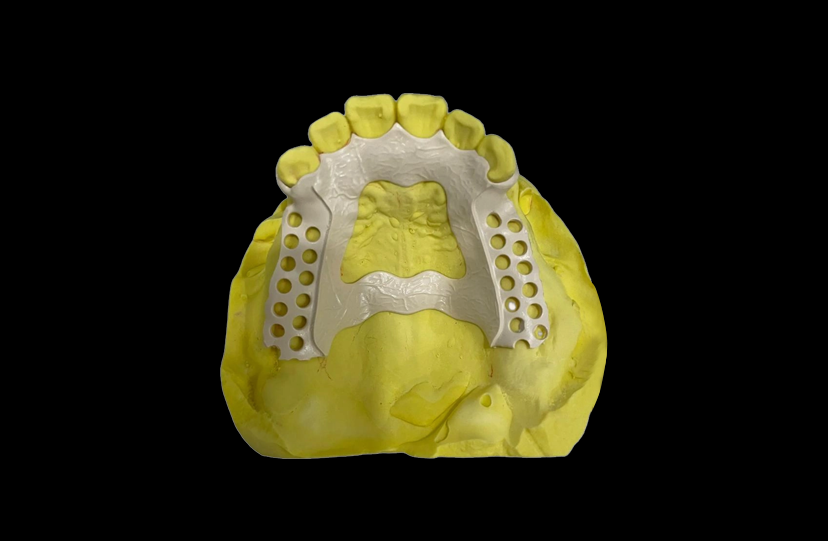
Titanium Partials made from medical-grade titanium are advanced dental components that can be used to make partial denture frames. They have many benefits that help doctors deal with certain clinical problems. Pure Titanium (Grades 1-4) and Titanium alloys (Grade 5, Ti-6Al-4V) used in industry are very biocompatible, have excellent corrosion resistance, and have a much lower density than Cobalt-Chromium (Co-Cr). Titanium's oxide layer forms on its own when it comes into contact with air or fluids. It acts as a barrier to prevent metal ion release and tissue reactions from happening. Specialised methods, like CAD/CAM cutting or laser sintering, are needed to make things out of this material. These methods allow for accurate framework design and uniform quality. The lighter weight reduces stress on tissues and makes wearing more comfortable. This is especially helpful for patients whose oral structures are weak or who don't have many teeth.
Cobalt-Chromium (Co-Cr) vs. Titanium Partial Dentures — Key Performance Dimensions
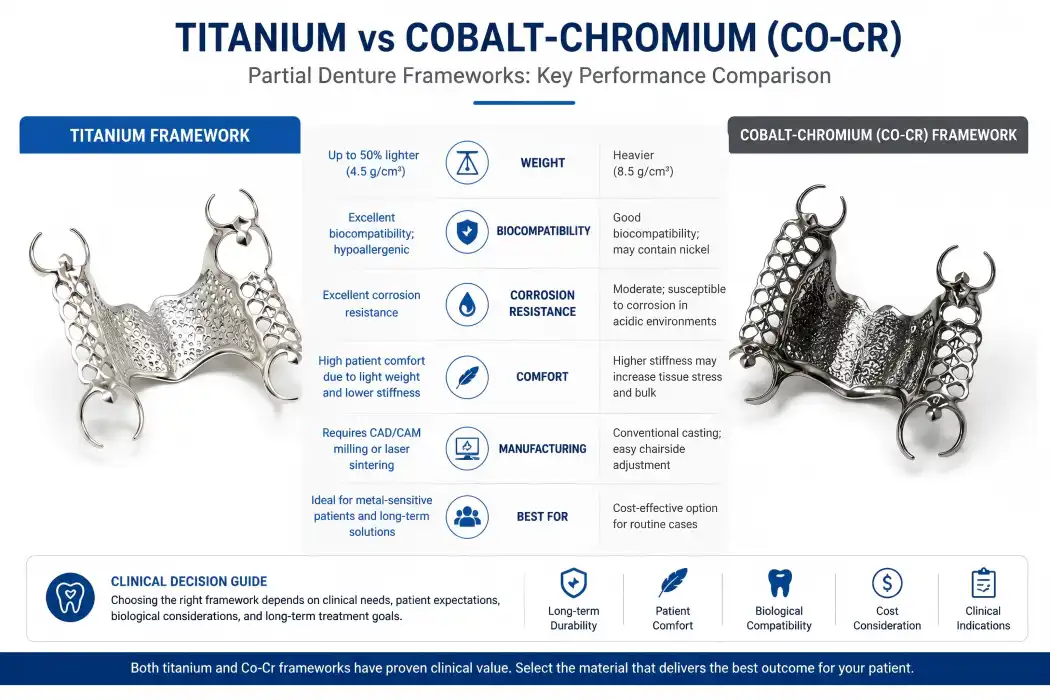
To choose between these materials, you have to look at a number of performance factors that affect patient satisfaction and clinical results. Based on the needs of the case and the patient, each material has its own benefits.
Durability and Structural Integrity
With a tensile strength between 600 and 700 MPa, Cobalt-Chromium (Co-Cr) frameworks have strong mechanical properties. This lets thin framework designs stay strong even when occlusal forces are applied. This material maintains its shape under repeated functional loading and can be put in and taken out many times without wearing out. Cobalt-Chromium (Co-Cr), on the other hand, is easily corroded in acidic oral environments, especially when patients eat acidic foods or have poor oral hygiene.
Titanium frameworks have a slightly lower absolute tensile strength (240–550 MPa for commercially pure titanium and 860–965 MPa for Ti-6Al-4V alloy), but they are much better at resisting fatigue and corrosion. The material is very resistant to corrosion, so it maintains structural integrity over time. This keeps the framework strong and stops metallic taste or changing colour. Titanium's elastic modulus (about 110 GPa) is closer to that of bone than Cobalt-Chromium (Co-Cr)'s (200–220 GPa), which could make the stress on the abutment teeth less intense.
Weight Considerations and Patient Comfort
Cobalt-Chromium (Co-Cr) has a density of 8.5 g/cm³, while Titanium Partials made from Titanium have a density of 4.5 g/cm³. This difference has important therapeutic consequences. Titanium frames are up to 50% lighter than similar Cobalt-Chromium (Co-Cr) frames, which makes them much easier for patients to accept and lowers tissue stress. This weight loss is especially helpful for maxillary partial teeth, since heavier frames are always pulled away from tissue support by gravity. Many patients report that their Titanium prosthetics make them feel more comfortable and less aware of them while they're using them.
Biocompatibility and Tissue Response
Titanium is known as the best material for patients who are sensitive to metals. The same medical-grade material is used because it demonstrates excellent biocompatibility. This is why it is used in hip replacements and dental implants. Titanium has a solid oxide layer that stops ions from escaping and prevents allergic reactions. This makes it very biocompatible. Chrome-cobalt alloys, especially those with nickel, can cause allergies in 10–15 percent of patients. Titanium frames that help reduce the risk of hypersensitivity reactions are very helpful for patients who are known to be sensitive to metals, have inflammatory conditions, or have weak immune systems.
Esthetic Outcomes and Design Flexibility
Both materials allow clasps and framework parts to be placed in a way that keeps them in place while keeping them from being seen. Cobalt-Chromium (Co-Cr) has a grey, shiny look that might show through thin gums or close to front teeth, which could compromise esthetics in cases with a high smile line. Titanium Partials have a lighter colour that blends better with natural oral tissues, but clasps made of either material are usually placed on back teeth, where they are hard to see. Digital design processes make it possible to optimise the framework layout for either material. This lets you change the placement of the clasps, the shape of the connectors, and the relationships between the major and minor connectors so that they look good and hold their shape.
Comparative Cost and Procurement Considerations for B2B Buyers
Material choices have effects on more than just clinical performance. They also influence overall treatment costs and procurement decisions and changes in the supply chain that affect how profitable labs are and how well clinics run.
Raw Material and Manufacturing Costs
Cobalt-Chromium (Co-Cr) frames usually cost less per unit because the costs of the raw materials are lower, and the machinery for casting is already in place. Most dental labs keep casting tools and trained technicians who know how Cobalt-Chromium (Co-Cr) works, which lets them make things quickly and easily without having to spend more money. Titanium frameworks cost more because the materials are more expensive, you need special tools like CAD/CAM mills or laser sintering systems, and you need to require specialized expertise to make them digitally. Titanium costs more up front, but it lasts longer and needs fewer repairs, so the total cost of ownership over the life of the prosthesis is usually better.
Turnaround Times and Production Capacity
Cobalt-Chromium (Co-Cr) casting processes usually allow for faster turnaround when labs have their own casting facilities, which allows for 3–5 day production cycles. Titanium is made using CAD/CAM technology, which needs computer modelling, milling or printing, and finishing steps that usually take the same amount of time as Cobalt-Chromium (Co-Cr) or a little longer. Turnaround times can be about the same for manufacturers who use streamlined digital workflows. Our production includes standard 3-day dispatch and 4-5-day turnaround for both fixed and removable cases. In urgent cases, we also offer expedited delivery for next-day arrival.
Supplier Evaluation and Quality Assurance
Procurement managers should give more weight to manufacturers that show they follow the rules, use uniform quality measures, and communicate clearly. FDA registration, CE marking, and ISO 13485:2016 quality management systems that confirm manufacturing controls and material traceability are all important certifications. Material biocompatibility documentation that confirms raw materials that are on the FDA list keeps patients safe and makes sure that regulations are followed. When you look at a supplier's first-time fit accuracy, redo rates, and guarantee programs, you can tell how committed they are to quality and customer service. Manufacturers that have been around for 20 years or more usually have better process control and expert repair skills that keep production delays and quality problems to a minimum.
Application Scenarios and Decision-Making Guidance for B2B Clients
Based on the patient, their anatomy, and their functional requirements, different clinical situations call for different types of materials. Clinicians and patients who work in procurement can make choices based on facts when they understand these situations.
When Titanium Frameworks Prove Superior
Titanium Partials work best for patients who are sensitive to metals, allergic to nickel or cobalt, or have had bad reactions to dental alloys in the past. These frameworks help patients who are missing a lot of teeth and need light designs that don't put too much stress on the tissues and improve retention. Titanium's lower weight makes it much easier for older patients, patients with compromised oral support, or patients who have trouble getting used to larger prostheses to wear them. Titanium's better corrosion resistance and longevity are useful for patients who need long-term prosthetic options, as they may lower the costs of replacement over time.
When
Cobalt-Chromium (Co-Cr) Remains Appropriate
Cobalt-Chromium (Co-Cr) frameworks are good for patients who don't have any metal sensitivity issues and want cost-conscious options. With Cobalt-Chromium (Co-Cr)'s track record, short-span partial dentures that have strong tissue support and good retention anatomy work well. Cobalt-Chromium (Co-Cr) can help practices that treat patients who are price-conscious get their teeth back to working order at prices that patients can afford. Laboratories that already have established casting processes and limited digital production capacity can keep working efficiently by using Cobalt-Chromium (Co-Cr)'s current features.
Material Selection Matrix
Titanium Advantages:
- Hypoallergenic composition helps minimize the risk of sensitivity
- 50% less weight, which makes it more comfortable and easier to hold on to.
- Superior corrosion resistance, which extends service life
- Better biocompatibility supports healthy soft tissue response
Cobalt-Chromium (Co-Cr) Advantages:
- Lower prices for materials and production
- Fabrication workflows that have been set up in most labs
- A little more rigidity, which lets designers make frameworks that are thinner
- Clinical success that has been proven for decades
Long-Term Maintenance and Warranty Considerations
Both types of materials need regular care, like cleaning, adjusting the clasps, and relining when the tissue changes. Metals made of titanium last longer, but they may require specialized repair techniques and might need a lab with a laser cutter. If the framework was made digitally, on the other hand, replacements can often be made quickly from existing records, so no new impressions are needed. Cobalt-Chromium (Co-Cr) makes it easier to make changes at the chairside, but it may need to be replaced sooner because it corrodes or wears out faster. Manufacturers you can trust offer warranties that reflect the durability of their products. For example, removable prosthetics usually come with a 1-year warranty that covers repairs or replacements for free during the warranty period if there are any problems.
Conclusion
Cobalt-Chromium (Co-Cr), Titanium Partials, and other metal-based partial denture solutions all have their own benefits when it comes to making partial dentures, depending on the patient's needs, the budget, and other factors. Cobalt-Chromium (Co-Cr) offers options that are both affordable and have been shown to work, while Titanium's better biocompatibility, comfort, and durability make it worth the higher price. When choosing framework materials, dental offices and labs should look at the sensitivity experiences of patients, their oral conditions, and the long-term benefits. Working with skilled manufacturers guarantees access to materials that meet standards, accurate fabrication, and quick customer service that cuts down on remakes and boosts patient happiness.
FAQ
Is titanium safer than traditional metal dentures for patients with sensitivities?
Titanium, which is the same medical-grade material used in hip replacements and tooth implants because it is well tolerated by human tissues, is the best choice for patients who are sensitive to metals. Chrome-cobalt metals might have nickel or other substances that cause allergic reactions in sensitive patients. Titanium's stable oxide layer stops ions from escaping, so there are no risks of hypersensitivity.
How do delivery schedules compare for custom Titanium versus Cobalt-Chromium (Co-Cr) frameworks?
When working with digitally equipped manufacturers, the time it takes to make both materials is usually between 4 and 5 days. Cobalt-Chromium (Co-Cr) might work a little faster in labs that already have casting equipment, but Titanium can be made at about the same speed and with more accuracy using CAD/CAM procedures. Rapid delivery choices that allow for next-day arrival meet urgent clinical cases for either material.
Can Titanium frameworks be repaired if damage occurs or there are oral anatomical changes?
Titanium is very durable, but it needs special tools to be fixed, like laser welding equipment. When frameworks are made digitally, replacements can often be made quickly from old design files, instead of needing new impressions from the patient. This speeds up the replacement process while keeping the accuracy.
Partner with HYC for Premium Titanium Partials Manufacturing
Choosing an experienced dental laboratory is essential for achieving predictable clinical outcomes, consistent product quality, and long-term business success. With 22 years of experience in specialised manufacturing, HYC makes high-precision removable frameworks that meet the exacting standards of dentists all over the world. Our center is FDA-registered, CE-certified, and ISO 13485:2016-compliant, and we only use FDA-cleared materials to make sure they are biocompatible and follow the rules. We give you frames that are 100% custom-made to your exact specs, fit the first time perfectly, and reduce the likelihood of remakes. Our flexible production schedules allow for standard turnaround times of 4 to 5 days, with faster options available for urgent cases. For peace of mind, removable prosthetics come with full 1-year warranties. You can email our technical team at info@hycdentallab.com to talk about your titanium partial needs, get product specs, or get reasonable quotes from a manufacturer you can trust that wants to support your restorative practice.
References
1. Anusavice KJ, Shen C, Rawls HR. Phillips' Science of Dental Materials, 12th Edition. Elsevier Health Sciences, 2013.
2. Carr AB, Brown DT. McCracken's Removable Partial Prosthodontics, 13th Edition. Elsevier Health Sciences, 2015.
3. Wataha JC. Biocompatibility of dental casting alloys: A review. Journal of Prosthetic Dentistry, 2000; 83(2):223-234.
4. Bessing C, Bergman M. The castability of unalloyed titanium in three different casting machines. Swedish Dental Journal, 1992; 16(3):109-113.
5. Jang KS, Youn SJ, Kim YS. Comparison of castability and surface roughness of commercially pure titanium and cobalt-chromium denture frameworks. Journal of Advanced Prosthodontics, 2011; 3(1):15-21.
6. House K, Sernetz F, Dymock D, Sandy JR, Ireland AJ. Corrosion of orthodontic appliances: Should we care? American Journal of Orthodontics and Dentofacial Orthopedics, 2008; 133(4):584-592.
YOU MAY LIKE