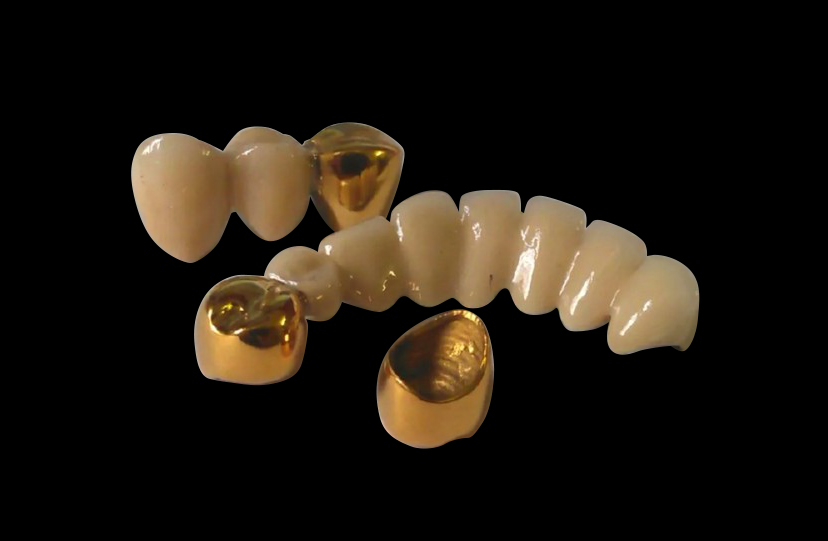
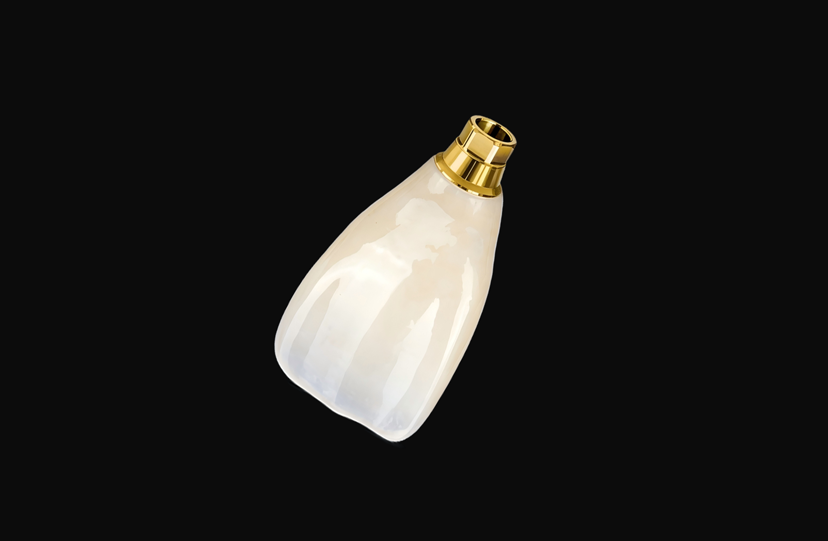
Why Choose Porcelain Layered Zirconia for Premium Dental Restorations?
Porcelain Layered Zirconia combines a high-strength yttria-stabilized zirconia core (exceeding 900 MPa flexural strength) with a hand-applied feldspathic porcelain veneer to deliver both exceptional structural durability and lifelike aesthetics. This hybrid construction provides a balance between natural translucency and structural strength, making it a suitable option for anterior crowns, multi-unit bridges, and implant-supported restorations where both aesthetics and mechanical performance are important.
Introduction
In modern restorative dentistry, clinicians face a persistent dilemma: choosing between aesthetic excellence and mechanical strength. Traditional porcelain-fused-to-metal (PFM) restorations often cause gingival discoloration, while monolithic zirconia can appear opaque despite its durability. According to recent dental materials research, porcelain-veneered zirconia has become an important option for clinical situations requiring both strength and aesthetic considerations, particularly in cases where aesthetic integration and mechanical performance are important. With patient expectations for natural-looking restorations at an all-time high, understanding the technical advantages and practical applications of this advanced ceramic system has become essential for dental professionals seeking to improve workflow efficiency and achieve predictable clinical outcomes.
What Is Porcelain Layered Zirconia?
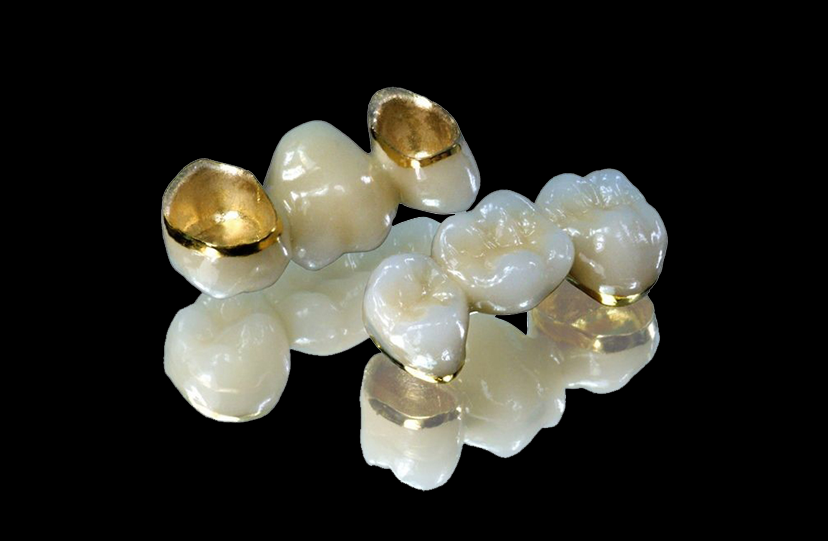
Porcelain Layered Zirconia is a two-layer ceramic repair method that was made to meet both practical and aesthetic needs. A digitally milled zirconia substructure made from Yttria-stabilized Tetragonal Zirconia Polycrystal (Y-TZP) forms the basis. This material goes through vacuum high-temperature sintering to achieve a tensile strength of more than 1,200 MPa. Over this strong base, skilled workers carefully layer feldspathic porcelain using traditional firing methods to make it look like natural enamel.
This way of building is very different from solid forms. The zirconia core gives the tooth the mechanical strength it needs to survive biting forces, and the porcelain overlay adds color, creates gradients of translucency, and allows for exact color matching. To keep the interface between these two materials from delaminating during use, the Coefficient of Thermal Expansion (CTE) needs to be carefully matched. This is usually done by setting the CTE between 9.1 and 10.2 x 10^-6/K. This layered approach is designed to replicate some optical characteristics of natural teeth, with a stronger core supporting a more translucent outer layer, and a thick dentin layer supporting a clear enamel layer. This helps create restorations that closely integrate with the patient's natural dentition.
Benefits
Improved Aesthetic Outcomes Through Layered Porcelain Veneering
The multiple-layer porcelain veneer helps reproduce the way natural teeth interact with light, providing depth and translucency similar to natural dentition, giving the smile depth and life that solid materials can't. Dental labs can change the surface texture, shade gradients, and characterization effects to perfectly match adjacent teeth. This means that there is less need for compromises when the teeth are finally fitted. This allows dental professionals to achieve more predictable aesthetic integration with adjacent teeth.
Reduced Chairside Adjustment Time
Because CAD/CAM-milled zirconia cores fit so well the first time, you don't have to make as many facial changes. Accurate CAD/CAM fabrication can help reduce chairside adjustment requirements compared with manually fabricated restorations. This means that dental offices can be more productive while also making patients feel better. The poor fit is usually less than 50 microns. Improved marginal adaptation may help support restoration longevity and reduce potential complications associated with poor fit.
Long-Term Clinical Performance
With appropriate case selection and clinical protocols, these restorations can demonstrate long-term clinical performance, with reported survival periods often reaching 10 years or more. The zirconia base doesn't break easily, even when the back teeth are put under a lot of pressure, and its metal-free composition may be beneficial for patients with concerns related to metal sensitivity. This durability cuts down on warranty claims and improves patient retention metrics for dental service companies with multiple locations.
Advantages
Exceptional Strength Combined With Natural Appearance
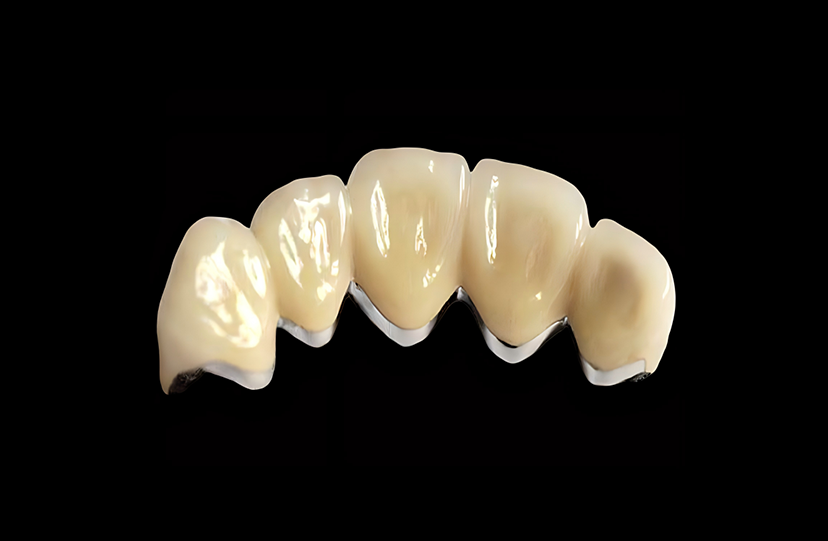
In contrast to all-porcelain systems, which compromise strength for beauty, this hybrid construction keeps the structure strong while providing excellent visual quality. This higher mechanical strength makes zirconia suitable for restorations requiring increased fracture resistance, including selected multi-unit restorations. The porcelain layer lets you precisely match shades and change the amount of transparency, making it perfect for front repairs where even small color differences are noticeable.
Superior Masking Capability
The high opacity of the zirconia core covers up tooth preparations that are stained, metal posts, and abutments that are discolored without needing too much ceramic thickness. This masking effect is very useful in implant prosthetics, where titanium parts need to be hidden while still having the right emergence profiles. When dental labs use this material for challenging shade situations, the masking capability of zirconia can help improve shade management in complex restorative cases.
Versatility Across Clinical Applications
This type of repair can be used for a wide range of dental problems, from single anterior crowns that need to look their best to posterior three-unit bridges that need to be very resistant to occlusal forces. The material can be used for both tooth-supported and implant-supported designs, and it can span up to 47 mm with multiple abutments. This versatility makes inventory less complicated and production processes easier for dentistry labs that serve a wide range of clients.
Metal-Free Biocompatibility
The all-ceramic material eliminates the use of base metal alloys found in some traditional PFM restorations, which may be beneficial for patients with concerns regarding metal sensitivity. Tissue response studies show that zirconia has low plaque affinity and great soft tissue adaptation, which is good for your long-term gum health. The lack of metal also stops the ugly dark edges that can form as gum cells shrink over time.
Disadvantages
Even though Porcelain Layered Zirconia has many benefits, it also has some problems that need to be carefully thought through. Even though the porcelain coating looks better, it is still more likely to chip than the zirconia core. This is especially true for people who have parafunctional habits like clenching or grinding their teeth. Over five years, clinical studies show chipping rates of between 3% and 8%. However, modern "cut-back" designs that place occlusal contacts on solid zirconia have greatly lessened these failures.
When compared to slightly invasive options, the restoration needs more active tooth preparation. Axial reduction of 1.0 to 1.5 mm and occlusal/incisal reduction of 1.5 to 2.0 mm are needed to make enough room for both the zirconia core and the porcelain overlay. These requirements might be hard for dentists who are working with tooth structures that aren't fully formed or preparations that are very thin.
Because the hand-layering process requires a lot of work, it takes longer to make than monolithic restorations. CAD/CAM technology makes the zirconia core very quickly, but the porcelain application, firing cycles, and hand-finishing take more time. Dental offices that need to deliver the same day might need to keep this in mind when planning their case schedules.
Comparison
| Feature | Porcelain Layered Zirconia | Monolithic Zirconia | Lithium Disilicate | PFM |
|---|---|---|---|---|
| Material Structure | Zirconia framework with hand-layered feldspathic porcelain veneer | Single-piece zirconia restoration | Glass-ceramic restoration reinforced with lithium disilicate crystals | Metal alloy framework covered with porcelain |
| Flexural Strength | Zirconia framework: approx. 900–1,200 MPa | Approx. 900–1,400 MPa (depending on zirconia type) | Approx. 350–450 MPa | Approx. 700–900 MPa (depending on alloy) |
| Aesthetic Characteristics | High translucency, layered depth, customized shade and characterization | High strength with improved translucency; limited layering effects | Excellent translucency and natural optical properties | Good aesthetics, but possible metal shadow in some cases |
| Chipping Risk | Moderate due to porcelain veneer; reduced with optimized designs | Low due to monolithic structure | Low to moderate depending on indication | Possible porcelain veneer chipping |
| Biocompatibility | Metal-free, generally well tolerated | Metal-free, generally well tolerated | Metal-free, generally well tolerated | Depends on alloy composition |
| Common Indications | Anterior crowns, aesthetic posterior crowns, selected bridges, implant-supported restorations | Posterior crowns, high-load areas, implant restorations | Veneers, anterior crowns, premolar restorations, selected bridges | Crowns and bridges requiring metal-supported frameworks |
| Main Advantages | Combines zirconia strength with porcelain aesthetics | High strength and fracture resistance | Excellent optical properties | Long clinical history and versatility |
| Main Limitations | Porcelain veneer may chip under high stress | Less customizable surface layering | Lower strength compared with zirconia | Possible metal-related aesthetic concerns |
| Preparation Requirement | Usually requires sufficient space for zirconia core and porcelain veneer | Generally requires less space than layered zirconia | Requires adequate reduction for ceramic thickness | Requires space for metal framework and porcelain |
The comparison shows that Porcelain Layered Zirconia is in a special category: it is as strong as monolithic zirconia and looks about as good as lithium disilicate, but it doesn't have the biocompatibility issues that come with metal-based restorations. This material is a balanced answer that meets many clinical needs at the same time for dental labs that work with different types of cases.
Clinical Indications
Porcelain Layered Zirconia is commonly used in clinical situations where both strength and aesthetics are required. The material can mimic the properties of natural enamel, such as subtle changes in translucency and polychromatic shading, which is good for anterior single crowns. When treating people with a smile line that is easy to see, cosmetic dentistry centers often use this material because any reduction in appearance would be obvious right away.
For another main use, long-span posterior bridges are used. With two abutments, the zirconia framework can hold bridges up to 38 mm long. With more abutments, it can hold bridges up to 47 mm long. This feature makes it possible to treat empty dental spaces that would normally need removable prosthetics or implant placement. Instead, patients can get fixed solutions that restore their function and confidence.
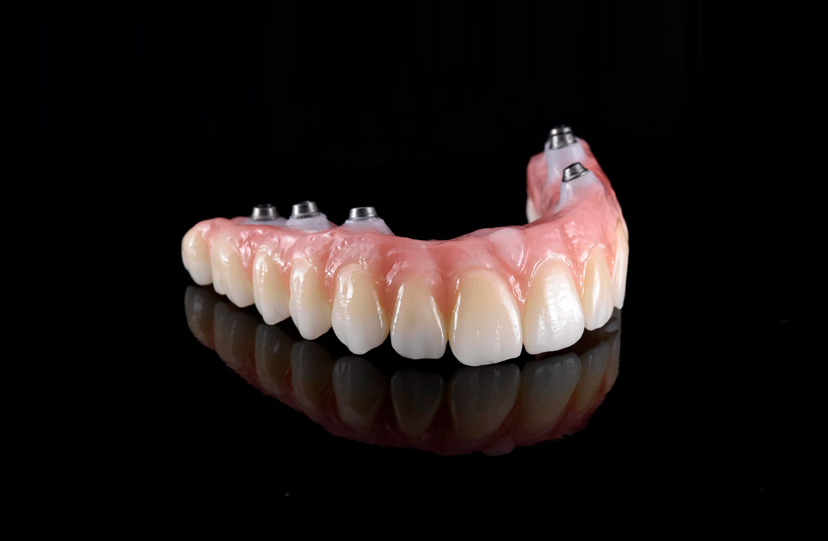
The masking qualities of this material work especially well for replacements that are supported by implants. Titanium abutments are well hidden by the opaque zirconia core, and the porcelain veneer makes a natural emerging shape that supports healthy soft tissue architecture. In cases of full-arch rehabilitation, this combination meets both the structural needs of supporting all of the teeth and the aesthetic needs of the front segments that can be seen.
Porcelain Layered Zirconia can be used to treat difficult cases where tooth preparations are stained or where current fillings are stained. The strong hiding effect of the material means that teeth don't have to be aggressively prepared just to get rid of damaged dentin. This protects tooth structure while still getting good results in terms of appearance.
Materials
The type of materials used has a direct effect on how well and how well the end repair works. The zirconia core is made up of very pure zirconium dioxide powder that is stabilized with 3–5 mol% yttrium oxide (Y₂O₃). This stops the phase transformation that would happen otherwise when the temperature changes, which would cause the material to break. This Y-TZP mixture is CAD/CAM milled while it is still "green" from being pre-sintered. It then shrinks by 20–25% during vacuum sintering at temperatures above 1,400°C to reach its final dense structure.
The veneering porcelain is made of feldspathic ceramics that are specially made to work with zirconia substrates. Key parts include silica (SiO₂), alumina (Al₂O₃), and different metal oxides that give the appropriate shade and transparency. To make sure the right flow during firing while keeping the right dimensions, manufacturers carefully control the particle size distribution and melting temperatures.
The special liner or "wash" ceramic that is put on top of the zirconia core before the porcelain is added is an important part of the layering system. The middle layer forms a chemical and mechanical link between the strong core and the pretty veneer, making a connection that can withstand the shear forces that happen during mastication. Quality control tests show that the shear bond strength is higher than the clinical thresholds needed to keep the materials from delaminating during service.
Biocompatibility standards are very strict, and all materials used in production must meet them. Parts that are on the FDA list make sure that the repair doesn't dissolve in chemicals more than 100 µg/cm² and doesn't kill cells in lab tests. This process for choosing materials protects patients' health and makes sure that regulations are followed in all international markets.
Manufacturing Workflow
Digital case planning is the first step in the production process. Dentists send in intraoral scans or physical impressions along with detailed information about colors and designs. The lab workers put this information into CAD software and then create the zirconia base with the right wall thickness, connector sizes, and margin shapes to support the porcelain top.
The zirconia core is then made from blocks that have already been sintered by CAD/CAM milling machines. The five-axis grinding technology makes sure that the digital design is exactly copied, with correct margin adaptation and dental anatomy. After grinding, the repair is taken off the block, and the dimensions are checked again before sintering.
Vacuum high-temperature sintering takes place in special furnaces that are set up to heat and cool at certain rates. The zirconia gets hot, between 1,450°C and 1,550°C, and stays there for a few hours to reach its full density and best grain structure. The chalky pre-sintered material is changed into a clear, strong ceramic with great mechanical properties by this controlled sintering process.
Technicians check the zirconia core for flaws and make sure it fits on the working model after hardening and cooling. After that, they put on the inner ceramic and fire it according to the manufacturer's instructions. The feldspathic porcelain is then hand-layered, with dentin and enamel layers added to make realistic changes in depth and transparency. Multiple firing processes make the porcelain stronger and let you add effects like surface roughness and coloring that make it unique.
Careful occlusal adjustment, border tuning, and surface polishing are all parts of the final finishing process. Glazing gives the surface a smooth, shiny look that looks like natural enamel and keeps stains from building up. Before shipping, a quality control check is done to make sure that the marginal fit, occlusal contacts, proximal contacts, shade accuracy, and overall aesthetic integration are all correct.
Cost Factors
The prices of Porcelain Layered Zirconia restorations depend on a number of factors. The base is made of material costs, with high-purity zirconia blocks and compatible veneering ceramics having high unit costs. Prices for these materials are higher than those for regular ceramics because they are more specialized and have to follow strict rules.
The intensity of labor has a big effect on final costs. After milling and sintering, monolithic repairs don't need much finishing. But the hand-layering process takes time for the skilled worker to apply the porcelain, fire it multiple times, and give it artistic character. This artisanal part makes the product look better, but it takes longer to make and costs more to hire workers.
The need for customization also changes how prices are set. More technical know-how and processing time are needed for complex shade matching, personalized classification, and non-standard preparation designs. Dental labs often use tiered pricing models that take into account these different levels of difficulty. This way, simple cases can be handled efficiently, while more resources are put toward more difficult cases as needed.
Regulatory compliance investments have an effect on how much things cost overall. Keeping FDA registration, ISO 13485:2016 certification, and CE marking up to date needs ongoing costs for quality management, methods for keeping records, and regular audits. These costs are spread out among all production units and make sure that quality is always the same and that all production units can access international markets.
The number of orders changes the cost per unit by making production more efficient. When dental service organizations place regular orders for standard designs, their workflows are streamlined and setup time is cut down. They also often qualify for volume-based pricing arrangements that make budgeting easier while maintaining quality standards.
Key Factors When Evaluating a Dental Restoration Manufacturer
To evaluate a dental restoration manufacturer, you need to look at them from a number of important angles. Manufacturing skills are very important. The provider must show that they have advanced CAD/CAM milling technology, controlled sintering equipment, and trained ceramic workers who can consistently execute artwork. Ask for facility paperwork and case studies that show their range of technical and aesthetic skills.
Quality management systems are very important for understanding how reliable an operation is. If a supplier has ISO 13485:2016 certification, it means that they follow strict quality control procedures, keep track of products, and make improvements all the time. Make sure that the materials you're buying are registered with the FDA and that the finished products are inspected regularly to make sure they fit well, have good bonds, and look good.
Production ability and turnaround time have a direct effect on how well the clinical process works. Dental practices can meet the needs of their patients without sacrificing quality when they work with suppliers who offer standard turnaround times of 3 to 5 days as well as faster options for urgent cases. Check out their communication and order control methods to make sure that everything is clear during the whole production process.
Customization versatility shows if the provider can handle a range of clinical cases. It shows that you are technically skilled and customer-focused if you can make fully customized restorations based on specific design requirements across different preparation styles and clinical indications.
Warranty policies and after-sales support provide additional assurance regarding product service and issue management. Full warranty protection, like two years for fixed restorations, along with free repair or replacement during warranty times, shows responsibility and keeps dental offices from having to pay extra costs because of problems with the material or the way it was made.
Collaboration goes smoothly when communication is clear, and technology help is available. When dealing with complex cases or unexpected clinical challenges, operational success depends a lot on suppliers who offer responsive consultation, clear case submission protocols, and proactive problem-solving.
Maintenance
Proper patient education keeps the repair looking good and makes it last longer. Patients should be shown the right way to clean their teeth, such as using non-abrasive toothpaste and soft-bristle brushes to keep the surfaces from getting scratched. Professional cleanings every six months help keep the shine on the surface and let dentists check the integrity of restorations during regular exams.
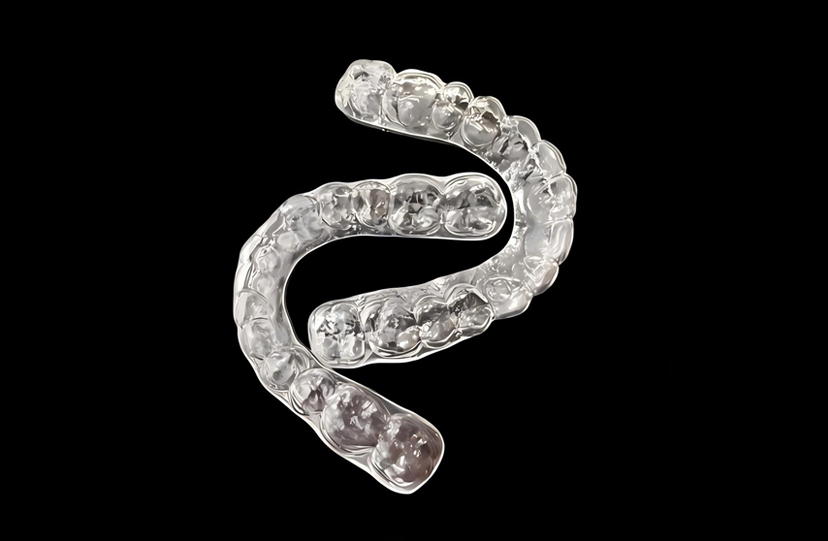
Extra safety steps need to be taken for patients with parafunctional habits. Making an occlusal guard to wear at night takes pressure off of the restoration and lowers the chance of chipping it. This preventative method works especially well for people who have been diagnosed with bruxism or grinding habits, and it makes the appliance last a lot longer than usual.
During healing birth, you should talk about dietary issues. Porcelain Layered Zirconia can handle most practical stresses, but patients should be careful when eating very hard foods or using their teeth as tools. A short talk about how to avoid chewing on ice, nut shells, and other similar things can help keep damage from happening.
During regular reviews, dentists should check fillings for damage to the edges, wear on the surface, and problems with how the teeth fit together. Finding small chips or signs of wear early on lets you fix the problem before it gets worse. Polishing small surface flaws during regular visits keeps the shine and stops plaque from building up.
People who have these restorations should know that they are very durable, but they can still be broken. If you tell your dentist right away about any strange feelings, changes in bite comfort, or obvious flaws, they can fix the problem before it hurts the repair or the tooth structure next to it.
Key Takeaways
Porcelain Layered Zirconia is a restorative option for demanding cases requiring both mechanical strength and aesthetic performance because it is both structurally strong and looks natural. When it comes to mechanical qualities, the yttria-stabilized zirconia core has flexural strengths of more than 900 MPa, and the hand-applied feldspathic porcelain veneer looks and feels just like real teeth.
This system of materials works really well for front crowns, long-span bridges, and implant-supported restorations that need to look good and work well. The metal-free composition gets rid of biocompatibility concerns and stops gingival discoloration, which is good for long-term gum health and patient satisfaction.
To have good results, you need to choose the right cases, prepare the teeth correctly, and work with skilled dentistry labs that follow strict quality standards. If these restorations are done right, they should last 10 to 15 years with little upkeep. This makes them a good investment for dentist offices and customers who want high-quality restorative options.
FAQ
What Makes Porcelain Layered Zirconia Different From Monolithic Zirconia?
The main difference is in how they are built and how they look. Monolithic zirconia is made by milling a single block of ceramic material. It is very strong, but not very clear. Porcelain Layered Zirconia versions have a strong zirconia core that is covered with feldspathic porcelain that is applied by hand. This gives them the same depth and light transfer as real teeth. Because of this, layered versions are perfect for visible front restorations where looks are very important.
Can This Material Be Used For Patients With Bruxism?
Yes, as long as the case shape is changed in the right way. The repair should have a "cut-back" design that puts the useful occlusal contacts on solid zirconia instead of porcelain veneer. This makes it much less likely that the tooth will chip. When this method is combined with a safe occlusal guard worn at night, it works reliably over time, even for patients who have a history of parafunctional habits.
How Does The Material Handle Shade Matching For Difficult Cases?
The multiple-layer porcelain veneer lets techs make shade changes, variations in how clear the veneer is, and surface effects that look just like real teeth next to it. The opaque zirconia core covers up darker fillings or metal abutments well, and the porcelain layers on the outside can be changed to fit even the most difficult shade situations. Because of this, the material is especially useful for cosmetic cases that need to be perfectly integrated in terms of how they look.
What Preparation Design Works Best For These Restorations?
For the best results, the circumferential reduction needs to be 1.0 to 1.5 mm axially, and the occlusal or incisal clearance needs to be 1.5 to 2.0 mm. When compared to knife-edge or feather-edge preparations, a chamfer or shoulder finish line gives better support and margin adaptation. Adequate reduction makes sure that there is enough room for both the zirconia core and the porcelain overlay, without making the shapes too big, which could hurt the gums' health or the way the teeth come in.
Partner With HYC For Premium Dental Restorations
HYC has provided Porcelain Layered Zirconia restorations for over 22 years, combining CAD/CAM technology with experienced ceramic craftsmanship to support dental professionals with customized restorative solutions. Our FDA-registered facility and ISO 13485:2016-certified quality management system support compliance with international medical device requirements. Our quality management system supports consistent manufacturing processes, dimensional accuracy, and aesthetic control throughout production. We have flexible production schedules, with a standard turnaround time of four to five days and same-day delivery for urgent cases. Our full warranty coverage includes two years for fixed restorations. As a reliable Porcelain Layered Zirconia manufacturer, we provide customized restoration solutions based on individual case requirements to meet the needs of your patients and your style needs. Get in touch with us at info@hycdentallab.com or visit hycdentallab.com to talk about how our precision production can help dental professionals improve workflow efficiency and maintain consistent restoration quality.
References: the first time perfectly
1. Raigrodski, A.J., et al. (2012). "Clinical efficacy of veneered zirconium dioxide-based posterior partial fixed dental prostheses: five-year results." Journal of Prosthetic Dentistry, 108(4), 214-222.
2.Sailer, I., Makarov, N.A., Thoma, D.S., et al. (2015). "All-ceramic or metal-ceramic tooth-supported fixed dental prostheses: a systematic review of the survival and complication rates." Dental Materials, 31(6), 603-623.
3. Marchack, B.W., Sato, S., Marchack, C.B., et al. (2008). "Complete and partial contour zirconia designs for crowns and fixed dental prostheses: a clinical report." Journal of Prosthetic Dentistry, 100(3), 165-168.
4. Christensen, G.J. (2009). "Porcelain-fused-to-metal versus zirconia-based ceramic restorations." Journal of the American Dental Association, 140(8), 1036-1039.
5. Kelly, J.R., Denry, I. (2008). "Stabilized zirconia as a structural ceramic: an overview." Dental Materials, 24(3), 289-298.
6. Pjetursson, B.E., Sailer, I., Makarov, N.A., et al. (2015). "All-ceramic or metal-ceramic tooth-supported fixed dental prostheses: a systematic review of the survival and complication rates." Dental Materials, 31(6), 624-639.
YOU MAY LIKE
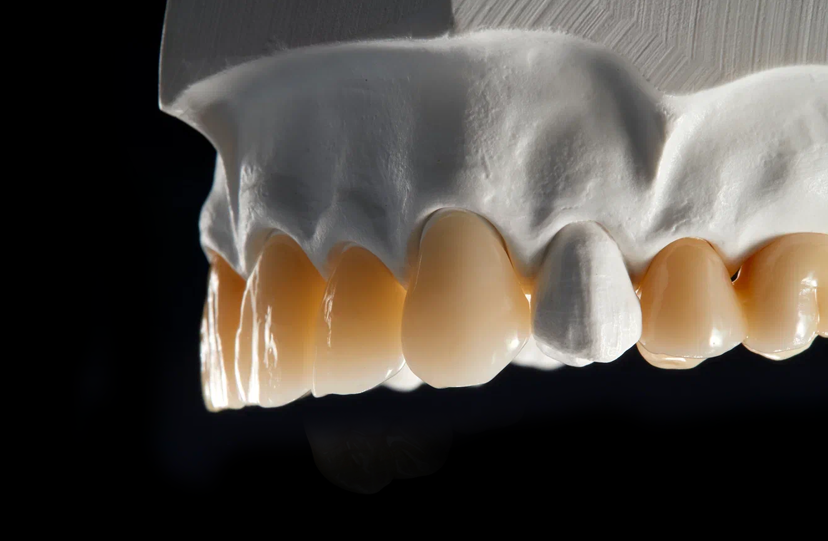
_1779414398631.webp "Malong Bridge(All-on-X)")