PEEK Framework Offers Lightweight Alternatives for Dental Prosthetics
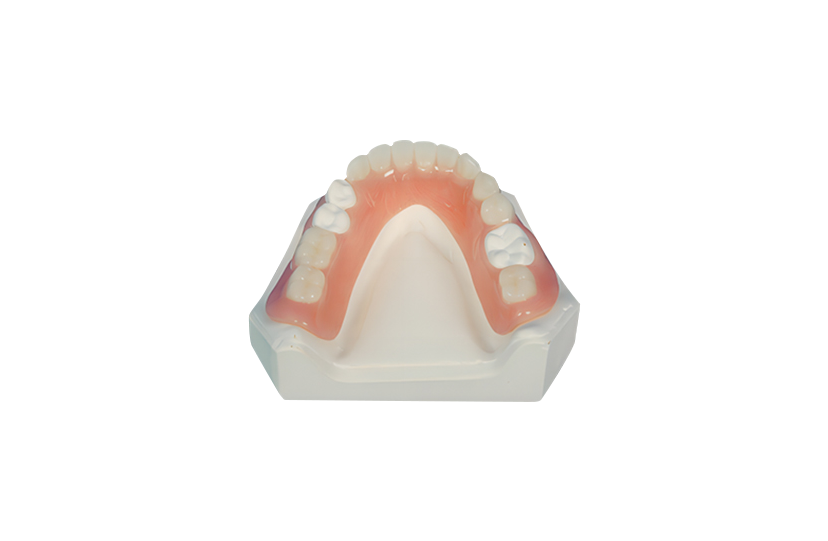
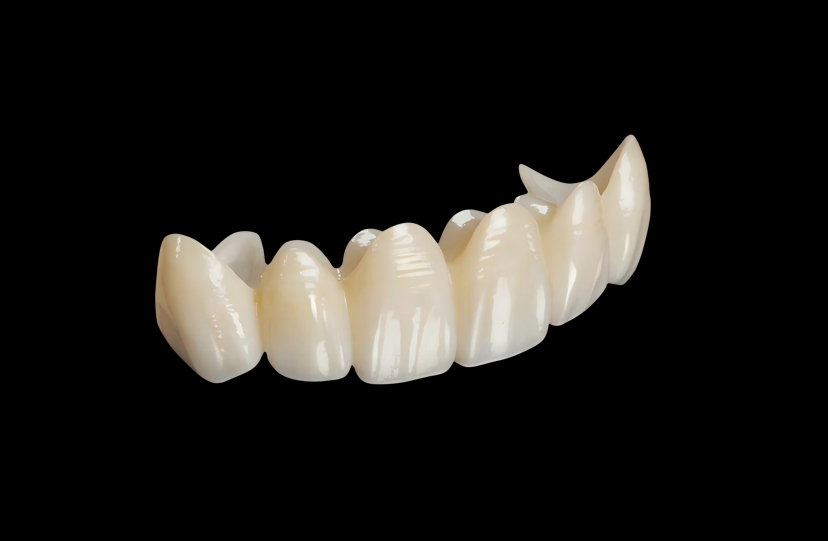
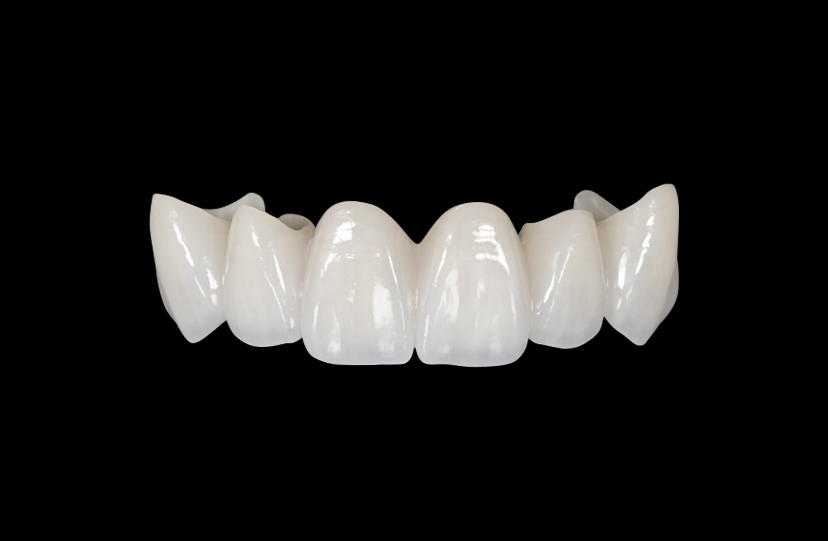
The PEEK Framework is a big step forward in dental prosthetics. It uses Polyetheretherketone (PEEK) polymer to make ultra-lightweight, biocompatible structural parts for fixed prosthetic frameworks, implant-supported overdentures, and removable partial dentures. PEEK frameworks are much lighter than titanium or chrome-cobalt alloys, with a density of only 1.32 g/cm³. They provide a metal-free alternative for patients with metal sensitivities and offer a flexible mechanical profile with good fatigue resistance. This advanced material meets important needs in the industry, like supporting accurate fabrication and predictable fitting performance, turning things around quickly, and making sure patients are comfortable for a long time.
Introduction
Restorative dentistry is under more and more pressure to provide prosthetic solutions that strike a balance between clinical accuracy and patient comfort. Traditional metal frameworks provide excellent strength but may present considerations related to weight, aesthetics, and material sensitivity for certain patients. More and more, dental labs that work with private offices, DSOs, and implant experts are looking for materials that keep structures strong without affecting patients' quality of life. High-performance plastics have opened up new ways to make dental frames that are light, biocompatible, and meet strict FDA and ISO standards while addressing practical considerations in prosthetic design and fabrication. This change is in line with larger industry trends toward customizing products for each customer, speeding up production, and using materials that work well with current CAD/CAM systems.
What is a Peek Framework?
A Peek Framework is a load-bearing structural part made from Polyetheretherketone, a semi-crystalline thermoplastic designed for tough medical and industrial uses. In restorative dentistry, this system is the main support for detachable partial dentures, bar overdentures that are held in place by implants, and some set prosthetic uses. The material solves long-lasting problems like allergic reactions to metals (mostly to cobalt-chromium and nickel alloys) and the stress-shielding effect that comes from standard metal structures being too stiff.
Core Material Properties
PEEK is different from other replacement materials because of how it is made. The modulus of elasticity of the polymer is about 4 GPa, which is similar to that of human bone tissue. This biomechanical fit makes sure that stress is distributed evenly during chewing, which may contribute to more balanced stress distribution around implant-supported restorations. The substance stays the same size at temperatures up to 343°C and doesn't react chemically with any known solvents except pure sulfuric acid. According to ASTM D638 standards, PEEK frameworks have a tensile strength of more than 90 to 100 MPa. This indicates that the material has suitable mechanical properties for prosthetic applications.
Radiolucency and Clinical Imaging
In contrast to metallic frameworks that cause artifacts in radiographic imaging, PEEK's radiolucency lets X-ray exams clearly show the bone and soft tissues underneath. This lets doctors check on the health of the area around the implant support clearer visualization of surrounding anatomical structures during certain imaging procedures. Radiopaque fillers can be used when certain clinical protocols need better visibility for certain diagnostic procedures.
Benefits
Adopting Peek Frameworks leads to real changes in patient outcomes and professional processes. The very low density of the material—about a quarter of the weight of titanium—changes how patients feel about removable prosthetics. Patients with reduced tolerance for heavier prostheses may appreciate the lightweight characteristics of PEEK frameworks. This weight loss may contribute to improved wearing comfort and patient acceptance.
Biocompatibility and Allergen Elimination
Medical-grade PEEK is biocompatible with the body for a long time and meets USP Class VI and ISO 10993-1 standards. Because there are no solid parts, PEEK does not contain metal components and may be considered for patients with specific metal sensitivities. Some patients may have sensitivities to certain metals, which should be considered during treatment planning. PEEK frameworks are necessary for dental offices that treat patients who are known to be allergic to metals or to various chemicals to provide safe and effective prosthesis care.
Reduced Chairside Adjustment Time
The bone-like modulus of the material keeps stress levels low at attachment points and abutment interfaces. Lab workers and CAD/CAM experts are able to achieve exact marginal adaptation with few changes needed after delivery. Clinics say that may reduce the need for extensive chairside modifications when properly designed and fabricated, which directly increases case profits and patient throughput. The low-gritty properties keep the opposite natural teeth from wearing down, which keeps the occlusal stability over time.
Enhanced Aesthetic Integration
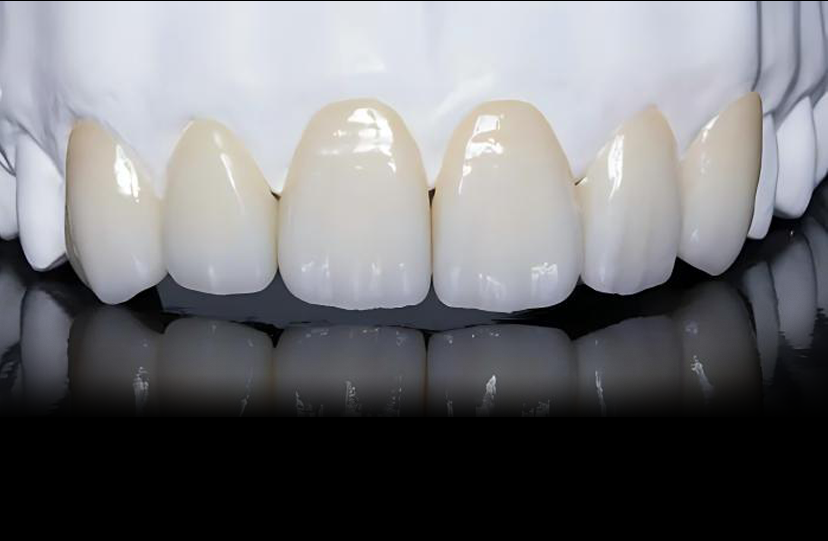
The natural tooth-colored look of PEEK gets rid of the dark shadow that can be seen through gum tissues when metal frames are used. Cosmetic dentists and specialists in anterior restoration use this advantage in terms of looks to meet aesthetic requirements for more natural-looking prosthetic designs. The surface can be treated and conditioned in ways that make bonding with composite veneers and plastic denture bases reliable.
Advantages
Peek Frameworks offer several advantages compared with some traditional framework materials in a number of performance areas. When you mix high wear resistance with low stiffness, you get a mechanical shape that you can't get with normal materials. Implant experts have seen that osseointegrated fixtures transfer less stress, which may help optimize stress distribution in implant-supported applications. During chewing, the framework acts as a shock absorber, keeping the implants and remaining ridge tissues safe from too much occlusal force.
Manufacturing Precision and Customization
These days, PEEK Frameworks work perfectly with digital dentistry processes. CAD/CAM milling tools can achieve high-precision digital manufacturing with strict dimensional control, which supports accurate framework fabrication and consistent fit quality. Because the material is easy to work with, it can be used to make complicated shapes like cutaway clasps, precision attachments, and implant bar connections that would need more than one casting step in metal. Dental labs that make a lot of things can cut down on the number of hours needed to work on each case while still keeping the quality of each batch the same.
Chemical Stability and Longevity
PEEK demonstrates good chemical stability and mechanical performance for dental applications, unlike plastic resins that break down when they come in contact with water or metal alloys that can rust. As long as the prosthetic is used, it will look good because the polymer doesn't stain easily from things like coffee, wine, and tobacco. Antimicrobial surface treatments stick well to conditioned PEEK surfaces, which could help keep patients with weak immune systems from getting infections.
Disadvantages
Even though Peek Frameworks have a lot of benefits, practitioners should be aware of some important downsides. The polymer's roughness makes it harder to make adjustments inside the mouth. To change frame geometries while the patient is still in the chair, dental workers need special carbide burs and cutting procedures. Standard methods for finishing metal don't work, so you have to buy special tools and train your technicians in new techniques.
Surface Bonding Considerations
To get strong bonds between PEEK surfaces and other materials, the surfaces must be carefully prepared. PEEK that hasn't been treated has a low surface energy, which makes it stick poorly to acrylic bases for dentures and composite veneers. To get the polymer surface to work, manufacturers must use plasma treatment, chemical etching, or their own primer systems. Laboratories that don't have set PEEK processing protocols may have to go through learning curves that slow down output.
Cost Structure Differences
The cost of raw PEEK material is higher per unit than the cost of regular chrome-cobalt alloys. Smaller dental labs and clinics that see patients who are price-conscious may find it hard to make their first material investment. But a full cost analysis should take into account things like fewer failures due to allergies, less time spent adjusting chairs at the chairside, and lower remake rates. When practices focus on total case profitability instead of just material cost, they usually start making more money within the first year of production.
Comparison
Figuring out how Peek Frameworks stack up against other materials helps you choose the right cases and talk to your patients in the best way.
| Property | PEEK Framework | Co-Cr Framework | Titanium Framework | Acrylic Resin |
|---|---|---|---|---|
| Density | 1.32 g/cm³ | Higher density | Medium density | Low density |
| Elastic Modulus | Similar to bone compared with metals | Higher stiffness | Higher stiffness | Lower stiffness |
| Biocompatibility | Good biocompatibility profile | Good biocompatibility profile | Excellent biocompatibility profile | Generally acceptable |
| Radiographic Visibility | Radiolucent | Radiopaque | Radiopaque | Radiolucent |
| Aesthetic Appearance | Tooth-colored appearance | Metallic appearance | Metallic appearance | Tooth-colored appearance |
| Processing | Requires specific PEEK protocols | Established metal workflow | Established workflow | Easier adjustment |
This comparison shows that PEEK is the only material that combines the strength of metals with the biocompatibility and good looks of plastics. PEEK's ability to absorb stress is useful for implant-supported cases, and its aesthetic properties are useful for cosmetic uses. Traditional portable partial dentures that need to be adjusted often may prefer materials that are easier to change.
Clinical Indications
Peek Frameworks are designed to work in certain clinical situations where standard materials don't work well enough. Prosthodontists who treat patients who are known to be hypersensitive to metals need Peek Frameworks in order to provide safe prosthesis care. People who were previously thought to not be able to get metal-based replacements because they were allergic or sensitive to many chemicals can now be treated.
Removable Partial Denture Applications
PEEK's lightweight clasp systems and major connector designs are good for Kennedy Class I and II partly missing teeth cases. Because the material is flexible, it can passively engage undercut areas without putting too much stress on the teeth. Patients over 65 who have trouble coordinating their muscles say that these frameworks are more comfortable and help them keep their weight. Dental labs that work with general practices find that PEEK is especially helpful for patients who are switching from full dentures to partial dentures and need minimal tissue coverage with maximum comfort.
Implant-Supported Overdenture Bars
PEEK frameworks are used to spread occlusal loads across implant arrays in cases with multiple implants and bar-retained overdentures. The managed flexibility of the material keeps the implant-bone contacts from transferring too much force during operation. When PEEK bars are used instead of rigid metal structures, implant complications are less common in people with bruxism or parafunctional habits, according to doctors. The radiolucent quality makes it easier to check the bone levels around the implant with X-rays without taking off the artificial covering.
Materials
Medical-grade PEEK that is used in dental frames has to meet strict standards for biocompatibility and cleanliness. The polymer feedstock that manufacturers use is approved to meet ISO 10993 biological evaluation standards. This makes sure that the materials are safe for long-term contact with oral tissues. Controlled cooling during the extrusion process creates the semi-crystalline structure, which gives the material the mechanical properties needed for prosthetic uses.
Material Selection Impact on Performance
Frameworks made from virgin PEEK resin have the best mechanical properties and biocompatibility profiles. Some makers add fillers that strengthen the material, like carbon fibers or glass particles, to make certain qualities better. Carbon-fiber-reinforced PEEK makes it stiffer and stronger, but it also makes it less transparent. For uses that need radiographic vision, glass-filled versions are better at blocking radiation. Dental labs have to choose the right material grades for each clinical indication, taking into account both the need for strength and the need for good looks and imaging.
FDA Registration and Compliance
Under 21 CFR Part 872, the FDA has to list PEEK materials used in tooth prostheses as Class II medical devices. Dental labs can stay in line with regulations throughout the whole production process if their suppliers give them material certifications that show they meet FDA master file requirements. The European Medical Device Regulation (MDR 2017/745) says that materials must be CE marked to show that they are safe for use in foreign markets. As part of the supplier qualification process, purchasing managers who are looking at PEEK suppliers should check that the regulatory paperwork is up to date.
Manufacturing Workflow
Specialized tools and quality control procedures are needed to make high-precision PEEK frameworks. Digital design technologies and advanced materials processing are used together in the production sequence to get reliable clinical results.
Digital Design and CAD Optimization
Intraoral scanning or traditional impression digitization is the first step in the production process. Dental techs use software for prosthetic design to make framework shapes that work best with PEEK's mechanical features. The design parameters take into account the required material thickness (usually 1.5 to 2.0 mm for major connectors) and clasp configurations that make the most of PEEK's flexibility. Digital workflows let you store tried-and-true framework models in design files. This speeds up production while keeping quality standards high.
CAD/CAM Milling and Quality Verification
Five-axis CNC milling tools use PEEK blocks or pucks to make frames. The cutting factors need to be perfected so that heat doesn't build up and change the qualities of the material. During machining operations, coolant systems and special tools keep the dimensions accurate. After being milled, frames are carefully checked with optical scanning tools and calibrated digital calipers. Dimensional verification confirms that tolerances are within ±20 microns, which means that the clinical fit can be predicted. High-precision 3D scanning checks made frames against the original CAD designs to find mistakes that need to be fixed.
Surface Treatment and Bonding Preparation
Frameworks that are going to be used for composite veneers get processes that make the surface active. Systems that use plasma to treat surfaces change the chemistry of the surface, making it easier to wet and creating stronger bonds. Different chemical etching methods that use sulfuric acid liquids improve surface energy in the same way. Quality control labs test the shear bond strength of sample pieces to make sure that adhesion protocols are correct before starting full-scale production. This testing makes sure that the secondary materials—acrylic denture teeth and base materials—acquire strong bonds that can withstand chewing forces for the duration of the prosthesis's use.
Final Quality Control and Biocompatibility Documentation
When the frames are finished, they go through a final check that includes micro-CT scanning to look for any holes or problems with the way they were made. Porosity analysis makes sure that no air bubbles have damaged the structure during processing. Manufacturers keep a lot of records that track the lot numbers of materials through all the steps of production. This helps them follow the rules and makes it easier to look into quality problems if clinical problems happen. Each shipment comes with a certificate of biocompatibility that says the materials meet ISO 10993-1 standards.
Cost Factors
The prices in the Peek Framework take into account many factors that affect output and materials. Knowing about these things helps dentistry offices and labs make smart buying choices that meet clinical needs and stay within their budgets.
The main cost component is the cost of raw materials. Medical-grade PEEK resin costs more than regular dental metals because it has to go through special processing processes and follow strict rules. The amount of material wasted during CAD/CAM milling affects the cost per unit. Geometries that are more complicated produce more waste. Laboratories with a lot of experience find the best nesting patterns and cutting strategies to use the least amount of material.
Production Complexity and Customization
Framework designs that need complicated clasp arrangements or precise connection housings need more time and special tools to be machined. When compared to simple bar structures, the cost of production goes up because of the five-axis milling operations needed for complex undercut geometries. Customization needs, like placing the clasp in the right place for each patient or adjusting the angle of the implant, take more time during the digital design process. Laboratories that offer fast production services may charge more for cases that need to be scheduled quickly and have specific machine time.
Certification and Regulatory Compliance
Frameworks meant for FDA-regulated markets or those that need CE marking include the costs of compliance in their pricing. Companies that follow ISO 13485:2016 quality management systems spend money on testing, auditing, and paperwork that is spread out over a wide range of output volumes. When compared to high-volume manufacturing operations, smaller production runs have higher regulatory overhead costs per unit. Dental offices should know that certified, compliant frames are worth the extra money because they lower their risk of liability and make sure that the materials used are safe.
Order Volume and Logistics
When you buy in bulk from Peek Framework suppliers, the price per unit usually goes down. Companies that provide dental services and large lab networks use commitments to buy a lot of things to get better pricing. Total acquisition costs are affected by shipping costs, especially in cases where time is of the essence and fast delivery is needed. Customs duties and paperwork requirements that come with international buying affect the end price. Domestic providers who offer regular turnaround times of 3–5 days and emergency shipping the next day add value above and beyond the cost of the materials themselves by being reliable in terms of logistics.
How to Choose a Supplier
The skills of a Peek Framework maker need to be looked at in addition to the price. Purchasing managers at dental clinics and labs should look at a number of factors to make sure that the partnership will work in the long term and that patients will always have good results.
Manufacturing Capability and Technology Infrastructure
Modern CAD/CAM milling centers with five-axis skills and temperature-controlled areas are run by qualified providers. Site trips or virtual tours of a building show how to maintain equipment and set up quality control systems. Suppliers who show they are investing in current technology platforms show they are dedicated to making precision products and always getting better. Check to see if manufacturers keep extra equipment on hand to make sure that production doesn't stop during maintenance or when unexpected equipment breaks down.
Quality Management and Certification Documentation
Getting ISO 13485:2016 approval shows that you have well-established quality control systems that are in line with the standards for making medical devices. Ask for copies of the most recent certificates and audit reports that show you are still following the rules. Suppliers should show proof that their PEEK plastic comes from sources that are on the FDA's list, along with proof of biocompatibility tests. Find out about the internal quality control procedures, such as the frequency of destructive tests and the methods for checking dimensions. Manufacturers who do routine fatigue analysis and shear bond strength testing show that they are committed to validating product performance.
Customization Flexibility and Technical Support
Check to see how ready the suppliers are to make changes to the plan and meet case-specific needs. Companies that offer joint design review methods help make framework geometries work better in clinical settings. Technical support, such as having dental technicians on hand who are familiar with PEEK applications, is helpful when trying to figure out how to meet unusual case requirements. Check how responsive communication was during initial inquiries as a sign of the quality of the partnership going forward.
Delivery Reliability and Emergency Support
Turnaround times that don't change have a direct effect on clinic schedules and customer happiness. Check to see how well sellers meet deadlines for deliveries and how well they can handle changes in volume. Manufacturers that offer fast production options, like emergency services that are available 24 hours a day, 7 days a week, are very helpful in urgent clinical situations. Check out shipping partners and tracking options to make sure cases get there on time and without damage.
After-Sales Service and Warranty Terms
Full warranty coverage protects against problems with the way the product was made and with the materials used. Reliable sellers will fix or replace items during warranty times without making you fill out a lot of paperwork. Make sure you understand the warranty's terms for making changes to the framework and if chairside adjustments are covered. When suppliers offer technical help during the early stages of adopting PEEK, it speeds up the learning process and raises the success rate of early cases.
Maintenance
PEEK frameworks don't need as much upkeep as metal alternatives, but there are certain ways to take care of them that will make them last longer and work better. Patients are told to clean their dentures every day with light soap solutions and non-abrasive denture tools. Unlike metal frames that can rust or tarnish, PEEK surfaces stay in good shape without the need for special cleaners. Ultrasonic cleaning systems that use standard frequencies get rid of dirt well without hurting the framework.
Professional Maintenance Protocols
When dental hygienists do maintenance treatments for prosthetics, they should not use rough cleaning tools that could damage PEEK surfaces. When polishing, fine-grit polishing pastes are used instead of rough abrasives. When frameworks are recalled, they are checked for damage to the clasps and worn-out parts that connect to the framework. The material's resistance to fatigue usually keeps the clasp from breaking, but bruxism can cause too much occlusal force, which may need to be adjusted. For small amounts of damage to the framework, laboratories keep the ability to fix it. When needed, they use special gluing procedures to restore structural integrity.
Key Takeaways
Peek Frameworks are a big step forward in dental prosthetic materials because they fix important problems with metal and acrylic alternatives. The material is very biocompatible, so there are no worries about metal allergies. It also has good mechanical performance, so it can be used in difficult hospital settings. When it comes to portable prosthetics, lightweight design makes patients more comfortable and encourages them to follow instructions. Bone-like elasticity saves implant investments and keeps leftover ridge tissues healthy by distributing stress in the best way possible. Radiolucent properties make it possible to keep doing diagnostic imaging without taking off the prosthesis. To successfully adopt the Peek Framework, you need to know about the properties of the materials, choose reliable manufacturing partners, and follow the right handling procedures. Peek Frameworks are important parts of complete treatment planning for dental offices that care about first-time fit accuracy, patient-centered results, and long-term prosthetic success.
FAQ
What makes PEEK frameworks suitable for patients with metal allergies?
PEEK frameworks don't contain any metals or monomers, so it doesn't expose you to nickel, cobalt, and chromium, which are common allergens that are found in other dental alloys. The substance is biocompatible according to USP Class VI standards, which means it can be safely used on oral tissues for a long time without causing hypersensitivity reactions.
How does framework weight compare between PEEK and traditional materials?
A PEEK framework weighs about 75% less than similar titanium structures and almost 85% less than similar chrome-cobalt structures. This huge weight loss makes it easier to take off portable prosthetics and makes patients less tired after long periods of wear.
Can dental technicians adjust PEEK frameworks chairside?
Changes to the surface of PEEK frameworks need special carbide burs and careful skill to keep heat from building up. Unlike metal frames that can be changed with regular tools, PEEK needs special tools and training to work with. Laboratories should make sure the framework fits perfectly during fabrication so that changes at the chairside aren't needed as often.
Does PEEK cause wear on opposing natural teeth?
The low abrasiveness and bone-like stiffness of the material in a PEEK framework keep natural teeth from wearing down too quickly. Clinical studies show that PEEK contact surfaces are more stable over time than porcelain or metal ones because they cause less opposing wear.
Why are PEEK frameworks radiolucent on X-rays?
The chemical make-up of the polymer in PEEK frameworks doesn't have the right atomic density to absorb X-rays. This clarity lets doctors see the bone structures and cells around the implant without removing the prosthetic parts, which makes ongoing diagnostic tracking easier.
Partner with HYC for Premium PEEK Framework Solutions
Join forces with HYC to get top-notch PEEK Framework solutions. With 22 years of experience in specialized manufacturing, HYC has made Peek Frameworks that meet the exacting standards of dental professionals all over the world. Our ISO 13485:2016-certified factories use cutting-edge five-axis CAD/CAM technology to achieve dimensional tolerances of just ±20 microns. This makes sure that the products fit the first time perfectly, reducing the need for costly chairside adjustments and remakes. We make sure we follow all the rules, like getting FDA registration and CE approval, and we only use materials from sources on the FDA's list that meet biocompatibility standards. Our flexible production options allow for regular turnaround times of three to five days, with next-day shipping possible for urgent cases. We are a reliable Peek Framework supplier, and our solutions are 100% custom-made to fit the needs of your case. We also offer a 2-year warranty on fixed restorations. Get in touch with our technical team at info@hycdentallab.com to talk about how our experience making the Peek Framework can help your prosthetics work better and make your patients happier.
References
1. Najeeb, S., Zafar, M.S., Khurshid, Z., & Siddiqui, F. (2016). Applications of polyetheretherketone (PEEK) in oral implantology and prosthodontics. Journal of Prosthodontic Research, 60(1), 12-19.
2. Bathala, L., Majeti, V., Rachuri, N., Singh, N., & Gedela, S. (2019). The role of polyether ether ketone (PEEK) in dentistry – A review. Journal of Medicine and Life, 12(1), 5-9.
3. Schwitalla, A.D., Abou-Emara, M., Spintig, T., Lackmann, J., & Müller, W.D. (2015). Finite element analysis of the biomechanical effects of PEEK dental implants on the peri-implant bone. Journal of Biomechanics, 48(1), 1-7.
4. Tannous, F., Steiner, M., Shahin, R., & Kern, M. (2012). Retentive forces and fatigue resistance of thermoplastic resin clasps. Dental Materials, 28(3), 273-278.
5. Zoidis, P., Papathanasiou, I., & Polyzois, G. (2016). The use of a modified poly-ether-ether-ketone (PEEK) as an alternative framework material for removable dental prostheses. Clinical Case Reports, 4(1), 80-84.
6. American Society for Testing and Materials. (2014). ASTM D638-14: Standard Test Method for Tensile Properties of Plastics. ASTM International, West Conshohocken, PA.
YOU MAY LIKE

.webp "PAEK (Polyaryletherketone)")