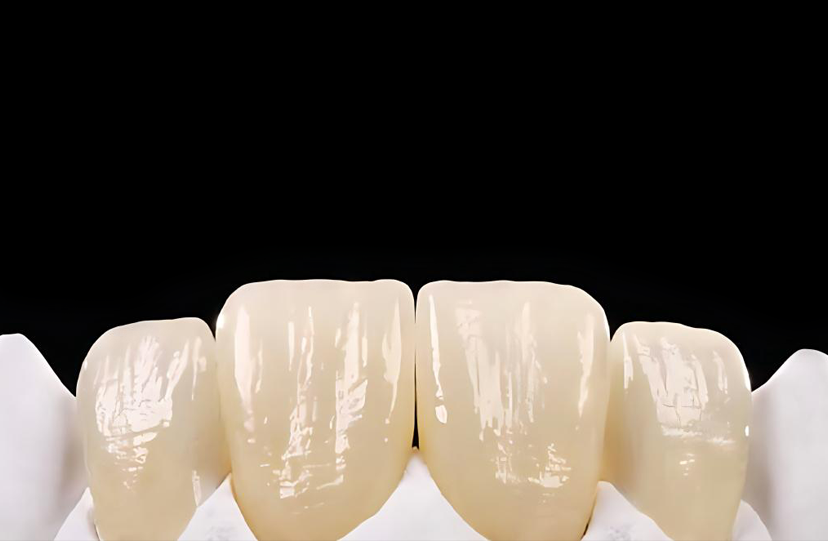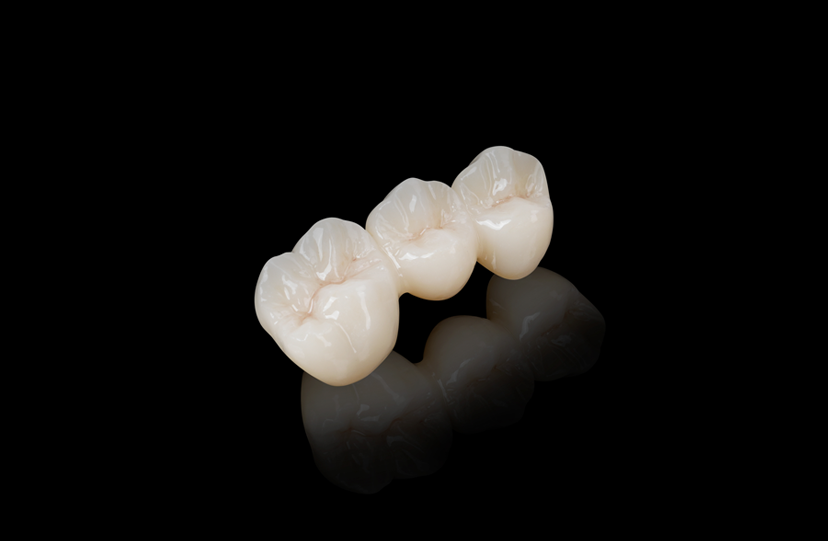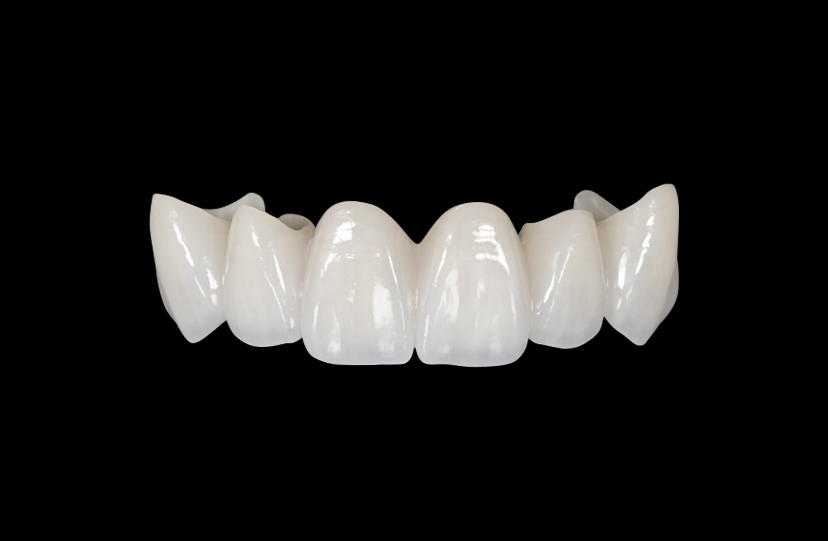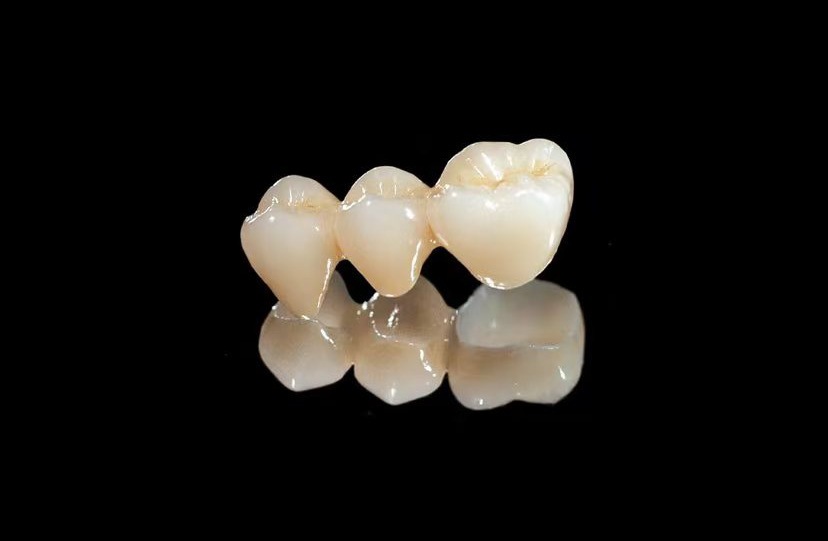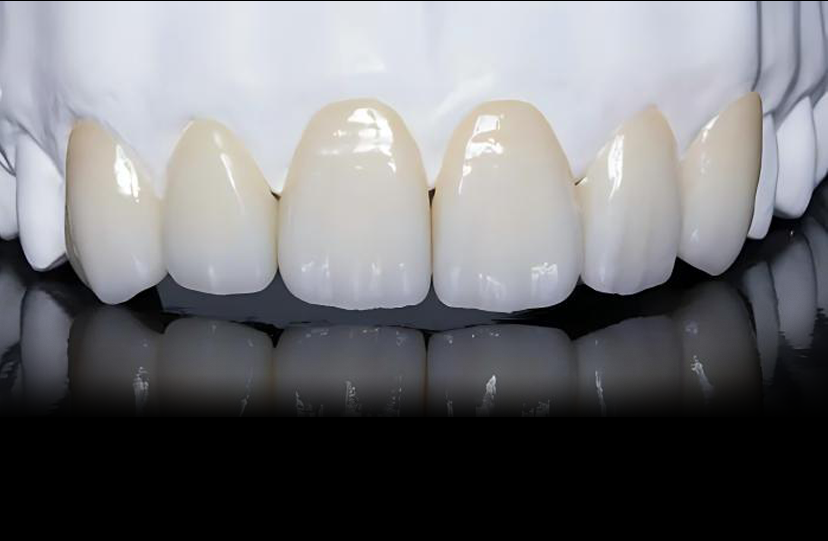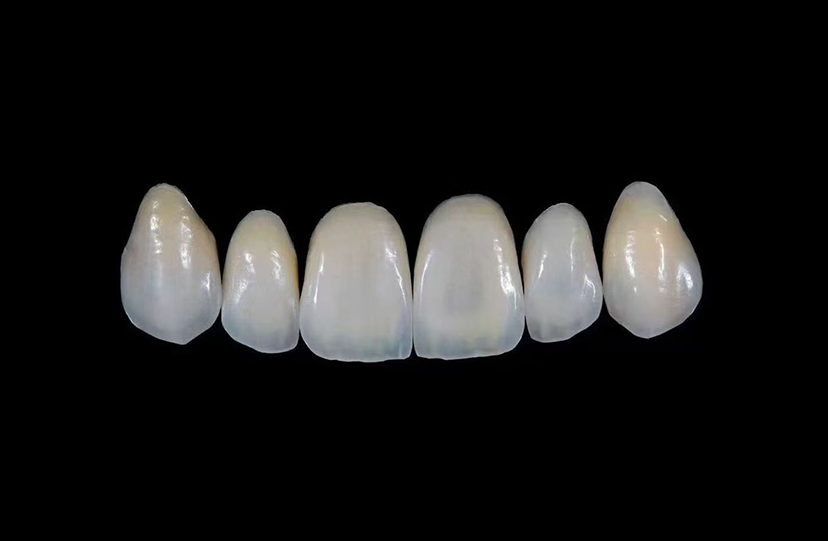
Ceramic Inlay and Onlay
Premium Ceramic Inlay and Onlay Solutions | HYC Dental Laboratory
When you need a conservative, aesthetic solution for partial tooth restoration, Ceramic Inlay and Onlay options from HYC Dental Laboratory deliver exceptional results. With over 22 a long time of fabricating ability and ISO 13485 certification, we create high-strength lithium disilicate reclamations with flexural quality surpassing 470 MPa. Our ceramic decorates and onlays accomplish a first-time fit rate over 95%, minimizing chair time and decreasing revamps. Created utilizing progressed CAD/CAM innovation and conventional press strategies, each rebuilding combines characteristic aesthetics with demonstrated clinical strength of 10–15 a long time. Our FDA-registered office guarantees biocompatible, metal-free arrangements that protect sound tooth structure whereas reestablishing work and beauty.
Why Select Our Ceramic Restorations?
Exceptional Quality Meets Common Beauty
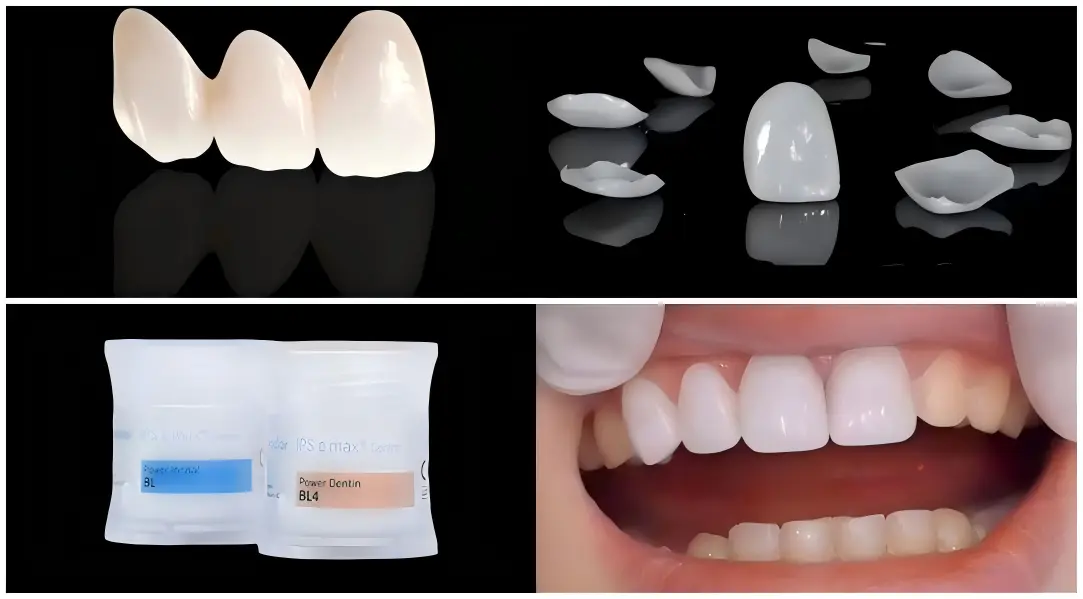
Our reclamations are made from premium lithium disilicate glass-ceramic fabric. You get three times the quality of ordinary squeezed ceramics whereas keeping up prevalent translucency. Your patients will appreciate how consistently these rebuilding efforts mix with their common dentition.
The metal-free composition dispenses with the dull gumline frequently seen with conventional crowns. This makes them culminate for patients with metal sensitivities or those who request the most noteworthy stylish standards.
Conservative Tooth Preparation
Preserve more common tooth structure with our negligibly obtrusive approach. Our ceramic arrangements require less forceful planning compared to full-coverage crowns. This preservationist strategy secures tooth essentialness whereas conveying long-lasting results.
Bonded reclamations can be as lean as 1.0 mm for amazing results. This exactness permits you to keep up solid finish and dentin at whatever point possible.
Digital Accuracy & Dependable Fit
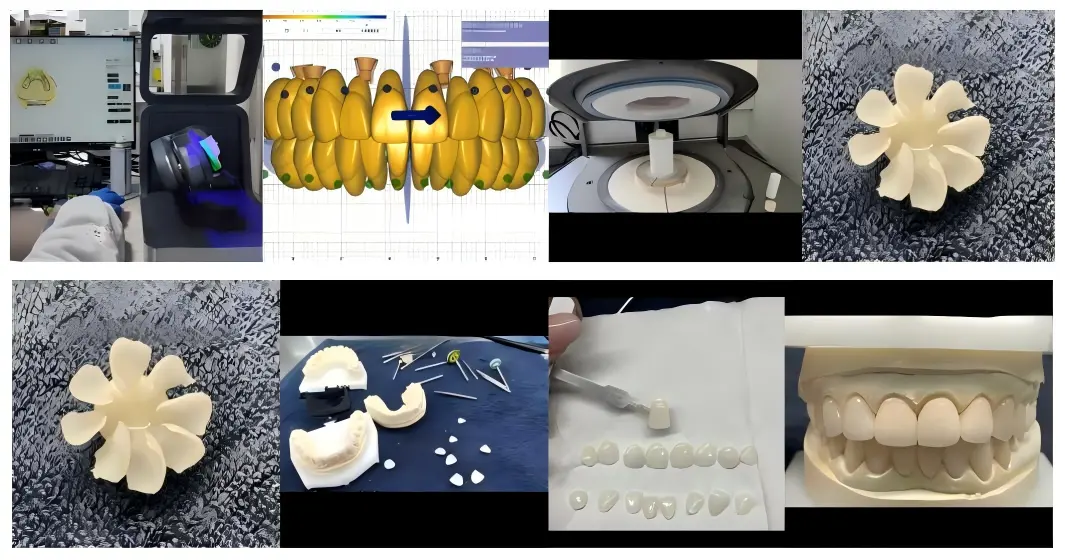
We coordinated progressed CAD/CAM workflow with conventional craftsmanship. This combination guarantees steady precision and repeatable quality over each case. Our amazingly moo redo rate implies less arrangements and more joyful patients.
Standard orders ship within 3 days, with expedited processing available for urgent cases. We also offer same-day shipment through our flash delivery service for selected regions.
Technical Specifications of Ceramic Inlay and Onlay
| Feature | Details |
|---|---|
| Material | Lithium disilicate glass-ceramic |
| Flexural Strength | >470 MPa |
| Translucency | High – mimics natural enamel |
| Metal Content | 0% (metal-free) |
| Biocompatibility | FDA-listed, CE certified materials |
| Fabrication Method | CAD/CAM milling or heat-press technique |
| Clinical Lifespan | 10–15 years with proper care |
| Layering Compatibility | Compatible with characterization ceramics |
Indications & Applications
Ideal For:
- Posterior inlays and onlays
- Anterior and posterior single crowns
- Porcelain veneers (minimal to no preparation)
- 3-unit anterior bridges
- 3-unit posterior bridges (second premolar abutment)
Not Recommended For:
- Bridges exceeding 3 units
- Patients with severe bruxism
- Bridges using abutments other than the second premolar
Preparation Guidelines
| Restoration Type | Preparation Requirements |
|---|---|
| Inlay & Onlay | Shoulder margin; Isthmus width 1.5–2.0 mm; Depth 1.5 mm; Floor thickness 1.0–1.5 mm |
| Anterior Crown | Incisal reduction 1.5–2.0 mm; Lingual 1.5 mm; Facial 1.0–1.5 mm; Cervical 1.0–1.5 mm with shoulder/bevel |
| Veneer | Facial reduction 1.0–1.5 mm; Thin veneers may need minimal prep based on alignment |
Key Clinical Advantages
Superior Aesthetics
Excellent light transmission in Ceramic Inlay and Onlay replicates the vitality and shade of natural enamel. Your patients receive restorations that are virtually indistinguishable from their own teeth.
Proven Durability
With flexural strength of 400–500 MPa, these restorations withstand normal occlusal forces. Expect 15+ years of service with proper maintenance and patient care.
Perfect Marginal Fit
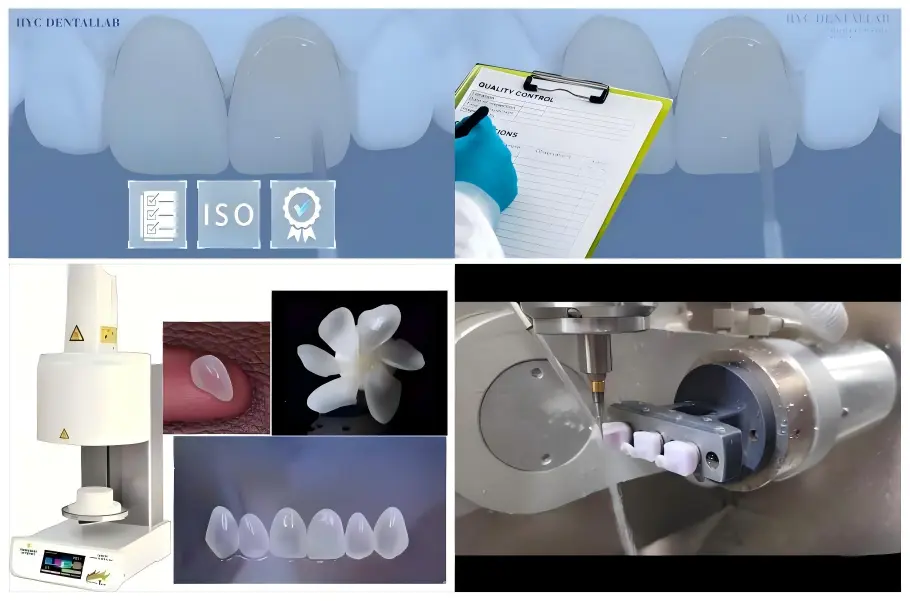
Our quality control process ensures tight margins and accurate contacts. This precision reduces sensitivity, secondary caries, and the need for adjustments.
Comprehensive Warranty
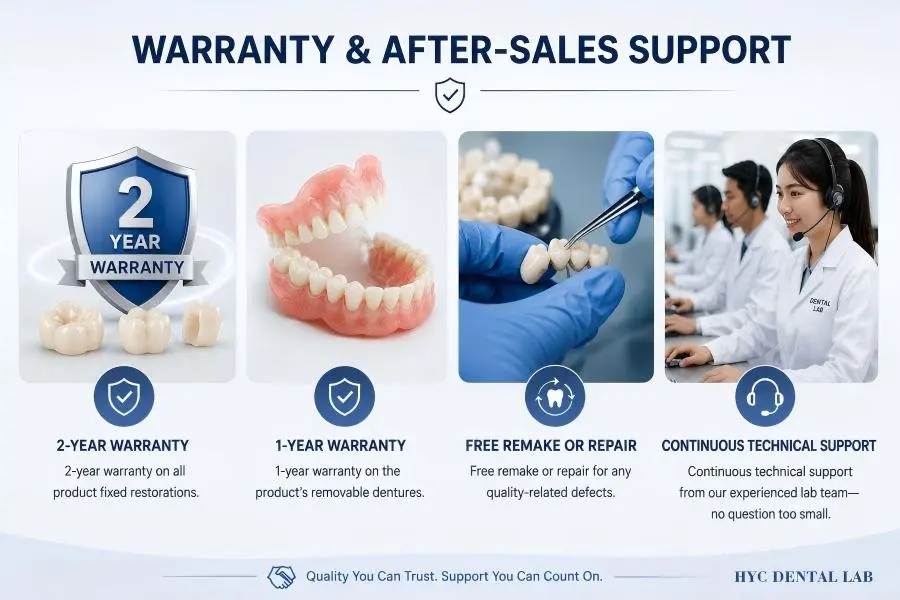
Every fixed restoration includes a 2-year warranty covering quality-related issues. We provide free repair or remake within the warranty period, plus continuous technical support.
Frequently Asked Questions
Q:How does e.max Press compare to e.max CAD in fit and strength?
A:E.max Press typically offers higher marginal precision and slightly better physical properties. Pressed restorations replicate fine wax-up details more accurately than milled versions. Pressed lithium disilicate achieves flexural strength of approximately 400–500 MPa, while CAD blocks are often cited at 360 MPa before final crystallization. The pressing process is not limited by milling tool diameter, allowing superior marginal adaptation.
Q:What are the minimum thickness limits to prevent cracking?
A:When bonded to enamel, restorations can be as thin as 1.0 mm for crowns and 0.3 mm for veneers. For cemented (non-bonded) cases, maintain at least 1.5 mm to prevent fracture under occlusal loads. Minimally invasive preparations around 0.5 mm on the palatal side of anterior crowns often fail if bonded to flexible dentin instead of rigid enamel.
Q:How do I prevent the "graying out" effect of the stump shade?
A:Choose the appropriate ingot opacity based on tooth discoloration. Low Translucency (LT) ingots work best for slightly discolored teeth. For dark or endodontically treated stumps, use Medium Opacity (MO) or High Opacity (HO) ingots to effectively mask gray show-through. Communicate stump shade clearly on your prescription form.
Q:Why might crowns show "orange peel" texture or poor fit?
A:Orange peel surfaces often result from overheating or excessive liquid in the investment mix. Short pressing occurs when sprues are too thin or placed at 90-degree angles. We recommend 45–60 degree sprue angles aimed at the thickest restoration area for smooth ceramic flow. Investment bench-set time should be strictly 30–45 minutes for optimal results.
Partner with HYC Dental Laboratory
Ready to elevate your restorative cases with Ceramic Inlay and Onlay? Our team is here to support your clinical success. Contact us at info@hycdentallab.com to get started today.
SC-Bold
_1779414359377.webp "FMZ (Fully Milled Zirconia)")
_1779414347678.webp "FCZ(Full Contour Zirconia)")