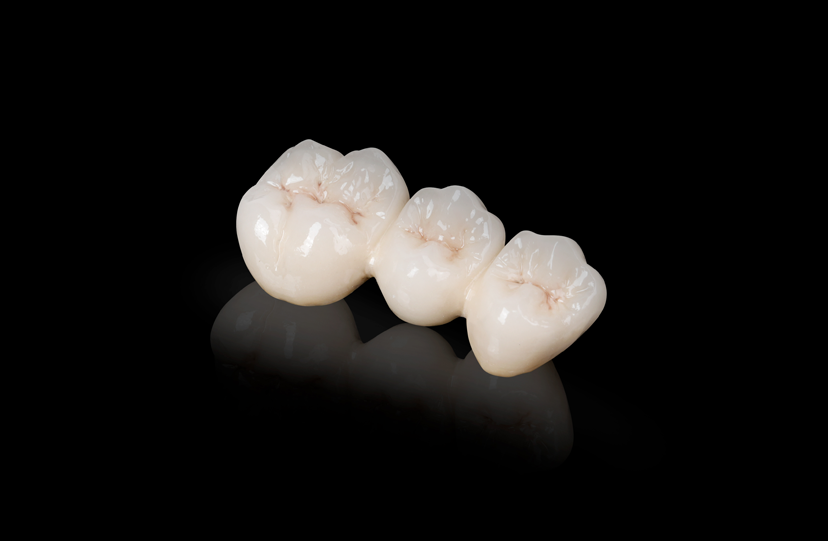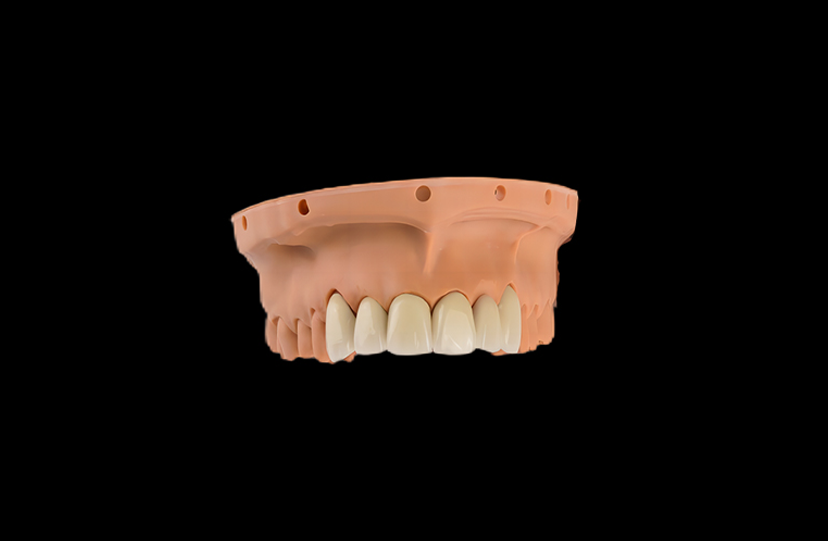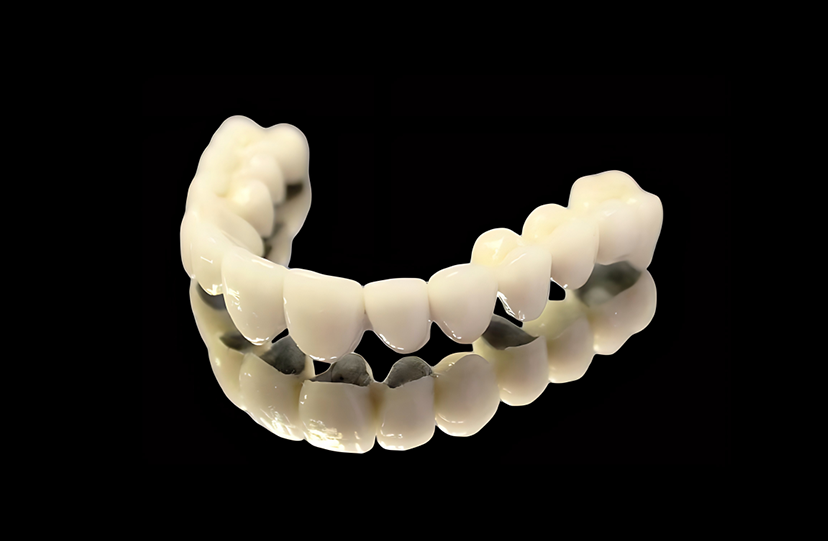
Bio-Alloy PFM
Bio-Alloy PFM: Premium White Gold Dental Restorations for Lasting Results
Our Bio-Alloy PFM crowns and bridges deliver exactly that. Highlighting a system with over 60% valuable metals—including a least 40% gold content—these reclamations offer uncommon biocompatibility and erosion resistance. With demonstrated clinical execution surpassing 30 a long time, our item arrangements give predominant minimal fit, common translucency, and extraordinary solidness for single crowns, long-span bridges up to 14 units, and implant-supported rebuilding efforts. Supported by ISO 13485 certification and US FDA enlistment, you can believe each reclamation taking off our lab.

Why Select Our Bio-Alloy PFM Restorations?
Unmatched Fabric Quality
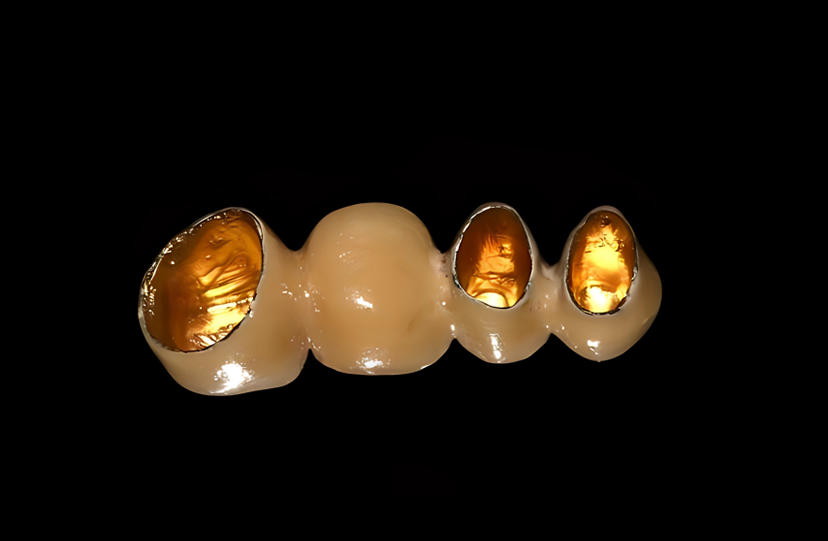
Our white high-noble amalgam keeps up color steadiness whereas conveying a common appearance. The composition incorporates gold, platinum, and palladium—ensuring your patients get rebuilding efforts that stand up to discoloring and erosion in the verbal environment.
The 40% least gold substance essentially decreases unfavorably susceptible responses. Your patients appreciate peace of intellect knowing their rebuilding won't trigger sensitivities or tissue irritation.
Built for the Long Haul
Durability things in therapeutic dentistry. Our Sort IV combination systems give extraordinary quality and unbending nature. Clinical considers report steady execution for over three decades when appropriately maintained.
Whether you're treating bruxers or patients with overwhelming parafunctional propensities, these rebuilding efforts stand up to the challenge. The prevalent mechanical quality stands up to break and chipping amid ordinary chewing.
Precision That Spares You Time
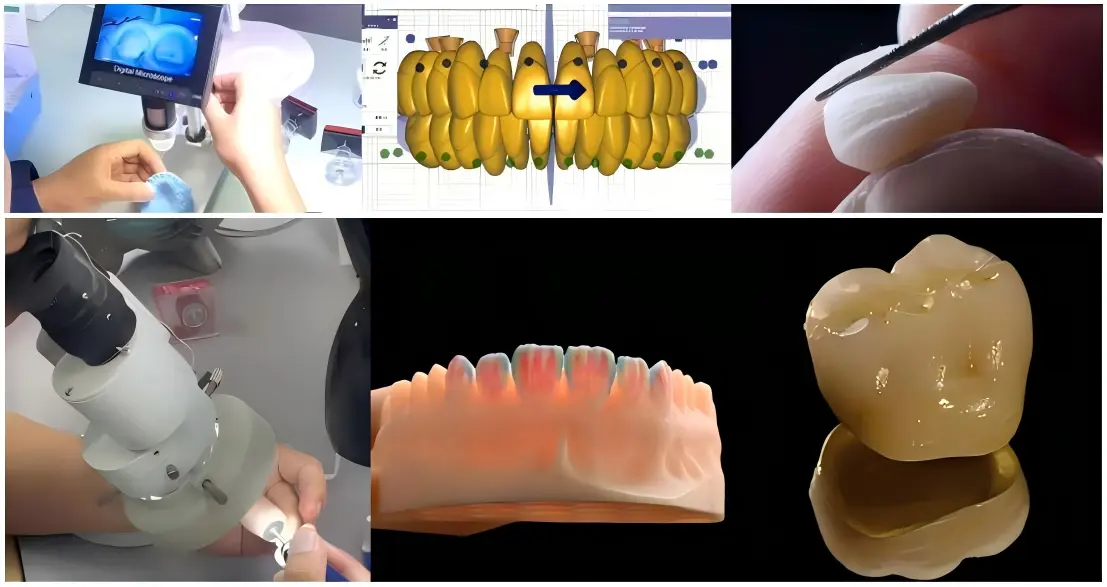
Nothing baffles a active hone more than ill-fitting reclamations. Our progressed CAD/CAM workflow guarantees fabulous minimal exactness and a unsurprising first-time fit.
High respectable metals cast more absolutely than base-metal options. This implies less alterations, less chair time, and more joyful patients. Our amazingly moo redo rate keeps your plan running easily.
Natural Aesthetics Your Patients Will Love
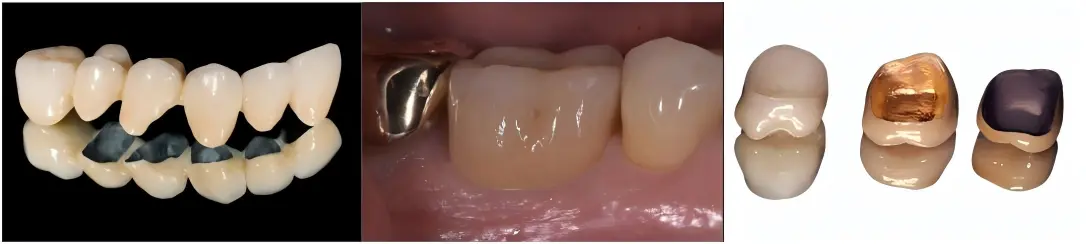
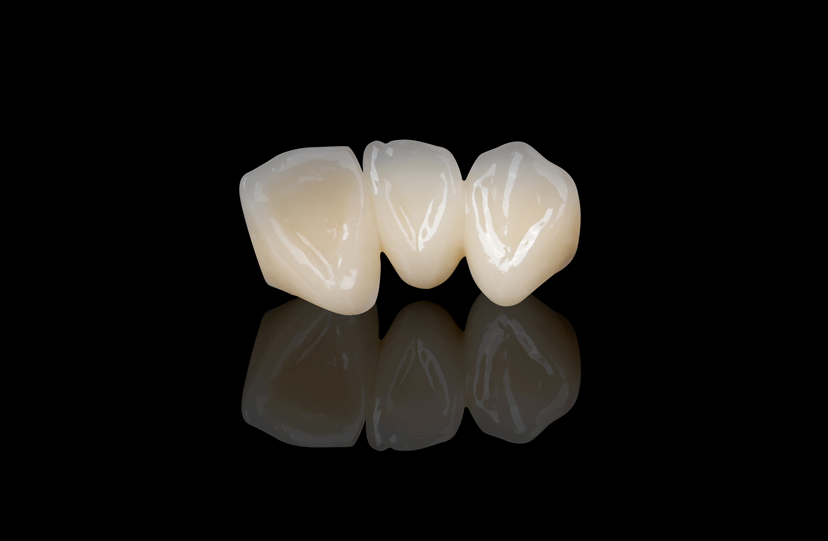
The white silver-toned appearance rarely shows through the ceramic veneer. Multi-layered porcelain—using premium materials like Noritake EX-3—mimics the natural translucency and depth of human enamel.
Each restoration receives artisanal hand-layering for lifelike color gradients. While all-ceramic options suit ultra-high aesthetic cases, our product crowns deliver beautiful results for most clinical situations.
Technical Specifications
| Feature | Specification |
|---|---|
| Metal Composition | >60% precious metals (Au, Pt, Pd); minimum 40% gold |
| Alloy Type | Type IV high-noble white gold alloy |
| Porcelain System | Premium layering porcelain (e.g., Noritake EX-3) |
| Reduction Required | 1.5–2.0 mm incisal/occlusal; 1.5 mm facial/lingual |
| Margin Design | 1.0–1.5 mm chamfer (shoulder for porcelain margin) |
| Maximum Span | Up to 14-unit bridges |
| Service Life | 30+ years with proper maintenance |
| Fabrication Method | Induction casting + hand-layered porcelain |
| Standard Lead Time | 3–4 days (expedited options available) |
| Warranty | 2 years on fixed restorations |
When to Recommend Bio-Alloy PFM
Perfect For:
- Single crowns and multi-unit bridges up to 14 units
- Cases with limited occlusal clearance
- Patients who grind or clench their teeth
- Implant-supported crowns requiring exceptional strength
- Masking discolored or dark tooth structure
- Abutment crowns for partial dentures
Not Recommended For:
- Patients with documented noble metal sensitivities
- Ultra-high aesthetic anterior cases (consider all-ceramic)
- Insufficient tooth reduction for metal-ceramic thickness
- Extremely short clinical crowns with retention concerns
Preparation Guidelines
Proper tooth preparation ensures optimal results for Bio-Alloy PFM. Plan for 1.5–2.0 mm of incisal or occlusal reduction. This thickness accommodates both the metal framework (0.3–0.5 mm) and adequate porcelain layering for strength and aesthetics.
A 1.0–1.5 mm chamfer margin works best for standard preparations. If you're requesting a labial porcelain margin for enhanced aesthetics, prepare a shoulder to provide sufficient space.
Why Our Lab Makes the Difference
Two Decades of Expertise
Since 2004, we've partnered with dental professionals across Europe and North America. Our 22 years of specialized experience mean we understand your clinical needs and market standards.
Quality You Can Verify
Every restoration meets strict international standards. Our ISO 13485:2016 certification and US FDA registration demonstrate our commitment to safety and compliance.
Fast, Reliable Turnaround
Standard cases ship within 3 days. Complex bridges require just 4–5 days. Need it faster? Our priority processing ensures urgent cases receive immediate attention—often at no additional charge.
Partnership, Not Just Service
We're here for the long term. Our 2-year warranty on fixed restorations backs our quality promise. Experience any quality-related issues? We'll repair or remake it free of charge.
Frequently Asked Questions
Q:How does white gold differ from yellow gold in clinical performance?
A:White high-noble alloys maintain the same excellent marginal accuracy as yellow gold. The key difference? Thermal stability. White gold contains more platinum or palladium, raising the melting temperature and reducing distortion during high-heat porcelain firings. The increased stiffness makes white gold ideal for long-span bridges requiring extra rigidity.
Q:Does white gold prevent the dark line at the gum better than base metals?
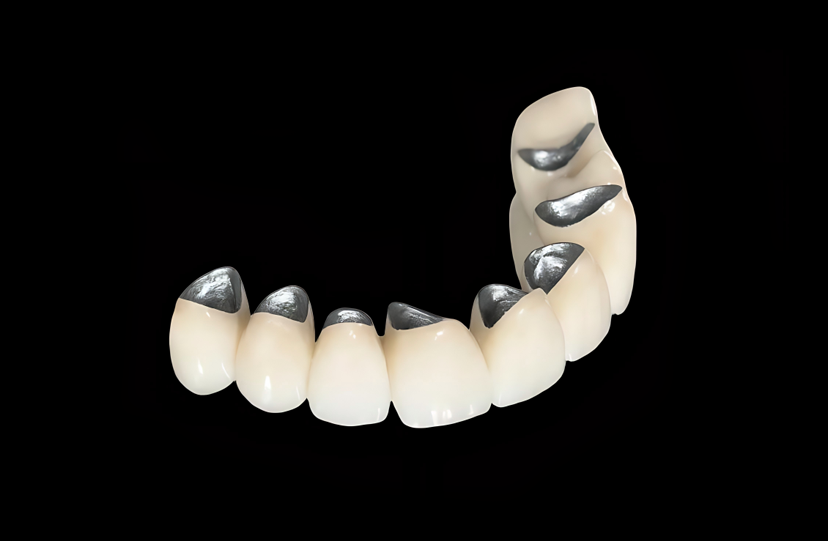
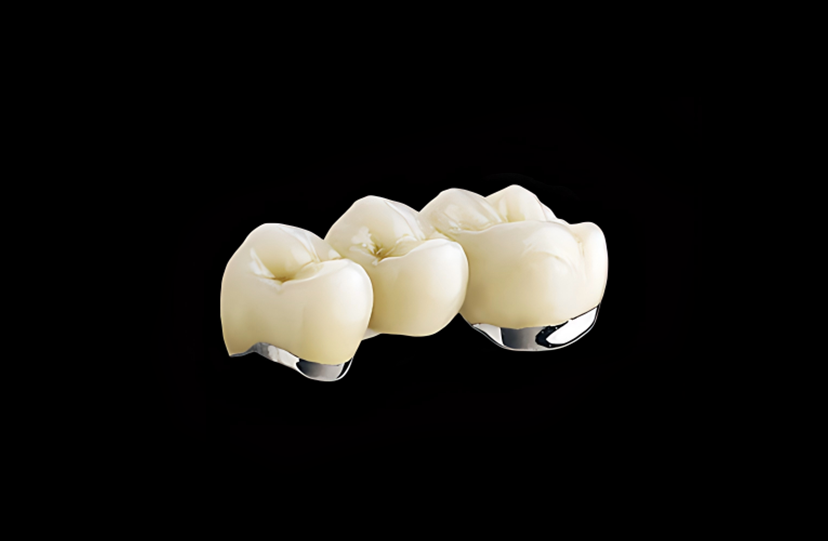
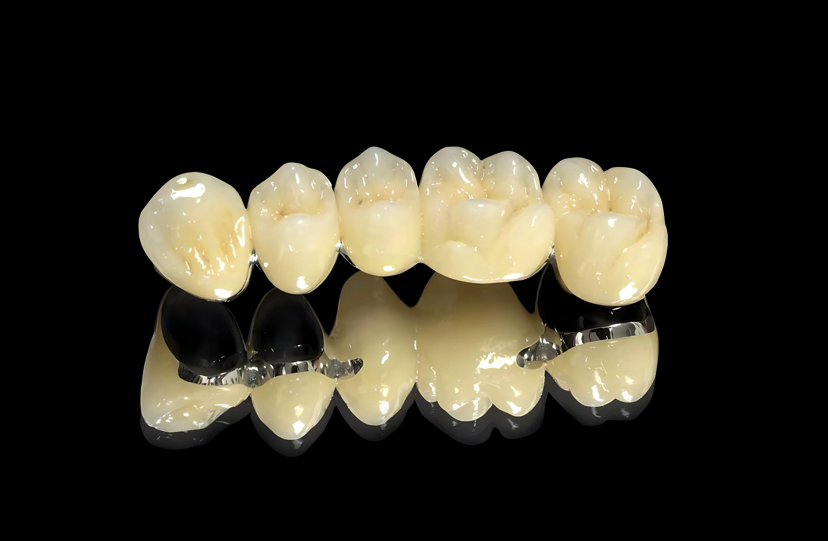
A:The oxide layer of white gold appears much lighter—light gray or straw-colored—compared to the dark oxides of base metals. However, metal remains opaque. For maximum aesthetic benefit, always pair white gold PFMs with a porcelain-butt margin. This allows the lighter oxide to reflect light more naturally than base metals.
Q:Why does the price for white gold fluctuate?
A:Unlike fixed-price semi-precious alloys, white high-noble alloys follow daily precious metal market rates. If price stability is important, consider a noble palladium-based alloy as an alternative that still provides a white-colored substructure.
Q:Is there risk of thermal shock during porcelain layering?
A:White gold alloys have a different thermal expansion curve than yellow gold. We address this by using specialized porcelains designed for high-palladium alloys and implementing long, controlled cooling cycles. This prevents the metal and ceramic from "pulling" against each other, ensuring a strong chemical bond that resists shearing.

Get Started Today
Ready to experience the Bio-Alloy PFM HYC difference? Send your next case prescription to info@hycdentallab.com and discover why clinics worldwide trust our precision craftsmanship.
SC-Bold
.webp "Ni-Cr PFM (Nickel-Chrome)")