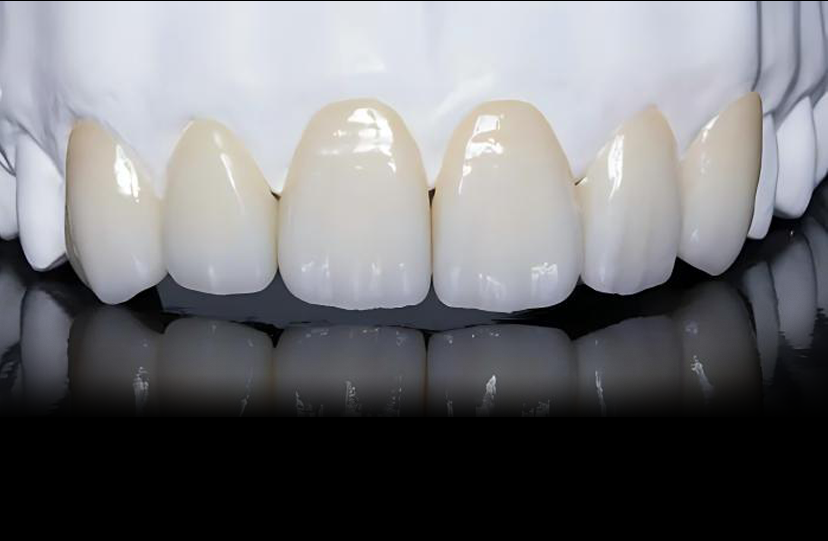
Titanium Partials Procurement for Lightweight Prosthetic Workflows
Titanium partials are removable partial dentures built on a titanium framework, commonly manufactured using CAD/CAM technology. Titanium offers a favorable strength-to-weight ratio, corrosion resistance, and biocompatibility, making it an option for dental labs and clinics seeking lightweight metal framework solutions. For B2B procurement, dental laboratories should evaluate material documentation, manufacturing capabilities, quality management systems, turnaround time, remake policies, and after-sales support when selecting a titanium partial denture supplier.
Introduction
The market for removable partial dentures includes metal-framework options that balance structural performance, weight, and patient comfort. Cast cobalt-chrome has been widely used for decades, while titanium and digital manufacturing provide additional options for dental laboratories and clinics evaluating removable partial denture frameworks.
Titanium frameworks have been investigated for removable partial denture applications because of their low density, corrosion resistance, and biocompatibility. Recent systematic reviews have compared titanium with cobalt-chrome and other framework materials, while research on digital removable partial dentures has evaluated CAD/CAM fabrication, framework accuracy, and clinical performance. The available evidence supports the use of digital workflows, although results vary according to material, manufacturing method, and study design. Understanding the whole procurement picture, from raw materials to regulatory compliance, is important for purchasing managers and lab directors who buy in bulk. It has a direct effect on both bottom-line prices and patient results.
What Are Titanium Partials?
Defining the Framework Structure
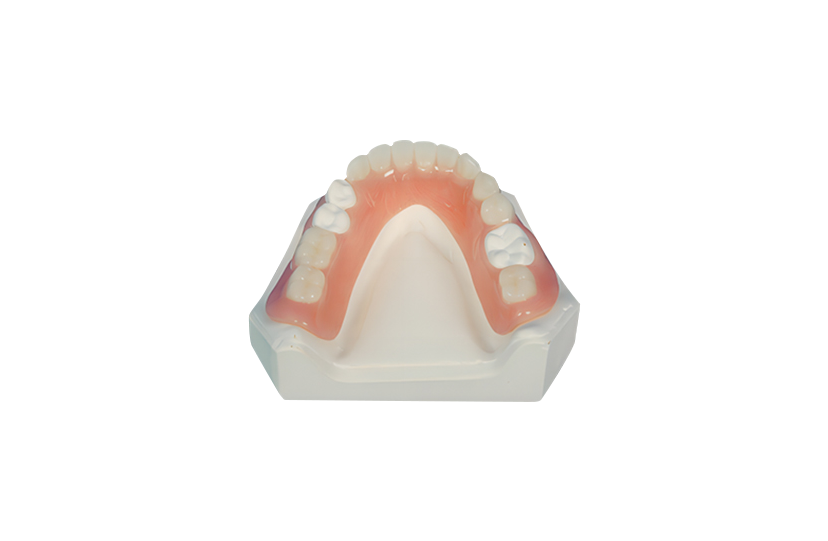
Titanium Partials are removable partial dentures that use a titanium framework to support the prosthesis. Common framework materials include Grade 4 commercially pure titanium and Grade 5 titanium alloy (Ti-6Al-4V). Attachments, rests, clasps, and connectors are incorporated into the framework according to the prescribed design and help support and retain the removable prosthesis.
Milled titanium frameworks are produced from titanium disc or puck stock using CAD/CAM technology. The digital workflow allows the framework design to be stored electronically and can support consistent reproduction when a new framework is clinically indicated.
Titanium is widely used in medical and dental applications because of its corrosion resistance and favorable biological properties. Titanium has also been investigated as an alternative framework material to cobalt-chrome in removable partial dentures.
Benefits of Titanium Partials in Prosthetic Workflows
Adopting titanium frameworks has clinical and operational benefits that can be directly linked to measurable practice gains. Here are the core benefits that drive procurement decisions:
-
Reduced patient weight burden: Titanium has a density of approximately 4.5 g/cm³, while cobalt-chrome alloys are generally around 8.3 g/cm³. A titanium framework can therefore be substantially lighter than a comparable cobalt-chrome framework, depending on the framework design and material volume.
-
Biocompatibility: Titanium has established use in medical and dental applications and demonstrates favorable biological properties. For patients with a known or suspected metal sensitivity, the patient's clinical history and the exact alloy composition should be considered before material selection.
-
Dimensional stability in digital workflows: Milled frameworks are produced from a digital design and do not require conventional casting of the framework itself. Digital case records can also be stored for future reference and potential reproduction when clinically appropriate.
-
Digital manufacturing consistency: CAD/CAM workflows can support controlled framework design and manufacturing. However, final accuracy depends on scanning, CAD design, manufacturing equipment, material, finishing, and quality-control procedures.
Over time, these benefits can become especially relevant in high-volume DSO settings where consistent quality control and predictable delivery schedules are important for business operations.
Advantages Over Conventional Alternatives
Why Milled Titanium Can Be an Alternative to Cast Cobalt-Chrome
Milled Titanium Partials frameworks can reduce some variables associated with conventional casting because the framework is manufactured directly from a digital design and titanium material stock. The digital design can be retained for future reference, which may be useful for dental laboratories handling recurring or outsourced cases.
However, digital fabrication should not automatically be considered more accurate than conventional fabrication in every situation. Systematic reviews have found that digitally and conventionally fabricated removable partial denture frameworks can both achieve clinically acceptable fit, while accuracy varies according to the material and manufacturing technique.
Disadvantages and Procurement Considerations
When buyers decide where to get a Titanium Partials framework, they should keep a few things in mind. Titanium framework repair can require specialized techniques and equipment, and repairs may be more complex than repairs to conventional cobalt-chrome frameworks. The receiving laboratory should therefore confirm its repair capabilities before selecting a titanium framework supplier.
Material costs more per unit than cobalt-chrome in many production environments, but procurement decisions should consider more than material price alone. Remake rates, chairside adjustment labor, case complexity, delivery requirements, and overall workflow efficiency can all contribute to the total cost of delivery. When purchasing in bulk, purchasing managers should evaluate the total cost per successful case rather than unit price alone.
Comparison: Titanium vs. Cobalt-Chrome vs. Flexible Resin Partials
| Factor | Titanium Framework | Cobalt-Chrome Framework | Flexible Resin (Valplast) |
|---|---|---|---|
| Weight | Low | High | Moderate |
| Biocompatibility | Excellent | Good | Good |
| Dimensional Accuracy | Very High (milled) | High (cast) | Variable |
| Repairability | Complex | Standard | Limited |
| Durability | Excellent | Excellent | Moderate |
| Digital Workflow Ready | Yes | Partial | Limited |
| Cost Per Unit | Higher | Lower | Moderate |
The table shows that titanium frameworks may be considered when lower framework weight, corrosion resistance, material considerations, or a digital production workflow are important. The appropriate material should be selected according to the clinical indication, framework design, and dentist's assessment.
Clinical Indications
Titanium Partials frameworks may be considered for patients who require removable partial dentures and for cases where a lightweight metal framework, corrosion resistance, or digital manufacturing workflow is preferred. They may also be considered for implant-retained removable prostheses when the framework design and clinical requirements are appropriate. DSOs that are in charge of standardizing restorative practices can also benefit from the fact that digital titanium production can be planned across multiple clinic sites.
Materials Used in Titanium Partial Fabrication
Grade Selection and Its Clinical Impact
Grade 4 commercially pure titanium and Grade 5 titanium alloy (Ti-6Al-4V) are commonly used titanium materials in dental and medical applications. Grade 5 generally provides higher mechanical strength than commercially pure titanium, while Grade 4 provides a combination of strength, corrosion resistance, and biocompatibility. Material selection should be based on the framework design, manufacturing process, and applicable material requirements. Material documentation and biocompatibility information should be available from the material manufacturer or supplier where required.
A 2024 systematic review comparing titanium, PEEK, and cobalt-chrome removable partial denture frameworks found that titanium and PEEK demonstrated suitable biological properties, while mechanical characteristics differed between the materials. The authors also reported that titanium showed lower rigidity and some lower mechanical performance measures than cobalt-chrome, reinforcing the importance of case-specific material selection rather than treating one framework material as universally superior.
Manufacturing Workflow
The production process starts with digital case entry, which is when the clinic or lab sends in STL or scan files. Engineers who work in design use CAD software to plan the shape of the Titanium Partials frame and then add rest seats, clasps, and major connectors as directed. The design that has been approved is sent to a 5-axis CNC milling center to be cut out of a certified titanium puck. After being milled, the framework goes through surface finishing, appropriate surface treatment, and a check of its dimensions against the digital design that started it all. Some quality checks that are done before shipping are checking the framework fit, making sure the occlusal space is correct, and reviewing the applicable material and production documentation.
Recent research specifically evaluating commercially pure titanium removable partial denture frameworks compared several CAD/CAM manufacturing methods, including direct milling and selective laser melting, and evaluated shape accuracy, surface roughness, microstructure, and internal porosity. This supports the continued development of digital titanium framework manufacturing while also showing that the manufacturing method itself can affect the final framework characteristics.


Cost Factors in Titanium Partial Procurement
Milled Titanium Partials framework prices depend on a lot of factors, including the type of raw material, the complexity of the shape, the time it takes for the CNC machine to work, the amount of work that needs to be done afterward, the number of orders, and how quickly they need to be delivered. Rush production and next-day shipping cost more, but many clinics are willing to pay extra for cases that need to be done quickly. When you consistently buy in bulk from a single approved seller, you can usually get more stable unit prices and better scheduling.
How to Choose a Titanium Partials Supplier
Key Evaluation Criteria for B2B Procurement
To find a trustworthy Titanium Partials maker, you need to do more than just look at the unit price. A reliable supplier should have an appropriate quality management system, material documentation, and regulatory documentation applicable to the target market. Five-axis CNC milling with clear accuracy standards and full digital case management should be part of the production capabilities. Check the promises for turnaround times. An operational guarantee that offers a normal cycle of 4–5 days with flash delivery choices for pressing cases is a good example of this. Check the warranty terms: a 1-year warranty on removable restorations that includes free re-fabrication during the warranty period shows that the supplier provides defined after-sales support. Communication responsiveness and a recorded low remake rate are both strong signs of a reliable long-term relationship.
Maintenance Recommendations
Titanium Partials frames should be cleaned with soft brushes and denture cleaners that don't scratch. Ultrasonic cleaning should follow the manufacturer's and clinician's recommendations. Chemical soaking agents should be used according to the manufacturer's instructions. A clinical check of the clasp retention and connector condition should be done as clinically appropriate. Because titanium frameworks maintain their shape well, relining the plastic saddle parts may help extend the service life of the prosthesis when clinically indicated.
Key Takeaways
Titanium partial frameworks represent an established option for lightweight removable partial denture frameworks. Because titanium offers low density, corrosion resistance, and compatibility with digital manufacturing workflows, it can be considered in a range of clinical and laboratory settings, from private offices to DSOs with multiple locations. Instead of just looking at unit price, decisions about what to buy should be based on the supplier's certification, material documentation, records of dimensional accuracy, turnaround time, and the length of the warranty.
FAQ
What are titanium partial dentures?
Titanium partial dentures are removable partial dentures that use a titanium framework to support the prosthesis. The framework may include major connectors, minor connectors, rests, clasps, and other components designed according to the patient's clinical requirements.
What is a titanium partial denture framework made of?
Titanium partial denture frameworks are commonly manufactured from Grade 4 commercially pure titanium or Grade 5 titanium alloy (Ti-6Al-4V). The exact material should be confirmed with the dental laboratory and documented according to the applicable manufacturing requirements.
Are titanium partial dentures lighter than cobalt-chrome?
Yes. Titanium has a substantially lower density than cobalt-chrome, so a comparable titanium framework can be significantly lighter. The final weight depends on the framework design, thickness, and amount of material used.
Are titanium partials suitable for patients with metal allergies?
Titanium may be considered for patients with specific metal sensitivities, but it should not automatically be described as allergy-proof. Patient history, the exact alloy composition, and the clinician's assessment should be considered before selecting the framework material.
What is the difference between titanium and cobalt-chrome partial dentures?
The main differences include material density, mechanical properties, manufacturing methods, repair considerations, and cost. Titanium is lighter than cobalt-chrome, while cobalt-chrome has a long history of use in removable partial denture frameworks. Current evidence indicates that titanium and cobalt-chrome have different mechanical characteristics, so material selection should be case-specific.
Are titanium partial frameworks compatible with CAD/CAM workflows?
Yes. Titanium partial frameworks can be designed and manufactured through digital CAD/CAM workflows. Digital impressions or STL files can be used for framework design, and the approved design can then be manufactured using an appropriate milling or digital fabrication process.
How accurate are CAD/CAM titanium partial frameworks?
Framework accuracy depends on the scanning method, CAD design, material, manufacturing equipment, and quality-control process. Systematic reviews indicate that digital removable partial denture frameworks can achieve clinically acceptable fit, but results vary between materials and manufacturing methods.
How long does it take to manufacture a titanium partial framework?
Standard production processes take 4–5 days from the time a digital case is received until it is sent out. However, there are options for faster delivery the next day in urgent clinical situations.
Can a titanium partial framework be repaired?
Titanium framework repairs can require specialized equipment and techniques. If the original digital case files are retained, the digital record may also support reproduction of the framework when clinically appropriate.
What information does a dental lab need to order a titanium partial?
A dental laboratory typically needs the patient's digital scan or STL files, the prescribed framework design, tooth and clasp information, occlusal requirements, and any other case-specific specifications required by the manufacturing laboratory.
What should dental labs look for in a titanium partial denture supplier?
Dental labs should evaluate the supplier's quality management system, titanium material documentation, CAD/CAM capabilities, framework accuracy, turnaround time, communication, warranty terms, remake policy, and regulatory documentation applicable to the destination market.
Is titanium a good alternative to cobalt-chrome for removable partial dentures?
Titanium can be a suitable alternative in selected cases, particularly when lower framework weight, corrosion resistance, or specific material considerations are important. However, titanium and cobalt-chrome have different mechanical characteristics, so material selection should be based on the clinical case and framework design.
Are titanium partial dentures suitable for B2B dental laboratory procurement?
Yes. Titanium partial frameworks can be suitable for B2B procurement when a dental laboratory needs a repeatable digital workflow, documented material specifications, predictable production schedules, and consistent communication with an external manufacturing partner.
Can titanium partial frameworks be used for implant-retained removable dentures?
Titanium frameworks may be used in implant-retained removable prostheses when the framework design and clinical requirements are appropriate. Implant position, attachment design, framework fit, occlusion, and the overall treatment plan should be evaluated by the dental professional.
What are the main advantages of milled titanium partial frameworks?
The main advantages include lower framework weight compared with cobalt-chrome, compatibility with digital CAD/CAM workflows, corrosion resistance, and the ability to retain digital case records for future reference.
What are the disadvantages of titanium partial frameworks?
Potential disadvantages include higher material and manufacturing costs, more complex repair procedures, and the need for specialized equipment and technical expertise. These factors should be considered when comparing titanium with cobalt-chrome or flexible resin frameworks.
What is the typical turnaround time for titanium partial frameworks?
The typical turnaround time offered by HYC for titanium partial frameworks is 4–5 days, with flash delivery options available for urgent cases.
What warranty is available for titanium partial dentures?
HYC provides a 1-year warranty on removable restorations, subject to the applicable warranty terms and case conditions.
Partner With HYC — Your Certified Titanium Partials Manufacturer
HYC brings 22 years of dental manufacturing expertise to every case. As an ISO 13485:2016 certified dental laboratory, we provide precision-milled titanium partial frameworks with a 3–5 day standard turnaround and flash delivery for urgent orders. Our digital workflow, 2-year warranty on fixed products, and 1-year warranty on removable restorations reflect our commitment to consistent quality and reliable B2B support. Contact us at info@hycdentallab.com or visit hycdentallab.com to request a quote.
References
1. Pereira AL, et al. Accuracy of CAD-CAM systems for removable partial denture framework fabrication: A systematic review. Journal of Prosthetic Dentistry. 2021;125(2):241-248. doi:10.1016/j.prosdent.2020.01.003.
2. Ahmed N, et al. Fit Accuracy of Removable Partial Denture Frameworks Fabricated with CAD/CAM, Rapid Prototyping, and Conventional Techniques: A Systematic Review. BioMed Research International. 2021;2021:3194433. doi:10.1155/2021/3194433.
3. Takaichi A, et al. A systematic review of digital removable partial dentures. Part II: CAD/CAM framework, artificial teeth, and denture base. Journal of Prosthodontic Research. 2022;66(1):53-67. doi:10.2186/jpr.JPR_D_20_00117.
4. Almufleh B, Arellano A, Tamimi F. Patient-reported outcomes and framework fit accuracy of removable partial dentures fabricated using digital techniques: A systematic review and meta-analysis. Journal of Prosthodontics. 2024;33(7):626-636. doi:10.1111/jopr.13786.
5. Bertotti K, et al. Accurate analysis of titanium and PolyEtherEtherKetone materials as an alternative to cobalt-chrome framework in removable partial denture: A systematic review. Dental Materials. 2024;40(11):1854-1861. doi:10.1016/j.dental.2024.07.036.
6. Mechanical properties and accuracy of removable partial denture frameworks fabricated by digital and conventional techniques: A systematic review. Journal of Prosthetic Dentistry. 2025;133(1):85-95. doi:10.1016/j.prosdent.2023.01.032.
7. Ito K, Tasaka A, Kobayashi H, Nakata S, Yamashita S. Evaluation of CAD-CAM methods for fabrication of removable partial denture frameworks from commercially pure titanium. Journal of Prosthodontic Research. 2026. doi:10.2186/jpr.JPR_D_25_00209.
YOU MAY LIKE
_1779414398631.webp "Malong Bridge(All-on-X)")
 Framework.webp "High-Performance Polymer (HPP) Framework")
 Full Cast Crowns.webp "Noble (Semi-Precious) Full Cast Crowns")