Acrylic Base Partial Denture: A Complete Guide to Restoring Your Smile
When dental professionals evaluate removable prosthetic solutions, acrylic base partial dentures remain one of the most cost-effective and versatile treatment options. High-quality acrylic resin is used in these tooth replacement systems to make stable frameworks that restore both function and appearance for people who have lost some teeth. With decades of experience serving dental laboratories and clinics worldwide, HYC has seen acrylic partial dentures remain one of the most practical restorative options that meets pressing restoration needs while keeping production costs low. This guide explains the technical details, buying options, and clinical uses that dental labs, distributors, and clinic operations managers looking for reliable restoration partners should know about.
Introduction
Acrylic partial dentures are an important part of the global dental prosthetics industry because they help people who are missing some teeth in a cost-effective and timely way. As people get older and more people can get dental care, the demand for these removable tools continues to grow in many market groups. This page is mostly for procurement managers, dental lab owners, distributors, and original equipment manufacturers (OEMs) who want to know more about product specs, manufacturing standards, and how to choose a seller.
This complete guide gives useful information on the qualities of materials, their relative benefits, the rules that must be followed, and ways to improve the supply chain. When B2B decision-makers understand these factors, they can form relationships with manufacturers who consistently deliver precision-engineered goods that meet both clinical needs and budgetary limits. In the parts that follow, we'll explore the key considerations that affect both buying choices and the success of long-term collaboration.
Key Takeaways
Acrylic base partial dentures are a cost-effective solution for replacing one or more missing teeth.
They are lightweight, easy to repair, and suitable for temporary or long-term use in selected cases.
Typical service life ranges from 5–10 years with proper maintenance.
Compared with cast metal partial dentures, acrylic dentures are more affordable but generally less durable.
Choosing an experienced dental laboratory helps ensure consistent fit, material quality, and turnaround time.
Understanding Acrylic Base Partial Dentures
What Defines This Prosthetic Solution
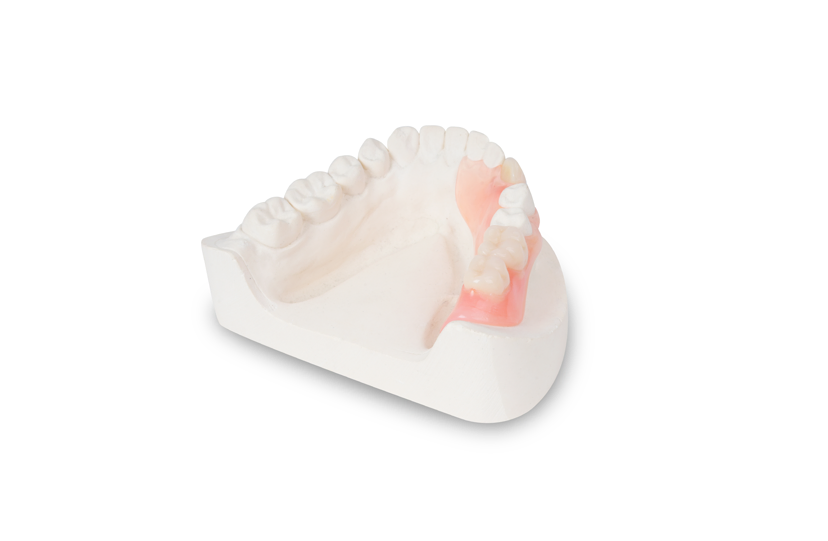
An acrylic base partial denture is a removable dental prosthesis designed to replace one or more missing teeth using an acrylic resin base that is supported by the remaining natural teeth and oral tissues. It is commonly used as a cost-effective solution for temporary or long-term tooth replacement in appropriate clinical cases.
Manufacturing Process and Material Selection
The process starts with taking accurate impressions that show the details of the mouth. Technicians pour dental stone models and then build wax setups to ensure the teeth are in the right position and the jaws are closed properly. Once the try-in goes well, the wax prototype is worked on in heat-cured acrylic resin systems that make sure it stays the same size and is safe for humans. Manufactured in an ISO 13485-certified facility designed to support throughout the whole process of making something. With this simplified way, labs can get results in three to five days in normal situations, and they can get them even faster if there are pressing clinical needs.
Clinical Applications and Patient Profiles
These prosthetics are great for temporary fixes after extractions because they let the tissues heal while still letting the patients keep good function and appearance. Tissue-supported versions that don't require complicated metal casting often provide clinical advantages for older patients who are not suitable candidates for implant surgery. Clinics with a lot of patients like how easy it is to fix fractures because acrylic materials are more flexible than rigid metal ones and can be adjusted while the patient is still sitting. Knowing these use cases helps buying teams make sure that the product specs are right for the patients they want to serve.
Advantages and Disadvantages of Acrylic Base Partial Dentures
Key Benefits for Procurement Consideration
There are several things that make Acrylic Base Partial Dentures stand out from other products on the market. Cost effectiveness is very important—the costs of manufacturing are still much lower than those of cast metal frameworks. This means that laboratories can improve profit margins and end users can get them at a price they can afford. The lightweight design makes patients more comfortable during the initial time of getting used to it, which lowers complaints that might have led to remakes. The ability to repair is another practical benefit, since broken parts can be quickly fixed without having to replace the whole appliance. All of these things lower the total cost of ownership over the lifetime of a product, which is an important thing for supply chain managers who are keeping an eye on long-term value measures to know.
Customisation options should get extra attention. Each case needs its own set of design parameters that are based on the person's anatomy and occlusal needs. Acrylic systems allow for changes to be made during the try-in stages without causing major production delays. This supports the 100% customised approach that sets quality-focused makers apart from commodity providers. This adaptability is especially helpful when working with different clinical practices and cases of different levels of complexity.
Limitations Requiring Transparent Communication
For a balanced evaluation, you need to take into account that the material may not last as long as metal-based options. Acrylic materials are more likely to break when occlusal forces are too high, especially in people who have parafunctional habits. Because standard acrylic resins are porous, they can stain and absorb odor accumulation if maintenance isn't done on time, which could shorten their useful life. Procurement workers should expect normal service lives of five to ten years. Relining is needed every so often because of ongoing residual ridge resorption.
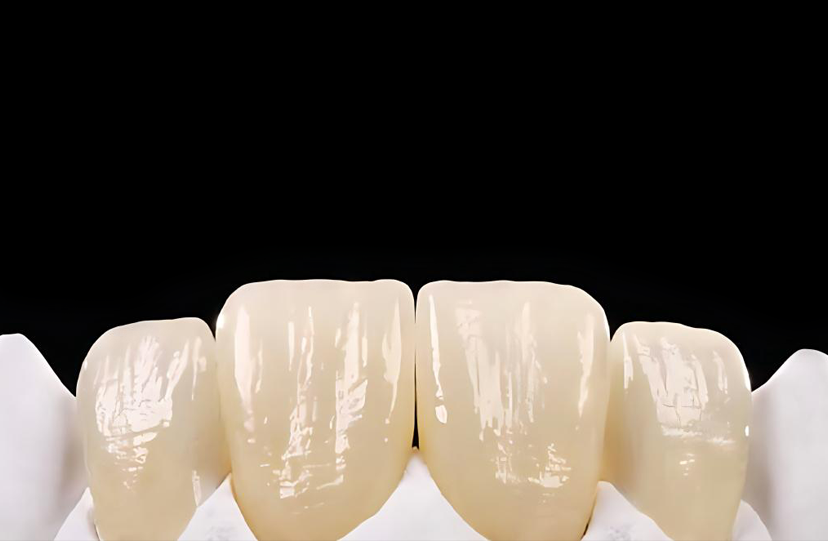
In the front parts of the mouth, where translucency and colour matching are harder to achieve than with high-end composite materials, aesthetic compromises can happen. These problems don't rule out acrylic removable partial dentures, but rather help doctors figure out how to best place them in the mouth. Clear communication with suppliers about expected performance levels builds trust and stops customers from having unrealistic expectations, which could hurt long-term business relationships. Dental professionals generally value suppliers that communicate product capabilities and limitations clearly, helping set realistic clinical expectations.
Comparing Acrylic Base Partial Dentures with Other Options
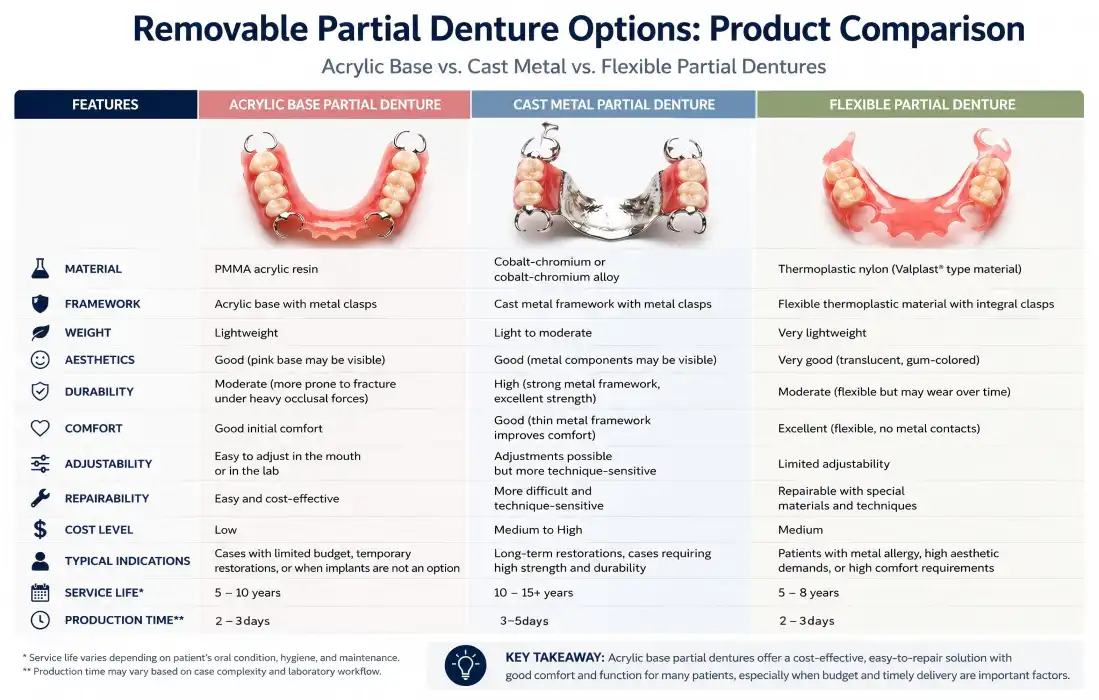
The following comparison summarizes the key differences between acrylic, cast metal, and flexible partial denturesto help dental professionals evaluate the most suitable option for different clinical situations.
Acrylic Versus Cast Metal Frameworks
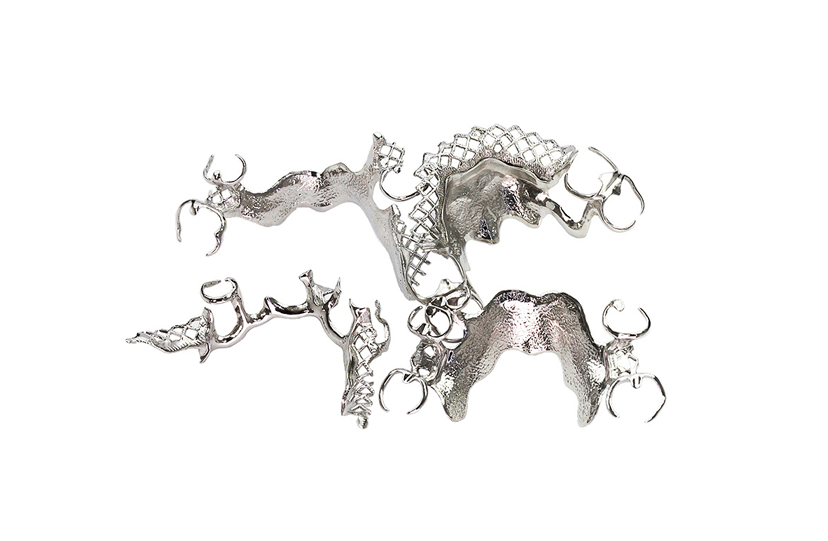
Cast metal partials are made of cobalt-chromium or titanium alloys that are shaped into hard frames that connect directly to abutment teeth using precise attachments. This tooth-borne form is more stable and lasts longer; with proper care, it can last fifteen years or more. Costs, on the other hand, go up a lot—usually two to three times what acrylic equivalents cost—and production times get longer because of the casting process. Patients can tell the weight change, which can make it harder for them to adjust in the first few weeks.
Choosing between these options for procurement often depends on the type of patients and where the clinic is located. Even though they cost more, metal frameworks are preferred by high-end prosthodontic practices that treat patients who want permanent solutions. Both options should be kept in the restoration portfolios of general practices that treat patients from a range of socioeconomic backgrounds. By knowing about these market groups, lab managers can make sure they have the right supplies on hand and keep technicians' skills up to date on all the different ways to make things.
Flexible and Nylon Alternative Materials
Thermoplastic resins, such as nylon-based systems, have become more popular because they offer better looks through clear clasps that blend in naturally with oral tissues. These materials get rid of the metal parts that can be seen, which some patients don't like because they look bad. Being flexible makes you more comfortable and lowers your risk of breaking during the entry and removal processes.
Some downsides are higher prices for materials and the need for specialised processing tools that not all labs have. When something breaks, it's harder to fix, and sometimes the whole appliance has to be replaced instead of just being fixed. The market positioning is usually aimed at patients who care more about how they look than how much money they have, which is a higher-end segment within the larger category of removable prosthetics.
Partial Versus Complete Denture Distinctions
When someone is missing all of their teeth, complete dentures can replace whole arches by supporting the tissue without using natural teeth. The clinical indications are very different. Acrylic Base Partial Dentures protect the remaining teeth while replacing missing parts, while complete appliances assume there are no natural teeth left. This difference leads to different design considerations. For example, when designing a partial, you need to pay close attention to the clasp design and how the stress is distributed across the remaining abutments.
From a purchasing point of view, labs that work with both types of products need to keep a wider range of materials on hand and train technicians in a variety of skills. Distributors who work with a variety of clinics can benefit from full product lines that meet all of their clients' needs for removable prosthetics. When sales teams know where each answer fits in the treatment planning hierarchy, they can better place their products when they meet with clients.
Procurement and Supply Chain Insights for Acrylic Base Partial Dentures
Evaluating Manufacturer Credentials and Compliance
To find reliable partners, you need to carefully check their quality management systems and regulatory certifications. Manufacturers who keep their FDA registration show that they are committed to the safety standards and traceability protocols that are needed in U.S. markets. CE certification is important for distributors who want to sell to people in Europe, and ISO 13485:2016 compliance shows that the production process has a strong quality control infrastructure.
In addition to basic certifications, you should look into biocompatibility testing records that show the materials meet ISO 10993 standards for long-term contact with mucosa. Ask for case studies or clinical performance data that show the percentage of first-time fits that were successful and the percentage of remakes. Suppliers who are sure of the accuracy of their making are happy to share data that show how their methods cut down on costly changes and re-runs. These indicators of transparency tell the difference between great partners and those who are just meeting the minimum requirements.
Understanding Pricing Structures and Order Flexibility
When looking at competitive pricing, you should look at more than just unit costs. You should also look at the total value proposition, which should include things like delivery reliability, the ability to customise, and warranty terms. Volume-based pricing levels reward labs and distributors that commit to regular order quantities. This makes it easier to predict the margin. Flexible payment terms, like net-30 or net-60, make it easier for businesses that are growing to handle their cash flow.
When negotiating with a seller, you should talk in depth about the customisation process. Make it clear how design instructions get from prescriptions to finished products, whether it's through cloud-based collaboration platforms, digital file uploads, or shipments of physical impressions. Turnaround times for different levels of urgency—standard three-day dispatch, fast next-day choices, or emergency support—have a direct effect on how happy clinic staff are and how well they can plan their operations. Suppliers with different levels of service can better meet the needs of a wide range of clients than suppliers with only one option.
Logistics and After-Sales Support Considerations
Delivery reliability affects how the clinic sees things and how happy the patients are. Manufacturers who keep working with well-known transport services can make sure that packages are tracked and not damaged during travel. For international shipments, you need to know how to fill out the customs paperwork so that there aren't any delays that throw off treatment schedules. Distributors should check with sellers to see if they offer combined shipping for sales with multiple items, which can lower the cost of goods per unit.
Making the Right Choice: A Buyer's Guide for Acrylic Base Partial Dentures
Establishing Selection Criteria Aligned with Business Objectives
Structured evaluation systems are needed for procurement managers who have to balance a lot of different goals. Material quality is the most important thing. Make sure that the plastic formulations don't change colour and keep their shape even when the temperature changes that happen during normal use. Data from durability tests that show flexural strength and impact resistance can be used to guess how long something will last in real life under normal functional loads.
Metrics for patient comfort, such as tissue adaptation accuracy and clasp retention force, affect how happy practitioners are and how likely they are to refer others. Products with high first-time fit rates cut down on the time needed for chairside adjustments, which directly boosts practice efficiency and output. Low remake rates show consistent production accuracy, which lowers the hidden costs of fixing deliveries that aren't up to par.
Cost-effectiveness estimates need to take into account both the cost of purchase and the cost of ownership over time. When repairs or replacements need to be done often, lower initial costs quickly lose their appeal. Look at the total costs of ownership over the expected service life, taking into account the need for maintenance and the expected rate of replacement. Instead of just comparing prices, this all-around method shows what the real value is.
Tailoring Solutions Across Market Segments
Dental laboratories that work with a variety of practice types can better meet the needs of their clients by offering a wide range of products that meet different quality standards and budget constraints. Economy lines make options available for safety-net clinics that help underserved people, and premium lines meet the needs of prosthodontists who want the best in looks and durability. When there are clear differences between products, it's easier for sales teams to find the right answers for each client's needs.
Dental service companies with various sites need to make sure that the quality of their work is the same for all of their high-volume cases. It is very important for suppliers to be able to keep specifications the same from batch to batch, because differences in quality make it hard to coordinate care across networks of providers that are spread out. Talk about production flexibility with potential suppliers to make sure that makers can handle growth without lowering quality.
Anticipating Industry Evolution
The use of digital dentistry is still changing how prosthesis processes are done. Both CAD-CAM design software and 3D printing technologies show promise for making things more precise and maybe even faster. Smart procurement teams look for ways to work together with companies that are investing in new technologies. This helps their companies stay competitive as more people use these technologies.
Materials science innovations are trying to get around the problems that acrylic has had in the past by making it stronger and treating the surface so that it doesn't stain. Procurement pros stay up to date on new options that are worth trying by keeping an eye on industry conferences and peer-reviewed literature. Suppliers who work together on research projects and start initiatives for continuous improvement show that they want to stay relevant as market needs change.
Quick Buying Checklist
Before selecting a dental laboratory for acrylic partial dentures, consider the following:
ISO 13485-certified manufacturing
Biocompatible dental materials
Custom design capability
Typical turnaround time
Warranty policy
Technical support
Conclusion
Acrylic Base Partial Dentures are important parts of full dental repair plans because they offer practical solutions that balance clinical performance with affordability. When procurement experts have in-depth knowledge of products, frameworks for evaluating suppliers, and information about specific market segments, they can help their companies form relationships that lead to consistent quality and operational efficiency. Manufacturers that emphasize consistent quality, regulatory compliance, customization, and responsive customer support are often better positioned to build long-term relationships with dental professionals. As dental healthcare delivery models change, staying connected with makers who show they are flexible and committed to new ideas is the best way to stay ahead of the competition.
FAQ
Is an acrylic partial denture a permanent or temporary solution?
Acrylic RPDs work well as temporary solutions while you heal from tooth extractions and fill in the gaps until permanent solutions like implants or fixed bridges are ready. Because they are designed to be tissue-supported removable prostheses, they are great instant replacements that let you keep using your maintain normal oral function while the tissue grows. Some patients use these devices for a long time when surgery is still not an option or when money constraints prevent them from doing so. The structure is different from metal frames because acrylic relies on mucosal support instead of hard tooth anchorage. This makes them more likely to break under heavy occlusal forces and may mean they need to be replaced more often.
Are there risks to my remaining natural teeth and gums?
If you don't take care of your removable partial dentures the right way, oral bacteria can get stuck in them and cause cavities and gum disease. Microorganisms and odor accumulation can get into the weak material structure when regular cleaning isn't enough. When excessive pressure is applied to supporting tissues, it can lead to sore spots or speed up bone loss around abutment teeth. When you remove your appliances every night for at least eight hours, the mucosal tissues can heal, and fungal infections are avoided. Complications can be avoided by cleaning the prosthetic and natural teeth very carefully. Teaching the patient good cleanliness habits is important for long-term success.
How long do acrylic partial dentures typically last?
Complete these prostheses usually last between five and ten years, but this depends on a lot of different things. Progressive jawbone resorption after tooth loss changes the shape of the ridge, which makes it less secure over time. Material wear from biting and chewing breaks down acrylic surfaces and artificial tooth structures over time. Dentures may last for ten years, but they need to be relined or rebased every couple of years to make sure they fit properly as the mouth changes shape. Giving people information about what they can expect and what they need to do for maintenance keeps them from being unhappy and helps with strategic care planning.
Partner with HYC for Superior Acrylic Base Partial Denture Manufacturing Solutions
For 22 years, HYC has been a leader in specialised manufacturing for dental workers looking for Acrylic Base Partial Denture suppliers who know how important it is to find the right mix between accuracy, speed, and price. FDA-registered facility follows the rules set by ISO 13485:2016 and only uses biocompatible dental materials sourced from qualified suppliers that are biocompatible and safe for patients in the long term. Our flexible delivery infrastructure is appreciated by procurement managers; standard cases are sent out within three days, and expedited options can accommodate urgent clinical situations with next-day arrival capabilities when treatment timelines require quick response.
Our 100% customisation process makes sure that every repair exactly meets your design requirements and the patient's needs. This is one reason why we have such a low rate of remakes and such high first-time fit accuracy. Quality assurance extends beyond manufacturing with a comprehensive warranty: two years for fixed prostheses and one year for removable prostheses, including repair or replacement for manufacturing defects. This includes free repair or replacement for any problems with the manufacturing process. This dedication to support after the sale keeps your patients happy and reduces your financial risk.
Get in touch with our team at info@hycdentallab.com to discuss how our production capabilities, regulatory compliance, and quick-service model can support your restoration supply chain. HYC works with dental laboratories, clinics, and distributors worldwide to manufacture custom removable prostheses with consistent quality and reliable turnaround times. Our production processes follow established quality management standards, helping customers maintain efficient workflows and predictable restorative outcomes. You can look at our full line of prosthetics at hycdentallab.com and find out why dentists from all over the world trust our manufacturing partnership with their most difficult cases.
References
1. Carr, A.B., McGivney, G.P., and Brown, D.T. (2015). McCracken's Removable Partial Prosthodontics, 13th Edition. St. Louis: Elsevier Mosby.
2. Phoenix, R.D., Cagna, D.R., and DeFreest, C.F. (2008). Stewart's Clinical Removable Partial Prosthodontics, 4th Edition. Chicago: Quintessence Publishing.
3. Bohnenkamp, D.M. (2014). "Removable Partial Dentures: Clinical Concepts." Dental Clinics of North America, 58(1): 69-89.
4. Budtz-Jørgensen, E. (2017). "Materials and Methods for Cleaning Dentures Completely and Safely: A Review." Journal of Prosthodontics, 26(7): 537-542.
5. Hummel, S.K., Wilson, M.A., Marker, V.A., and Nunn, M.E. (2002). "Quality of Removable Partial Dentures Worn by the Adult U.S. Population." Journal of Prosthetic Dentistry, 88(1): 37-43.
6. Petersen, P.E. and Yamamoto, T. (2005). "Improving the Oral Health of Older People: The Approach of the WHO Global Oral Health Programme." Community Dentistry and Oral Epidemiology, 33(2): 81-92.
YOU MAY LIKE
_1779414359377.webp "FMZ (Fully Milled Zirconia)")
 Partial.webp "Cobalt-Chrome (Co-Cr) Partial")