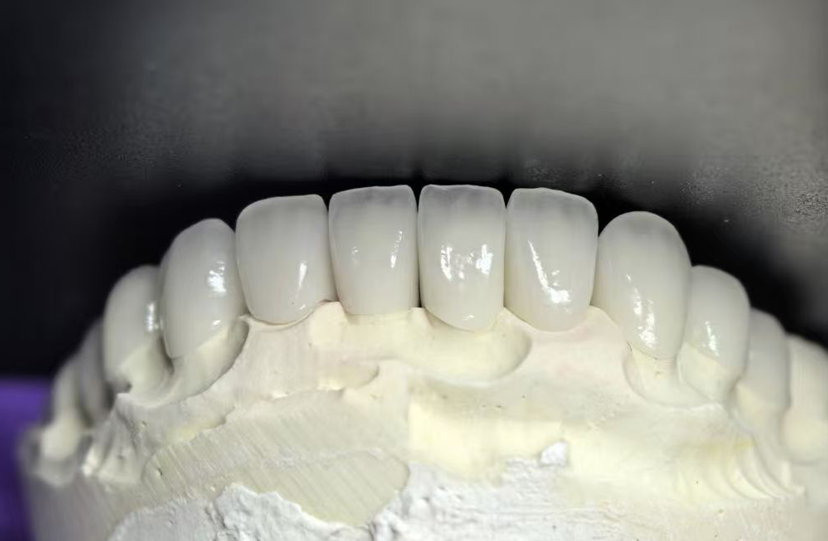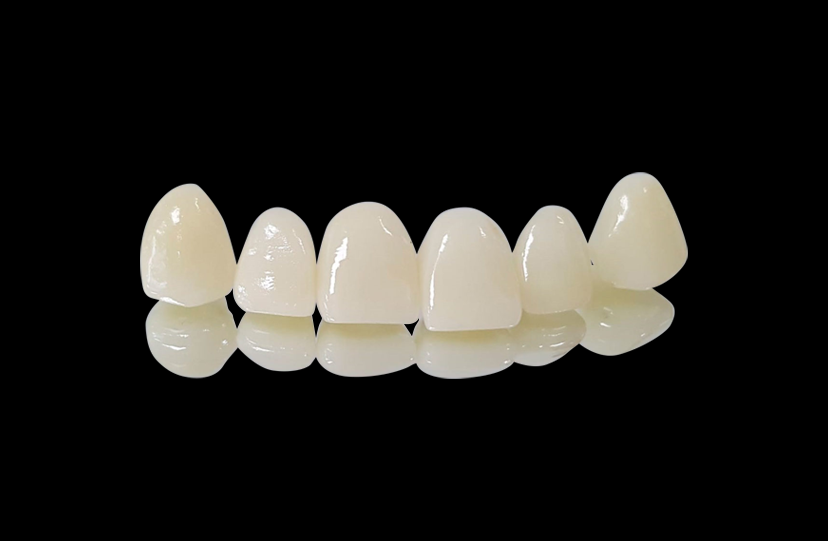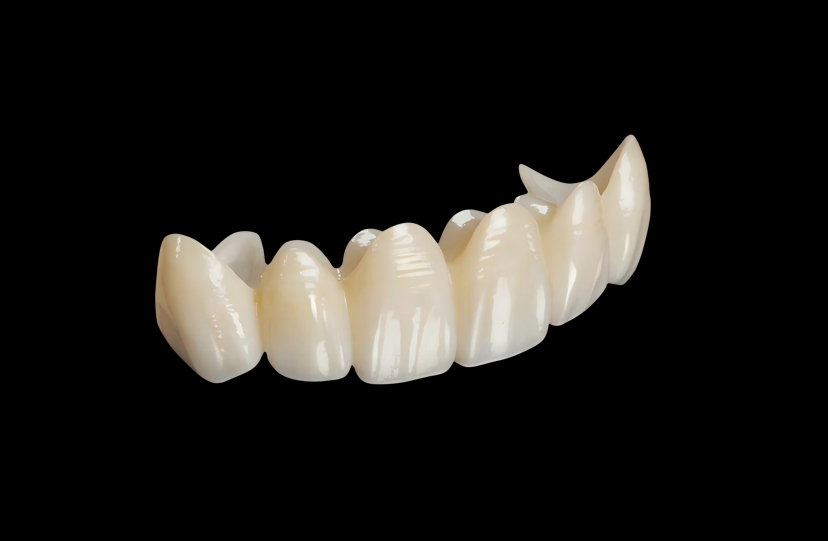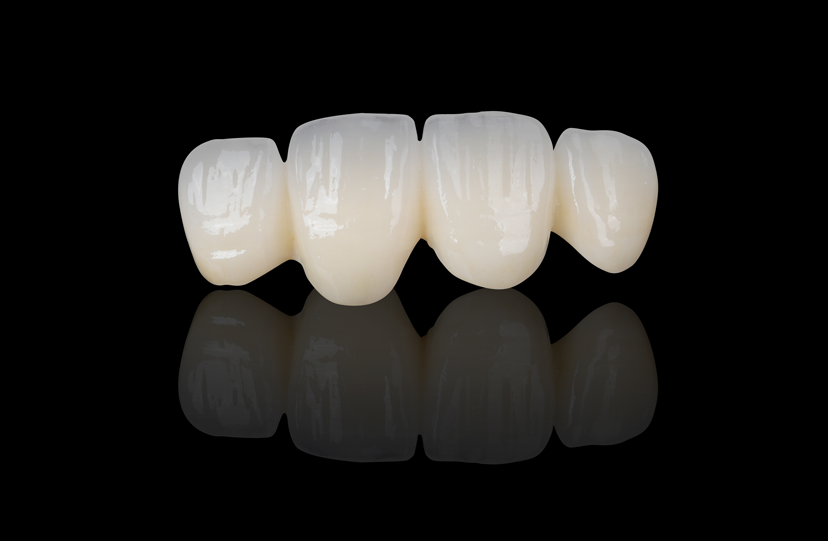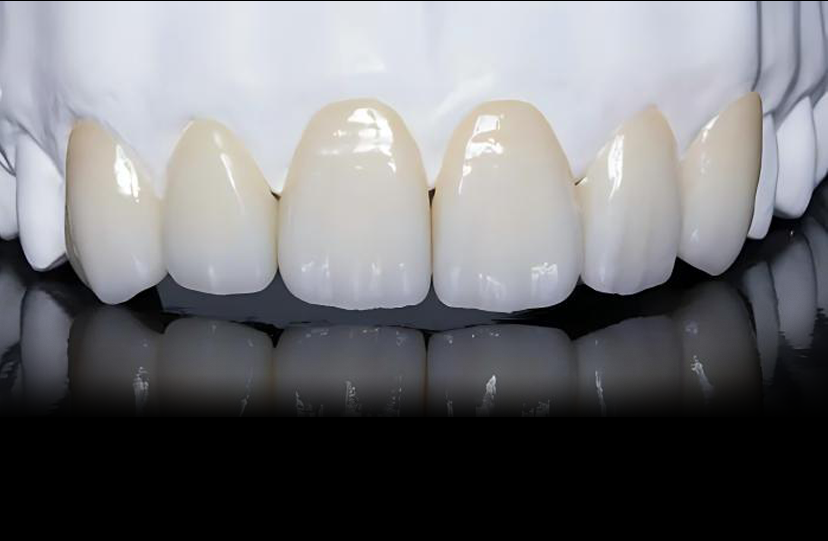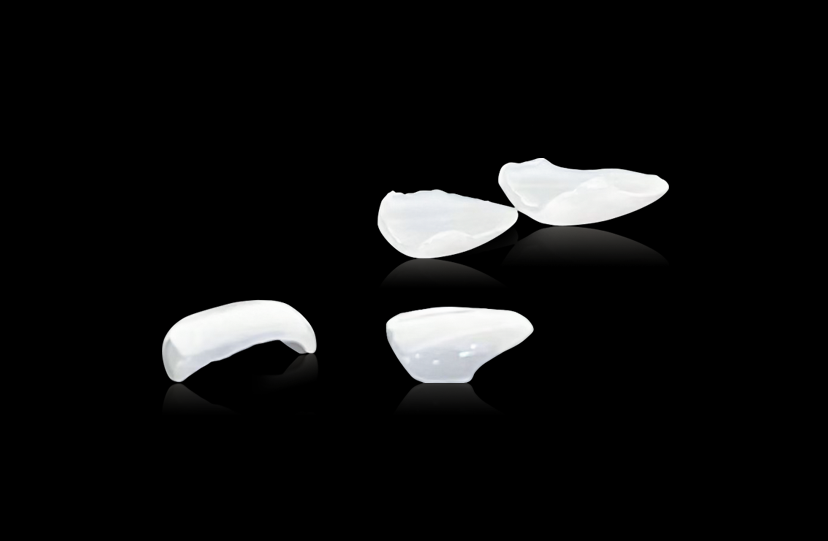
Wafer-Thin Veneers
Wafer-Thin Veneers – Premium Minimal-Prep Cosmetic Solutions
HYC Dental Laboratory's Wafer-Thin Veneers combine 22 years of precision craftsmanship with advanced lithium disilicate technology. Our ultra-thin restorations achieve as little as 0.3 mm thickness when bonded to enamel, delivering flexural strength exceeding 470 MPa—three times stronger than traditional materials. FDA-registered and ISO 13485 certified, we maintain excellent first-time fit rates with extremely low remakes. With standard 3-day turnaround and same-day flash shipping options, your cosmetic cases get the speed and quality your practice deserves.
Why Choose Our Ultra-Thin Veneer Solutions?
Strength Meets Aesthetics
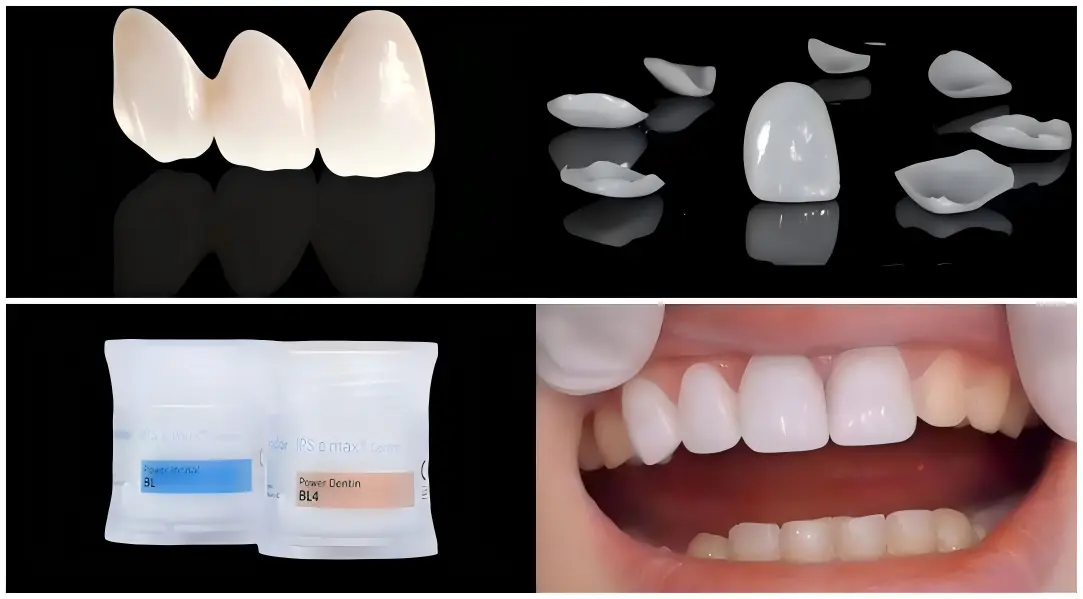
You need restorations that look natural and last. Our lithium disilicate glass-ceramic material delivers both. The exceptional translucency flawlessly replicates natural enamel, while the 400–500 MPa flexural strength ensures 10–15 years of clinical durability. Your patients get beautiful smiles. You get confident outcomes.
Minimal Invasion, Maximum Results
Traditional veneers often require aggressive preparation. Not anymore. Our minimal-prep approach preserves healthy tooth structure:
- Facial surface reduction: just 1.0–1.5 mm
- Thin designs possible with minor preparation based on alignment
- Conservative treatment that respects natural dentition
Your patients keep more of their original teeth. That's better dentistry.
Precision You Can Trust
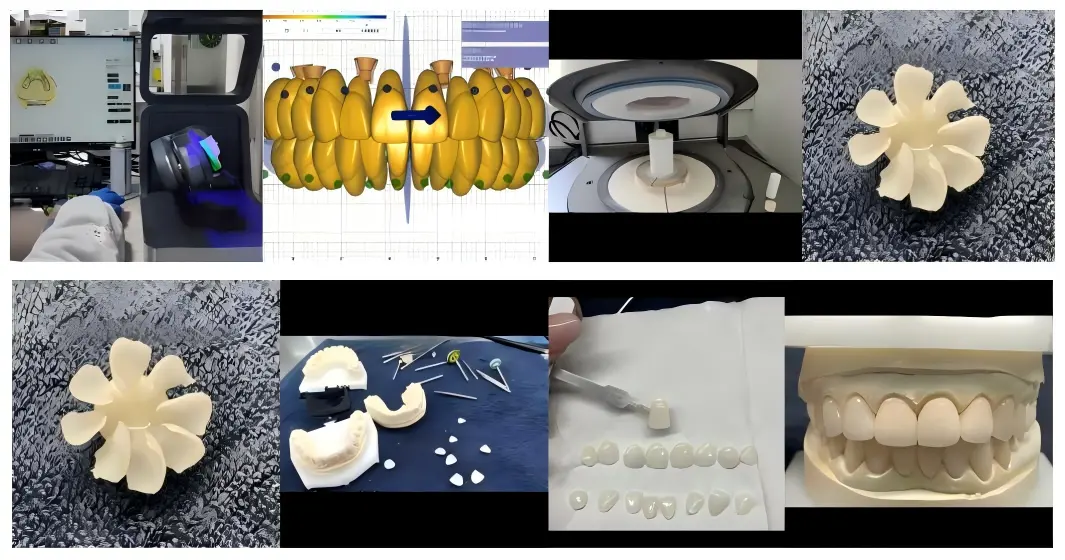
We integrate advanced CAD/CAM workflows with traditional pressing techniques. The result? Superior marginal accuracy and tight, stable fits. Our extremely low remake rate means fewer chair-side adjustments and happier patients. When you send us a case, you can expect it back right the first time.
Technical Specifications of Wafer-Thin Veneers
| Feature | Specification |
|---|---|
| Material | Lithium disilicate glass-ceramic |
| Flexural Strength | >470 MPa (3× stronger than Empress) |
| Minimum Thickness | 0.3 mm (bonded to enamel), 1.5 mm (cemented) |
| Translucency Options | Low (LT), Medium Opacity (MO), High Opacity (HO) |
| Metal Content | 100% metal-free |
| Clinical Lifespan | 10–15 years with proper care |
| Fabrication Method | CAD/CAM milling or heat-press technology |
Ideal Applications
Your cosmetic cases deserve materials designed for visible areas. Our veneers excel in:
- Porcelain veneers & ultra-thin veneers (minimal/no preparation)
- Anterior and posterior crowns
- Inlays and onlays
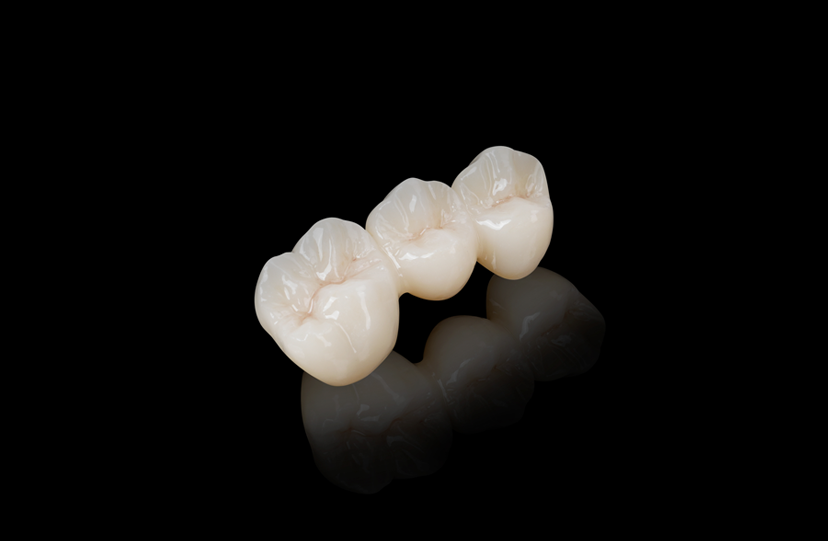
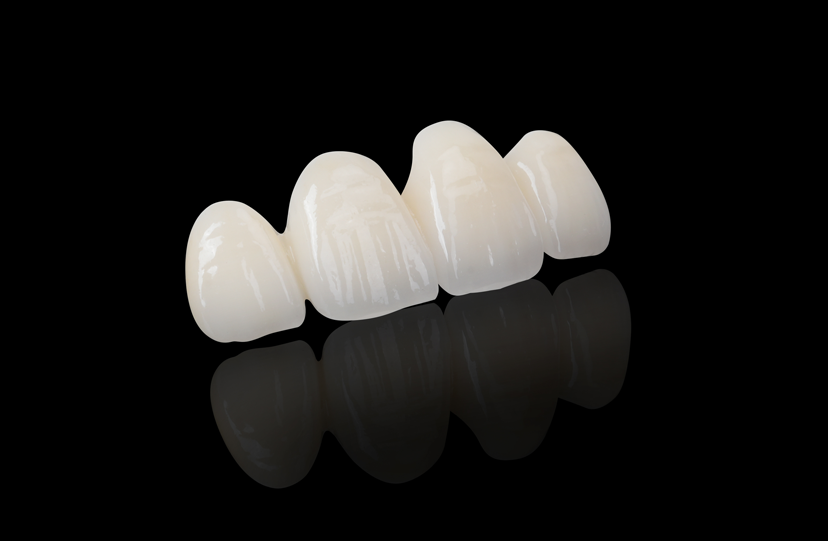
- 3-unit anterior bridges
- 3-unit posterior bridges (second premolar abutment)
When Not to Use
We believe in honest guidance. Avoid these restorations for:
- Bridges spanning more than 3 units
- Bridges with abutments other than second premolars
- Patients with bruxism or severe occlusal dysfunction
Preparation Guidelines
For Veneers
- Facial surface: 1.0–1.5 mm reduction
- Thin veneers: Minor prep based on tooth thickness and alignment
For Anterior Crowns
- Incisal edge: 1.5–2.0 mm
- Lingual surface: 1.5 mm
- Facial surface: 1.0–1.5 mm
- Cervical margin: Deep bevel or shoulder (1.0–1.5 mm)
For Inlays & Onlays
- Margin: Shoulder design required
- Isthmus width: 1.5–2.0 mm
- Isthmus depth: 1.5 mm
- Floor thickness: 1.0–1.5 mm
What Makes Our Veneers Different?
Metal-Free Biocompatibility
No dark gum lines. No allergic reactions. Just safe, biocompatible Wafer-Thin Veneers that integrate naturally with oral tissues.
Opacity Control for Any Stump Shade
Worried about discolored teeth showing through? We offer Low Translucency (LT), Medium Opacity (MO), and High Opacity (HO) ingots. Even dark or endodontically treated stumps won't gray out your final result.
Press vs. CAD: We Do Both
Pressed restorations replicate fine wax-up details with 400–500 MPa strength. Milled options offer 360 MPa (pre-crystallization) with fast digital workflows. You choose what fits your case.
Strict Quality Control
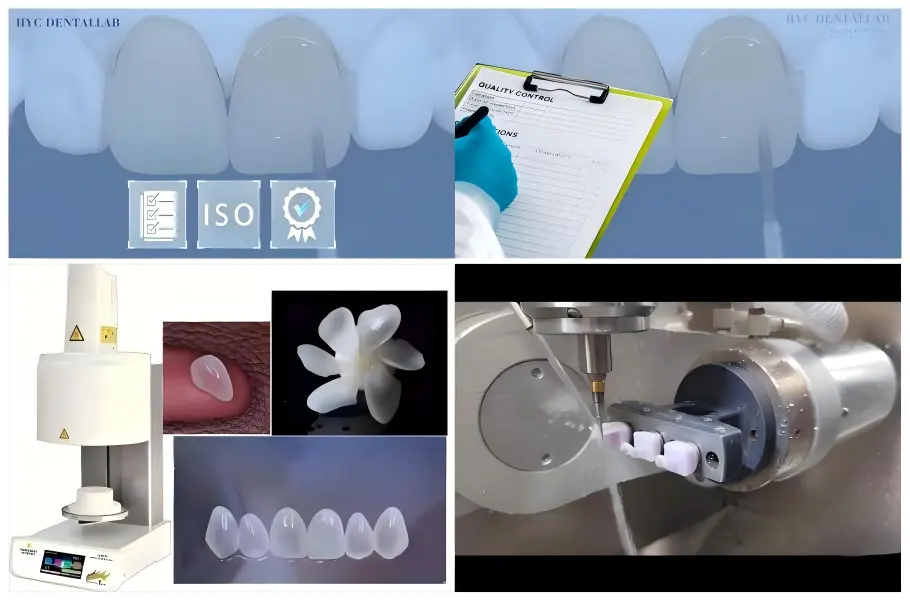
Every restoration passes rigorous inspection before shipment. Our ISO 13485 certification and FDA registration aren't just badges—they're our commitment to consistent, reliable quality.
Delivery That Keeps Up With Your Schedule
- Standard cases: 3-day shipment
- Fixed restorations: 4–5 days
- Rush cases: Priority processing available
- Flash delivery: Same-day shipment, next-day delivery for select regions
We know timing matters. Your cases move fast through our lab without sacrificing precision.
Warranty & Support You Can Count On
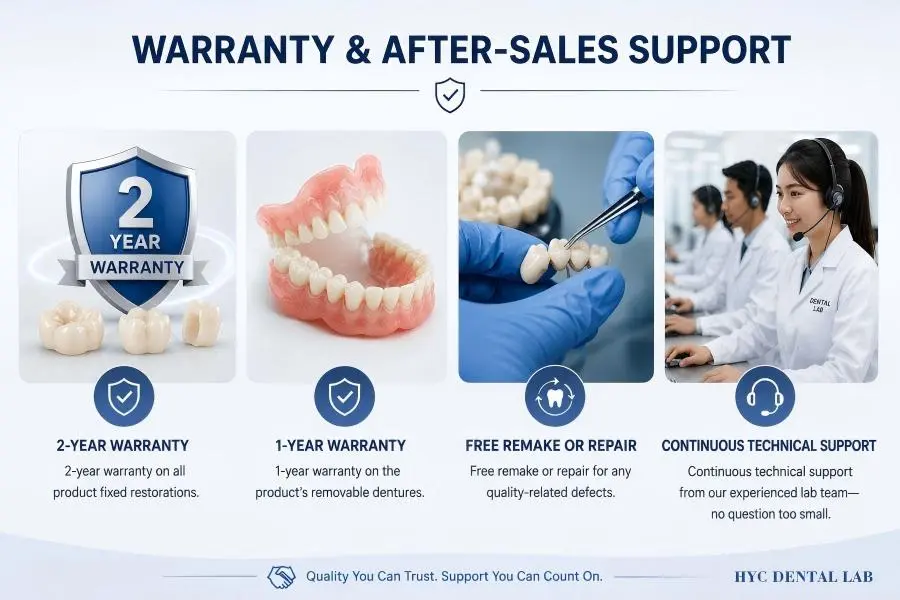
2-Year Warranty on Fixed Restorations
Quality issues? We'll repair or remake at no charge. Plus, you get continuous technical support whenever questions arise.
Frequently Asked Questions
Q:How does e.max Press compare to e.max CAD in fit and strength?
A:Pressed restorations typically offer higher marginal precision and slightly better physical properties. Milling tools have diameter limitations, while pressing replicates fine wax-up or high-resolution 3D print details. Pressed lithium disilicate achieves 400–500 MPa flexural strength; CAD blocks usually rate around 360 MPa before final crystallization.
Q:What are the minimum thickness limits to prevent cracking?
A:When bonded to enamel, you can go as thin as 1.0 mm for crowns and 0.3 mm for veneers. For cemented (non-bonded) restorations, maintain at least 1.5 mm to prevent fracture under occlusal loads. Minimally invasive preps (0.5 mm palatal) often fail when bonded to flexible dentin instead of rigid enamel.
Q:How do I prevent the "graying out" effect of the stump shade?
A:Choose the right ingot opacity and communicate stump shade clearly:
- Low Translucency (LT): Best for slightly discolored teeth
- Medium Opacity (MO) or High Opacity (HO): Necessary for dark or endodontically treated stumps to mask gray show-through
Q:Why do some crowns have an "orange peel" texture or poor fit?
A:"Orange peel" surfaces usually result from overheating or excess liquid in the investment mix, weakening the mold. Poor fit often comes from thin sprues or 90-degree sprue angles. We recommend 45–60 degree angles aimed at the thickest restoration part, with investment bench-set time strictly between 30–45 minutes for smooth ceramic flow.
Let's Create Beautiful Smiles Together
Ready to deliver smile transformations your patients will love with Wafer-Thin Veneers? Contact our team at info@hycdentallab.com to discuss your next case or request samples today.
SC-Bold
_1779414359377.webp "FMZ (Fully Milled Zirconia)")