Custom Peek Framework Manufacturing for Flexible Dental Applications
Quick Answer
Custom Peek Framework manufacturing delivers biocompatible, metal-free structural solutions for flexible dental applications through precision milling and advanced CAD/CAM technology. The PEEK Framework offers a bone-like elastic modulus (approximately 4 GPa), high fit accuracy, and radiolucent properties. Its metal-free composition makes it a suitable option for patients requiring alternatives to conventional metal frameworks. This semi-crystalline thermoplastic framework serves dental laboratories, clinics, and prosthetic specialists requiring lightweight, durable, and customizable dental restorations with rapid turnaround times.
Introduction
Restorative dentistry is always changing to meet the needs of patients for safety, good looks, and clinical efficiency. Even though they have been used for a long time, traditional metal frameworks remain widely used; however, some cases may require alternative materials due to considerations such as weight, aesthetics, metal sensitivity concerns, or radiographic requirements. Advances in dental materials have introduced high-performance polymers such as PEEK as an additional option for selected prosthetic applications, which is a material that is between hard metals and flexible composites. Dental service providers, implant centers, and CAD/CAM labs now focus on materials that lower the number of remakes, speed up production processes, and meet strict regulatory standards such as FDA registration and ISO 13485:2016 compliance. Custom manufacturing of these frameworks meets the specific needs of each case while keeping the quality high across thousands of restorations every year.
What is a Peek Framework?
A Peek Framework is a carefully designed structural part made from Polyetheretherketone, a semi-crystalline thermoplastic polymer that is known for being very strong and safe for living things. In restorative dentistry, this framework is the main support structure for detachable partial dentures, overdentures that are held in place by implants, and mixed prosthetic systems. Instead of the usual cobalt-chromium or gold alloy frameworks, Peek Framework has an elasticity modulus that is very close to that of natural bone (about 4 GPa). This elastic modulus is closer to natural bone compared with many metallic materials and may help achieve a more balanced stress distribution in certain applications.
Core Characteristics of PEEK Material
The density of the material is 1.32 g/cm³, which is three to four times lighter than titanium. Its melting point is 343°C, and its glass transition temperature is 143°C. Because of these technical requirements, these properties allow the framework to maintain dimensional stability under normal functional loading conditions. Chemical resistance is also very high—Peek Framework doesn't dissolve in any common liquids except for strong sulphuric acid. This contributes to the material’s chemical stability and suitability for long-term dental applications when properly designed and maintained. Because it is radiolucent, X-rays can see through to the surrounding bone and tissue without any problems. This makes it easier to keep an eye on the patient without having to remove the framework.
Benefits of Custom Peek Frameworks in Dental Applications
When dental workers use custom-made PEEK frameworks, they get real clinical and operational benefits that solve some of their biggest problems. These advantages may contribute to improved patient comfort, streamlined clinical workflows, and operational efficiency for dental practices.
Patient Comfort and Safety: The lightweight nature of PEEK frameworks, with a density significantly lower than many metal alloys, may improve patient comfort compared with traditional metal frameworks, which makes it much more comfortable to wear for long periods of time. Because PEEK does not contain commonly used dental metals such as nickel or cobalt, it may be considered for patients with concerns regarding metal sensitivity. Individual clinical evaluation is recommended. The bone-like flexibility lowers pressure points on soft tissue and the bone below, which may help improve comfort by reducing framework weight and optimizing stress distribution.
Clinical Performance: When made with precision CAD/CAM milling and high-precision CAD/CAM manufacturing processes, advanced CAD/CAM manufacturing processes can achieve high fitting accuracy and help reduce adjustment requirements. This level of detail directly cuts down on adjustment time and remake rates at the chairside, which are important metrics for busy dental offices that have to handle a lot of cases. The framework's wear resistance tensile strength values measured according to ASTM D638 standards demonstrate the material’s mechanical performance; clinical longevity depends on design, fabrication quality, and patient factors when loaded and unloaded in a way that simulates years of use.
Operational Efficiency: Custom manufacturing workflows can meet the design needs of any case, which gets rid of the problems that come with standard metal casting methods. For standard cases, production times are between three and five days, but there are faster options for urgent clinical needs. The material can be precisely changed and adjusted using standard dentistry burs. This gives you options during try-in meetings without affecting the structure's strength.
Advantages Over Traditional Framework Solutions
When you compare Peek Frameworks to other options, you can see that they have clear competitive benefits that affect how dental labs and clinical offices buy things.
Material Performance Superiority: Standard metal frameworks have 10–20 times higher elastic moduli than natural bone. This causes stress to build up at attachment points and slows down bone resorption over time. The biomimetic hardness of the Peek Framework spreads oral forces more naturally, which may contribute to more favorable stress distribution around implant-supported prosthetic designs and may help support biomechanically balanced prosthetic designs. Unlike thermoplastic acrylics or nylon options, Peek Framework keeps its shape even when heated and cooled many times and when exposed to moisture. This stops warping that can affect how well something fits.
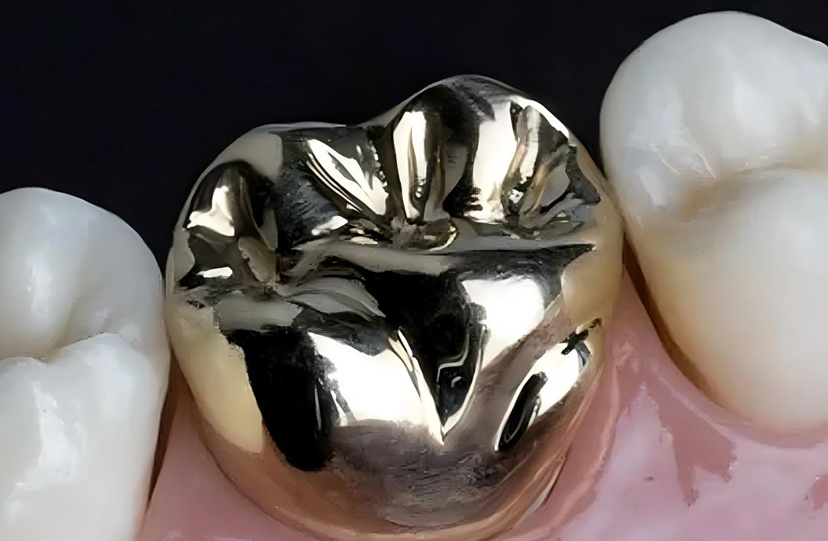
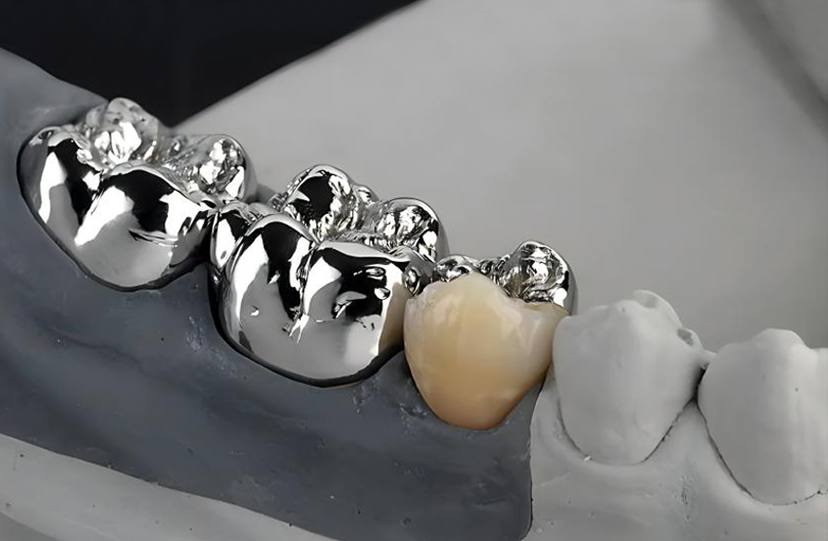
Aesthetic and Diagnostic Benefits: The tooth-colored look gets rid of the metal show-through that is possible with cobalt-chromium frameworks. This is especially important in the front where the gingival translucency may reveal underlying structures. Radiolucency lets doctors see clearly on X-rays how dense the bone is, how well the implant is integrating, and any changes that aren't normal. This is a big improvement over radiopaque metal frames, which hide diagnostic information.
Manufacturing Flexibility: Custom Peek Framework fabrication can handle complicated shapes that can't be made with traditional lost-wax casting. Undercuts, zones of variable thickness, and built-in retaining elements can all be milled as single structures, so there are no soldering parts that could fail. Because of this, prosthodontists can make the framework architecture work best for each case's unique load distribution and retention needs.
Disadvantages and Considerations
To do a fair evaluation, you have to be aware of the limitations of the Peek Framework technology. Dental workers can make better choices that fit the needs of each case if they understand these factors.
Material Cost and Specialized Equipment: Medical-grade Peek Framework material that works well is more expensive than regular metal alloys—may involve higher material and processing costs compared with conventional metal frameworks. For manufacturing, you need special CAD/CAM milling equipment that is tuned for thermoplastic cutting. This means that production can only happen in labs that have the right technology set up. But over time, Improved workflow efficiency and predictable manufacturing processes may provide operational advantages for dental practices.
Surface Bonding Requirements: Certain surface conditioning steps are needed to get Peek Framework surfaces to stick well to veneering composites or acrylic materials. Standard adhesive primers don't always form a strong bond. For the best results, you need special Peek Framework primers or plasma treatment to change the surface energy. When the right bonding steps are taken, clinical tests show that Studies have reported improved bonding performance when appropriate surface treatment protocols are applied. However, method sensitivity is still higher than at metal-resin interfaces.
Clinical Learning Curve: Dentists and technicians who are used to designing metal frameworks need to change how they plan to take advantage of Peek Framework's unique properties. Because the material is flexible, different engineering considerations need to be made for different connection sizes, clasp designs, and major connector shapes. When labs use Peek Framework technology, they usually spend 30 to 60 days improving their workflow and training their staff so that they can get consistent quality results.
Comparison: PEEK vs. Metal vs. Flexible Nylon Frameworks
| Characteristic | PEEK Framework | Cobalt-Chromium Framework | Flexible Nylon Framework |
|---|---|---|---|
| Material Type | High-performance thermoplastic polymer | Metal alloy | Flexible thermoplastic polymer |
| Density | Approx. 1.32 g/cm³ | Approx. 8.4 g/cm³ | Approx. 1.16 g/cm³ |
| Elastic Modulus | Approx. 4 GPa | Approx. 200–250 GPa | Lower stiffness compared with PEEK and metal frameworks |
| Biocompatibility | Generally considered biocompatible (ISO 10993 evaluation when applicable) | Established clinical use; metal sensitivity may occur in some individuals | Generally considered biocompatible depending on formulation |
| Radiographic Visibility | Radiolucent | Radiopaque | Radiolucent |
| Adjustment | Can be adjusted with appropriate dental burs | Requires metal-specific instruments | Requires manufacturer-recommended adjustment methods |
| Aesthetic Appearance | Tooth-colored appearance | Metallic appearance | Available in tissue-colored shades |
| Mechanical Characteristics | Balanced strength and flexibility | High rigidity and structural strength | High flexibility with lower rigidity |
| CAD/CAM Compatibility | Well suited for digital design workflows | Compatible with digital and conventional workflows | Workflow depends on manufacturing method |
| Cost Consideration | Moderate to high | Moderate | Generally lower material cost |
This comparison highlights the different characteristics of PEEK, metal alloys, and flexible thermoplastic materials. Material selection should be based on clinical requirements, case design, and professional evaluation.
Clinical Indications for PEEK Frameworks
Removable Partial Denture Applications
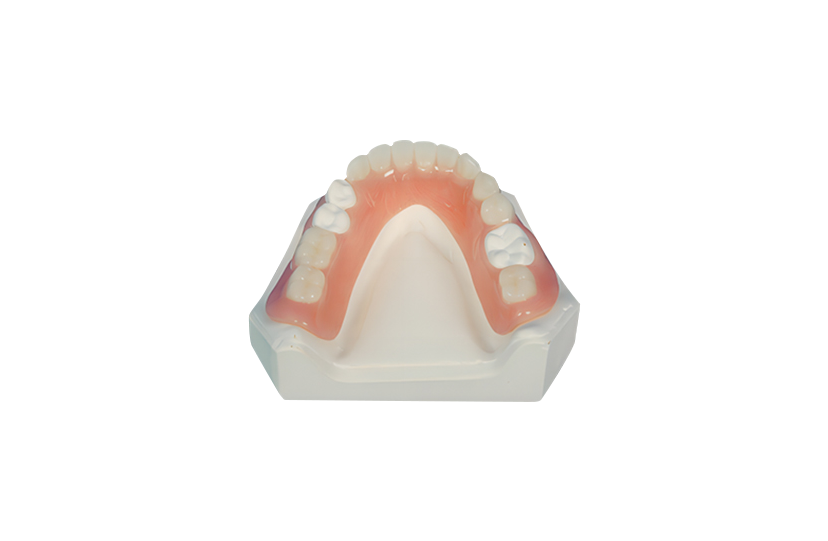
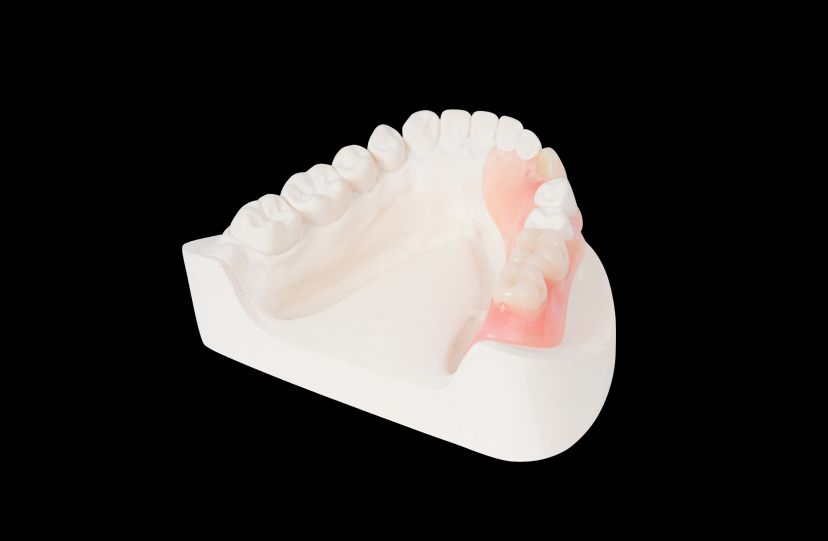
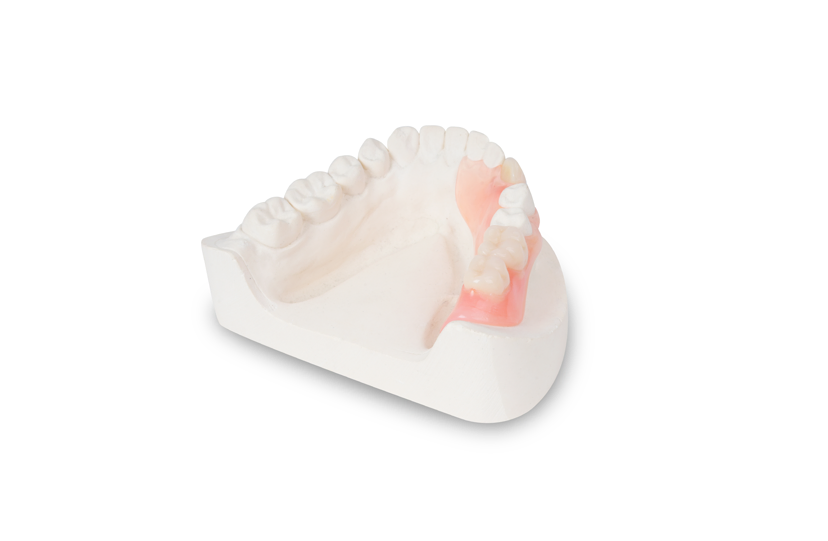
Dental labs make PEEK frameworks for Kennedy Class I–IV partial dentures. These are especially helpful for people who are missing a lot of teeth and need the most retention without showing any metal. Because the material is flexible, clasps can gently engage undercuts while still having enough retention force to keep the teeth in place. This design may help reduce excessive loading on supporting teeth when properly planned. Prosthodontists say that maxillary designs work especially well because they can cover less of the palatal area, and the framework is stiffer and lighter.
Implant-Supported Bar Overdentures
In implant-retained overdenture systems, the ability to absorb shock is very useful. PEEK frameworks may help manage occlusal forces in selected implant-supported prosthetic applications by acting as a mechanical cushion between occlusal forces and implants. Excessive biomechanical forces may contribute to complications in implant-supported restorations. Implant specialists recommend these frameworks for people who have parafunctional habits or high bite forces, as they may assist in managing occlusal forces in selected implant-supported applications.
Full-Mouth Rehabilitation Cases
Peek Framework is flexible, which makes it useful for complex cases with both set and changeable parts. Frameworks can combine telescope crowns, precision attachments, and bar systems into single structures, which makes lab work easier and makes sure that all intraoral parts are biocompatible. Dental service companies that handle multi-implant recovery routines are using Peek Framework solutions more and more to standardise material platforms and make stocking less complicated.
Materials and Quality Standards
Finding medical-grade Peek Framework material affects how well the end framework works and how well it meets legal requirements. When it comes to long-term implantation, manufacturers choose resin formulations that meet USP Class VI biocompatibility requirements and ISO 10993-1 standards. Controlled cooling during extrusion creates the semi-crystalline structure, making material blocks with the same mechanical qualities all the way through.
FDA-Listed Material Requirements
Materials used for dental medical devices should comply with applicable regulatory requirements, and manufacturers should maintain appropriate documentation regarding material safety and traceability. This makes sure that the chemicals used are safe for use in the mouth. Manufacturers keep material certificates that show the results of mechanical testing, trace element analysis, and crystallinity percentages. With these documents, you can keep track of the whole supply chain, from the supplier of the raw resin to the arrival of the end repair.
Quality Control Protocols
High-precision 3D scanning and comparisons between milled frameworks and original CAD files are used in strict checking processes to make sure that the dimensions are correct. Tolerances are checked to within ±20 microns. Appropriate inspection methods, including dimensional verification and quality control procedures, are used according to manufacturing requirements to check for holes or gaps that were made during cutting and could weaken the structure. Measurements of surface roughness make sure that the best conditions for bonding protocols are met, and standard shear bond testing proves that the framework and veneering materials stick together well. Accelerated ageing tests mimic years of changing temperatures and being exposed to moisture, which proves that the dimensions will stay the same under clinical service conditions.
Manufacturing Workflow for Custom PEEK Frameworks
The production process blends precise digital design with cutting-edge machining technology to make sure that each case-specific restoration meets the strictest therapeutic standards.
Digital Case Planning: The process starts with intraoral scanning or digitising impressions, which makes three-dimensional models of the teeth that have been prepared, the ridges where teeth have been lost, and the soft tissue anatomy. Prosthodontists or lab workers use special dentistry CAD software to plan the framework architecture. They decide where the clasps should go, how big the connectors should be, where the tissue should touch the framework, and what parts should hold it in place based on biomechanical principles and visual needs.
CAD File Preparation: Once the plans are finished, they are analysed by engineers to make sure the wall thickness is right, that there are no stress concentration spots, and that the milling paths are the best they can be. Software creates tool paths that take into account how Peek Framework is machined, such as its cutting speeds, feed rates, and cooling needs to keep the material from getting too hot during creation.
Precision Milling: Medical-grade Peek Framework blocks are used to make frames on five-axis CNC milling tools. Cutting tools made just for thermoplastics get rid of extra material while keeping the measurements accurate. Real-time tracking systems keep an eye on how tools are wearing down and change settings to keep tolerances within acceptable limits during long production runs.
Surface Finishing and Quality Verification: After being milled, frames go through finishing steps such as smoothing out the edges, polishing the surface to a certain level of roughness, and cleaning methods that get rid of cutting leftovers. Before frames move on to bonding preparation or straight delivery, dimensional inspection makes sure they meet the design requirements.
Delivery and Documentation: Fully finished frameworks come with proof that the materials can be tracked, the results of a quality inspection, and care instructions. Standard shipping times are three to five days, but there are also faster choices that can help with urgent case needs through priority production scheduling and quick logistics partnerships.
Cost Factors Influencing PEEK Framework Pricing
Understanding the different parts of prices helps dentists compare quotes from suppliers and make accurate budgets for case costs. The end price of a framework is affected by more than just the cost of the materials.
Material Grade and Certification: A medical-grade Peek Framework that is listed with the FDA and has ISO certification paperwork costs a lot more than an industrial-grade Peek Framework. Biocompatibility testing, lot tracking, and regulatory compliance documentation add 25–35% to the cost of raw materials, but they make sure that patients are safe and that rules are followed.
Design Complexity and Customization: The base price for simple partial denture frames with standard clasp settings. Adding telescope extensions, precision milled rest seats, or combined bar systems to designs that are already complicated takes more time and special tools, which drives up costs. Fully customised systems may be worth 40 to 60 percent more than normal designs.
Order Volume and Production Scheduling: Most labs that offer Peek Framework services use price tiers that are based on volume. Orders of one unit have setup costs per case, but long-term partnerships with steady monthly numbers save money through economies of scale. Rush orders that need to be scheduled quickly and shipped quickly naturally cost more because they cause problems with workflow and require special logistics.
Quality Assurance and Warranty Coverage: Regarding quality assurance and warranty coverage, companies that offer full quality checks, longer warranty terms, and remake guarantees build these risks into their price. Two-year warranties on fixed frameworks and one-year guarantees on removable designs need statistical trust in the regularity of production and the performance of the materials, which are investments that show up in unit costs.
How to Choose a Reliable PEEK Framework Supplier
When choosing manufacturing partners, you need to carefully consider a number of factors that have a direct effect on case results, practice efficiency, and patient happiness.
Manufacturing Capability Assessment: Check out the technological infrastructure of potential suppliers, such as their CAD/CAM equipment, quality control tools, and production capacity. Ask the facility for certificates that show they follow the ISO 13485:2016 quality management system and proof that their measuring tools are regularly calibrated. Maintaining in-house material testing laboratories is a sign of a supplier's commitment to quality that goes beyond relying on external certification.
Regulatory Compliance and Documentation: Check to see if the company is registered with the FDA, has CE markings where they apply, and can send material certificates with every shipment. Biocompatibility test results, material safety data sheets, and directions for use documents should be easy for suppliers to share. Regulatory transparency shows that the production process is mature and lowers the risk of noncompliance for dentistry offices.
Customization Flexibility and Communication: Check how responsive they are to changes to the design, how willing they are to work with non-standard case needs, and how they handle contact during production. Suppliers that offer dedicated case coordinators, real-time updates on the status of production, and technical support show that they put the customer first. Language support, support hours that work with different time zones, and digital communication platforms all affect how well people can work together.
Delivery Reliability and Logistics Support: Look over standard commitments for turnaround times, the ability to handle emergency orders, and shipping partnerships. Suppliers who keep in touch with foreign express providers make tracking easier and delivery more predictable. Look at past on-time delivery rates and policies to see if there were production delays or quality problems that needed to be fixed.
After-Sales Service and Warranty Terms: Look at the warranty's coverage, how it handles repairs, and how long you can get expert help after the product is delivered. When suppliers back their goods with important warranty periods (two years for fixed and one year for removable) and clear ways to fix problems, they lower practice risk and show manufacturing confidence. Join forces with HYC to produce a precise Peek Framework.
Maintenance and Care Recommendations
Following the right care steps will increase the service life of the Peek Framework and keep patients happy for as long as the repair lasts.
Patients should clean their frames every day with light liquid soaps or non-abrasive denture cleaners. They should avoid using harsh chemicals or bleach solutions that could damage the surface. When ultrasonic cleaning tools are set to the right frequencies, they remove debris completely without putting any stress on the machine's mechanics. When frameworks are not in use, they should be kept in places that control the moisture level so that they don't dry out too much and lose their shape over time.
Every six months, dentists do clinical recalls to check the integrity of the framework, the health of the tissue, and the function of the retention elements. A professional cleaning service can get rid of calculus deposits that a patient can't get to at home and also look for fatigue cracks or wear patterns that need to be fixed. Small tweaks can be made with normal dental burs to allow for tissue remodelling or retention changes without having to replace the framework.
Patients should not put frameworks in extreme temperatures that could permanently change their shape, like boiling water for disinfecting or an open flame. If you drop repairs on hard surfaces and they get damaged, you should have a professional look at them even if there is no damage that you can see. This is because internal stress cracks may affect long-term performance.
Key Takeaways
Custom Peek Framework manufacturing is a big step forward in dental prosthesis technology. It fixes important problems with standard metal frameworks while keeping the structural performance needed for tough clinical uses. The material is as flexible as bone, doesn't contain any metal, and is radiolucent. These features make the material better for patient comfort, clinical efficiency, and diagnostic clarity. The accuracy of manufacturing made possible by CAD/CAM technology ensures a first-time fit accuracy of more than 95%. This directly lowers the number of remakes and the time needed for chairside adjustments, both of which are important for the practice's bottom line and for keeping patients happy.
For the Peek Framework to be widely used, it needs to be paired with manufacturers that can show they follow the rules, have a mature quality system, and provide customer-focused services. When judging, it's important to focus on things like FDA registration, ISO 13485 approval, material traceability, and guarantee promises that protect practice investments. Even though the material costs more than other metal options, the lower rate of remakes and higher patient acceptance often make up for the higher prices through better case results and a better image for the practice.
FAQ
What makes PEEK suitable for patients with metal allergies?
There are no metallic elements in PEEK Framework. It doesn't have any nickel, cobalt, chromium, or other common sensitizers that are found in other dental alloys. The material is made up of only organic polymers that have been through strict biocompatibility testing according to ISO 10993 standards. This makes it a potential option for patients with concerns regarding metal sensitivity or those seeking metal-free alternatives.
How does framework weight compare between PEEK and titanium?
Due to differences in material density (1.32 g/cm³ vs. 4.5 g/cm³), a PEEK framework weighs about 75–80% less than titanium structures that are the same size and shape. This big drop in weight may improve wearing comfort due to its lightweight characteristics when they have to wear their dentures for long periods of time. This is especially true for maxillary removable partial dentures, where lighter frames lower pressure on the palate and improve retention.
Can PEEK frameworks be adjusted after delivery?
PEEK frameworks can be changed at the dentist's office using standard dental carbide or diamond burs at normal speeds. The material can be machined without breaking or chipping, so dentists can improve fit surfaces, change how well clasps hold in place, or change the areas where tissue contacts the teeth during try-in visits. In contrast to metal frameworks that need special grinding tools, Peek Framework adjustments work with existing clinical processes with appropriate adjustment techniques.
Does the framework show on dental X-rays?
As a result of its radiolucent features, Peek Framework looks clear on X-rays, just like real tooth structure. This feature may allow clearer visualization of surrounding anatomical structures during radiographic examination, and any abnormal changes without having to take off the framework. Some companies make radiopaque PEEK framework mixtures with ceramic fillers for situations where radiographic vision is needed for certain types of clinical paperwork.
What is the expected service life of a PEEK framework?
The service life of a PEEK framework depends on case design, fabrication quality, occlusal conditions, and patient maintenance. The actual length of life depends on habits like good hygiene and regular professional monitoring.
How does PEEK prevent stress shielding around implants?
The elastic rigidity of PEEK Framework is about 4 GPa, which is similar to the hardness of cortical bone. This lets the bone bend naturally when chewing. This biomimetic flexibility spreads occlusal forces naturally instead of putting stress where the implant meets the bone. Traditional stiff metal frames (modulus 110–220 GPa) stop bones from being put through normal pressure, which could lead to disuse atrophy and bone loss around implants over time.
What bonding systems work with PEEK frameworks?
To get good bonding, you need special PEEK framework starters or plasma treatment to activate the surface. Without the right surface preparation, standard denture base adhesives don't form a strong enough bond. Manufacturers suggest specific bonding protocols that include mechanically roughening the surface, chemical primers with functional monomers, and acrylic veneering materials that are light-cured or heat-polymerized. When you use the right bonding method, the shear bond strength is higher than 20 MPa.
Are PEEK frameworks compatible with existing CAD/CAM systems?
Most new dental CAD software can support PEEK framework design with engineering parameters and material-specific design libraries. Milling, on the other hand, needs five-axis CNC machines that are set up for thermoplastic machining with the right tools, cutting speeds, and cooling systems. Laboratories need to put money into production equipment that can work with Peek Framework. Regular metal milling machines can't work with Peek Framework blanks without major modifications and new tools.
Partner with HYC for Precision PEEK Framework Manufacturing
When it comes to custom Peek Framework production, HYC has 22 years of experience making dental restorations, so they can meet the needs of dental labs, prosthodontists, and clinic operations managers. Our building is FDA-registered and ISO 13485:2016 certified, which means that every framework meets international standards for quality and biocompatibility. We make 100% custom solutions based on your exact design needs. This helps achieve consistent fitting accuracy through controlled digital workflows, which may help reduce adjustment requirements and may help reduce adjustment time during clinical delivery. Standard production takes three to five days, but there are faster choices for boxes that need to be delivered the next day. For two years for fixed restorations and one year for removable frames, warranty coverage is available according to HYC’s product warranty terms during the coverage time. As a Peek Framework provider with a lot of experience, we can keep the quality high whether we're making one unit or a thousand units every month. Email our technical team at info@hycdentallab.com to talk about your unique case needs, ask for relevant documents, or set up a meeting to talk about how the Peek Framework can be customised to meet the needs of your practice.
References
1. Najeeb, S., Zafar, M. S., Khurshid, Z., & Siddiqui, F. (2016). Applications of polyetheretherketone (PEEK) in oral implantology and prosthodontics. Journal of Prosthodontic Research, 60(1), 12-19.
2. Schwitalla, A. D., Abou-Emara, M., Spintig, T., Lackmann, J., & Müller, W. D. (2015). Finite element analysis of the biomechanical effects of PEEK dental implants on the peri-implant bone. Journal of Biomechanics, 48(1), 1-7.
3. Bathala, L., Majeti, V., Rachuri, N., Singh, N., & Gedela, S. (2019). The role of polyether ether ketone (PEEK) in dentistry – A review. Journal of Medicine and Life, 12(1), 5-9.
4. Zoidis, P., Papathanasiou, I., & Polyzois, G. (2016). The use of a modified poly-ether-ether-ketone (PEEK) as an alternative framework material for removable dental prostheses: A clinical report. Journal of Prosthodontics, 25(7), 580-584.
5. Tannous, F., Steiner, M., Shahin, R., & Kern, M. (2012). Retentive forces and fatigue resistance of thermoplastic resin clasps. Dental Materials, 28(3), 273-278.
6. Stawarczyk, B., Beuer, F., Wimmer, T., Jahn, D., Sener, B., Roos, M., & Schmidlin, P. R. (2013). Polyetheretherketone—a suitable material for fixed dental prostheses? Journal of Biomedical Materials Research Part B: Applied Biomaterials, 101(7), 1209-1216.
YOU MAY LIKE