How Can Dental Labs Source Valplast Dentures for Flexible Cases?
Dental laboratories can source Valplast Dentures—thermoplastic nylon-based flexible partial dentures—by partnering with qualified dental restoration manufacturers that offer appropriate regulatory documentation, quality management systems, and customization capabilities. When sourcing Valplast Dentures, laboratories should look for suppliers with proven experience in removable prosthetics, short turnaround cycles, consistent production quality, and responsive after-sales support. Reliable sourcing of Valplast Dentures depends on carefully evaluating quality-control procedures, applicable regulatory requirements, customization capabilities, and delivery consistency before committing to a long-term partnership. By selecting an experienced manufacturing partner, dental laboratories can improve the consistency and efficiency of their Valplast Dentures supply while supporting the needs of different clinical cases.
Introduction
Flexible removable partial dentures have reshaped the way labs and clinics approach tooth replacement. As patient demand shifts toward metal-free, tissue-friendly prosthetics, the need for dependable sourcing of thermoplastic flexible dentures — including Valplast-type restorations — has grown considerably across U.S. dental practices and outsourcing labs.
Procurement teams and lab owners increasingly face pressure to reduce remake rates, maintain regulatory compliance, and shorten patient treatment timelines. Sourcing the right flexible denture partner is no longer just a purchasing decision — it directly affects clinical workflows, patient satisfaction, and lab profitability.
What Are Valplast Dentures?
Defining the Flexible Partial Denture
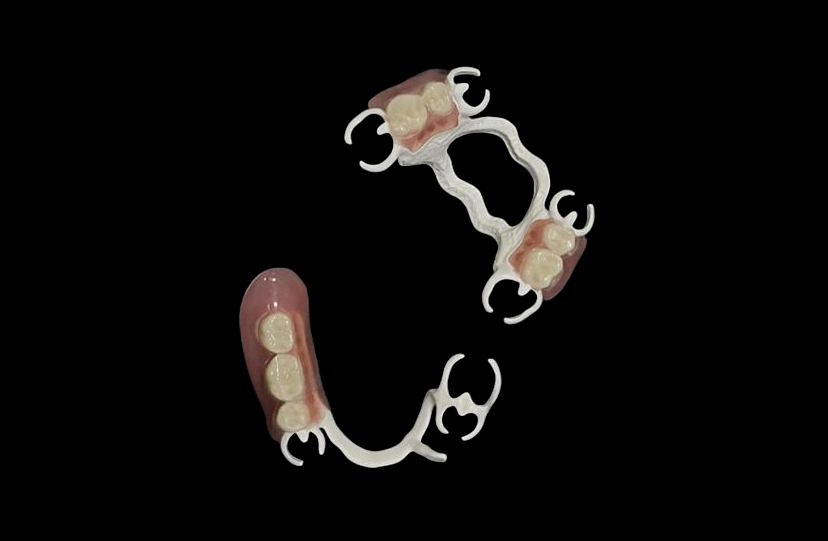
Valplast Dentures are flexible partial dentures made from a thermoplastic nylon resin designed for removable dental prosthetics. In contrast to rigid acrylic or metal-framed partials, they can flex when pressure is applied and conform to the shape of the oral tissue. Because the base is gum-colored and designed to blend with the surrounding tissue, Valplast-type restorations can provide a natural appearance in the mouth.
In the clinic, Valplast-type restorations are made by injecting thermoplastic material into a mold under controlled conditions. This creates a dense and consistent denture base. Compared with conventional acrylic processing, injection molding can provide a consistent material structure and surface when the case is properly designed and processed.
Benefits of Flexible Dentures for Labs and Clinics
Flexible thermoplastic partial dentures can offer benefits at different stages of the workflow, from laboratory production to patient use. Here are some useful benefits to keep in mind:
-
Metal-free construction removes visible metal components, making these replacements an option for patients who prefer a metal-free removable restoration.
-
Tissue-matched aesthetics make it possible for the gum-colored base to blend in with the surrounding tissue. They can provide a natural appearance without the visible metal clasps commonly associated with conventional partial dentures.
-
Improved patient comfort can result from the flexible nylon base, which can adapt to the supporting tissues when properly designed and fitted.
-
Reduced chairside adjustment time may result from accurately manufactured components and appropriate case design, helping reduce the need for repeated adjustments.
These benefits can support case acceptance at the clinic level and help laboratories manage remake pressure when cases are properly selected, designed, and manufactured.
Advantages Over Conventional Partial Dentures
Flexible nylon dentures offer a different combination of aesthetics, flexibility, and retention compared with cast metal partials and standard acrylic removables. This makes them an option for appropriately selected cases in today's restorative market.
When denture bases such as Valplast Dentures are made using injection molding, the material can form a dense and consistent structure that helps maintain the shape of the denture base over time. Because Valplast Dentures are metal-free, there is no need for visible metal clasps to help retain the appliance. Instead, the flexible clasp extensions of Valplast Dentures can engage suitable undercuts, providing retention without the visible hardware commonly associated with conventional metal frameworks. This flexible design can also help distribute forces more evenly and reduce localized stress concentrations. For appropriately selected cases, Valplast Dentures can therefore provide a combination of functional retention, flexibility, and improved aesthetics.
From the point of view of lab production, flexible dentures can also be integrated into outsourcing workflows when working with experienced production partners. With the right case design and digital or conventional impressions, laboratories can work toward consistent fit and production quality.
Disadvantages to Consider Objectively
There are limits to all restorative materials. When patients receive thermoplastic flexible dentures, both labs and dentists should discuss the clinical considerations that may affect long-term use.
Flexible nylon dentures have different adjustment and modification characteristics from acrylic dentures. If a patient is likely to lose additional teeth, the dentist should consider whether an acrylic base that is easier to modify may be more suitable for the patient's long-term needs. Flexible nylon dentures may have limited options for relining or rebasing compared with conventional acrylic bases. This can make future modification more difficult when significant ridge changes occur.
Additionally, cleaning needs are different from those of acrylic dentures, and not all labs have the specific equipment and experience needed to achieve an appropriate surface finish. This issue can be addressed by choosing a supplier with dedicated production capacity and experience in flexible dentures.
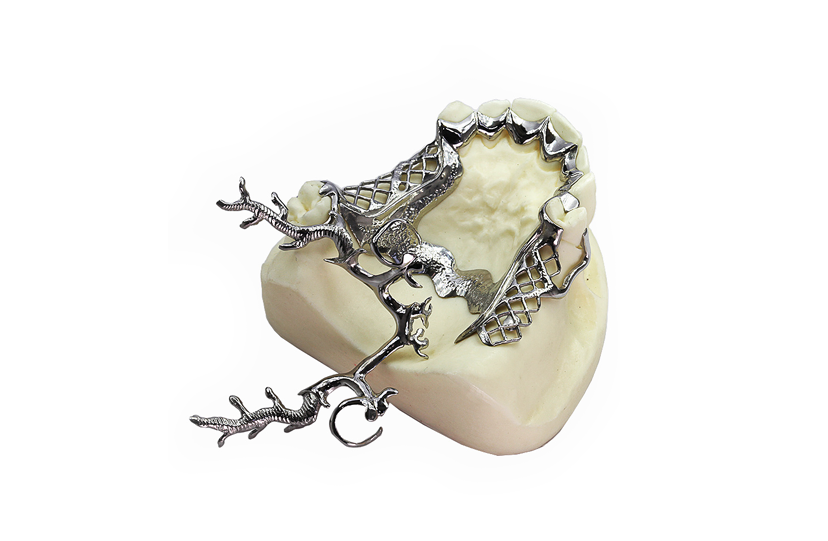
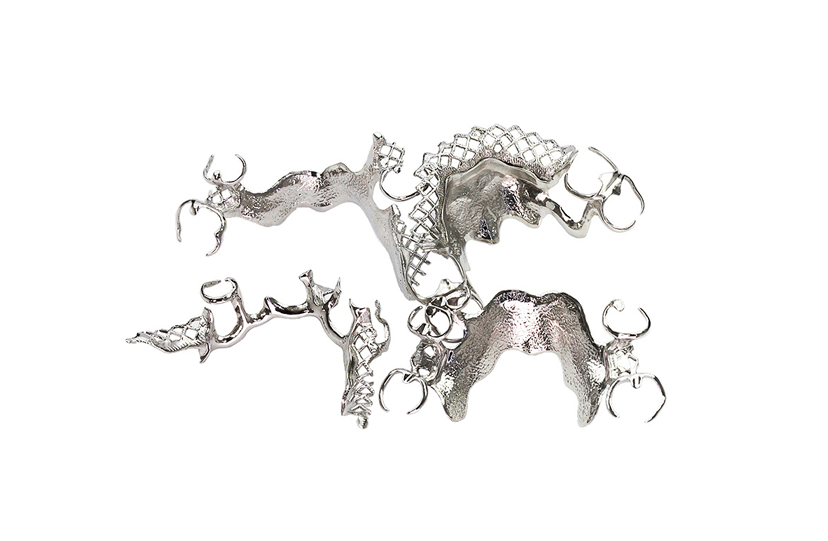
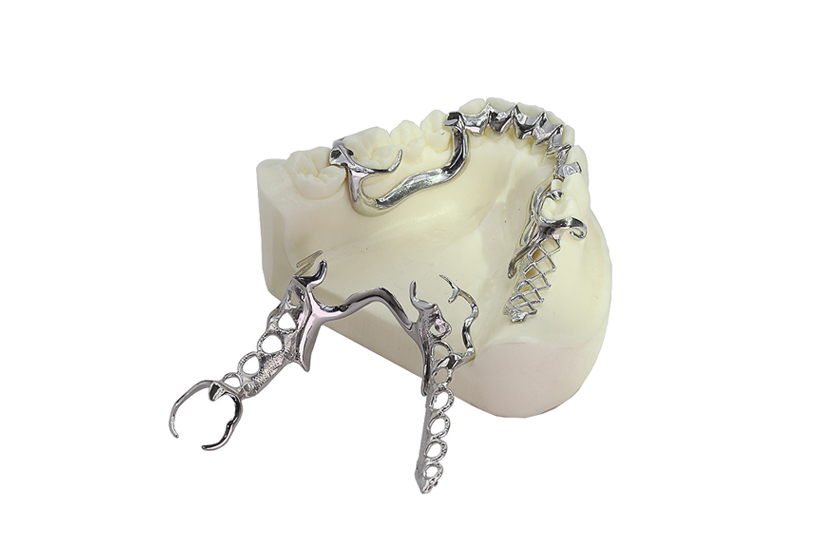
Comparison: Flexible Dentures vs. Alternatives
| Feature | Flexible Nylon Denture | Acrylic Partial | Cast Metal Partial |
|---|---|---|---|
| Aesthetics | Excellent — tissue-colored | Moderate | Poor — visible metal |
| Patient Comfort | High | Moderate | Variable |
| Repairability | Limited | Easy | Moderate |
| Adjustability | Minimal | High | Moderate |
| Allergen Risk | Material-dependent | Low | Possible (nickel) |
| Durability | Case- and use-dependent | Case- and use-dependent | Case- and use-dependent |
| Production Complexity | Moderate | Low | High |
This comparison shows that flexible dentures can be an option for people who place a higher priority on aesthetics and flexibility, while repairability and future adjustability should also be considered when selecting a removable restoration.
Clinical Indications
When Are Flexible Dentures Appropriate?
Flexible thermoplastic partial dentures such as Valplast Dentures may be suitable for patients with limited edentulous spaces, stable ridge tissue, and a relatively stable remaining dentition. Valplast Dentures can be particularly useful for replacing anterior teeth, where appearance is an important consideration and visible metal clasps may be undesirable during normal social interactions. The flexible, metal-free design of Valplast Dentures can help improve aesthetics by reducing the visibility of conventional retention components. For appropriately selected cases, Valplast Dentures can therefore provide a combination of flexibility, appearance, and functional support while meeting individual clinical requirements.
They may also be considered for patients who prefer a metal-free removable restoration or need a temporary replacement while their implant osseointegrates, depending on the clinical situation and the dentist's treatment plan.
Materials Used in Flexible Denture Fabrication
A high-molecular-weight flexible polyamide (nylon) resin is commonly used for Valplast-type restorations. Material selection should be based on the intended application, manufacturer documentation, and applicable regulatory requirements in the target market.
Material quality has a direct effect on how it works in the clinic. Higher-grade nylon resins can provide more consistent color stability, water resistance, and flexibility when properly processed. Before committing to a supply relationship, labs that buy from reliable manufacturers should check material documentation and request applicable regulatory and quality documentation for the products being supplied.
Manufacturing Workflow
To make sure the dimensions are correct and the surface is intact, a strict order must be followed when making a flexible partial denture:
-
Case intake and design — Digital or physical case records are taken, reviewed, and evaluated to determine the appropriate design.
-
Wax-up and tooth arrangement — The teeth on a denture are set in wax, and the base shape is prepared to provide appropriate tissue coverage.
-
Flask investment — The wax model is placed into a flask specifically designed for the injection molding process.
-
Nylon injection — The flask is filled with pre-heated thermoplastic resin under controlled pressure.
-
Deflasking and finishing — The denture is removed from the flask, excess material is trimmed, and the fitting surface is finished to achieve an appropriate tissue-contacting surface.
-
Quality inspection — Before shipping, the quality of the surface, occlusion, and margin adaptation are checked.


Cost Factors That Influence Pricing
Several factors affect how much it costs to make flexible dentures in the end:
-
Material grade: Higher-quality materials with appropriate regulatory and quality documentation may cost more than alternatives without sufficient documentation.
-
Case complexity: It takes longer to make cases that need more than one tooth, bilateral extensions, or special undercut management.
-
Order volume: When you commit to a higher volume, experienced manufacturers may offer better per-unit pricing.
-
Logistics and turnaround: Fast shipping choices cost more, but they can reduce the total time required to complete a patient case.
-
Certification overhead: Suppliers who maintain ISO 13485:2016 quality management systems and applicable regulatory documentation may include compliance-related costs in their pricing.
How to Choose a Reliable Flexible Denture Supplier
To choose a reliable Valplast dentures provider, you need to carefully look at a number of factors. Before you can trust a partner, they should provide appropriate quality and regulatory documentation for the products supplied, including ISO 13485:2016 certification and applicable FDA and CE documentation where required.
In addition to evaluating a supplier's qualifications, you should also assess its production capacity for removable prosthetics, especially injection-molded flexible partial dentures such as Valplast Dentures. Before committing to a large order, request sample cases or trial orders to evaluate the fit, surface quality, and overall workmanship of the Valplast Dentures. It is also important to check how quickly the supplier responds to messages, how consistent its communication is, and whether it offers clear warranty support for defective cases and replacements. By evaluating these factors before establishing a long-term partnership, dental laboratories can reduce procurement risks and improve confidence in the quality and consistency of their Valplast Dentures supply.
A supplier that has been making dental restorations for 20 years or more and can do both OEM and ODM work gives you production freedom and institutional knowledge that younger companies may not offer.
Maintenance Guidelines for Flexible Dentures
A soft-bristle brush and a non-abrasive denture cleaner should be used every day to clean flexible dentures. Do not use harsh chemical soaks containing bleach or strong alkaline agents because they can damage the nylon surface over time. When not in use, dentures should be stored according to the material manufacturer's care instructions to help maintain their shape and condition.
Clinicians should schedule follow-up exams according to the patient's individual clinical needs to check tissue response, fit, and dental stability. Finding changes in the fit early on lets you act quickly before the patient starts to feel uncomfortable.
Key Takeaways
Flexible thermoplastic partial dentures such as Valplast Dentures are highly valued in modern restorative dentistry, especially for appropriately selected cases where aesthetics are a primary concern, and the remaining dentition is stable. For laboratories and clinics to succeed in the competitive U.S. market, they need to source Valplast Dentures from a qualified and experienced manufacturer with strong production capabilities, appropriate material and regulatory documentation, fast turnaround times, and reliable after-sales support. Evaluating suppliers based on compliance, precision, production consistency, and service capabilities—not just unit price—can help protect both clinical outcomes and long-term business sustainability. By choosing a reliable manufacturing partner, dental laboratories and clinics can also improve the consistency and efficiency of their Valplast Dentures supply while supporting the needs of different clinical cases.
FAQ
What materials are used in Valplast-type flexible dentures?
They are typically fabricated from thermoplastic polyamide (nylon) resin. The specific material should be verified through the manufacturer's material documentation and applicable regulatory requirements for the target market.
Are Valplast Dentures metal-free?
Yes. Valplast-type flexible partial dentures are designed as metal-free removable restorations. Their flexible retention components can engage suitable undercuts without using the visible metal clasps commonly found on conventional metal partial dentures.
Are flexible dentures suitable for everyone?
No. Flexible partial dentures are not suitable for every clinical situation. Case selection depends on factors such as the number and location of missing teeth, remaining dentition, ridge anatomy, occlusion, retention requirements, and the patient's long-term treatment plan. The treating dentist should determine whether a flexible partial denture is appropriate.
What is the difference between Valplast Dentures and conventional acrylic partial dentures?
Valplast-type flexible partial dentures use a flexible thermoplastic base, while conventional acrylic partial dentures generally use a more rigid acrylic base. Flexible dentures can provide different aesthetic and retention characteristics, while acrylic dentures generally offer greater options for adjustment, repair, relining, and future modification.
Are Valplast Dentures suitable for replacing front teeth?
They may be suitable for selected anterior tooth replacement cases where aesthetics and reduced visibility of retention components are important. The final design should be based on the patient's remaining teeth, tissue condition, occlusion, and clinical requirements.
Can Valplast Dentures be used for Kennedy Class I or Class II cases?
They may be considered in selected Kennedy Class I or Class II cases, but these cases require careful evaluation because distal-extension situations can present additional support and stability considerations. The dentist and dental laboratory should evaluate the case design before production.
Can a tooth be added to a Valplast partial denture?
Adding teeth to flexible partial dentures may be more limited than adding teeth to conventional acrylic dentures. Whether an additional tooth can be incorporated depends on the specific material, denture design, and manufacturer's processing method. The dental laboratory should confirm the available modification options before production.
Can Valplast Dentures be repaired or relined?
Repair and relining options for flexible nylon dentures are generally more limited than those for conventional acrylic dentures. The available solution depends on the material and the nature of the damage or change in fit. Dental laboratories should confirm the manufacturer's recommended repair and relining procedures.
How long do flexible partial dentures typically last?
There is no single service-life figure that applies to every flexible partial denture. Longevity depends on material, case design, occlusal forces, patient habits, oral hygiene, maintenance, and changes in the patient's oral tissues. Regular clinical follow-up can help determine when a restoration needs adjustment or replacement.
Are flexible partial dentures comfortable to wear?
Many patients find flexible partial dentures comfortable because the base can flex and the design can reduce visible metal components. However, comfort depends on case selection, design, fit, tissue condition, occlusion, and individual patient adaptation.
Are flexible dentures more aesthetic than metal partial dentures?
Flexible dentures can provide a more discreet appearance because the base and retention components can be designed to blend with the surrounding tissue. Whether they are more aesthetic depends on the individual case, design, material, and patient expectations.
How should Valplast flexible partial dentures be cleaned?
Flexible partial dentures should generally be cleaned regularly with a soft-bristle brush and a non-abrasive denture cleaner. Patients should follow the cleaning and storage instructions provided for the specific material and restoration.
What should dental labs check before outsourcing flexible denture production?
Dental laboratories should evaluate material documentation, quality management systems, production experience, case-design capabilities, turnaround time, communication, warranty terms, remake procedures, packaging, and shipping reliability before establishing a long-term outsourcing relationship.
What is the typical turnaround time for flexible denture cases?
Turnaround time varies by manufacturer, case complexity, shipping method, and order volume. HYC's standard turnaround for removable restorations is 4–5 days, with urgent shipping options available for time-sensitive cases.
Can dental laboratories outsource Valplast denture production?
Yes. Dental laboratories can outsource flexible partial denture production to experienced dental restoration manufacturers. Before outsourcing, the laboratory should confirm case-design requirements, material specifications, regulatory documentation, quality-control procedures, turnaround times, shipping arrangements, and warranty or remake policies.
What should overseas dental labs look for in a flexible denture supplier?
Overseas dental labs should look for a supplier with documented quality systems, appropriate material and regulatory documentation, consistent production quality, clear communication, predictable turnaround times, reliable international shipping, and experience handling B2B dental laboratory orders.
What information should a dental lab provide when ordering a flexible partial denture?
The laboratory should provide complete case information, including the prescription, digital or physical impressions or models, tooth shade and arrangement requirements, missing-tooth information, clasp or retention requirements, and any specific design instructions. Complete case information helps the manufacturer evaluate the case and reduce avoidable production issues.
What are the main factors that affect the cost of outsourced flexible partial dentures?
The main factors include material type, number of teeth, case complexity, denture design, finishing requirements, order volume, turnaround time, and shipping method. Laboratories should compare the total outsourcing cost rather than looking only at the unit price.
Partner With HYC for Reliable Flexible Denture Manufacturing
HYC brings 22 years of dental restoration manufacturing experience to every flexible denture case. As a flexible denture manufacturer, we provide documented materials, an ISO 13485:2016-certified quality management system, and a 1-year warranty on removable restorations. Our 3–5 day standard turnaround and urgent shipping options keep your cases moving. Contact us at info@hycdentallab.com or visit hycdentallab.com to request a quote.
References
1. Journal of Prosthetic Dentistry — Thermoplastic Resin Materials for Removable Partial Denture Frameworks, 2019.
2. The Journal of the American Dental Association (JADA) — Clinical Performance of Flexible Partial Dentures: A Review, 2020.
3. International Journal of Prosthodontics — Biocompatibility and Clinical Evaluation of Nylon-Based Denture Base Materials, 2018.
4. Dental Materials Journal — Comparative Study of Flexural Properties of Thermoplastic and Acrylic Denture Base Resins, 2021.
5. Journal of Oral Rehabilitation — Patient Satisfaction and Adaptation to Flexible Partial Dentures, 2017.
6. Quintessence International — Removable Partial Denture Design: Flexible vs. Rigid Frameworks in Clinical Practice, 2022.
YOU MAY LIKE