Valplast Dentures Procurement for Multi-Clinic Dental Networks
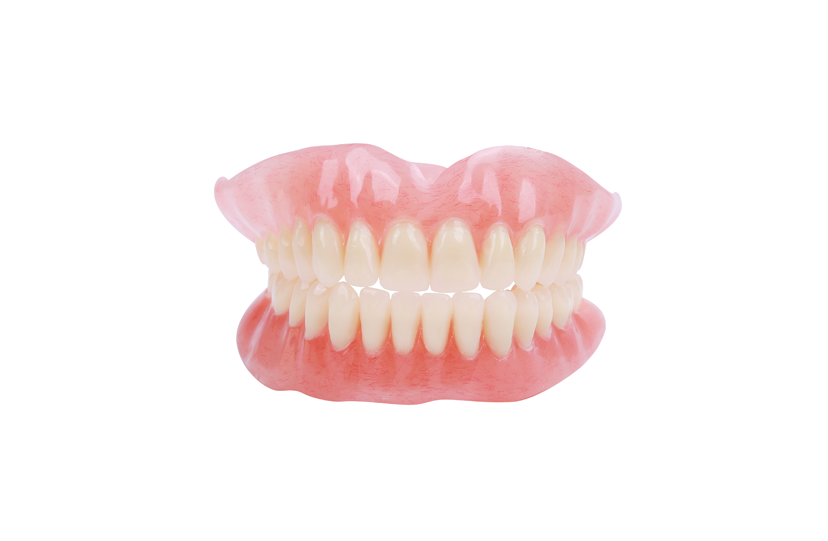
Valplast dentures are flexible, metal-free removable partial dentures made from thermoplastic nylon resin. For multi-clinic dental networks and DSOs, procuring Valplast Dentures at scale requires a supplier with consistent quality output, appropriate regulatory compliance, fast turnaround cycles, and reliable customization capabilities. High-quality Valplast Dentures can provide a practical option for dental laboratories seeking flexible, metal-free partial denture solutions for different patient requirements. Choosing a verified dental laboratory partner with proven OEM capacity can help reduce remake rates, control per-case costs, and improve patient satisfaction across multiple locations. For large-scale procurement, consistent production standards and reliable delivery are also important factors when sourcing Valplast Dentures. By working with an experienced manufacturing partner, dental networks can improve the consistency and efficiency of their Valplast Dentures supply across all locations.
Introduction
Multi-clinic dental networks operate under unique procurement pressure. Purchasing managers and clinic operations teams must balance product quality with volume consistency, delivery speed with cost efficiency, and regulatory compliance with practical clinical performance. Removable partial denture solutions — particularly flexible thermoplastic options — have seen rising demand across U.S. dental service organizations (DSOs) due to their patient-preferred aesthetics and metal-free design.
Flexible partial dentures now account for a growing share of the removable prosthetics market. As patient expectations shift toward more natural-looking, comfortable solutions, dental chains increasingly source these restorations in bulk. A poorly managed supply chain for this product category can mean delayed deliveries, inconsistent fit, and rising remake rates that eat into clinic profitability. Understanding the full procurement picture — from materials and manufacturing to supplier selection — is essential for any network-level dental buyer.
What Are Valplast Flexible Partial Dentures?
Valplast dentures are removable prosthetics made from a special thermoplastic nylon resin. In contrast to acrylic or cast metal frames, this material is flexible, making it possible to adapt closely to the soft tissue. The clasps on the dentures blend in with the color of the gums, so they can be less noticeable than metal clasps.
How Does the Material Perform Clinically?
In flexible partial dentures such as Valplast Dentures, thermoplastic nylon resin is injected under controlled heat and pressure to form a dense, non-porous structure. This material structure can help reduce the accumulation of stains and microorganisms compared with more porous materials. The natural appearance of Valplast Dentures comes from the flexible material's ability to blend more closely with the surrounding gum tissue than some conventional acrylic alternatives. In practical use, this flexible design can improve patient comfort and support adherence to prescribed wear plans. For dental laboratories and clinics, properly manufactured Valplast Dentures can therefore provide a combination of flexibility, appearance, and functional comfort. Consistent material processing and quality control are also important for ensuring reliable performance across different Valplast Dentures cases.


Benefits of Flexible Partial Dentures for Dental Networks
At the network level, choices about procurement are based on results. Here are the main clinical and practical benefits of Valplast dentures that make them a great product group for people who buy from more than one clinic:
Aesthetic superiority: The clear, tissue-colored clasps "disappear" in the mouth. The material is thinner than some conventional partial denture materials, so it can fit closer to the tissue and does not have the visible metal appearance of conventional metal clasps.
Patient comfort: The flexible base adapts to the shape of the mouth, which may help reduce pressure points and sore spots that require changes and follow-up visits.
Metal-free composition: The absence of metal components can make this type of partial denture an option for patients who prefer a metal-free restoration.
Low-profile design: Thinner cross-sections can make it easier for new users to adapt to speech and everyday wear.
These outcomes matter at scale. Across a 10- or 20-location dental network, even a small drop in the number of adjustment visits per case can help reduce operational costs.
Advantages Over Conventional Removable Partial Options
When compared to acrylic and cast metal alternatives, Valplast dentures have clear advantages in the market. Multi-clinic buying teams often consider esthetics, comfort, and patient acceptance among the factors that can influence product selection. Patients who have concerns about visible metal clasps may be more likely to consider flexible options, depending on their individual clinical requirements.
From the perspective of laboratory production, manufacturing flexible partial dentures such as Valplast Dentures can require less production time than producing cast metal frameworks, which may support faster delivery for patients. When working with a qualified OEM dental laboratory, Valplast Dentures can be customized for individual cases by adjusting factors such as shade, arch shape, and clasp position. This level of customization helps laboratories and dental providers better address the specific anatomical and aesthetic requirements of each patient. For large-scale dental production, reliable manufacturing capabilities can also improve consistency and turnaround times for Valplast Dentures. By choosing an experienced OEM partner, dental organizations can streamline case production while maintaining flexibility and quality control across different Valplast Dentures orders.
Disadvantages and Clinical Considerations
A clear procurement guide needs to be honest about its limits. It's not always possible to use Valplast dentures for every patient or clinical situation.
Limited modifiability: Unlike acrylic bases, thermoplastic nylon bases can't be quickly relined or have extra teeth added at the chairside. If a customer thinks they will lose more teeth soon, the dentist should consider whether an acrylic base might be more flexible in the long run. Doctors need to discuss this before recommending this type of restoration.
Not implant-supported: These devices work as tissue-supported removable partial dentures and are not designed to function as implant overdenture frameworks.
Polishing requirements: Both repairs and surface polishing need special tools that aren't always available at the chairside.
For network procurement planners, these considerations inform patient selection protocols and should be built into clinical guidelines distributed across locations.
Comparison: Flexible Partials vs. Acrylic vs. Cast Metal
| Feature | Flexible Thermoplastic | Acrylic Partial | Cast Metal Framework |
|---|---|---|---|
| Aesthetics | Excellent — tissue-toned clasps | Moderate | Poor — visible metal |
| Comfort | High — flexible fit | Moderate | Variable |
| Modifiability | Low | High | Moderate |
| Metal-free | Yes | Yes | No |
| Turnaround Time | 4–5 days | 3–4 days | 5–7 days |
| Cost per Unit | Moderate | Low | Higher |
| Biocompatibility | Excellent | Good | Risk of allergy |
Clinical Indications
Valplast dentures are indicated for people who are missing one or more teeth and want a removable, attractive option without metal parts. In particular, they may be considered for:
Patients who have been diagnosed with metal allergies or sensitivities
Replacement of an anterior tooth where clasp visibility is very important
Patients who want a temporary restoration before getting implants
Situations where conventional partial denture frameworks may not provide the desired stability or comfort
Who Prescribes These Restorations?
Flexible partials are often recommended by general dentists, prosthodontists, and implant specialists in DSO networks. Clinic operations managers who keep track of patient satisfaction scores may also consider this type of restoration when evaluating esthetic outcomes and patient acceptance.
Materials
The main ingredient of Valplast dentures is a thermoplastic nylon resin used in removable dental prostheses. It is made in an injection molding machine where temperature and pressure are carefully controlled. The consistency of the finished product's dimensions, surface density, and shade consistency are all directly affected by the quality of the materials used. Premium-grade nylon formulations can provide surfaces that are less porous and may help resist staining when properly maintained.
Manufacturing Workflow
The production process for Valplast Dentures typically includes several key steps: taking an impression or digital scan of the case, evaluating the case, designing the framework, conditioning the material, injection molding, post-processing and polishing, quality inspection, and finally packing and shipping. Throughout the production of Valplast Dentures, the original prescription is used as a reference to verify the accuracy of measurements and design requirements. At QC checkpoints, the focus is placed on factors such as border fit, clasp adaptation, occlusal balance, and shade matching. Careful quality control at each stage helps ensure that Valplast Dentures meet the required clinical and laboratory specifications. Standard production times are typically 4–5 days, although faster turnaround options may be available for urgent cases. With an efficient digital workflow and reliable quality management, manufacturers can also improve production consistency and delivery efficiency for Valplast Dentures.
Cost Factors
The price of buying Valplast dentures in bulk depends on several factors, including the type of material and where it comes from, the complexity of the case and how much of the arch it covers, the level of customization (such as shade, clasp design, and tooth choice), the production volume, the cost of regulatory certification, and the method of transport. Networks that buy in bulk every month can usually get access to tiered pricing structures that make per-unit costs lower than when they buy individual cases.
How to Choose a Supplier for Network-Level Procurement
What Certifications Should a Supplier Hold?
Give more weight to suppliers who have ISO 13485:2016 certification, FDA registration, and applicable CE compliance documentation. These documents can help demonstrate that the supplier has established quality management and regulatory processes relevant to its products and target markets.
What Delivery Capabilities Matter?
For networks with multiple locations, look for providers that offer regular 3-day dispatch, 4–5-day fixed and removable case turnaround, next-day flash delivery for urgent cases, and dedicated account management to keep track of orders. Scheduling problems at different clinic sites can be reduced by consistent transportation performance.
How Important Is Customization Capability?
Each case is different. A trustworthy provider should be able to show that they can make each case individually, following doctor instructions for color, tooth shape, clasp placement, and arch structure, instead of using standard templates.
Maintenance
A soft brush and a non-abrasive denture cleaner should be used to clean Valplast dentures. Normal toothpaste shouldn't be used because it can scratch the surface. Soaking your dentures in a cleaning solution overnight keeps them clean. Patients should be told not to boil or microwave the device because heat that is too high for the material's tolerance level can change its shape.
Key Takeaways
Valplast Dentures can offer advantages in appearance, comfort, and treatment acceptance for appropriately selected patients. These benefits may contribute to positive clinical outcomes across dental networks with multiple clinics. When making procurement decisions for Valplast Dentures, a dental network should prioritize factors such as supplier certifications, turnaround times, customization capabilities, and clear warranty support. Understanding the important limitations of Valplast Dentures, especially regarding modification and adjustment after fabrication, also helps healthcare teams select suitable cases and provide patients with realistic expectations. By working with a qualified laboratory partner, multi-clinic dental organizations can improve the consistency, quality, and reliability of their Valplast Dentures supply while supporting efficient patient care.
FAQ
Are Valplast dentures really "invisible" in the mouth?
Valplast dentures are designed with tissue-toned, flexible clasps that can blend with the color of the gums. They do not have the visible metal appearance of conventional metal clasps, which can make them less noticeable in the mouth.
What are Valplast flexible partial dentures made of?
Valplast flexible partial dentures are made from thermoplastic nylon resin. The material is processed under controlled heat and pressure to form the flexible denture base and clasp components.
Are Valplast dentures metal-free?
Yes. Valplast flexible partial dentures are designed as metal-free removable partial dentures. This can make them an option for patients who prefer to avoid visible metal components.
What are the main advantages of Valplast flexible partial dentures?
The main advantages include a flexible design, metal-free construction, tissue-toned esthetics, and potential patient comfort. They may be suitable for appropriately selected cases where these characteristics are priorities.
Who is a good candidate for Valplast flexible partial dentures?
Potential candidates include patients who need a removable partial denture and prefer a flexible, metal-free design, particularly when esthetics and the appearance of conventional metal clasps are concerns. Final case selection should be determined by the treating dentist based on the patient's oral condition and treatment needs.
Are Valplast dentures suitable for everyone?
No. Valplast dentures are not appropriate for every patient or clinical situation. Factors such as future tooth loss, the need for future modification, implant treatment plans, and the patient's specific oral condition should be considered before treatment.
Can Valplast dentures be used for patients with metal allergies?
A metal-free flexible partial denture may be considered for patients who have concerns about metal components. However, patients with known allergies or sensitivities should discuss material selection with their dentist before treatment.
Can Valplast dentures be repaired or relined?
Valplast dentures have limited modifiability compared with conventional acrylic partial dentures. Relining, adding teeth, or making certain adjustments may require specific laboratory procedures and may not be as straightforward as with acrylic bases. The dentist should consider future modification needs during case selection.
Can Valplast flexible partial dentures be used with dental implants?
Valplast flexible partial dentures are tissue-supported removable partial dentures and are not designed to function as implant overdenture frameworks. If implant-supported treatment is planned, the dentist should select a restoration specifically designed for that treatment approach.
How long does it take to manufacture Valplast dentures?
Standard production times are typically 4–5 days. Faster turnaround options may be available for urgent cases, depending on case requirements and shipping arrangements.
What information does a dental laboratory need to order Valplast dentures?
The laboratory typically needs the prescription and case information required for fabrication, which may include an impression or digital scan, tooth selection, shade requirements, clasp position, arch information, and other design instructions specified by the dentist.
Can dental laboratories order Valplast dentures in bulk?
Yes. Dental laboratories, dental clinics, and multi-location dental organizations can work with an OEM dental laboratory for recurring or bulk orders. Production volume, case complexity, customization requirements, and shipping arrangements can all affect the procurement process.
How much do Valplast dentures cost?
The cost of Valplast dentures depends on factors such as material, case complexity, arch coverage, customization, tooth selection, production volume, regulatory requirements, and shipping. Bulk purchasing may allow suppliers to provide tiered pricing based on consistent order volume.
How should Valplast dentures be cleaned?
Patients should use a soft brush and a non-abrasive denture cleaner. Regular toothpaste can scratch the surface. Patients should also avoid boiling or microwaving the denture because excessive heat may affect its shape.
How do you choose a Valplast denture supplier?
Dental laboratories and dental networks should evaluate a supplier's quality management system, regulatory documentation, manufacturing capabilities, customization options, production turnaround, communication, shipping reliability, and warranty terms. Consistent quality and reliable delivery are particularly important for recurring B2B orders.
What certifications should a Valplast denture supplier have?
The appropriate certifications and regulatory documentation depend on the supplier, product, and target market. Buyers should request current documentation such as ISO 13485:2016 certification, FDA registration information, and applicable CE documentation where relevant, and verify that the documentation applies to the products being supplied.
Can Valplast dentures be customized?
Yes. Valplast flexible partial dentures can be customized to meet case requirements, including tooth selection, shade, arch shape, and clasp position. The final design should follow the dentist's prescription and case-specific requirements.
Are Valplast dentures suitable for dental laboratories and DSOs?
Valplast dentures can be a practical procurement option for dental laboratories, clinics, and multi-location dental organizations that need flexible, metal-free removable partial dentures. For larger networks, supplier consistency, customization capability, turnaround time, quality control, and delivery reliability are important considerations.
What is the typical warranty for removable dental restorations?
Warranty terms vary by supplier and product. HYC provides a 1-year warranty for removable restorations, subject to the applicable warranty terms and conditions.
Partner With HYC for Reliable Valplast Flexible Partial Supply
HYC has been making dental products for 22 years and brings that knowledge to every sale. As a Valplast dentures maker and OEM supplier, HYC is ISO 13485:2016-certified and FDA-registered. They offer fully customized flexible partials in 4–5 days, as well as next-day flash delivery for urgent cases. When you buy removable restorations from us, you get a 1-year guarantee that covers free replacements in certain cases. To get a quote, email our team at info@hycdentallab.com or go to hycdentallab.com.
References
1. Negahdari, R., et al. "Flexible Removable Partial Dentures: A Review of the Literature." Journal of Dental Biomaterials, 2017.
2. Phoenix, R. D., Cagna, D. R., & DeFreest, C. F. Stewart's Clinical Removable Partial Prosthodontics. Quintessence Publishing, 2008.
3. Carr, A. B., & Brown, D. T. McCracken's Removable Partial Prosthodontics. Elsevier, 2015.
4. Vojdani, M., & Giti, R. "Polyamide as a Denture Base Material: A Literature Review." Journal of Dentistry (Shiraz), 2015.
5. American Dental Association. "Removable Partial Dentures: Clinical Guidelines and Material Considerations." Journal of the American Dental Association, 2019.
6. Rueggeberg, F. A. "State-of-the-art: Dental Biomaterials for Removable Prosthodontics." Dental Clinics of North America, 2007.
YOU MAY LIKE
.webp "Ni-Cr PFM (Nickel-Chrome)")