White Gold PFM Supports Reliable Crown and Bridge Manufacturing
Quick Answer
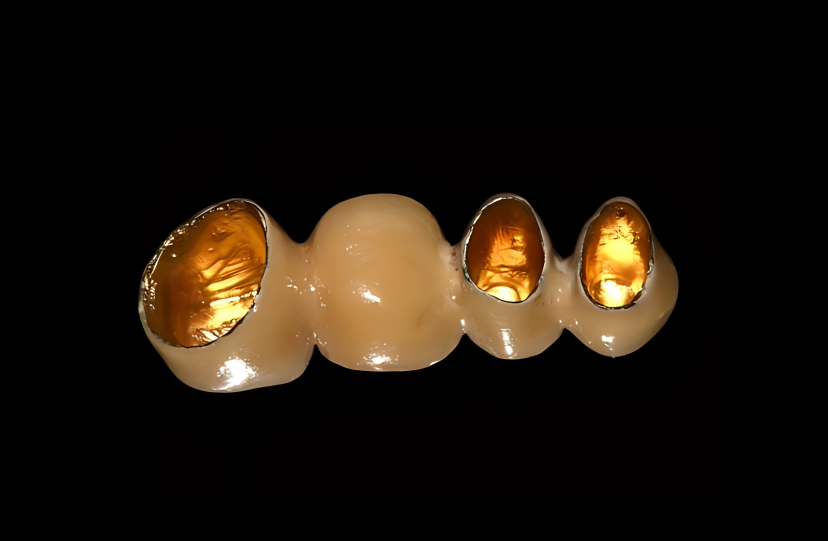
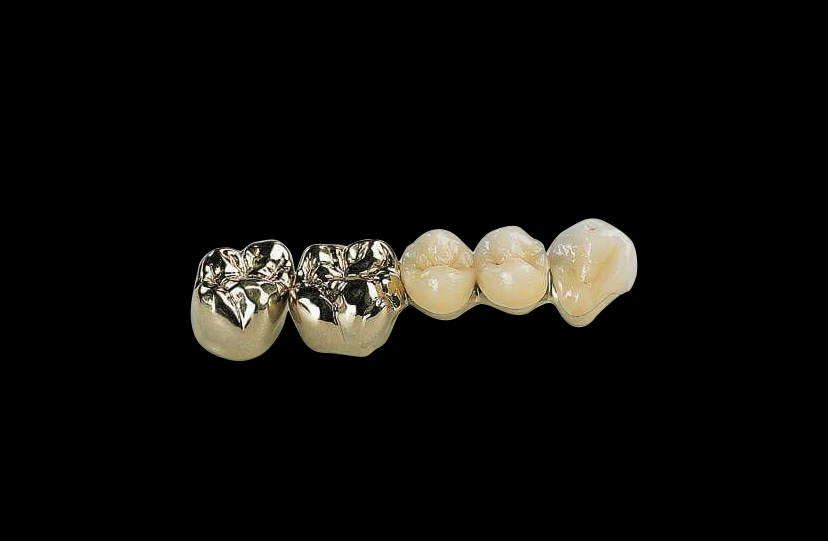
White Gold PFM (porcelain-fused-to-metal) restorations combine high-noble alloys containing palladium, platinum, and silver with aesthetic ceramic layers to provide durable crown and bridge solutions for posterior dentistry. This hybrid approach can provide high flexural strength, controlled thermal expansion during fabrication, and long-term clinical service when properly designed, fabricated, and maintained. The metallic framework supports the restoration under occlusal forces while the porcelain overlay provides natural tooth shades, making it suitable for multi-unit bridges and high-stress applications.
Introduction
Posterior tooth restorations have to meet strict mechanical standards that make them challenging for dentists who want to make restorations that last and fit precisely. Dental labs that do more than 200 cases a month recognize that remake rates can be related to material selection and production quality. The US dentistry restoration market continues to seek solutions that are strong, biocompatible, and provide predictable marginal fit. This is especially true for bridges that cross three or more teeth. High-noble alloy frames have been a reliable choice for prosthodontics for decades. However, improvements in material science have made it possible to develop White Gold PFM compositions that meet the rigidity needs of complex cases while maintaining the biocompatibility characteristics expected of dental alloys.
What is White Gold PFM?
White Gold PFM restorations have a metal base that may contain palladium, platinum, silver, and gold in varying proportions depending on the alloy formulation. This mix of alloys gives it a silver-white appearance that is different from regular yellow gold frames. The metal casting provides structural support and helps achieve a precise fit. The ceramic porcelain layers adhere to the framework surface through controlled oxidation processes that occur during high-temperature firing cycles.
The term "high-noble" refers to dental alloys classified according to their noble metal content. Palladium and platinum can be combined with gold in white gold varieties to increase hardness and modify the melting range according to the alloy formulation. This thermal stability helps maintain framework integrity through multiple firings of porcelain and supports dimensional stability during the layering process.

Benefits of White Gold PFM Restorations
Exceptional Mechanical Durability
The flexural strength of a White Gold PFM alloy depends on its specific composition and formulation and can provide substantial mechanical strength for posterior restorations. Properly designed frameworks can withstand significant occlusal forces when appropriate preparation, framework design, porcelain thickness, and occlusal adjustment are maintained. This mechanical performance can be especially relevant for patients with bruxism or parafunctional habits, where appropriate clinical evaluation and occlusal management are important.
Predictable Marginal Accuracy
Controlled thermal expansion values are formulated to be compatible with corresponding porcelain systems. This compatibility helps manage stress at the metal-ceramic interface during cooling cycles, which can support porcelain integrity and precise marginal adaptation. Proper CAD/CAM design, casting procedures, finishing, and quality control can also help reduce the need for extensive chairside adjustments. This supports patient comfort and clinical efficiency.
Superior Biocompatibility Profile
High-noble alloys generally provide good resistance to oxidation and corrosion in the oral environment when properly formulated and processed. Nickel-chromium frameworks may cause sensitivity in susceptible individuals, while White Gold PFM compositions can provide a suitable option for patients when the selected alloy is appropriate for their clinical needs. The composition and surface condition of the alloy are important factors when evaluating tissue compatibility and long-term performance.
Advantages Over Alternative Solutions
Rigidity for Long-Span Applications
Due to the addition of platinum and palladium, White Gold PFM frames can provide increased stiffness compared with some gold alloy formulations, depending on the specific alloy composition. This stiffness can be important for bridges with four or more units, since framework bending under load may affect the ceramic structure and increase the risk of veneer fracture. An appropriate modulus of elasticity helps manage stress on the restoration and abutment teeth.
Thermal Stability During Fabrication
White Gold PFM alloys are formulated with melting ranges suitable for dental casting and porcelain firing procedures. The thermal properties of the selected alloy and compatible porcelain system are important for maintaining framework stability during multiple firing cycles. Proper laboratory protocols can help minimize framework distortion and support consistent marginal adaptation and first-time fit.
Reduced Remake Frequency
When advanced CAD/CAM processes are combined with appropriate material selection and quality control, remake rates can be reduced for correctly planned cases. Because White Gold PFM can behave consistently during properly controlled casting and milling procedures, it can support predictable laboratory workflows. Careful case planning, accurate impressions or digital scans, appropriate framework design, and final quality verification remain important factors in minimizing remakes.
These benefits address key challenges that dental labs and doctors have to deal with: achieving a passive fit on the first insertion, maintaining structural integrity under functional load, and producing restorations designed for long-term clinical service.
Disadvantages and Considerations
Cost Implications
Materials containing a high proportion of noble alloys generally cost more than base-metal or some semiprecious alternatives. If you treat patients who are cost-conscious, you might find it harder to explain the higher prices, especially for single-unit crowns that don't need additional structural support. The spending can make more sense for complicated cases with multiple units where material properties and long-term performance are important considerations.
Minor Aesthetic Limitations
The silver-white metal framework needs porcelain that is thick enough to adequately mask the underlying framework color. If the preparation doesn't provide enough reduction or the tissue type is thin, the gingival margin may have a slight grayish tint. All-ceramic systems can provide advantages for anterior applications that require higher translucency. White Gold PFM frameworks are commonly considered for posterior areas where function and structural support are important.
Potential for Minor Gum Staining
The appearance of the gingival area around a metal-ceramic restoration can be influenced by framework composition, margin position, tissue thickness, oral hygiene, and individual biological factors. In some cases, a metal-based framework may contribute to a visible change in gingival appearance. Appropriate margin design and placement can help manage aesthetic considerations while supporting periodontal health.
Comparison with Alternative Restoration Materials
| Property | White Gold PFM | Base Metal PFM | All-Ceramic (Zirconia) | Yellow Gold PFM |
|---|---|---|---|---|
| Flexural Strength | 500–700 MPa | 450–600 MPa | 900–1,200 MPa | 400–500 MPa |
| Biocompatibility | Excellent | Moderate | Excellent | Excellent |
| Thermal Stability | High | Moderate | Very High | Moderate |
| Marginal Accuracy | 35–50 μm | 60–90 μm | 40–60 μm | 30–45 μm |
| Service Life | 15–20 years | 10–15 years | 10–15 years | 15–25 years |
| Material Cost | High | Low | Moderate | Very High |
| Ideal Application | Long-span posterior bridges | Budget-conscious posterior cases | Anterior esthetics | Maximum longevity cases |
Clinical Indications
Primary Applications
Most of the time, posterior crowns that need to provide high durability are used, especially on teeth that are subjected to substantial chewing forces. When you connect three or more units with a long-span bridge, the framework's stiffness helps support the porcelain during functional loading. Cases with limited interocclusal room can use metal-occlusal designs when clinically appropriate to reduce the amount of porcelain in areas exposed to high functional forces.
People who have been diagnosed with bruxism or who clench their teeth may require careful material selection and occlusal management. White Gold PFM substructures can be considered as an alternative to all-ceramic restorations in selected cases. The metal framework can help absorb and distribute functional stress, while appropriate design and clinical management remain important for long-term restoration performance.
Special Circumstances
When the framework is naturally opaque, it can help mask discoloration below the enamel without requiring excessive porcelain thickness. This can work well for discolored abutment teeth. Implant-supported restorations can use metal frameworks that are precisely milled or cast according to the required specifications. This supports accurate adaptation to compatible implant components. Practices that treat older patients may also consider the long-term service characteristics of metal-ceramic restorations when planning future restorative needs.
Materials and Composition
Alloy Components
Palladium can contribute to hardness and corrosion resistance, platinum can modify the melting range and mechanical properties, silver can improve casting characteristics, and gold can contribute to biocompatibility and corrosion resistance. Trace elements like indium, gallium, or tin may be included in small amounts depending on the alloy formulation to improve processing characteristics and bonding with ceramics.
Spectrographic analysis can be used to check the composition of materials and verify that they meet applicable industry requirements for noble metal content. Biocompatibility testing according to applicable ISO 10993 standards may be performed on dental materials when required to evaluate their suitability for intended use.
Porcelain Systems
Feldspathic ceramics formulated for high-palladium frames can be selected according to compatible thermal expansion characteristics. These porcelains can contain leucite crystals that help modify the mechanical properties of the glass matrix while maintaining an aesthetic appearance. Usually, opaque wash coats are applied first to mask the metal color. Next, dentin and enamel shades are built up one layer at a time to achieve the desired contour and shade gradation.
Manufacturing Workflow
Case Planning and Design
Digital scans or traditional models are analyzed to make sure that the reduction and margin design are correct. CAD software creates framework geometry according to the clinical requirements of the case, including appropriate thickness in functional and connection areas for long-span bridges. Before the design is sent to production, the virtual margin lines are fine-tuned to support the required fit tolerance.
Framework Fabrication
CAD/CAM milling uses blanks made of White Gold PFM alloy that have been manufactured according to the specified alloy composition. The framework is then machined using precision equipment. In other lost-wax casting methods, the wax pattern is invested in phosphate-bonded material, organics are burned off according to the investment manufacturer's protocol, and then molten alloy is centrifugally cast according to the alloy manufacturer's recommended parameters. After casting, steps are taken to remove excess material, process oxide layers, and check the fit on a master model.
Porcelain Application
Frameworks are treated with controlled oxidation according to the requirements of the selected alloy and porcelain system to create an oxide layer that supports bonding with porcelain. The first layers are opaque and fired according to the porcelain manufacturer's recommended temperature. The next layer is dentin porcelain, which is built up to a shape that is close to the final shape and fired according to the recommended protocol. The enamel layers provide the final aesthetic appearance and translucency. The smooth surface is achieved through appropriate glaze cycles. Controlled cooling methods are used after each firing to reduce thermal stress that could affect the bond between the metal and porcelain.
Quality Verification
When fabrication is finished, restorations are inspected for dimensions to make sure they are within the required accuracy range. The occlusal contacts are marked and adjusted to make sure that the force is distributed appropriately. Internal areas are checked for casting defects or gaps that could affect fit. As a last check, the product is inspected visually in normal lighting to make sure the colors match, and the surface is properly finished.
Cost Factors
Material Expenses
The amount of noble metals directly affects base costs. The prices of palladium and platinum change based on commodity markets. Alloy costs can vary according to the selected composition, market prices, and crown unit requirements. Materials made of porcelain and supplies used for CAD/CAM processing or casting also contribute to the overall laboratory cost.
Technical Labor
For framework design, manufacturing, and porcelain layering, skilled workers require appropriate production time per crown unit. Connector design and framework try-in testing can take relatively more time for long-span bridges. Labor costs vary depending on the complexity of the case, location, workflow, and efficiency of the lab.
Certification and Compliance
Registration with applicable regulatory authorities, certification with ISO 13485, and testing for biocompatibility of materials are all ongoing considerations that reputable manufacturers incorporate into their quality systems and operating costs. These processes help support consistent quality, traceability, and compliance with applicable requirements.
How to Choose a Supplier
Manufacturing Capability Assessment
Check to see if the lab has both CAD/CAM cutting and precision casting tools, so that the appropriate manufacturing method can be chosen based on how complicated the case is. Facilities that handle more than 500 cases a month need appropriate systems to keep specialized equipment running and skilled technical staff on board. Ask for case files that show posterior bridge work and multi-unit restorations that are similar to what you need.
Quality Management Systems
Having ISO 13485 certification means that there are structured quality controls in place from the time that the materials are received until they are inspected for quality. Find out how often crown and bridge work needs to be redone. Reputable labs monitor remake rates carefully as part of their quality management processes. Ask about how the materials are sourced and make sure that the suppliers provide approved alloys with appropriate composition documentation.
Delivery Performance
Standard turnaround times of 3–5 business days can help keep practice schedules on track without having to wait too long for restorations. Check to see if there is fast processing for pressing cases, ideally without extra fees that cut into profits. Reliable logistics partnerships help make sure that deliveries are managed efficiently, even when there are holidays or bad weather.
Technical Support and Warranty
Manufacturers who support their quality standards with warranties that cover defects in workmanship for 24 months demonstrate confidence in their production processes. Quick technical support can help with questions about matching colors, making changes to designs, or addressing fit problems. Clear communication rules and dedicated case managers can help reduce misunderstandings that may lead to remakes.
Maintenance and Care Instructions
Patient Guidance
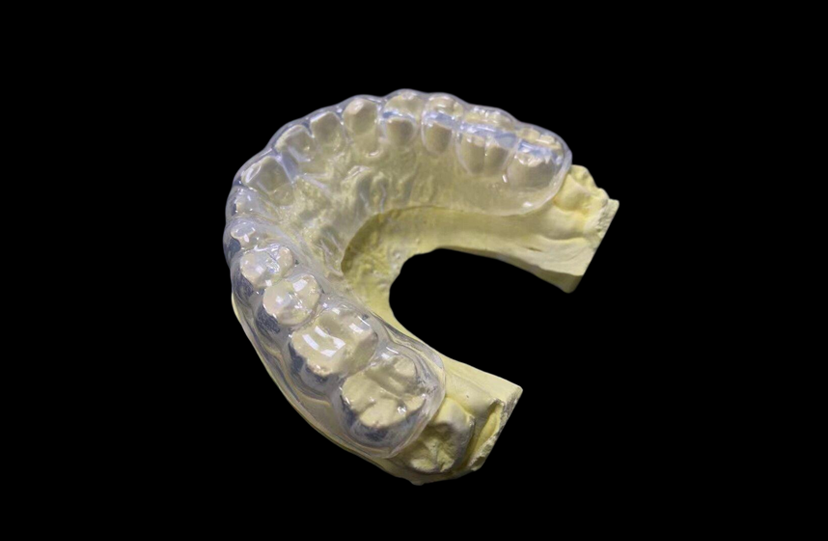
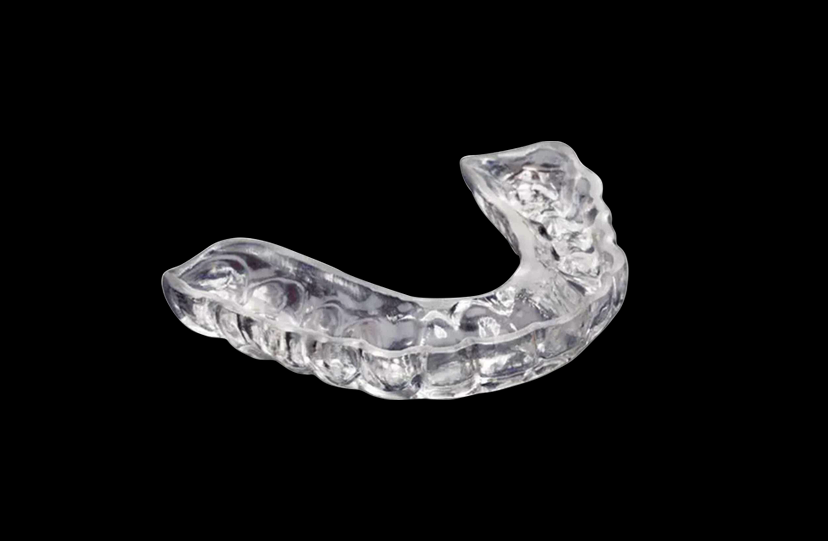
Tell your patients that even though White Gold PFM frameworks are designed for durability, the porcelain overlay can still be damaged by hard foods or hard impacts. Tell people not to chew on ice, hard candies, or use their teeth to open packages. People who have been diagnosed with bruxism should discuss the use of occlusal guards with their dental professional.
Professional Monitoring
Every six months, a recall examination can be performed to check the stability of the margins, look for porcelain crazing, and make sure the occlusal contacts remain balanced. Radiographic evaluation can help identify secondary decay below the margins, allowing treatment to begin early when necessary. Professional cleanings can remove calculus buildup that may irritate the gums next to restoration edges.
Expected Service Life
If White Gold PFM restorations are made correctly and maintained, they can provide long-term service before replacement is required because of normal wear, biological changes, or other clinical factors. The actual service life varies according to material composition, clinical conditions, oral hygiene, occlusal forces, maintenance, and individual patient factors.
Key Takeaways
For posterior crown and bridge applications, White Gold PFM restorations offer a good mix of mechanical strength, biocompatibility, and value for money. The high-noble alloy makeup provides suitable thermal and mechanical properties during production, which can support accurate fabrication and consistent laboratory workflows. Even though the materials can be more expensive than base metal options, their material properties and long-term service characteristics can make the investment worthwhile for selected complex multi-unit cases.
When choosing the right material for a bridge, dentists can consider White Gold PFM for patients who have high occlusal demands, bruxism habits, or long-span bridge needs. Working with certified manufacturers that follow ISO 13485 quality standards and provide appropriate warranties can support consistent production quality and patient satisfaction.
FAQ
What makes white gold different from yellow gold in PFM restorations?
White gold metals can contain higher amounts of palladium and platinum, depending on the alloy formulation, which gives them a silver-white color and can modify their mechanical properties. Their thermal characteristics are designed to be compatible with the selected porcelain system, helping maintain framework stability during firing. Because of its mechanical properties, White Gold PFM can be considered for long-span bridges where resistance to bending under load is an important consideration.
Can white gold PFM cause allergic reactions?
High-noble White Gold PFM compositions are generally designed for compatibility with oral tissues, but individual sensitivity to specific alloy components can occur. Nickel-based base metals can cause sensitivity in susceptible patients, while the palladium-platinum-gold composition of a selected high-noble alloy may be appropriate for patients when clinically indicated. Patients with known metal sensitivities should discuss material selection with a qualified dental professional before treatment.
How does thermal expansion affect porcelain bonding?
When metal and porcelain have different thermal expansion factors, stress can build up during cooling, which may contribute to porcelain chipping or other interface problems. White Gold PFM alloys are selected with thermal expansion characteristics that are compatible with corresponding porcelain systems. Controlled cooling cycles and the right combination of materials help support stable metal-ceramic bonding.
What preparation design works best for white gold crowns?
With a facial reduction of 1.0 to 1.5 mm and an occlusal clearance of 1.5 to 2.0 mm, chamfer margins can provide appropriate space for framework and porcelain. Internal line angles that are rounded off can lower stress concentration, and an appropriate convergence angle can support retention. Placing the subgingival margin according to clinical requirements can help balance aesthetic needs and periodontal considerations.
Why choose white gold over all-zirconia restorations?
White Gold PFM frames can provide accurate marginal adaptation when properly designed and fabricated, while zirconia offers high strength and different aesthetic characteristics. Because the metal framework can be adjusted during the laboratory or clinical process, it can provide flexibility in selected cases compared with ceramic materials. When metal occlusal surfaces or limited occlusal space are important considerations, White Gold PFM can be an option. On the other hand, zirconia's translucency can provide advantages for anterior esthetics.
How long does white gold PFM fabrication require?
Usually, it takes 3–5 business days from the time a case is received until it is shipped, depending on case complexity and laboratory workflow. Digital processes that use CAD/CAM milling can accelerate framework production, which gives more time for adding porcelain and checking the quality. Expedited processing can be available for urgent cases, but schedules may need to be extended for complex multi-unit bridges.
Partner with HYC for Premium White Gold PFM Solutions
HYC Dental Laboratory brings 22 years of specialized experience manufacturing high-precision crown and bridge restorations that meet the exacting demands of modern dental practices. Our white gold PFM supplier capabilities include FDA-registered operations, CE-related compliance where applicable, and ISO 13485:2016 quality management systems supporting consistent production across every case. We maintain rigorous quality controls through advanced CAD/CAM workflows and inspection procedures at each production stage. Standard cases ship within 3 business days, with expedited options available for time-sensitive situations at no additional cost. Our comprehensive 2-year warranty covers applicable fabrication-related issues with repair or remake according to our warranty terms, providing additional support for your practice. Contact us at info@hycdentallab.com to discuss your specific case requirements and experience the precision that defines HYC quality standards. Visit hycdentallab.com to explore our complete restoration portfolio.
References
1. Rosenstiel SF, Land MF, Fujimoto J. Contemporary Fixed Prosthodontics, 5th Edition. St. Louis: Mosby Elsevier, 2016.
2. Anusavice KJ, Shen C, Rawls HR. Phillips' Science of Dental Materials, 12th Edition. Philadelphia: Saunders, 2013.
3. Shillingburg HT, Hobo S, Whitsett LD. Fundamentals of Fixed Prosthodontics, 4th Edition. Chicago: Quintessence Publishing, 2012.
4. Chiche GJ, Pinault A. Esthetics of Anterior Fixed Prosthodontics. Chicago: Quintessence Publishing, 2016.
5. Mclean JW. The Science and Art of Dental Ceramics: Volume II, Bridge Design and Laboratory Procedures in Dental Ceramics. Chicago: Quintessence Publishing, 2015.
6. Craig RG, Powers JM. Restorative Dental Materials, 13th Edition. St. Louis: Mosby, 2017.
YOU MAY LIKE