Dental Labs Select White Gold PFM for Customized Restorations
Quick Answer
White Gold PFM (porcelain-fused-to-metal) restorations combine a noble-metal alloy framework, commonly based on palladium and other alloying elements, with layered ceramic to provide a combination of mechanical strength, corrosion resistance, and established clinical performance. Dental laboratories may select these alloys for posterior crowns and multi-unit bridges because they offer favorable mechanical properties, controlled thermal expansion, and a long history of clinical use when properly designed and maintained. When properly designed, fabricated, and adjusted, White Gold PFM restorations can provide reliable marginal adaptation and resistance to functional occlusal forces in appropriately selected cases.
Introduction
There is constant pressure on the dental restoration business to make goods that are long-lasting, accurate, and comfortable for patients. Prosthodontists and lab technicians need materials that can stand up to years of chewing stress without hurting soft tissues or needing to be replaced often. Porcelain-fused-to-metal crowns and bridges remain an established restorative option, while alloy selection is one of several factors that can influence restoration performance. Noble-metal alloys, including certain palladium-based formulations, may be considered for posterior restorations where mechanical performance, corrosion resistance, and adequate ceramic support are important considerations. Understanding the characteristics of White Gold PFM can help dental practices and laboratories evaluate material selection, fabrication requirements, and expected clinical performance.
What Is White Gold PFM?
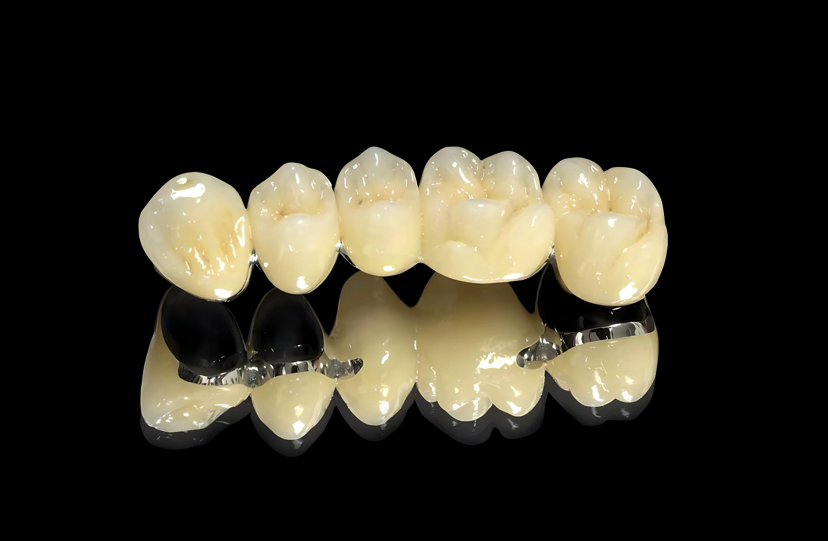
A tooth restoration called White Gold PFM is made up of feldspathic porcelain on top of a noble metal base. The metal framework is typically fabricated from a palladium-based noble or high-noble dental alloy. Exact compositions vary by manufacturer and alloy system and may include palladium, gold, silver, and small amounts of elements such as tin or indium to support porcelain-metal bonding. This mix makes the metal look silver-white, which is different from most yellow gold alloys.
The metal coping keeps the structure in place, and the ceramic layer matches the shade and translucency of natural teeth. Technicians apply and fire compatible ceramic materials through controlled firing cycles, allowing chemical and mechanical interactions to contribute to the porcelain-metal bond. The result is a metal-ceramic restoration that combines a supportive metal framework with an esthetic ceramic veneering layer. This design can be suitable for selected molar and premolar restorations where adequate framework support and resistance to functional occlusal forces are required.

Benefits
Enhanced Mechanical Performance
Depending on the specific alloy formulation, palladium- and platinum-group-metal-containing alloys can provide favorable strength and stiffness for metal-ceramic restorations. Adequate framework rigidity can help reduce deformation in multi-unit bridge designs when the restoration is properly designed and fabricated. Appropriate framework design can help distribute functional loads more predictably across the restoration and supporting structures. Properly designed noble-metal frameworks may offer favorable handling characteristics during laboratory finishing and adjustment, although clinical performance depends on the specific alloy and fabrication protocol.
Predictable Marginal Integrity
The alloy and porcelain expand evenly during firing cycles because their thermal expansion coefficients are controlled. Compatibility between the alloy and veneering ceramic is important for managing thermal stresses at the metal-ceramic interface and supporting reliable porcelain bonding. Appropriate thermal compatibility can help maintain dimensional stability during firing and cooling, supporting consistent fit when the restoration is properly fabricated. Accurate marginal adaptation is important for maintaining the integrity of the restoration and supporting effective oral hygiene around the preparation margin.
Hypoallergenic Properties
Noble-metal alloys generally offer good resistance to corrosion and chemical degradation in the oral environment, although their behavior depends on the specific alloy composition. For patients with a documented sensitivity to specific metals, the alloy composition should be reviewed carefully with the treating dental professional before treatment. Alloys formulated without nickel or beryllium may be considered when clinically appropriate. Their corrosion-resistant characteristics may help reduce the risk of surface degradation and metal-related discoloration compared with some less corrosion-resistant alloy systems.
Advantages
Compared with other alloy and restorative systems, selected palladium-based noble-metal alloys offer several characteristics that may be advantageous in laboratory and clinical applications.
Superior Rigidity for Complex Cases: High-palladium alloys are stiffer than yellow gold alloys, which may make them a suitable option for selected posterior bridge designs, including longer-span cases when adequate framework design and support are provided. Increased framework rigidity can help limit deformation under functional loading, although patients with bruxism require individualized assessment and appropriate occlusal management.
Thermal Stability During Fabrication: The high melting temperature (often above 1,200°C) lets techs fire porcelain more than once without the framework warping. Appropriate thermal stability can help minimize dimensional changes during repeated firing cycles and support consistent marginal adaptation. This may help reduce the need for additional adjustments related to dimensional changes during fabrication.
Longevity in High-Stress Environments: PFM restorations have a long history of clinical use, and their longevity depends on factors such as alloy selection, restoration design, occlusion, cementation, oral hygiene, and patient-specific conditions. Noble-metal alloys generally provide good corrosion resistance, while restoration longevity and the risk of complications depend on the material, design, fabrication quality, occlusion, and patient factors. This saves time and boosts patient confidence.
Opacity for Discolored Abutments: The metal base covers up discolored or non-vital tooth structure well, preventing see-through that can happen with all-ceramic designs. The opaque metal framework can help mask underlying discoloration in selected cases, including teeth with darkened substrates or certain post-and-core restorations.
These benefits explain why dental labs still suggest White Gold PFM for difficult posterior cases, even though zirconia and lithium disilicate options are available.
Disadvantages
For objective review to work, possible flaws must be acknowledged. The noble metal framework reflects light in a way that is different from natural dentin. null. In highly visible premolar areas, patients with high esthetic expectations may prefer an all-ceramic restoration when greater translucency is required, but this doesn't usually affect the way the back of their teeth look.
Palladium prices change with the commodity markets, so the cost of the material is higher than that of base metal alloys. Labs and hospitals have to weigh the initial cost of a product with its long-term value. Depending on the alloy composition and individual conditions, certain metal-ceramic systems may be associated with localized gingival discoloration. Proper alloy selection and periodontal maintenance are important considerations, but this happens less often than with non-precious alternatives.
The complexity of the fabrication needs trained workers who know how to work with noble alloys. If cooling rates don't match the alloy's specific coefficient of thermal expansion, porcelain can separate if the burning instructions aren't followed correctly. To make sure that metal-ceramic bonding works well, labs must use porcelains that are specially made for high-palladium substrates.
Comparison
| Feature | White Gold PFM | Yellow Gold PFM | Base-Metal PFM | Zirconia Crown |
|---|---|---|---|---|
| Framework / Core Material | Palladium-based noble-metal alloy* | Gold-based noble-metal alloy* | Base-metal alloy, commonly cobalt-chromium or nickel-chromium | Dental zirconia ceramic |
| Mechanical Performance | Favorable strength and rigidity; alloy-dependent | Favorable strength and ductility; alloy-dependent | High strength and stiffness; alloy-dependent | High strength; grade-dependent |
| Metal-Ceramic Compatibility | Designed for compatibility with selected veneering ceramics | Designed for compatibility with selected veneering ceramics | Requires compatible ceramic system and controlled oxidation | Not applicable to a metal-ceramic interface |
| Corrosion Resistance | Generally high for suitable noble-metal alloys | Generally high for suitable noble-metal alloys | Depends on alloy composition | High chemical stability in the oral environment |
| Biocompatibility | Depends on alloy composition and patient sensitivity | Depends on alloy composition and patient sensitivity | Depends on alloy composition; nickel-containing alloys require attention to sensitivity | Generally favorable when properly processed and clinically indicated |
| Esthetic Potential | Good; ceramic veneering provides shade customization | Good; ceramic veneering provides shade customization | Good with appropriate ceramic masking; metal opacity may be more noticeable | High; tooth-colored ceramic core provides a metal-free appearance |
| Framework Visibility | Metal framework may influence translucency in thin areas | Metal framework may influence translucency in thin areas | Metal framework may be more visually apparent | No metal framework |
| Preparation Considerations | Determined by alloy, ceramic system, and restoration design | Determined by alloy, ceramic system, and restoration design | Determined by alloy, ceramic system, and restoration design | Determined by zirconia system and restoration design |
| Relative Material Cost | Moderate to high | Moderate to high | Generally lower | Moderate to high, depending on zirconia system |
| Clinical History | Established metal-ceramic restorative option | Established metal-ceramic restorative option | Established metal-ceramic restorative option | Established all-ceramic restorative option |
| * Exact alloy composition and properties vary by manufacturer and product system. | ||||
White Gold PFM and Yellow Gold PFM are both established metal-ceramic restorative options, with their mechanical and thermal properties determined by the specific alloy formulation and compatible veneering ceramic system. Palladium-based alloys can provide a useful combination of strength, rigidity, and corrosion resistance for selected metal-ceramic restorations. Base-metal alloys can also offer high strength and stiffness, while their corrosion behavior and biocompatibility depend on the specific alloy composition. Zirconia provides a metal-free restorative option with high mechanical performance and different preparation and fabrication requirements. Material selection should be based on the clinical indication, restoration design, esthetic requirements, available space, and the manufacturer's specifications.
Clinical Indications
When the properties of the material match the needs of the case, White Gold PFM works especially well in certain clinical situations:
- Posterior Crowns: The alloy's mechanical properties can make it a suitable option for selected single-unit molar and premolar restorations exposed to functional occlusal forces and strong chewing forces.
- Long-Span Bridges: Multi-unit fixed partial dentures require appropriate framework rigidity and connector dimensions to help support the veneering ceramic and distribute functional loads to keep the porcelain from breaking and the frame from bending.
- Bruxism Cases: Patients with parafunctional habits may require restorations designed to accommodate increased functional loading, together with appropriate occlusal assessment and management.
- Limited Occlusal Clearance: The metal framework can allow conservative tooth preparation in selected cases, although the required reduction should be determined according to the restoration design, alloy, veneering ceramic, and manufacturer's recommendations, which works for preparations that don't have a lot of room.
- Discolored Abutments: The opaque metal framework can help mask underlying discoloration in appropriately designed restorations because of failed endodontic treatment or amalgam staining.
- Metal-Occlusal Designs: Full metal occlusal surfaces keep teeth strong and reduce wear on the teeth that touch.
Some situations where this isn't a good idea are when the front of the teeth needs to be very clear, when a patient has a known metal allergy, or when material selection should be individualized when esthetic demands are high, when a patient has a documented sensitivity to a specific alloy component, or when the available preparation space is incompatible with the selected restoration design.
Materials
The makeup of the white gold alloy has a direct effect on how well the repair works. Dental casting alloys are classified according to their composition under applicable standards, while the exact proportions of gold, palladium, silver, and other elements vary by alloy formulation. Silver (10–25%) is added for strength, and gold (5–15%) is used to prevent rust. Tin or indium (1–3%) are examples of trace elements. Controlled oxidation or degassing may be used according to the alloy and ceramic manufacturer's instructions to support reliable porcelain-metal bonding.
The white color comes from this specific blend, which keeps the biocompatibility and corrosion resistance of yellow gold. Palladium raises the melting point and stiffness; silver makes it harder and cheaper; gold and other noble-metal components can contribute to the alloy's resistance to corrosion and chemical degradation. The alloy is formulated to provide a coefficient of thermal expansion compatible with the selected veneering ceramic system.
Dental casting alloys should be selected according to the applicable requirements of ISO 22674 and the manufacturer's documented alloy classification and composition. Where applicable, material and device documentation should identify the relevant regulatory status and available biocompatibility information, including applicable ISO 10993 evaluations or other supporting documentation. For patients with known sensitivities, alloy composition should be reviewed before treatment, and materials containing relevant allergens can be avoided when clinically appropriate.
Manufacturing Workflow
To fabricate accurate White Gold PFM restorations, you need a well-organized digital and physical workflow:
Case Reception and Design: Labs get digital samples or real models that have clear lines around the edges for preparation. CAD technicians use special dental software to design the metal framework. They design the framework according to the selected alloy, restoration type, connector dimensions, veneering ceramic requirements, and manufacturer recommendations.
Framework Fabrication: There are two main ways to make the metal coping:
- Precision Casting: Technicians make molds out of wax, cover them with phosphate-bonded investment material, and then use centrifuge or vacuum-pressure methods to cast liquid metal. As a result, the coping is divested, sandblasted, and finished.
- CAD/CAM Milling: Where applicable, CAD/CAM manufacturing can be used to produce metal frameworks from compatible prefabricated alloy blanks according to the material manufacturer's validated workflow based on digital designs. This way makes things easier to repeat and lessens mistakes made by people.
Oxidation and Degassing: To make a thin oxide layer that chemically bonds with porcelain, heat is applied to the framework. Controlled oxygen kilns stop too much oxidation, which could weaken the connection between the metal and the clay.
Porcelain Layering: Technicians apply the appropriate opaque, dentin, enamel, and characterization ceramic layers according to the selected veneering system. Then, they add layers of dentin and enamel that look like real teeth. To get the right sintering without warping the framework, each ceramic layer is fired according to the specific temperature, vacuum, heating, and cooling parameters recommended by the ceramic manufacturer.
Glazing and Quality Control: Final glazing or polishing is used to achieve the desired surface finish and esthetic characteristics. Before shipment, quality-control personnel evaluate marginal adaptation, proximal contacts, occlusion, contours, and shade according to the laboratory's inspection procedures and look at contact points, contours, and shade matching.
Quality-certified labs follow ISO 13485 guidelines and make sure that each step is inspected and recorded. This documented quality-control process helps promote consistency and traceability across production batches.
Cost Factors
Several factors affect the price of White Gold PFM:
Material Composition: The price of palladium as a commodity means higher percentages of noble metals raise the cost of raw materials. Labs that use more than 60% noble material charge more than labs that use base metals.
Production Method: CAD/CAM cutting needs a lot of money to buy the right tools, but the results are more consistent. Traditional casting is still a good way for smaller labs to save money, but it needs skilled workers.
Customization Complexity: Custom shading, characterization staining, and multi-unit bridges take more time from the technician, which drives up the cost per unit. Standard single crowns with conventional shade requirements are generally less labor-intensive than highly customized restorations.
Regulatory Compliance: Getting FDA registration, CE certification, and ISO 13485 quality management systems. Regulatory, quality-management, and documentation requirements can contribute to overall manufacturing costs and should be considered when comparing suppliers.
Order Volume: Large orders save money on each unit because they make production more efficient. Setting up a steady monthly output with a single lab can often get you into better price levels.
Logistics Requirements: Turnaround time and shipping requirements can affect overall case cost. Standard production schedules are generally more economical than expedited workflows.
Clinics shouldn't just compare unit prices; they should also look at the total cost of ownership, which includes things like remake rates, technical support, warranty terms, and overall case management.
How to Choose a Supplier
To find a reliable White Gold PFM manufacturer, you need to look at more than just price:
Quality Certifications: Verify the supplier's applicable quality-management certifications and regulatory documentation, and confirm that the specific products and materials meet the regulatory requirements of the intended market. Request current certification and regulatory documentation and verify that the scope covers the products and manufacturing activities relevant to your cases.
Manufacturing Capability: Check to see if the lab uses digital processes, does quality control in-house, and hires skilled workers. You can take a tour of the building or read detailed process documentation.
Material Transparency: Make sure the supplier uses biocompatible alloys that are listed by the FDA and have published composition data. Don't make broad claims about "noble metal" that don't give specific percentages.
Turnaround Time: Look at both normal production schedules and choices that can be done faster. Ask suppliers to provide documented standard and expedited turnaround times and clarify how these timelines are measured and meet pressing requests without lowering the quality.
Communication Efficiency: During the inquiry phase, test how responsive people are. Suppliers should make it clear how to submit a case, what kind of digital files are needed, and how to get in touch with expert help.
Warranty Terms: Review the supplier's written warranty terms, including coverage period, exclusions, remake conditions, and procedures for resolving quality-related issues, and make new policies. Clear warranty terms show that you trust the quality of the product.
Clinical Track Record: Ask for case studies, recommendations from similar types of practices, and data on how often the same thing happens again. Where permitted, ask for relevant case examples, quality metrics, customer references, or other documentation that can help evaluate supplier performance.
Customization Flexibility: Make sure the lab can handle specific design requests, custom coloring, and special case needs without imposing strict template limits.
Conducting due diligence upfront prevents costly lab changes mid-treatment and ensures consistent restoration quality.
Maintenance
Proper care extends White Gold PFM service life and preserves patient satisfaction:
Patient Hygiene Instructions: Teach patients how to brush their teeth twice a day with toothpaste that doesn't scratch and how to floss every day around the edges of their restorations. Stress how important it is to have your teeth cleaned by a recommended professional preventive care at intervals appropriate to the patient's oral-health needs to support periodontal health and reduce the risk of caries and restoration-related complications.
Occlusal Adjustment Monitoring: Have your bite checked every so often to find early contacts that could break china. Any occlusal adjustment should be performed by the treating dental professional based on the patient's clinical findings.
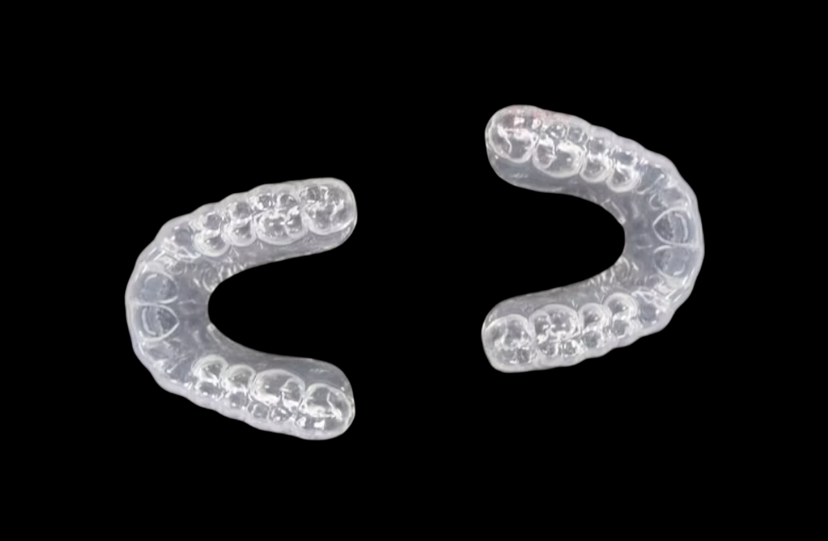
Nightguard Recommendations: For patients with bruxism or other parafunctional habits, the treating dental professional may consider an appropriate occlusal guard when clinically indicated to keep their implants and natural teeth from wearing down too quickly.
Avoiding Trauma: Patients should be advised to avoid using their teeth as tools and to limit exposure to excessively hard objects that may damage the ceramic surface and chew on hard things like ice or pens that could break porcelain veneers.
Professional Polishing: When you go for hygiene visits, use fine-grit polishing pastes. Do not use rough prevention methods that could damage ceramic surfaces or make the surface rougher, which would make plaque build up more easily.
With appropriate maintenance, PFM restorations can provide long-term clinical service, although longevity varies depending on the patient, material, design, occlusion, and maintenance factors, yielding a strong return on investment for patients and practices.
Key Takeaways
White Gold PFM restorations represent an established metal-ceramic restorative option for selected posterior and multi-unit cases for dental labs and clinics to handle difficult back cases. The noble alloy structure, which is made up of palladium, silver, and limited gold, is stiffer than yellow gold and is still very biocompatible. This material may be considered for selected long-span bridge and high-load cases when appropriate clinical and laboratory criteria are met, and other situations where mechanical strength, adequate framework support, and reliable marginal adaptation are important considerations.
Controlled thermal expansion ensures that the porcelain bonding remains stable across multiple firing cycles, reducing the number of remakes and the time required for chairside adjustments. The materials are more expensive than base metal choices; although noble-metal restorations may have a higher material cost than some alternatives, their long history of clinical use and material characteristics may make them a suitable option for selected cases. White Gold PFM is an important part of any clinic's restorative portfolio for places that care about accuracy, durability, and patient safety.
Selecting suppliers with appropriate quality-management certifications, documented regulatory status, transparent material specifications, and established quality-control procedures can help support consistent manufacturing and regulatory compliance. Advanced CAD/CAM technology, skilled workers, and strict quality control all work together to make replacements that meet the high standards of modern dentistry.
FAQ
How does White Gold PFM compare with Yellow Gold PFM in terms of biocompatibility and performance?
Because they contain more palladium and platinum, white gold alloys are stiffer than yellow gold while still being about as accurate. Their mechanical characteristics may make certain white or palladium-based alloys suitable for selected multi-unit bridge applications where framework rigidity is important, where the framework could bend and weaken the porcelain. The higher melting temperature lowers the chance of distortion during multiple firings of porcelain, helping maintain dimensional stability and consistent adaptation throughout the fabrication process.
How can thermal stresses affect porcelain when it is applied to a metal framework?
If the porcelain isn't matched to the right alloy, the coefficient of thermal expansion might not be right. Palladium-based alloys should be paired with compatible veneering ceramics according to the alloy and ceramic manufacturers' recommendations, particularly with regard to coefficient of thermal expansion and firing parameters. Labs lower the risk of shock by using slow cooling cycles that let metal and porcelain settle down slowly. Controlled cooling is important because inappropriate cooling conditions can contribute to thermal stresses within the metal-ceramic system and may affect porcelain integrity.
Can White Gold PFM cause gingival discoloration?
Localized gingival discoloration may occur in some metal-ceramic restorations and can be influenced by alloy composition, tissue thickness, restoration design, and individual oral conditions. This shows up as light gray shading close to the gum line, not nearly as noticeable as discoloration from base-metal alloys. Keeping plaque under control and getting professional cleanings regularly can help with this cosmetic issue, which doesn't usually require replacing of the repair.
What kind of planning works best for White Gold PFM?
The best framework support is achieved with rounded or chamfered shoulder edges, approximately 1.0–1.5 mm of facial reduction where required by the selected restoration design and veneering ceramic system, and an occlusal clearance of 1.5 to 2.0 mm. Stay away from featheredge preparations that make the metal thinner around the edges. Make sure there is enough space between the teeth for both the metal and porcelain layers—The required framework and ceramic thickness should be determined according to the specific alloy, ceramic system, restoration design, and manufacturer's preparation guidelines.
Partner with HYC for High-Precision White Gold PFM Restorations
HYC Dental Laboratory brings 22 years of specialized expertise in crafting high-noble metal restorations that meet the exacting standards of modern dental practice. As a trusted white gold PFM manufacturer, HYC Dental Laboratory maintains an ISO 13485:2016-certified quality management system and applicable FDA registration. Our production and quality-control processes are designed to support consistent manufacturing and applicable regulatory requirements. Our CAD/CAM workflows and quality-control procedures are designed to support consistent marginal adaptation and reduce the need for avoidable remakes. We offer flexible turnaround options—standard 3-day dispatch, expedited 48-hour service, and emergency support—because we understand clinical schedules cannot wait. Eligible fixed restorations are covered by a two-year warranty against qualifying manufacturing-related issues, subject to the applicable warranty terms with free repair or replacement. Contact our technical team at info@hycdentallab.com to discuss your specific case requirements, request material certifications, or arrange a sample case evaluation. Visit hycdentallab.com to explore our full range of customized prosthetic solutions designed for discerning dental professionals.
References
1. Anusavice KJ, Shen C, Rawls HR. Phillips' Science of Dental Materials (12th Edition). St. Louis: Elsevier Saunders, 2013.
2. Rosenstiel SF, Land MF, Fujimoto J. Contemporary Fixed Prosthodontics (5th Edition). St. Louis: Mosby Elsevier, 2016.
3. Wataha JC. Biocompatibility of dental casting alloys: A review. Journal of Prosthetic Dentistry 2000; 83(2): 223-234.
4. Mackert JR, Ringle RD, Fairhurst CW. High-temperature behavior of a Pd-Ag alloy for porcelain. Journal of Dental Research 1983; 62(12): 1229-1235.
5. Goodacre CJ, Bernal G, Rungcharassaeng K, Kan JY. Clinical complications in fixed prosthodontics. Journal of Prosthetic Dentistry 2003; 90(1): 31-41.
6. ISO 22674:2016. Dentistry — Metallic materials for fixed and removable restorations and appliances. International Organization for Standardization, Geneva.
YOU MAY LIKE
 Framework.webp "High-Performance Polymer (HPP) Framework")