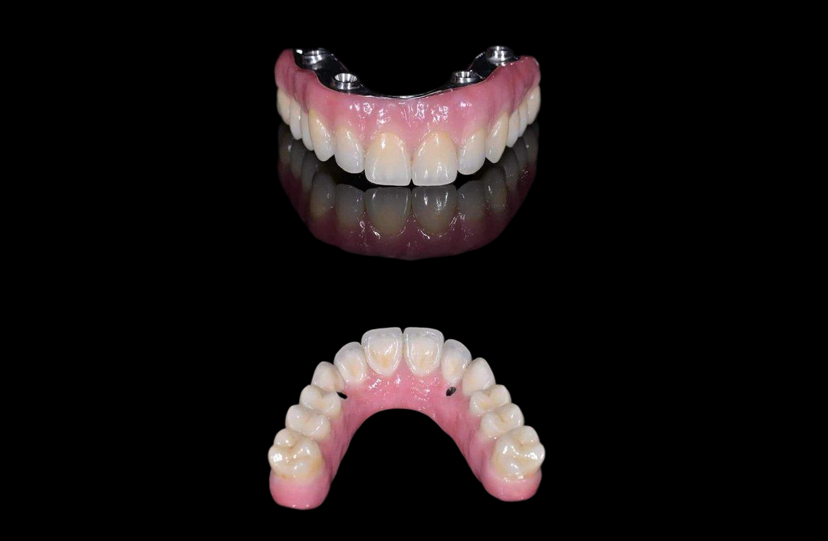
Peek Framework Provides Lightweight Solutions for Modern Dental Prosthetics
Quick Answer
PEEK frameworks are an emerging option in prosthetic dentistry, offering a lightweight and biocompatible alternative to traditional metal frameworks in selected clinical applications. Fabricated from Polyetheretherketone (PEEK), this high-performance thermoplastic material offers a favorable strength-to-weight ratio, a lower elastic modulus similar to bone, and radiolucent properties. Dental laboratories and clinicians are exploring PEEK frameworks for cases where lightweight design, metal-free options, and radiolucency are clinically beneficial in removable partial dentures, implant-supported overdentures, and complex full-arch rehabilitations.
Introduction
Modern restorative dentistry demands materials that balance functional performance with patient-centered comfort. Traditional metal frameworks remain widely used due to their durability; however, certain cases may present considerations related to weight, aesthetics, metal sensitivity, or imaging requirements. The dental prosthetics sector has witnessed significant innovation as material science advances, creating opportunities to reimagine foundational components of removable and implant-supported restorations. PEEK technology emerged from aerospace and medical device engineering, where extreme environmental demands required materials capable of withstanding mechanical stress, chemical exposure, and temperature fluctuations without degradation. Today, dental professionals consider PEEK frameworks as an alternative option for cases where traditional metal frameworks may present certain clinical limitations.
What is a PEEK Framework?
A PEEK framework serves as the main structure that holds dental prosthetics together. It is made of a semi-crystalline thermoplastic polymer that is known for having great mechanical properties and being biocompatible. This structural component can serve as an alternative framework material to cobalt-chromium or titanium in selected partial dentures, overdenture bars, and implant-supported prostheses in partial dentures, overdenture bars, and prosthetics that are supported by implants. At about 4 GPa, the material's elastic modulus is similar to that of human bone tissue. Its lower elastic modulus compared with metals may contribute to a different stress distribution pattern during functional loading.
PEEK frameworks fix problems that have existed in the business for a long time. Some patients may have sensitivity concerns related to specific metal components, particularly nickel-containing alloys. Radiographic artefacts from traditional metal frames make diagnostic images harder to see, which makes follow-up exams more difficult. The difference in stiffness between metal and natural bone tissue causes stress buffering. Too much rigidity stops loads from being distributed properly and may eventually lead to bone loss.
Benefits
Adopting PEEK frameworks changes many aspects of clinical workflows and the patient experience. Due to its lower density compared with cobalt-chromium alloys, PEEK frameworks can significantly reduce prosthesis weight, which makes wearing detachable prosthetics a lot more comfortable for people who do. This lightweight design may improve patient comfort, particularly in removable prosthetic applications.
Chemical inertness means that PEEK frameworks don't break down when they come in contact with acidic foods, mouthwash, or popular medicines. In contrast to metals, which can dissolve or release ions when they are in the mouth, PEEK demonstrates excellent chemical stability and maintains its structural properties under normal oral conditions. The substance can withstand all common solvents except concentrated sulphuric acid, making it very durable for use in harsh medical settings.
Another important benefit is that it is radiolucent. On X-rays, PEEK looks clear, so doctors can see the bone structure underneath, where the implant is placed, and the health of the tissue around the implant without any problems. This radiolucent property allows clinicians to evaluate surrounding anatomical structures without significant framework interference during follow-up examinations.
PEEK may offer aesthetic advantages compared with metal frameworks in cases where framework visibility is a concern. People with thin mucosal tissue don't have to worry about metal showing through because PEEK is naturally off-white. Tooth-colored composite veneers stick securely to PEEK surfaces that have been treated, making restorations that are seamless and look like the rest of your teeth.
Advantages
Compared to standard frameworks, PEEK technology has clear benefits that come from understanding the material better and making the products more precisely. Because of the following things, a PEEK framework is a better option for modern dental practices:
Biocompatibility Characteristics: PEEK meets the standards set by USP Class VI and ISO 10993-1 for long-term implants, with studies demonstrating favorable biocompatibility characteristics. Studies in humans show that these surfaces are better at allowing tissues to adapt and build up plaque than metal surfaces.
Mechanical Performance: PEEK frameworks demonstrate suitable mechanical properties for long-term clinical applications when properly designed and manufactured because their tensile strength is higher than 90–100 MPa and their wear resistance is very high. Because the material is flexible, it can absorb occlusal forces during chewing. Its shock-absorbing characteristics may help influence load distribution around implant-supported restorations.
Thermal Stability: PEEK stays the same size at temperatures ranging from -40°C to 250°C. Its freezing point is 343°C, and its glass transition temperature is 143°C. This thermal resilience ensures that frameworks don't change while people drink hot drinks or go through clinical adjustment procedures.
Low Density Advantage: PEEK has a strength-to-weight ratio that is three to four times better than titanium and gold alloys, at about 1.32 g/cm³. The reduced density may contribute to improved comfort during prolonged wear.
As a whole, these benefits make procurement easier for dental labs and clinics that want to lower the number of remakes, make patients happier, and set their services apart in competitive markets.
Disadvantages
To be professional and honest, you need to be aware of certain things when using PEEK frameworks. Changing the surface of PEEK requires special steps because raw PEEK has a low surface energy that makes joining difficult. To get PEEK frameworks to stick well to acrylic or composite veneers, dental workers need to use certain primers and preparation treatments, such as plasma activation or sulphuric acid etching.
The cost of the materials is another factor. It costs more to make medical-grade PEEK than regular dental alloys, but although medical-grade PEEK has a higher material cost than conventional alloys, overall cost evaluation should consider workflow requirements, maintenance needs, and long-term clinical factors, and you won't have to deal with metal allergy problems. When you look at the total cost of ownership over full treatment rounds, the overall cost evaluation should consider material expenses, workflow efficiency, maintenance requirements, and case-specific factors.
It's important not to underestimate the need for technician training. For milling PEEK frameworks to work, CAD/CAM systems need to have the right tool sets and processing settings. Normal casting methods don't work, so money needs to be spent on digital workflows and training for technicians. Laboratories that are moving away from metal frames need to set aside money to improve their tools and workers' skills.
Colour limits can be an issue for some uses when it comes to how things look. While PEEK's neutral tone stops metal from showing through, the material isn't as clear as zirconia or lithium disilicate, which makes it better for frontal applications that need to look their best. When choosing framework materials, clinicians should think about what the needs of each case are.
Comparison
Knowing the changes in performance between a PEEK framework and other options lets you make smart procurement decisions:
| Property | PEEK Framework | Cobalt-Chromium | Titanium | Zirconia |
|---|---|---|---|---|
| Density (g/cm³) | 1.32 | 8.5 | 4.5 | 6.0 |
| Elastic Modulus (GPa, approx.) | 4 | 200–230 | 100–120 | 200–220 |
| Radiographic Visibility | Radiolucent | Radiopaque | Radiopaque | Radiopaque |
| Biocompatibility | Good | Good (possible metal sensitivity concerns) | Excellent | Excellent |
| Adjustability | High | Moderate | Moderate | Limited |
| Relative Cost Level | Moderate | Low | Moderate | High |
The comparison highlights PEEK’s distinct characteristics, particularly its lower elastic modulus and radiolucency compared with conventional framework materials. Cobalt-chromium frameworks generally offer cost advantages but may present considerations related to metal sensitivity and radiographic visibility. Titanium is very biocompatible, but it is still three times heavier than PEEK. Zirconia is nice to look at in some situations, but it isn't flexible or shock-absorbing enough to be used for removable prosthetics.
Clinical Indications
PEEK frameworks can be considered for a range of dental applications where their specific material characteristics may provide clinical advantages:
Removable Partial Dentures: Prosthodontists use PEEK frameworks to make lightweight clasps and denture bases that offer better comfort and bone-like flexibility for removable partial dentures. The material can slightly bend when it is put in and taken out, which keeps it in place securely while reducing stress on the abutment teeth. PEEK frameworks may be considered for patients with known sensitivity to certain dental metals that get in the way of their treatment.
Implant-Supported Bar Overdentures: The framework acts as a well-thought-out shock absorber during chewing, spreading the biting forces evenly across the supporting implants. This mechanical cushioning keeps implants from being overloaded, which can cause peri-implantitis and fastener failure. Because it is radiolucent, doctors can see how much bone is there and where the implant is placed during maintenance appointments without the framework getting in the way.
Full-Arch Rehabilitation Cases: PEEK's strength, lightness, and biocompatibility make it useful in complicated cases where a lot of teeth have been lost. The material can work with anatomical undercuts that would make inserting a metal framework more difficult. It also has the strength to hold false teeth across full dental arches.
Materials
Medical-grade PEEK, which is used in a PEEK framework, goes through strict processes to choose the right materials and make sure they are of good quality. The base polymer is made up of aromatic polyether chains connected by ketone bonds. This makes a semi-crystalline structure that is very resistant to heat and chemicals. Medical-grade PEEK materials used in healthcare applications are selected based on applicable regulatory and biocompatibility requirements.
Biocompatibility and mechanical performance are directly affected by how pure a material is. Plasticisers and unreacted monomers that could get into mouth tissues are not found in high-quality PEEK frameworks. When radiographic visibility is clinically necessary, some formulations include radiopaque fillers like zirconium dioxide or barium sulphate. However, the radiolucency of pure PEEK is still useful for most uses.
Using medical-grade PEEK makes sure that the product meets international biocompatibility standards. For example, it has been tested for cytotoxicity, sensitisation, and genotoxicity as part of the ISO 10993 series. Material traceability documentation gives dental labs certification for each lot that the raw material meets strict standards for chemical composition, tensile properties (ASTM D638), and melting behaviour.
Manufacturing Workflow
To make a precise PEEK framework, you need complex digital workflows that combine cutting-edge CAD/CAM technology with specific machining protocols:
Digital Design Phase: The first step is intraoral scanning or traditional impression digitisation, which makes accurate 3D models of the patient's body. Prosthodontists or dental techs use specialised CAD software to create the framework shape. They make sure that the clasp placement, connector measurements, and tissue contact areas are all optimised based on biomechanical principles.
CAM Programming: Validated PEEK-specific tool libraries make sure that the right cutting factors, such as spindle speeds, feed rates, and tool tracks, are used. When programming, the temperature qualities of PEEK must be taken into account so that heat doesn't build up and damage the crystallinity of the material.
High-precision milling technology helps produce frameworks according to digital design specifications with consistent dimensional accuracy. Carbide cutting tools can work with complicated geometries to make retention clasps, occlusal rests, and anatomical contours that are an exact match for digital designs.
Quality Control Inspection: When frames are finished, they go through strict checks. High-resolution 3D scanning checks milled frames against the source CAD files to find any differences in size. Micro-CT imaging finds holes or gaps inside structures that could weaken their stability. Measuring the surface roughness makes sure that the structure is right for the next steps in the bonding process.
Surface Conditioning: To get PEEK surfaces ready, technicians use special primers or physical treatments that make the surface more energetic. These conditioning methods make it possible for the framework to stick securely to composite veneering materials or plastic denture bases.
Final Assembly: Dental technicians put in the false teeth, put on gingival-colored acrylics, and do any other final finishing work that needs to be done. Once the devices are finished, they are functionally tested to make sure they meet the patient's unique needs for occlusion, retention, and other factors.
Cost Factors
There are a lot of factors that affect the price of the PEEK framework, so dentistry offices and labs have to look at the total value instead of just the material costs:
The cost of raw materials reflects the complex production and regulatory compliance paperwork that goes into making medical-grade PEEK. The cost of the materials is usually 40–60% higher than that of traditional dental alloys. However, this price difference becomes smaller when differences in weight and yield efficiency are taken into account.
The complexity of production affects the prices of labour and tools. For CAD/CAM milling to work, you need to buy five-axis machining centers and special software licenses. Expertise as a technician demands higher wages, especially in the beginning stages of application when learning curves are still steep.
The needs for customisation have a direct effect on the time and cost of production. Full-arch cases that need a lot of anatomical changes and multiple implant connections are more expensive than standard partial denture frames with known geometry. CAD time, machining time, and quality testing processes are all affected by design factors that are unique to each case.
Following the rules increases cost by adding the cost of certification. To keep their ISO 13485:2016 quality management systems up to date and get FDA registration, manufacturers spend a lot of money on documentation, facility validation, and ongoing surveillance. These processes support product consistency and regulatory compliance throughout manufacturing by making sure that products are safe and that regulations are followed.
Cost savings happen when you place a lot of orders. When dental labs form long-term relationships with PEEK framework suppliers, they can often arrange volume-based pricing that lowers the cost per unit while still meeting quality standards. Processing multiple cases at once in a batch makes production more efficient.
How to Choose a Supplier
Selecting a reliable PEEK framework supplier requires evaluating multiple criteria that impact clinical outcomes and business operations:
Manufacturing Capability: Check to see if providers keep CAD/CAM tools in good shape, hire qualified dental technicians, and show they can handle cases of different levels of complexity. Ask for sample frameworks and check their accuracy in terms of size, quality of finish, and ability to fit the body.
Quality Management Systems: Make sure that suppliers are certified to ISO 13485:2016 and keep written quality procedures that cover things like tracking materials, making sure processes work, and final review methods. Documentation showing regulatory compliance, such as FDA registration and CE certification, shows a dedication to meeting international standards.
Material Sourcing Transparency: Reliable sellers provide material certification that lists FDA-approved PEEK grades and includes batch-specific test results that confirm tensile qualities, biocompatibility, and chemical makeup. Traceability helps dental practices keep records that show they are following the rules.
Customisation Flexibility: Find out how well suppliers can adapt to changes in design, urgent delivery needs, and individual patient preferences. How quickly you can communicate and get help with computer issues has a direct effect on how efficiently you work and solve problems.
After-Sales Commitment: The terms of the warranty show how much the supplier trusts the quality of the product. Warranty and service policies vary between manufacturers and should be reviewed before cooperation during set warranty periods, which are usually two years for fixed prosthetics and one year for removable frameworks. Having access to expert advice helps with fixing problems and getting the best clinical results.
Delivery Reliability: The time it takes to make something affects how efficiently patients are scheduled and how well the practice runs. Suppliers who give normal working times of three to five days with faster choices for pressing cases show that they are operationally mature and have good logistics.
Maintenance
Compared to metal alternatives, PEEK frameworks don't need as much maintenance. However, following the right care instructions will extend their useful life and keep their functional performance:
Patients should use soft-bristle brushes and non-abrasive denture cleaners to clean PEEK-based devices. Do not use harsh chemicals or ultrasonic cleaning frequencies that are higher than what is recommended. This is because too much vibration can damage the bonding interfaces between PEEK frameworks and veneering materials.
Professional maintenance appointments let prosthodontists look at frameworks for signs of wear, make sure they are retaining the teeth well, and see how the tissues are responding. Because the material doesn't break down chemically, PEEK frameworks demonstrate long-term structural stability when properly designed, manufactured, and maintained.
As part of the storage instructions, removable prostheses should be kept moist when not in use so that plastic parts attached to PEEK frameworks don't lose their shape. Extreme temperatures should be avoided when cleaning or storing PEEK, but the material's thermal stability gives you a lot of room to be safe.
For adjustments, you need tungsten burs that are made for cutting polymers. Clinicians can change PEEK frameworks while the patient is still in the chair to accommodate changes in tissue or improvements to the occlusal surface. This gives them more freedom than with ceramic or metal alternatives. Polishing the areas that were changed with the right finishing systems makes the surfaces smooth again so that plaque doesn't stick to them.
Key Takeaways
A PEEK framework represents a big change in the field of oral implants because it solves problems that metal and ceramic options have had for a long time. The material is very light, flexible like bone, completely radiolucent, and very biocompatible. These qualities work together to make the material very useful for both patients and dental professionals.
People who make decisions about purchases should judge PEEK frameworks based on their overall clinical value, not just their material costs. Less need for remakes, happier patients, no more problems with metal allergies, and better diagnostic imaging all make the money spent on training and materials worth it. PEEK is a flexible technology that can be used for removable partial dentures, implant-supported overdentures, and full-arch rehabilitations. This makes it a complete solution platform.
Successful implementation requires working together with qualified suppliers who keep strict quality control systems, clear material sources, and quick expert help. Dimensional accuracy within ±20 microns, biocompatibility paperwork that has been checked, and reliable delivery performance are all requirements that can't be waived by a seller.
FAQ
Is the PEEK framework suitable for patients with metal allergies?
PEEK frameworks eliminate metal components from the framework structure and may be considered for patients with concerns about metal sensitivity because the material doesn't have any metallic elements or compounds in it. Because of this, PEEK may be considered for patients with known sensitivity concerns related to certain dental metals, such as cobalt, chromium, or nickel, and who should not use standard metal frames.
How does the weight compare to titanium frameworks?
PEEK frameworks are about 70–75% lighter than titanium structures that are the same size and shape. The difference in density (1.32 g/cm³ vs. 4.5 g/cm³) makes patients much more comfortable when they have to wear prosthetics for long periods of time, especially when they can take them off.
Can frameworks be repaired or adjusted?
Dental technicians can change PEEK frameworks by using special bonding protocols and carbide burs. Surface conditioning treatments make it possible to add more layers of material or fix structural problems. However, any changes should be made according to the manufacturer's instructions to keep the warranty valid.
Does PEEK cause wear on natural teeth?
The low abrasiveness and bone-like elastic modulus of the material keep the opposing natural teeth from wearing down too quickly. Studies in real people show that PEEK frameworks cause less wear on the teeth that are opposite the metal clasps or porcelain surfaces.
Are PEEK frameworks visible on X-rays?
Pure PEEK is completely radiolucent, which means that X-rays show it as clear. This feature lets doctors check the level of the bone and where the implant should go without the framework getting in the way. However, radiopaque-modified formulations are available in case they need to be able to see the framework.
What is the expected lifespan?
Under normal physiological conditions, PEEK frameworks are designed for long-term structural stability, although service life depends on case design, loading conditions, and maintenance. Available clinical reports indicate promising long-term performance, although longevity depends on case design, loading conditions, and maintenance. The material isn't breaking down too much, but veneering materials may need to be replaced every so often based on how they wear.
How do costs compare to traditional metal frameworks?
The cost of the raw materials is 40–60% higher than that of traditional alloys. However, the total cost of treatment often works out cheaper for PEEK because it needs fewer replacements, doesn't cause allergy problems, and keeps patients longer. Value analysis should look at whole treatment processes instead of just one or two material costs.
What certifications should frameworks have?
Medical-grade PEEK frameworks should show that they meet the biocompatibility standards set by ISO 10993, the tensile property standards set by ASTM D638, and the FDA's requirements for use in oral devices. Maintaining ISO 13485:2016 quality control approval by suppliers is another way to make sure that the products are made consistently.
Partner with HYC for Superior PEEK Framework Solutions
HYC has been making specialised products for 22 years and can help dental professionals who are looking for reliable PEEK framework suppliers. Our manufacturing facility maintains FDA registration and an ISO 13485:2016-certified quality management system, which means that every framework meets international quality and biocompatibility standards. We only use medical-grade PEEK materials selected according to applicable regulatory requirements, and our advanced five-axis CAD/CAM cutting technology lets us get the dimensions right to within ±20 microns.
Our delivery choices are open and include basic three-day shipping, four- to five-day turnaround for fixed and removable cases, and flash delivery for situations that need it right away. We can make frameworks that exactly match clinical requirements for a wide range of case types because we offer full customisation. We stand behind our products with a full warranty that covers repair or replacement for free during the warranty period for two years for fixed prosthetics and one year for removable frameworks.
HYC provides PEEK framework manufacturing services supported by digital workflows, material traceability, and quality management procedures. Get in touch with our technical team at info@hycdentallab.com to talk about your unique case needs and learn more about HYC’s PEEK framework manufacturing capabilities and digital production processes.
References
1. Schwitalla, A. D., & Spintig, T. (2015). PEEK dental implants: a review of the literature. Journal of Oral Implantology, 41(6), 743-749.
2. Najeeb, S., Zafar, M. S., Khurshid, Z., & Siddiqui, F. (2016). Applications of polyetheretherketone (PEEK) in oral implantology and prosthodontics. Journal of Prosthodontic Research, 60(1), 12-19.
3. Tannous, F., Steiner, M., Shahin, R., & Kern, M. (2012). Retentive forces and fatigue resistance of thermoplastic resin clasps. Dental Materials, 28(3), 273-278.
4. Kurtz, S. M., & Devine, J. N. (2007). PEEK biomaterials in trauma, orthopedic, and spinal implants. Biomaterials, 28(32), 4845-4869.
5. Stawarczyk, B., Beuer, F., Wimmer, T., Jahn, D., Sener, B., Roos, M., & Schmidlin, P. R. (2013). Polyetheretherketone—a suitable material for fixed dental prostheses? Journal of Biomedical Materials Research Part B: Applied Biomaterials, 101(7), 1209-1216.
6. Zoidis, P., Papathanasiou, I., & Polyzois, G. (2016). The use of a modified poly-ether-ether-ketone (PEEK) as an alternative framework material for removable dental prostheses: A clinical report. Journal of Prosthodontics, 25(7), 580-584.
YOU MAY LIKE

.webp "Ni-Cr PFM (Nickel-Chrome)")