 Full Cast Crowns.webp)
Noble (Semi-Precious) Full Cast Crowns
Noble (Semi-Precious) Full Cast Crowns: Durable Restorations for Demanding Cases
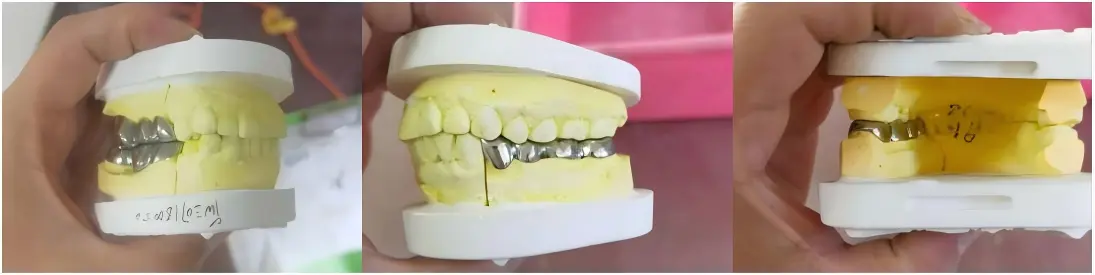
When you need a restoration that combines strength, longevity, and biocompatibility for posterior teeth, Noble (Semi-Precious) Full Cast Crowns deliver exceptional performance. At HYC Dental Laboratory, we've crafted these restorations for over 22 years with precision that meets ISO 13485 and FDA standards. Our products feature silver-palladium alloy compositions that offer high structural endurance and minimal enamel wear. With standard 3-day turnaround times and an excellent first-fit rate, you'll reduce chair time while achieving reliable results. These crowns require only 1.0–1.5 mm occlusal clearance, preserving more natural tooth structure than ceramic alternatives.
What Makes Noble Semi-Precious Alloys Stand Out?
Noble semi-precious alloys strike the perfect balance between performance and value. The silver-palladium blend provides remarkable strength for heavy occlusal loads without the higher cost of high-noble gold alloys.
Key characteristics include:
- Exceptional durability: These restorations withstand extreme biting forces without chipping
- Biocompatibility: Stable metal alloys remain gentle on gum tissue
- Minimal tooth reduction: Preserve 0.5–1.0 mm more tooth structure compared to porcelain options
- Long service life: Clinical success rates extend 20+ years with proper maintenance
The silver-like appearance makes these crowns ideal for posterior applications where aesthetics take a backseat to function.
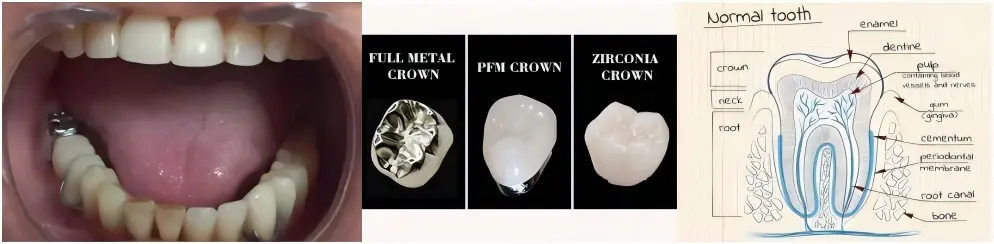
Technical Specifications of Noble (Semi-Precious) Full Cast Crowns
| Feature | Specification |
|---|---|
| Material Composition | Silver, palladium, and semi-precious metal blend |
| Occlusal Clearance | 1.0–1.5 mm (minimum 0.5 mm possible) |
| Axial Reduction | 0.5–1.0 mm with 3–6° taper |
| Margin Design | Chamfer or feather-edge configuration |
| Functional Cusp Bevel | 1.5 mm for optimal structural integrity |
| Standard Lead Time | 3 days shipment |
| Warranty Period | 2 years for quality-related issues |
| Certification | FDA registered, ISO 13485:2016, CE certified materials |
Clinical Indications
You'll find these crowns perform best in specific clinical scenarios:
- Posterior teeth with extensive caries or fractures
- Abutment teeth for fixed dental prostheses
- Patients with bruxism or high occlusal force requirements
- Endodontically treated molars needing full coverage
- Limited interocclusal space situations
- Tilted or supraerupted teeth requiring occlusal correction
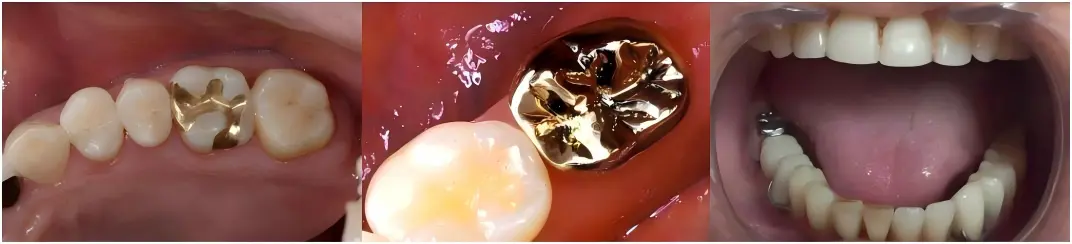
Why Dental Professionals Choose HYC
Precision Manufacturing
Our CAD/CAM integration ensures consistent marginal accuracy. You'll experience fewer remakes and adjustments, which translates to happier patients and more efficient practice workflows.
Speed Without Compromise
Standard cases ship in 3 days. Need it faster? Our expedited processing prioritizes urgent clinical needs with same-day shipment options for selected regions.
Quality Assurance
Every restoration undergoes strict inspection before leaving our facility. Our extremely low remake rate reflects 22 years of refined processes and attention to detail.
Flexible Workflow Compatibility
Whether you work with traditional impressions or digital scans, we accommodate your preferred method for Noble (Semi-Precious) Full Cast Crowns. Our team understands European and US market standards thoroughly.
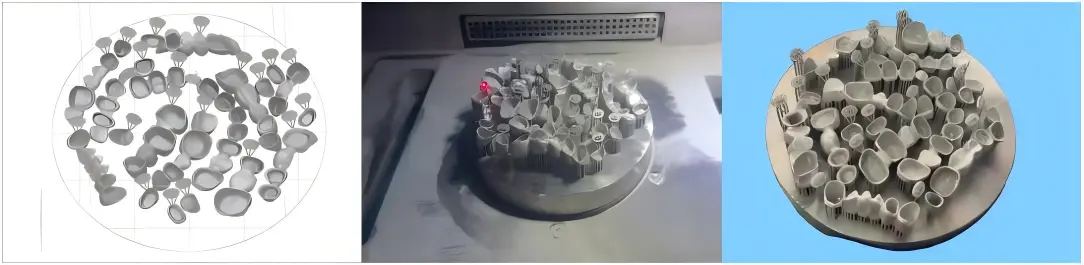
Advantages Over Alternative Restorations
Superior Longevity
Noble semi-precious full cast restorations achieve the highest long-term success rates—often lasting 20 to 40 years. That's significantly longer than most ceramic options.
Opposing Tooth Protection
The alloy's wear coefficient closely matches natural enamel. Your patients won't experience excessive wear on antagonist teeth, preserving their natural dentition longer.
Precise Marginal Seal
The casting process creates a "snap fit" that seals more effectively than most materials. This reduces secondary caries risk and enhances restoration longevity.
Cost-Effective Performance
While offering exceptional durability, these crowns provide better value than high-noble gold alternatives. Your patients receive decades of reliable function at a reasonable investment.
Preparation Guidelines for Optimal Results
Follow these preparation principles to maximize your restoration success:
- Occlusal clearance: Create 1.0–1.5 mm following natural cusp anatomy
- Functional cusp bevel: Apply 1.5 mm to buccal mandibular and lingual maxillary cusps
- Axial walls: Maintain 3–6° taper for clear insertion path
- Margin finish: Prepare well-defined chamfer or knife-edge lines
- Surface finishing: Smooth all edges to eliminate irregularities
These guidelines help our laboratory deliver the precise marginal fit that products are known for.
Frequently Asked Questions
Q:What is the absolute minimum clearance required for a full cast crown?
A:While 1.0–1.5 mm remains ideal, noble semi-precious crowns can technically function at 0.5 mm on functional cusps. However, preparation taper (6–10°) matters more for retention than metal thickness. Proper taper ensures long-term stability even with conservative reduction.
Q:How do I choose between High-Noble, Noble, and Base Metal for posterior teeth?
A:Noble palladium-silver alloys offer excellent strength and value for most posterior applications. They're harder than high-noble gold, which makes chairside adjustments more challenging, but they deliver superior durability. For bruxism patients, consider the wear-compatibility benefits. High-noble gold creates less opposing tooth wear, while base metal provides maximum strength but virtually no burnishing capability.
Q:Why might my full cast crown fit too tight or rock on the die?
A:In digital workflows using milled or 3D printed patterns, die spacer settings must account for metal shrinkage rates. Noble alloys typically shrink around 2.5%, requiring adjusted compensation compared to zirconia. We recommend communicating your specific alloy choice so we can optimize internal geometry for perfect fit.
Q:Is noble metal or zirconia better for budget-conscious posterior crowns?
A:Consider failure modes carefully. Zirconia typically fails catastrophically through cracking. Metal crowns usually fail gradually through marginal decay, which remains repairable. For short clinical crowns where you cannot achieve adequate height for zirconia bonding, metal provides superior mechanical retention through casting techniques.
Q:How do these crowns perform with patients who grind their teeth?
A:Noble alloys excel for bruxism cases. The material withstands grinding forces that would fracture ceramic restorations. Additionally, the metal surface creates less opposing tooth wear than ceramic materials, protecting your patient's natural dentition.

Get Started Today
Ready to experience superior fit, durability, and practice efficiency with Noble (Semi-Precious) Full Cast Crowns? Contact our team at info@hycdentallab.com to discuss your case requirements and discover the HYC difference.
SC-Bold
YOU MAY LIKE
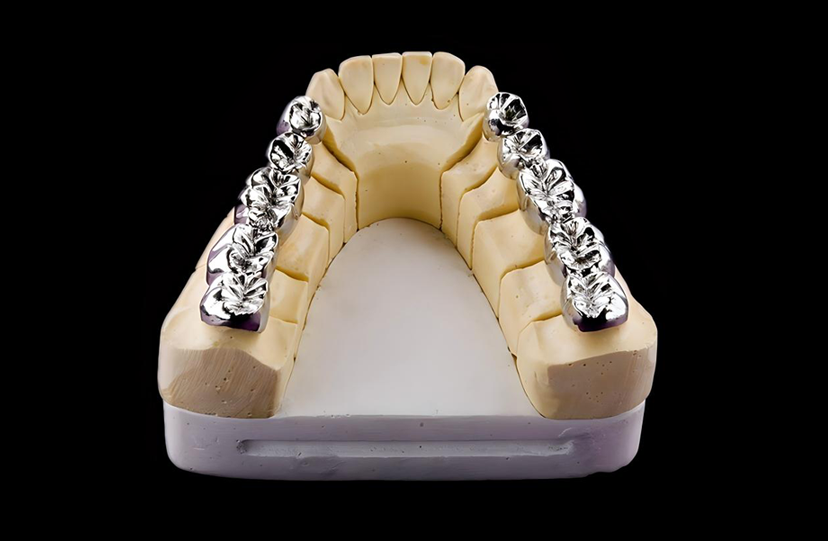
.webp "High-Noble Gold (HNG)")
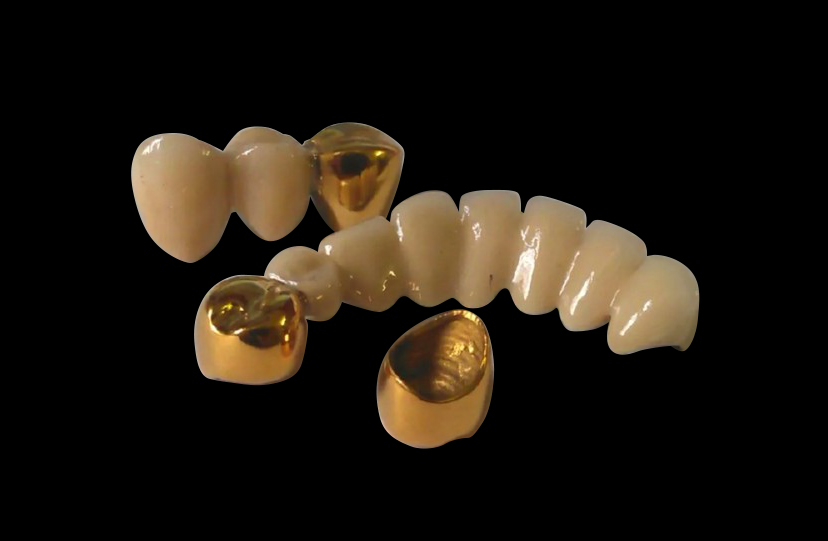
.webp "Co-Cr Crown (Cobalt-Chrome)")
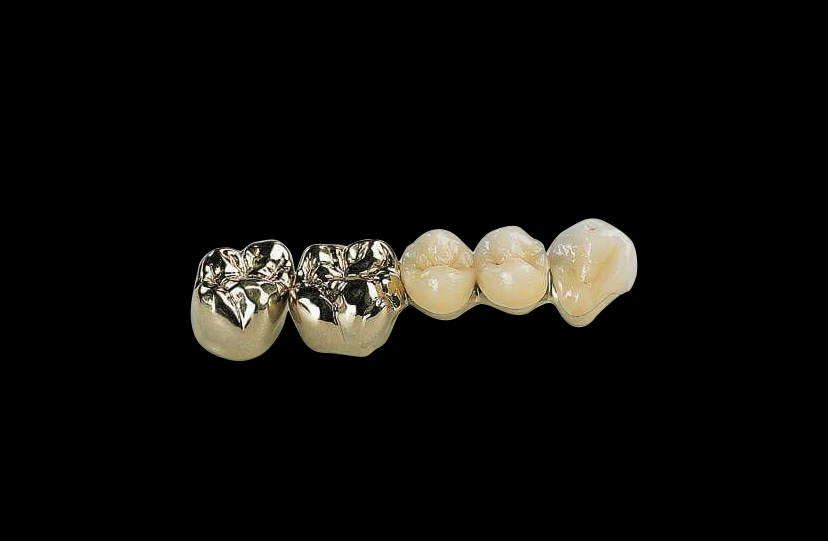
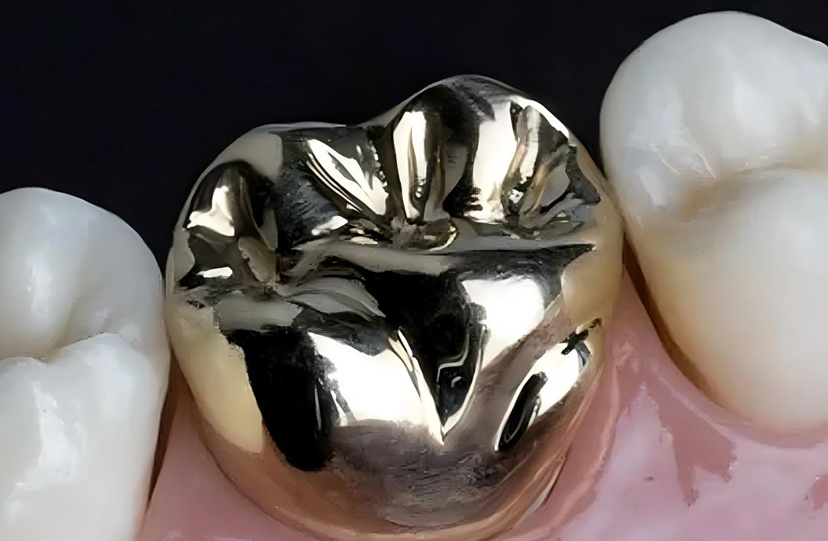
.webp "Silver-Palladium Crown (Ag-Pd)")
 Full Cast Crowns.webp "Base Metal (Non-Precious) Full Cast Crowns")