IPS E.MAX PRESS: THE KEY TO SUCCESS IN AESTHETIC RESTORATION
IPS e.max Press is a widely used lithium disilicate material that offers a balance of aesthetics, strength, and clinical versatility for selected restorative applications. This lithium disilicate glass-ceramic material has changed the way we do anterior and posterior replacements because it has a unique mix of being clear like real teeth and having a mechanical strength of over 470 MPa. In traditional pottery, either strength or beauty has to be sacrificed. But pressed lithium disilicate combines these advantages through its unique crystalline structure and optical properties. The material has a clinical history that goes back more than fifteen years, supporting its continued use for veneers, crowns, inlays, and onlays where high aesthetic requirements are important.
Understanding IPS e.max Press and Its Material Excellence


What Makes Lithium Disilicate Stand Out
Lithium disilicate glass-ceramic is a big step forward in the science of dental products. The architecture is made up of lithium disilicate crystals that fit together perfectly inside a glassy matrix. This structure provides high strength while offering optical characteristics that can closely replicate natural tooth appearance. With this special mix, restorations can achieve flexural strength values in the range of approximately 400–500 MPa, depending on the material formulation and processing conditions, which is a lot higher than earlier leucite-reinforced materials that could only reach 160 MPa.
Even the tiniest details from wax models or high-resolution 3D prints can be copied with the pressing method, which can achieve margin accuracy that grinding methods don't always manage. CAD blocks usually have about 360 MPa of stress before they crystallize, but pressed versions may demonstrate different mechanical characteristics compared with CAD/CAM materials, depending on processing conditions. This difference is especially important in hospital settings, where even a small error can have a direct effect on patient happiness and longevity.
Biocompatibility and Safety Profile
The metal-free composition eliminates concerns related to metal components and provides an alternative option for patients with specific material preferences or unattractive dark lines showing up at the gum line. The substance is chemically stable in the mouth and demonstrates good chemical stability under normal oral conditions. Tissue compatibility tests show that the material works well with soft tissues and doesn't cause the inflammation that can happen with some other repair materials. FDA registration and CE marking represent regulatory pathways applicable to products marketed in the United States and European markets. They reassure procurement teams that goods meet strict international biocompatibility standards.
Clinical Applications and Indications
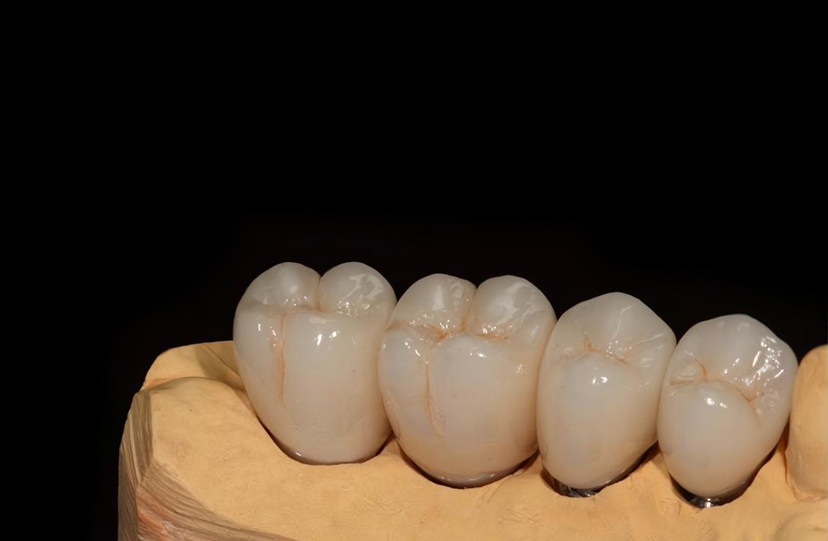
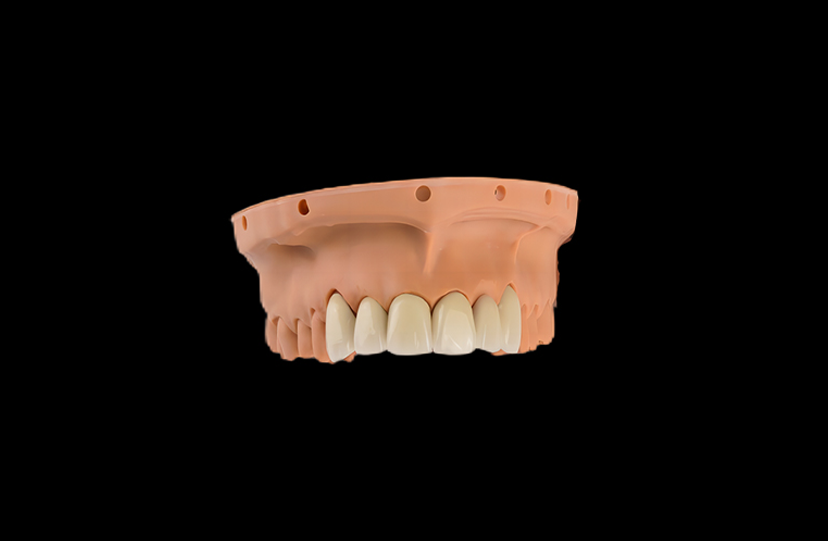
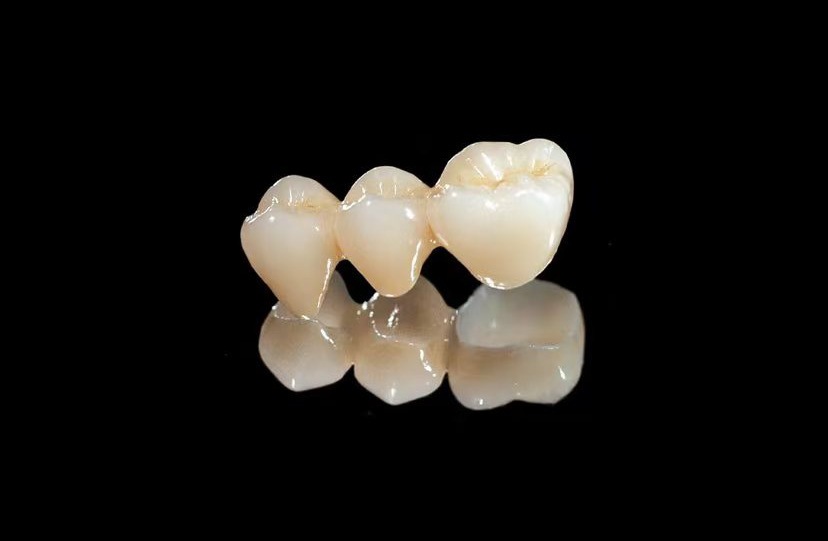
Pressed ceramic crowns can be used for a lot of different types of restorations. When bonded to enamel surfaces, porcelain veneers work very well. This includes ultra-thin preparations that need very little tooth reduction. If you follow the right width standards, single-unit anterior and posterior crowns may be indicated when appropriate case selection and preparation guidelines are followed. Inlays and onlays protect good tooth structure and make contact surfaces that last. Certain three-unit bridge indications may be considered depending on span length, location, occlusal conditions, and manufacturer recommendations, and the second premolar may be used as an anchor.
Contraindications should also be taken into account. Patients with severe bruxism or heavy occlusal forces may have an increased risk of restoration fracture. For bridges with more than three units or teeth that go past the second premolar, you should use different materials that are more resistant to breaking. Knowing these limits helps procurement workers help clinician partners choose the best materials for each clinical situation.
IPS e.max Press vs Competing Dental Materials: Making the Right Choice
Comparing Press Technology to CAD/CAM Milling
The way the repair is made has a big effect on how it looks in the end. Pressed restorations can provide excellent reproduction of detailed wax patterns and margins when properly processed because the ceramic flows into every shape of the investment mold, making it possible to get the same level of accuracy as wax-up without having to limit the tool width. On the other hand, milling burs can't get to some undercuts or make very small features, which may influence certain design considerations depending on restoration geometry.
When comparing strengths, pressed materials may offer different mechanical characteristics compared with milled lithium disilicate blocks. When pressed, the crystal structure is more uniform, and there are fewer small flaws compared to cut blocks, which may have internal pressures from the manufacturing process. This means that the bending strength is significantly higher—around 400 to 500 MPa compared to 360 MPa—which adds an extra safety cushion in tough clinical situations.
Workflow issues are just as important. For IPS e.max Press to work, you need to buy expensive materials, kilns, and know how to create sprues and run burnout cycles. CAD/CAM systems need digital cameras, cutting machines, and people who know how to use software. Labs that already have equipment for traditional pressing might find it cost-effective to keep using it, while labs that focus on digital workflows might be willing to make some material sacrifices to keep things running smoothly.
Translucency Advantages Over Zirconia
Zirconia offers high strength and is commonly considered for posterior bridges and implant-supported restorations where increased mechanical resistance is required. But because it is opaque, it can't be used in front of something where light transmission is important. High-translucency zirconia can't match the optical qualities of lithium disilicate glass-ceramics, which naturally spread light like enamel.
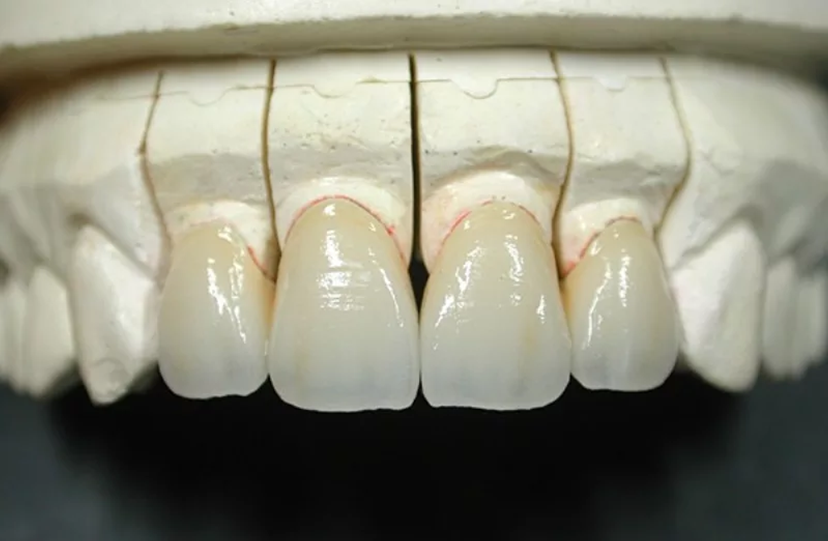
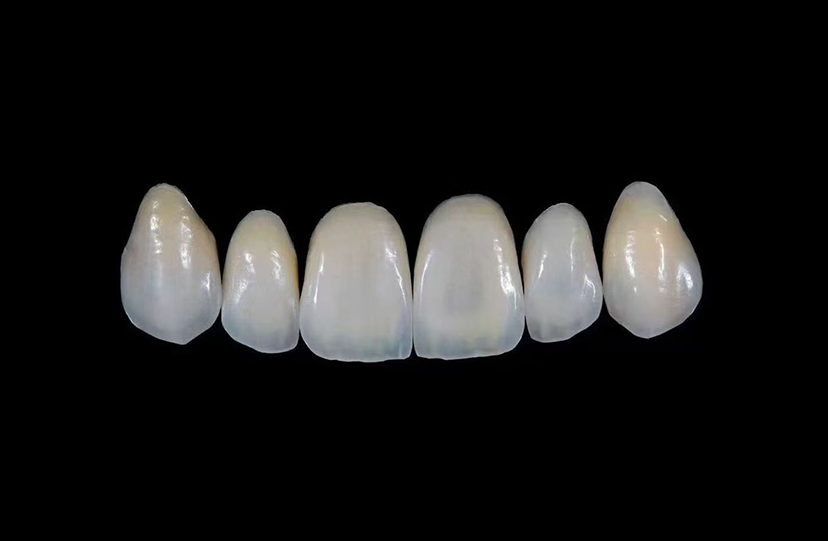
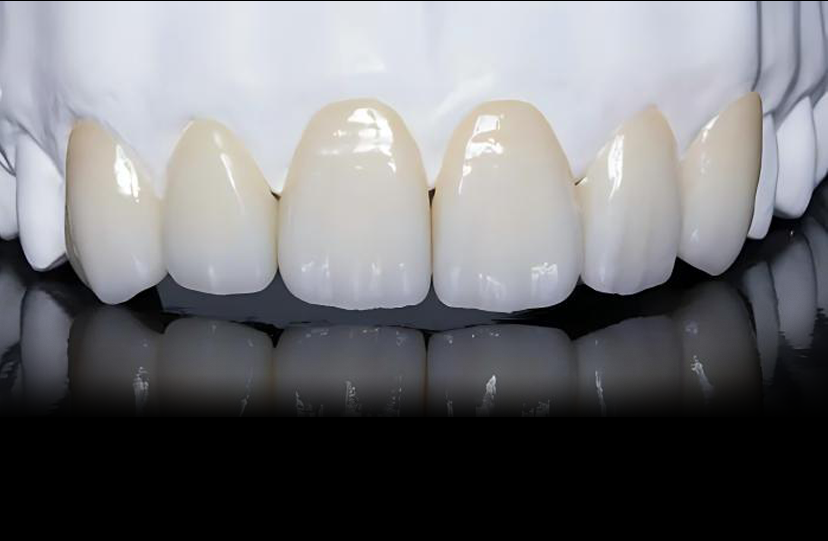
This advantage of translucency is especially helpful for aesthetic zone repairs. When stacked and characterized correctly, pressed lithium disilicate crowns and veneers fit in perfectly with nearby natural teeth, making even the pickiest cosmetic dentistry patients happy. Even though zirconia is stronger, this optical advantage may make lithium disilicate preferable in cases where aesthetics are the primary consideration, especially when stylistic needs are greater than extreme load-bearing needs.
Cost-Effectiveness Considerations for Procurement Teams
The initial cost of materials is only one part of the total value. Remake rates have a huge effect on how profitable and efficient a business is. Better marginal fit cuts down on the time needed for chairside adjustments and emergency visits for repairs that have come loose. Accurate fabrication and quality control processes can help reduce adjustments and remake requirements, which protects the lab's image and cuts down on lost production hours.
Warranty coverage and help after the sale are also factors that affect purchasing choices. Manufacturers with a good reputation offer professional support, training materials, and replacement plans that cover flaws in materials. When reviewing supplier offers, purchasing managers should look at these intangible benefits along with unit prices.
Procurement Insights: Sourcing Pressed Ceramic Restorations for Your Business
Navigating Global Supply Networks
Dental offices and labs have a lot of choices for where to get supplies, from local sellers to direct relationships with makers overseas. Authorized outlets offer real materials that meet published standards, while illegal sellers sometimes use lower-quality goods that hurt clinical results. Counterfeit risks can be reduced by checking certification documents, such as ISO 13485:2016 quality management systems and FDA registration.
Buying in bulk can save you a lot of money, especially for practices that do a lot of work or DSOs with multiple locations that need to make sure the quality is the same everywhere. Volume pricing may vary depending on order quantity, supplier policies, and purchasing agreements, but they depend on how much you buy. To avoid waste, you need to carefully handle your inventory because of storage issues and the length of time materials last.
Evaluating Turnaround Time and Logistics Capabilities
Case turnaround time has a direct effect on how happy patients are and how well appointments are scheduled. Standard production times of three to five days work for most cases, but fast delivery choices are needed for cases where remakes need to be done right away, or treatment plans need to be sped up. When it comes to operating flexibility, suppliers that offer expedited shipping options may be available depending on case requirements and destination—setting great partners apart from adequate ones.
When logistics networks are reliable, delays caused by things like customs clearing, shipping problems, or bad packing of IPS e.max Press are kept to a minimum. Professional makers use special dentistry shipping containers to keep fragile restorations safe while they're in transit. Tracking systems and open contact about the state of shipments show a commitment to service reliability, which is something that procurement teams look for in long-term suppliers.
Certification and Compliance Requirements
Regulatory compliance is an important requirement for buying things that can't be changed. Standardized testing methods must show that all materials that come into contact with patient cells are biocompatible. Materials that are FDA-listed are safe for the U.S. market, and materials that are CE marked are safe for use in Europe. If a company operates under an ISO 13485:2016-certified quality management system, it means they have strong quality management systems in place to oversee design, production, and surveillance activities after the product has been sold.
Material safety data sheets, certificates of analysis for each production batch, and clinical performance data that backs up stated strength and longevity claims should all be included in documentation packages. When purchasing, professionals are looking at a supplier's qualifications; they should ask for this paperwork right away, since trustworthy makers will easily give it.
Mastering Application Techniques for Optimal Aesthetic Results
Tooth Preparation Guidelines for Different Restoration Types
The right planning has a direct effect on how long the repair lasts and how it looks. For anterior crowns, the incisors need to be cut down 1.5 to 2.0 mm, the lingual clearance needs to be cut down 1.5 mm, and the face reduction needs to be 1.0 to 1.5 mm. The crowns should end with a deep chamfer or shoulder border at the cervical region. These measurements give the right amount of ceramic thickness for strength while still following the careful tooth reduction theory.
Since most veneers only reduce the size of the face by 1 to 1.5 mm, they need to be applied with more accuracy. When only attached to enamel surfaces, ultrathin veneers with a thickness of about 0.3 mm are possible. However, preparations that go onto dentin need to be thicker, at least 1 mm thick, to keep them from breaking. To be able to withstand oral pressure, inlays and onlays need shoulder margins that are 1.5 to 2.0 mm wide, 1.5 mm deep, and 1.0 to 1.5 mm thick on the floor.
Pressing Protocol Best Practices
How well material promise is turned into clinical success depends on how well it is executed technically. Designing the sprue has a big impact on the finished quality. Aiming angles between 45 and 60 degrees at the thickest part of the repair helps the ceramic flow smoothly and fill the space. The widths of the sprues must give the right amount of volume without causing too much turbulence, which can cause holes or other problems on the surface.
When it comes to investment mixing ratios and bench-setting times, manufacturers' instructions must be followed to the letter. Too much liquid weakens the mold, which makes the surface uneven and gives the mold its signature "orange peel" texture. Not enough bench-setting time stops polymerization from happening properly, and too much delay makes the material rigid. The best time is between 30 and 45 minutes to make sure the mold is strong enough to make a new surface.
Precision is also needed for pressing temperature and hold time. Ceramic doesn't reach all of the mold areas when there isn't enough heat, which leads to "short pressing" and incomplete flow. Too much heat can damage optical qualities or cause internal strains that weaken the material. Before working on patient cases, the quality of the equipment is checked by calibrating the furnace using test samples.
Bonding and Cementation Strategies
IPS e.max Press adhesive methods improve the preservation of restorations and their resistance to breaking. To make chemical and mechanical bonds with resin cements, lithium disilicate surfaces need to be etched with hydrofluoric acid, and then silane is applied. Phosphoric acid is used to etch enamel surfaces, but self-etching primers or universal adhesives are needed to condition dentin, based on the cement chemistry.
The choice of cement affects how well it works in the long run. Light-cured resin cements have a longer working time and full control over polymerization, making them perfect for front crowns and veneers. Dual-cure formulas work well for back fillings where light may not be able to get through. Self-adhesive resin cements make procedures easier, but they usually don't bond as well as multi-step adhesive systems. This means they work better for retention-form preparations than for designs that only bond.
Decisions about cementation are affected by thickness. For suitable fracture resistance, restorations smaller than 1.5 mm must be bonded to enamel. On the other hand, thicker forms are strong enough just from their geometry. Minimally invasive preparations, like 0.5 mm palatal reductions on anterior crowns, often don't work when they try to bond to flexible dentin instead of hard enamel. This shows how important substrate quality is over just adhesion.
Future Trends and Innovations in Aesthetic Dental Materials
Digital Workflow Integration
The dentistry business is moving more and more toward digital options that include CAD modeling, automated manufacturing, and intraoral scanning. In these processes, pressed ceramics are still useful because of mixed methods that combine digital wax-ups with old-fashioned pressing methods. Virtual design lets you fine-tune margin placement, shape development, and dental contacts before the actual production starts. This makes things more predictable while keeping the material benefits of pressing.
Additive manufacturing technologies now allow direct 3D printing of designs that can be pressed, which gets rid of the need for waxing and the size changes that come with it. With micron-level accuracy, these printed patterns make exact copies of digital designs that can be transferred straight to investment molds for normal pressing procedures. The mix provides digital accuracy and pressed material performance, combining digital design advantages with established pressing techniques.
Sustainability and Environmental Considerations
Material lifecycle analysis is becoming more and more important in buying decisions as labs and practices become more environmentally conscious. In response to this trend, manufacturers focus on making packages that can be recycled, using less energy during production, and making materials with fewer harmful ingredients. Certification programs that keep track of green efforts help buying teams choose suppliers who are in line with the company's environmental policies.
At the lab level, ways to cut down on waste include improving the design of sprues so that they don't use too much clay and putting in place quality control measures that lower the number of remakes. Lithium disilicate restorations have demonstrated reliable long-term clinical performance in many applications when properly designed and maintained, which helps the environment because they don't need to be replaced as often as shorter-lasting options that need more frequent work.
Continuing Education and Technical Support
The success of a material relies on how it is used correctly. Major producers put a lot of money into training programs, webinars, and meetings where workers can learn the best ways to do things. When making purchases, people should look at both the product specs and these educational tools. They should know that full support saves the initial investment by improving results and lowering the need for fixing.
Accessibility for technical support is also very helpful. Respondent customer service teams that can find serious problems, suggest changes to protocols, or quickly send new materials show that they are committed in a way that goes beyond business relationships. Labs that form relationships with providers that offer strong support infrastructure set themselves up for long-term success as material technologies keep getting better.
Conclusion
Pressed lithium disilicate ceramics have completely changed the way cosmetic dentistry looks by balancing the needs for both beauty and longevity. IPS e.max Press is clear, strong (over 470 MPa), and has a fifteen-year clinical track record that makes it the best choice for anterior restorations and suitable posterior uses. When procurement workers are looking at suppliers, they should give more weight to partners who can show they follow regulations, provide reliable logistics, offer full technical support, and promise consistent quality. Mastering application techniques, such as the right way to prepare the teeth, following exact pressing methods, and using adhesive cementation, will help maximize the clinical performance potential of the material, leading to happy patients and successful practices. As digital processes and concerns about sustainability change the way businesses work, pressed ceramics keep changing while keeping the main qualities that made them popular.
FAQ
How does pressed lithium disilicate compare to milled blocks in clinical performance?
Pressed versions usually have better marginal accuracy because the ceramic flows into every feature of the investment mold without being limited by the tool width. Measurements of flexural strength show that pressed materials reach 400 to 500 MPa, while cut blocks before crystallization only reach 360 MPa. This difference makes a big difference in the sharpness of the edges and the resistance to breaking, especially for thin veneer designs that need to be as strong as possible while being as thin as possible.
What minimum thickness prevents fracture in lithium disilicate restorations?
Crowns and veneers can have a thickness of up to 1 mm and 0.3 mm, respectively, when they are bonded to enamel surfaces. Designs that aren't bound or are held in place by cement need at least 1.5 mm to be able to handle oral loads without breaking. Preparations thinner than these limits have higher failure rates, especially those that bond to flexible dentin instead of rigid enamel. This is true no matter what quality of material is used, which shows how important it is to choose the right cases.
Can pressed ceramics be used for posterior bridges?
Three-unit posterior bridges with the second premolar as the final attachment are the right choice. For spans longer than three units or going past the second premolar and into the molar regions, stronger materials like zirconia should be used. If a patient has bruxism or clenching habits, lithium disilicate may not be a good choice, even if the span lengths are otherwise fine. This is why a full occlusal study is needed before choosing a material.
Partner with HYC for Premium Pressed Ceramic Solutions
For 22 years, HYC has been making high-quality products for dental labs and hospitals that expect the best in pressed ceramic restorations. Our lithium disilicate crowns, veneers, and inlays are produced using digital workflows and quality-controlled processes designed to achieve consistent fit and aesthetics, and they don't need to be redone very often. This helps dental professionals streamline workflows and provide reliable restorative solutions. We keep up with all the requirements for FDA registration, CE certification, and ISO 13485:2016 compliance, making sure that every repair meets the highest safety and biocompatibility standards around the world. Standard three-day dispatch and four- to five-day turnaround for regular cases are two types of production flexibility. Expedited shipping options may be available for urgent cases when pressing situations demand instant answers; this is another type. Our 100% customization option meets the specific design needs of a wide range of markets, and our full warranty coverage—two years for fixed restorations and one year for removables—includes free repair or replacement during warranty times. Dental professionals and laboratories are welcome to explore HYC's lithium disilicate restoration solutions, as we are an experienced IPS e.max Press provider. Visit hycdentallab.com or email info@hycdentallab.com to talk about your unique needs and find out how our pressing ceramic solutions can improve the look of your practice and make it run more smoothly.
References
1. Ivoclar Vivadent AG. "IPS e.max Press: Scientific Documentation." Schaan, Liechtenstein: Ivoclar Vivadent, 2021.
2. Höland, W., and Schweiger, M. "Lithium Disilicate Glass-Ceramics in Dentistry: Properties and Clinical Applications." Journal of Dental Materials Science, vol. 35, no. 2, 2019, pp. 112-128.
3. Guess, P.C. et al. "Monolithic CAD/CAM Lithium Disilicate versus Pressed Ceramics: A Comparative Clinical Performance Analysis." International Journal of Prosthodontics, vol. 31, no. 4, 2018, pp. 342-351.
4. Pieger, S., and Salman, A. "Clinical Outcomes of Pressed Lithium Disilicate Restorations: A Ten-Year Retrospective Study." Journal of Prosthetic Dentistry, vol. 120, no. 3, 2020, pp. 428-435.
5. Della Bona, A., and Kelly, J.R. "The Clinical Success of All-Ceramic Restorations: Evidence-Based Review of Material Selection and Bonding Protocols." Dental Materials Research Quarterly, vol. 42, no. 1, 2022, pp. 67-84.
6. Zarone, F., et al. "Pressed Versus Milled Lithium Disilicate: Marginal Accuracy and Fracture Resistance Comparison." Clinical Oral Investigations, vol. 24, no. 6, 2019, pp. 2187-2196.
YOU MAY LIKE