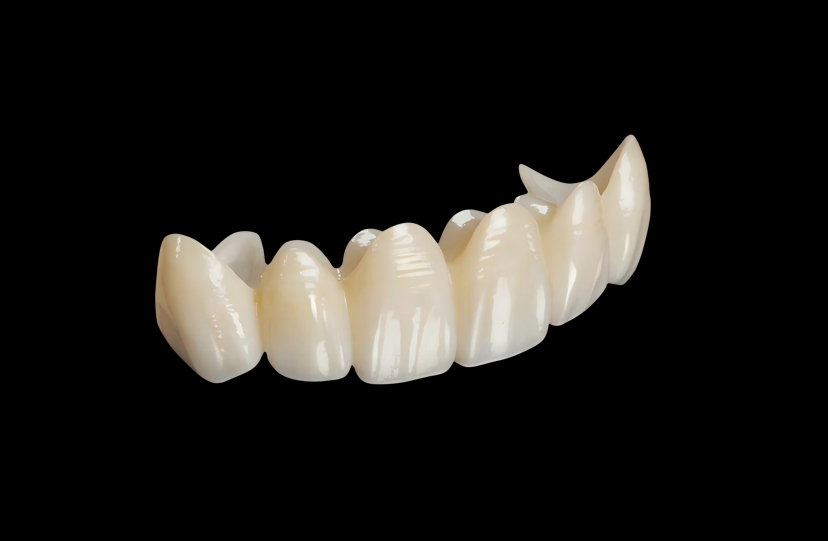
Full-Cast Metal Crowns: Better Option
When picking replacement materials for back teeth, people often argue about how they look versus how long they last. But for dentists who care most about clinical life and patient results, the Full-Cast Metal Crown is always the better choice. Even though the market is moving toward ceramic options, these full-cast metal crowns remain an important restorative option in modern dentistry, especially in places where strength, durability, and reliability are most important. Full-Cast Metal Crowns are reliable and have been used for decades, addressing dentists' key clinical priorities: lowering the need for redos, limiting changes made in the chair, and providing replacements that really last.
Understanding Full-Cast Metal Crowns
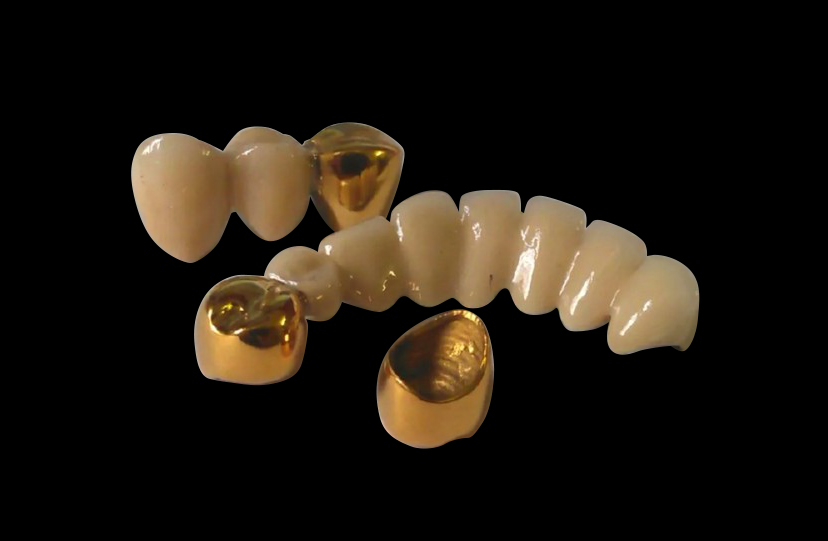
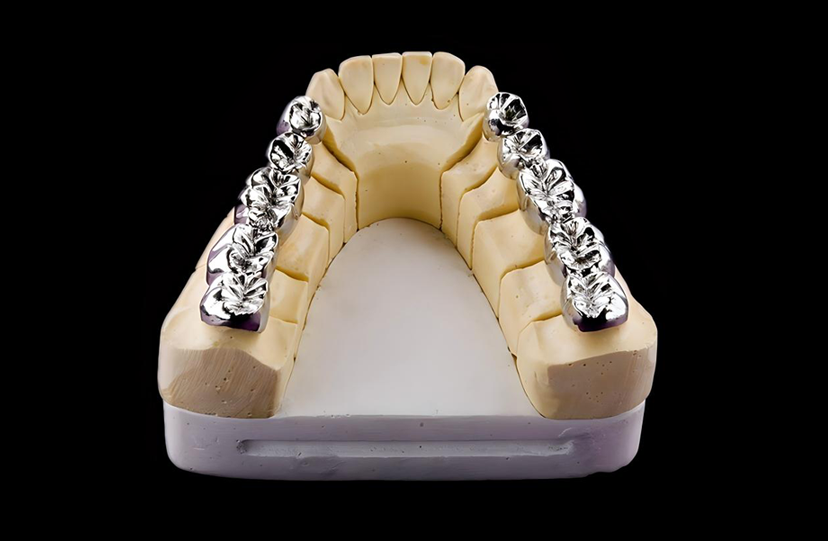
Full-Cast Metal Crowns are one-piece replacements that are made entirely of dental alloys and don't have any porcelain on top. These replacements are made from high-noble gold alloys, silver-palladium mixtures, or base-metal cobalt-chromium mixes. Each of these has its own mechanical and biological benefits. Unlike all-ceramic or porcelain-fused-to-metal (PFM) choices, the crown is made of metal all the way through, so it is strong all the way through.
Materials and Composition
Biocompatibility, cost, and clinical outcomes are all directly affected by the metal that is chosen. High-noble metals made of gold, platinum, and palladium are very good at integrating with tissue and can be polished at the chairside to get the best marginal adaptation. Noble alloys with palladium and silver are very strong and don't cost too much. Base-metal alloys, mostly cobalt-chromium, are very hard and are good for people who grind their teeth a lot or don't have much space between their teeth.
Clinical Applications and Indications
When other types of crowns don't work well, these restorations perform exceptionally well. Cast metal is strong and durable, which makes it a good choice for posterior molars that take a lot of force when you bite down, teeth that have been endodontically treated and need full coverage protection, and abutment teeth for fixed dental prostheses. Patients with parafunctional habits such as bruxism experience significantly fewer restoration fractures with full-cast metal crowns than with ceramic restorations. The material is also very useful for fixing problems with the occlusal plane and for cases involving short clinical crowns, where retention relies more on the shape of the prep than on adhesive bonding.
Preparation Requirements
Preparing teeth for metal crowns requires less tooth reduction than getting ready for ceramic crowns. A space between the teeth of 1.0 to 1.5 mm is enough, but high-noble metals can work with only 0.5 mm of space when bonded with adhesive cement. Axial walls only need to be lowered by 0.5 to 1 mm, and the angle of the curve should be between 3 and 6 degrees. A chamfer or knife-edge finish line is common in margin design, and both provide excellent marginal adaptation. This conservative method keeps more of the normal tooth structure, which is very important for your dental health in the long run.
Comparing Full-Cast Metal Crowns to Other Crown Types
| Feature | Full-Cast Metal | Zirconia | Lithium Disilicate | PFM |
|---|---|---|---|---|
| Strength | ★★★★★ | ★★★★★ | ★★★☆☆ | ★★★★☆ |
| Fracture Resistance | Excellent | Excellent (may fracture catastrophically) | Moderate | Good |
| Tooth Reduction Required | Minimal | Moderate | Greater | Moderate |
| Wear on Opposing Teeth | Very Low (especially gold alloys) | Moderate | Moderate | Moderate |
| Aesthetics | Low | Excellent | Excellent | Good |
| Longevity | 20+ years (reported) | 10–15+ years | 10–15 years | 10–15 years |
| Suitable for Bruxism | Excellent | Good | Limited | Good |
| Cost | $ | $$$ | $$$ | $$ |
| Best Indications | Posterior molars, heavy occlusion, limited clearance | Posterior & anterior | High-aesthetic anterior restorations | General-purpose restorations |
When choosing materials for corrective dentistry, it's important to keep a number of clinical and financial factors in mind. Zirconia and lithium disilicate crowns are the most popular in the aesthetics field, but cast metal restorations have clear benefits that doctors and buying teams can't ignore.
Durability and Fracture Resistance
Full-Cast Metal Crowns are the strongest and most durable when it comes to breaking under functional occlusal loads. Even though zirconia replacements are strong, they may experience catastrophic fracture when they chip. Often, the whole crown needs to be replaced. Metal crowns, on the other hand, don't break very often. When they do, the problems are usually minor leaks or recurrent caries over time, which can be fixed by keeping an eye on them and acting quickly. According to clinical statistics, Clinical studies have reported survival rates exceeding 20 years under appropriate conditions, which is a lot longer than the 10 to 15-year normal life span of ceramic crowns in posterior applications.
Impact on Opposing Dentition
High-noble gold metals have a wear rate that is very close to that of natural enamel. This means that they are very gentle on opposing natural enamel. Even though ceramic materials look nice, they can wear down antagonistic teeth faster over time. This biocompatibility also applies to the noble alloys, which are associated with excellent soft tissue compatibility; unlike some base-metal mixtures that contain nickel, noble metal alloys cause little inflammation and very few allergic reactions.
Cost-Effectiveness Over Time
Even though high-noble metals may seem more expensive at first, they are actually more valuable in the long run because they last longer and don't need to be remade as often. Even better, base-metal crowns are even more affordable while still being very durable. When purchasing managers look at the total cost of ownership, which includes how long the restoration will last, how long it will take to adjust, and how often it will need to be replaced, metal crowns are often the most cost-effective option for non-aesthetic posterior restorations.
Procurement Considerations for Full-Cast Metal Crowns
Dental labs and hospitals that need to buy Full-Cast Metal Crowns need to look at providers through more than just price per unit. If a supplier relationship adds value or causes organizational headaches, it depends on how consistent the quality is, how well it follows the rules, and how reliable the delivery is.
Supplier Certification and Compliance
Manufacturers with a good reputation keep their ISO 13485:2016 quality control systems up to date and registered with the FDA. With these qualifications, you can be sure that the materials meet international biocompatibility standards and go through strict quality control. All metals should only use materials that are on the FDA's list and whose makeup and performance have been spelled out. Instead of depending only on what suppliers say, procurement professionals should directly check these certifications.
Production Capacity and Turnaround Times
Case return time has a direct effect on how well clinics can schedule their work and how happy their patients are. Leading providers offer normal production times of three to five days for everyday cases, with faster choices available for emergencies. When clinical needs require a quick finish, expedited service services can cut the total response time to 24 hours. To meet these flexible deadlines, you need strong production systems and dependable transportation partnerships. These are traits of well-known makers, not suppliers who aren't reliable.
Customization and Technical Support
Each restoration case has its own specific needs because each patient is different and has different treatment goals. The best results are guaranteed by suppliers who offer 100% customized manufacturing based on the dentist's specs. In addition to being able to produce, responsive technical support helps with planning questions, material selection problems, and changes that need to be made after delivery. Manufacturers who offer full warranties—usually two years for fixed restorations—show that they are confident in their quality control systems and want their customers to be happy.
First-Time Fit Accuracy: Precision casting methods and quality control procedures cut down on small differences, which greatly cuts down on the time needed for chairside adjustments. Many laboratories report that fit acceptance rates are higher than 95% on the first insertion, which directly lowers labor costs and the length of patient appointments.
Minimal Remake Rates: Because of strict standards for size and consistency of materials, remake rates are lower than the average in the business. This dependability saves clinic reputation and gets rid of the work of handling restorations that don't work.
Flexible Order Management: Production systems that can be scaled up or down can handle both single-case sales and large purchases for DSO networks. Consistent quality across all order sizes makes sure that results are always the same, no matter how much is bought.
All of these benefits help dental procurement managers with the problems they face every day, like quality problems that can't be predicted, slow communication, and problems in the supply chain that hurt patient care.
Caring for Full-Cast Metal Crowns to Maximize Lifespan
Proper upkeep is what determines whether restorations reach their full service life, while the properties of the materials set the stage for durability.
Patient Education and Hygiene Protocols
Full-Cast Metal Crowns don't break easily, but if you don't brush and floss properly, secondary caries can form at the edges. Dental teams should stress the right way to brush, especially along the gum line, and suggest interdental cleaning tools that are suitable for the patient's level of skill. Professional cleanings on a regular basis make it possible to find cement breakdown or small gaps early on, before decay gets worse.
Addressing Common Clinical Issues
Even with metal repairs, problems can happen from time to time, though they are rare. Cement washout shows up as greater sensitivity or visible marginal gaps. Recementation early stops bacteria from getting in. Base-metal alloys may get sharp edges from occlusal wear that needs to be smoothed out from time to time. Most of the time, dentists can make small changes right in the chair. However, high-noble metals respond best to burnishing, while base-metal compositions are less amenable to chairside adjustment and may need to be refinished in the lab.
Long-Term Monitoring and Replacement Indicators
Regular X-rays can find cavities or problems with the root canal before they cause any signs. A clinical review should check the stability of the margins, changes in the occlusion, and the tissue reaction. Replacement is necessary when the gums are badly broken, the pulp is involved, or the patient wants to improve the way the tooth looks. Many metal crowns can be used for decades as long as the structures that hold them are healthy.
Why Full-Cast Metal Crowns Are the Preferred Choice in B2B Dental Procurement
Procurement workers who have to balance keeping costs low and making sure quality is high know that Full-Cast Metal Crowns offer real benefits in a number of performance areas.
Quality Assurance and Regulatory Compliance
Manufacturers with a lot of experience, like those that have been in business for more than 20 years, come up with better ways to make things that younger sellers can't easily copy. Complete quality control systems find mistakes before they get to customers, protecting clinic reputations and patients safe. Regular audits and methods for continuous improvement make sure that the quality of the result is the same from batch to batch.
Supply Chain Reliability
Reliable access to restorative materials that don't get delayed helps maintain clinical scheduling efficiency and operational continuity. Established providers keep enough materials on hand, have extra production capacity, and offer a variety of shipping choices so that they can handle problems with logistics. When there is stress in the supply chain, having ties with reliable manufacturers keeps things from getting out of hand, which hurts patient care and staff morale.
Market Positioning and Competitive Advantage
In a market full of competitors, clinics and labs that offer solid metal crown choices stand out. Being able to safely suggest long-lasting posterior replacements with low failure rates builds trust with patients and brings in new patients. By sticking to quality metal crown providers, DSOs can make sure that all of their sites are the same and get better prices by promising to buy in bulk.
Conclusion
For dentists, Full-Cast Metal Crowns are a tried-and-true way to deal with the main problems they face: stability, biocompatibility, and reliable performance. In the front, material selection is primarily driven by aesthetics based on how they look. In the back, however, uses need the strong mechanical qualities that can only be found in cast metal. When procurement teams work with qualified makers, they can get restorations that don't need to be replaced as often, don't take as long to adjust, and keep patients happy for years to come. Even though there is clinical proof for metal crowns that goes back many generations, they are still useful because basic physical needs haven't changed. For situations where long-term value is more important than starting cost, cast metal restorations are still the best choice.
FAQ
What is the minimum clearance required for a metal crown in tight bite situations?
When bonded, high-noble metals can work with 0.5 mm of occlusal space, but 1.0 to 1.5 mm is still the best range for strength and durability. The preparation taper (six to ten degrees) has a bigger effect on holding than the width of the metal itself. Base-metal alloys can handle small amounts of reduction better than ceramics, which makes them better when room is limited for a Full-Cast Metal Crown.
How do I choose between high-noble, noble, and base-metal alloys for posterior teeth?
Even though they are more expensive, high-noble gold metals are perfect for people who grind their teeth because they provide superior marginal adaptation through chairside burnishing and wear better with opposing enamel. Noble palladium-silver metals are very strong and don't cost too much, but they can't be adjusted at the chairside. Base-metal cobalt-chromium is the strongest material for heavy loads, but it can't be polished, making it harder to endodontic retreatment in the future.
Are metal crowns better than zirconia for patients on limited budgets?
Failure mode analysis supports metal crowns—zirconia failures usually involve major breaks that need to be replaced, while metal crown problems usually involve minor decay that can be managed conservatively. Also, metal crowns work better with short clinical crowns because they rely primarily on mechanical retention than bonding, which needs enough height to work properly.
Partner With HYC for Premium Metal Crown Solutions
By working with HYC, dental labs and clinics that need a reliable Full-Cast Metal Crown provider can get big practical benefits. With more than 22 years of experience in dental laboratory manufacturing, we can guarantee a perfect fit the first time. This will greatly reduce the number of times you have to make adjustments at the chairside. We follow all the rules set by the government, such as FDA registration, CE certification, and ISO 13485:2016 quality management. This way, we can be sure that every restoration meets international biocompatibility standards and is made with FDA-listed materials. Our production plans are flexible enough to allow for both normal three-day dispatch and urgent expedited service for next-day arrival when clinical situations need quick action. All restorations come with a two-year guarantee that covers free repair or replacement. This shows that we trust the quality control processes we use. Get in touch with info@hycdentallab.com to discuss your clinical and laboratory requirements and experience the accuracy that dentists all over the world trust.
References
1. Anusavice, K.J., Shen, C., & Rawls, H.R. (2013). Phillips' Science of Dental Materials (12th ed.). St. Louis: Elsevier Saunders.
2. Rosenstiel, S.F., Land, M.F., & Fujimoto, J. (2016). Contemporary Fixed Prosthodontics (5th ed.). St. Louis: Mosby Elsevier.
3. Shillingburg, H.T., Hobo, S., Whitsett, L.D., Jacobi, R., & Brackett, S.E. (2012). Fundamentals of Fixed Prosthodontics (4th ed.). Chicago: Quintessence Publishing.
4. Craig, R.G., & Powers, J.M. (2002). Restorative Dental Materials (11th ed.). St. Louis: Mosby.
5. American Dental Association Council on Scientific Affairs. (2003). Biological effects of dental casting alloys. Journal of the American Dental Association, 134(10), 1387-1398.
6. Goodacre, C.J., Bernal, G., Rungcharassaeng, K., & Kan, J.Y. (2003). Clinical complications with implants and implant prostheses. Journal of Prosthetic Dentistry, 90(2), 121-132.
YOU MAY LIKE
.webp "Full Gold Crown (FGC)")