What Is an All-on-4 Bridge? Definition, Procedure & Cost
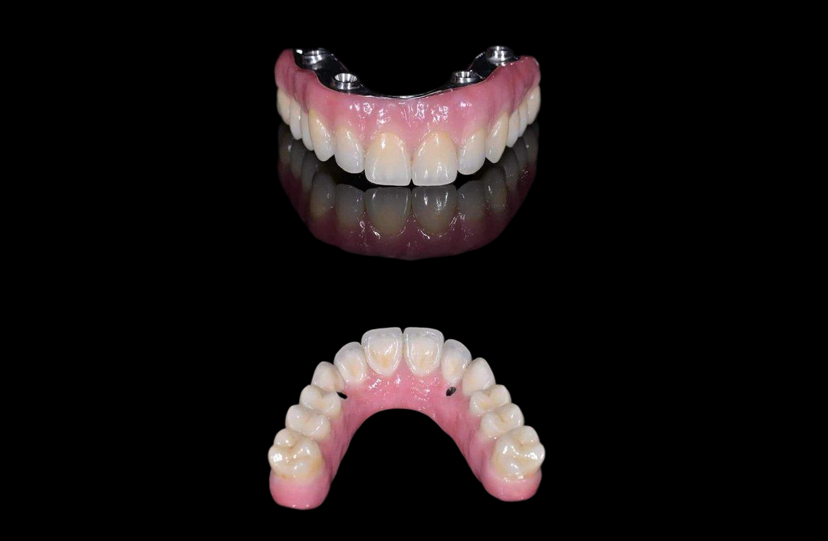
All-on-4 bridges are a type of full-arch implant restoration that attaches a full set of prosthetic restoration to just four implants that are strategically placed. This method gives people who have lost all or almost all of their teeth a set, non-removable option. To build on this, the Malong Bridge(All-on-X) system is a step forward. It has flexible implant configurations (usually four to eight implants) and a precision-milled titanium or zirconia framework that supports individual crowns instead of a single structure. This makes the system easier to fix and more aesthetic.
Understanding the All-on-4 Bridge and Malong Bridge All-on-X
The All-on-4 concept revolutionized full-arch rehabilitation by getting rid of the need for significant bone grafting treatments. By carefully angling the posterior implants, doctors can make the most of the patient's current bone volume while making surgery easier and shortening the time it takes for the patient to heal. This method has become the standard way to help people who are missing teeth get long-term tooth replacement.
Core Components of the All-on-4 System
In a standard All-on-4 restoration, four endosseous implants are put into the jawbone at specific angles and positions. Two implants in the front are put in straight, and two implants in the back are tilted up to 45 degrees to avoid anatomical structures like the maxillary sinus or mandibular nerve. An acrylic- or composite-resin prosthesis is usually connected to a metal frame as part of the prosthesis.
Introduction to Malong Bridge All-on-X Technology
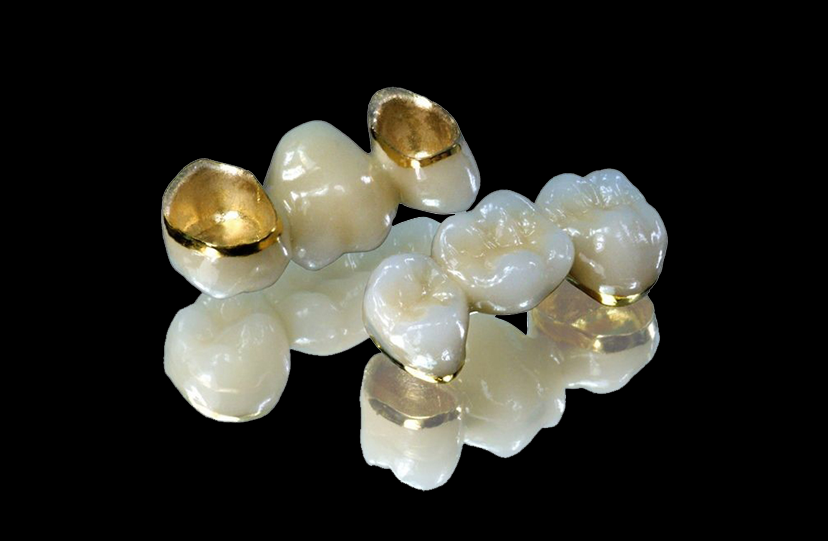
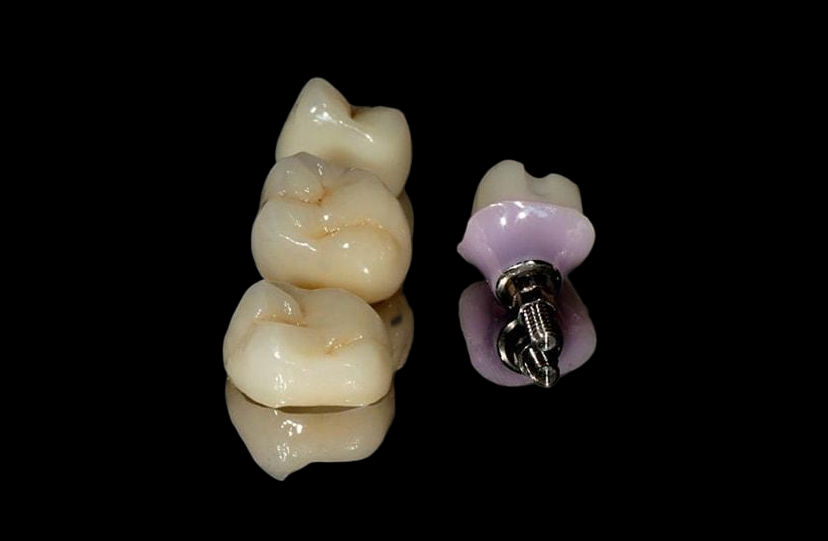
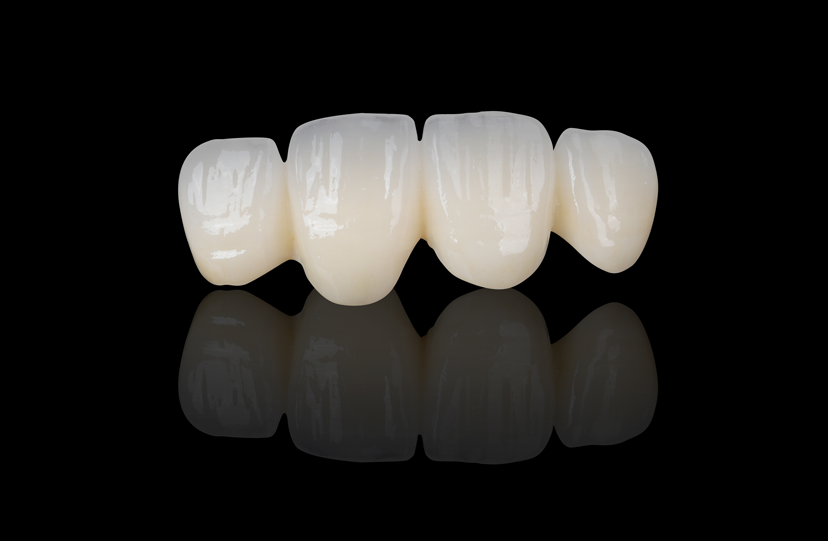
Compared to other hybrid designs, the Malong Bridge(All-on-X) system is better because it has a CAD/CAM-milled titanium or zirconia base with individual crowns bonded to the framework. This modular design solves some big clinical problems, like how to fix monolithic fractures, how to improve hygiene access around hybrid prostheses, and how expensive it is to change a whole prosthesis. The passive fit error kept below 10 microns makes sure that the load is evenly distributed across implants, which reduces bone stress and supports long-term implant stability.
Patient Suitability and Clinical Considerations
People who have enough bone density (usually Class II or III bone), want to immediate loading, and wish to avoid extensive bone grafting procedures processes are the best candidates for All-on-4 and Malong Bridge(All-on-X) options. Diabetes that isn't under control, active gum disease, smoking a lot (more than 20 cigarettes a day), and some autoimmune conditions that make it hard to heal are all reasons why this procedure shouldn't be done. Malong Bridge(All-on-X)'s flexible implant design works with patients with varying anatomical conditions. It lets prosthodontists change the number of implants based on bone quality, occlusal forces, and arch geometry.
The All-on-4 and Malong Bridge All-on-X Procedure Explained
Knowing how the procedures work helps dentists plan cases better, communicate with the lab more efficiently, and give patients fair expectations about treatment times and results.
Digital Planning and Diagnostic Phase
In Malong Bridge(All-on-X), procedures start with full CBCT scans to check bone volume, density, and structural markers. Digital planning software lets you place an implant virtually and verify implant angulation, depth, and emergence profile before surgery. This information is sent straight to surgery guides, which makes sure that the placement is done correctly. Intraoral scanning records the shape of the remaining dentition or edentulous ridges. This information is combined with radiographic data to create the temporary and permanent prostheses.
Surgical Protocol and Immediate Loading
During surgery, the the procedure is typically performed under local anesthesia with or without IV sedation or under local anesthesia for two to three hours. Implants are put in place according to digital plans, and for rapid loading methods, insertion torque values must be higher than 35 Ncm. Within hours of surgery, a prefabricated temporary bridge, which is often made from PMMA milling, is connected. This lets patients leave with a fixed provisional prosthesis the same day. This immediate loading method encourages bone regeneration and protects the structure of soft tissues while they heal.
Healing Timeline and Final Prosthesis Delivery
Osseointegration takes three to six months, and during that time, the temporary prosthesis is adjusted as needed, and frequent follow-up appointments are made to check on the healing process. Once clinical stability tests and X-rays show that the teeth are properly integrated, final impressions are taken for the permanent restoration. The Malong Bridge(All-on-X) framework is then made, and its exact fit is checked. Finally, each crown is bonded or cemented into place to finish the restoration process.
Post-Operative Care and Complication Management
Patients are given thorough care instructions that stress using a water flosser and an interdental brush to clean under the prosthesis and avoid peri-implant mucositis. The Malong Bridge(All-on-X)'s convex tissue surface design makes it easier to clean than concave blend designs. Problems that could happen include implant failure (which happens in about 2–5% of cases), prosthetic fractures, and screws coming loose. Regular recall visits help find problems early so that they can be fixed quickly, protecting the general quality of the restoration.
Comparing Malong Bridge All-on-X with Traditional and Alternative Solutions
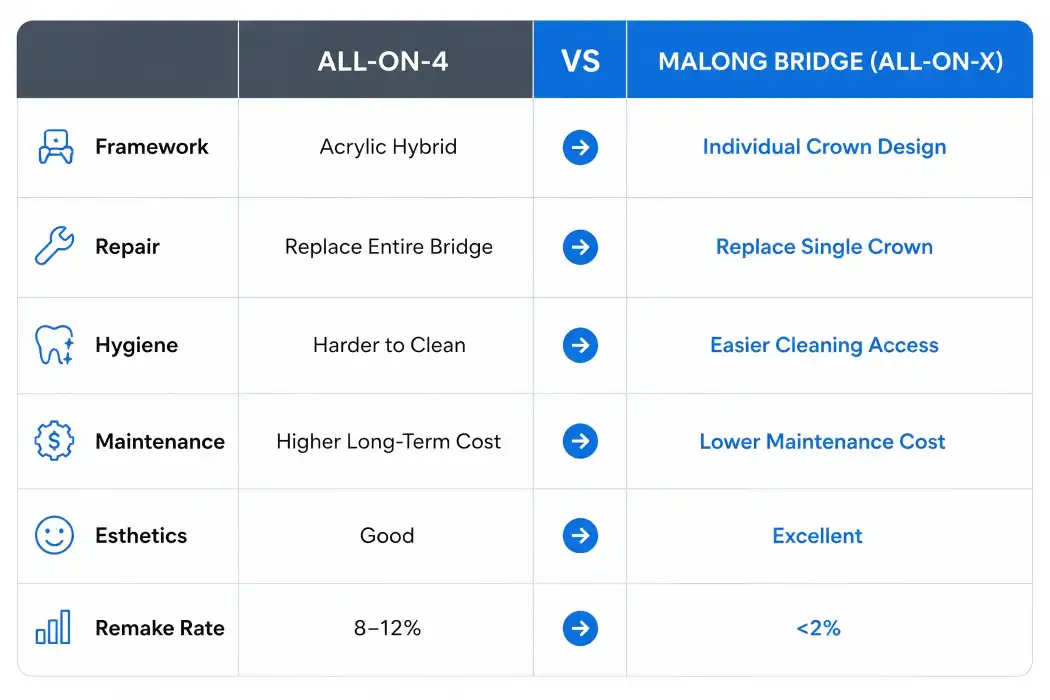
It's helpful for procurement professionals and clinic operators to know how different full-arch options stack up in terms of clinical success metrics, maintenance needs, and overall costs of ownership.
Malong Bridge(All-on-X) versus Conventional Acrylic Hybrids
Acrylic blend prosthetics that are used today are affordable and provide acceptable esthetics, but they have some problems. Because acrylic is porous, it can absorb stains and harbor bacteria, so it needs to be cleaned by a professional every six months. Fractures mean that the whole prosthesis has to be taken off to be fixed, which is inconvenient for the patient and costs the lab money. The Malong Bridge(All-on-X), on the other hand, has a modular design that lets each crown be replaced separately, without affecting the implants or framework below. This greatly cuts down on clinical chair time and remake costs. Clinical data show that remake rates for properly made Malong Bridge(All-on-X) systems are less than 2%, while rates for standard blends are between 8 and 12%.
Biomechanical Advantages Over Snap-On Dentures
Snap-on dentures are an affordable way to get implant treatment, but they are not as stable or good at preserving bone as implant-supported overdentures. Because they have to be taken off every day, attachments wear out faster and need to be replaced every 12 to 18 months. Studies on patient satisfaction always show that stable solutions like the Malong Bridge(All-on-X) are much better for quality of life, comfort, and confidence. The stiff structure of the Malong Bridge(All-on-X) evenly spreads occlusal forces across all implants. This keeps individual parts from becoming overloaded and, with proper care, extends their useful life beyond 15 to 20 years.
Material Selection Impact on Clinical Outcomes
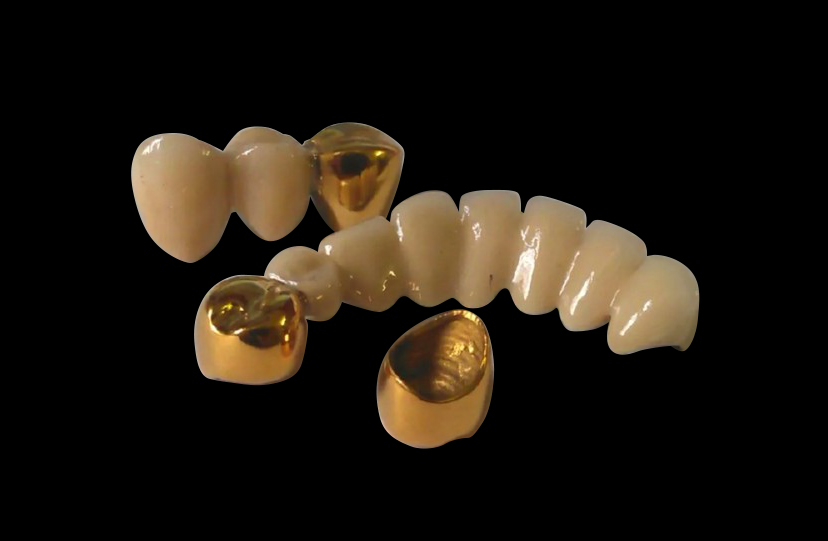
Zirconia frames look better and are naturally clear, which makes them perfect for patients with a thin gingival biotype or deep smile lines. Titanium frames have the best strength-to-weight ratios and fatigue resistance, making them perfect for patients with bruxism or don't have a lot of room between their teeth. Both materials are biocompatible with soft tissues and meet the standards for medical devices set by ISO 13485. The choice between materials is based on clinical needs rather than differences in quality, since both work well when made to specifications. Verifying the makeup of materials through mill test results guarantees medical-grade purity, which is an important quality control step for B2B procurement. Clinics that work with approved producers lower their risk of liability and ensure reliable long-term performance that boosts the image of the practice.
Cost Structure, Procurement, and Market Availability of Malong Bridge All-on-X
Understanding the overall investment required for Malong Bridge(All-on-X) solutions helps dental offices and their lab partners make smart planning and case acceptance decisions.
Component Cost Analysis
A Malong Bridge(All-on-X) treatment typically ranges from $15,000 to $35,000 per arch, depending on a number of factors. Material and surgery costs are directly affected by the number of implants. For example, six-implant configurations cost about $3,000 to $5,000 more than four-implant configurations. Choosing the right framework material is very important because zirconia milling costs $2,000 to $4,000 more than titanium options, because it needs special tools and more time to process. Individual crown manufacturing for 12–14 units requires a lot of lab work compared to monolithic designs, but this cost is spread out over the life of the prosthesis because it can be fixed more easily.
Procurement Channels and Ordering Process
Malong Bridge(All-on-X) restorations are made to order by authorized dental laboratories that have ISO 13485:2016 approval and CAD/CAM capabilities. The buying process starts with sending in a digital case that includes CBCT data, intraoral scans, and a shade selection. Production times depend on how busy the lab is, but facilities that offer faster processing can give frameworks within three to five business days as a general rule. For urgent cases, expedited turnaround services cut the time to 24 to 48 hours.
Warranty Coverage and Service Terms
Manufacturers with a good reputation usually offer full guarantee protection for two years on fixed prosthetic components and one year on removable parts. This coverage covers free restorations or replacements for problems with the way the product was made, problems with how it fits, or material failures that happen during normal use. There may be choices for longer warranties for people who buy in bulk or who sign up for yearly service contracts. This can be helpful for dental service companies with multiple locations that take care of a lot of patients. If buying managers understand these business terms, they can negotiate better deals and make sure that the supply chain works reliably, which keeps case delays to a minimum and patient satisfaction scores high.
Maximizing ROI: Maintenance, Longevity, and Post-Sale Support for Malong Bridge All-on-X
Realizing long-term value depends on following the right upkeep procedures, having realistic expectations about how long something will last, and getting quick technical help when problems arise.
Evidence-Based Durability Performance
When the right steps are taken, clinical tests of Malong Bridge(All-on-X)-style restorations show that they have survival rates exceeding 95% after ten years. During this time, the modular design is especially helpful because small crown restorations or changes can be made to fix wear without putting the whole restoration at risk. Testing for fatigue shows that titanium frames can take over 400 Newtons of biting force over millions of cycles, which is the same as decades of use without any structural degradation.
Professional Maintenance Protocols
Dental teams should set up maintenance appointments every six months that include a professional cleaning around the prosthesis, x-rays to check the bone levels, and screw torque checks. Plaque doesn't stick to the mirror-polished gingival interface (helps reduce plaque accumulation) when patients use interdental brushes and antibacterial rinses every day to keep their teeth clean. This mix of professional and patient-performed care keeps the implant healthy and the prosthesis in good shape for as long as it's needed.
Comprehensive After-Sales Support Systems
Manufacturing companies that offer strong technical support are very helpful for busy offices in many ways. Case complications are kept to a minimum, and the relationship between the dentist and laboratory is strengthened by quick contact routes that can be used to handle fit issues, shade changes, or repair methods. Being able to get new parts without having to place a minimum order ensures that single-unit fixes go smoothly, which keeps patients happy and keeps the case profitable. When training new team members or adding more services, these support systems are especially helpful because experienced technical agents can provide clinical guidance and quickly solve problems that come up out of the blue.
Conclusion
The All-on-4 bridge method transformed full-arch implant rehabilitation by making fixed tooth replacement easier for more people to get by shortening the surgery process, and letting them use their new teeth right away. The Malong Bridge(All-on-X) system builds on this base by having a unique modular design that makes it more flexible, easier to fix, and better for hygiene access. The precision-milled framework with individual crowns gives you great first-time fit accuracy, low remake rates, and long-term clinical success, whether you choose four, six, or eight implant configurations. Dental workers and procurement experts can make choices that are best for patients, run efficiently, and don't break the bank when they know about the procedure flow, comparing benefits, cost structures, and maintenance needs.
FAQ
How long does the complete treatment take from consultation to final prosthesis?
Usually, the whole process takes between four and seven months. During the first meeting, you will get an evaluation and diagnostic testing. After the plan is approved, the surgical implant placement and delivery of the temporary replacement happen within two weeks. Three to six months of healing time are needed for osseointegration to happen before the final impressions are taken. The final building of the Malong Bridge(All-on-X) takes two to three weeks, followed by an delivery appointment and any necessary changes.
What makes Malong Bridge(All-on-X) superior to standard All-on-4 hybrids?
When a crown breaks, the modular design lets you change just that crown instead of taking out the whole prosthesis. This cuts down on service costs and patient discomfort by a large amount. The precision-milled framework makes sure a passive fit with a range of less than 10 microns, which reduces implant stress. The Malong Bridge(All-on-X) convex tissue surface design makes it easier to keep your teeth clean than standard concave hybrid profiles, which lowers the risk of peri-implantitis.
Can any dental laboratory produce Malong Bridge restorations?
For production, you need advanced CAD/CAM milling tools, materials that are approved to meet FDA and ISO standards, and skilled workers who know how to use passive fit verification methods. Laboratories should show that they are certified to ISO 13485:2016 and give mill test results that prove the material's medical-grade composition. These quality measures help ensure predictable clinical outcomes and the professionals who work on them.
Partner with HYC for Precision Malong Bridge All-on-X Solutions
Dental centers, labs, and wholesalers looking for dependable Malong Bridge(All-on-X) production partners can benefit from HYC's 22 years of experience in this field. As a well-known company in the implant prosthesis field, we provide FDA-approved, CE-approved, and ISO 13485:2016-compliant implant restorations with a high first-time fit rate, reducing the need for expensive restorations. Our production is flexible enough to meet unique needs across four to eight implant configurations. Standard turnaround time is four to five days, and fast processing is available for urgent clinical cases. For set prosthetics, the guarantee covers everything for two years and includes free repair or replacement if there are any problems with the way they were made. Get in touch with our technical team at info@hycdentallab.com to talk about your unique case needs, ask for example evaluations, or look into volume pricing structures that are made to fit the needs of your practice.
References
1. Maló, P., de Araújo Nobre, M., & Lopes, A. (2019). "The Rehabilitation of Completely Edentulous Maxillae with Different Degrees of Resorption with Four or More Immediately Loaded Implants: A 5-Year Retrospective Study." International Journal of Oral & Maxillofacial Implants, 34(3), 675-684.
2. Patzelt, S. B., Bahat, O., Reynolds, M. A., & Strub, J. R. (2014). "The All-on-Four Treatment Concept: A Systematic Review." Clinical Implant Dentistry and Related Research, 16(6), 836-855.
3. Galindo-Moreno, P., León-Cano, A., Ortega-Oller, I., Monje, A., O'Valle, F., & Catena, A. (2014). "Prosthetic Abutment Height is a Key Factor in Peri-implant Marginal Bone Loss." Journal of Dental Research, 93(7 Suppl), 80S-85S.
4. Balshi, T. J., Wolfinger, G. J., Slauch, R. W., & Balshi, S. F. (2017). "A Retrospective Analysis of 800 Brånemark System Implants Following the All-on-Four Protocol." Journal of Prosthodontics, 26(6), 479-485.
5. Pozzi, A., Sannino, G., & Barlattani, A. (2014). "Minimally Invasive Treatment of the Atrophic Posterior Maxilla: A Proof-of-Concept Prospective Study with a Follow-up of Between 36 and 54 Months." The Journal of Prosthetic Dentistry, 111(3), 195-203.
6. Zarb, G. A., & Albrektsson, T. (1998). "Towards Optimized Treatment Outcomes for Dental Implants." The Journal of Prosthetic Dentistry, 80(6), 639-640.
YOU MAY LIKE