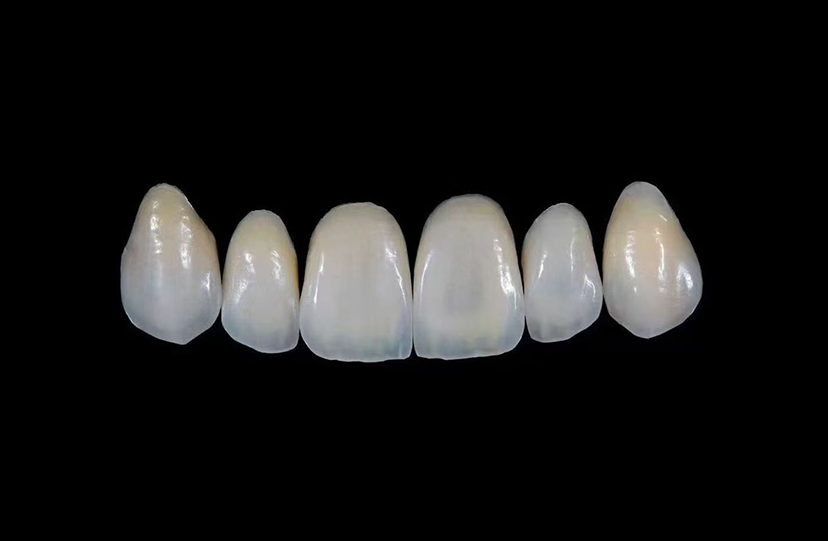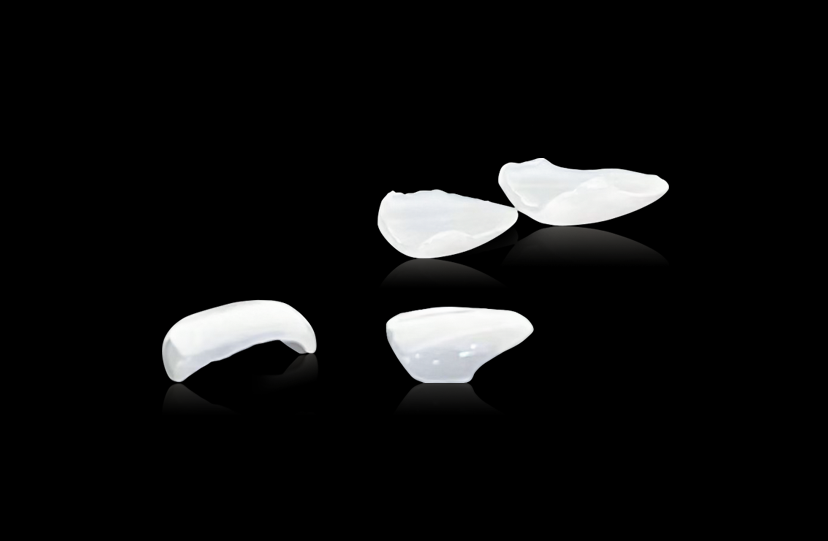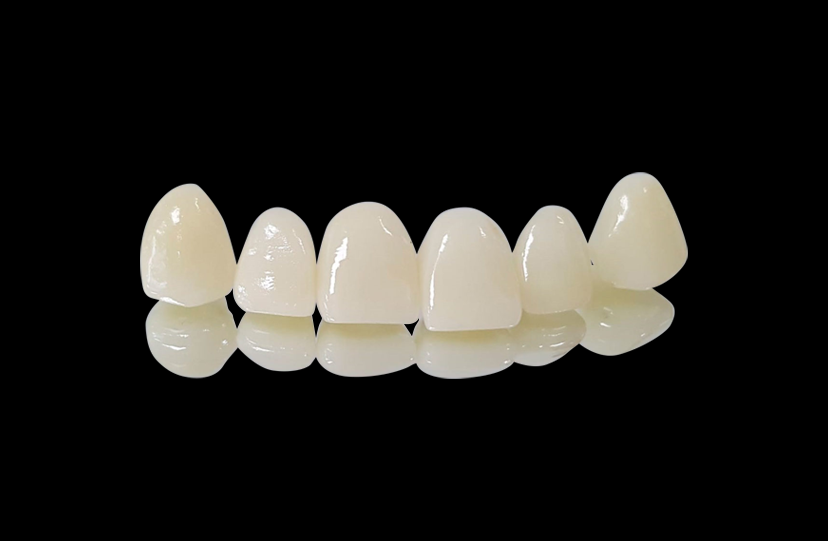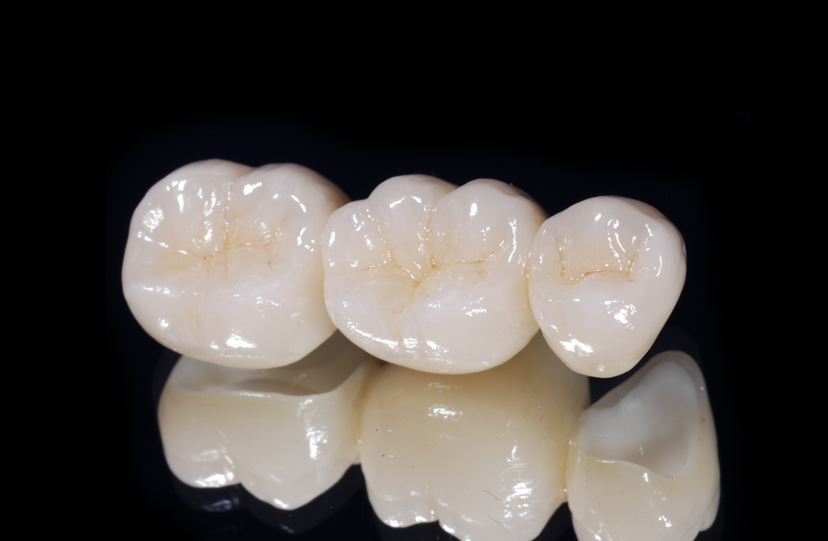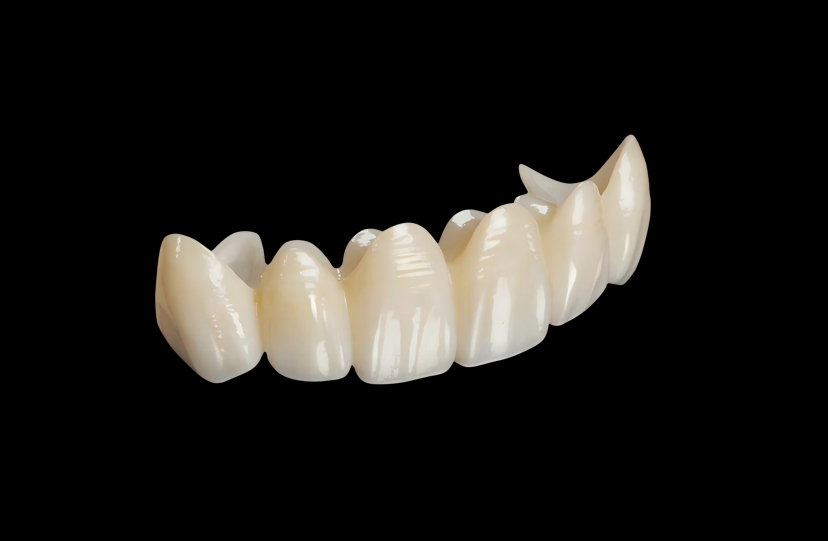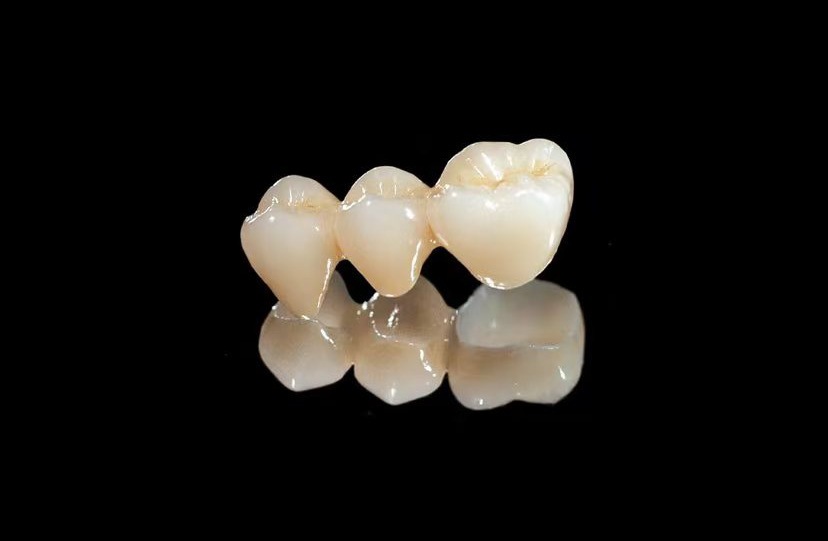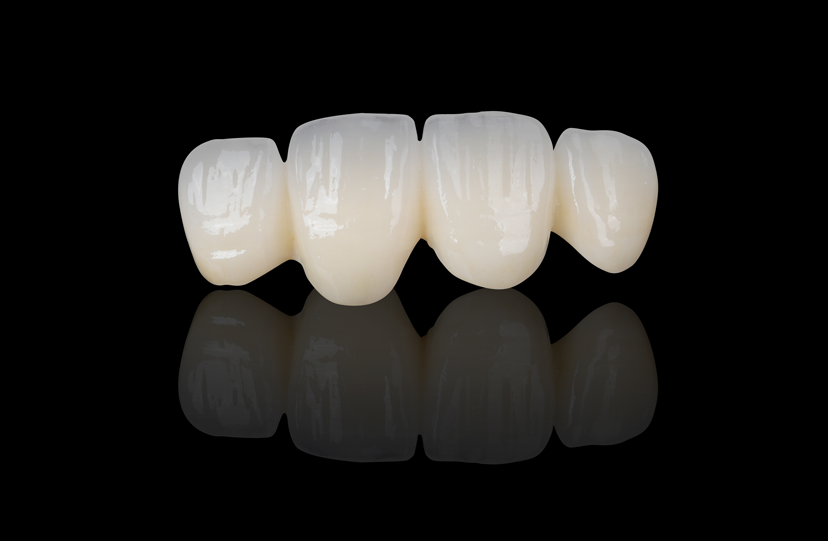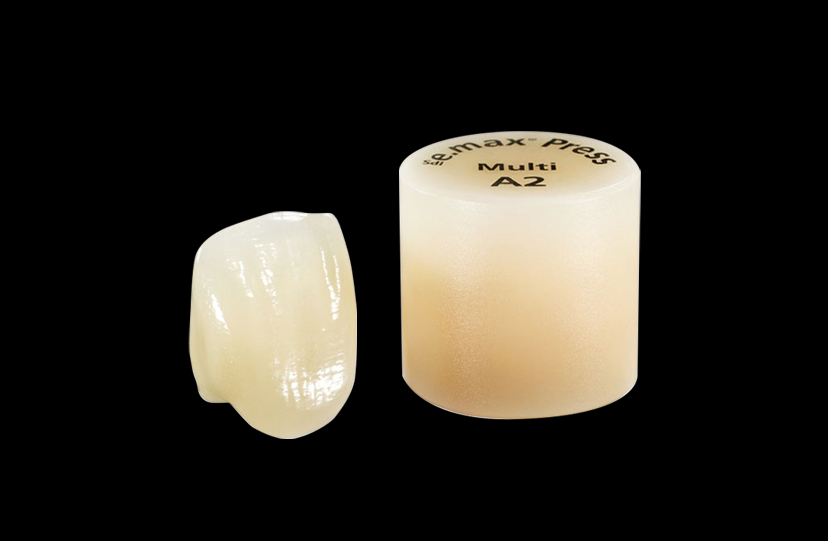
IPS e.max Press
IPS e.max Press: Premium Lithium Disilicate Restorations for Superior Clinical Results
IPS e.max Press from HYC Dental Laboratory delivers precisely that. With over 22 a long time of fabricating ability and ISO 13485 certification, we create squeezed ceramic rebuilding efforts utilizing lithium disilicate glass-ceramic innovation. Our arrangements offer flexural quality surpassing 470 MPa—three times more grounded than conventional leucite-based ceramics—while keeping up surprising translucency. Sponsored by US FDA enrollment and a 2-year guarantee on settled reclamations, we give dental experts over Europe and the US with dependable, high-precision crowns, polishes, and bridges that diminish changes and spare important chair time.
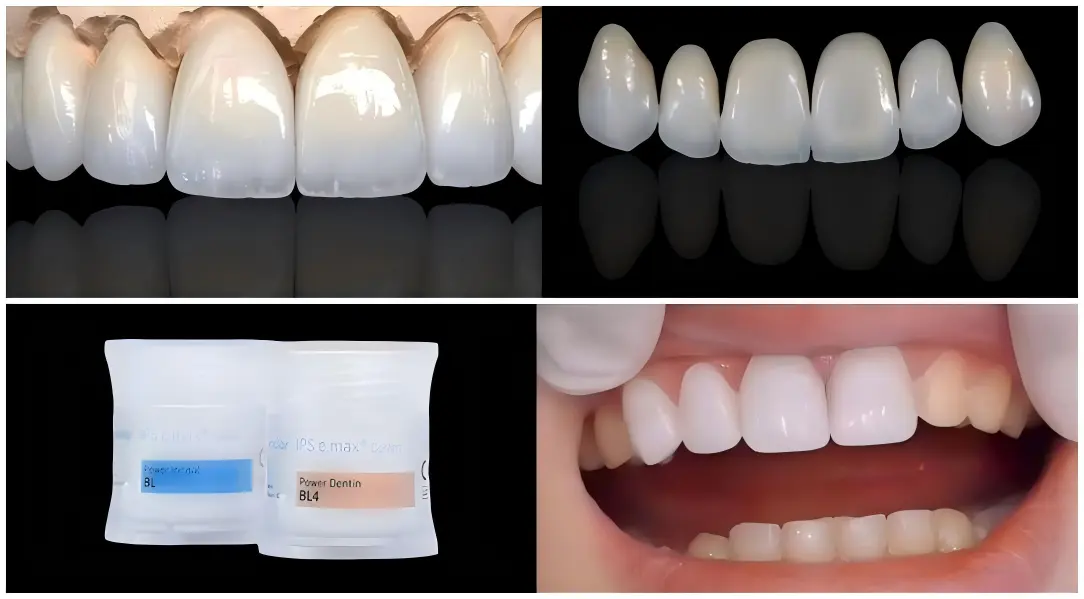
Why Choose Squeezed Ceramic Restorations?
You merit reclamations that perform flawlessly in your patients' mouths for a long time. Squeezed lithium disilicate combines quality with aesthetics in ways processed choices basically can't match.
Unmatched Exactness and Fit
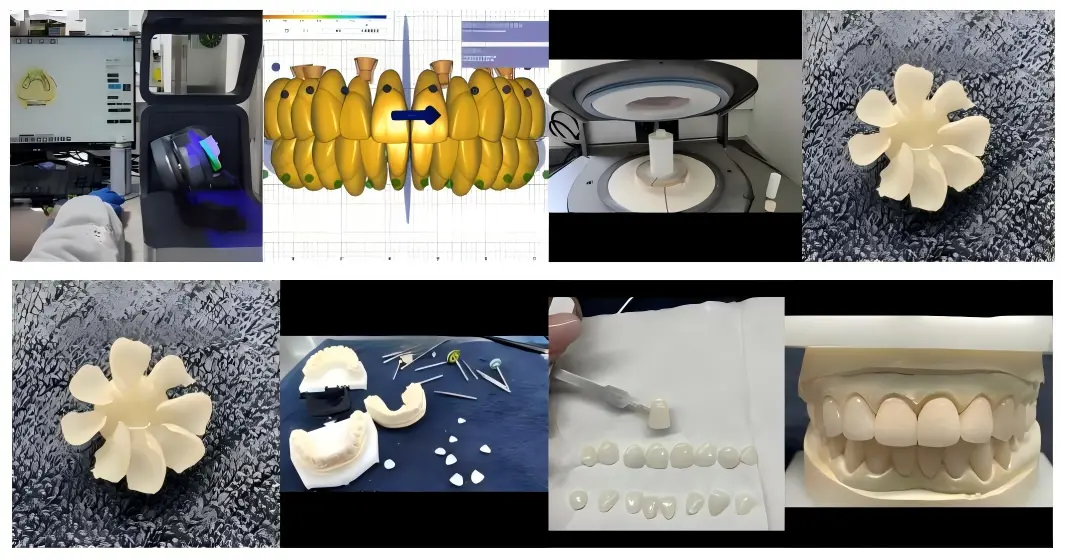
When you select the item, you're selecting a creation strategy that imitates each infinitesimal detail of your planning. The heat-pressing procedure captures the fine forms of wax-ups or high-resolution 3D prints that processing burs cannot reach.
This translates directly to your practice:
- Excellent first-time fit rate
- Minimal adjustments at seating
- Reduced chair time per case
- Lower remake costs
Our progressed CAD/CAM workflow guarantees consistency over different units, whereas the squeezing handle conveys negligible precision that advances long-term gingival health.
Superior Quality Meets Common Beauty
Your patients need rebuilding efforts they can believe. Lithium disilicate glass-ceramic gives 400-500 MPa flexural strength—robust sufficient for back applications however translucent sufficient to vanish consistently in the front zone.
The material's optical properties imitate characteristic enamel's light transmission. You'll accomplish exact essentialness without the dull edges related with PFM reclamations. Since it's totally metal-free, it's perfect for patients with metal sensitivities or those requesting the most elevated tasteful standards.
Clinical thinks about illustrate these reclamations routinely final 15+ a long time with legitimate care—a confirmation to the material's chemical solidness and biocompatibility.
Technical Specifications of IPS e.max Press
| Feature | Specification |
|---|---|
| Material Composition | Lithium disilicate glass-ceramic |
| Flexural Strength | >470 MPa |
| Translucency | High (natural light transmission) |
| Metal Content | Metal-free (100% ceramic) |
| Biocompatibility | Excellent (chemically stable) |
| Fabrication Method | Heat-pressing technique |
| Layering Compatible | Yes (for enamel characterization) |
| Clinical Longevity | 10-15 years |
Clinical Indications
| Application | Details |
|---|---|
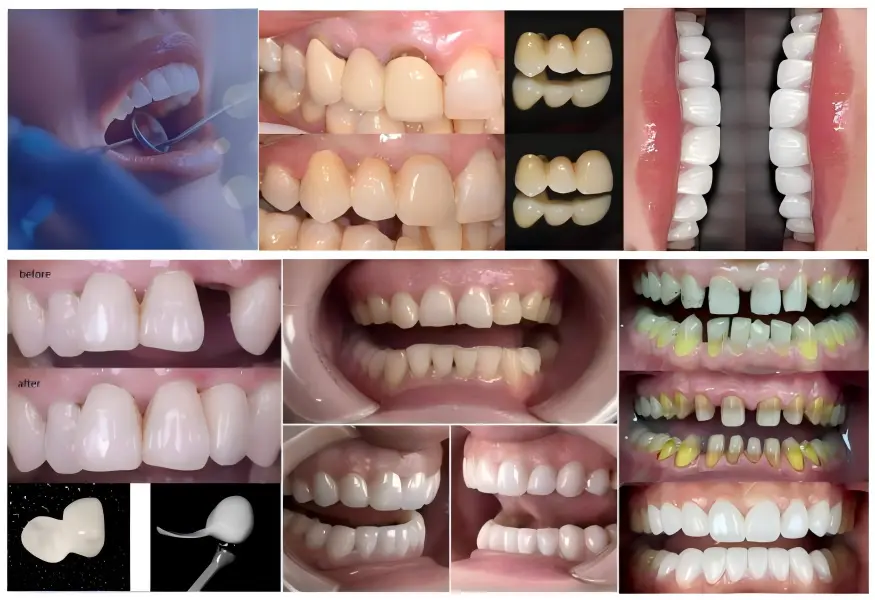
| Porcelain Veneers | Minimal/no preparation options available |
| Anterior Crowns | 1.0-1.5 mm facial reduction required |
| Posterior Crowns | Suitable with adequate preparation |
| Inlays & Onlays | 1.5-2.0 mm isthmus width minimum |
| 3-Unit Anterior Bridges | Full coverage restorations |
| 3-Unit Posterior Bridges | Second premolar as abutment |
Preparation Guidelines
Anterior Crown Requirements
- Incisal edge: 1.5–2.0 mm reduction
- Lingual surface: 1.5 mm reduction
- Facial surface: 1.0–1.5 mm reduction
- Cervical margin: Deep bevel or shoulder (1.0–1.5 mm)
Veneer Preparation
- Facial surface: 1.0–1.5 mm reduction
- Thin veneers: Minimal preparation based on alignment
Inlay & Onlay Standards
- Shoulder margin required
- Isthmus dimensions: 1.5–2.0 mm width, 1.5 mm depth
- Floor thickness: 1.0–1.5 mm minimum
Important Contraindications
You should avoid IPS e.max Press pressed ceramic restorations in these situations:
- Bridges spanning more than 3 units
- Posterior bridges without second premolar abutment
- Patients with diagnosed bruxism or severe clenching habits
- Cases with insufficient occlusal clearance
What Makes Our Service Different?
Fast, Reliable Turnaround
- Standard cases: 3-day shipment
- Fixed restorations: 4-5 days
- Expedited processing: Available with free priority support
- Flash delivery options for urgent cases
Quality You Can Trust
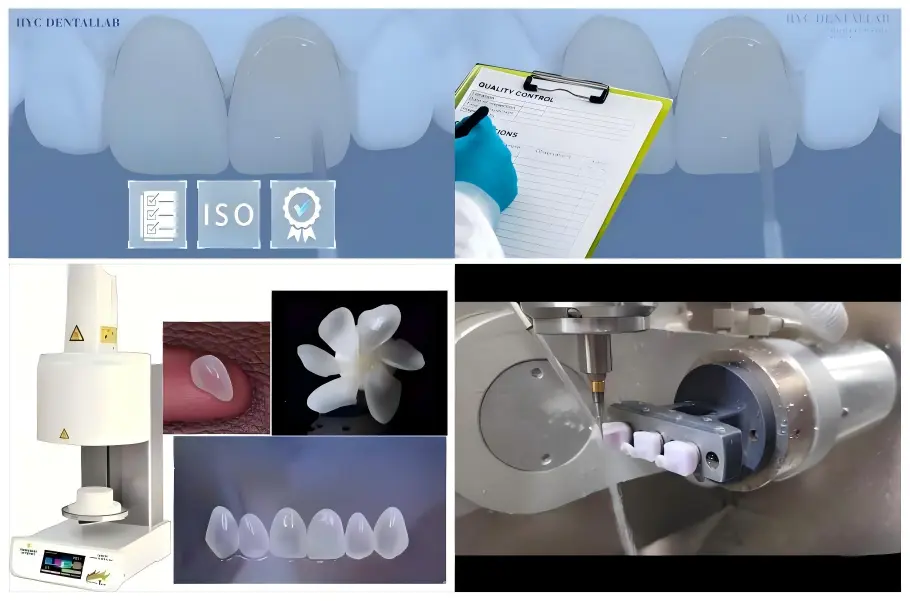
Every restoration undergoes strict inspection before shipment. Our extremely low remake rate means fewer callbacks and happier patients for your practice.
With FDA registration and CE-certified materials, you're guaranteed full compliance with international medical device standards.
Comprehensive Warranty Protection
- Fixed restorations: 2-year warranty
- Free repair or remake for quality-related issues
- Continuous technical support throughout the warranty period
Partner With Experience
HYC Dental Laboratory has served dental professionals across Europe and the United States since 2004. Our digital dentistry integration ensures high consistency and repeatability across all your cases.
We offer 100% customization based on your prescriptions and case requirements, compatible with both digital impressions and traditional workflows.
Frequently Asked Questions
Q:How does e.max Press compare to e.max CAD in fit and strength?
A:Pressed restorations typically offer higher marginal precision and slightly better physical properties. While milled CAD blocks are limited by bur diameter, the pressing technique replicates fine wax-up details completely. Pressed lithium disilicate achieves approximately 400-500 MPa flexural strength, compared to 360 MPa for CAD blocks before final crystallization.
Q:What are the minimum thickness limits to prevent cracking?
A:When bonded to enamel, you can go as thin as 1.0 mm for crowns and 0.3 mm for veneers. For cemented (non-bonded) cases, maintain at least 1.5 mm to prevent fracture under occlusal loads. Minimally invasive preparations below 0.5 mm on palatal surfaces often fail when bonded to flexible dentin instead of rigid enamel.
Q:How do I prevent the "graying out" effect of dark stumps?
A:Communicate stump shade clearly and select appropriate ingot opacity. Use Low Translucency (LT) ingots for slightly discolored teeth. For dark or endodontically treated stumps, specify Medium Opacity (MO) or High Opacity (HO) ingots to effectively mask gray show-through.
Q:Why might restorations show "orange peel" texture or poor fit?
A:Orange peel surfaces typically result from overheating or excessive liquid in the investment mix. Poor fit often comes from sprues that are too thin or placed at 90-degree angles. We recommend 45-60 degree sprue angles aimed at the thickest restoration area, with investment bench-set time strictly between 30-45 minutes for optimal flow.
Contact Us
Ready to elevate your restorative outcomes with IPS e.max Press? Contact us at info@hycdentallab.com to discuss your specific case requirements today.
SC-Bold
_1779414347678.webp "FCZ(Full Contour Zirconia)")