What are the main advantages of FCZ(Full Contour Zirconia)
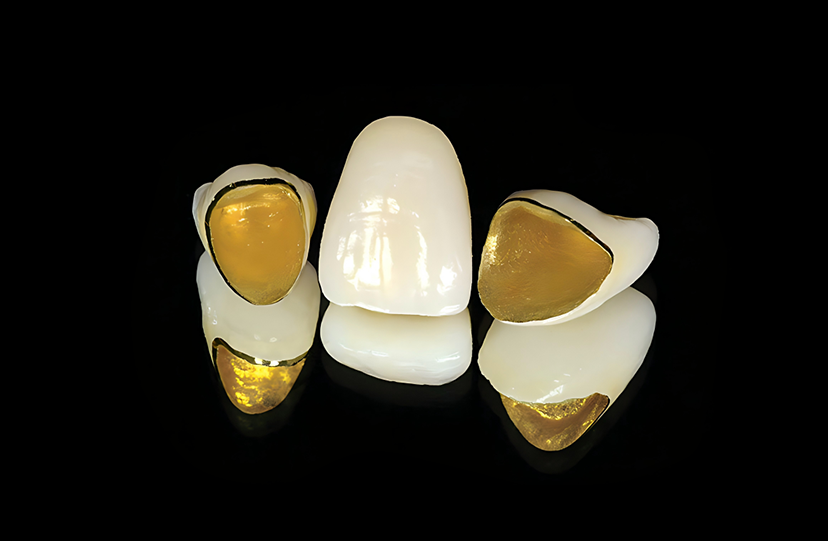
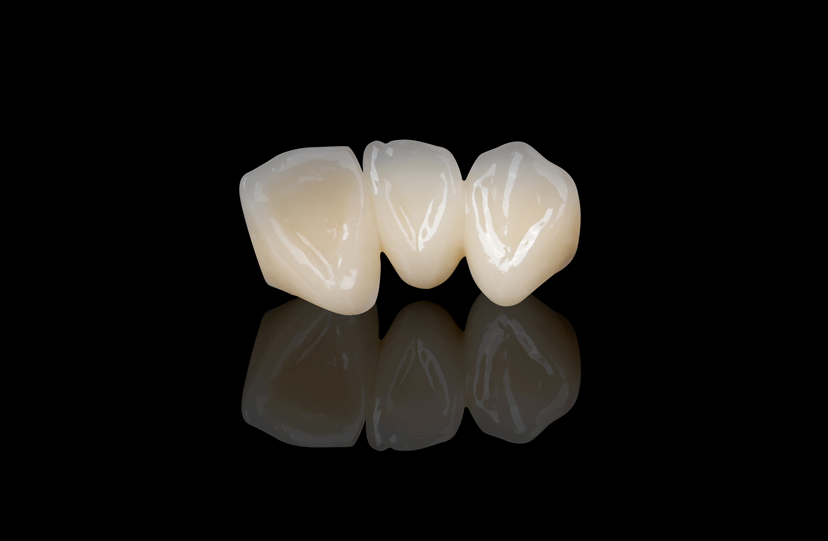
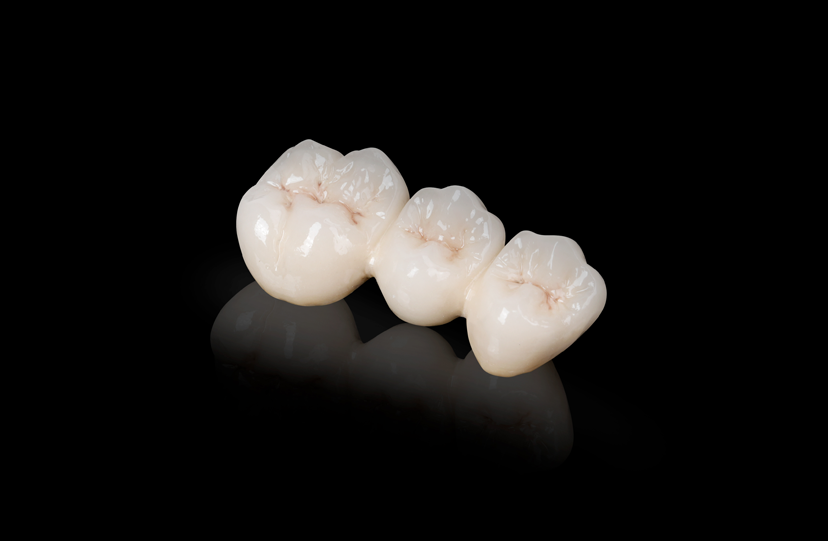
FCZ (Full Contour Zirconia) is a big step forward in tooth restoration technology because it is very durable, works well with the body, and makes it more efficient. This one-piece material doesn't chip as layered porcelain does. It's also stronger for high-stress uses like posterior crowns and bridges, and it works with fast digital processes that help dental labs and offices get work done faster. It is very useful for practices that treat bruxism and full-arch rehabilitations because it can withstand strong dental forces and keep its long-term structural integrity.
Understanding Full Contour Zirconia: Material and Properties
What Makes Full Contour Zirconia Unique?
Monolithic FCZ (Full Contour Zirconia) is made from yttria-stabilized zirconium dioxide, a material that has changed the way corrective dentistry is done today. This solid ceramic structure is different from standard porcelain-fused-to-metal repairs because it doesn't have a metal frame or a fragile porcelain overlay. The uniform mix makes sure that the repair works the same way all the way through, getting rid of the weak bonding points that usually cause clinical failures. Advanced CAD/CAM technology is used to mill from a single pre-sintered zirconia block during manufacturing, which allows for exact customization for each patient case.
Superior Mechanical Properties
This material's bending strength is between 900 and 1200 MPa, which is a lot higher than that of most dental ceramics. Because it is so strong, the walls of the repair can be very thin—sometimes as little as 0.5 mm—while the original tooth structure is still preserved during preparation. Because they are so fracture tough, replacements don't crack or break even when chewing very hard, which makes them perfect for people who have parafunctional habits. Because the material is chemically solid and doesn't corrode, it stays structurally sound in the harsh mouth environment for long periods of time, often longer than 10 to 15 years.
Biocompatibility and Tissue Response
Clinical observations show over and over that zirconia naturally supports good soft tissue connection. The chemically inactive surface doesn't let germs stick to it and doesn't make the gingival tissues around it swell up. This metal-free option is especially helpful for people who are known to be sensitive to metal alloys because it removes worries about galvanic reactions or allergic reactions. This biocompatibility profile is great for the rising demand in the dental field for materials that are naturally compatible and support long-term gum health.
The Primary Advantages of Full Contour Zirconia Crowns
When dentists and procurement managers look at repair materials, they want to find answers that solve a number of clinical and practical problems at the same time. There are strong advantages to monolithic zirconia in a number of important ways.
Unmatched Durability and Fracture Resistance
The main benefit of FCZ (Full Contour Zirconia) is that the structure lasts a very long time. There is a constant weakness in traditional layered restorations: the porcelain veneer can chip or separate from the base framework, which leads to expensive repairs and patient callbacks. This weakness is completely eliminated in monolithic restorations, as there are no layers to separate. This design uses only one material, so it doesn't need to be redone very often. This saves labs and hospitals time and money and makes patients happier. When someone grinds their teeth or clenches their teeth a lot, which would destroy most ceramic restorations, zirconia restorations work consistently.
Streamlined Digital Manufacturing
Another big benefit is that digital processes are used. CAD/CAM cutting from pre-sintered blocks speeds up production. For normal cases, many labs can turn them around in 3 to 5 days. In urgent cases, faster processes can be used to get restorations made faster, sometimes within 24 hours. This speed in production cuts down on the time patients spend in the chair and lets practices finish treatments faster, which boosts the overall productivity of the practice. Computer-aided design also makes sure that the marginal fit is always correct. This cuts down on the time needed for chairside adjustments and increases the success rate of first-time fitting.
Aesthetic Improvements with Advanced Formulations
Early versions of FCZ (Full Contour Zirconia) were criticized for being opaque, which made the front look less attractive. Modern high-translucency formulas have made a lot of progress in getting around this problem. Now, multilayer zirconia blocks have different amounts of translucency (from 35 to 49%) that look like the natural change between dentin and enamel. Staining and glazing methods make color matching even better, so implants can fit in perfectly with nearby teeth. For front teeth that need to look very good, glass ceramics may still be the best choice, but today's zirconia formulations are good enough for most clinical situations, including premolars and exposed back teeth.
Clinical Versatility Across Indications
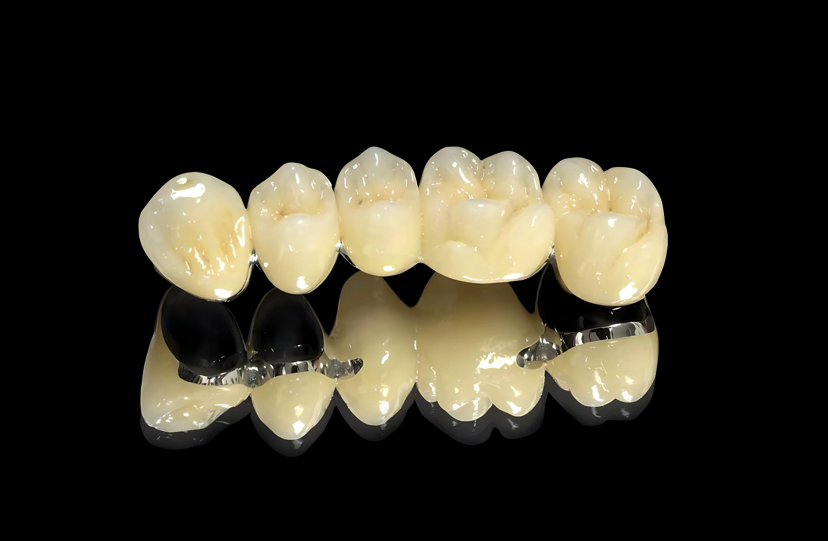
The material can be used in a wide range of medicinal settings. When strength is very important, posterior single crowns are the most commonly used type. The high fracture toughness of the material makes it possible for multi-unit fixed bridges to cover distances that would not be possible with lighter ceramics. Full-arch implant-supported prostheses use the strengths of biocompatibility and strength to give patients with missing teeth safe, long-term options. Even full-mouth reconstructions that are very complicated can be done consistently, giving patients long-lasting restorations that can handle years of functional stress.
Minimal Wear on Opposing Dentition
Concerns about wearing down natural teeth on the other side too quickly have been handled by following the right surface finishing procedures. When smoothed until the surface is less than 0.2 micrometers rough, monolithic repairs wear as well as or better than natural enamel. To do this, fine-grit diamond tools are used for careful coating and polishing processes while water is used to cool the tools. When dental workers follow standard finishing procedures, they can make replacements that protect the tooth structure next to them while also keeping the integrity of their surface over time.
Comparing Full Contour Zirconia with Alternative Crown Materials
Layered Zirconia Versus Monolithic Designs
Layered zirconia fillings have a high-strength coping that is covered in hand-applied porcelain to make them look better. However, this method can make the front parts more see-through, but it also brings back the breaking risk that solid designs get rid of. Monolithic choices will be more reliable and cost-effective for procurement teams that work with practices that focus on posterior repairs. This will cut down on warranty claims and remake costs. When it comes to highly noticeable teeth, practices that focus on anterior looks may still prefer layered builds. This means that both choices are useful in a wide range of products.
Lithium Disilicate: Aesthetic Excellence with Strength Limitations
From FCZ (Full Contour Zirconia) to lithium disilicate glass ceramics, these materials are often used for anterior crowns and veneers because they offer excellent translucency and a highly natural appearance. However, lithium disilicate has a tensile strength of around 400 MPa, which is significantly lower than that of zirconia. Due to this limited strength, it is not recommended for high-stress posterior regions or for patients with bruxism. From a cost perspective, zirconia is often more advantageous in a wider range of applications, especially when considering its durability and the reduced remake rates associated with its long-term resilience. Rather than seeking a single material that fits all clinical situations, strategic procurement involves selecting the most appropriate material based on specific clinical indications.
Porcelain-Fused-to-Metal: Traditional but Declining
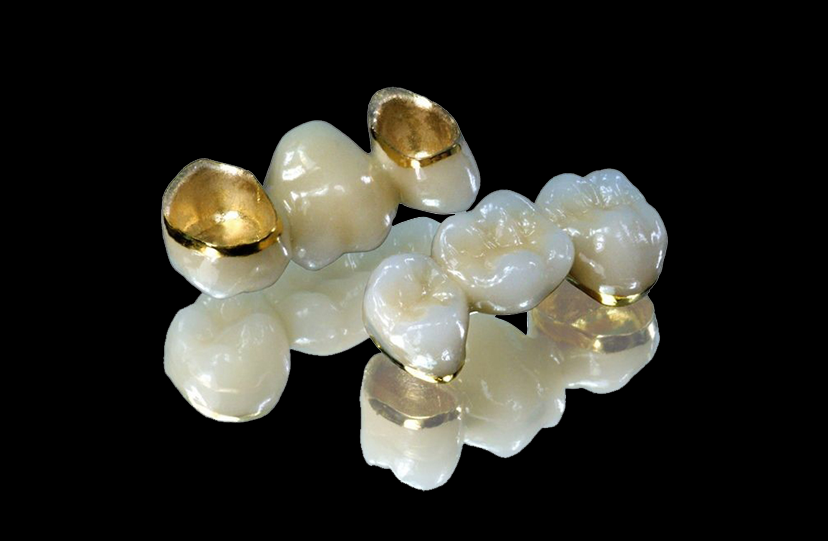
PFM veneers have been used in dentistry for many years because they are strong enough and look good enough. But the metal core causes problems, like gray edges that can be seen through thin gum tissue, the chance of metal allergens, and worries about biocompatibility. There is no doubt that the market is moving toward metal-free implants, which is due to both patient choice and clinical benefits. FCZ (Full Contour Zirconia) makes up for all of PFM technology's major flaws by being stronger and more compatible with living things. Labs and wholesalers that change their product lines to include more modern metal-free choices will be in a better position to do well in a market that is changing.
Procurement Insights: Buying and Supplying Full Contour Zirconia
Evaluating FCZ Suppliers and Manufacturers
To make a sourcing choice, you need to carefully evaluate suppliers in a number of different ways. Regulatory compliance is the basis: FDA registration, ISO 13485:2016 approval, and CE marks show that the production methods meet global quality standards. Material approvals that show that the raw materials are FDA-listed give even more proof that the products are safe and biocompatible. Labs and distributors that deal with changing order amounts need reliable sources that can handle both normal and high demand without sacrificing quality. Production capacity is a big deal for these businesses.
Manufacturing Capabilities and Customization
Premium suppliers are different from basic suppliers because they can fully create orders. Customized occlusal anatomy, precise border design, and exact shade matching are some of the things that are needed for each repair case. Suppliers who are strong at both OEM and ODM can meet unique requests like custom shade formulations and non-standard connection measurements for complicated bridge designs. Digital process integration is also very important. Suppliers should be able to easily read and work with a number of different CAD file types and offer clear ways for customers to talk about and confirm designs before they are made.
Logistics and Delivery Performance
Dental supply chain processes are based on meeting shipping deadlines. Normal production times of 3 to 5 days are fine for most situations, but for pressing ones, you need faster choices. Suppliers that offer fast shipping with a 24-hour turnaround give labs and hospitals that deal with patients a competitive edge. Buying things from other countries is more complicated because of things like clearing taxes, making sure foreign shipping works, and making sure items are packed well so they don't get damaged in transit. Logistics relationships that have been in place for a while and records of on-time deliveries should be very important when choosing a seller.
Cost Structure and Volume Economics
FCZ (Full Contour Zirconia) is often considered when evaluating dental restoration materials. The total cost of ownership is included in the price, not just the cost of the material per unit. When you buy from a cheaper source, the quality may suffer, which can lead to more remakes and higher costs overall. Larger labs and distributors can benefit from volume savings, but the terms should be carefully reviewed to avoid having to pay too much to store too much product. The economic equation takes into account things like payment terms, guarantee terms, and the availability of expert help. Strategic buying weighs up-front costs against long-term results like customer happiness and dependability.
Key Considerations for Selecting Full Contour Zirconia in Your Business
Matching Material Properties to Clinical Indications
To successfully integrate a product, you need to know where solid FCZ (Full Contour Zirconia) gives you the most value. When posterior teeth are exposed to heavy occlusal loads, they are in the best position for use because strength is more important than maximum translucency. Patients who have been diagnosed with bruxism should automatically get this material instead of weaker options that are more likely to fail. The material is strong and can be made in long spans without the need for metal support, which is good for full-arch repairs. High-translucency formulations can also be used to successfully replace anterior teeth in people with normal alignment. However, cases that need to look very good may require different materials.
Building Efficient Supply Chains
Ordering processes that are simplified and shipping times that can be predicted are important for operational efficiency. Digital case filing methods cut down on mistakes and speed up the processing, so technicians can start making things as soon as they get an order. Protocols for clear communication make sure that design questions are answered quickly, which avoids delays. Strategies for managing inventory should weigh the costs of keeping things on hand against the need to act quickly on pressing cases. For labs that have multiple locations, buying from one place and having it delivered to different locations may work better. For smaller offices, just-in-time supply models that require less storage space may be better.
Supporting Clinical Success Through Education
Transferring technical knowledge makes ties with customers stronger and improves clinical results. Giving dentists planning instructions, like the 1.5 mm occlusal reduction and 1.0 mm cervical margin that are suggested, helps them get the best results. It's more valuable than just selling products to offer tools for ongoing education on cementation methods, such as the advantages of MDP-containing primers for adhesive bonding. When customers know how to get the most out of a resource, they have fewer problems and become loyal to sellers who help them succeed.
After-Sales Service and Warranty Programs
Strong guarantee terms show that the seller trusts you and protects your interests as a customer. Two-year warranties for set replacements and one-year warranties for removable prosthetics are the best in the business. The warranty should cover problems with the way the product was made and include free replacement or repair during the warranty period. Just as important is fast technical support, which means having experts who can help you fix problems, answer questions about specific cases, and give you advice on the best materials to use. These aspects of service set luxury providers apart from transactional ones.
Conclusion
As a result of its high mechanical strength, proven clinical life, and ease of digital production, monolithic FCZ (Full Contour Zirconia) has become the material of choice for challenging restorative uses. Its benefits, such as not chipping, being biocompatible, being useful in a variety of situations, and lowering the number of times it needs to be replaced, meet the main concerns of both dentistry experts and procurement managers. It's important to know about specific clinical situations and find a balance between strength and stylistic needs when choosing a material, but zirconia's wide range of uses makes it an essential part of modern corrective dentistry. Strategic buying from qualified providers guarantees consistent quality, adherence to regulations, and operating efficiency, all of which are important for the long-term success of a business.
FAQ
Does Monolithic Zirconia Damage Opposing Teeth?
When replacements are made correctly, they don't wear down the neighboring teeth too much. Researchers have found that highly polished zirconia surfaces are not as rough as regular porcelain veneers. The most important thing is to treat the surface correctly. This means using fine diamond burs that are cooled with enough water and then cleaning the surface very well until it is smooth below 0.2 micrometers. When finishing methods are followed properly, the rate of wear on the opposing enamel is the same as when teeth naturally touch.
Can This Material Be Used for Anterior Restorations?
High-translucency formulas have greatly increased the number of uses for the head. Modern layered blocks with gradient translucency close to 49% give results that look natural and are good for most frontal cases. Staining and unique shading methods make the results look even better. If the aesthetics are very important, though, like when a person only has one central incisor and their other teeth are very clear, glass ceramic options that offer maximum translucency may still be a good choice.
What Cementation Protocol Works Best?
Using glass ionomer or resin-modified glass ionomer cements for traditional cementation works well enough to keep things in place, but sticky bonding works better. Using starters with MDP (10-methacryloyloxydecyl dihydrogen phosphate) to prepare the zirconia surface and then resin cement makes the link stronger and less likely to break. This way of doing things works best for short clinical crowns or when you want the most preservation possible.
Partner with HYC for Premium Full Contour Zirconia Solutions
With 22 years of experience making things, HYC can make tooth restorations that meet the strictest clinical and legal standards. As a reliable FCZ (Full Contour Zirconia) provider, we keep our quality systems up to date with FDA registration, CE certification, and ISO 13485:2016, which makes sure that every repair meets the highest standards for safety and biocompatibility around the world. Our factory has variable production plans, with regular 3-day dispatch, 4–5-day turnaround for fixed and removable cases, and flash delivery for pressing needs that need to arrive the next day. Each restoration is made exactly to your specs, and comes with a full warranty that covers repair or replacement for free for two years for fixed prosthetics and one year for portable appliances. Dental workers all over the world know that our replacements fit the first time perfectly and rarely need to be redone. Get in touch with us at info@hycdentallab.com to talk about how our monolithic zirconia options can help your business run more smoothly and make your patients happier.
References
1. Conrad, H. J., Seong, W. J., & Pesun, I. J. (2007). Current ceramic materials and systems with clinical recommendations: A systematic review. Journal of Prosthetic Dentistry, 98(5), 389-404.
2. Denry, I., & Kelly, J. R. (2008). State of the art of zirconia for dental applications. Dental Materials, 24(3), 299-307.
3. Miyazaki, T., Nakamura, T., Matsumura, H., Ban, S., & Kobayashi, T. (2013). Current status of zirconia restoration. Journal of Prosthodontic Research, 57(4), 236-261.
4. Zhang, Y., & Lawn, B. R. (2018). Novel zirconia materials in dentistry. Journal of Dental Research, 97(2), 140-147.
5. Pjetursson, B. E., Sailer, I., Makarov, N. A., Zwahlen, M., & Thoma, D. S. (2015). All-ceramic or metal-ceramic tooth-supported fixed dental prostheses: A systematic review of the survival and complication rates. Dental Materials, 31(6), 624-639.
6. Sulaiman, T. A., Abdulmajeed, A. A., Donovan, T. E., Ritter, A. V., Vallittu, P. K., Närhi, T. O., & Lassila, L. V. (2015). Optical properties and light irradiance of monolithic zirconia at variable thicknesses. Dental Materials, 31(10), 1180-1187.
YOU MAY LIKE