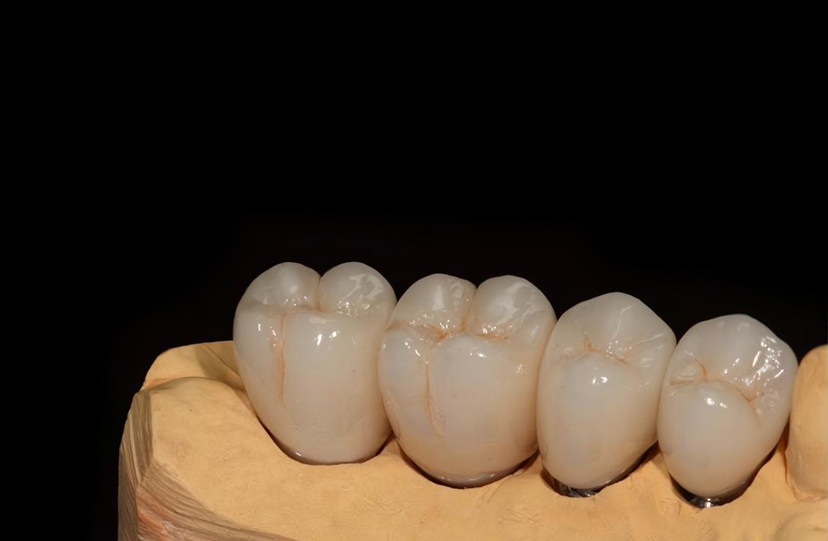
Noble Alloy Crown
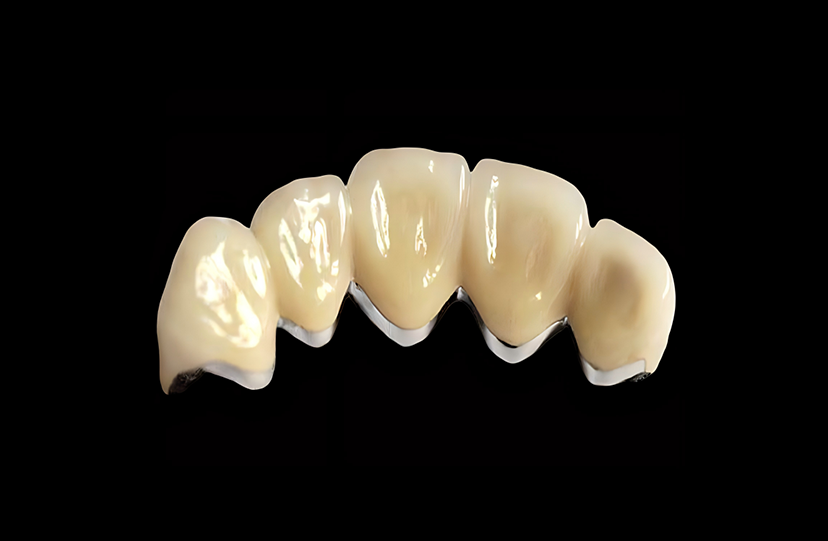
Noble Alloy Crown – Precision Dental Restoration for Demanding Cases
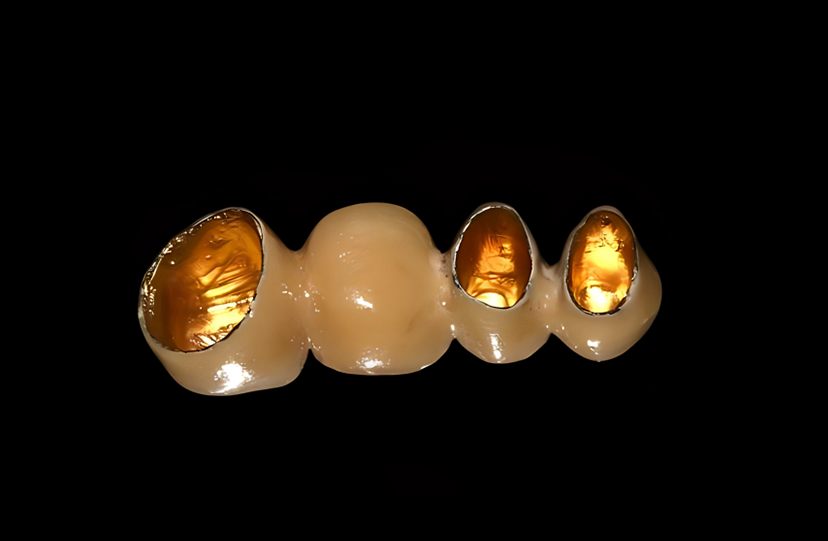
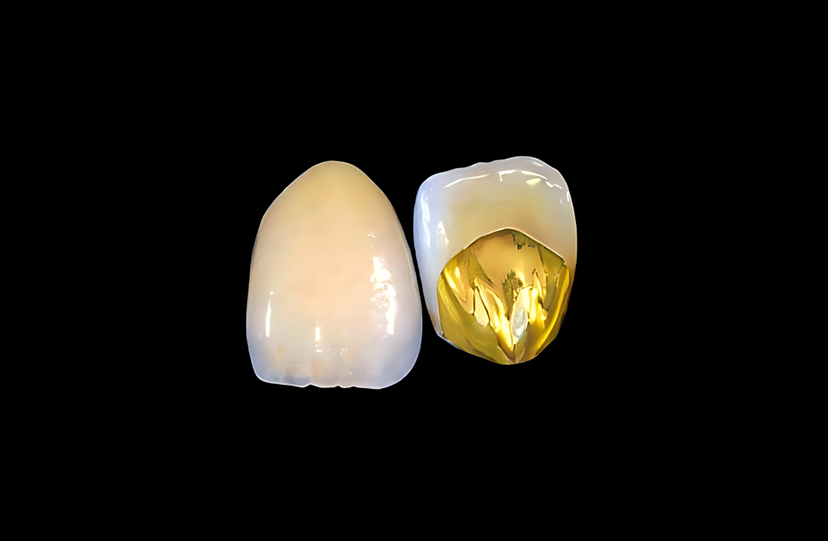
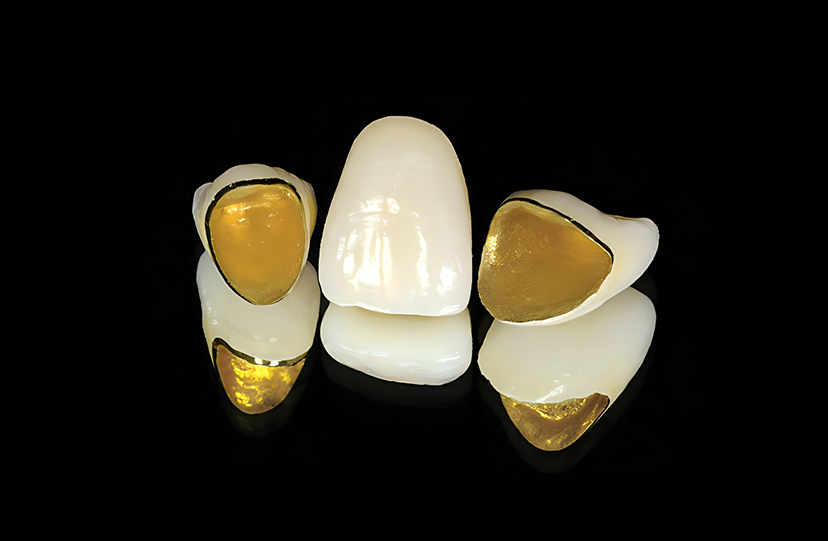
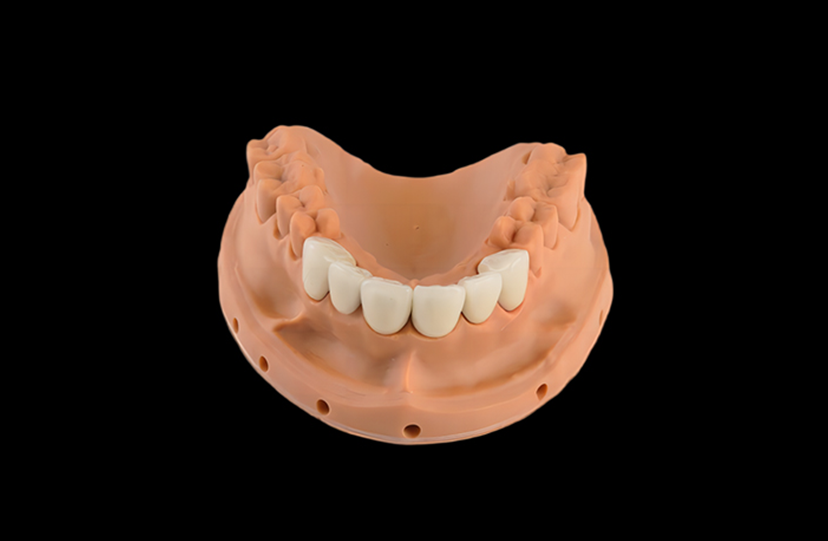
At HYC Dental Laboratory, we've perfected this restoration over 22 years of service to dental professionals across Europe and the United States. Our respectable metal crowns contain 25% or more valuable metals—primarily palladium—offering predominant erosion resistance and toughness compared to base metal options. With an amazing benefit life of 15–30 a long time, these crowns exceed expectations in high-stress back applications and long-span bridges. Our ISO 13485 certification and US FDA registration ensure every Noble Alloy Crown meets strict international medical device standards.
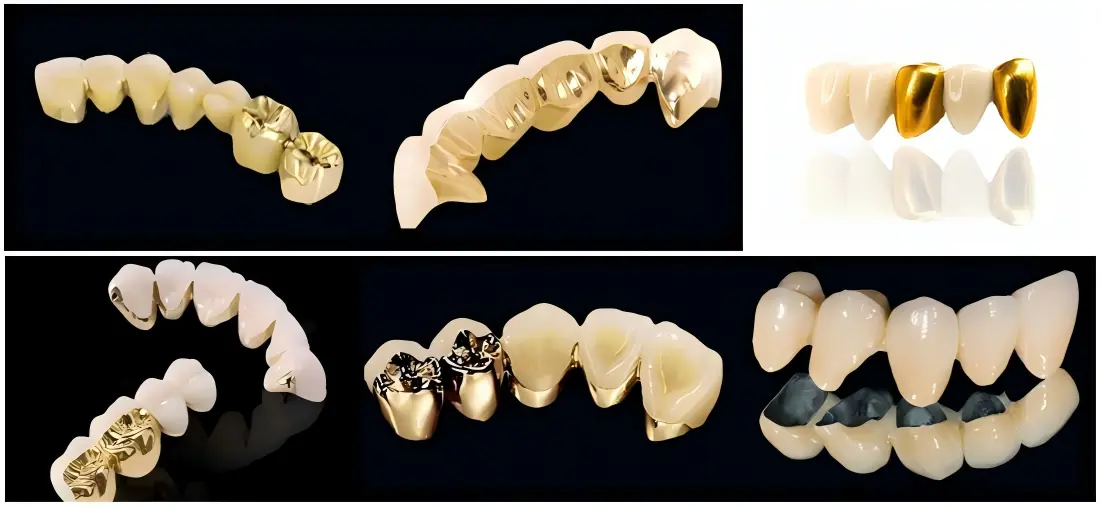
Why Choose Respectable Amalgam Crowns for Your Practice?
The Idealize Adjust of Execution and Value
You require rebuilding efforts that won't compromise on quality whereas remaining open for your patients. The items bridge the crevice between premium high-gold rebuilding efforts and essential non-precious choices. They convey exceptional ductile quality for challenging cases—particularly molars and multi-unit bridges—without the premium cost tag of gold-based alternatives.
The fabric composition makes all the distinction. Our crowns highlight palladium-based amalgams with limited silver substance, minimizing the hazard of gum discoloration whereas keeping up great biocompatibility. This cautious definition decreases unfavorably susceptible responses compared to nickel-heavy base metals, giving you peace of intellect for touchy patients.
Built for Clinical Efficiency
Your chair time is profitable. That's why we build each crown for uncommon minimal fit and first-time situation victory. Our progressed CAD/CAM workflow guarantees accuracy fabricating with negligible revamps. The steady warm properties of respectable combinations make predominant minimal fixing, decreasing microleakage and ensuring against auxiliary decay.
When you're working with restricted occlusal clearance—as small as 0.5–1 mm—these crowns adjust where all-ceramic choices cannot. The metal system gives basic quality without requiring broad tooth decrease, protecting more characteristic tooth structure for your patients.

Technical Specifications of Noble Alloy Crown
| Feature | Specification |
|---|---|
| Noble Metal Content | ≥25% (primarily Palladium) |
| Service Life | 15–30 years |
| Ideal Margin Design | Chamfer (shoulder only for porcelain margins) |
| Minimum Occlusal Reduction | 0.5 mm (1.0 mm recommended) |
| Facial/Lingual Reduction | 1.0–1.5 mm |
| Recommended Taper | 6°–8° |
| Metal Substructure Thickness | 0.3–0.4 mm minimum |
| Standard Production Time | 3-day shipment |
| Warranty Period | 2 years (fixed restorations) |
When to Recommend This Restoration
The products shine in specific clinical situations:
Posterior crowns and bridges where you need maximum strength for heavy occlusal forces. Patients with bruxism or parafunctional habits benefit from the exceptional durability that withstands grinding patterns.
Long-span bridges requiring rigid frameworks. The alloy's high yield strength prevents flexing that could compromise the restoration or opposing dentition.
Discolored abutment teeth where the opaque metal substructure effectively masks underlying staining that might show through translucent ceramics.
Limited vertical clearance cases where minimal space demands a strong, thin restoration that all-ceramic materials cannot safely provide.
However, you should consider alternatives to Noble Alloy Crown for anterior teeth where patients have high aesthetic expectations, or when patients have documented metal allergies.
Material Advantages That Matter
Superior Porcelain Bonding
The chemical properties of noble alloys create stable ceramic-to-metal bonds. This stability dramatically reduces porcelain chipping and delamination compared to base metal alternatives. For your patients, this means restorations that maintain their integrity through years of function.
Proven Biocompatibility
Noble metals resist corrosion in the oral environment. Unlike base metals that can release ions causing tissue irritation, these alloys remain stable and hypoallergenic for most patients. The result? Healthier soft tissue response and reduced inflammation around margins.
Predictable Marginal Accuracy
Heat stability during fabrication translates to precision fit at the preparation margin. This accuracy prevents cement washout and bacterial infiltration, protecting the prepared tooth from recurrent decay.
Manufacturing Excellence You Can Trust
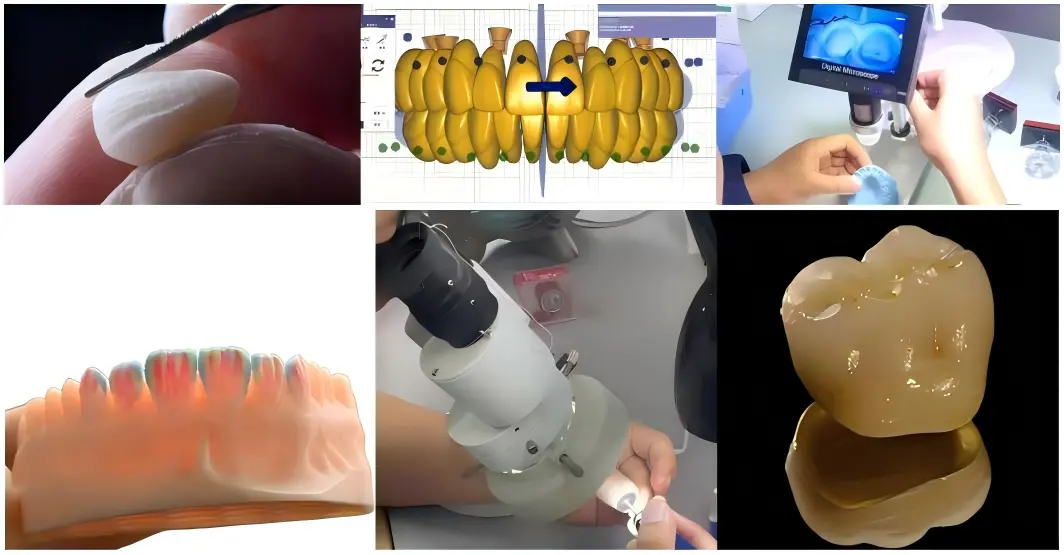
Our digital workflow integration ensures every restoration meets exacting standards. We manufacture crowns through precision CAD/CAM milling or high-accuracy wax casting, depending on case requirements. Each piece undergoes rigorous inspection before shipment, maintaining the quality standards that dental professionals expect from our 22 years of laboratory experience.
All materials carry FDA-listing and CE certification, confirming full compliance with international safety regulations. This documentation supports your patient records and insurance requirements.
Fast Turnaround for Your Clinical Schedule
Standard orders ship within 3 days. Need faster service? Our expedited processing prioritizes urgent cases with flash delivery options—including same-day shipment for selected regions. We understand dental emergencies don't follow schedules, so we've built logistics partnerships that deliver reliability when you need it most.
Frequently Asked Questions
Q: Why does porcelain sometimes develop a green tint?
A: This occurs when silver in the alloy "outgases" during firing, reacting with porcelain chemistry. We use silver-free palladium formulations and apply specialized ceramic bonders before the opaque layer to prevent this discoloration. Our quality control process monitors every firing cycle to ensure consistent color stability.
Q: Are semi-precious and the products the same?
A: Clinically, "noble" refers to alloy composition—at least 25% precious metals (gold, platinum, or palladium). "Semi-precious" is a marketing term. Our crowns contain 79% palladium, qualifying as noble alloys. We provide detailed composition documentation with every case for your insurance submissions.
Q: How do these compare to high-gold crowns regarding porcelain chipping?
A: Noble alloys are slightly stiffer than gold. We compensate by designing metal substructures at 0.3–0.4 mm thickness—providing a rigid foundation that prevents porcelain shearing under heavy loads. Proper framework design eliminates the flexibility issues that cause chipping.
Q: What if my patient has palladium sensitivity?
A: While rare, palladium shares chemical properties with nickel and may occasionally cause reactions in highly sensitive patients. For these cases, we recommend biocompatibility testing or switching to high-noble gold-platinum alloys or all-ceramic zirconia restorations to eliminate metal exposure completely.
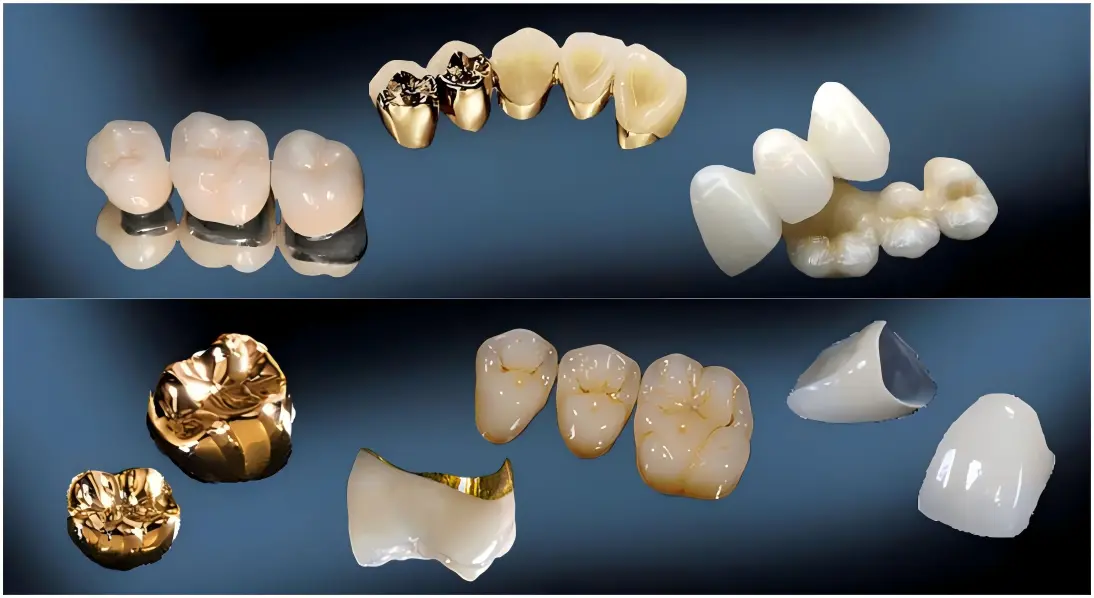
Start Your Next Case with Confidence
Ready to experience the Noble Alloy Crown difference that precision craftsmanship makes? Our team at HYC Dental Laboratory is here to support your clinical success with reliable, high-quality restorations.
Contact us today: info@hycdentallab.com – Let's discuss your case requirements and delivery options.
SC-Bold
.webp "Silver-Palladium PFM (Ag-Pd)")
.webp "Ni-Cr PFM (Nickel-Chrome)")
.webp "Co-Cr PFM (Cobalt-Chrome)")