All You Need to Know about Acrylic Base Partial Denture
Because they are removable and rest on the mouth's soft tissues, Acrylic Base Partial Dentures are a practical removable prosthetic option for patients with partial tooth loss. The bases of these devices are made of pink acrylic resin that is shaped to look like gums. Artificial teeth are securely set into these bases. The device has small metal or plastic clasps that gently hold on to your natural teeth. This keeps them in place while you eat and talk. Different from cast metal partial dentures, Acrylic Base Partial Dentures depend more on tissue contact than on exact frames and tooth support. In other words, they can be used right away after having teeth pulled or as temporary replacements. Because of their tissue-supported design, acrylic partial dentures have different adaptation requirements and maintenance considerations compared with metal framework dentures.
Understanding Acrylic Base Partial Dentures
What Are Acrylic Base Partial Dentures?
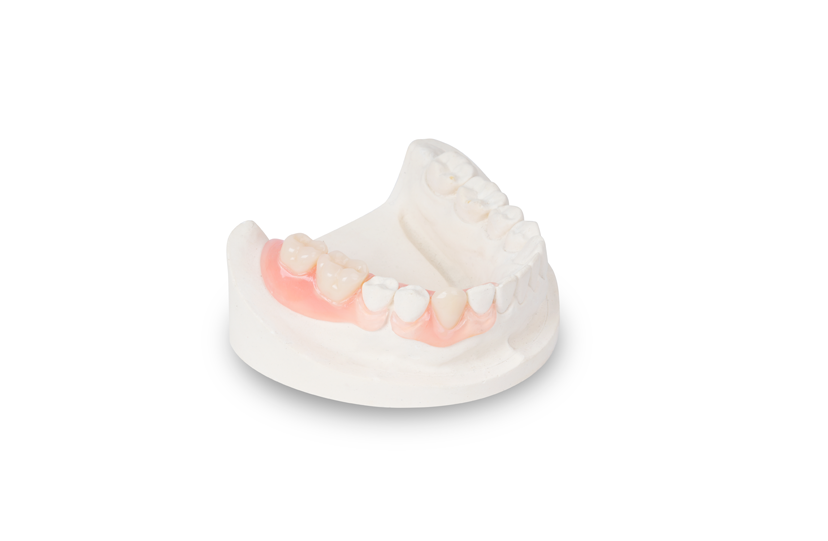
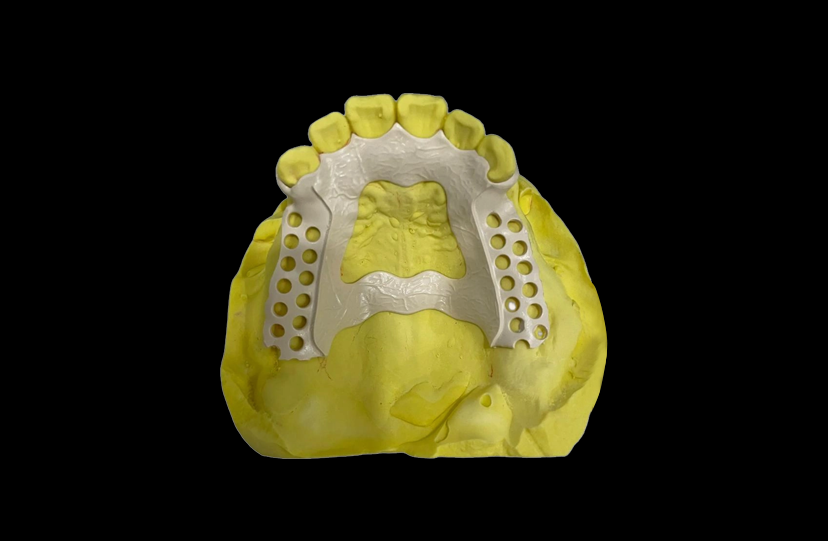
Attached to a pink or gum-colored resin base that fits snugly against the roof of the mouth or along the lower jawline are Acrylic Base Partial Dentures. Most of the time, the device has small clasps or holding parts that fit over the teeth next to them. These artificial teeth aren't the same as full dentures because they don't cover the whole arch of teeth like full dentures do. Most of the time, polymethyl methacrylate (PMMA) is used. This acrylic resin is widely used in dental applications and may be manufactured using materials that comply with applicable regulatory requirements.
Since these implants don't have a lot of moving parts, dental labs can make them quickly—often just a few days—which is good for people who need them right away. Mechanical clasping, natural pulling forces, and tissue response all work together to keep things in place. For this reason, the plastic base goes over a lot of gum tissue. When you eat, cast partial dentures' stiff metal frames spread the force more evenly across the teeth that are still there.
How They Work and Their Clinical Role
Acrylic Base Partial Dentures support the gums and attach to the natural teeth with clasps that don't hold too tightly. When they are put in, they rest on the gum tissue and bone ridges below. They stay in place because the tissues touch closely. During use, the appliance will move a little, which is normal. However, patients will need to change how they chew because of this.
These artificial teeth are used in medicine for several reasons. When a tooth is pulled, they can be used as immediate provisional dentures after extraction in selected cases. This way, patients leave the dentist's office with teeth instead of holes. You can eat softer foods while you heal with this quick fix. It may help support facial appearance and speech function during the healing period. Over time, some patients wear them as long-term solutions, especially when they can't afford implants or bridges or have health problems that make them impossible to use.


But these tools are more likely to break if someone bites them hard because acrylic isn't as strong as metal. They need to be changed every so often because gums change shape after a tooth is lost. With proper care, acrylic partial dentures may provide several years of functional service, depending on oral conditions, maintenance, and clinical factors. However, if it starts to wear out or doesn't fit right, it may need to be changed sooner.
Materials and Manufacturing Considerations
These days, most Acrylic Base Partial Dentures are made from heat-cured PMMA plastic, which is strong, doesn't change color, and is safe. This material can be selected according to applicable dental material standards and manufactured under controlled quality systems when it is made using ISO 13485:2016 quality methods. Because the resin can be colored, it can be used to make gum that looks better.
Custom molds must be made, the design must be done digitally or with traditional wax try-ins, and the acrylic must be heated and pressed to make sure it lasts. CAD/CAM technologies can improve workflow consistency and support accurate digital design processes and speed up the production process. With these systems, labs can send finished prosthetics to clinics in three to five business days, which is important for them because they need to be able to handle cases quickly.
When it comes to buying things, it's important to know how to find materials. Resins and teeth that are on the FDA list are used by reliable providers. This makes sure that the quality is the same from batch to batch. This consistency may help reduce avoidable adjustments and support more predictable clinical workflows.
Benefits and Practical Considerations of Acrylic Base Partial Dentures
Key Advantages for Clinical and Business Applications
Acrylic Base Partial Dentures are great in many ways, which is why dentist offices, labs, and purchasing managers want to use them. When you know these benefits, you can choose a product that fits your business goals and the needs of your patients better.
The patient is more comfortable because it is light, especially when they are getting used to it for the first time. Because it's not made of metal, the appliance is much lighter, and the lightweight design may provide a comfortable wearing experience for selected patients. This makes people feel more at ease, which means they are more likely to accept the treatment and make fewer visits for changes. This makes the clinic's workflow move more smoothly.
Cost is something you should think about. When you buy in bulk from a well-known company, you can save a lot of money. Acrylic partial dentures are generally considered a more cost-conscious option compared with some metal framework alternatives. Since these choices are so low-cost, practices can offer them to patients with limited funds while still making a lot of money. They can make a lot of sales to a wide range of customers, from individual dental practices to dental care organizations, because the prices are low.
There are customization choices that take into account how each patient's body is built of each patient. Exact impressions and bite registrations are used to make sure that everything fits and works properly. Experienced manufacturers can provide customized designs based on clinical prescriptions and patient-specific requirements, which means they can change the shape of the clasp, make sure the color matches exactly, or add harder structural elements for people who bite hard. Labs can meet a lot of different clinical needs this way without having to slow down production.
Patients need quick responses because they need help right away. Metal frames need to be put together in many steps, but acrylic items can be finished in days. Once you tell them how quickly you need it, some manufacturers can send finished cases in 3–4 days with regular shipping, or expedited shipping options may be available depending on case requirements and destination. People don't have to wait as long because of this responsiveness, and it's easier for practices to set up treatment appointments.
Comparing Acrylic with Metal and Flexible Alternatives
Comparing Acrylic Base Partial Dentures to metal frames and flexible nylon options helps you decide what to do when looking at your prosthesis options. For each type of material, different performance traits are important in different clinical settings and for different buying goals.
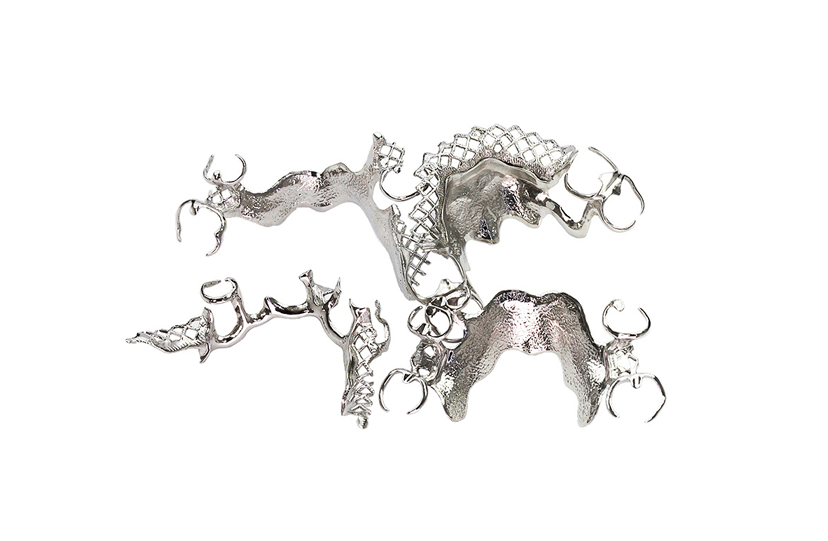
Full dentures that are cast out of metal are stronger and last longer. They can last between 7 and 10 years if you take good care of them. When you bite down on them, the force goes through the hard frames instead of the soft gum tissue, which makes the lips less stressed. With metal partials, on the other hand, it takes longer, costs more, and is harder to make changes. Patients may also feel less at ease at first while they get used to the device because it is heavy and stiff.
Flexible partial teeth made of thermoplastic nylon look great and are easy for the patient to wear because they are clear and thin. People who care about how they look will like that they no longer have metal clasps that can be seen. Not always, though, is it easy to fix or change flexible materials, and they usually last about as long as plastic or metal. For the price, flexible partials are in the middle. This means they can be used in some cases but not all of them.
It's cheap, looks good, and works well enough for most people, so this approach may help support tissue health and reduce the risk of avoidable complications an appropriate option for many cases where cost, function, and treatment requirements are considered. Acrylic tools are good for short- or long-term use by people who don't need to do a lot of work, but they don't last as long as metal ones. They're useful for offices with lots of different types of customers because they're easy to fix and change. Acrylic materials are good for procurement teams because they are easy to get and their prices are stable. This makes it easier to keep track of stockpiles and plan money.
Addressing Common Risks and Mitigation Strategies
When the dentist and patient know about the issues that might arise with Acrylic Base Partial Dentures, the dentist can do a better job, and the patient can set more realistic goals. It is possible to keep appliances in good shape and avoid problems by getting the right information and following the right steps.
Germs and food can stick to plastic if you don't clean it. There is more plaque buildup, bad breath, and gum inflammation because of this. People have to take out their teeth and clean them every day with soft brushes and cleaners that don't scratch. Let the denture sit in denture treatments overnight to clean it and give your gums time to rest, which they need.
Dentures that stay in place all the time can be bad for your tissues' health. More stress on the gums can lead to sore spots, inflamed tissues, or fungal illnesses like mouth thrush. You should take out your dentures for at least eight hours every day so that your tissues can heal. This is called the "nightly rest" rule. This approach may help support tissue health and reduce the risk of avoidable complications.
Your real teeth can get hurt by your partials if you don't take good care of them. Plaque buildup around teeth that hold clasps can make cavities more likely and weaken the teeth over time. As part of their strict oral care, patients must do things like brush their natural teeth well after taking out their dentures. Oral check-ups every six months make sure that any issues are found quickly and fixed before they get worse.
It is better for patients when procurement managers and clinic owners choose providers who offer a lot of different patient teaching materials. Clear care instructions, maintenance guides, and troubleshooting tools from manufacturers help practices cut down on the number of replacement requests and unhappy patients. This way cuts down on costs and brings in more patients who stay with the business because it is proactive.
Care, Maintenance, and Lifespan
Essential Cleaning and Maintenance Protocols
How long your Acrylic Base Partial Dentures last and how safe they are for your health depend on how well you take care of them. Setting up standard forms of care is good for patients, saves time on inventory management, and lowers the need for replacements at the last minute.
You have to take out your dentures every day after meals and rinse them under running water to get rid of food. People who have dentures should only use soft-bristled brushes made just for them. Regular toothpaste has rough particles that can damage the plastic, so people with dentures should stay away from toothpaste. As you scratch something, tiny holes appear in the surface. These holes let bacteria live, which leads to smells and faster wear and tear. Instead, use mild dish soap or cleaners made just for dentures to clean them well without harming the stuff that makes them.
While you sleep, soak your dentures in cleaning solutions overnight. This kills germs and gives your tissues a chance to rest. One way to get rid of tough spots and kill germs that build up over time is to soak. A lot of products on the market, like fizzy pills and antibiotic soaks, are made to keep plastic safe and clean at the same time. Teams that buy things for dentist offices might want to sell denture care items along with the appliances. This would make it more valuable and boost the habit of regular upkeep.
The right way to store dentures is to keep them moist when they're not being worn. Let plastic dry all the way through, and it might warp. This could make the fit less accurate and the patient less comfortable. Dentures stay in shape and don't dry out if you soak them overnight in water or a cleaning solution. People with these conditions who are going on a trip should bring the right things to keep these conditions at home while they are gone.
Handling and Storage Best Practices
The right way to clean and store an appliance is also very important for how long it lasts. Teaching patients these habits lowers the risk of damage and lengthens the time between replacements, which saves money for both the patients and the clinic.
If your false teeth fall out, you should handle them over a wet towel or a bowl of water. By itself, acrylic is pretty strong, but if it hits something hard, it can break. Don't pay a lot for repairs or replacements that need to be done too soon. Take this simple step instead. People shouldn't put their teeth in hot water or near direct heat sources because the plastic will get distorted and the custom fit will no longer work.
Toothpaste or cool, clean water should be used to store teeth when they're not being worn. Both very hot and very cold temperatures can damage things and make measurements less accurate. It shows that the clinic is professional and cares about its patients when it tells them these things. This makes patients trust the clinic and be happier.
Dentist labs and purchasing teams can use this information to figure out what products to stock and how to pair them with other items. If you sell cleaning kits, storage cases, and other tools for maintaining teeth, you can make more money and help your patients do better. When there is a lot of competition in a market, sellers who include educational materials with their goods stand out.
Troubleshooting Common Issues and Repair Options
Even if you take good care of your Acrylic Base Partial Dentures, they will break down or need work from a professional at some point. Practices can better manage what patients want and plan for service needs when they know about common problems and the different ways to fix them.
Most of the time, people worry about their clothes being too big because their gums naturally shrink when they lose teeth. Loss of bone changes the shape of the ridges that hold the denture in place. This leaves gaps between the ridges, which makes the denture less stable and less likely to stay in place. In relining, the fit is fixed by adding new acrylic to the part that hits the tissue. This brings the two back together again. There is no need to worry about patients because relining timelines vary depending on clinical requirements and laboratory workflow.
More often than not, broken teeth are due to material wear, drops, or bite forces that are too high. Small cracks can usually be fixed by putting bonding resin on them, but repairs don't usually restore the strength to its original level. Should there be big cracks, the whole thing might need to be changed, especially if it's already weak. Manufacturers with guarantee programs, like ones that cover things that can be taken off for a year, give practices and patients peace of mind and keep them from having to pay for costs they didn't expect.
Clasps made of metal or acrylic can lose their hold on abutment teeth, which can make it hard to keep the crown in place. Over time, clasps may bend or become less strong, which makes the device less stable. The dentist can change the clasps in front of the patient or send the false teeth back to the lab so that a professional can change them. These changes happen faster when suppliers' helpful technical support is easy to get to. This keeps patients happy and the treatment going.
Clinics can easily schedule times for patients to see them when they know how long most services take. When you get your car fixed once every six months, you can find problems early on, before they get worse and cause big failures. This method helps the clinic run more smoothly and cuts down on the number of emergency appointments.
Making the Right Procurement Decision: Acrylic Base Partial Dentures in the Market
Price Ranges and Bulk Purchasing Strategies
The price is a big part of what dentist offices, labs, and delivery networks choose to buy. You can make smart purchases that save you money and make things better if you know how prices usually work and how to get discounts for buying in bulk.
Pricing varies depending on design complexity, materials, customization requirements, and supplier location when bought in bulk. The price is based on how hard they are to make, how much tailoring is needed, and the name of the maker. Cases that are simple and don't need to look a certain way cost less. Designs that are more complicated and have more clasps, better tooth choices, or reinforced frames cost more. The price per unit drops a lot when you buy a lot of them. You can save 15 to 25 percent when you buy more than 50 units per month.
Distributors who work with more than one dental practice should set up preferred supplier relationships that ensure stable prices and first-choice production schedules. Because of these relationships, clients often get better ways to get services, such as more open payment terms, better account management, and faster shipping. Purchasing managers should look at the total cost of ownership, which includes shipping costs, repair costs, and the length of the warranty, when comparing bids from different suppliers.
Dentist service companies with more than one location can buy the right products and make sure that patients have the same experience at all of their locations with the help of standardized product specs. You can save money and get better prices when you discuss framework deals with manufacturers that can handle high-volume deliveries to multiple sites. These agreements keep things running smoothly and up to high standards that are good for the image of a brand.
Identifying Reliable Manufacturers and Suppliers
Because of this, picking the right source is very important for making sure the product is good, the shipping is reliable, and long-term business relationships form. Companies that buy things can find partners that share their goals and high standards for patient care by comparing producers based on key performance factors.
A lot of people choose people who have experience in making. Suppliers who have been in business for a long time—Manufacturers with established experience and documented quality systems may provide greater confidence for long-term partnerships and show that they can be trusted in the market and have the right technical knowledge. They have made their production processes better, set up ways to check the quality of their work, and built ties in the supply chain that make sure their materials are stable. Experience can support more consistent manufacturing processes and quality management; arrival times are more reliable, and customer service is better.
Dental prosthetics must be checked to make sure they follow the rules. People who make things should be able to show proof that their items are registered with the FDA, certified by ISO 13485:2016, and, if needed, marked with the CE mark. These licenses show that the business follows biocompatibility and foreign quality management rules. They keep patients safe and keep businesses from getting sued. During the screening process, getting copies of material safety data sheets and FDA-listed material confirmations from sources makes you feel even safer.
A supplier can handle growth and urgent needs as long as they can produce more and expand their business. Businesses with up-to-date workshops that have digital design tools, CAD/CAM cutting systems, and enough staff can handle changes in the number of orders without lowering the quality of their work. People can get a good idea of how things are made and how quality control works by going on site visits or watching videos of facilities.
Service after the sale is what makes a good provider different from a bad one. Giving full guarantees, like two years of coverage for prosthetics that stay in place and one year for tools that can be taken off and put back on, shows that the company is sure of its goods. To keep clinical processes running smoothly, technical support teams need to be able to answer questions quickly and fix or remake things as quickly as possible. Finding out what kind of service you can expect in the long run can be helped by how quickly a supplier answers your first questions.
Custom Versus Standard Order Options
Customization that is based on standardization helps meet a lot of different healthcare needs while keeping costs low. That way, you can get the best results and save the most money. Know when to ask for custom needs and when to accept standard setups.
Standard order options work for simple cases that are made of common materials and have common physical features. These orders use standard ways to make things, which speeds up the process and lowers the cost. Standardized specs make it easier to buy things and make choices, which is good for law firms that deal with a lot of common situations.
Orders are made to fit the unique anatomy of each patient, their needs for function or style, and their wants. Individualized design care is needed for cases with odd arch shapes, a lot of bone loss, or clasps that are hard to set up. Companies that do a lot of custom work hire skilled techs who can read clinical prescriptions properly and let others know when they need more information. This working together makes sure that the final result meets all the needs. This lowers the chance that it needs to be redone, which makes the patient happier.
You can make changes with digital design systems without having to wait for the work to finish. Technicians can see appliances in three dimensions, test how they fit and work, and make changes to them before they are built. This technology makes digital records that can be used again or copied in the future. It also cuts down on mistakes and speeds up the approval process. Buyers need to push their providers to spend money on these technologies because they are the way of the future in dental manufacturing and make quality changes that can be felt and seen.
How well customization works is directly linked to how buying clinics and production teams talk to each other. It's easier for everyone to work together when suppliers offer case managers, digital case tracking tools, and clear rules for changes. There is less confusion and problems are solved faster with these parts of the service. Trust in the partnership also grows.
Strategic Recommendations for B2B Buyers
Matching Products to Client Profiles and Clinical Needs
The best ways to buy things are ones that match the product's features with the wants and needs of certain clients and medical cases. If distributors and labs know about these links, they can come up with solutions that make patients happy, save money, and improve performance.
General dentist offices that see a lot of different types of patients need a lot of different kinds of supplies. Because they offer both low-cost standard options and high-end custom solutions, clinics can make treatments fit the wants and budgets of each patient. Clear product differences and clinical indication standards from providers help practices by making it easy to plan cases and talk to patients using Acrylic Base Partial Dentures.
Implant centers and prosthodontists usually have higher standards for how things should look and how accurate they should be. It's more important to these clients to get the right fit the first time and have low remake rates than to save money. This group wants to work with companies that focus on new ways to make things, tight quality control, and easy ways to get in touch with them quickly. People trust and believe you more when you give them thorough technical specs and clinical case studies that show good results.
When a dental company has more than one location, they try to be consistent and dependable above all else. These buyers want sellers who can take on many orders, make sure that the quality of each batch is the same, and make sure that deliveries are made on time and to the right places. To meet DSO's business goals, they offer integrated billing, specialized account management, and price models that are based on volume.
Dental labs need partners that work with them like they are an extension of their own business when they hire someone else to make Acrylic Base Partial Dentures. These customers want suppliers that can work with different types of digital files, communicate well, and give regular quality that makes the lab look good. These partnerships work better when there is flexible capacity that can adapt to changes in work without slowing down the process.
Evaluating Cost-Performance Balance and Risk Management
When you choose what to buy, you have to weigh the pros and cons of saving money now versus making money in the long run. Comprehensive review systems look at more than just unit prices to find out how cost-effective something really is.
The number of times things have to be redone changes when quality is consistent. This has a direct effect on operational costs. When suppliers keep failure rates below 2 to 3 percent, they save a lot of money on the hidden costs of having to redo work, deal with patient complaints, and set up extra meetings. When you add up the total cost of each successful case, which includes remakes and changes, you can get a more true picture of how much things cost.
How well clinics can plan their work and how happy patients are are both affected by how reliable service is. It's best for practices to plan patient meetings when suppliers stick to their shipping dates at least 95% of the time. This avoids delays and makes the best use of chairs. On the other hand, clinics have to add extra time to their plans when delivery isn't consistent. This makes it harder for them to make money and get things done.
It takes less time to solve problems when people talk to each other about them. Suppliers who care about how their clients run their businesses will answer questions within hours instead of days and keep clients up to date on the progress of their cases. Because everyone is responsive, things get done faster, and relationships at work are stronger because people trust and value each other.
Having a lot of different providers is one way to lower your risk because then you won't have to count too much on a few. Even though main sellers take care of most of the orders, it's smart to have qualified backup sources on hand in case something goes wrong at the worst possible time. The ability to deal with weak spots in the supply chain and the ability to save money by buying in bulk are both good things about this method.
Anticipating Emerging Trends and Innovations
Teams in charge of buying things can stay ahead of the competition by following changes in technology and market trends. They can also use new ideas that give them an edge while carefully weighing the risks of putting them into action.
Digital dentistry is still making prosthetics better and faster, which changes how they are made. There is no need for traditional impression materials with intraoral scanners because they collect detailed digital data about the body that is sent quickly to labs. This technology helps people feel better, gets them to their meetings faster, and makes sure their shoes fit right. Suppliers who use digital methods and accept a range of file types show that they are ahead of the curve and ready to adapt to changes in the business world.
Discoveries in the science of materials are making acrylic stronger, safer, and better able to stay in shape and not stain. The issues with regular Acrylic Base Partial Dentures can be fixed by new resins that have nanoparticles added to them to make them stronger or to kill germs. Customers who care about quality and are willing to pay more for better performance will be drawn to companies that use these materials early on.
Sustainability factors are becoming more important in buying choices as healthcare systems become more eco-friendly. People who care about the environment like to buy from businesses that use recyclable packaging, cut down on waste, and get their materials in a green way. It makes the company more valuable to share these promises through clear reporting, which fits with larger efforts to make businesses more socially responsible.
We can learn new skills that have a lot of potential by using AI for quality control and design improvement. AI can look at digital scans, guess that there will be fit issues before they happen, and suggest design changes that will make things better. With these technologies, the number of remakes should go down even more, and patients will be happier. However, they are still in their early stages. Always keep an eye on these changes and talk to people who are on the cutting edge to make sure you're ready to use new technologies as they get better.
Conclusion
If you are missing a few teeth, Acrylic Base Partial Dentures can help you and won't break the bank. They are useful in many clinical situations, from putting them in quickly after extraction to wearing them for a long time. A lot of different types of patients can use them because they are tissue-supported, light, comfortable, and cheap. When procurement workers buy these things, they should give more weight to sellers who can show they are good at making them by being FDA registered, ISO approved, and regularly delivering quality goods. Finding the best mix between cost and quality measures, as well as between reliable delivery and quick service support, leads to relationships that improve outcomes for patients while also making operations run more smoothly. People who know about new technologies, the properties of materials, and how to keep them in good shape can make smart choices that meet business goals and patient needs.
FAQ
How long do acrylic base partial dentures typically last?
Acrylic Base Partial Dentures should last between three and five years if you take good care of them. How long it lasts depends on many factors, including how well the patient takes care of their teeth, what they eat, how the tissue changes over time, and how well the product was made. Getting regular dental check-ups lets you make changes that are more useful at the right time. Your doctor should tell your patients that regularly relining or changing items is common and not a sign of a problem.
Are acrylic partials suitable as permanent solutions or only temporary?
When used in the right way, Acrylic Base Partial Dentures can be used for either purpose. They're great for short-term fixes right after a tooth is pulled because they keep the tooth's look and function while the body heals. They are worn for a long time by many people who can't get implants or bridges because they don't have enough money or are sick. But since they don't last as long as metal frames, they need to be replaced and fixed up more often when they are used all the time.
What risks do acrylic partials pose to remaining natural teeth and gums?
Acrylic Base Partial Dentures can trap plaque bacteria if you don't take good care of them. This can make nearby teeth more likely to get cavities and irritate your gums. If the device hits soft tissues, it could create pressure points that lead to sore spots or swelling in the tissue. Every day, you should carefully clean your natural teeth and mouth. At night, you should take out the device for at least eight hours, and you should see the dentist regularly for checkups. Teaching people these ways to take care of themselves greatly lowers the risk of problems.
How do acrylic partials compare to metal framework dentures in durability?
When comparing metal-based cast partial teeth to Acrylic Base Partial Dentures, metal-based ones last 7–10 years on average, while acrylic ones only last 3–5 years. When you chew, metal frames spread the force more evenly across the teeth that are still there than soft tissues do. This makes the stress less concentrated. On the other hand, metal partials cost a lot more and take longer to make. Acrylic is a lot less expensive and lasts long enough for many patients. It's good for short-term use or when money is tight.
Partner with HYC for Premium Acrylic Base Partial Denture Solutions
HYC brings 22 years of specialized manufacturing expertise to dental professionals seeking reliable Acrylic Base Partial Denture suppliers. Our comprehensive quality systems include FDA registration, CE certification, and ISO 13485:2016 compliance, supporting production processes aligned with international quality and regulatory requirements. We understand the critical importance of first-time fit accuracy and maintain quality control processes designed to minimize avoidable remakes through precision manufacturing protocols and advanced quality control.
Our production capabilities deliver exceptional flexibility with standard 3-day dispatch and 4-5 day turnaround for most removable cases, plus expedited shipping solutions may be available for urgent cases depending on location and logistics conditions when clinical urgency demands. Each prosthetic is 100% customized to your exact specifications, crafted from FDA-listed PMMA materials selected for durability and aesthetics. For detailed product specifications, customization requirements, or partnership inquiries, dental professionals can contact our team at info@hycdentallab.com for dedicated support.
References
1. Zarb GA, Hobkirk J, Eckert S, Jacob R. Prosthodontic Treatment for Edentulous Patients: Complete Dentures and Implant-Supported Prostheses. 13th ed. Elsevier; 2013.
2. McCabe JF, Walls AWG. Applied Dental Materials. 9th ed. Blackwell Publishing; 2008.
3. Goiato MC, Freitas E, Santos DM, et al. Acrylic resin-based denture repair: a review. J Biomed Mater Res B Appl Biomater. 2010;93(2):544-550.
4. Anusavice KJ, Shen C, Rawls HR. Phillips' Science of Dental Materials. 12th ed. Elsevier Saunders; 2013.
5. ISO 13485:2016. Medical devices — Quality management systems — Requirements for regulatory purposes. International Organization for Standardization; 2016.
6. Kattadiyil MT, Jekki R, Goodacre CJ, Baba NZ. Comparison of treatment outcomes in digital and conventional complete removable dental prosthesis fabrication: a systematic review. J Prosthet Dent. 2019;121(5):795-801.
YOU MAY LIKE