Screw-Retained vs Cemented Crowns on Implants
Procurement managers and dental professionals have to decide between screw-retained and fixed implant replacements. This choice affects how the teeth look, how easy they are to maintain, and long-term clinical outcomes. An Implant Cemented Crown provides excellent aesthetic outcomes because it eliminates the visible screw access channel. This makes it a preferred option for anterior implant restorations where natural appearance is a primary consideration.Screw-retained designs, on the other hand, make it easy to remove and clean, making them perfect for places in the back or situations where changes need to be made often. Knowing the technical differences, clinical uses, and buying factors for each choice helps buyers match product specs with what doctors need, lower the number of times they have to make the same thing, and make sure quality is uniform throughout their supply chain.
Understanding Implant Crowns: Cemented vs Screw-Retained
The way we restore teeth has changed a lot because of dental implant restorations. Choosing between cemented and screw-retained crowns has a big impact on clinical procedure, patient happiness, and operational costs. Both types of repair do the same basic thing, which is to restore function and appearance, but they do it in very different ways.
How Cemented Crowns Work
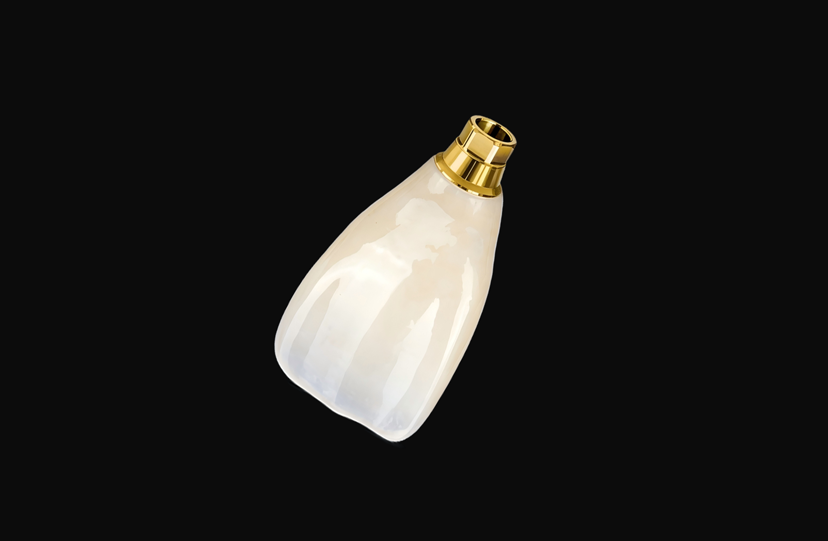
For cemented implant crowns to work, a custom abutment is screwed directly onto the implant bracket, and dental cement is used to secure the crown onto the customized abutment. The abutment, which is usually made of titanium or zirconia, is attached to the implant body and is where the final repair will go. The crown is then cemented onto the abutment to achieve a stable and functional restoration, making it look like a natural tooth. This two-step process is similar to standard crown and bridge work, so most dental teams are already used to it and find it easy to use. Premium dental cements from names like 3M and Ivoclar Vivadent provide strong sealing while being able to handle small fit issues. This helps achieve accurate adaptation between components and supports predictable clinical performance.
Screw-Retained Crown Design
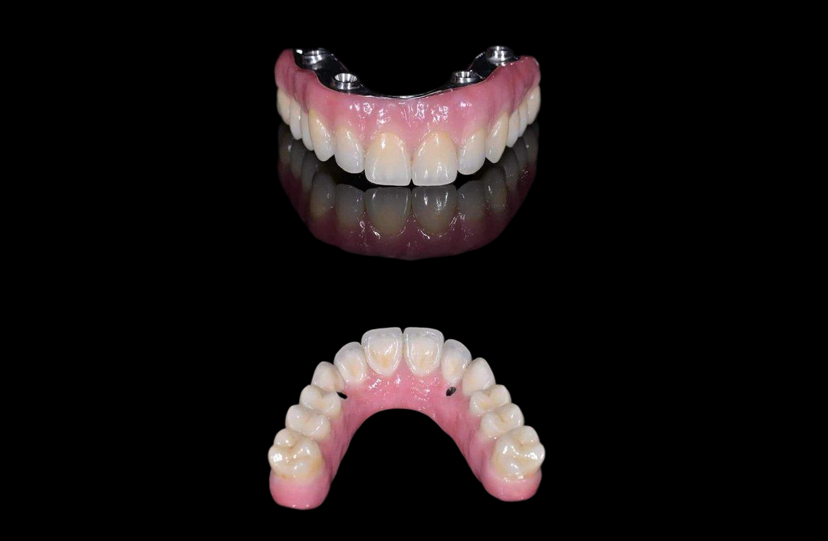
Screw-retained crowns are different because they attach the crown physically to the implant or to an abutment-crown joint that is already attached to the implant. A screw goes through a hole in the crown's occlusal (bite side) or lingual surface and into the implant body to hold everything in place. This design makes it possible for dentists to take off and put back on the crown without damaging the repair. This is very helpful for maintenance visits or when problems arise. The screw access hole is usually covered with composite resin to match the appearance of the crown. However, the screw access channel may require additional aesthetic management, especially in highly visible anterior areas.
Key Selection Factors
Which of these two types of restorations to use depends on where the implants are placed, how they are angled, how they look, and how easy they are to clean. For anterior restorations, aesthetic considerations are particularly important, which may make cement-retained solutions an attractive option. Retrievability of screw fixation is often helpful for posterior implants because they are easier to get to and don't have to look as good. Implant angulation is also important; implants that are highly angled may need custom abutments with fixed caps to fix the way they emerge and get them in the right place in relation to the teeth next to them.
Comparison of Screw-Retained vs Cemented Crowns: Making the Right Choice
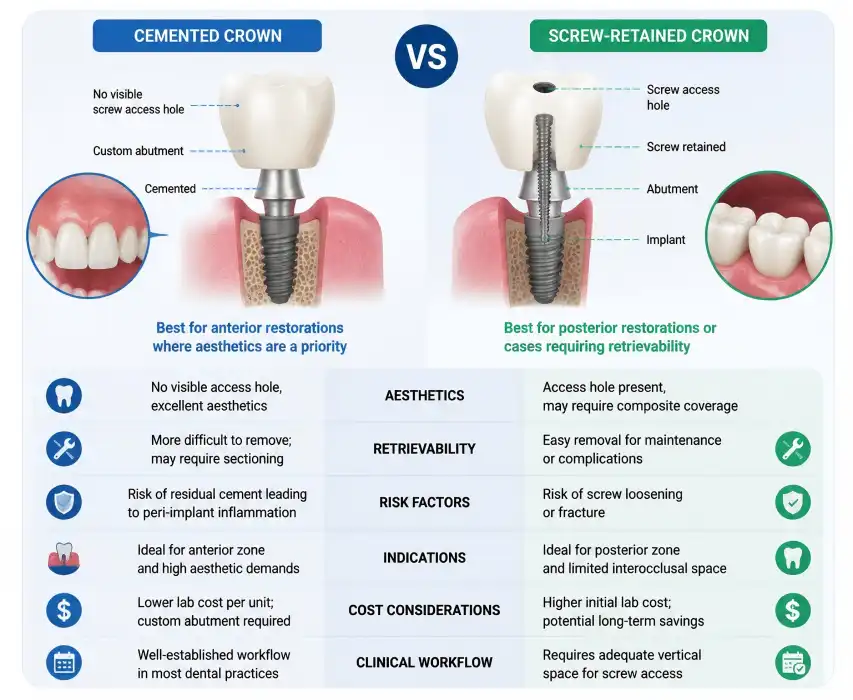
When purchasing, teams know the actual differences between these restoration methods, they can choose goods that meet a wide range of clinical needs while keeping prices low and quality high.
Aesthetic Considerations
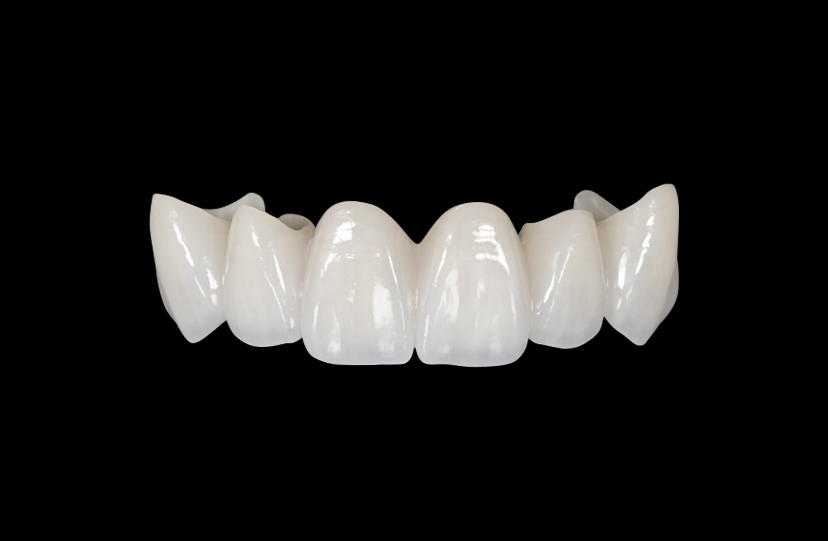
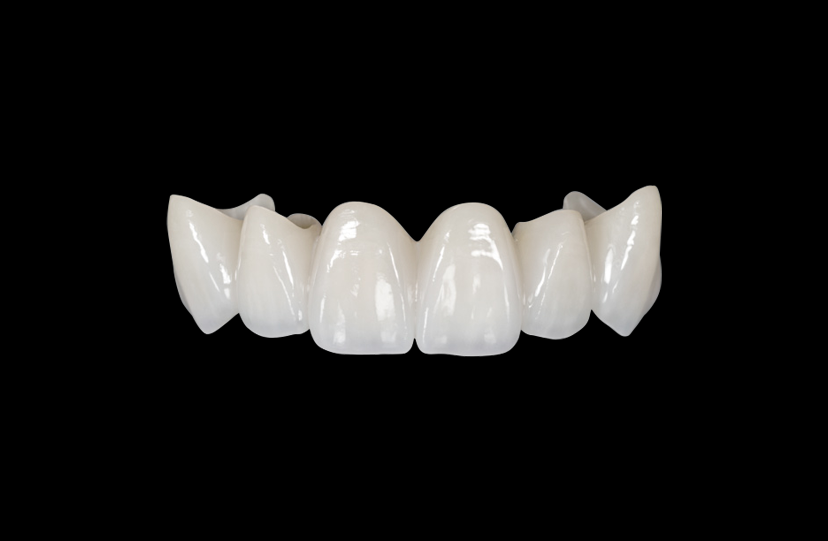
With an Implant Cemented Crown, the occlusal surface remains intact because no screw access hole is required, the occlusal surface stays completely intact, so there is no screw entry hole that can be seen. This creates a restoration that closely mimics a natural tooth, with smooth contours and a more translucent appearance. It also helps improve control of the patient’s bite relationship and allows better distribution of chewing forces when the occlusal structure remains uninterrupted. This aesthetic advantage is often prioritized in dental practices focused on cosmetic dentistry or anterior implant cases. Even though screw-retained crowns perform well clinically, they require composite material to cover the access hole, which may discolor over time or become visible under certain lighting conditions.
Maintenance and Retrievability
When it comes to upkeep and long-term use, screw-retained systems really shine. If problems happen, like cement-related complications, loosened abutments, or problems around the implant, the crown can be easily unscrewed, giving the dentist direct access to the implant-abutment contact. This ability to be retrieved cuts down on the need to remove the crown in a damaging way and makes it easier to clean or repair parts. Cemented crowns, on the other hand, need to be cut open and taken out if the underlying support needs to be accessed. This destroys the repair and means a new crown has to be made. This difference has a direct effect on how much service will cost in the long run and how buying teams plan their supplies.
Clinical Complications and Risk Management
Both types of repair come with different levels of risk that affect choices about what to buy. "Cement sepsis" is a well-known risk of cemented crowns. Residual cement left under the gums during placement can cause chronic inflammation and peri-implantitis, which could cause the implant to fail. Clinical studies have reported an association between residual cement and peri-implant inflammation. To lower this risk, you need to carefully remove the cement and create a custom abutment with borders that are no deeper than 0.5mm to 1mm below the gum line. Screw-retained repairs don't have the problems that come with cement, but they do have other problems, like screws coming loose or breaking, and they need enough vertical space for the access passage.
Cost Analysis and Supply Chain Considerations
The total cost of ownership includes the cost of materials, the difficulty of making the product, and the processes of moving it. Since the crown and base are different parts, making cemented crowns is usually easier in the lab, which could lower the cost per unit. But it costs more because unique abutments are needed to get the best emergence shapes and the least amount of cement depth. Screw-retained crowns may cost more at first because they have more complicated designs, but they save you money in the long run because you don't have to pay to have them replaced when you need to do upkeep. Instead of just looking at the original buy price, procurement managers should look at the total lifecycle costs, which include remake rates, warranty coverage, and clinical time savings.
The Implant Cemented Crown Procedure: From Procurement to Application
Knowing how the clinical process works helps business-to-business buyers choose goods that work well with dental practices and keep quality high all along the supply chain.
Procurement Specifications and Quality Control
When buying Implant Cemented Crown systems, procurement teams need to make sure that the makers can make unique abutments out of titanium or zirconia that have the right emergence profile shape and margin placement. Materials should comply with applicable regulatory requirements, and manufacturers should operate under an ISO 13485-certified quality management system for good breakage resistance and biocompatibility. Specifications should call for adequate biological space according to the clinical requirements and an abutment height and curve that can be changed to fit different clinical situations. As part of quality control, the passive fit, the integrity of the margins, and the finish on the surface should all be checked. Acceptance criteria should be set so that chairside adjustments take as little time as possible and the fit is perfect the first time.
Clinical Placement Protocol
Before the clinical process starts, the implant's osseointegration and soft tissue health are checked. The custom abutment is torqued to the implant fastener according to the manufacturer's instructions. Depending on the implant system, the torque is usually between 25 and 35 Ncm. The Implant Cemented Crown is then put in to make sure it fits, makes good contact, and fits properly before it is permanently attached. The type of cement you use is important. Resin-modified glass ionomer cements work well for retention and are easier to clean up than resin cements, which lowers the risk of retained cement. A lot of experienced dentists use the "copy abutment" method, which involves making a model of the abutment in the dentist's chair using fast-set putty, putting cement into the crown, setting it on the model to remove any excess, and then moving the "pre-vented" crown to the patient's mouth. This method cuts down on subgingival cement fragments by a huge amount.
Long-Term Maintenance and Supplier Support
Cemented implant replacements are very strong and can provide long-term clinical performance when properly designed, placed, and maintained if they are taken care of properly. Patients' lives are directly affected by how well they follow hygiene rules and get regular professional care. From a purchasing point of view, it's important to choose providers who offer full warranty coverage and quick technical help. A reputable company should back up their fixed fixes with at least a two-year guarantee that covers any problems with the way they were made and includes free repairs or replacements. Dental offices and labs can focus on caring for patients instead of dealing with supply chain problems when there are clear lines of communication and uniform quality across production runs.
Procurement Guide: Sourcing Quality Implant Cemented Crowns and Materials
Successful buying departments know how to deal with quality problems and delivery delays by building relationships with qualified suppliers who always deliver precise repairs on tight deadlines.
Supplier Qualification Criteria
A methodical approach that puts legal compliance, manufacturing capability, and service reliability at the top of the list when evaluating prospective providers is needed. First, make sure that the company is registered with the FDA, has CE approval, and is certified by ISO 13485:2016 as a quality management system. With these qualifications, you can be sure that the maker keeps good quality records and controls during production. Ask for biocompatibility test results and material safety data sheets to make sure that all of the materials are FDA-listed and meet international standards for dental use. If you can, visit the factories of your suppliers or do virtual checks to look at how they make things, how they calibrate their equipment, and how they review their products for quality.
Customization Capability and Turnaround Time
Premium providers are different from basic makers because they can make restorations that are completely unique and fit the needs of the design. Dental offices and labs need partners who can meet the specific needs of each case, like fixing implant angulations with custom abutments, matching specific shade characteristics, including Implant Cemented Crown cases, or quickly making emergency cases. For routine cases, look for sources with depending on case complexity and production requirements. For urgent cases, look for choices with next-day or two-day delivery when clinical plans allow it. With OEM and ODM capabilities, wholesalers and group practices can create their own restoration procedures that set their services apart in competitive markets.
Price, Value, and Total Cost Optimization
It's important to be competitive on price, but procurement workers with a lot of experience know that the lowest starting cost doesn't always mean the best total value. Not just unit price, but also first-time fit accuracy, repeat rates, and clinical time savings should be used to judge providers. If a provider charges a little more but consistently high quality with consistently low remake rates, the business will make more money than if they were cheaper but needed to make many changes and remakes. Figure out the total cost, which should include shipping, any possible customs taxes, the value of the warranty, and the secret costs of quality problems that waste time in the clinic and make patients unhappy.
Addressing Common Questions and Complications Around Implant Cemented Crowns
Procurement teams can make better decisions that lower problems and improve patient experiences when they know how to anticipate clinical challenges and understand how the choice of product affects results.
Preventing Cement-Related Peri-Implantitis
The biggest clinical problem with cemented implant repairs is still that too much cement can cause inflammation. There are pieces of cement left over at more than 40% of implant sites that have peri-implantitis, according to research. For prevention to work, the lab and the doctor need to work together. When labs make custom abutments, the edges should be placed no more than one millimeter below the gum line. This way, the cement line can be seen and reached during placement. The copy foundation method we talked about earlier is a good way to keep cement under control. Some dentists like to use less cement and rely more on the mechanical retention features built into the shape of the abutment. Getting regular X-rays and expert cleanings for maintenance helps find problems early, before they cause a lot of bone loss.
Custom vs Stock Abutments: Value Proposition
A lot of the time, procurement teams have to choose stock abutments over custom-designed parts for Implant Cemented Crown in order to save money. Stock abutments are cheaper at first, but they often lead to worse results. Stock abutments are round and general, so they don't match the way normal teeth come in. This means that the cement margins have to go deeper into soft tissue, where they can't be removed properly. Custom abutments that are made to fit the natural shape of the gum tissue make the right transition zone to keep the interdental papilla height and keep food from getting stuck between teeth. The extra cost of custom abutments is usually not very high if you buy them from a reliable maker. This cost is more than covered by the benefits of fewer problems, better looks, and longer-lasting security.
Service Life and Replacement Planning
Knowing how long a product is likely to last in real life helps buyers plan their supplies and choose the right guarantee terms. Most cemented implant crowns last fifteen years or longer if the patient takes care of their oral health and doesn't have any problems. The choice of material affects how long something lasts. For example, zirconia crowns last much longer and are less likely to wear down than standard porcelain-fused-to-metal repairs. When comparing sources and prices, procurement teams should look at the differences that are important. Warranty terms should be based on realistic performance standards, and reputable suppliers should offer multi-year coverage that protects against manufacturing flaws while making it clear that patient-related factors or clinical placement errors are not covered.
Conclusion
When choosing between screw-retained and fixed implant caps, you need to think about how the tooth looks, how easy it is to maintain, and how much it will cost in the long run. Implant Cemented Crown restorations are great at giving results that look natural and have better occlusal anatomy. This makes them especially suitable for anterior cases where aesthetics are a key concern for patients. To achieve optimal results, it is important to ensure that custom abutments are properly designed, cement is carefully controlled, and products are sourced from manufacturers who consistently provide precise fit and high-quality materials. When purchasing, professionals who understand these clinical details can choose options that reduce the need for remakes, prevent complications, and help the practice operate more efficiently. Dental organizations improve their restoration programs and deliver excellent patient care by partnering with providers who comply with regulations, offer fast turnaround times, provide comprehensive warranty coverage, and maintain responsive technical support.
FAQ
What are the main differences between screw-retained and cemented implant crowns?
Screw-retained crowns are physically attached through an access hole, which makes them easy to take out for cleaning or repairs. Cemented crowns are firmly attached to an abutment using dental cement. They look better because there is no screw hole that can be seen, but removal may require sectioning of the restoration, which can make replacement necessary.
Which restoration type offers better aesthetics?
When you put in a cemented crown, the occlusal surface stays totally smooth because there is no screw entry hole. This makes replacements that really look like natural teeth, which is why they are the best choice for front implants where looks are very important.
How do I prevent cement-related complications?
Use custom abutments with edges that are no more than 0.5 to 1 mm below the gum line. This will keep the cement lines obvious and easy to reach. The copy abutment method, which involves putting cement on a chairside analog before the final placement, greatly lowers the risk of subgingival cement leftovers and the inflammation that comes with them.
Are custom abutments worth the additional cost?
Custom abutments are very useful because they match the natural emerging profiles, support the design of the gingival tissue, and let you place the margins perfectly for cement control. The small extra cost is more than made up for by the fact that they are easier to use, look better, and are more stable in the long term than general stock abutments.
Partner with HYC for Superior Implant Cemented Crown Solutions
Dental professionals and laboratories seeking a reliable Implant Cemented Crown supplier can turn to HYC for help. They have been making dental products for 22 years. Our ISO 13485:2016-certified factory specializes in fully customized dental restorations manufactured with materials that comply with applicable FDA requirements and international quality standards. These include high-quality titanium and zirconia abutments paired with strong porcelain, metal, or zirconia crowns. We are experts at making custom abutments that have the best margin placement and emergence profiles. This helps dentists achieve predictable fit and reduced adjustment requirements and avoid problems related to cement. We offer a range of delivery choices, such as regular three-day dispatch, fast four- to five-day turnaround for complicated cases, and expedited delivery options for urgent cases when urgent clinical requirements. We offer a two-year guarantee on all of our fixed prosthetic restorations, which covers free repair or replacement for any problems with the way they were made. You can email our team at info@hycdentallab.com to talk about your unique needs, ask for example cases, or find out how our OEM services can help your practice, lab, or marketing business with reliable quality and service.
References
1. Wittneben, J.G., Millen, C., & Brägger, U. (2014). Clinical performance of screw- versus cement-retained fixed implant-supported reconstructions—a systematic review. International Journal of Oral & Maxillofacial Implants, 29(Supplement), 84-98.
2. Wilson, T.G. (2009). The positive relationship between excess cement and peri-implant disease: a prospective clinical endoscopic study. Journal of Periodontology, 80(9), 1388-1392.
3. Sailer, I., Mühlemann, S., Zwahlen, M., Hämmerle, C.H., & Schneider, D. (2012). Cemented and screw-retained implant reconstructions: a systematic review of the survival and complication rates. Clinical Oral Implants Research, 23(Supplement 6), 163-201.
4. Linkevicius, T., & Vaitelis, J. (2015). The effect of zirconia or titanium as abutment material on soft peri-implant tissues: a systematic review and meta-analysis. Clinical Oral Implants Research, 26(Supplement 11), 139-147.
5. Chee, W., Felton, D.A., Johnson, P.F., & Sullivan, D.Y. (1999). Cemented versus screw-retained implant prostheses: which is better? International Journal of Oral & Maxillofacial Implants, 14(1), 137-141.
6. Sherif, S., Susarla, H.K., Kapos, T., Munoz, D., & Chang, B.M. (2014). A systematic review of screw-versus cement-retained implant-supported fixed restorations. Journal of Prosthodontics, 23(1), 1-9.
YOU MAY LIKE