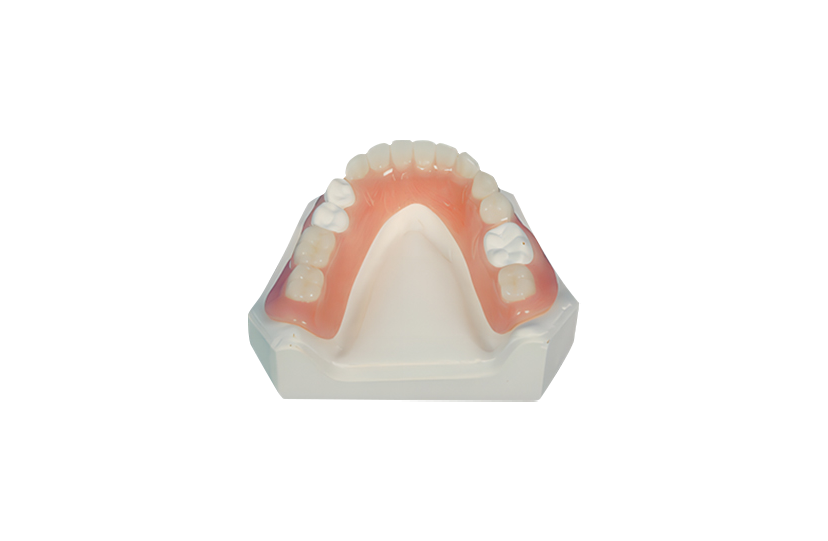
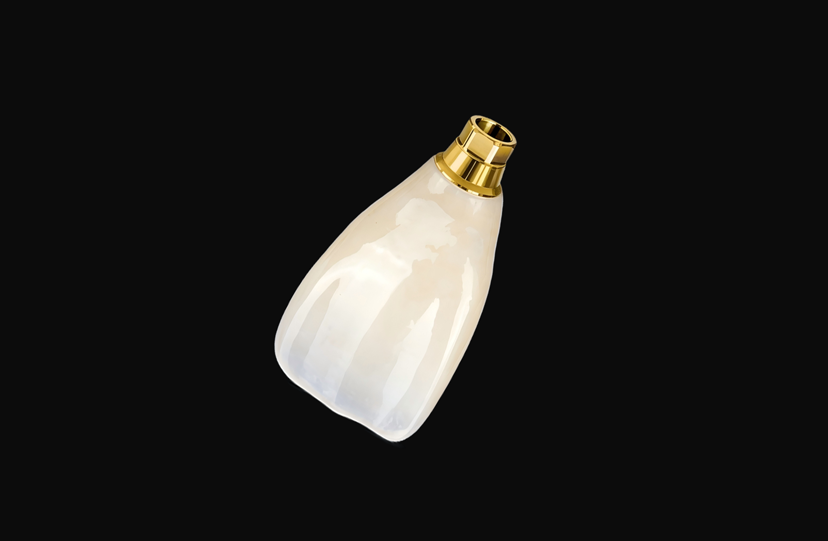
Full Cast High Noble Metal Crown vs Porcelain Comparison
When buying, teams look for dental crowns for busy offices. They have to make a big decision: should they buy Full Cast Metal Crowns or porcelain alternatives? The Full Cast Metal Crown, which can be made from High-Noble gold alloys, silver-palladium compositions, or Base-Metal cobalt-chromium, is very strong and durable, which makes it a reliable option for posterior restorations where strength and durability are important considerations. When it comes to looks, porcelain-based crowns provide superior esthetics, while their mechanical performance depends on the specific ceramic system and clinical application. Dental lab owners, buying managers, and clinic workers need to know about these trade-offs to find the best mix between first-time fit accuracy, remake rates, turnaround speed, and long-term cost-effectiveness. This comparison gives you the technical and business information you need to make sure your buying choices are based on solid evidence and meet your healthcare needs and budget.
Understanding Full Cast High Noble Metal Crowns and Porcelain Crowns
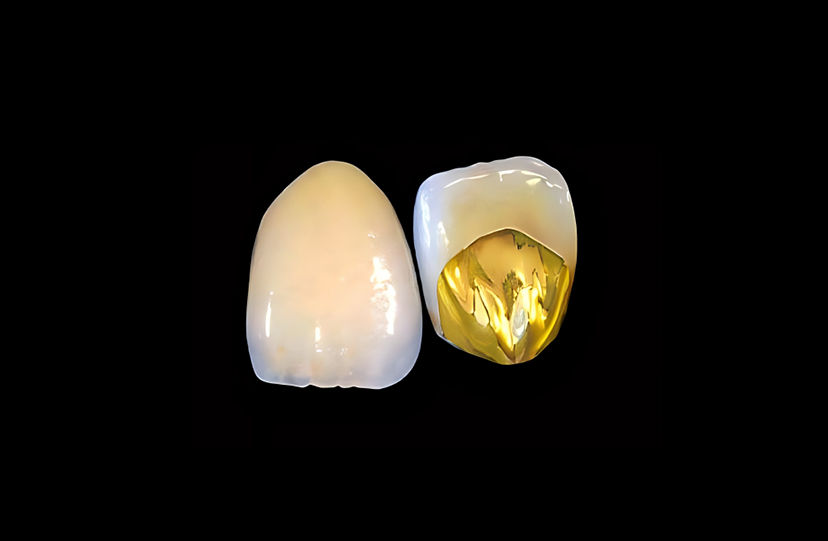
Full Cast Metal Crowns are replacements that are carefully cast from metal alloys and don't have any porcelain on top. Gold, palladium, and platinum are the main metals that make up High-Noble versions, which usually have at least 60% noble metal makeup. These alloys generally demonstrate good corrosion resistance, chemical stability, and biocompatibility characteristics. This property contributes to good tissue compatibility and has made noble metal alloys widely used in restorative dentistry. The casting process requires very little preparation of the tooth—often as little as 0.5 to 1 mm of axial reduction and 1.0 to 1.5 mm of buccal clearance—allowing clinicians to consider more conservative tooth preparation designs in selected cases. This quality is especially helpful for molars that have been treated endodontically or for teeth that don't have a very high clinical crown, since retention relies more on mechanical undercuts than on bonding strength.
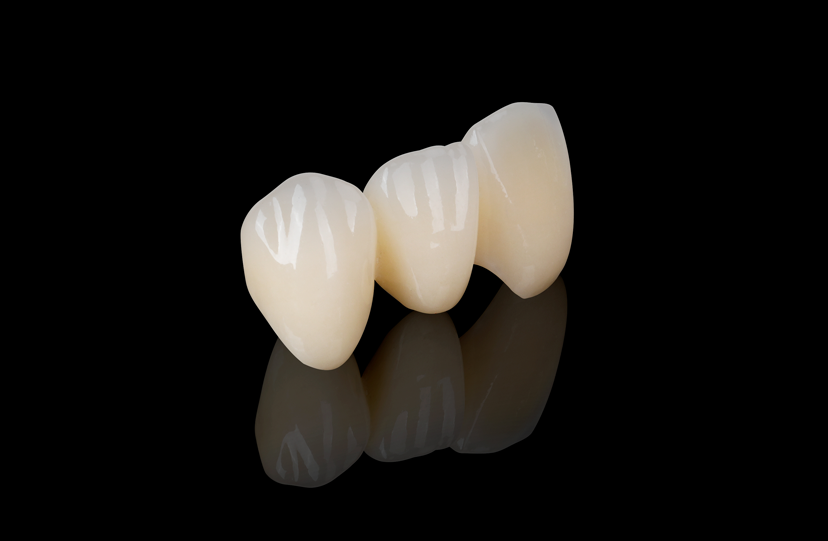
All-ceramic and porcelain-fused-to-metal (PFM) replacements are both types of porcelain crowns. All-ceramic choices, like feldspathic porcelain and glass-ceramic materials, are the standard for anterior restorations because they look and feel like real teeth. PFM crowns have a metal base and a ceramic finish, which makes them strong and attractive at the same time. But porcelain needs more tooth reduction—usually 1.5 to 2 mm—to make room for the thicker material that keeps it from breaking. Because the material is so fragile, it can break when heavy forces are put on it, especially in people who grind their teeth or have parafunctional habits.
In terms of purchasing, the makeup of the materials has a direct effect on how much they cost. Due to the valuable metals they contain, High-Noble gold alloys are very expensive, but their high durability and low rate of remaking often make them more cost-effective overall. Base-Metal options, like nickel-chromium or cobalt-chromium alloys, are just as strong but much cheaper. They don't shine as easily or be as good for your gums as noble alloys, though. The price of porcelain materials varies a lot based on what they are made of and what brand they are. The most expensive ones are quality ceramics from companies like Ivoclar and 3M ESPE.
Material Composition and Properties
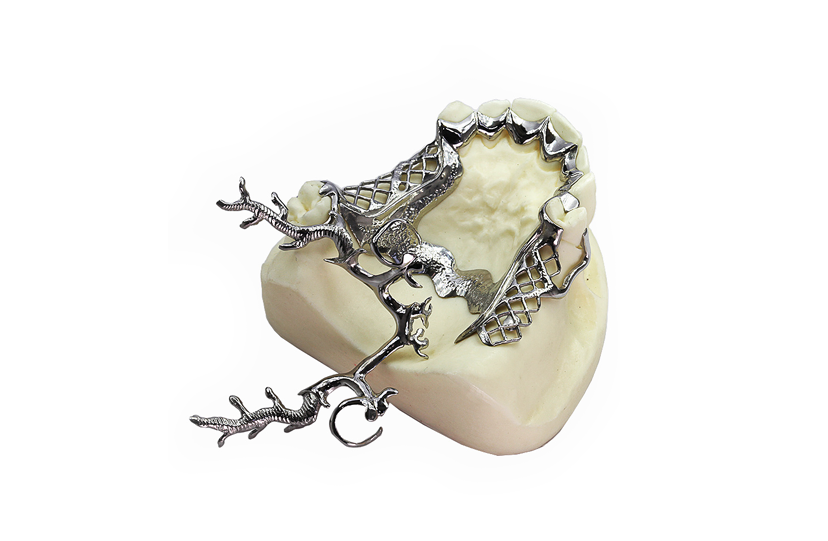
High-Noble alloys have gold amounts between 40% and 86%. Palladium, platinum, and minor elements are added to keep the alloys' hardness and casting ability at their best. Silver-palladium alloys are a cheaper choice than rare metals that are still biocompatible and very strong. Base-Metal alloys, mostly cobalt-chromium, have the best tensile strength and modulus of flexibility. This means they can be used for long-span bridges and implant frames. However, these metals are hard to adjust in the chair and may make future endodontic entry more difficult.
Biocompatibility and Regulatory Compliance
Noble metal crowns have the best biocompatibility scores, and allergic reactions to them are very rare. High-Noble gold metals are especially inert and don't react with flesh at all. Base-Metal alloys, especially those with nickel, have a small chance of causing allergic responses in people who are more likely to have them. To make sure patients are safe and that foreign markets follow the rules, Manufacturers supplying international markets should maintain appropriate regulatory compliance, including quality management systems such as ISO 13485:2016 and applicable FDA requirements where required.
Comparing Performance and Durability: Metal vs Porcelain Crowns


Clinical life is the most important thing to think about when making a purchase choice. Full Cast Metal Crowns are recognized for their excellent durability, with clinical studies reporting long-term service performance in many cases, with many repairs working well for decades without chipping, breaking, or showing much wear. The material is very durable because its structure is uniform, and it is very hard to break. The casting process makes a repair that can withstand high occlusal forces, which is very important for back teeth that are exposed to significant occlusal forces during function. Base-Metal alloys have tensile strengths above 500 MPa, while High-Noble gold alloys are more flexible and can be burnished on the chairside for the best minor adaptation.
On the other hand, porcelain caps don't always last as long. Most all-ceramic restorations last between 10 and 15 years before needing replacement. Chipping is the most common way they break. The material has a great compressive strength—for some glass-ceramics, it's close to 400 MPa—but its tensile strength and crack toughness are much lower than metal's. Although porcelain-fused-to-metal crowns are more durable because they have a metal base, the porcelain can still come off and chip along the biting area. When metal and porcelain meet, they form a stress concentration point where most problems start.
The rate of remakes and clinical results is directly related to the quality of the marginal fit. When Full Cast Metal Crowns are made using the lost-wax casting method, the edges are very exact, with gaps as small as 50 microns. This makes a good seal against bacteria getting in and causing decay to happen again and again. High-Noble gold metals have special burnishing qualities that let dentists change the margins even more by manipulating them mechanically during cementation. Marginal accuracy depends on the material system, manufacturing workflow, laboratory technique, and quality control procedures. This depends on how they were made and how the material sinters. This difference in dimensions can affect the long-term outlook, especially in people who are more likely to get cavities.
Wear Characteristics and Opposing Dentition
Gold metals have a wear number that is a lot like natural enamel, which means that opposing teeth aren't worn down as much. This trait keeps the opposing teeth in good shape over time, which means you won't need as many repairs in the future. Even though Base-Metal metals are harder, they can wear away enamel faster if they are not cleaned properly. Porcelain is hard to work with because rough or unglazed porcelain surfaces are abrasives that wear away opposing enamel quickly. On the other hand, over-glazed porcelain surfaces can chip and make sharp edges that hurt opposing enamel even more.
Failure Mode Analysis
Understanding patterns of failure helps with assessing the risk of buying. When metal crowns break, the main cause is repeated decay at the replacement margin. This is a problem that can be fixed and rarely needs emergency care. Porcelain-related failures may involve chipping or fracture, which can require repair or replacement depending on the severity. Full Cast Metal Crowns have a more forgiving failure profile, which makes it easier to plan for upkeep and budget.
Procurement Perspective: Cost, Supply Chain, and Customization
Different types of crowns have very different volume buying tactics. Full Cast Metal Crowns make it easier for labs to make things, which means faster production processes and more reliable turnaround times. A normal Full Cast Metal Crown can be shaped, finished, and polished in three to five working days. For urgent cases, many labs offer faster service within 48 hours. The efficient production process cuts down on labor costs and quality control factors, which means that experienced laboratories may achieve low remake rates through standardized workflows and strict quality control. Porcelain repairs need to be fired more than once, have specific rules for matching colors, and be handled carefully. This makes the production process take 5 to 7 days longer and increases the chance of mistakes.
Another important thing to think about is the stability of the supply line. Metal alloys, especially those made of Base-Metals, have steady prices and are easy to get from a lot of different sources, which lowers the risk of buying them. Metal prices can go up and down with the prices of other commodities, but known hedging techniques and forward contracts can help keep prices from going too high or too low. When demand goes up, or there are problems with the factories that make porcelain materials, there may not be enough to go around. When makers like Ivoclar run out of stock, lead times for high-end ceramic products can go up to several weeks.
Customization options are closely linked to the amount of goods bought and the relationships with suppliers. Full Cast Metal Crowns can be made from digital scans or physical prints to make patterns that are 100% unique, with few limits on shape or thickness. The casting method makes it easy to copy complicated body shapes, undercuts, and custom margin arrangements. Porcelain replacements have shape restrictions, especially all-ceramic crowns that need to be a certain minimum width to keep them from breaking. Standardized methods that use Full Cast Metal Crowns for posterior applications and porcelain for anterior looks, when patients expect tooth-colored restorations, are better for DSOs and high-volume clinics.
Supplier Evaluation Criteria
When choosing a Full Cast Metal Crown provider, you need to look closely at several success indicators. International quality standards are met when products are certified, such as when they are FDA registered, CE marked, or ISO 13485:2016 accredited. How well a provider can handle growth and extra orders during busy times is based on their production capacity and scalability. Case turnaround and remake solving speed are directly affected by how quickly communication is answered and how well technical help is provided. Warranty terms, such as repair and copy policies, protect you financially against problems with the way the product was made. When suppliers offer 2-year warranties on metal crowns, it shows that they are confident in the quality of their products and the stability of their manufacturing.
Minimum Order Quantities and Pricing Models
MOQ standards are very different between vendors. Boutique dentistry labs may take orders for just one unit, but they may charge more per unit to cover the costs of setting up the lab. Mid-volume sellers usually set minimum orders of 10 units and offer tiered prices that reward bigger commitments. When you buy more than 100 cases per month, high-volume OEM partners may offer the best unit economics, but they may need long-term contracts and terms for paying in advance. If you know how many cases you handle and the types of cases you handle, you can choose the best provider that matches unit cost with service flexibility.
Maintenance, Aftercare, and Long-Term Performance
Full Cast Metal Crowns are easy for patients and professional teams to take care of. Plaque doesn't stick to the non-porous metal surface, and it can be cleaned well with regular cleaning, flossing, and professional protection every so often. Because the material is so long-lasting, patients rarely have problems with how it works, and the crowns don't need any extra care beyond normal tooth care. Over time, High-Noble gold metals get a sheen that doesn't affect their performance or ability to be used by living things. Periodic reminder exams should check the health of the gums around the teeth, the cement seal, and the stability of the tooth's edges. Usually, no action is needed unless decay keeps happening.
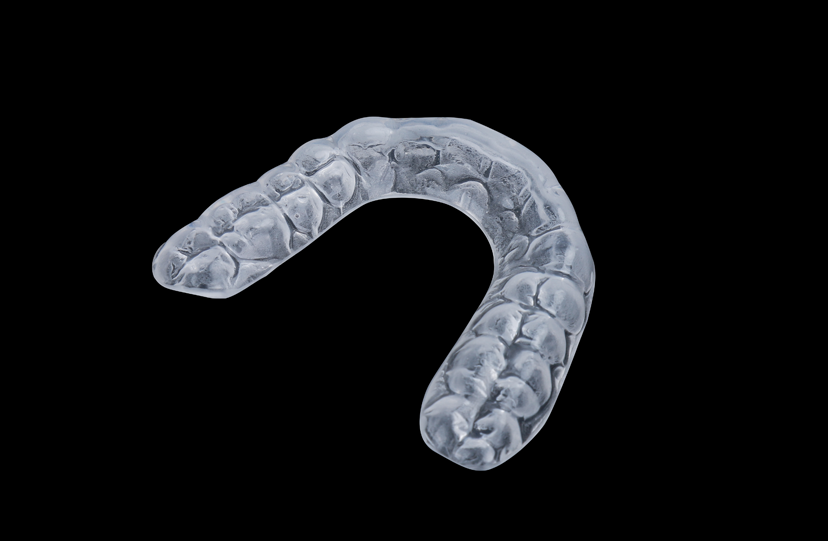
When taking care of porcelain crowns, you need to be more careful. Compared with full cast metal crowns, porcelain restorations are more prone to chipping under excessive force. Patients should not eat hard foods, chew ice, or do other things that aren't good for them because they can break or chip their teeth. People who have bruxism often need nightguards to protect their porcelain crowns from too much occlusal force. Even though the cleaned porcelain surface is smooth, it can get tiny cracks that grow over time and cause the whole thing to break. During prevention, dental hygienists must use tools with plastic or rubber tips so as not to scratch the glaze. If they do, rough surfaces are made, which makes plaque stick to teeth longer and causes counter wear to happen faster.
The terms of the warranty have a big effect on the total cost of ownership estimates. Metal crown providers usually offer 2-year warranties that cover flaws in the manufacturing process, failed materials, and problems with the fit of the repair, as long as it was glued in according to standard procedures. Most porcelain crown guarantees are only 12 to 18 months long, and they may not cover chipping or breaking that is caused by the patient. The difference comes from the way each material is naturally made: metal failures almost always mean there were problems with the manufacturing process, while porcelain failures usually mean that the patient behaved badly or the doctor made a bad decision about which case to take. Procurement teams should discuss clear guarantee terms that spell out what failures are covered, how to file a claim, how long it takes to get a repair under the warranty, and any cost-sharing arrangements.
Decision-Making Framework for B2B Buyers
Creating a structured procedure for crown selection speeds up the process of getting them and makes the results better in the office. Start by dividing cases into groups based on where they are in the body and what they need to do. Full Cast Metal Crowns are perfect for posterior molars that take a lot of pressure during chewing. This is especially true for people who clench their teeth a lot, have small spaces between their teeth, or have short clinical crowns that are hard to keep in place. The small amount of tooth preparation needed keeps the structure intact and speeds up the healing process. To meet patients' visual needs, porcelain options are needed for the front teeth and back teeth that show when they smile, even though they are more likely to break and need more care.
Instead of focusing on the original unit cost, budget selection should be based on long-term value. A crown made of high-noble gold can cost in a higher price range per unit, while a base-metal crown is generally in a lower cost range, and a porcelain crown typically falls in a mid-range cost bracket. However, a Full Cast Metal Crown can last for several decades and rarely needs replacement, so its long-term expense is often much lower than that of porcelain crowns that may require replacement over time. When you look at the total cost of ownership, which includes manufacturing time, cementation time, remake events, and patient visits, it’s often clear that premium metal crowns are the better choice for posterior uses.
Responding to suppliers' needs and their expert help should be carefully looked at. Labs that offer standard turnaround times of three days, next-day service for emergencies, and proactive case contact cut down on chair time and plan changes. Technical support teams that help with preparation, case planning, and quick remake settlement make professional work more efficient and make patients happier. ISO 13485 certification and FDA registration prove that quality management is structured and that regulations are followed. This lowers risk in markets where medical device regulations are strict.
Case Study: Multi-Location DSO Implementation
A regional DSO that oversees 12 dental offices set up a standard procedure that all posterior fillings in areas that aren't for looks should use Full Cast Base-Metal crowns. The program cut the average cost of a crown by 35%, the rate of remakes from 6% to less than 2%, and the time it took to finish a case on average from 7 days to 4 days. The patient happiness scores stayed the same because most patients cared more about how the back teeth looked than how long the treatment would last. The DSO worked with a provider that offered bulk discounts, specialized account management, and a 2-year warranty. This set up a stable supply chain that made sure the clinical quality was the same everywhere.
Conclusion
Clinical success, patient standards, and the cost of procurement must all be considered when deciding between Full Cast Metal Crowns and Porcelain Restorations. Full Cast Metal Crowns can be a suitable option for selected posterior cases where strength and durability are priorities with limited interocclusal room, bruxism, or posterior teeth because they are strong, last a long time, and fit the first time correctly. For front uses, porcelain repairs look better than any other material, but they are more likely to break and need to be redone more often. Professionals in charge of buying things should give preference to sellers who have a lot of certifications, can turn orders around quickly, and have strong guarantee programs. If you look at the total cost of ownership over the restoration's service life instead of just the original unit price, you'll see that high-quality Full Cast Metal Crowns often offer better economic value and more reliable long-term performance.
FAQ
Which crown type offers better value for posterior restorations?
For teeth in the back, Full Cast Metal Crowns usually provide better long-term value. Their 20–40-year service life, low rate of remakes, and easy upkeep requirements make their total cost of ownership lower than porcelain options that might need to be replaced every 10–15 years. The original cost of High-Noble or Base-Metal crowns is quickly recouped by the lower number of failures and longer durability.
How do I manage patients with documented metal allergies?
People who are allergic to nickel should stay away from Base-Metal combinations that contain nickel. High-Noble gold alloys, which have little to no nickel, don't pose much of an allergy risk and can still be used by most people who are allergic to metals. If a patient is sensitive to more than one metal or would rather not have metal in their replacements, porcelain or zirconia crowns are the best option.
What turnaround time should I expect for custom crown orders?
Standard production for Full Cast Metal Crowns usually takes three to five business days from the time the impression is received until the crown is delivered. For pressing cases, expedited service can cut this time down to 48 hours. Because they have to be fired several times and the color has to be checked, porcelain crowns usually take 5 to 7 days. If you choose providers with strong logistics networks and flexible schedule options, you can meet the needs of a wide range of patients and handle emergencies.
Partner with HYC for Precision Full Cast Metal Crown Supply
HYC has 22 years of dental manufacturing experience and operates under ISO 13485:2016 quality management standards, with applicable FDA registration and CE compliance for relevant products. They offer Full Cast Metal Crown options that meet the high standards of dental labs, clinics, and DSOs all over the United States. Our High-Noble, noble, and Base-Metal restorations undergo strict quality control procedures designed to support consistent fit accuracy and reliable clinical performance. You can choose from a range of delivery options, such as standard 3-day shipping,2-to-4-day turnaround for complicated cases, and next-day flash service for urgent restorations. We make each crown exactly the way you want it, and we back that up with a 2-year warranty that covers production flaws and fit problems. HYC is the reliable Full Cast Metal Crown provider your practice needs for large orders or OEM relationships. We offer the accuracy, speed, and support your practice needs. Get in touch with us at info@hycdentallab.com to talk about your unique needs and experience our commitment to consistent quality, communication, and reliable dental restoration solutions.
References
1. Rosenstiel, S.F., Land, M.F., & Fujimoto, J. (2015). Contemporary Fixed Prosthodontics (5th ed.). St. Louis: Mosby Elsevier.
2. Shillingburg, H.T., Hobo, S., Whitsett, L.D., Jacobi, R., & Brackett, S.E. (2012). Fundamentals of Fixed Prosthodontics (4th ed.). Chicago: Quintessence Publishing.
3. Anusavice, K.J., Shen, C., & Rawls, H.R. (2013). Phillips' Science of Dental Materials (12th ed.). St. Louis: Elsevier Saunders.
4. Christensen, G.J. (2009). "Should resin-based composite dominate restorative dentistry today?" Journal of the American Dental Association, 140(12), 1490-1493.
5. Kelly, J.R., & Benetti, P. (2011). "Ceramic materials in dentistry: Historical evolution and current practice." Australian Dental Journal, 56(s1), 84-96.
6. Wassell, R.W., Walls, A.W., & Steele, J.G. (2002). "Crowns and other extra-coronal restorations: Materials selection." British Dental Journal, 192(4), 199-211.
YOU MAY LIKE
_1779414347678.webp "FCZ(Full Contour Zirconia)")