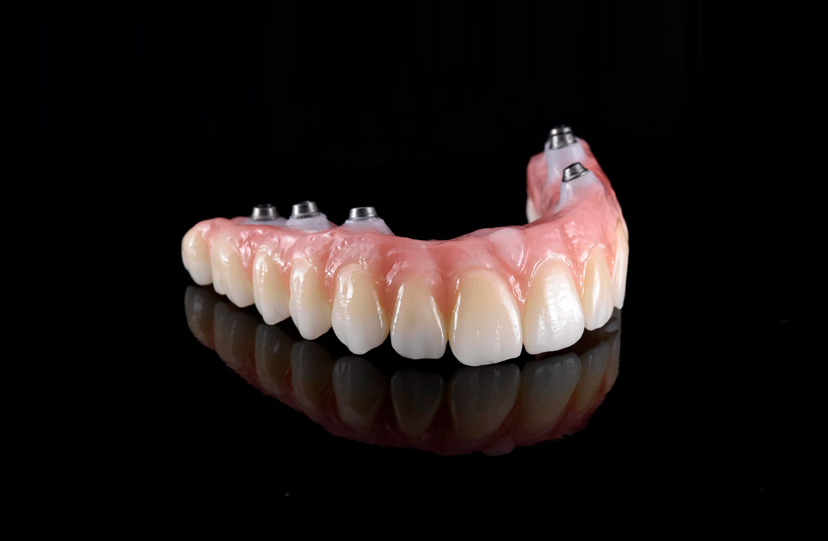
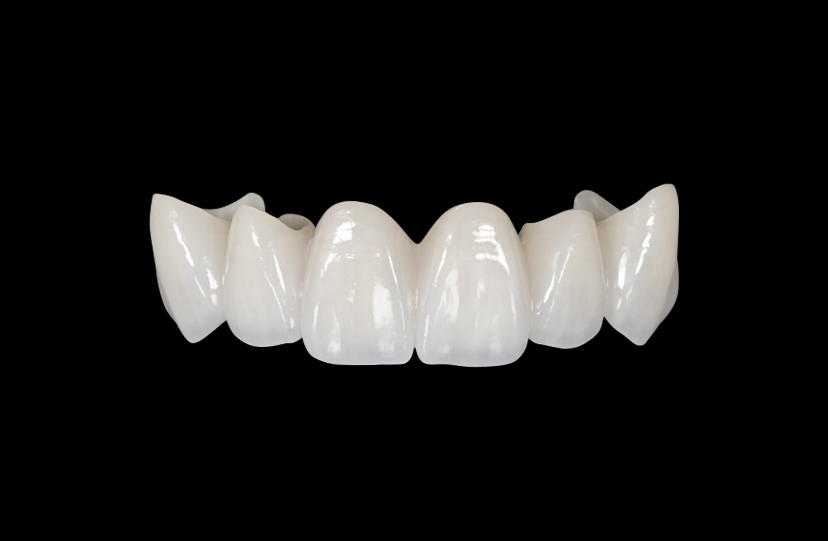
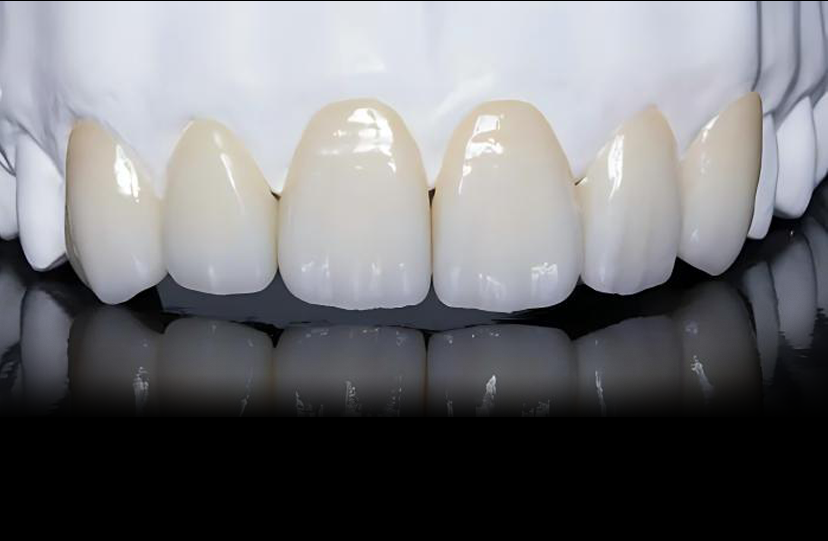
How long do Complete Acrylic Denture last?
Complete acrylic dentures typically have an expected service life of around 5–7 years, although actual longevity varies depending on material quality, fabrication, oral conditions, and maintenance. This time frame isn't set in stone, though. It changes depending on how well the product is made, the quality of the materials used, the patient's habits, and the oral physiological changes happening in the mouth environment. Dental labs, clinics, and distributors can make better choices that patient satisfaction and reduce the need for expensive remakes when they know about these factors.
Understanding Complete Acrylic Dentures and Their Lifespan
Full-arch acrylic prosthetics are a basic option for people who don't have any teeth and want to replace missing teeth with removable prostheses. The base of these removable appliances is made of PMMA resin that has been coloured to look like natural gum tissue. The teeth are made of acrylic that has been coloured to look and feel like natural enamel. There are several clinical steps in the production process, including taking preliminary and final impressions, keeping records of the jaw's relationship, doing wax try-ins to make sure the end product looks good, and processing it in the lab under controlled heat and pressure conditions.
Material Composition and Performance Characteristics
Polymethyl methacrylate, a biocompatible thermoplastic polymer that is widely used because of light and easy to adjust, is what these dentures are made of. PMMA lets dental technicians reline, fix, or change restorations right in front of the patient as their mouth changes because of bone resorption, a natural process that speeds up after tooth loss. Acrylic is cheaper and more flexible than metal frames, but it is more likely to break when the temperature changes. This is why it is the most popular material for full dentures around the world.
Expected Service Duration and Influencing Variables
When dental offices need to get new Complete Acrylic Denture products quickly, they can benefit from suppliers who can speed up production with three-day delivery and four- to five-day total turnaround times. Private practices that want to improve the look of their patients should look for makers that can show they know how to use custom shade matching and characterisation methods that make the gums look natural. Dental service companies with multiple locations need suppliers that can keep quality consistent across large orders while also meeting the needs of each location's specific customisation requests.
Key Factors Affecting the Lifespan of Complete Acrylic Dentures
The material of removable prostheses isn't the only thing that affects how long they last; how they were made, how the patient wears them, and how often they are maintained are all interconnected factors.
Manufacturing Precision and Material Quality
CAD/CAM technology and digitally controlled milling systems are used by advanced dental labs to get base adaptation and occlusal design as improve manufacturing precision and consistency. High-quality PMMA mixtures with the right amount of monomers to polymers lower the amount of unreacted monomers that are left over. This may help reduce the potential for tissue irritation and makes the structure more stable. Suppliers who keep their ISO 13485:2016 certification and use dental materials that comply with applicable regulatory requirements show that they are committed to consistency. This means that may help improve fit consistency. and last longer. When looking at possible manufacturing partners, you should closely look at how they handle quality control, their production technology, and how they get their materials.
Patient Maintenance and Handling Practices
Cleaning every day has a big effect on how long you live. People who brush their teeth with soft-bristled brushes and cleaners that aren't too rough, soak them overnight in the right solutions, and keep them away from boiling water keep the surface from wearing down and the dimensions stable. On the other hand, careless actions like throwing appliances, using harsh chemicals, or letting them dry for long periods of time speed up wear and raise the risk of breaking them. Teaching end users the right way to give care is an investment that saves money on replacement costs and makes patients happier.
Physiological Changes and Professional Adjustments
After a tooth is pulled, alveolar bone resorption continues, which changes the base that holds the denture in place. This change in anatomy leads to loosening, less retention, and changes in occlusion that make it harder to chew and are less comfortable. Dentists can find fit problems early and fix them by relining procedures, which involve adding new base material to fix adaptation without replacing the whole prosthesis. This is done at professional check-ups every six to twelve months. If you do it right away, relining can add two to three years to the useful life of your healthcare equipment, which is good for both patients and healthcare providers.
Comparing Complete Acrylic Dentures with Other Denture Types
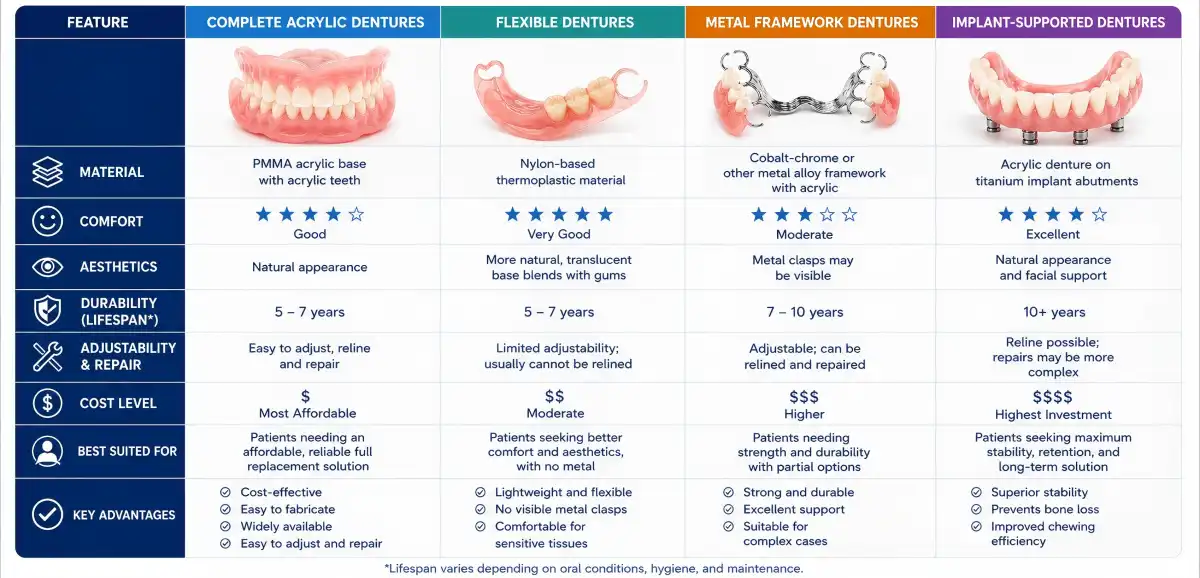
When making choices about what to buy, it's helpful to know how acrylic prostheses compare to other materials in key performance areas.
Durability and Longevity Metrics
Metal-based dentures, especially those with cobalt-chromium frames, tend to last longer than Complete Acrylic Denture solutions by a few years because they are more rigid and don't wear down as easily. But they need more complicated ways to be made and cost more to buy at first. There is better impact protection in thermoplastic nylon-based flexible teeth, but they stain more easily and can break over time. Bonding porcelain teeth to plastic bases improves their looks and resistance to wear, but they make the creation process more difficult and add weight. Acrylic dentures are well suited for that want to keep prices low, make adjustments easily, and get them back to patients quickly.
Cost-Effectiveness and Adjustment Flexibility
All-acrylic restorations are the best value when it comes to buying things in high-volume settings. Making them is easier and doesn't require as many specialised tools or technical know-how as making cast metal frames or milled PMMA bases. This means that each one costs less and is made faster. Being able to make adjustments, repairs, and relines at the chairside without having to go to the lab cuts down on operational downtime and improves the efficiency of the clinic workflow. Standardised acrylic solutions that balance quality with clear cost structures are especially helpful for dental service companies that run more than one site.
Patient Comfort and Aesthetic Appeal
Modern acrylic formulas can provide natural-looking aesthetics, with gum shading and tooth shapes that can be changed to closely resemble natural mouth looks. Because they are so light, first-time denture wearers can get used to them faster and have fewer complaints about how bulky they are. The material's small flexibility absorbs shock during chewing, lowering the forces that are transmitted to the tissues below. This is more comfortable than options made of rigid metal or porcelain. These benefits that focus on the patient lead to improved patient satisfaction and fewer visits for adjustments, which are important measures for clinics that want to run efficiently and keep their good name.
Best Practices for Procuring Durable Complete Acrylic Dentures
For strategic sourcing to work, you need to look at suppliers in more than just terms of price. Long-term partnership value is based on quality, compliance, the ability to customise, and the support infrastructure.
Supplier Evaluation Criteria
Give more weight to makers who have the right certifications, such as FDA registration, CE marking, and ISO 13485:2016 quality management system approval. These certificates show that the company follows international biocompatibility standards and all the rules that are needed to do business in the U.S. and Europe. Ask for proof that the base materials and teeth are FDA-registered facility and that they were made using controlled heat-curing methods that keep porosity to a minimum and help achieve consistent dimensional accuracy. Check out the production capacity, turnaround times, and emergency order help. These are important things for labs and hospitals that have to handle a lot of cases quickly.
Technology and Customization Capabilities
Leading suppliers use digital workflows that combine 3D printing, CAD design software, and intraoral scanning to make complete acrylic denture production more precise. These methods allow for complete customisation based on the dentist's instructions while keeping things consistent over a large production run. Ask about design flexibility: Can the lab accommodate special requests for how the teeth are arranged, how the jaws fit together, or how the gums are shaped? Does the company make both standard plastic overdentures and ones that are held in place by implants? Procurement teams can combine suppliers and make logistics easier when they have broad capability portfolios.
Post-Sale Support and Warranty Terms
Reliable service after the sale is what sets reliable providers apart from average ones. Look for partners who offer full insurance coverage—ideally one to two years for removable prostheses—with clear rules on how to fix or replace defective products for free. Technical support teams that are quick to respond and can help with fit issues or material questions are very helpful, especially when dealing with tough cases. Check the contact system. Is there support staff who can speak more than one language? Do they offer full case tracking and choices for faster shipping? Remake rates and customer retention are directly affected by these factors.
Maintenance Tips to Maximize the Lifespan of Complete Acrylic Dentures
Proper care protocols are a shared responsibility between dentists and patients, and they have big effects on how long teeth last and how happy patients are with their care.
Daily Cleaning Protocols
Teach your patients to clean their teeth right away after eating to get rid of food particles that can cause bacteria to grow and surface stains. Using soft-bristled toothbrushes and denture cleaners that aren't too rough keeps your teeth from getting scratched and gets rid of plaque buildup. Soaking dentures overnight in solutions made just for them keeps them moist, which stops them from twisting and keeps their shape. Do not let anyone use bleach, toothpastes that are rough, or boiling water on acrylic surfaces; these things damage them and make it harder to get a good fit.
Professional Maintenance Schedules
Patients should have professional exams every six months. This way, dentists can check the state of prosthetics, the health of tissues, and look for early signs of wear or fit loss. Professional cleaning gets rid of calculus buildup and tough spots that patients can't get rid of on their own. Relining treatments, which are usually needed every two to three years, fix how the soft tissues have changed to compensate for bone loss. Regular maintenance can help extend the service life of an item and may help reduce the risk of major damage that need to be replaced completely.
Troubleshooting Common Issues
Take care of patient comments right away to keep small problems from getting worse. Looseness usually means the teeth need to be relined; clicking sounds mean there are occlusal differences that need to be fixed; and sore spots that won't go away could mean that pressure points need to be relieved. Cracks or cracks need to be looked at by a professional right away—over-the-counter solutions rarely work to fix things temporarily and often make the damage worse. Setting up clear lines of communication between patients and clinical teams makes it easier for help to arrive quickly, protecting prosthetic investments and keeping patients' trust.
Conclusion
Complete Acrylic Dentures are a reliable and affordable way to replace missing teeth for people who have none left. If they are made to high standards and taken care of properly, they should last five to seven years. Dental labs, clinics, and distribution networks that buy things can save money by working with certified producers that can show consistent quality, regulatory compliance, and a strong support system. By focusing on material quality, production accuracy, customisation options, and warranty terms as important criteria for evaluating suppliers, buyers can make better product choices, lower the number of times products need to be remade, and improve patient satisfaction, all of which strengthen their competitive position in tough healthcare markets.
FAQ
How Often Should Complete Acrylic Dentures Be Replaced?
Because of material wear and bone loss over time, most prosthetics need to be replaced every five to seven years. But people who do regular upkeep and get regular adjustments from a professional may be able to use it for eight or even ten years longer. By restoring the proper fit as the mouth changes over time, relining procedures done every two to three years can delay replacement.
Can Acrylic Dentures Be Adjusted or Repaired?
Because PMMA resin is flexible, dentists can make adjustments, repairs, and relines right in the chair without having to go to the lab. Commonly, minor cracks can be fixed with special plastic glueing methods, but major damage usually calls for a replacement. This is a big plus over rigid metal frameworks that need to be worked on in a lab in order to be changed.
What Are the Cost Benefits of Bulk Purchasing?
When dental labs and group practices order in bulk, they get economies of scale, which lowers the cost per unit by streamlining production and combining logistics. Buying in bulk also makes sure that there is stock for pressing cases, cuts down on shipping costs, and often gets buyers better prices and longer guarantee terms, all of which are very appealing to organisations that handle a lot of cases.
Partner with HYC for Complete Acrylic Denture Manufacturing
With over 22 years of experience in dental laboratory manufacturing, HYC Dental Laboratory provides high-quality complete acrylic dentures and other removable prosthetic solutions for dental laboratories, clinics, distributors, and OEM partners worldwide.
Our manufacturing facility operates under an ISO 13485:2016-certified quality management system, is FDA registered, and complies with applicable CE regulatory requirements where required. By integrating digital CAD/CAM workflows, standardized production processes, and carefully selected dental materials, we strive to deliver consistent product quality, predictable fit, and reliable turnaround times across every case.
To support the operational needs of dental laboratories and clinics, we offer standard 3-day dispatch for removable cases, 3–5 working day turnaround for combined fixed and removable restorations, as well as expedited production for urgent cases whenever scheduling permits.
Each Complete Acrylic Denture is manufactured according to the prescribing dentist's specifications, ensuring that every restoration is tailored to the individual patient's clinical requirements. Our quality commitment is supported by a 1-year warranty for removable prostheses and a 2-year warranty for fixed restorations. Eligible cases are repaired or remade in accordance with our warranty policy.
Beyond manufacturing, our experienced technical support team works closely with customers throughout the production process, providing assistance with case planning, digital workflows, material selection, and technical communication to help improve efficiency and achieve consistent clinical outcomes.
If you are looking for a dependable dental laboratory partner for outsourcing or OEM manufacturing, contact us at info@hycdentallab.com to request sample cases, product information, or discuss how HYC can support your business
References
1. Phoenix RD, Cagna DR, DeFreest CF. Stewart's Clinical Removable Partial Prosthodontics, 4th Edition. Quintessence Publishing, 2008.
2. Zarb GA, Hobkirk JA, Eckert SE, Jacob RF. Prosthodontic Treatment for Edentulous Patients: Complete Dentures and Implant-Supported Prostheses, 13th Edition. Mosby Elsevier, 2013.
3. Anusavice KJ, Shen C, Rawls HR. Phillips' Science of Dental Materials, 12th Edition. Saunders Elsevier, 2013.
4. Feine JS, Carlsson GE. Implant Overdentures: The Standard of Care for Edentulous Patients. Quintessence Publishing, 2003.
5. McCracken WL, Carr AB, Brown DT. McCracken's Removable Partial Prosthodontics, 12th Edition. Mosby Elsevier, 2015.
6. The Glossary of Prosthodontic Terms, Ninth Edition. The Journal of Prosthetic Dentistry, Volume 117, Issue 5S, May 2017.
YOU MAY LIKE
.webp "Co-Cr PFM (Cobalt-Chrome)")
 Framework.webp "High-Performance Polymer (HPP) Framework")