Which Material Is Best for an Implant Cemented Crown?
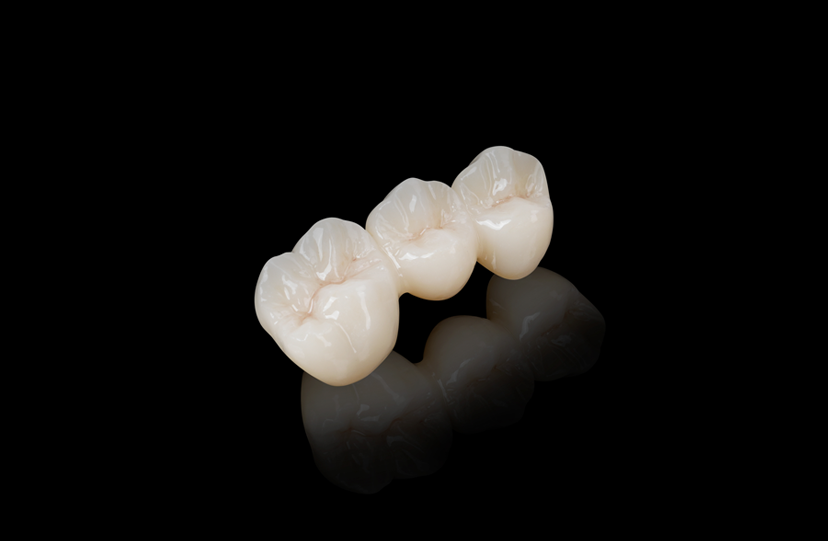
When it comes to current Implant Cemented Crown uses, zirconia abutments paired with all-ceramic or zirconia crowns are the widely used materials for cement-retained restorations. This mix is offers high fracture resistance, looks great because there are no obvious screw access holes, and is biocompatible, so peri-implant problems are kept to a minimum as long as the right cementation methods are followed. In the end, the choice rests on the clinical situation. Translucent materials like lithium disilicate are better for the front of the mouth, while solid zirconia is better for the back because it is stronger.
Introduction
Implant Cemented Crowns are an important part of modern prosthetic dentistry because they connect titanium implant fixings to crowns that look real. Picking the best mix of materials affects not only how happy your patients are and how long the medicine lasts, but also how much it costs throughout the whole process of buying and making it. This guide is for dental procurement managers, lab owners, CAD/CAM techs, and marketers of dental products who need useful information about how well materials work, how well they follow regulations, and how reliable the supply chain is. There are in-depth reviews of titanium vs. zirconia abutments and porcelain-fused-to-metal vs. all-ceramic crowns, as well as useful tips on how to lower the number of remakes while keeping delivery times and customization options the same.
Understanding Implant Cemented Crowns
Screw-retained and cement-retained repairs are very different. First, the joint is screwed straight onto the implant platform. This makes a strong base. After using dental cement to firmly attach the crown to the joint, there is no longer any occlusal screw access hole. This method is similar to standard fixed prosthodontics and has several clinical benefits, especially in places where looks are important.
What Makes Cemented Restorations Unique
With the fixed method, doctors can make the occlusal anatomy look smooth without any screw holes getting in the way. When the biting surface is unbroken, chewing forces are spread out more evenly, and you can precisely control how the patient bites down. When the crown has to stick securely to the base and resist chewing forces for at least fifteen years, the choice of material is very important.
Screw-Retained vs. Cemented: Key Differences
Clinicians can take out screw-retained crowns for care or repair because they are retrievable. Cemented forms, on the other hand, look better and are easier for most dental teams to do at the chairside. The trade-off is that a fixed crown can't be taken off without cutting it, which makes future changes harder. These problems can be solved by carefully choosing the right materials and following the right steps for removing cement.
Clinical Procedure Overview
The base is torqued to the manufacturer's specs, and then the custom crown is put in to make sure it fits and fits properly. Once it is sure, the crown is forever attached. To avoid peri-implant inflammation, extra cement must be carefully removed. This step highlights the importance of precise custom abutment design with borders that are no deeper than 0.5 to 1.0 mm subgingivally.
Key Materials Used for Implant Cemented Crowns
For Implant Cemented Crown restorations, choosing the right material means finding a balance between strength, appearance, biocompatibility, and cost for the abutment base and the crown material. By knowing the mechanical and biological qualities of each choice, you can make better purchasing decisions that meet the clinical needs of your clients.
Titanium Abutments
Titanium is still a popular material for making abutments because it has a history of osseointegration and is strong. When used with porcelain-fused-to-metal crowns, titanium abutments provide solid fracture protection at a low cost. Titanium's gray color, on the other hand, can make thin-tissue forms less attractive because metal show-through ruins the finished look. Custom-milled titanium abutments fix problems with angulation and offer personalized emergence shapes that help soft tissue design.
Zirconia Abutments
For front and luxury cases, zirconia abutments have become very common. Zirconium dioxide makes teeth-like translucency, which gets rid of the gray shadows that happen on metal abutments. Zirconia's bending strength is higher than 900 MPa, which makes it a strong material for supporting all-ceramic crowns. Biocompatibility is very good, and plaque doesn't build up as much as it does with titanium. Because zirconia is white, it goes well with cosmetic crowns, which is why it is the best material for high-visibility replacements.
Porcelain-Fused-to-Metal Crowns
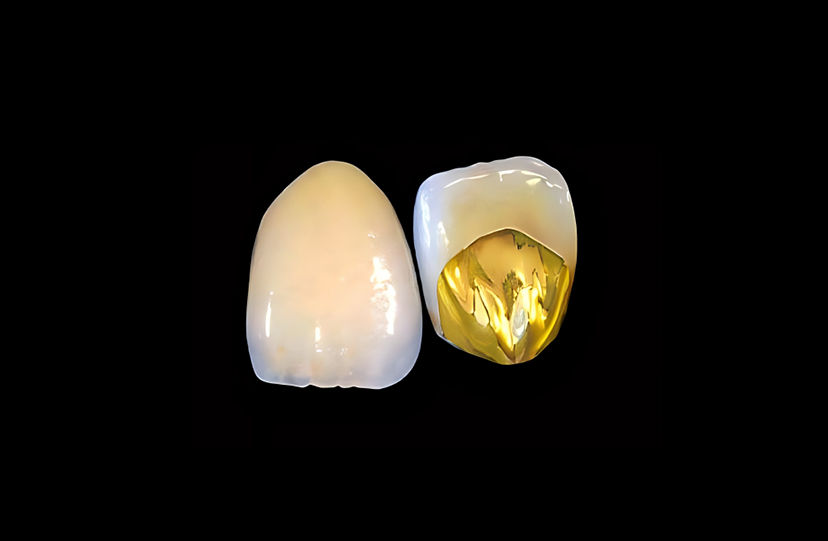
PFM crowns have a metal base and layers of porcelain on top of it. This makes them strong and attractive at the same time. The metal core makes it hard to break, and the porcelain layer makes it look like natural enamel. PFM repairs are still widely used and cost-effective, but they can't be used in areas that people will see a lot because of their metal edges and lack of transparency. These restorations are commonly used in posterior regions where functional strength is prioritized over aesthetics.
All-Ceramic and Zirconia Crowns
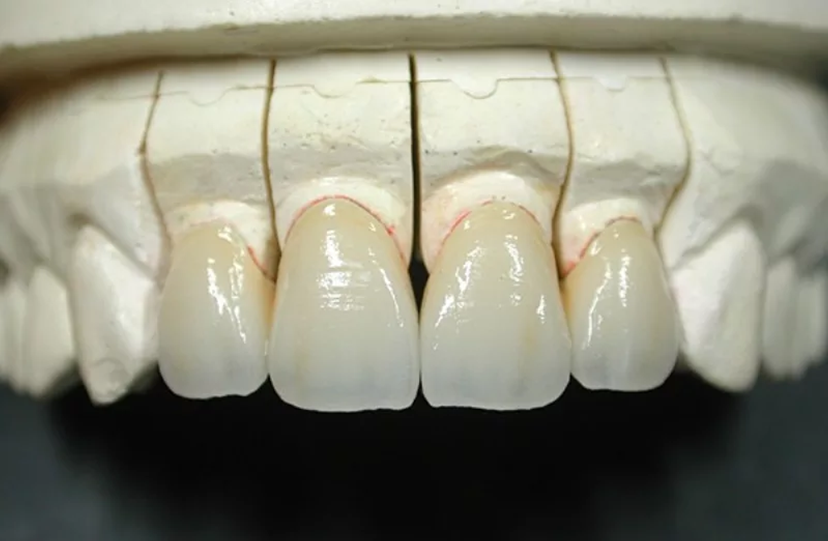
All-ceramic materials, like lithium disilicate and solid zirconia, are the most beautiful. Lithium disilicate crowns have a tensile strength of about 400 MPa and a color depth and translucency that look like real teeth. They are perfect for front replacements. Monolithic zirconia crowns give up some transparency in exchange for unmatched strength (up to 1,200 MPa), which makes them good for posterior implants and bruxism cases. Both choices don't use metal, so there are no shadow issues at all. Zirconia can be milled with CAD/CAM software, and it doesn't chip easily during manufacturing. This makes lab work easier and lowers production costs over time.
Comparative Analysis: Which Material Fits Different Needs
To match the properties of a material to clinical situations and customer standards, you have to weigh the pros and cons of power, looks, customization, and cost. Your sourcing plan should take these differences into account since different market groups value different features differently.
Aesthetic-Critical Anterior Cases
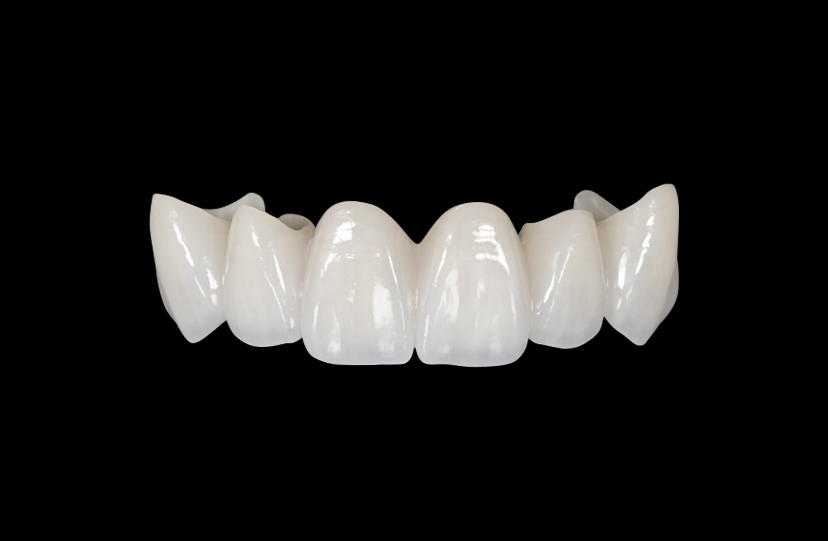
For anterior Implant Cemented Crown restorations to look realistic in a variety of lighting situations, the materials used must be true to life. The best results are achieved when zirconia abutments are used with lithium disilicate or stacked zirconia crowns. Since there is no metal, there are no gray shadows, and there are no obvious screw holes on the buccal surface. Custom abutments that are made to support the interdental papilla and create natural emergence profiles further enhance the appearance of the surrounding soft tissue. This combination makes the Implant Cemented Crown an excellent choice for cosmetic dentistry practices and implant specialists who want to maximize patient satisfaction while minimizing the need for future corrective procedures.
High-Strength Posterior Restorations
Poster implants have to withstand a lot of occlusal pressure, so mechanical longevity is very important. When put on zirconia or titanium abutments, monolithic zirconia crowns offer great resistance to breaking without affecting biocompatibility. Since there is no screw hole in the solid structure, stress is helps distribute occlusal forces more evenly, which may reduce the risk of fracture. Making lab work easier and cutting down on response times are both good for dentistry labs that handle a lot of cases. Distributors who are watching their budgets like these materials because they last a long time and don't need much upkeep. This means that there are fewer guarantee claims and better relationships with clients.
Correcting Angulation Issues
Cement-retained replacements are a beautiful way to fix angulation problems caused by implants that aren't lined up right. Custom abutments made of titanium or zirconia can fix tilts of up to 25 degrees, lining up the crown line with teeth next to it. Because of this freedom, screw access holes don't have to be obvious on the face. Dental service groups and practices with multiple locations have this flexibility because it cuts down on the number of times they have to redo implant placement and speeds up the case finishing process.
Budget and Procurement Considerations
Zirconia-zirconia mixes are preferred by high-end OEM makers because they look better and are easier to work with. Titanium-PFM pairs are a good compromise between price and efficiency for mid-level distributors. Ordering in bulk FDA-listed and ISO 13485-certified materials makes sure that you follow the rules and keeps your supply lines secure. Minimum order amounts and the ability for OEMs to customize products help procurement managers get better deals while keeping supplies flexible for a wide range of client orders.
Procurement Insights: Material Choice Impact on Cost and Supply Chain
The choice of material has a direct effect on unit prices, wait times, and the value of the product over time. Strategic buying involves examining not just the upfront price but the total cost of ownership, including longevity, remake rates, and transportation reliability.
Price Trends and Cost Analysis
The price of zirconia materials has gone down as CAD/CAM technology has improved, making them more competitive with standard PFM choices. Titanium abutments are still cheap, but special milling costs more work. Lithium disilicate crowns are more expensive because they look better, but solid zirconia crowns are more affordable and last longer. When you look at the cost per projected service year—often fifteen or more for zirconia—you can see that it is a better deal than cheaper materials that need to be replaced more often.
Supply Chain and Delivery Reliability
Working with approved dentistry labs guarantees the quality of the materials, adherence to regulations, and regular delivery times. Labs that can send out standard cases in three days and complicated repairs in four to five days make clinics run more smoothly and cut down on patient wait times. Fast shipping choices and next-day flash delivery meet pressing clinical needs and keep appointments from having to be canceled. In dental markets where time is of the essence, providers stand out by offering reliable logistics, such as stable express carriers and emergency order processes.
Customization and OEM Capabilities
These days,Modern procurement requires flexibility in sourcing and customization. Case matching is very accurate when manufacturers offer 100% customization based on dentist-specific design files for Implant Cemented Crown. With OEM and ODM services, wholesalers can offer branded products that are made to fit the needs of each area. Custom abutment manufacturing that controls the margin depth, emergence angles, and material choice guarantees the best fit and cuts down on chairside adjustment time, which directly lowers the number of remakes and increases client happiness.
Quality Assurance and Regulatory Compliance
For business-to-business purchases, FDA registration, CE marking, and ISO 13485:2016 approval are musts. FDA-listed materials supports biocompatibility and traceability requirements, which are important for managing risks and figuring out who is responsible for what later on. Suppliers who show regular batch quality, clear audit trails, and recorded material sources help build trust and make long-term relationships easier. Quality guarantee includes support after the sale. Two-year warranties for fixed restorations and one-year warranties for removables with free repair or replacement protect your finances and give you peace of mind in your daily life.
Aftercare, Maintenance, and Longevity Based on Material Types
Your material decisions will make doctors and patients happy if they lead to good post-delivery performance. Expectations for how long something should last, how to maintain it, and how to handle complications vary by material and need to be communicated clearly throughout the supply chain.
Expected Service Life
When made and cared for properly, zirconia or high-quality PFM implant crowns that are cemented in place usually last fifteen years or longer. Titanium abutments have been used successfully in dentistry for decades, and new studies show that zirconia abutments are just as stable over the long term. Lithium disilicate crowns work very well in front uses with the right facial design, but they are a little more likely to chip when put under a lot of stress. The choice of material should be based on the patient's bruxism risk, occlusal load, and hopes for how long the tooth will look good.
Maintenance Protocols
Professional cleanings and home care for patients help keep plaque bacteria from building up around fixed edges. Zirconia surfaces are better than titanium at keeping bacteria away, which lowers the risk of inflammation around the implant. To protect the crown surface, dentists must teach their patients how to clean their teeth without using rough materials. X-rays taken on a regular basis make sure the bone is stable and find early signs of problems with cement retention. This way, problems can be fixed quickly before they get worse.
Complications and Risk Mitigation
The main problem with cemented fillings is that extra cement gets stuck under the gums. This risk is greatly lowered when the "copy abutment" method is used, in which extra cement is pressed onto a chairside analog before the final sitting. Custom abutments with narrow edges (0.5 to 1 mm subgingival) make it easier to see and remove the cement. Choosing the right material also affects how easy it is to get back. For example, bonded caps need to be cut open in order to be removed, but their longer life usually makes up for this. Giving downstream doctors technical training and recording of best practices makes your value offer stronger and cuts down on support calls.
Conclusion
When choosing the best material for Implant Cemented Crown restorations, you have to think about how well it works clinically, how it looks, how much it costs, and how reliable the supply chain is. When it comes to aesthetics, zirconia abutments paired with all-ceramic or zirconia crowns are the most common choice. For posterior cases, titanium-PFM pairs have been shown to be durable and cost-effective. Purchasing managers who choose FDA-approved, ISO-certified products from companies that offer fast response, flexible customization, and strong warranties set their companies up for long-term success. By understanding the material properties, longevity, and maintenance requirements of each Implant Cemented Crown solution, stakeholders throughout the dental implant supply chain can make informed decisions that reduce replacement rates, improve patient outcomes, and strengthen client relationships.
FAQ
What is the average lifespan of a cement-retained implant crown?
If you take good care of your cement-retained crowns made of zirconia or porcelain attached to metal, they should last at least fifteen years. Studies in humans show that well-designed repairs have life rates of more than 95% after ten years. It depends on the type of material used, the dental load, how well the patient takes care of their teeth, and how well the crown is cemented. Zirconia crowns on zirconia abutments are very strong and don't wear down easily. In good conditions, they can last for more than twenty years.
How do zirconia and titanium abutments compare in cost and performance?
Zirconia abutments are more expensive up front because of the cost of the material and the cutting process, but they don't have the problems with looks that come with titanium's gray color. Titanium has been shown to be stable over time, and it also costs less at first, so it's a good choice for back cases or cases that want to save money. In terms of mechanical strength and biocompatibility, there aren't many differences between the two. However, zirconia has an advantage in aesthetic areas and with patients who have thin gingival biotypes because it looks like teeth and doesn't stick to grime as much.
Can cemented crowns be customized for different clinical situations?
Of course. Custom abutments give you exact control over the emerging profile, margin depth, and angulation correction, so they can work with a range of implant sites and tissue types. Crown materials can be chosen based on how they look, how hard they bite, and your budget. CAD/CAM technology lets you make any changes you want based on the dentist's design files. This makes sure that the fit is perfect and cuts down on the time needed for adjustments in the chair. OEM manufacturers make products that are specific to the needs of each area market and government regulations.
Partner with HYC for Precision Implant Cemented Crown Solutions
HYC is an experienced dental laboratory with over 22 years of expertise in producing implant cemented crowns, delivering consistent fit accuracy and reduced remake rates. Our production facilities are ISO 13485:2016 certified, and we work with FDA-registered and CE-marked systems to support international quality and regulatory requirements. We offer a range of delivery choices, including normal 3-day shipping, 4-5 day turnaround for more complicated cases, and next-day flash delivery when you need it right away. Customization is what we do best. Because we can do 100% OEM/ODM, we can make replacements that are exactly what your design calls for, whether you need zirconia-zirconia pairs for cosmetic cases or titanium-PFM for affordable posterior options. Our free repair or replacement guarantee for two years on fixed restorations and one year on portable ones protects your investment and builds stronger relationships with your clients. Contact us at info@hycdentallab.com to discuss bulk orders, OEM solutions, and how our expertise may support your clinical and supply chain needs.
References
1. Chee, W., & Jivraj, S. (2006). Screw versus cemented implant-supported restorations. British Dental Journal, 201(8), 501-507.
2. Sailer, I., Mühlemann, S., Zwahlen, M., Hämmerle, C. H., & Schneider, D. (2012). Cemented and screw-retained implant reconstructions: a systematic review of the survival and complication rates. Clinical Oral Implants Research, 23(s6), 163-201.
3. Linkevicius, T., & Vaitelis, J. (2015). The effect of zirconia or titanium as abutment material on soft peri-implant tissues: a systematic review. Clinical Oral Implants Research, 26(s11), 139-147.
4. Wilson, T. G. (2009). The positive relationship between excess cement and peri-implant disease: a prospective clinical endoscopic study. Journal of Periodontology, 80(9), 1388-1392.
5. Guess, P. C., Att, W., & Strub, J. R. (2012). Zirconia in fixed implant prosthodontics. Clinical Implant Dentistry and Related Research, 14(5), 633-645.
6. Wittneben, J. G., Millen, C., & Brägger, U. (2014). Clinical performance of screw- versus cement-retained fixed implant-supported reconstructions—a systematic review. International Journal of Oral & Maxillofacial Implants, 29(Supplement), 84-98.
YOU MAY LIKE

 Partial.webp "Cobalt-Chrome (Co-Cr) Partial")