.webp)
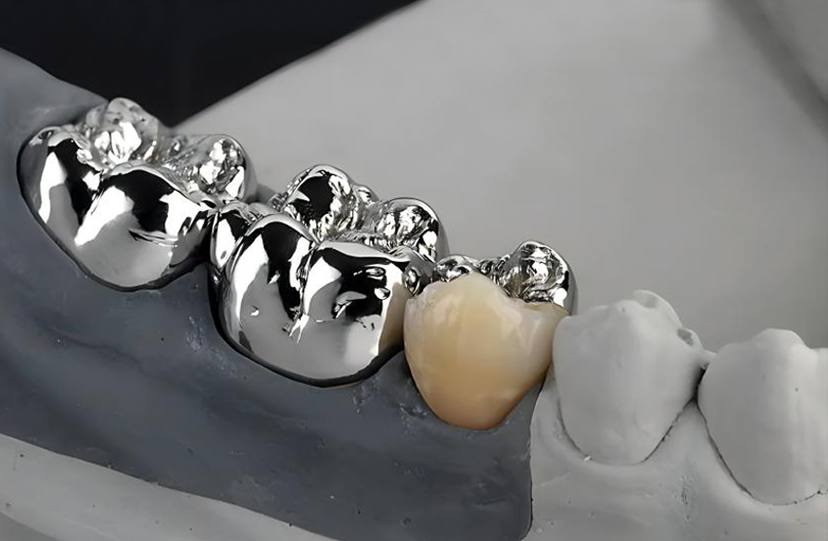
Full Gold Crown (FGC)
Full Gold Crown (FGC): Premium Metal Restoration for Maximum Durability
When you need a restoration that can withstand extreme biting forces while preserving your natural tooth structure, a Full Gold Crown (FGC) delivers unmatched performance. At HYC Dental Laboratory, we've been creating exactness gold and metal crowns for over 22 a long time, serving dental experts over Europe and the Joined together States. Our ISO 13485-certified and FDA-registered office combines conventional casting ability with progressed CAD/CAM innovation to accomplish remarkable minimal fit and reliable quality. With a 2-year guarantee on all settled reclamations and standard 3-day turnaround times, we offer assistance you provide solid arrangements that ensure back teeth for decades.
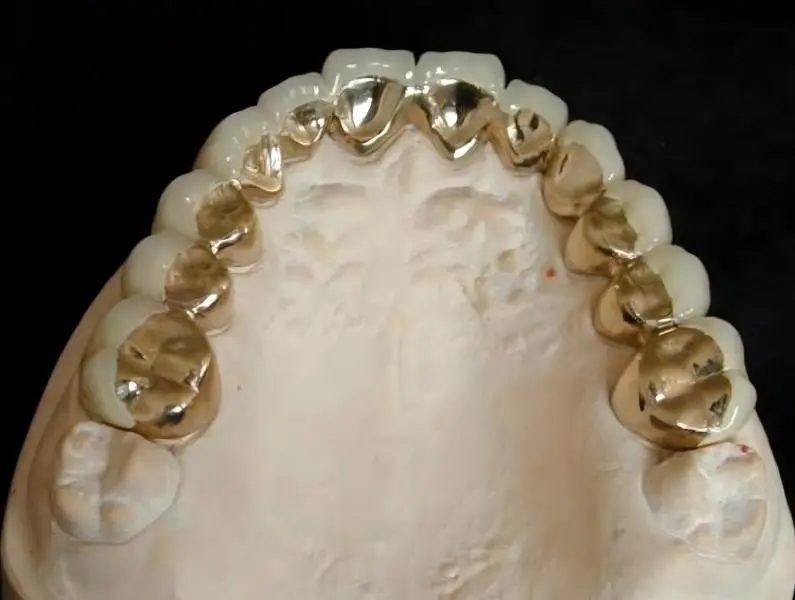
Why Select Full Gold Crowns for Your Patients?
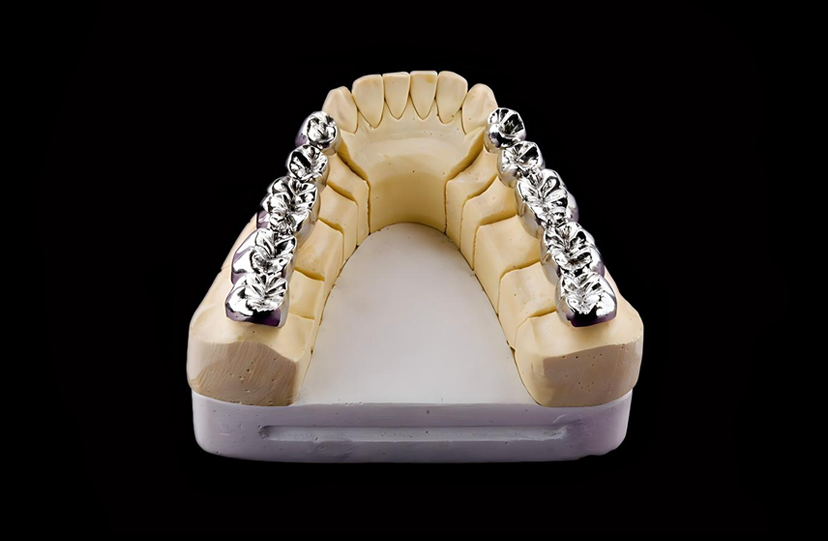
Full gold crowns speak to the gold standard—quite literally—for back reclamations. These crowns are manufactured from high-quality gold, silver-palladium, or tough base-metal combinations. They're particularly outlined for back molars where quality things more than appearance.
Key Benefits You'll Appreciate:
Gold amalgams wear at a rate comparative to common finish. This implies they won't harm restricting teeth amid chewing. That's a basic advantage your patients will feel over time.
The casting prepare makes a exact minimal seal. This tight fit significantly diminishes the hazard of repetitive decay—one of the most common reasons crowns fail.
You can protect more sound tooth structure. Since metal remains solid indeed in lean segments, you'll expel less normal tooth compared to porcelain or ceramic options.
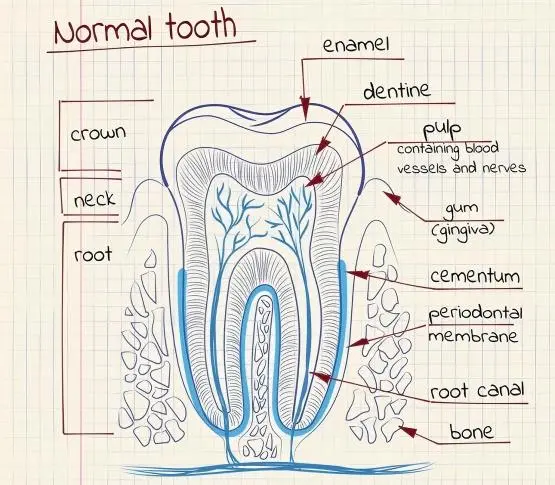
Clinical Specifications & Material Options
| Feature | Specification |
|---|---|
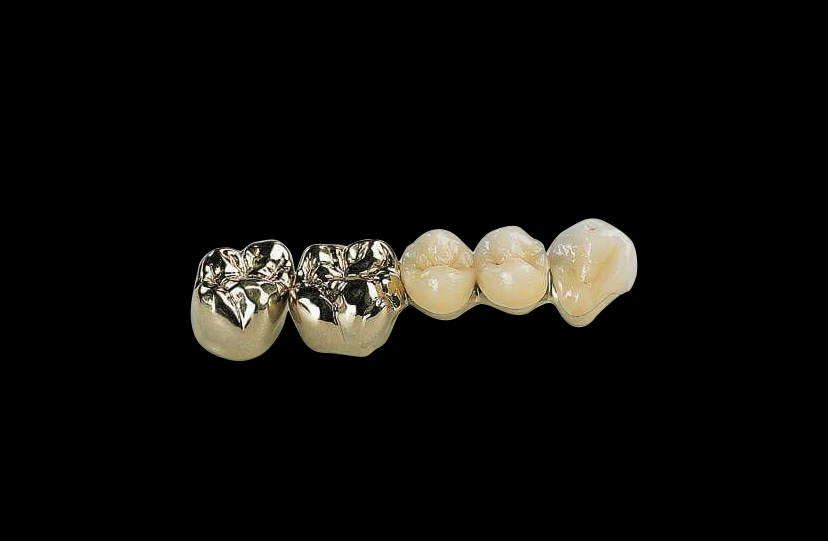
| Material Types | High-Noble (Gold), Noble (Palladium/Silver), Base Metal (Co-Cr, Ni-Cr) |
| Occlusal Clearance | 1.0–1.5 mm (minimum 0.5 mm for High-Noble alloys) |
| Axial Reduction | 0.5–1.0 mm with 3–6° taper |
| Functional Cusp Bevel | 1.5 mm on load-bearing cusps |
| Margin Design | Chamfer or feather-edge configuration |
| Typical Service Life | 20–40 years with proper maintenance |
| Biocompatibility | Excellent tissue tolerance; minimal allergic reactions |
| Turnaround Time | 3 days standard; expedited options available |
| Warranty Coverage | 2 years for quality-related issues |

Perfect Indications for Full Gold Crown (FGC) Placement
You'll find these restorations ideal for several clinical situations:
Posterior teeth with extensive decay or fractures respond beautifully. The strength handles heavy occlusal forces without compromise.
Bruxism patients benefit enormously. While they grind through ceramic crowns, gold alloys absorb and distribute forces naturally.
Endodontically treated molars gain structural reinforcement. The minimal tooth reduction preserves ferrule effect while providing full coverage protection.
Abutment teeth for fixed bridges perform reliably. The superior marginal fit creates stable, long-lasting prosthetic foundations.
Patients with limited interocclusal space finally get a solution that works. Where ceramic would fracture due to thin cross-sections, metal crowns thrive.
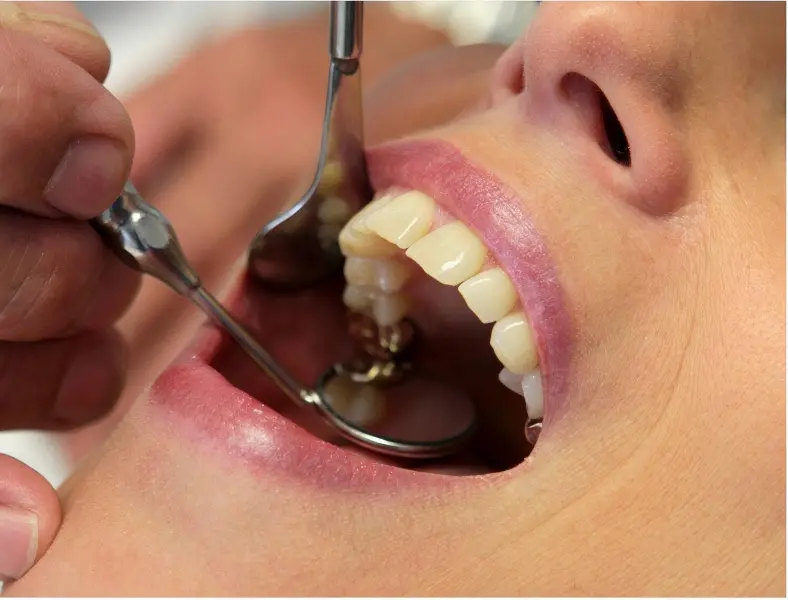
How We Craft Your Restorations
Our laboratory technicians follow strict protocols for every Full Gold Crown (FGC) we create:
First, we analyze your preparation design digitally or from traditional impressions. Our dual-scan technique accounts for the specific shrinkage rates of different alloys—approximately 2% for gold versus 3% for base metals.
Next, we apply precise die spacer settings. This ensures perfect internal fit while compensating for metal contraction during casting.
Then our master technicians cast the crown using certified alloys. Every material meets FDA and CE biocompatibility standards.
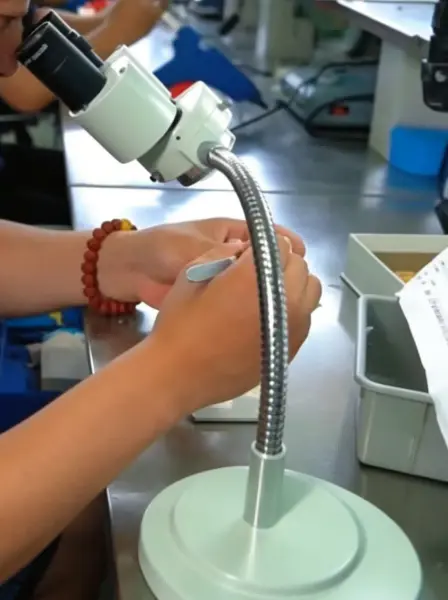
Finally, we inspect marginal adaptation under magnification. Each crown must demonstrate a "snap fit" before leaving our facility.
Partner With Experience and Precision
HYC Dental Laboratory combines decades of casting expertise with modern digital workflows. We understand that posterior restorations must perform flawlessly under demanding conditions.
Our comprehensive quality control ensures every crown meets exacting standards before shipment. You'll receive consistent results that reduce chair time and remake rates.
Frequently Asked Questions
Q:What is the absolute minimum clearance required for a full gold crown?
A:While 1.0–1.5 mm provides ideal strength, High-Noble alloys can function at 0.5 mm on functional cusps when properly bonded. However, your preparation taper (6–10 degrees) matters more for retention than metal thickness. Focus on creating a clear path of insertion rather than maximizing reduction.
Q:How do I choose between High-Noble, Noble, and Base Metal for posterior teeth?
A:High-Noble gold offers superior chairside adjustability—you can burnish margins for perfect seals. It also provides the best wear compatibility with opposing enamel, making it ideal for bruxers regardless of cost. Noble palladium-silver alloys deliver excellent strength and value but resist chairside modification. Base metal (Co-Cr) provides maximum strength yet becomes virtually impossible to adjust or remove later. For most posterior applications where longevity matters, we recommend High-Noble alloys.
Q:Why might my crown fit too tight or rock on the die?
A:This typically indicates die spacer settings need adjustment for your specific alloy. Traditional lost-wax techniques automatically compensate for shrinkage through investment expansion. Digital workflows require manual compensation—usually increased die spacer values. Different metals shrink at different rates. We use dual-scan protocols to match internal geometry precisely to your chosen alloy's behavior.
Q:Is base metal or zirconia better for budget-conscious patients?
A:Consider the failure patterns. Zirconia typically fails catastrophically through fracture. Base metal crowns usually develop repairable marginal decay over time. For patients with short clinical crowns where you cannot achieve adequate bonding height for ceramic, cast metal provides superior mechanical retention through slightly convergent walls. The material choice depends more on your preparation geometry than cost alone.
Contact Us
Ready to provide your patients with Full Gold Crown (FGC) restorations that truly last? Contact our team at info@hycdentallab.com to discuss your case requirements today.
SC-Bold
YOU MAY LIKE
.webp "High-Noble Gold (HNG)")
.webp "Co-Cr Crown (Cobalt-Chrome)")
 Full Cast Crowns.webp "Noble (Semi-Precious) Full Cast Crowns")
.webp "Silver-Palladium Crown (Ag-Pd)")
 Full Cast Crowns.webp "Base Metal (Non-Precious) Full Cast Crowns")