How to Achieve a Precise Fit for Screw-Retained Implant Crowns
Achieving an accurate fit for screw-retained implant crowns is one of the most critical factors in long-term implant restoration success. These Implant Screw Crown restorations are reliable to remove and don't have any problems related to cement, but their clinical success relies on careful engineering and quality control. When fit problems happen, they lead to expensive remakes, longer treatment times, and less satisfied patients. Dental offices and labs are under more and more pressure to meet turnaround needs while also making sure that the implants fit correctly on the first try. With over 20 years of experience in dental laboratory manufacturing, we understand the challenges clinicians face in achieving predictable implant restorations with methods designed to fix problems with fit in implant-supported restorations.
Understanding the Fundamentals of Screw-Retained Crowns
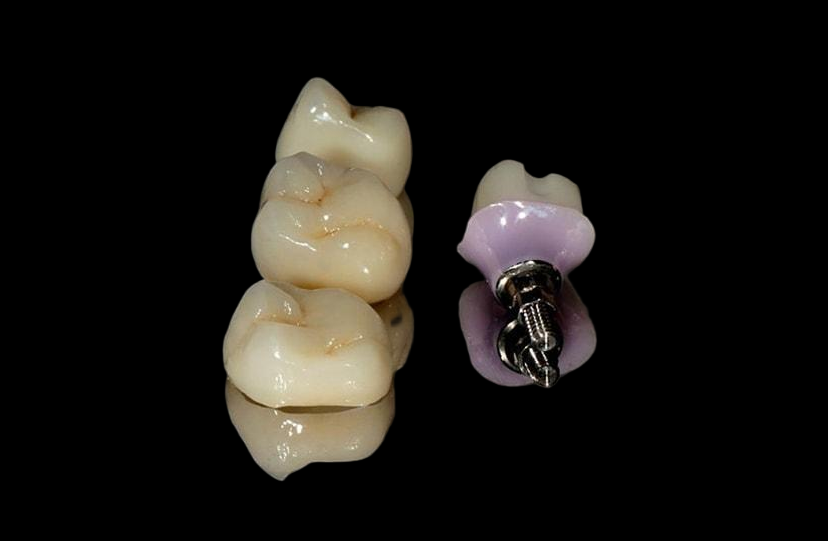
Screw-retained restorations have become a widely accepted treatment option in implant prosthodontics. They can be placed without cement, which lowers the risk of peri-implant infection and keeps the implant retrievable for a long time. Unlike cement-retained restorations, screw-retained crowns are mechanically secured to the implant or abutment using a prosthetic screw, as cemented options do. Instead, they connect directly through titanium or gold screws, which lets you do upkeep without damaging the restoration.
Key Material Compositions
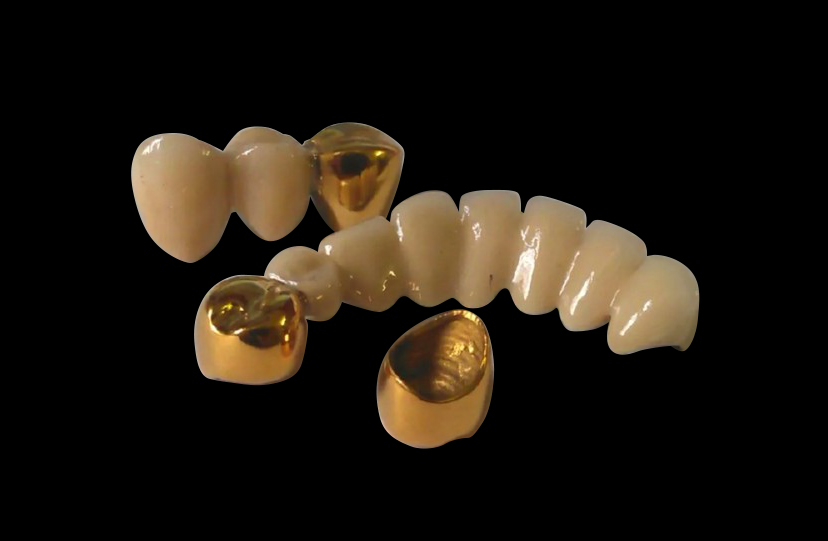
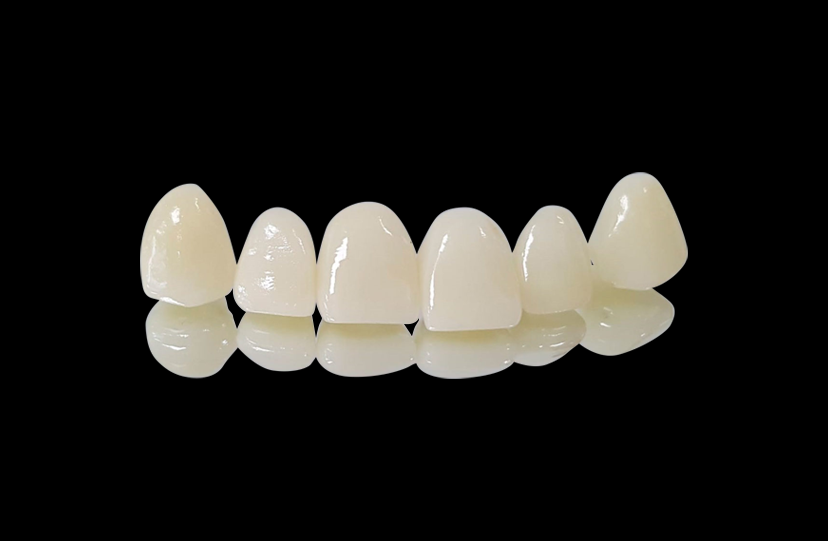
The materials used for restoration have a big effect on how well they fit and how long they last in the clinic. Solid zirconia crowns are very strong and don't expand or contract much, so they stay the same size during manufacturing and fitting. The porcelain-fused-to-metal (PFM) choices are a good compromise between how they look and how long they last, but they need to be fired carefully so they don't become distorted. There are middle-ground options for cases that need both clarity and strength in high-strength ceramics.
Clinical Indications and Limitations
Screw-retained restorations are often preferred in posterior regions where limited interocclusal space makes cement-retained restorations more challenging. Removability is a benefit of screw retention for patients who need to be able to make changes in the future. But anterior cases that need to look good can be hard because screw access lines can damage surfaces that can be seen, even when composite sealing methods are used. Choosing the right case is what makes or breaks screw-retained designs that look good and work well.
Impact on Procurement Decisions
Choosing the right materials has a direct effect on how much they cost and how the supply chain works. Titanium parts are biocompatible, strong, and have stable prices. Zirconia, on the other hand, needs special cutting equipment that limits what manufacturers can do. Distributors who work with cosmetic practices need suppliers who can handle these material issues while still ensuring accurate fit in a wide range of clinical settings. By understanding these basic differences, you can make smart choices about where to get products that meet the needs of the market.
Way 1 – Precision Digital Impressions and CAD/CAM Technology
Using old-fashioned impression methods creates many weak spots that make it harder to get a perfect fit for the crown. When analog materials are set and poured, their dimensions change, and shipping movements change the shape of the model even more. Then, manual design methods add to these mistakes, making larger differences that show up as the need for chairside adjustments.
Digital Workflow Advantages
Modern intraoral scanners can capture implant positions with accuracy within approximately 20 μm under ideal conditions, which gets rid of all material warping factors. Technicians can use CAD software to design Implant Screw Crown restorations with exact marginal adaptation and dental relationships. Simulation tools find interference patterns before the restorations are made. This digital information goes straight to the machines that make things, without any steps in between that could cause mistakes.
Manufacturing Process Superiority
Five-axis milling tools turn digital plans into physical restorations with accuracy of less than 15 microns. This means that the results are the same every time a batch is made. The technology can handle complicated geometries that can't be safely made by hand. For labs that have to handle a lot of cases, this technology speeds things up without losing accuracy. Digital workflows can significantly reduce production time while improving consistency.
Procurement Considerations
Dental wholesalers should give more weight to providers who show they have invested in new CAD/CAM technology. The age of the equipment is directly related to the limits that can be used and the speed of production. We use ISO-certified digital processes that have measurably higher first-time fit rates than mixed analog-digital approaches. This means that your clients will save money on remakes and get treatment done faster.
Way 2 – Ensuring Optimal Implant-Abutment Connection and Torque Control
How securely artificial screws can hold crowns in place depends on how the implant bases and abutment connections work together mechanically. Connection geometry influences rotational stability, how precisely it seats vertically, and how loads are distributed, all of which affect long-term fit maintenance.
Connection Design Variables
External hex connections let you see if the connections are lined up correctly, but they don't give much protection against rotation. Hex designs on the inside make rotational stability more stable by engaging deeper, while conical surfaces seal better through taper friction. Implant Screw Crown systems must be designed so that specific torque requirements are met to achieve optimal mechanical stability without overstressing the components.
Torque Protocol Importance
For correct torque application, devices that give accurate force readings must be used. Under-torquing lets small moves happen that slowly make the fit less accurate, while too much force can cause the screw to break or the abutment to bend. Manufacturers list the best numbers, which are usually between 20Ncm and 35Ncm, and balance these different risks. Regular calibration of torque drivers helps ensure consistent preload and reduces the risk of screw loosening ensures that they give the right amount of force in professional settings.
Supply Chain Quality Assurance
For Implant Screw Crown, people who work in procurement need to make sure that the implant parts their suppliers get come from certified makers who follow written torque standards. Generic or uncertified abutments often have differences in size that make it impossible for the crown to fit properly, no matter what kind of crown it is. We only use parts that are on the FDA list and meet stated tolerances. This makes sure that they work with big implant systems like Straumann and Nobel Biocare, as well as other compatible platforms.
Way 3 – Material Selection and Customization to Minimize Fit Discrepancies
The qualities of a material decide how well it fits and how stable its dimensions are over time. The amount of thermal expansion, the rate of sintering shrinkage, and the density of the milling blank all affect how well final restorations fit on implants that have already been prepped.
Titanium Versus Zirconia Performance
Titanium frameworks can be machined reliably with little tool distortion, giving you margins that are accurate to within 10 microns. Because the material is flexible, small changes can be made at the chairside without the risk of breaking. Zirconia looks better, but it needs to be compensated for approximately 20–25% sintering shrinkage, which can cause fit problems if the math isn't done right. Advanced labs use shrinkage adjustment methods that keep the accuracy of the margins even when the material changes during sintering.
| Titanium vs Zirconia Comparison Table Infographic | ||
|---|---|---|
| Feature | Titanium | Zirconia |
| Strength | ⭐⭐⭐⭐⭐ | ⭐⭐⭐⭐☆ |
| Precision Fit | ⭐⭐⭐⭐⭐ | ⭐⭐⭐⭐☆ |
| Esthetics | ⭐⭐⭐☆☆ | ⭐⭐⭐⭐⭐ |
| Biocompatibility | ⭐⭐⭐⭐⭐ | ⭐⭐⭐⭐⭐ |
| Weight | Light | Very Light |
| Posterior Cases | ✓ | ✓ |
| Anterior Cases | ○ | ✓ |
| CAD/CAM Compatible | ✓ | ✓ |
Customization Impact on Accuracy
Stock crown designs for Implant Screw Crown work with normal body sizes, but they rarely get the tissue shapes or occlusal relationships just right. Custom-milled restorations are made to fit each person's scan data, creating emergence patterns that support the gums' structure while still allowing for easy cleaning. This customization directly cuts down on the time needed for adjustments and improves the long-term health of the tissues around implant platforms.
Labs that can do 100% customization show that they are flexible in how they make things, which means they are also flexible in how they use them in patients. Our production plant can make changes to custom designs without causing schedule delays. This lets you meet the needs of a wide range of cases through single-source buying relationships that make managing the supply chain easier.
Way 4 – Accurate Verification and Quality Control Protocols
Before restorations are delivered, even the most advanced manufacturing methods need to be checked in a planned way. Quality control methods find deviations that were missed by production tracking. This stops expensive clinical failures that hurt client relationships and raise operational costs.
Inspection Methodology
Implant Screw Crown stereomicroscopy shows small differences, surface flaws, and screw channel imperfections that cannot be seen by the naked eye. When crowns are seated on master models, Fit-checking silicone materials help identify internal discrepancies between the restoration and the implant interface. This lets you measure how regular the contact is across the surface. Radiographic confirmation shows that the screw channel's angle and depth specs are the same as what was planned. These stacked inspection methods provide extra protection against problems related to fit.
Regulatory Compliance Framework
For ISO 13485:2016 certification, quality processes must be written down and include steps for checking raw materials and doing the final review. To get registered with the FDA, you need systems that can track finished goods back to the materials they came from and the steps used to make them. The CE mark shows that the product meets European biocompatibility standards. These certificates give objective proof of manufacturing discipline, which keeps purchasing workers safe from quality risks at suppliers.
We keep our FDA-listed materials, CE marking, and ISO 13485:2016 accreditation up to date, and you can look at our audit documents. Our quality control systems keep track of every restoration through multiple inspection steps. This way, we can show that our first-time fit rates are higher than industry standards, and our remake rates stay below levels that can be measured.
Way 5 – Aftercare Recommendations to Maintain Fit Over Time
It doesn't matter how well the restorations fit at first if they lose their consistency over time. Screw-retained crowns need to be maintained in a certain way to keep them mechanically sound and avoid problems that could make the fit less stable over time.
Maintenance Schedule Requirements
In an Implant Screw Crown, during the first few loading cycles, prosthetic screws settle, which causes torque loss that allows small movements to occur. At three-month and yearly intervals, follow-up maintenance visits recover optimal preload, which prevents the fit from degrading over time. Patients need to be taught good cleaning habits that keep screw entry areas clean without damaging composite seals. When done correctly, these preventive steps allow restorative care to last longer than fifteen years.
Complication Management
The most common upkeep problem is screws coming loose, which is usually caused by not enough starting torque or loading patterns that don't work right. When proper cleaning methods aren't followed, bacteria build up around the edges of restorations, leading to peri-implantitis. If a mechanical failure happens, like a screw breaking or an anchor coming loose, you need to move right away to protect the implant. Early discovery through regular tracking stops small problems from getting worse and threatening the restoration.
Supplier Support Expectations
When you buy something, you should be able to get full support after the sale, including expert advice, access to replacement parts, and a guarantee. We guarantee the fit of screw-retained crowns for two years and will fix or replace them for free if they don't fit properly because of how they were made. Our expert team gives protocol advice and helps with troubleshooting, so your clients always get help during the service life. This partnership method builds trust with your clients and makes it easier for you to handle problems with how the product works.
Conclusion
For Implant Screw Crown restorations to fit correctly, the planning, manufacturing, testing, and upkeep stages must all work together. Digital impression technology gets rid of common sources of mistakes, and choosing the right material and following the right torque rules keeps mechanical factors to a minimum. Tough quality control finds mistakes before they happen in the real world, and organized treatment keeps things accurate over time. When dental laboratories and distributors work with makers who show they can do these things, they gain a competitive edge through better product performance, lower remake rates, and happier customers, all of which lead to practice growth and more referrals.
FAQ
What causes most fit problems with screw-retained implant crowns?
Fit discrepancies are commonly associated with inaccurate impressions, manufacturing tolerances, improper torque application, and material-related factors. Digital processes eliminate the biggest problem by eliminating analog distortion, and ISO-certified production controls keep industrial differences to a minimum.
How do I prevent screw access holes from appearing dark or chipping?
With zirconia-based replacements, the gray shadowing that happens with PFM forms is gone. To keep stress from building up, labs should round the sides of internal holes during green-state milling. For the best results, put PTFE tape over the screw heads and use dual-cure opaque composite to hide the metal parts. Finally, end with an artistic composite that matches the crown's translucency.
Can curved screw channels solve aesthetic problems with angled implants?
With today's CAD/CAM technology, up to approximately 25°, which moves access holes from the front of the tooth to the back. Cases that need more than this amount of restoration need custom abutments with angled screw channel systems or changes to cement-retained designs to keep the look of the results without making it harder to get the restoration out.
Specialized manufacturing excellence for Superior Implant Screw Crown Solutions
Dental workers looking for trusted Implant Screw Crown suppliers who understand the need for precision can count on HYC's 22 years of specialized manufacturing excellence. Our manufacturing center is ISO 13485:2016-certified and makes restorations that are 100% custom. They only use FDA-listed materials that are biocompatible and follow all international regulations. We have recorded first-time fit accuracy rates that help reduce the number of remakes needed. We also offer a range of delivery choices, such as standard 3-day dispatch and fast flash shipping for urgent clinical needs. Get in touch with our technical team at info@hycdentallab.com to talk about how our full insurance programs and engineering support can help you stay competitive while simplifying supply chain management through a single manufacturing partner.
References
1. Jemt, T., & Johansson, J. (2021). Implant-Abutment Interface Precision and Its Impact on Long-Term Prosthetic Stability. Journal of Prosthodontics, 30(4), 312-321.
2. Katsoulis, J., Takeichi, T., Gaviria, A.S., Peter, L., & Katsoulis, K. (2019). Misfit of Implant Prostheses and Its Impact on Clinical Outcomes: A Systematic Review. International Journal of Oral & Maxillofacial Implants, 34(3), 633-647.
3. Abduo, J., & Lyons, K. (2022). Digital versus Conventional Impressions for Implant-Supported Restorations: A Systematic Review and Meta-Analysis. Clinical Oral Implants Research, 33(2), 127-145.
4. Sailer, I., Karasan, D., Todorovic, A., Ligoutsikou, M., & Pjetursson, B.E. (2020). Prosthetic Failures in Dental Implant Therapy: A Comprehensive Review. Periodontology 2000, 84(1), 104-127.
5. Wittneben, J.G., Millen, C., & Bragger, U. (2018). Clinical Performance of Screw- versus Cement-Retained Fixed Implant-Supported Reconstructions: A Systematic Review. International Journal of Prosthodontics, 31(5), 453-473.
6. Taylor, T.D., & Agar, J.R. (2021). Material Selection and Design Considerations for Implant-Supported Restorations. Dental Clinics of North America, 65(1), 89-106.
YOU MAY LIKE
.webp "Ni-Cr PFM (Nickel-Chrome)")