What Is a Acrylic Base Partial Denture: Why & How to Clean It Properly
An Acrylic Base Partial Denture is a removable dental prosthesis designed to replace one or more missing teeth. The base is made of acrylic resin, which keeps the prosthetic teeth in place. Unlike metal-frame dentures, these prosthetic teeth are mostly held in place by tissue and remaining natural teeth with clasps or precise attachments. They are long-term options for people who want to replace missing teeth, but patients seeking a cost-effective treatment option may prefer them, or temporary options while the patient heals. Proper cleaning and maintenance help extend the lifespan of the prosthesis while protecting the remaining natural teeth and surrounding oral tissues.
Introduction
Because they are affordable, simple to adjust, and comfortable for the patient, Acrylic Base Partial Dentures are one of the most widely used removable partial denture options. People who work in the dental industry, like purchasing managers, dental lab owners, dentists, dental laboratories, distributors, and procurement managers, need to know about these devices' technical specs, how to keep them in good shape, and how to buy them. This piece goes over the basics of Acrylic Base Partial Dentures. It compares them to other choices, talks about how they are made, and gives you useful cleaning tips. It will help them give better advice to end users, choose sellers whose quality is stable and meets foreign standards, and cut down on the number of times things need to be redone.
Understanding Acrylic Base Partial Dentures
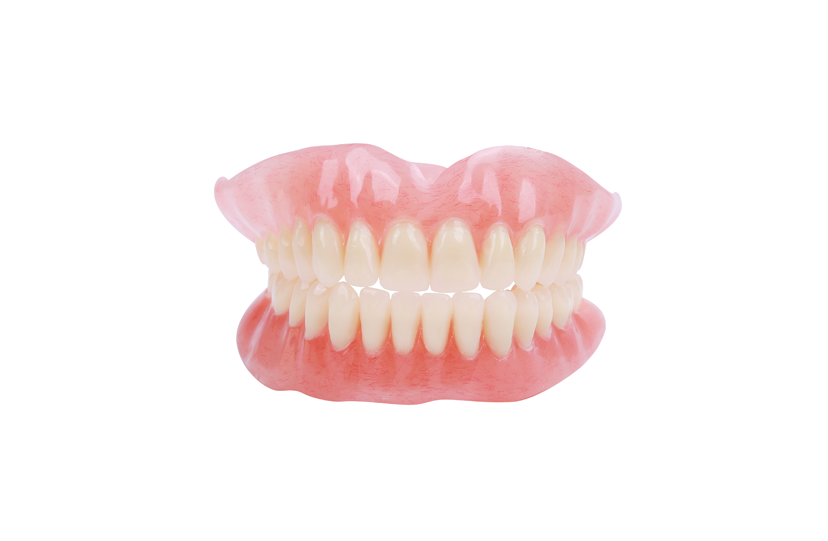
In Acrylic Base Partial Dentures, the prosthetic teeth are held in place by a polymethyl methacrylate (PMMA) plastic base that fits over the gum tissue. It's not the same as cast metal partial dentures, which are made to fit better on nearby teeth because of how they're made. Because the acrylic base rests primarily on the soft tissues, the force of chewing is spread out over more soft tissue. This makes the teeth less invasive to the remaining natural teeth but sometimes less stable.
Types and Design Variations
Depending on how many teeth are missing and where they are located, different types of Acrylic Base Partial Dentures can be used. To make room for the tongue, the lower jaw is often made like a horseshoe. The top jaw has a palatal plate that keeps it stable. Before a tooth is pulled out, immediate dentures are made and put in on the same day. Patients don't have to deal with maintaining facial appearance during healing while they heal because they don't have any teeth. While you wait for implants or bridges, you can use temporary teeth. Some people wear them for a long time, though, because they are more comfortable or because they are less expensive.
Key Advantages for Clinical Applications
Patients and dentists alike like these prosthetics because they are useful in many ways. Since it's easy to make acrylic chairside adjustments, the device can be changed quickly without having to go back to the lab. Metal frameworks take longer to get used to than this material because it is light and easy for many people to wear. More people can get Acrylic Base Partial Dentures because they are not too expensive. This is especially true for people who don't have full dental insurance. Clinicians like how quickly things are made because it speeds up care and improves patient satisfaction.
Common Issues and Lifespan Expectations
Acrylic Base Partial Dentures have some advantages, but they also have some drawbacks. The material is less durable than cast metal frameworks, so when it gets stressed, it's more likely to break. If someone grinds their teeth at night or has strong bite forces, their teeth may break before they should, every five to ten years. Since bone loss makes the tooth less stable over time, it needs to be relined or rebased every two years. Because acrylic is porous, microorganisms and stains can stick to it if you don't clean it properly. This might cause oral malodor and even hurt your mouth. Having this information on hand helps buying teams set goals with clients that are reasonable and plan for when to replace things.
Acrylic Base Partial Denture vs Other Partial Dentures: A Comparative Overview
| Feature | Acrylic Base Partial Denture | Flexible Partial Denture | Cast Metal Partial Denture |
|---|---|---|---|
| Base Material | PMMA acrylic resin | Thermoplastic nylon resin | Cobalt-chromium alloy framework |
| Typical Indications | Interim or economical partial tooth replacement | Patients requiring enhanced flexibility and esthetics | Long-term removable partial dentures |
| Rigidity | Rigid | Flexible | Rigid |
| Comfort | Good | Excellent | Good |
| Esthetics | Natural appearance | Excellent (metal-free clasps) | Good (metal clasps may be visible) |
| Strength & Durability | Moderate | Moderate | Excellent |
| Repairability | Easy to repair and reline | Difficult to repair or reline | Repairable by laboratory procedures |
| Service Life* | 3–5 years | 3–5 years | 5–10 years |
| Weight | Moderate | Lightweight | Lightweight despite metal framework |
| Manufacturing Process | Conventional processing or CAD/CAM | Injection molding | Precision casting with metal framework |
| Production Cost | Low | Medium | High |
| Chairside Adjustment | Easy | Moderate | More complex |
| Best For | Temporary restorations, budget-conscious patients | Patients prioritizing comfort and esthetics | Long-term, high-strength prosthetic solutions |
| *Note: Service life varies depending on oral conditions, maintenance, occlusal forces, and clinical treatment planning. | |||
You can choose the type of partial denture based on your medical needs, your budget, and how long you want the device to last. When you compare Acrylic Base Partial Dentures to other materials, you can figure out the best time to use each one.
Acrylic vs Metal Framework Partial Dentures
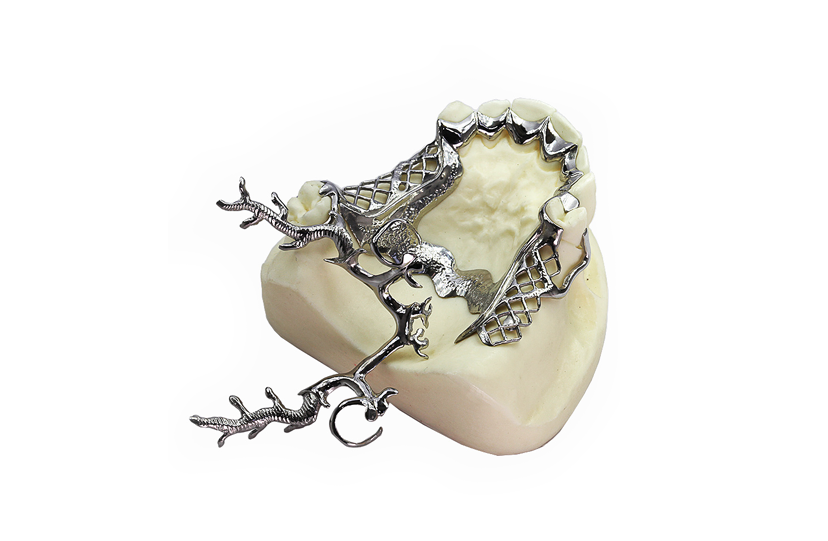
Some partial dentures are made of cast metal and have a cobalt-chromium or titanium framework that holds plastic or porcelain teeth in place. Metal frames are more stable and stronger than plastic ones, and they provide a more precise fit on natural teeth with exact rests and clasps. You can talk and feel better because they aren't as thick or heavy as plastic. Metal partials, on the other hand, cost a lot more and are harder to make. Acrylic Base Partial Dentures are cheaper and easier to adjust, so they are great for people who only need them for a short time or who are on a tight budget. For long-term use, metal choices are good because they last long and minimize tissue coverage.
Acrylic vs Flexible Partial Dentures
Flexible partial dentures are fabricated from thermoplastic materials, such as nylon-based resins (commonly known by brand names like Valplast or Flexite). The clasps look better and feel better because they fit your teeth better. These things provide greater flexibility when they are put in, which makes the contact teeth less stressed. However, it is hard to fix or reline flexible dentures, and they get stained quickly. Plus, they cost more than regular acrylic. Acrylic Base Partial Dentures are still the best choice if you want to save money and make changes quickly. Flexible partials, on the other hand, are great for people who care more about how they look and how comfortable they are, and can pay more for them.
Clinical Suitability and ROI Considerations
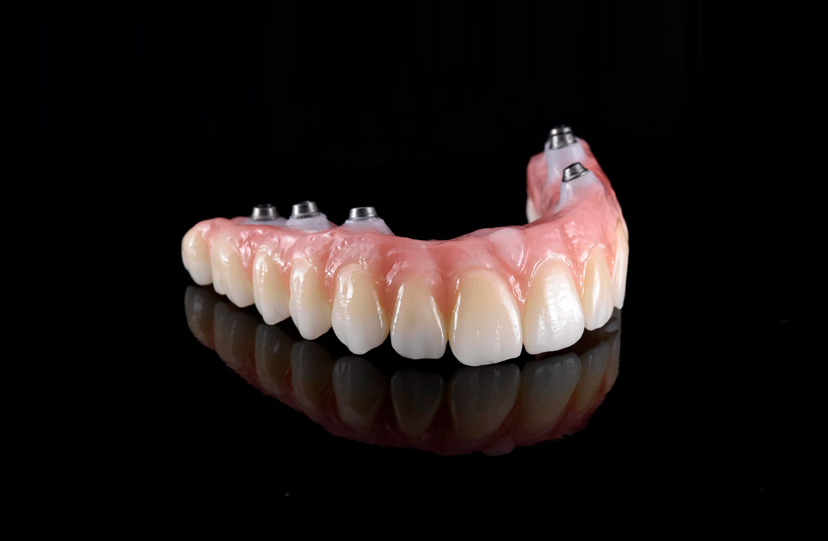
Permanent options, like bridges and implant-supported prostheses, are set in stone and last longer, but they cost more and need surgery. Acrylic Base Partial Dentures can fill in gaps for people who can't have surgery or who need a quick fix. When it comes to buying things, knowing these differences helps match products better with what people want. This makes it easier to decide what to stock and makes customers happier in a lot of clinical settings.
How Acrylic Base Partial Dentures Are Made: A Step-by-Step Guide
Acrylic Base Partial Dentures need to be made with great care and good materials to make sure they fit and work well. People who buy things can figure out what sellers can do and how they track quality if they know how this process works.
Material Selection and Impression Capture
The first thing that needs to be done is to pick oral acrylic resins that are FDA-cleared materials and meet their health standards. Doctors use alginate or silicone to make accurate casts of their patients' mouths. These molds show how the person bites down, what shape their gums are, and what teeth they still have. Making the right first impression is very important because even small mistakes can lead to fit issues, discomfort, and more makeovers.
Fabrication Stages and Quality Control
The dental impression is poured into dental stone to create a master cast. Dental technicians make the base for the denture, picking out the right tooth colours and putting the false teeth in place based on the prescription. To work with the plastic base, heat or light must be used to cure the resin into a rigid structure that will last. To make sure the mouth fits well and doesn't cause any pressure spots, the last steps are to trim, polish, and fix the occlusion. Quality checks make sure that the sizes are right and the colours are the right ones before the item is sent out.
Procurement Considerations for B2B Buyers
Companies that want to buy things should make sure they follow FDA and CE rules and are certified to ISO 13485 before they buy. Suppliers with their own CAD/CAM systems can respond more quickly and give you more ways to make things your own. Two ways to see how consistent the quality of the production is are to ask for sample units and do fit trials. When you need to finish a clinical case fast, having clear information about turnaround times, how to place an urgent order, and the terms of the warranty keeps things going smoothly and lowers the risk.
Proper Cleaning and Maintenance of Acrylic Base Partial Dentures
If people clean and take care of their Acrylic Base Partial Dentures, they will last longer and keep their mouth healthy from getting worse. It's important to teach end users the right way to do things so that fewer requests for remakes happen and customers are happy.
Importance of Daily Cleaning
Food bits, plaque, and microorganisms can get stuck on acrylic's porous surface, which is a good place for fungal diseases like candidiasis to grow. If you clean the device every day, you can keep stains, odors, and calculus from building up, which can make it look and feel bad. If you don't do upkeep, the materials will break down faster, and natural teeth are more likely to get gum disease or cavities. Stressing that you should take them out every night for eight hours helps your gums heal from the constant pressure, which reduces sore spots and improves your mouth's health.
Step-by-Step Cleaning Protocol
You should clean up before bed and every time you eat. Run lukewarm water over the Acrylic Base Partial Denture to get rid of any food or other things that are stuck in it. For gentle cleaning, use a soft-bristled brush and a light cleaner that won't scratch. Make sure you pay close attention to the cracks and clasps. Plaque gets scratched by the rough parts, which lets bacteria stick to it better. Put the denture in a cleaning solution made just for dentures and leave it there overnight. This will get rid of microorganisms and spots. Rinse it well to get rid of any chemicals that might still be on it before putting it back in. Fluoride toothpaste can help keep your mouth healthy and stop cavities. Brush your natural teeth one at a time.
Storage and Handling Best Practices
Acrylic Base Partial Dentures should be kept in a clean container with a lid that is full of water or denture solution so that they don't dry out and warp. Hold the thing over a soft towel or a bowl of water in case you drop it. See your dentist often for checkups, cleanings, and any changes that need to be made as the shape of your mouth changes. Bleach, hot water, or harsh chemicals that could damage the metal or acrylic parts should not be used. Teaching people these habits lowers the number of early failures and makes the prosthesis work better in the long run.
Buying Guide and Procurement Tips for Acrylic Base Partial Dentures
If you want to find good Acrylic Base Partial Dentures, you should carefully check out the supplier's background, the product details, and the shipping choices. Smart choices about what to buy affect how much something costs, how reliably it is delivered, and how pleased the customer is.
Evaluating Supplier Catalogs and Quality Indicators
Suppliers' websites and brochures are great places to learn more about their products, see proof that they are safe, and find examples of case studies. Check to see if the company is FDA-registered, follows ISO 13485:2016, and has a CE mark. These marks show that the business meets quality and safety standards around the world. Ask for proof that biocompatibility tests were done and that products can be tracked. Suppliers who offer full customisation based on what the doctor wants show that they are open and know how to use technology. Look at the cases they've already made to get an idea of how good they are and how well they look.
Understanding Price Components and Negotiation Strategies
Prices change based on how customised the items are, how many you order, and the material you pick. It costs more to buy one unit than to buy a lot of them, so dentistry labs and dealers can save a lot of money by ordering in bulk. OEM agreements let sellers enter new markets with more value because they can brand and customise products. Make turnaround times clear. Usually, it takes three to five days to finish, but there are faster options for those who need them right away. You should think about the shipping costs and customs fees for orders coming from other countries. You should also check with providers to see if they offer fast shipping or next-day delivery for situations that need to be handled quickly.
Delivery Logistics and After-Sales Support
Logistics that can be relied on are very important in dental prosthetics because patients have busy treatment schedules. Make sure your items don't get damaged during shipping by asking the seller about their shipping methods, tracking options, and how they package their items. If the materials or work aren't up to par, the warranty should cover it. There should also be clear rules about how to get the problem fixed or fixed up for free while the guarantee is open. When problems arise, quick customer service and technical support cut down on downtime. You can find out how reliable a company is and whether you could work with them for a long time by reading verified B2B reviews and getting examples from current customers. By working together with manufacturers who value clear communication and consistent quality, you can keep the buying process stable and easy to expand.
Conclusion
Acrylic Base Partial Dentures are still a good and inexpensive way to replace missing teeth, either for a short time or long-term use. A lot of different types of dental practices use them because they are simple to make, can be changed, and are comfortable for people. Learn about the material's qualities, how to clean it, and other things to think about when buying it. This will help dental workers and procurement teams make better decisions for patients and the business. Your products will last longer, require fewer remakes, and build trust in your supply chain that will last if you work with experienced, legal manufacturers and teach end users how to do proper upkeep.
FAQ
How long do acrylic base partial dentures typically last?
With proper care and oral anatomical changes, most Acrylic Base Partial Dentures can last between five and ten years. Since bone loss makes the tooth less stable over time, it needs to be relined or rebased every two years. People who bite down hard can shorten the life of their teeth by heavy occlusal forces, making them more likely to break. Maintenance and regular checkups with a doctor make things last longer and keep you relaxed.
Can acrylic partial dentures be adjusted after delivery?
Yes, it is pretty easy to make changes to your Acrylic Base Partial Dentures chairside. Orthodontists can cut, reshape, or add material to the device without having to send it back to the lab. This lets them make it fit better and ease pressure spots. But if you want to make big changes to the structure or fix cracks, you might need skilled lab work, which will cost more.
What cleaning products are safe for acrylic partial dentures?
For Acrylic Base Partial Dentures, use soft-bristled brushes made just for them and cleaners that are gentle and won't scratch them. Soap, bleach, and other harsh chemicals that can scratch or damage acrylic should not be used. Leaving your dentures in solutions made just for them overnight cleans and kills microorganisms without hurting the material. Before putting it back in, always rinse it well.
Partner with HYC for Reliable Acrylic Base Partial Denture Solutions
With over 22 years of experience, HYC Dental Laboratory provides high-quality Acrylic Base Partial Dentures for dental clinics, laboratories, and distributors worldwide. Our FDA-registered, CE-certified, and ISO 13485:2016-compliant manufacturing processes ensure consistent quality, reliable turnaround times, and customized solutions tailored to your clinical requirements. To get a catalogue, talk about what you want to buy, or place your next order with confidence, go to hycdentallab.com or email us at info@hycdentallab.com.
References
1. Zarb, G.A., Bolender, C.L., & Eckert, S.E. (2013). Prosthodontic Treatment for Edentulous Patients: Complete Dentures and Implant-Supported Prostheses (13th ed.). Mosby.
2. Phoenix, R.D., Cagna, D.R., & DeFreest, C.F. (2008). Stewart's Clinical Removable Partial Prosthodontics (4th ed.). Quintessence Publishing.
3. Carr, A.B., & Brown, D.T. (2016). McCracken's Removable Partial Prosthodontics (13th ed.). Elsevier Health Sciences.
4. Anusavice, K.J., Shen, C., & Rawls, H.R. (2013). Phillips' Science of Dental Materials (12th ed.). Saunders.
5. Zarb, G.A., Hobkirk, J.A., Eckert, S.E., & Jacob, R.F. (2012). Prosthodontic Treatment for Partially Edentulous Patients. Mosby.
6. Jacobson, T.E., & Krol, A.J. (1983). "Rotational path removable partial denture design." The Journal of Prosthetic Dentistry, 50(3), 370-376.
YOU MAY LIKE
.webp "Co-Cr PFM (Cobalt-Chrome)")