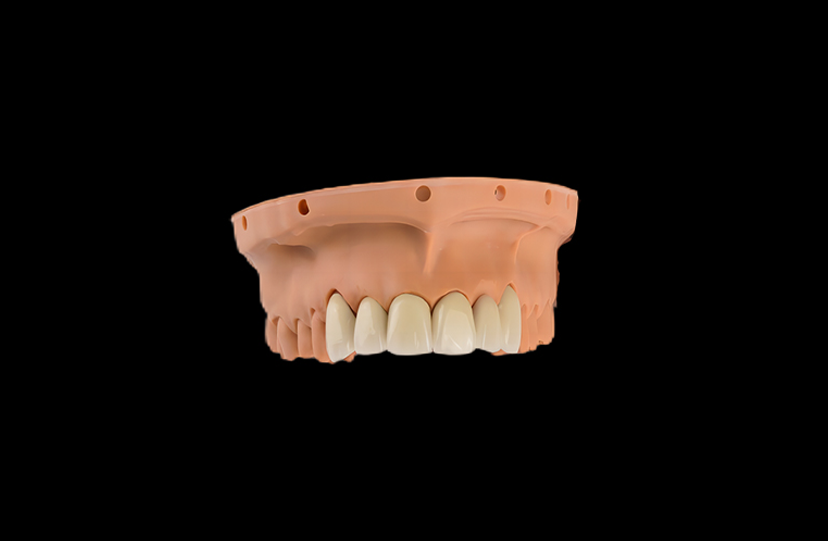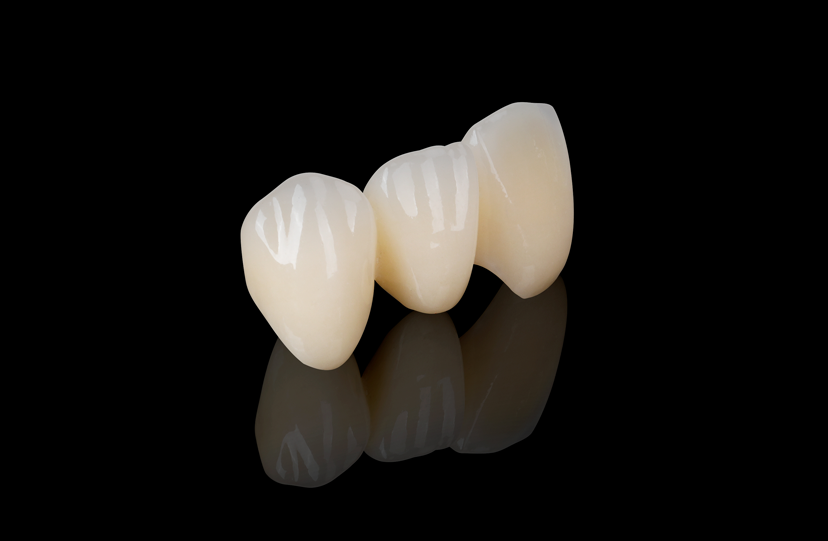
PFM High Noble White
PFM High Noble White: Premium Dental Restorations for Long-Term Clinical Success
When you need a restoration that combines proven durability with reliable aesthetics, PFM High Noble White delivers exceptional performance. At HYC Dental Laboratory, our white gold restorations contain at least 60% noble metals with a minimum 40% gold content, ensuring superior biocompatibility and mechanical strength. With over 22 years of manufacturing experience and ISO 13485 certification, we've perfected the balance between fit accuracy and clinical longevity. Our product crowns and bridges achieve first-time fit rates that minimize chair time while offering proven service life exceeding 30 years. Advanced CAD/CAM integration ensures marginal accuracy within microns, reducing your remake rates and improving practice efficiency.
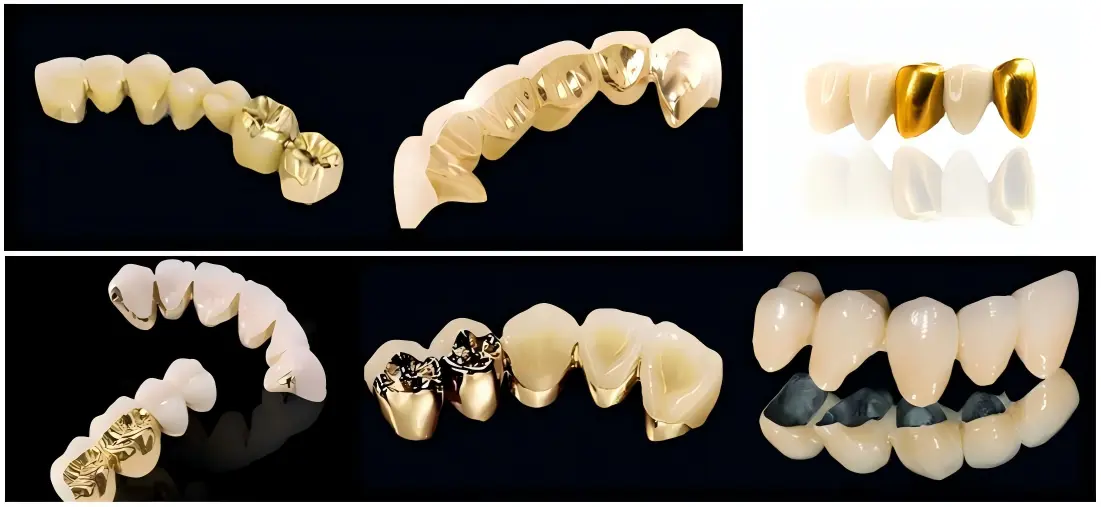
Why Choose White Gold Over Traditional Alloys?
You face a choice every time you select a restoration material. The product stands apart from base metal alternatives in several critical ways.
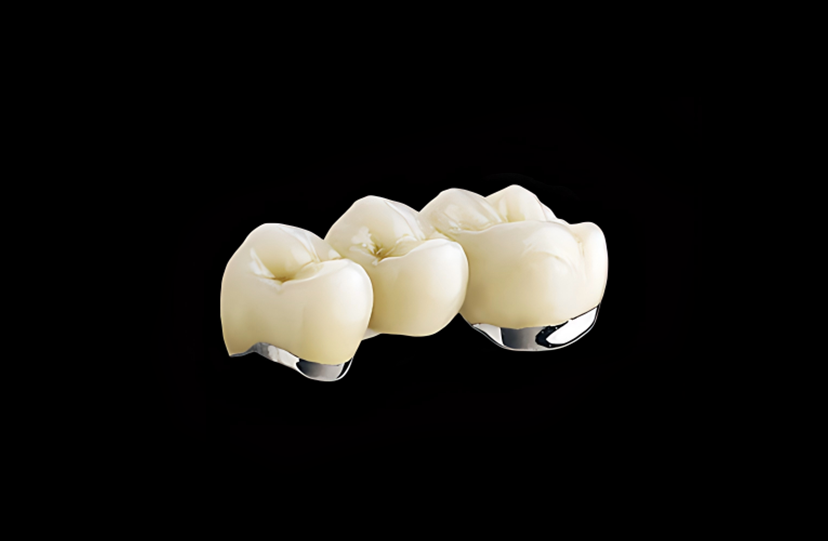
The composition matters. Our white gold framework contains platinum and palladium alongside gold, creating a lighter oxide layer during porcelain firing. This translates to better light reflection at the margins compared to dark base metal alloys.
Stiffness increases with white gold formulations. When you're designing long-span bridges up to 14 units, the added rigidity of white high-noble alloys prevents flexure under occlusal loads. Your patients benefit from restorations that maintain structural integrity over decades.
Thermal stability protects your work. The higher melting temperature of white gold—thanks to platinum content—means the framework resists distortion during multiple porcelain firing cycles. You get predictable results even on complex cases.
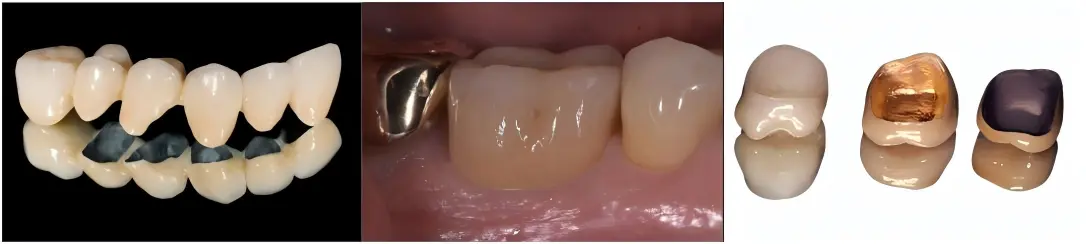
Technical Specifications of PFM High Noble White
| Parameter | Specification |
|---|---|
| Alloy Composition | ≥60% noble metals (Au, Pt, Pd); ≥40% gold content |
| Alloy Classification | Type IV (high strength) |
| Substructure Color | White/silver tone |
| Porcelain System | Premium layering ceramic (e.g., Noritake EX-3) |
| Incisal/Occlusal Reduction | 1.5–2.0 mm |
| Facial/Lingual Reduction | 1.5 mm |
| Margin Design | 1.0–1.5 mm chamfer (shoulder for porcelain margin) |
| Maximum Span | Up to 14-unit bridges |
| Minimum Metal Thickness | 0.3–0.5 mm (cast or milled) |
| Expected Service Life | 30+ years with proper care |
| Warranty Period | 2 years (fixed restorations) |
| Standard Lead Time | 3–4 days |
| Expedited Service | Priority processing available |
Clinical Indications and Patient Selection
Your case selection determines restoration success. White gold PFMs excel in specific scenarios.
Ideal candidates include:
- Patients with bruxism or heavy grinding habits
- Posterior restorations requiring maximum strength
- Cases with limited occlusal clearance (minimum 1.5 mm)
- Implant-supported crowns needing long-term stability
- Abutment teeth for partial dentures
- Situations where you need to mask severely discolored tooth structure
Avoid using when:
- Patients have documented palladium sensitivity
- Anterior cases demand maximum translucency (all-ceramic preferred)
- Clinical crown height is insufficient for retention
- Tooth preparation provides inadequate reduction for metal and porcelain layers
The biocompatibility advantage reduces your risk. High noble metal content minimizes tissue irritation and allergic reactions, making these restorations suitable for patients with sensitive periodontal tissues.
Maximizing Aesthetic Outcomes
You can achieve natural-looking results even with a metal substructure. The key lies in margin design and porcelain selection.
Eliminate the "black line" problem. Request a porcelain butt margin whenever soft tissue aesthetics matter. The light gray oxide of PFM High Noble White reflects light more naturally than dark base metals, but the margin must expose porcelain—not metal—to optimize appearance.
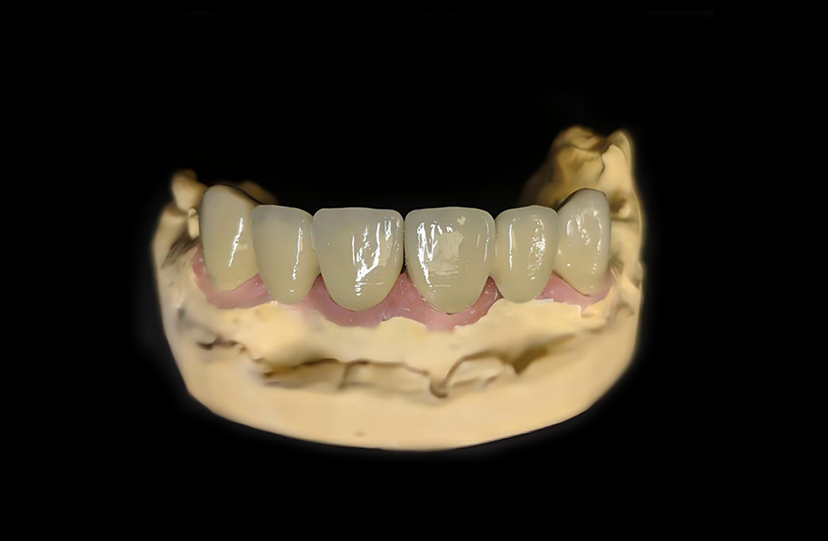
Layer for depth. Our ceramists hand-layer premium porcelain to mimic the translucency gradients of natural enamel. Multiple firing cycles build internal characterization that catches and diffuses light like real tooth structure.
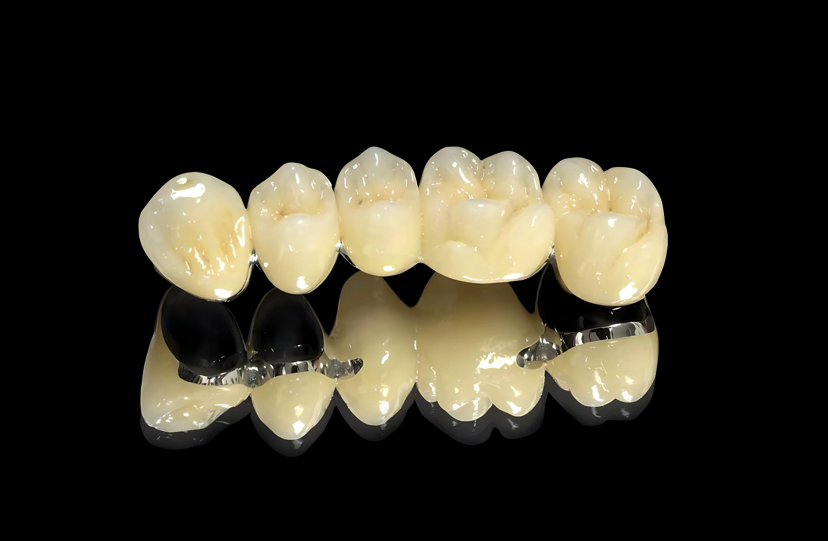
Polish to perfection. High noble alloys accept a mirror polish that resists plaque accumulation. Smooth margins promote gingival health and reduce maintenance recalls.
Match your preparation to your aesthetic goals. A shoulder preparation enables full porcelain coverage on facial surfaces, while chamfer margins work well where metal collars are acceptable.
Addressing Common Technical Concerns
Coefficient of Thermal Expansion (CTE) Matching
You may worry about porcelain chipping. White gold alloys have different thermal expansion rates than yellow gold. The solution lies in controlled cooling.
Our lab uses extended cooling cycles that allow metal and ceramic to stabilize together. We pair white high-noble frameworks with porcelains specifically formulated for high-palladium alloys. This creates a chemical bond that resists shear forces during function.
Price Fluctuations
Unlike fixed-price semi-precious alloys, white gold pricing follows precious metal markets. If budget predictability matters for your practice, consider noble palladium-based alternatives. They offer white coloring and good performance at more stable price points.
Request a quote when you submit cases. We provide transparent pricing based on current metal costs so you can plan case acceptance conversations with patients.
Fit Accuracy Advantages
You save time with superior marginal adaptation. High noble metals cast more accurately than base metal alloys because of their flow characteristics during solidification. Tighter margins mean less adjustment at delivery and fewer sensitivity complaints.
Our CAD/CAM workflow further enhances precision. Digital design and milling produce frameworks with micron-level accuracy, ensuring passive fit even on multi-unit bridges.
Why HYC Dental Laboratory?
You partner with proven expertise when you choose us. Our 22 years of experience serving European and US clinics means we understand your quality expectations.
Quality assurance you can trust:
- US FDA registered facility
- ISO 13485:2016 certified processes
- CE certified materials throughout
- Strict inspection before every shipment
Speed that supports your practice:
- 3-day standard turnaround
- 4–5 days for complex cases
- Priority processing for urgent needs
- Same-day shipment available in select regions
Service that protects your investment:
- 2-year warranty on fixed restorations
- Free remake for quality-related issues
- Continuous technical support
- Compatible with digital and traditional workflows
Frequently Asked Questions
Q:How does "White Gold" differ from "Yellow Gold" in clinical performance?
A:White high-noble alloys maintain identical marginal accuracy to yellow gold. The primary difference is thermal stability—white gold contains more platinum or palladium, raising the melting temperature. This makes the framework more resistant to distortion during high-heat porcelain firings. White gold is actually stiffer than high-content yellow gold, making it superior for long-span bridges where additional rigidity is required.
Q:Does White Gold prevent the "black line" at the gingiva better than base metals?
A:The oxide layer of white gold is lighter (light gray or straw-colored) compared to the dark oxides of base metals. However, the metal is still opaque. To maximize the aesthetic benefit, always pair white gold PFMs with a porcelain butt margin. This allows the lighter oxide to reflect light more naturally than the appearance of dark base metal.
Q:Why does the lab bill for "White Gold" fluctuate?
A:Unlike semi-precious alloys with fixed pricing, white high-noble alloys are priced based on daily market rates of constituent metals. If price stability is a concern, consider a noble palladium-based alloy as a more predictable alternative that still offers a white-colored substructure.
Q:Is there a risk of "Thermal Shock" during porcelain layering?
A:White gold alloys have different thermal expansion characteristics than standard yellow gold. If porcelain isn't cooled slowly, metal and ceramic contract at different rates, creating stress. We address this by using extended cooling cycles and porcelains specifically designed for high-palladium alloys, ensuring a chemical bond that resists shearing forces.
Contact Us Today
Ready to experience the PFM High Noble White difference that precision and experience make? Reach us at info@hycdentallab.com to discuss your case requirements and discover partnership benefits.
SC-Bold
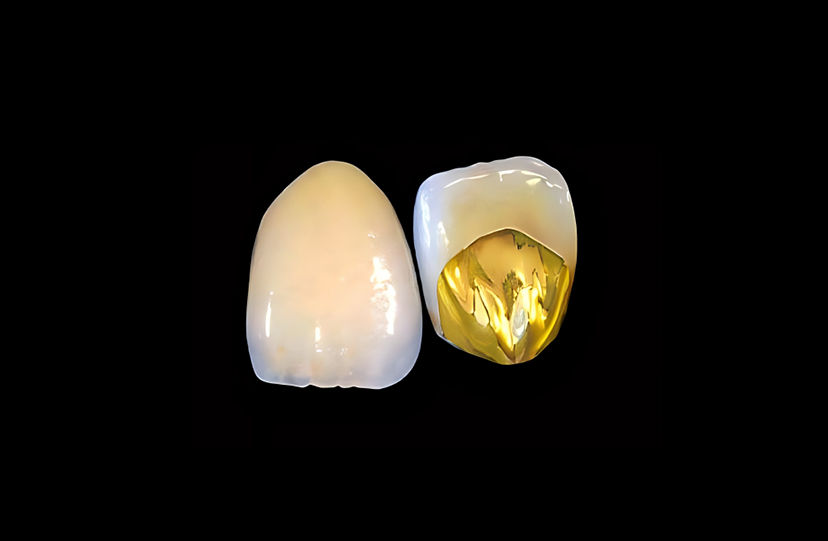
.webp "Silver-Palladium PFM (Ag-Pd)")
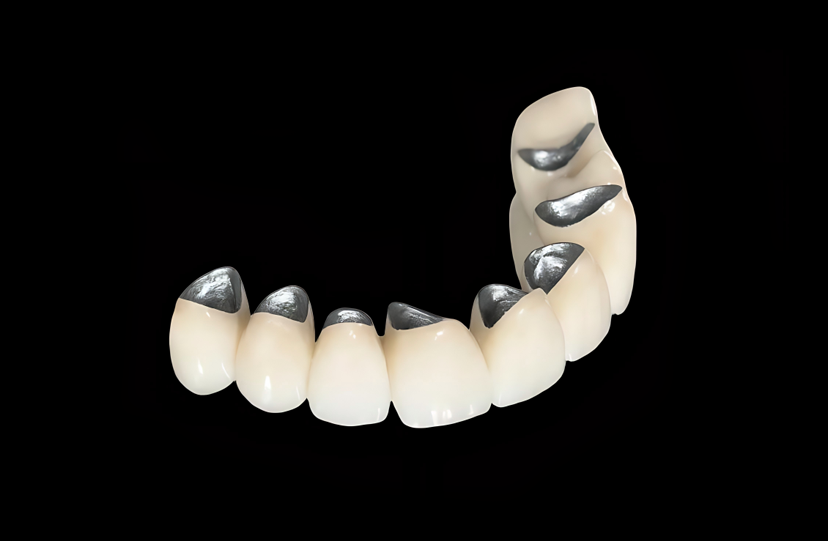
.webp "Ni-Cr PFM (Nickel-Chrome)")