The Benefits of Titanium Partial Dentures: Light, Strong, and Comfortable
Titanium Partials have advanced removable prosthodontics by addressing common challenges associated with traditional framework materials, including weight, comfort, and structural performance. Traditional chrome-cobalt or acrylic frameworks put stress on oral tissues and cause metal sensitivities. Titanium frameworks can provide a significant weight reduction compared with traditional metal frameworks while maintaining excellent mechanical performance. This combination of lightness, strength, and comfort leads to better patient compliance, fewer adjustments at the chairside, and long-lasting performance. These are all important factors for procurement professionals looking for solutions that balance clinical excellence with cost-effectiveness in today's competitive dental market.
Understanding Titanium Partial Dentures
Grade 2 or Grade 5 (Ti-6Al-4V) medical-grade titanium is used in the frameworks of removable partial dentures. Titanium is widely used in medical and dental applications because of its excellent biocompatibility and corrosion resistance. Precision CAD/CAM milling and selective laser melting (SLM), which allow advanced CAD/CAM workflows, enable highly accurate framework fabrication and have replaced traditional lost-wax casting as a way to make things. With this new technology, labs can make frameworks that fit over prepared abutment teeth without putting them under any unnecessary stress.
Engineering Principles Behind Titanium Frameworks
Titanium's crystalline structure and high elastic stiffness (110 GPa) make it very strong compared to its weight. These qualities are more like those of natural bone than those of chrome-cobalt alloys (230 GPa). This similarity in mechanical properties may help support balanced force distribution during function. At the main connectors, frameworks are usually 0.5 to 0.8 mm thick, allowing clinicians to design lightweight frameworks while maintaining adequate rigidity while still being just as rigid. The final prosthesis equally spreads occlusal pressure across the residual ridge and the remaining teeth.
Fabrication Workflow Integration
In modern digital workflows, the first step is intraoral scanning or digitizing a traditional impression. Next, technicians plan the rest seat positions, retentive undercut engagement, and connector geometry in CAD design. Milled titanium frames with a surface roughness of less than 1.6 Ra come out of five-axis machines and are ready to be finished and put together with acrylic resin bases and denture teeth. This streamlined process cuts the time it takes to make something down to three to five business days, so it can meet urgent clinical deadlines without sacrificing accuracy.
Key Benefits of Titanium Partial Dentures
By choosing titanium frames, you can address several problems that dental professionals have pointed out during purchase reviews. The material's natural qualities give it measured clinical and practical benefits that affect how happy patients are, how often they need to be fixed, and how profitable the practice is in the long run.
Exceptional Lightweight Comfort
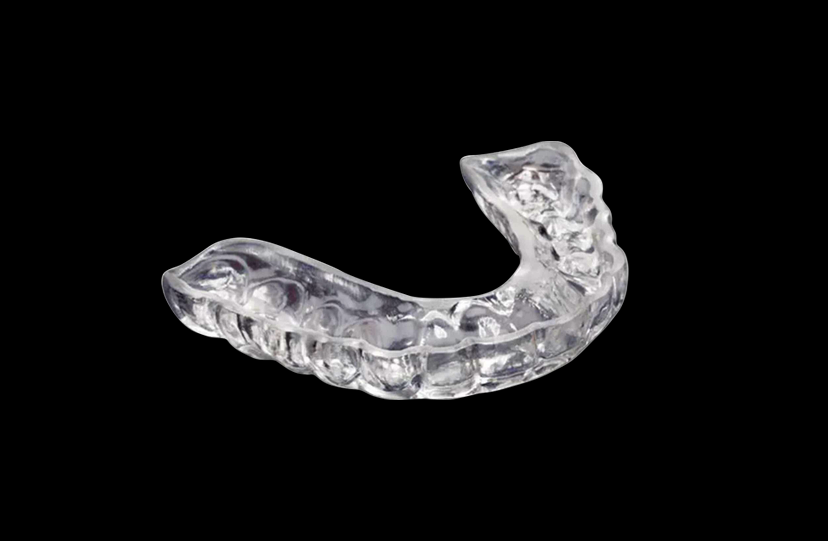
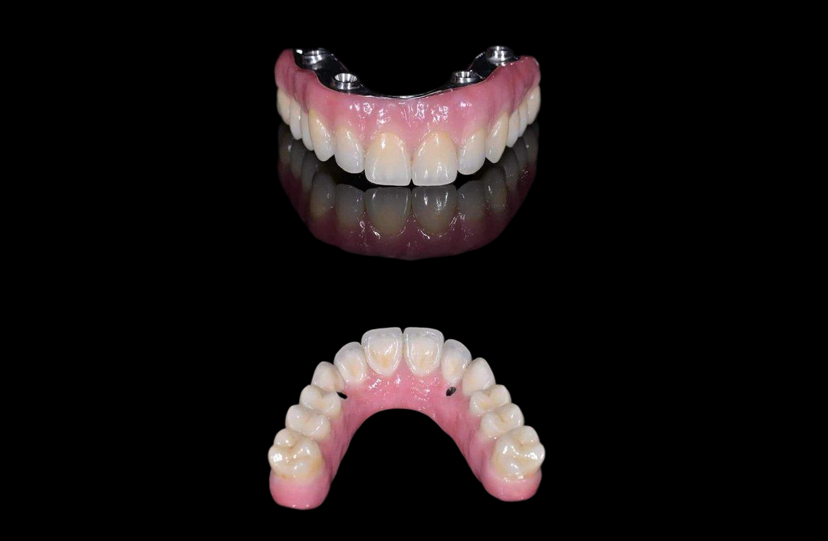
A full mandibular titanium partial framework. Titanium frameworks are generally lighter than comparable cobalt-chromium frameworks, which may improve patient comfort. This weight reduction may help reduce the sensation of bulkiness often associated with traditional metal frameworks. That makes patients not want to follow through. Patients who wear metal implants say that their muscles don't get as tired after long periods of use. The lighter mass also reduces pressure on areas that don't have teeth, which is especially helpful for people whose bones have broken down. When the framework weight is lower, the retention is better because the prosthesis needs less force to stay in place while it's being used.
Superior Biocompatibility and Safety
Titanium is often considered a suitable option for patients who require metal-compatible materials. Within nanoseconds of being exposed to air, the material forms a passive titanium oxide layer (TiO₂). This stops the release of ions that cause allergic reactions that are common with nickel-containing metals. Because of this, Titanium Partials may be a suitable choice for patients with specific metal sensitivity concerns, for people who have been diagnosed with hypersensitivity, or who need long-term oral rehabilitation. A medical-grade material that is used in hip replacements is biologically neutral and tolerable by tissues for many years.
Outstanding Durability and Longevity
Clinical studies have reported favorable long-term performance of titanium frameworks when properly designed and maintained, and framework fractures are relatively uncommon when appropriate design and fabrication protocols are followed and the dentures are designed correctly. Titanium is more resistant to corrosion than any other metal in the mouth. Its structure stays strong even when it is constantly exposed to acidic foods, bacterial biofilms, and temperature changes. As long as the prosthesis is used, it will still look good because the material doesn't fade or change color. Because it lasts longer, the overall cost is less, even though the initial investment was higher.
Simplified Maintenance Requirements
Titanium frames only need to be cleaned every so often with soft brushes and denture cleaners that don't scratch. Plaque doesn't stick to the surface as well as it does to cast metal alloys that have tiny holes in them during casting. Proper hygiene and maintenance routines can help support oral health and prosthesis longevity. While fixes need specialized tools, like laser welding for framework changes, digitally manufactured frameworks can be quickly made from old CAD files without having to reschedule the patient, which means that when changes need to be made, there is less downtime.
Because of all of these benefits, titanium frameworks are the widely used choice for quality-focused procurement strategies that put patient outcomes and operational efficiency first.
Titanium Partial Dentures vs Alternative Solutions
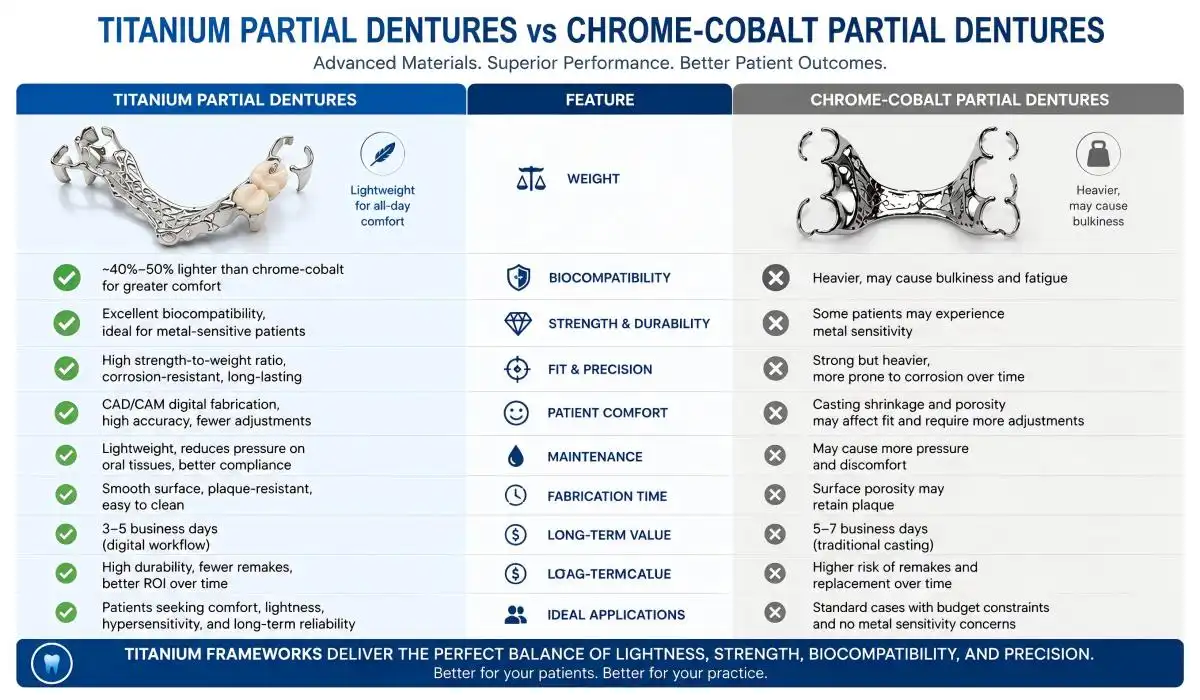
Procurement leaders need clear comparative data to support the choice of materials in a range of clinical settings and price ranges. Strategic sourcing choices are based on knowing how well titanium partial frameworks compare to well-known options.
Chrome-Cobalt Framework Comparison
Because the materials are cheaper and the casting process is well-established, chrome-cobalt (CoCr) alloys have been the standard for decades. CoCr frameworks, on the other hand, have some problems. Because the metal is denser, prosthetics that are made of it are heavier, which makes patients less comfortable. Some patients may experience sensitivity to certain metal alloys, depending on individual conditions and material composition, which means that expensive remakes have to be done. Casting shrinkage and porosity cause errors in measurements that need a lot of finishing. Titanium gets rid of these worries and lets you make thinner designs that protect tooth structure while the rest of the material is being made.
Acrylic and Flexible Resin Alternatives
All-acrylic partial teeth are the least expensive choice, but they don't last as long or as well as other options. Acrylic partial dentures may have different strength characteristics compared with metal framework designs, especially in Kennedy Class I and II cases, where both people are missing teeth. Flexible thermoplastic resins like Valplast and Duraflex make patients more comfortable, but Flexible materials provide excellent comfort and aesthetics, although their indications differ from rigid metal frameworks, so they need to be adjusted often. These materials can't make the rigid major connector geometry that is needed to spread the load evenly. When you mix titanium frames with acrylic denture bases, you get the widely used combination of strength, comfort, and value for money.
Implant-Supported Restoration Context
Dental implants are better at keeping teeth in place and preserving bone, but many people can't get them because they don't have enough bone volume, other health problems, or financial problems. Titanium detachable partial dentures are a great middle ground option because they are metal-free, which is great for patients who may eventually switch to implant treatment. If future implants are put under existing prostheses, they will fit in perfectly because the materials are biocompatible. Titanium frameworks also work well with strategic implant placement to make hybrid designs that are both fixed and removable.
Procurement Insights for Titanium Partial Dentures
Finding your way around the world's suppliers needs evaluation systems that look at more than just unit price. These systems need to take into account the total cost of ownership, legal compliance, and the dependability of the relationship.
Regulatory Compliance and Certification
All FDA registration applies to the facility, while product compliance depends on applicable regulatory requirements to sell medical equipment in the US and have ISO 13485:2016 certification that verifies their quality management systems. Under the Medical Device Regulation (MDR 2017/745), products sold in Europe must have a CE mark. Check that the titanium source materials you're using have Material certificates and traceability documentation, which should be available upon request and show they've been tested for biocompatibility according to ISO 10993 guidelines. Manufacturers should give out material certificates that list the alloy's composition and the amount of impurities it contains. To make sure patients are safe and the law is followed, procurement teams must check these credentials as part of the vendor qualification process.
Manufacturing Capability Assessment
Tell the difference between labs that offer cast titanium frameworks and those that offer milled frameworks. CAD/CAM milling technology is very accurate and gets rid of casting flaws, but it costs a lot of money to buy five-axis machines and sintering furnaces. Check the supplier's production capacity—can they meet your volume needs during busy times? Get sample cases to check the quality of the finish, how well the edges fit, and how well the clasps stay in place. Turnaround time is an important metric; the widely used suppliers can standardize production to 3–5 days, with express options for urgent cases. Check to see if next-day delivery is possible for emergency support when clinical schedules call for quick solutions.
Customization and Communication
Custom engineering is needed for every case of a portable partial denture. Suppliers must show that they are familiar with a range of clasp designs (circumferential, bar, and combination), rest configurations, and major connection shapes that fit the body of each patient. Check out digital communication platforms. For example, can you send cases through cloud-based portals that let you see their state in real time? If you can get technical help during work hours, you can avoid delays that cost a lot of money. Because OEM and ODM are available, you can change the workflow protocols, packaging, and documentation to fit your needs. Minimum order policies that are flexible can work for both small private practices and large DSO networks.
Pricing Structure and Warranty Terms
Titanium framework pricing varies depending on design complexity, manufacturing method, customization requirements, and supplier factors, based on how complicated they are. Kennedy Class I bilateral frameworks are the most expensive. Compare quotes that include the type of material, the quality of the finish, and the services that are included. Clear pricing models keep charges from coming as a surprise. Warranty coverage is an important way to lower your risk. Reliable suppliers offer one- to two-year warranties that cover manufacturing flaws and provide free repair or replacement. Make the protection limits clear, especially when it comes to damage caused by the patient vs. mistakes made during production. Volume discounts of 12 to 20 percent are common with long-term contracts and bulk purchasing deals. These discounts help labs and group practices make more money.
Real-World Applications and Client Experience
Titanium frameworks are becoming more popular in a variety of practice settings, which is supported by clinical evidence and market data. This shows that the theoretical benefits lead to measurable outcomes.
Clinical Performance Documentation
Studies from multiple centers that were published in prosthodontic journals found that Clinical reports indicate that patient comfort and satisfaction are more important factors when selecting lightweight framework materials than chrome-cobalt alternatives (6.9/10). Clinicians report that the number of adjustment appointments may reduce adjustment requirements when accurate digital workflows and proper case planning are used in the six months following delivery. With digitally milled titanium, the rate of remakes due to framework problems in digital manufacturing may help improve consistency and reduce fabrication-related issues, while the rate for cast metal alternatives is between 6 and 8%. Over five years of observation, there is no significant difference in the survival rates of abutment teeth between titanium and conventional frameworks. This shows that the stress is being distributed properly. By cutting down on unpaid chair time and material waste, these measures have a direct effect on the practice's ability to make money.
Market Trends and Innovation
The world market for removable partial dentures is Demand for advanced removable prosthodontic solutions continues to increase as digital dentistry becomes more widely adopted, with titanium frames growing at the fastest rate. Laboratories say that 35% of titanium cases now start with intraoral scans instead of traditional prints. This is because digital workflow integration drives uptake. New technologies include surface processes that make resin bonding stronger and hybrid production, which combines 3D-printed resin parts with milled titanium parts. Keeping up with these changes helps procurement teams predict what customers will want and keep their product lines competitive.
Conclusion
Titanium Partials are the result of new materials science research and patient-centered prosthodontic design. They are more comfortable, last longer, and work better with your body. When procurement professionals look at framework materials, they need to think about more than just the original price. They need to think about the total value, which includes fewer remakes, higher patient happiness, and long-term prosthesis survival. Comparative analysis shows that titanium is better than traditional materials in a number of performance areas. For strategic sourcing to work, you need to work with manufacturers who can show they follow the rules, are reliable, and have technical knowledge. If your office or lab uses titanium frameworks, you will be at the cutting edge of high-quality dental restoration.
FAQ
Is titanium safer for me than traditional metal dentures?
Titanium is often considered a suitable option for patients who require metal-compatible materials. Because the body doesn't reject it, the material is the same as medical-grade titanium, which is used in hip replacements and dental implants. The passive oxide layer stops the release of metal ions that cause allergic reactions that are common in alloys that contain nickel. To avoid risk, patients who have been diagnosed with hypersensitivity to chrome, cobalt, or nickel should specifically ask for titanium partial frameworks.
Can it be repaired if my mouth changes or it gets damaged?
Titanium is very durable, but it needs to be fixed with special tools, especially in labs that have laser welding technology. Standard methods of soldering can't be used on titanium. Digital processes, on the other hand, make frames that have a big advantage: replacements can be made quickly from old CAD files without needing new patient impressions. This feature makes it easier to keep treatment going when changes need to be made because of changes in the mouth or accidental damage.
What production timeline should I expect?
Digitally made titanium frames usually take three to five business days to make from the time the case is submitted until they are shipped. Manufacturers who keep extra capacity for emergency orders can speed up urgent cases by producing them the next day. Express shipping takes an extra one to two days for delivery within the United States. Make sure that the deadlines are clear when the case is submitted so that they don't interfere with the patients' meeting times.
Partner with HYC for Premium Titanium Partial Solutions
When HYC makes a titanium framework, they use their 22 years of specialized production experience. They make removable prosthetics for dentistry labs, group practices, and implant centers all over the United States. As an FDA-registered and ISO 13485:2016 certified provider of Titanium Partials, we offer solutions that regularly Our digital workflow is designed to achieve consistent framework accuracy and reduce adjustment requirements. This will greatly reduce the number of times you have to make adjustments at the chairside. With our advanced CAD/CAM milling technology, we can make frameworks out of medical-grade Grade 5 titanium compliant with applicable material standards through high-precision CAD/CAM manufacturing processes. This ensures a passive fit and the widely used distribution of load.
We know that people who work in buying need more than just good products. They also need relationships they can count on. Our standard 3-day production time and next-day fast shipping options help you stick to your clinical plans. Additionally, our 1-year warranty coverage for eligible manufacturing-related issues protects you from risk. Our manufacturing capacity is flexible enough to meet your needs, whether you need to customize a single unit or make a lot of Titanium Partials for sale as OEMs. You can email our technical team at info@hycdentallab.com to talk about your unique case needs, ask for sample evaluations, or look into volume pricing models that will help your supply chain work more efficiently while still giving patients the widely used results possible.
References
1. Carr AB, McGivney GP, Brown DT. McCracken's Removable Partial Prosthodontics. 13th Edition. Elsevier Health Sciences, 2015.
2. Sato Y, Tsuga K, Akagawa Y, et al. A method for quantifying overall satisfaction of complete denture patients. Journal of Oral Rehabilitation. 2005;32(11):794-798.
3. Phoenix RD, Cagna DR, DeFreest CF. Stewart's Clinical Removable Partial Prosthodontics. 4th Edition. Quintessence Publishing, 2008.
4. Brudvik JS. Advanced Removable Partial Dentures. Quintessence Publishing, 1999.
5. Davenport JC, Basker RM, Heath JR, Ralph JP. A Color Atlas of Removable Partial Dentures. Wolfe Medical Publications, 1988.
6. Budtz-Jørgensen E, Bochet G. Titanium frameworks for removable partial dentures: Clinical and laboratory aspects. Swiss Dental Journal. 1998;108(3):1-12.
YOU MAY LIKE
_1779414359377.webp "FMZ (Fully Milled Zirconia)")
.webp "Ni-Cr PFM (Nickel-Chrome)")
 Full Cast Crowns.webp "Base Metal (Non-Precious) Full Cast Crowns")