Acrylic Base Partial Denture vs Flexible Denture: Material Comparison
Acrylic base partial dentures and flexible dentures are two common options for replacing missing teeth. Acrylic base partial dentures typically use PMMA acrylic resin, while flexible dentures are made from thermoplastic materials, often nylon-based. The two materials differ in flexibility, appearance, repairability, and clinical use.
This article compares acrylic and flexible partial dentures to help dental professionals and patients understand the main differences between the two options.
What Is an Acrylic Base Partial Denture?
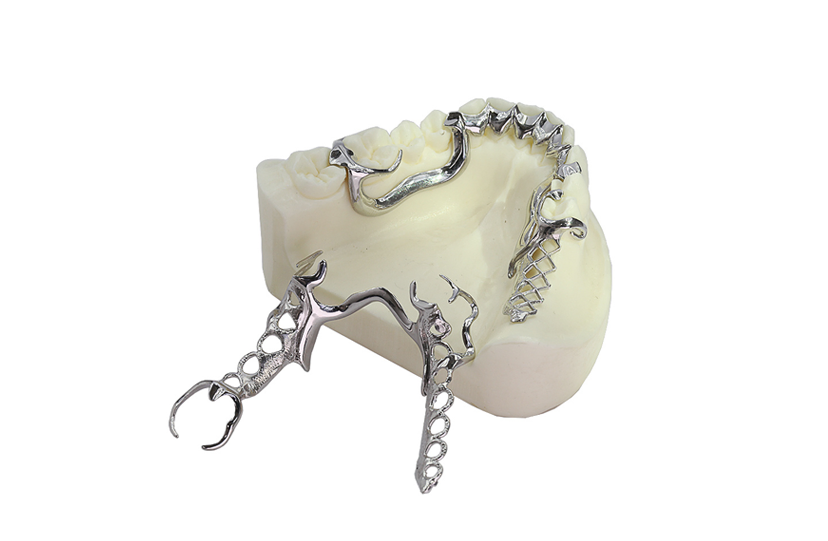
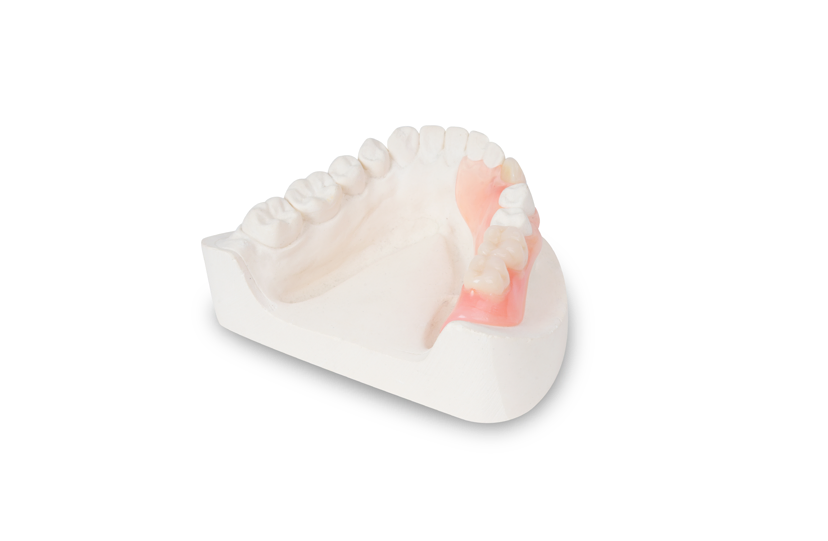
An acrylic base partial denture is a removable dental prosthesis that uses acrylic resin as its base material. The acrylic base supports the replacement teeth and may incorporate metal clasps or other components for retention, depending on the design.
Acrylic partial dentures are widely used because they are relatively easy to fabricate, adjust, repair, and modify. They can also be relined when changes occur in the patient's oral tissues.
What Is a Flexible Denture?
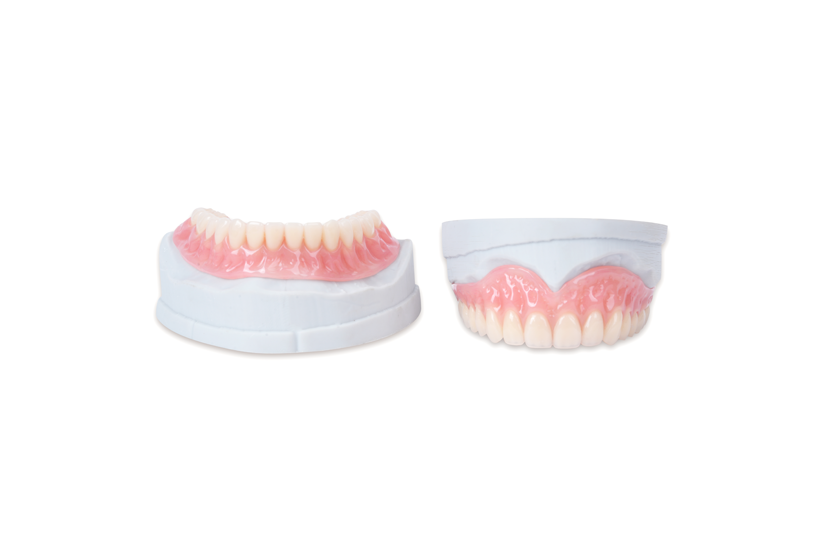
A flexible denture is a removable partial denture made from a flexible thermoplastic material. Many flexible denture systems use nylon-based resins that allow the denture to flex during insertion and removal.
Flexible dentures are often selected when a metal-free appearance is desired. Their translucent or tooth-colored clasps can blend with the surrounding tissues and teeth.
Benefits of Each Material
Acrylic Base Partial Denture
-
Easy to adjust and repair
-
Can be relined as oral conditions change
-
Relatively simple and economical to fabricate
-
Can be modified when additional teeth are needed
-
Available in a wide range of acrylic shades
Flexible Denture
-
Metal-free appearance
-
Flexible and lightweight
-
Tooth-colored or translucent clasps can provide a more natural appearance
-
Can be useful when esthetics are an important consideration
-
Thermoplastic materials do not require the same acrylic monomer processing used for conventional PMMA acrylic bases
Advantages and Disadvantages
Acrylic Base Partial Denture
Advantages:
-
Easy to repair and adjust
-
Relatively easy to reline
-
Suitable for many temporary and long-term removable applications
-
Generally more economical
-
Can be modified as the patient's needs change
Disadvantages:
-
May be thicker than some flexible designs
-
Metal clasps may be visible depending on the design
-
Acrylic can fracture if the denture is dropped or subjected to excessive force
-
May require periodic adjustment or replacement as oral conditions change
Flexible Denture
Advantages:
-
Flexible and lightweight
-
Metal-free design
-
Good esthetics in many cases
-
Tooth-colored or translucent clasps can be less noticeable
-
Can provide a comfortable alternative for selected patients
Disadvantages:
-
Material-specific adjustment and repair procedures are required
-
Relining options depend on the material and denture system
-
Some flexible materials can be more difficult to modify than conventional acrylic
-
Not suitable for every clinical situation
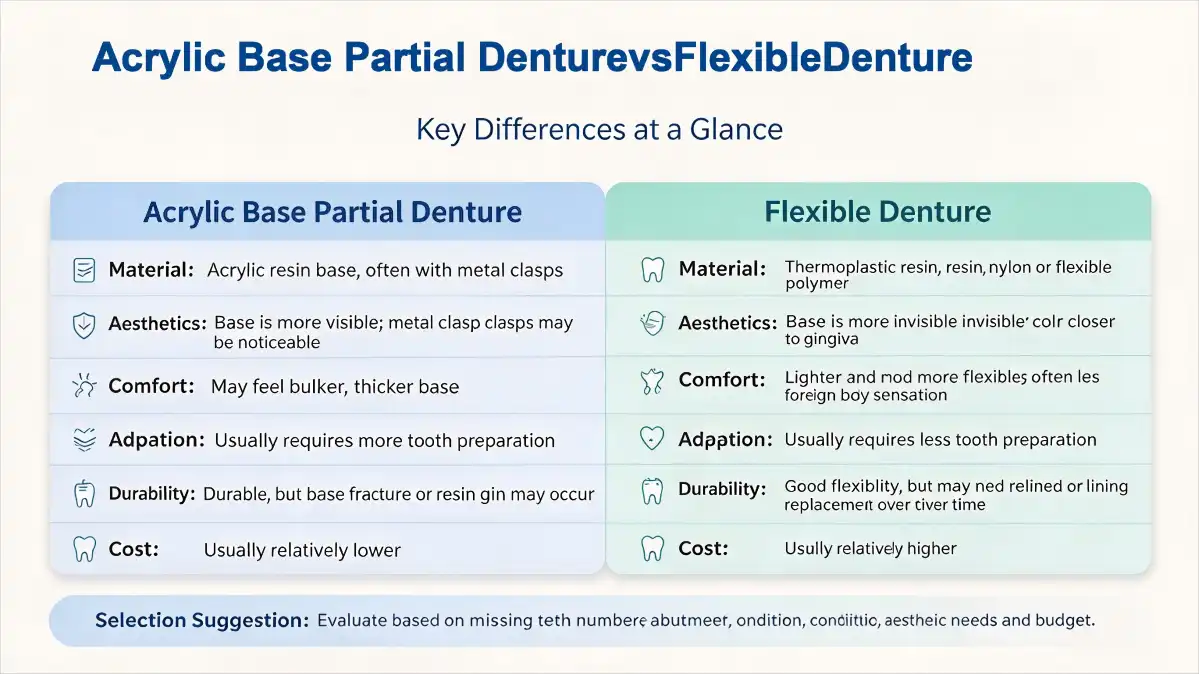
Material Comparison Table
Clinical Indications
Acrylic Partial Dentures May Be Appropriate For:
-
Patients requiring an economical removable solution
-
Temporary prosthetic treatment
-
Cases where future tooth additions or relining may be needed
-
Patients who need a prosthesis that is relatively easy to repair or modify
Flexible Dentures May Be Considered For:
-
Patients who prefer a metal-free appearance
-
Selected anterior tooth replacement cases
-
Patients who want a lightweight and flexible prosthesis
-
Cases where esthetics are an important consideration
The choice depends on the patient's oral condition, number and position of missing teeth, remaining tooth support, occlusion, esthetic requirements, and treatment plan.
Manufacturing Workflow
Acrylic Base Partial Denture
-
Impression or digital scan
-
Model preparation
-
Denture design
-
Wax setup and tooth arrangement
-
Acrylic processing
-
Finishing and polishing
-
Quality inspection
-
Final adjustment and delivery
Flexible Denture
-
Impression or digital scan
-
Model preparation
-
Denture design
-
Tooth arrangement
-
Thermoplastic injection or processing
-
Finishing and polishing
-
Quality inspection
-
Final adjustment and delivery
Cost Factors
The cost of an acrylic or flexible partial denture depends on several factors, including:
-
Number of replacement teeth
-
Denture design and complexity
-
Material selected
-
Laboratory processing method
-
Additional components or attachments
-
Required adjustments and finishing
-
Shipping and turnaround requirements
Acrylic partial dentures are generally more economical than flexible dentures, although the final choice depends on the requirements of the case.
How to Choose a Supplier
When selecting a dental laboratory for acrylic or flexible partial dentures, consider:
-
Material quality and traceability
-
Experience with removable prosthetics
-
Accuracy of fit and tooth arrangement
-
Quality control procedures
-
Communication and case support
-
Turnaround time
-
Shipping options
-
Repair and remake policies
A reliable dental laboratory should be able to communicate clearly about material selection, case limitations, design requirements, and adjustment procedures.
Maintenance
Patients should follow the cleaning and maintenance instructions provided for their specific denture material.
General Recommendations Include:
-
Clean the denture regularly using an appropriate denture-cleaning method
-
Avoid using very hot water unless specifically recommended by the manufacturer
-
Handle the denture carefully during cleaning
-
Store the denture properly when it is not being worn
-
Schedule regular dental examinations
-
Contact the dentist if the denture becomes loose, uncomfortable, damaged, or difficult to insert
Key Takeaways
Acrylic and flexible partial dentures have different material properties and are used for different clinical needs. Acrylic bases are generally easier to repair, reline, and modify, while flexible dentures can offer a lightweight, metal-free alternative with good esthetic potential.
Material selection should take into account the clinical situation, denture design, material properties, esthetic requirements, and long-term treatment plan.
FAQ
What is the difference between an acrylic partial denture and a flexible denture?
An acrylic partial denture usually uses a rigid PMMA acrylic base, while a flexible denture uses a thermoplastic material that can flex during insertion and removal. Acrylic is generally easier to repair and reline, while flexible dentures are often chosen for their flexibility and metal-free appearance.
Is a flexible partial denture made from nylon?
Many flexible partial dentures are made from thermoplastic nylon-based materials, although the exact composition depends on the manufacturer and product system.
What is the best partial denture material for front teeth?
For anterior tooth replacement, material selection depends on the patient's clinical condition and esthetic requirements. Flexible dentures may be considered when a metal-free appearance is important, while acrylic can be appropriate when easier adjustment, repair, or future modification is needed.
Can a flexible denture be repaired?
Some flexible denture materials can be adjusted, repaired, or modified using material-specific techniques. Repairability depends on the specific resin and denture system.
Can a flexible partial denture be relined?
Relining options depend on the specific flexible material and denture system. The dental laboratory should confirm whether the selected material is suitable for the required reline procedure.
Which is more comfortable, acrylic or flexible partial dentures?
Comfort depends on denture design, fit, tissue condition, occlusion, and individual patient factors. Flexible materials may feel different from rigid acrylic, but material alone does not determine overall comfort.
How long does an acrylic partial denture last?
The service life of an acrylic partial denture varies according to oral conditions, denture design, material quality, hygiene, wear, and changes in the patient's mouth. Regular dental examinations can help determine when adjustment, repair, relining, or replacement is needed.
Can an additional tooth be added to a flexible partial denture?
Additional teeth can be added to some flexible denture systems, depending on the material and design. The dental laboratory should evaluate the existing prosthesis before modification.
How do I choose a dental laboratory for acrylic or flexible partial dentures?
Look for a laboratory with experience in removable prosthetics, consistent quality control, appropriate material handling, clear communication, and reliable turnaround and support services.
Which is better, an acrylic or flexible partial denture?
Neither material is suitable for every case. Acrylic is often preferred when repairability, relining, and modification are important, while flexible materials may be preferred when flexibility and a metal-free appearance are priorities.
Partner with HYC Dental Lab
HYC Dental Lab provides acrylic and flexible denture solutions for dental professionals and laboratories. With 22 years of experience in dental laboratory manufacturing, HYC focuses on consistent production quality, case communication, and reliable delivery.
Our production process is FDA-registered, CE-certified, and ISO 13485:2016-compliant. We provide regular 3-day shipping, urgent flash delivery options, and a 1-year guarantee on removable repairs.
For case inquiries or laboratory support, contact:
References
-
American College of Prosthodontists. Facts & Figures: Tooth Loss in the U.S. Journal of Prosthodontics, 2023.
-
Phoenix, R.D., Cagna, D.R., & DeFreest, C.F. Stewart's Clinical Removable Partial Prosthodontics. Quintessence Publishing, 4th Edition, 2014.
-
Dhingra, K. Oral Rehabilitation Considerations for Patients with Partial Edentulism. Journal of Prosthodontic Research, 2012.
-
Watt, D.M., & MacGregor, A.R. Designing Partial Dentures. Wright Publishing, 2nd Edition, 2006.
-
Zarb, G.A., Hobkirk, J., Eckert, S., & Jacob, R. Prosthodontic Treatment for Edentulous Patients. Elsevier Mosby, 13th Edition, 2012.
-
Turrell, A.J.W. Clinical Assessment of Vertical Dimension and Removable Prosthetic Stability. The Journal of Prosthetic Dentistry, 2021.
YOU MAY LIKE