Why Choose Soft Night Guard Retainer for Patient-Specific Dental Protection?
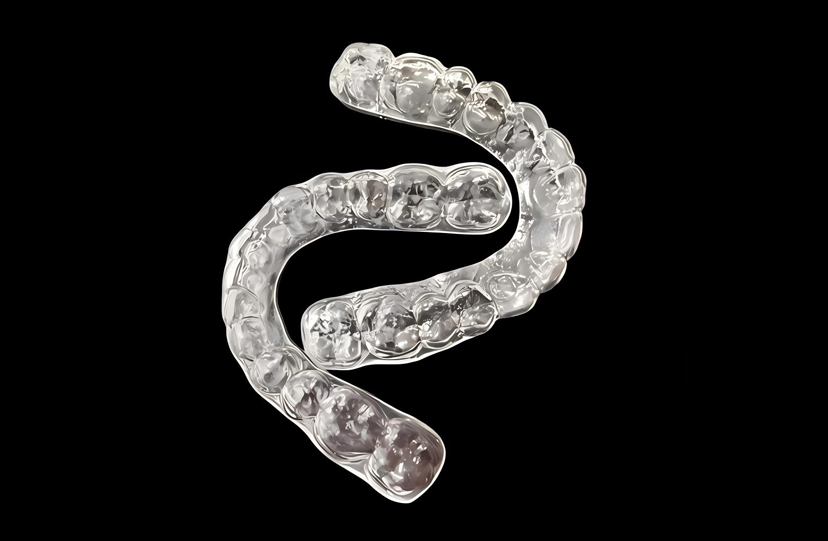
Choosing a soft night guard retainer delivers patient-specific protection through its flexible, medical-grade thermoplastic design that absorbs bruxism forces while maximizing comfort and compliance. This device is designed to help protect teeth and dental restorations from occlusal forces, while providing a comfortable, patient-specific fit. Compared with some rigid appliances, soft guards may offer a more comfortable wearing experience for certain patients, which may support better appliance acceptance. Their biocompatible materials, customizable fabrication, and documented clinical applications make them the preferred solution for dental practices seeking low remake rates and reliable patient satisfaction.

Introduction
The dental protection landscape has evolved significantly as bruxism affects nearly 30% of the adult population, causing substantial damage to natural dentition and expensive dental work. Dental professionals face a critical challenge: delivering protective devices that patients will actually wear consistently throughout the night. Traditional hard acrylic splints, while durable, often sit unused in bathroom drawers because patients find them uncomfortable and disruptive to sleep quality.
This market reality has driven innovation toward patient-centered solutions that balance protection effectiveness with wearability. Modern dental practices, laboratories, and DSOs recognize that a protective appliance is more likely to provide its intended benefit when it is appropriately fitted and consistently used. Material science advancements in thermoplastic elastomers have enabled the development of soft guards that absorb grinding forces without sacrificing comfort, addressing the compliance crisis that undermines treatment success.
What Is a Soft Night Guard Retainer?
Core Design and Function
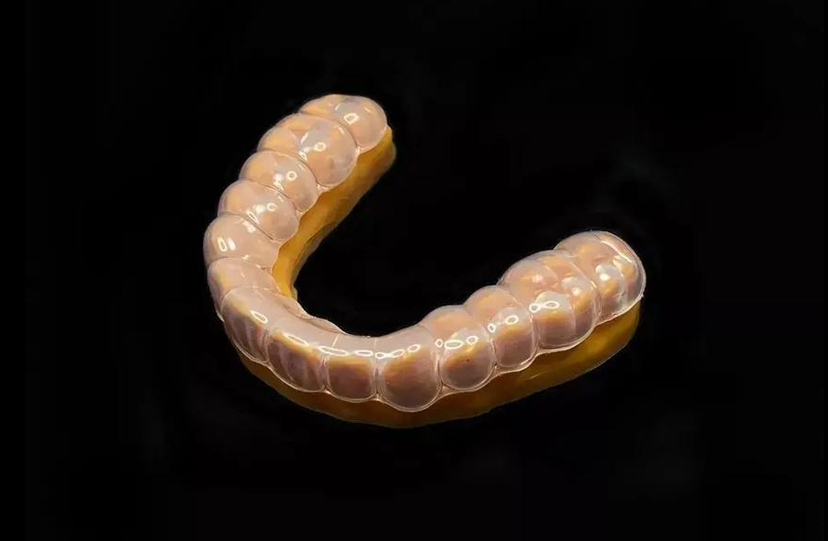
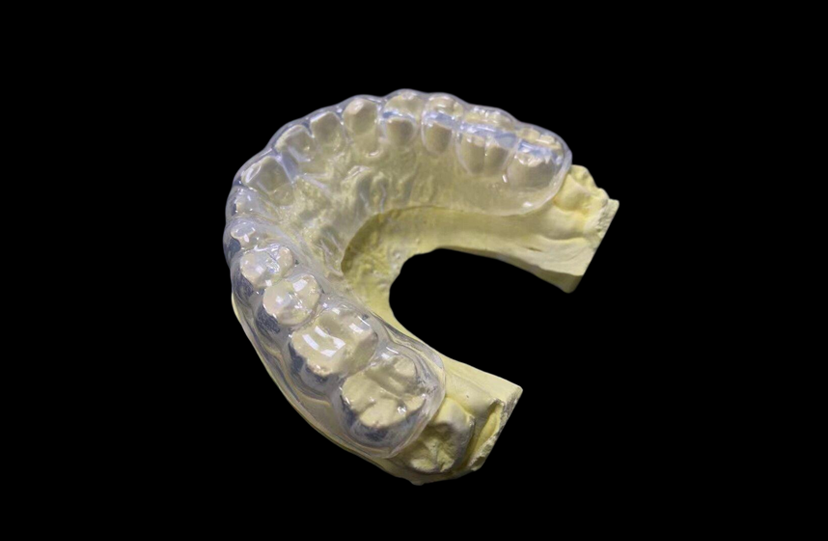
A Soft Night Guard Retainer is a special device that fits inside your mouth. It is made of medical-grade thermoplastic elastomers that are bendable, usually EVA (ethylene-vinyl acetate) materials. This device makes a soft barrier between the upper and lower dental arches. This barrier absorbs and spreads the concentrated forces that are created during bruxism and clenching episodes that happen at night.
The basic idea behind how it works is that energy is lost when materials are deformed. The elastic polymer structure compresses and rebounds when grinding forces hit the surface of the Soft Night Guard Retainer. This changes the destructive occlusal energy into harmless material flexion. This biomechanical design is intended to distribute occlusal forces and provide a protective barrier between the dental arches in the masticatory system, and keeps dental restorations safe from the repeated loads that break them and separate them from the tooth.
Material Properties and Performance
The technical details describe how well it works in the clinic. Good Soft Night Guard Retainers have a Shore A Durometer hardness between 60 and 80, which keeps the structure strong while keeping the feel good. The material's elastic memory makes sure that the gadget returns to its original shape after being deformed several times. This way, it will keep its fit throughout its useful life. The hydrophobic characteristics of some thermoplastic materials can help limit moisture absorption, although proper cleaning and storage remain important for hygiene, which are both bad for cleanliness.
Benefits of Soft Night Guard Retainers
Patient Compliance and Treatment Success
Patient acceptance can influence how consistently an appliance is worn. Patient acceptance may vary between soft, hard, and dual-laminate appliances. Comfort, retention, appliance design, and individual patient factors can all influence long-term use. This difference has a direct effect on how well the treatment works, since patients can only benefit from a safety device if they wear it regularly. The softer design may provide a more comfortable wearing experience for appropriately selected patients, which would make you want to use it every night.
For some patients, the softer design may provide a more comfortable wearing experience than a rigid appliance. Better comfort may support more consistent appliance use, which can contribute to improved treatment adherence over time. Fewer calls for remakes and fewer complaints from patients about device pain are good for dental offices.
Clinical Outcomes and Protection Effectiveness
Soft Night Guard Retainers not only help with obedience, but they also have measured therapeutic effects. Soft night guards may help distribute occlusal forces and may be used as part of a broader approach to managing symptoms associated with bruxism. Clinical suitability should be evaluated on an individual basis. The appliance is primarily designed to provide occlusal protection, while its clinical role in managing bruxism-related symptoms should be evaluated on an individual basis.
The device is designed to help reduce direct tooth-to-tooth contact and distribute occlusal forces that reveal the dentin and weaken the tooth structure. Soft Night Guard Retainers are designed to help manage occlusal forces and may be considered for patients with dental restorations where occlusal protection is clinically appropriate. This is especially helpful for practices that put money into crown, veneer, and implant repairs. By helping protect dental restorations from excessive occlusal forces, the appliance may help reduce the risk of restoration-related complications; the financial protection goes to both patients and practices.
Advantages Over Alternative Solutions
Understanding the competitive landscape helps explain why soft Night Guard Retainers are one option among several appliance designs used for occlusal protection and bruxism management. The following core advantages distinguish this solution from rigid splints and hybrid designs:
Patient Comfort and Appliance Acceptance: The flexible material can provide close adaptation to the tooth surfaces when appropriately fabricated and fitted. The patients say it's "barely noticeable," which is very different from rigid guards that feel like strange objects and take a long time to get used to.
Versatile Clinical Applications: Soft Night Guard Retainers can be used in a variety of clinical settings, such as by people who have had a lot of dental work done, are wearing orthodontic devices, or are using CPAP equipment for sleep apnea. Patients who use CPAP should discuss appliance selection with their dental and medical professionals to ensure that the oral appliance is appropriately fitted and compatible with their overall treatment plan.
Simplified Adjustment Protocol: Rigid splints need multiple occlusal adjustments and equilibration appointments, but Soft Night Guard Retainers usually only need a few changes to be made at the chairside. The material is forgiving, so it instantly fixes small occlusal problems. This saves time in the office and speeds up patient delivery.
Cost-Effective Laboratory Production: The thermoforming fabrication process makes it possible to make manufacturing workflows more efficient, which can provide an efficient fabrication workflow for appropriately designed appliances. This streamlined fabrication approach may help laboratories and dental practices improve production efficiency and manage appliance costs, which means more people can get protective care.
Disadvantages and Considerations
To keep a balanced view, you have to be aware of some of your limitations. According to research, the service life of a soft night guard varies depending on material, appliance thickness, wearing habits, bruxism severity, and maintenance. Patients should have the appliance evaluated periodically and replace it when significant wear or deformation is observed. Heavy bruxers may experience faster wear, sometimes eating through the material and needing to be replaced more often than people whose hard guards last 3–5 years.
While the material's flexibility is good for comfort, it doesn't give you as much control over where your jaw is placed as rigid splints do. For people with TMJ who need to move their lower jaw in a certain way for treatment, they might need hard plastic guards that keep the exact vertical measure and front guidance. Soft night guards are primarily designed for occlusal protection rather than mandibular repositioning.
Some patients subconsciously chew on Soft Night Guard Retainers because they see the flexible material as something to play with instead of a barrier that keeps them safe. This habit can speed up wear and sometimes make grinding more difficult instead of easier. This behavior can be lessened by teaching patients the right way to deal with silent wear.
Comparison: Soft vs. Hard vs. Dual-Laminate Guards
| Feature | Soft Guard | Hard Acrylic Guard | Dual-Laminate Guard |
|---|---|---|---|
| Patient Comfort | Softer, flexible feel | Rigid feel | Combines soft and rigid layers |
| Appliance Rigidity | Flexible | Rigid | Moderate to high |
| Occlusal Protection | Designed to help distribute occlusal forces | Designed for durable occlusal protection | Combines cushioning and rigidity |
| Adjustment Requirements | Typically limited | May require occlusal adjustment | May require adjustment depending on design |
| Mandibular Repositioning | Limited | Can provide more controlled occlusal guidance | Depends on appliance design |
| Material Design | Flexible thermoplastic | Rigid acrylic or thermoplastic | Soft inner layer with rigid outer layer |
| Fabrication Workflow | Thermoforming / digital workflow | CAD/CAM or conventional fabrication | Multi-layer fabrication |
| Typical Applications | Patients seeking a softer appliance option | Cases requiring a more rigid appliance design | Cases requiring a combination of comfort and rigidity |
| Clinical Selection | Based on individual clinical needs | Based on individual clinical needs | Based on individual clinical needs |
The appropriate appliance should be selected according to the patient's clinical condition, treatment objectives, appliance design, and professional assessment. Soft, hard, and dual-laminate guards each have different material and design characteristics, and the most suitable option depends on the individual case.
Clinical Indications for Soft Night Guard Retainers
Primary Bruxism Management
The most common use is for treating nighttime bruxism in people whose enamel is wearing down quickly, whose jaws hurt in the morning, or whose teeth are sensitive. Soft Night Guard Retainers protect natural teeth and alleviate muscle hyperactivity while acting as a preventative measure before major structural damage happens. Dental professionals may consider these appliances as one option for appropriately selected patients with bruxism-related occlusal concerns, saving more aggressive methods for patients who don't respond.
Post-Orthodontic Protection
Orthodontists often suggest Soft Night Guard Retainers for people who clench their teeth while getting orthodontic treatment. During orthodontic treatment or retention, appliance selection should be based on the patient's orthodontic and occlusal needs. This two-part method takes care of both tissue health and stable alignment. It works especially well for adult orthodontic patients who already have parafunctional habits.
Restoration Protection Protocols
Soft Night Guard Retainers are recommended by cosmetic and restorative dentists as a safety measure for patients getting porcelain veneers, all-ceramic crowns, implant replacements, or major smile changes. By helping manage excessive occlusal forces, the appliance may help reduce stress on certain dental restorations. Making guards is often part of full treatment plans, which makes it seem like an important part of care rather than an extra thing that you can choose not to do.
Materials and Biocompatibility Standards
Polymer Composition
Medical thermoplastic elastomers that meet strict biocompatibility standards are used in professional-grade Soft Night Guard Retainers. The market is dominated by EVA copolymers because they are the best mix of flexibility, durability, and oral safety. Material selection should consider biocompatibility, intended use, and applicable regulatory requirements. Appropriate material documentation and testing should be reviewed before clinical use. Because the material is hydrophobic, it doesn't let water in, which can change its shape and allow bacteria to grow.
The choice of material has a direct effect on professional success. Premium EVA formulations keep their stretchy qualities across a wide range of temperatures. This means that the cushioning effect stays the same even if your mouth temperature changes while you sleep. The material is optically clear, which lets it be made in a way that meets the patient's aesthetic needs and allows for visual inspection of the quality of the dental impression.
Regulatory Compliance
Material selection should be supported by appropriate biocompatibility documentation and testing, such as applicable evaluations under the ISO 10993 series, depending on the intended use and regulatory requirements. These approvals show that long-term contact with the mucosa doesn't hurt the cells, cause tissue reactions, or make people more sensitive. Dental labs and offices should check the paperwork for material approval because sometimes unsafe imports get on the market without the right safety checks.
Manufacturing Workflow and Quality Control
Digital Design and Impression Capture
Using traditional elastomeric materials or intraoral digital scanning to take a precise impression is the first step in modern fabrication. Digital workflows are more accurate because they don't change the size of the impression as much as physical materials do when they are poured and stored. CAD software looks at the digital model, finds undercuts, and plans the best way to spread out the thickness of the guards.
Thermoforming Process
In the production process, EVA sheets are heated to 70–80°C, which is the glass transition temperature for the material and the point at which polymer chains can move around. The softened sheet is then pulled over the dental cast by vacuum pressure, making it fit closely to the tooth outlines and gingival borders. Pressure-forming methods add more atmospheric force, which improves the accuracy of adaptation and lowers the number of air bubbles that get trapped.
Quality Verification Protocols
Professional labs use more than one stage of inspection. Dimensional stability testing checks for shrinkage after shaping, making sure that the fit is accurate within a 0.05mm range. Surface flaws, partial adaptation, or contamination can be seen with the naked eye. Final quality control checks ensure that the thickness is spread out correctly, usually keeping it at 2.0 mm for standard cases and 3.0 mm for heavy grinders that need more shock absorption.
Verification of biocompatibility includes checking each batch for any leftover monomers or surface contaminants that might irritate the tissue. Facilities that are ISO 13485:2016 certified have documented quality management systems that make sure that all the devices they make are made to the same high standards.
Cost Factors Influencing Pricing
The final price of Soft Night Guard Retainers depends on a number of factors. The price of raw materials changes depending on the quality of the medical-grade EVA. FDA-listed plastics are more expensive than non-certified options. Whether fabrication is done by hand using thermoforming or automatically through digital processes changes the level of complexity in the lab. This has an impact on both labor costs and output efficiency.
The need for customization has a big effect on prices. Standard single-arch guards have base prices. But for dual-arch designs, color customization, or adding special features, the time and materials needed to make them go up. Regulatory compliance costs, such as biocompatibility testing, quality paperwork, and maintaining certifications, are spread out over large production amounts, which helps companies that make a lot of products save money.
Through set cost sharing, the number of units ordered affects the unit price. The cost of each device is higher when custom fabrication is done on a single unit compared to bulk orders from dental chains or distribution partners. Logistics costs depend on how fast the shipment needs to go, with standard delivery being cheaper than fast services.
How to Choose a Soft Night Guard Retainer Supplier
Manufacturing Capability Assessment
Checking a potential supplier's production capacity and technical skills is the first step in evaluating them. Manufacturers that have been around for a while have put money into good thermoforming tools, digital design infrastructure, and expert staff that has been trained. Site visits or virtual tours of factories show if facilities keep their production areas clean enough to meet standards for making medical devices.
The production volume capacity of a supplier tells you if they can handle both small custom orders and large contracts that are renewed over and over again. Partners that offer scalable service are good for dental practices and labs because they help practices grow without having to make changes to their suppliers that mess up their regular processes.
Quality Management and Certifications
Priority suppliers keep their ISO 13485:2016 certification, which shows they are dedicated to medical device quality management systems. Registration with the FDA of materials and finished devices ensures that they follow the rules for distribution in the US market. Where applicable, CE marking indicates that a product has been assessed against the applicable European Union requirements, which is important for selling it in other countries.
Ask for proof that the material has been tested for biocompatibility according to ISO 10993 guidelines. If a supplier doesn't want to share test reports and certification documents, it could mean that they aren't following the rules. Check that the quality control procedures include testing for accurate measurements, making sure the materials are correct, and inspecting the final product before shipping.
Customization Flexibility and Communication
Experienced suppliers can offer customized appliance designs based on the prescription, digital workflow, and specific requirements of dental professionals. For this feature to work, you need technology help that is quick to respond and knows dental terms, occlusal concepts, and clinical needs. Check how responsive the communication was during the initial questions. The quality of the interactions before the sale can predict the quality of the relationship going forward.
Technical design support is what sets exceptional suppliers apart from average manufacturers. Partners who offer design optimization advice, material selection help, and clinical application knowledge add value above and beyond basic manufacturing services. They do this by working with you as a partner instead of just selling you something.
Delivery Reliability and After-Sales Support
Dental cases that need to be done quickly require providers to meet tight delivery dates without lowering the quality. The standard turnaround time should be in line with clinical needs, which is usually three to five days for simple cases. Offering quick solutions to meet pressing patient needs shows that the business is flexible and dedicated to its customers.
Warranty terms show that the source is confident in the quality of the product. Manufacturers with a good reputation will cover material defects and mistakes in production with a one-year warranty and a free remake policy during the warranty period. Technical support after the sale helps with problems with fitting or patient change, providing service after the initial delivery.
Maintenance and Care Instructions
Daily Cleaning Protocols
Maintaining a device properly will make it last longer and keep your teeth clean. Patients should rinse their Soft Night Guard Retainers with cool water as soon as they take them off to get rid of spit and other debris before germs can colonize. Using light liquid soap and soft-bristle toothbrushes to clean every day gets rid of bacteria buildup without damaging the surface.
Stay away from hot water because temperatures above 60°C are getting close to the material's thermal transition point and will warp its shape. Dishwashers and methods that use hot water to sterilize will forever damage the device, which will cost a lot to replace. Specialized retainer cleaning pills make antibacterial treatment easy. They get rid of protein buildup and bad smells without hurting the polymer structure.
Storage and Handling Recommendations
Guards need to be kept dry in cases with airflow that keep moisture from building up and keep them from getting damaged. Leaving electronics out in the open air encourages the growth of germs and the breakdown of materials. Keeping things out of direct sunshine and heat sources keeps polymers from breaking down too quickly, which makes the material less flexible.
Patients should check their guards once a week for signs of too much wear, such as surface holes, areas of thinning, or loss of elastic rebound. These indicators show when to replace something before its protective power decreases. Regular dental check-ups should include an inspection of the guard. This way, professionals can see how often it's being worn down and suggest that it be replaced on time.
Key Takeaways
For mild to moderate bruxism cases, Soft Night Guard Retainers may offer a balance between occlusal protection and wearing comfort for appropriately selected patients. Their flexible thermoplastic construction absorbs grinding forces while keeping comfort levels high enough to be worn every night. In addition to protecting the enamel, there are other clinical benefits, such as reducing TMD symptoms and keeping the repair in good shape.
The quality of the materials and the accuracy of the manufacturing directly affect clinical success. This makes choosing a supplier an important decision that affects both patient outcomes and the efficiency of the practice. By giving priority to partners with verified quality standards, safe materials, and quick technical support, verified quality processes can support consistent manufacturing quality and may help reduce avoidable remakes, which lowers your profits.
Knowing the right practical uses helps dentists match the features of a device to the needs of a patient. Soft Night Guard Retainers are great for both preventing bruxism and protecting teeth after damage, but people with serious cases may need other options. Teaching patients how to properly maintain their devices makes them last longer and gets the most out of their treatment investment.
Conclusion
Clinical literature supports the use of occlusal appliances as one approach to managing bruxism-related tooth contact and protecting dental structures in appropriately selected patients. These devices solve the main problem with traditional hard splints that makes them less effective: they get people to wear them properly, which turns theoretical protection into real clinical outcomes. Biocompatible polymers provide cushioning comfort without losing their defensive function thanks to progress in material science.
For execution to go well, strategic relationships with suppliers must put quality control, the ability to make changes, and reliable delivery at the top of their lists. Dental workers who invest in proper patient education and maintenance practices make sure that devices last as long as possible and continue to protect patients. Bruxism is becoming more common because of modern stressors. Soft Night Guard Retainers can be considered as one appliance option for patients who require occlusal protection, with appliance selection based on individual clinical needs to protect both natural teeth and restorative investments.
FAQ
How does the durability of soft guards compare to hard acrylic guards?
Hard plastic guards last between 3 and 5 years, while Soft Night Guard Retainers only last 6 to 12 months. When teeth grind against each other, the flexible material wears down. However, material wear may occur over time as the appliance is exposed to repeated occlusal forces, so regular inspection is recommended. People who bruxism a lot may need to repair their appliances more often, but the higher compliance rates usually make up for it.
Is the material safe for long-term oral exposure?
Professional-grade Soft Night Guard Retainers are made of safe thermoplastic elastomers that have been tested according to ISO 10993 standards and have been approved by the FDA. When these materials are in touch with nasal surfaces for a long time, they don't kill cells, irritate tissues, or make people more sensitive. When made from appropriately selected materials and used as directed, these appliances are intended for oral use within their specified indications.
Can soft guards fix TMJ disorders?
Instead of being healing methods, Soft Night Guard Retainers are used to control symptoms. As a result, they may be used as part of a broader approach to managing symptoms associated with bruxism or temporomandibular disorders, depending on the individual clinical assessment, by reducing muscle strain and joint pressure. For full treatment of TMJ, you might need extra help like physical therapy, facial changes, or orthopedic devices.
What thickness works best for soft night guards?
Standard 2.0 mm thickness is good for most people with mild to moderate bruxism because it balances comfort and protection. Thicker designs may be considered for patients with higher levels of occlusal activity, depending on the clinical prescription and appliance design; they can also absorb more shock. What thickness to choose should depend on how badly the patient grinds, how strong their jaw is, and how much pain they can handle.
How should patients clean their soft guards?
Every day cleaning works well with cool water, mild soap, or special retainer cleaning tablets. Do not use dishwashers, hot water, boiling water, or strong chemical cleaners on thermoplastic materials because they will hurt them. Maintaining a device properly keeps bacteria from growing on it and makes it last longer.
Do soft guards interfere with CPAP machines?
Patients who use CPAP should discuss appliance selection with their dental and medical professionals to ensure that the oral appliance is appropriately fitted and compatible with their overall treatment plan. The compatibility of a soft night guard with CPAP should be evaluated on an individual basis by the patient's dental and medical professionals.
Can soft guards protect expensive dental restorations?
Soft Night Guard Retainers are great at keeping crowns, veneers, implants, and other fillings safe from occlusal stress that can break or fail them. The cushioning effect spreads the grinding forces across the whole arch instead of putting all the stress on a few restorations. Proper appliance selection and maintenance may help support the service life of dental restorations.
When should patients replace their soft night guards?
When to replace something depends on how it wears and what kind of state it is in. If you can see holes, the material is thinning too much, it's losing its elasticity, or it can't hold its shape, it's time to replace it. Most patients need to get a new one every 6 to 12 months, but people who grind their teeth a lot may need to get a new one more often.
Partner with HYC for Premium Soft Night Guard Solutions
HYC Dental Laboratory provides custom dental appliance manufacturing services for dental practices, laboratories, and dental organizations. With more than 22 years of dental manufacturing experience, HYC applies digital design and thermoforming workflows to support the fabrication of patient-specific soft night guards.
Our production process includes digital design, material selection, thermoforming, dimensional verification, and final inspection. Appliance specifications are produced according to the prescription and requirements provided by dental professionals.
HYC operates under an ISO 13485:2016 quality management system and provides product documentation and quality support according to applicable requirements. Standard production lead times are typically 2–3 days, subject to case complexity and order requirements. Get in touch with our team at info@hycdentallab.com to talk about your specific needs and experience the accuracy, dependability, and support dental professionals seek: consistent quality, reliable service, and responsive technical support.
References
1. American Dental Association Council on Scientific Affairs. "Nightguards and Occlusal Splints: Clinical Applications and Material Considerations." Journal of the American Dental Association, 2019.
2. Macedo, C.R., et al. "Occlusal Splints for Sleep Bruxism: A Systematic Review and Meta-Analysis." Journal of Oral Rehabilitation, 2020.
3. Klasser, G.D., and Greene, C.S. "Oral Appliances in the Management of Temporomandibular Disorders." Oral Surgery, Oral Medicine, Oral Pathology, 2018.
4. Shetty, S., et al. "Comparative Evaluation of Patient Compliance with Hard and Soft Occlusal Splints." Journal of Contemporary Dental Practice, 2021.
5. International Organization for Standardization. "ISO 10993: Biological Evaluation of Medical Devices - Part 5 and Part 10." Geneva: ISO Standards, 2018.
6. Raphael, K.G., et al. "Effectiveness of Thermoplastic Versus Hard Acrylic Stabilization Appliances in TMD Patients." Clinical Oral Investigations, 2019.
YOU MAY LIKE
.webp "Full Gold Crown (FGC)")