How to Select the Best Custom Teeth Whitening Trays for Dental Labs?
Quick Answer
When selecting best custom teeth whitening trays, dental labs should consider dimensional accuracy, appropriate material selection, edge design, production turnaround time, and the supplier's quality management and regulatory documentation. These factors can help support patient comfort, consistent treatment delivery, workflow efficiency, and effective remake management.
Introduction
Teeth whitening remains a widely used cosmetic dental treatment, and custom whitening trays continue to be used in dentist-supervised at-home whitening protocols. Dental laboratories face mounting pressure to deliver whitening trays that balance clinical performance with operational efficiency. Compared with generic or over-the-counter trays, precision-fabricated custom trays are designed to provide a more individualized fit and support more controlled delivery of whitening gel. Labs serving general dentists, cosmetic clinics, and multi-location dental service organizations must source trays that meet stringent quality benchmarks while maintaining rapid turnaround times. The selection process requires consideration of material properties, manufacturing processes, quality control, and applicable regulatory requirements, all of which can contribute to consistent product quality and efficient clinic workflows.
What Are Custom Teeth Whitening Trays?
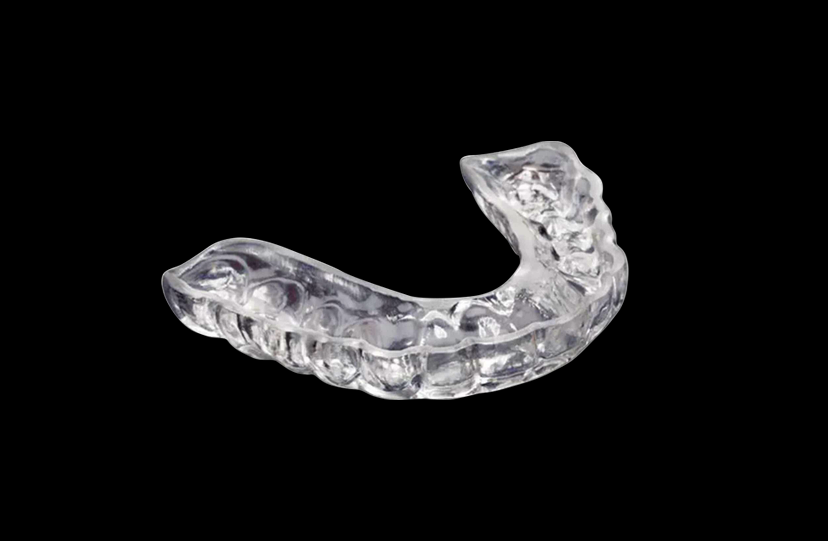
Professional-grade custom teeth whitening trays are dental appliances that are carefully designed and made from dental impressions or intraoral 3D scans of each patient. These trays are fabricated to closely follow the patient's tooth contours, helping create a controlled space for the application of whitening gel. The close fit helps maintain the whitening gel in contact with the tooth surfaces while limiting excessive displacement during use. The customized fit and appropriate trimming are designed to help minimize unnecessary contact between whitening gel and gingival tissues during use. This design may help reduce the risk of soft-tissue irritation and uneven gel distribution that can occur when whitening trays do not fit properly.
Core Structural Characteristics
Custom whitening trays may be fabricated from thermoplastic sheets in a range of thicknesses, depending on the material, forming technique, tray design, and clinical requirements, and tray margins may be scalloped and positioned according to the patient's gingival anatomy and the prescribed clinical design. Where specified in the treatment design, reservoir areas can provide additional space for whitening gel and help maintain consistent gel distribution during treatment, so the contact stays stable during treatment cycles. Appropriate thermoplastic materials can provide dimensional stability when properly fabricated, stored, and maintained.
Working Principle
Whitening trays are designed to maintain controlled contact between the whitening gel and tooth surfaces during treatment. Peroxide-based whitening agents then undergo chemical reactions that contribute to the breakdown of stain-related chromophores. The tray helps maintain the whitening gel in position and can reduce excessive dilution or displacement by saliva. The whitening agents interact with stain-related chromophores within the tooth structure, while the tray helps maintain the gel in contact with the intended tooth surfaces. Appropriate tray adaptation helps promote more consistent contact between the whitening gel and tooth surfaces.

Benefits
Dental laboratories and dental practices can benefit from selecting well-designed, professionally fabricated best custom whitening trays. These perks directly affect how well operations run and how many patients stay with the practice.
Enhanced Patient Compliance
A well-designed custom fit may reduce bulk and improve comfort compared with some poorly fitting trays. A well-fitting tray may improve comfort during use and support patient adherence to the prescribed whitening protocol. Improved comfort and fit may support better adherence to the dentist-recommended treatment schedule.
Reduced Chairside Adjustment Time
Accurate fabrication based on the patient's impressions or digital scans may reduce the need for chairside adjustments after delivery. Dentists spend less time cutting or changing trays, which makes setting up appointments go more smoothly. Accurate fabrication may help reduce fit-related adjustments and remakes.
Predictable Clinical Outcomes
Consistent gel-to-tooth contact may help promote more uniform whitening across the intended tooth surfaces. A close-fitting tray can help control gel placement and reduce unnecessary movement of the whitening material during use. Proper tray adaptation can support more uniform gel distribution across the intended tooth surfaces.
Extended Product Lifespan
Properly selected thermoplastic materials can maintain their shape when cleaned and handled according to the manufacturer's instructions. With appropriate care and storage, tray service life can vary depending on material, frequency of use, handling, and changes in the patient's dentition, giving you long-term value. The long-lasting nature of the material helps with cases after orthodontics where the position of the teeth may slowly shift.
Advantages
Best custom teeth whitening trays have clear advantages over other ways to deliver whitening products. Knowing these differences helps labs put their services in the right place.
Superior Material Engineering
Professional whitening trays may be fabricated from dental-grade EVA, PETG, or other suitable thermoplastic materials, depending on the design and intended application. These materials can provide a combination of optical clarity, flexibility, and formability suitable for custom tray fabrication, and are chemically resistant to peroxide breakdown. Thermoplastic materials can be formed to follow patient-specific contours and accommodate certain anatomical undercuts that may be difficult to address with standardized tray designs.
Customization Capability Matching Lab Workflows
Each tray can be customized according to the dentist's prescribed design and the patient's anatomical requirements, so it can fit different tooth shapes, gum shapes, and treatment goals. Labs can change the reservoir level based on the recommended gel viscosity, change the lengths of the extensions to suit the patient's comfort needs, and add marks for recognition. This level of customization allows the tray design to be adapted to individual patient anatomy and treatment requirements.
Regulatory Compliance and Biocompatibility
Products manufactured under an ISO 13485-compliant quality management system should be supported by appropriate material and regulatory documentation applicable to their intended use, and where applicable, material biocompatibility should be supported by relevant testing and documentation in accordance with applicable ISO 10993 standards. For labs that work with practices that have strict risk management rules, this compliance is a must. Appropriate biocompatibility documentation can help support quality assurance and regulatory risk management that come with allergic reactions or irritation of the mucosa.
Integration with Lab Production Systems
Making best custom teeth whitening trays works perfectly with current CAD/CAM processes. Digital workflows can improve fabrication consistency and reduce variability during tray production. Standardized digital workflows can help laboratories maintain consistent tray adaptation across production batches.
Disadvantages
While custom whitening trays offer several advantages, laboratories should also consider their production requirements and intended use; labs need to be aware of how they will be used and how that affects their decision to buy.
Higher Initial Investment
To make something custom, you need vacuum forming tools, good thermoplastic sheets, and workers who are trained to do the work. The cost per unit is higher than premade options, but the lower rate of remakes makes up for this. Labs that want to get into the whitening tray market have to deal with high start-up costs.
Production Time Requirements
When compared to off-the-shelf goods, making trays from prints or digital scans adds 24 to 48 hours to the delivery time. To make sure labs can keep patient appointments on time, they have to work with the practice's schedule. For rush cases, processes need to be sped up, which may put a strain on production capability.
Maintenance and Handling Education
To keep plastics from breaking down, patients need to be taught the right way to clean. Exposure to excessive heat may deform thermoplastic materials and compromise the tray's fit. Labs need to give clear care instructions so that warranty claims about patient misuse are kept to a minimum.
Comparison
When dental labs compare best custom teeth whitening trays to other ways of delivering cleaning products, it becomes clearer what their value offering is.
| Feature | Custom Lab Trays | Boil-and-Bite Trays | In-Office Power Bleaching |
|---|---|---|---|
| Fit Accuracy | Exact changes to the body's structure | About right fit with gaps | Does not apply |
| Treatment Duration | 10 to 14 days at home | 14 to 21 days (varies) | One visit of 60 to 90 minutes |
| Gingival Protection | Scalloped edges keep things from touching. | Gel leakage often | Needs Rubber Dam Isolation |
| Cost to Practice | Not too bad (lab fee) | Low (buy in store) | High (time spent in clinic plus materials) |
| Patient Comfort | Fewer parts, better wear resistance | Big, doesn't last long | Sensitivity before and after treatment |
| Remake Rate | <5% with good labs | Does not apply | Shade relapse needs to be fixed. |
The comparison highlights how custom whitening trays can provide a balance between treatment delivery, patient comfort, and laboratory workflow considerations. This makes labs important partners in delivering cosmetic treatments.
Clinical Indications
Custom whitening trays may be used in a range of dentist-supervised cosmetic dental applications where individualized fit is desired, and where a perfect fit is essential for treatment to work. Understanding these uses helps labs show value to people who make decisions at dental practices.
Post-Orthodontic Aesthetic Finishing
When you take off your braces, the sides of your teeth often have an uneven shape from where the brackets were placed. After orthodontic treatment, tooth contours and the distribution of discoloration may vary between patients. Best custom teeth whitening trays can handle these differences, and custom trays can be designed to help distribute whitening gel more consistently across the intended tooth surfaces.
Maintenance After Professional Power Bleaching
When you whiten teeth in a dentist's office, you see effects right away, but whitening results may gradually diminish over time, with the duration varying among patients and depending on lifestyle and maintenance habits. Dentists give patients best custom teeth whitening trays to use for at-home care, and dentist-prescribed take-home whitening protocols may be used to help maintain the desired tooth shade following professional whitening. Trays that can handle long-term, irregular use are needed for this dual-treatment procedure.
Tetracycline Stain Management
Deep intrinsic staining from tetracycline exposure. Intrinsic discoloration associated with tetracycline exposure can be more challenging to treat and may require an individualized whitening protocol prescribed by a dental professional. Best custom teeth whitening trays. For certain intrinsic stains, a dentist may prescribe a longer or modified whitening protocol based on the severity of discoloration and the whitening agent used. Generic trays can't keep the seals that are needed for these tricky cases.
Pre-Prosthetic Shade Matching
Before anterior crowns or veneers are fabricated, natural teeth may be whitened when appropriate to establish the desired shade for the overall restorative plan. Best custom teeth whitening trays let you control the whitening up to the lines you've already drawn. This approach can help establish a more appropriate tooth shade before definitive anterior restorations are fabricated. This application is very important for practices that focus on cosmetics.
Materials
The choice of material affects how well the tray works in terms of both clinical and routine measures. Labs need to find thermoplastics that are biocompatible, durable, and easy to work with.
Ethylene-Vinyl Acetate (EVA) Copolymer
Because it is chemically resistant and elastic, EVA is a commonly used thermoplastic material for custom whitening tray fabrication to make professional best custom teeth whitening trays. The material's EVA formulations can offer a range of flexibility and dimensional stability depending on their composition and thickness. The composition of EVA materials varies by manufacturer and formulation; material specifications should be verified against the supplier's technical documentation that breaks down when exposed to peroxide, so the structure stays strong during treatment cycles. Optical clarity lets patients see where the gel is placed, which improves the accuracy of application.
Polyethylene Terephthalate Glycol (PETG)
PETG is more rigid than other materials, making it better for people who need better memory in places that move a lot. PETG can be thermoformed within the temperature range specified by the material manufacturer, so it can be precisely shaped to fit sharp corners and deep undercuts.
Biocompatibility Testing Requirements
Biocompatibility evaluation should be determined based on the material, intended use, duration and nature of patient contact, and applicable regulatory requirements. Relevant ISO 10993 standards may be considered as part of the evaluation for cytotoxicity, sensitization, and irritation. Labs need to check that the certificates from suppliers show that they follow USP Class VI testing is a separate material biocompatibility standard and should not be presented as equivalent to FDA device classification or registration requirements. This paperwork is very important for quality assurance workers who are looking at lab partnerships.
Manufacturing Workflow
By knowing how the product is made, labs can find quality control points that keep patients happy and avoid expensive remakes for their best custom teeth whitening trays.
Impression or Digital Scan Acquisition
The process starts with Polyvinyl Siloxane (PVS) impressions, which accurately show the shape of the teeth and the edges of the gums. On the other hand, intraoral scanners can generate digital scan files with high levels of dimensional accuracy, although actual accuracy varies by scanner, scanning technique, software, and clinical conditions. The quality of the scan directly affects how well the tray fits. The quality of the impression or digital scan can significantly influence the accuracy of the final tray.
Model Fabrication and Preparation
Depending on the workflow, laboratory models may be fabricated from conventional impressions using dental stone or produced digitally using compatible 3D-printing materials from impressions or 3D-printed from digital files. Technicians use a pen to draw the appropriate tray extension and mark the curved edge 0.5 mm above the gingival margin. Small relief features may be incorporated on selected facial surfaces to create reservoir space where specified by the tray design.
Thermoforming and Vacuum Adaptation
To make the thermoplastic sheets bendable, thermoplastic sheets are heated according to the manufacturer's recommended forming temperature and thermoforming protocol and then put over the model that has been made. Vacuum or pressure-forming parameters are adjusted according to the material specifications, equipment, and laboratory workflow presses the material against the tooth's shape and the spaces between the teeth. When heating isn't done right, thin spots or bubbles form that weaken the structure.
Trimming and Finishing
Technicians use rotary tools to cut the tray along the lines they've marked, making scalloped edges that are smooth. Tray edges are finished using an appropriate polishing or finishing technique suitable for the selected material to get rid of sharp points that can cut soft tissue. Quality control checks the smoothness of the edges by quality control includes visual and tactile inspection of the finished tray edges to verify smoothness and patient comfort.
Final Quality Verification
To check for preservation and marginal adaptation, finished best custom teeth whitening trays are put on master models. Inspectors look for rocking. Inspectors evaluate tray adaptation, stability, margins, and potential gaps against the laboratory's defined quality-control criteria, or places that need more cutting. Once the trays pass inspection, they are cleaned, put in boxes with care instructions, and made ready to be shipped.
Cost Factors
Best custom teeth whitening tray prices are based on several factors that labs must clearly explain to practice buying managers.
Material Grade and Thickness
Material costs vary according to polymer type, material grade, thickness, supplier, and order volume. Indeed, thicker materials (0.060") last longer, but thicker materials generally require more material and may increase the per-tray production cost. Labs have to find a balance between cost and the quality standards of the target market.
Production Volume and Batch Efficiency
When making a single unit, the cost of labor per tray is higher than when processing several cases at once. By making production more efficient, labs that offer bulk savings for DSO contracts can Batch production can improve labor and material efficiency and may reduce the average unit cost for larger orders.
Regulatory Compliance Documentation
Keeping ISO 13485 certification, doing biocompatibility testing, and getting FDA registration are all extra costs that are spread out over the production volume. When working with practices that care about quality and are willing to pay more for compliance assurance, these costs are reasonable.
Turnaround Time and Expedited Services
Normal workflow scheduling is based on standard production cycles of three to five days. Rush orders may involve additional production or shipping fees depending on the laboratory's capacity and service terms to cover overtime pay and lost batch efficiency. During urgent fulfillment, labs must set prices in a way that protects their profit margins.
Logistics and Delivery Methods
Shipping costs vary depending on destination, package characteristics, carrier, and service level. When you send something internationally, you have to fill out paperwork and pay taxes that raise the cost of delivery.
How to Choose a Supplier
Purchasing managers and lab owners need to use a set of criteria to evaluate potential best custom teeth whitening trays suppliers in a way that predicts a successful long-term partnership.
Manufacturing Capability and Capacity
Check to see if the seller has their own vacuum forming tools or if they hire someone else to do the work. Find out how much they can produce each day to make sure they can keep up with your practice's growth. Request information about the laboratory's production environment, quality-control procedures, equipment, and material storage practices, and how the materials are stored.
Quality Management Systems
Independent audits, not just self-declarations, are the best way to make sure that ISO 13485:2016 certification is real. Look over the supplier's written instructions for corrective actions, process validation, and calibration. Ask suppliers to provide documented remake-rate data where available and clarify how remake rates are defined and measured.
Regulatory Compliance Documentation
Check to see if the product is registered with the FDA and ask for copies of the ISO 10993 biocompatibility test reports. Verify that the supplier can provide appropriate regulatory and material documentation applicable to the intended use and market. This paperwork is very important for practices that are going through accreditation reviews or risk checks.
Customization Flexibility
Check to see if the supplier is willing to meet specific design needs, like changing the length of the extensions, using different materials, or making custom packaging. Labs that work with a variety of practice types need suppliers that can make changes without charging extra.
Communication and Technical Support
Send technical questions about the properties of materials or production schedules to see how responsive they are. Reliable providers give you a specialized account manager who knows how dental labs work. Errors that slow down case delivery can be avoided by communicating clearly.
Warranty and After-Sales Service
Make it clear what the guarantee covers in terms of production flaws versus patient abuse. If you find a fit problem within 30 days, ask whether the supplier offers a remake policy for documented manufacturing or fit-related issues and clarify the applicable terms. Find out about replacement methods that can be sped up. Ask whether expedited replacement services are available for time-sensitive cases.
Track Record and References
Ask existing dental lab clients who work with similar types of practices for their contact information. Ask references about the percentage of on-time deliveries, the rate of remakes, and the number of times problems were solved. Instead of marketing claims, established providers give performance data that can be checked.
Maintenance
Following appropriate care and storage procedures can help maintain tray condition and fit over time, reducing the need for premature replacement and cutting into the practice's profits.
Daily Cleaning Procedures
Patients should use soft-bristle toothbrushes and pH-neutral liquid soap to rinse the trays under cool water as soon as they are taken off. Avoid abrasive toothpaste or cleaning products that may scratch the tray surface that scratch polymer surfaces and make spaces for bacteria to grow. Rinsing well gets rid of any peroxide that is still there, which breaks down things over time.
Storage Requirements
Before being stored in ventilated boxes that keep wetness from building up, trays must be completely dry in the air. Allow trays to dry thoroughly before storage, as prolonged moisture in enclosed containers may contribute to microbial growth. To keep trays from warping, store them out of direct sunlight and excessive heat, following the material manufacturer's storage recommendations.
Avoiding Material Degradation
If you put plastics in water above 60°C, it will change shape, which means it won't fit right. Tell your patients that they should never use hot tap water to clean trays or put them in the dishwasher. Avoid prolonged exposure to alcohol-containing mouthwashes or other chemicals unless compatibility with the tray material has been confirmed by the manufacturer.
Periodic Deep Cleaning
Soaking your best custom teeth whitening trays in cleaning solutions once a week gets rid of protein buildup and discoloration. Dissolve effervescent pills in cool water and leave them on for 15 to 20 minutes. Then, rinse well. This maintenance keeps the clarity of the view and stops smells from developing.
Recognizing Replacement Indicators
Patients should come back for new trays if their old ones are loose, cracked, or stained in a way that won't go away after being cleaned. Refabrication is needed when there are changes to the teeth, like new fillings, extractions, or orthodontic movement. Laboratories should advise practices to evaluate tray condition and fit periodically and recommend replacement when the tray becomes damaged, distorted, or no longer fits appropriately.
Key Takeaways
To choose the best custom teeth whitening trays, you have to find a balance between clinical performance requirements and business procurement issues. Quality is based on things like accurate measurements, biocompatible materials, and following the rules. These factors can influence treatment delivery, patient experience, and the potential need for tray adjustments or remakes. Instead of just looking at price, labs need to look at how well the supplier can make things, if they have quality certifications, and how reliable their communication is. Knowing about the features of materials, how they are made, and how much they cost helps you make smart choices that will last for a long time. Teaching patients the right way to do care saves the investment and makes the product last longer. Dental laboratories play an important role in supporting dental practices with professionally fabricated custom whitening trays because they carefully choose the suppliers of best custom teeth whitening trays.
FAQ
What dimensional tolerance is acceptable for custom whitening trays?
Tray adaptation should be evaluated according to the laboratory's established quality-control criteria and the intended clinical design when placed on master models. If the gaps are bigger than this, saliva can get in and dilute the bleaching agents. Verification includes looking at it closely under a magnifying glass and feeling it to see if it rocks back and forth.
How do custom trays prevent gum sensitivity compared to retail options?
With careful cutting, scalloped edges are made that end 0.5 mm above the gum line. This design helps minimize unnecessary contact between whitening gel and gingival tissues. Because generic trays aren't designed to fit different body types, Excessive contact between whitening gel and gingival tissues may contribute to irritation or discomfort.
Can custom trays be used with desensitizing agents?
Custom whitening trays may also be used to deliver certain dentist-prescribed desensitizing agents, depending on the treatment plan and material compatibility to treat sensitive dentin. The vacuum-sealed fit keeps the agent in contact with the root surfaces that are visible. The tray can help maintain the prescribed agent in contact with the intended treatment area during use. Many dentist offices use trays for two reasons: to whiten teeth and to help with sensitivity.
What is the expected lifespan of quality custom trays?
With appropriate care and storage, the service life of a whitening tray can vary depending on the material, frequency of use, handling, and changes in the patient's dentition if they are properly maintained and kept away from heat and strong chemicals. Lifespan depends on how often it is used, how the patient handles it, and changes in the patient's teeth. Tray condition and fit can be evaluated periodically during routine dental visits or when the patient reports changes in fit or comfort.
Why choose lab-made trays over boil-and-bite alternatives?
Lab-fabricated trays may be produced from thermoplastic sheets in different thicknesses, depending on the material and tray design. Thickness and material properties vary between laboratory-fabricated trays and thermoformable or boil-and-bite products because they need to be thick enough to allow for patient movement. This smaller size makes it more comfortable, and A close fit can help limit excessive dilution or displacement of whitening gel by saliva. Precision fit makes it possible to whiten all surfaces of the teeth in a predictable way.
How should practices clean trays to prevent material degradation?
Cleansers that are pH-neutral and cool water keep thermoplastics in good shape. Hot water bends materials, which means that custom fit is lost for good. Effervescent tablet soaks done once a week get rid of protein buildup without harming the body's chemicals. Each tray delivery should come with written care instructions from the practice.
What material thickness is optimal for different clinical scenarios?
Standard cases use 0.040" sheets, which are a good balance between flexibility and durability. Material thickness should be selected according to the tray design, material properties, patient comfort, and intended use rather than using a single thickness for all patients for more resistance. For patients who are sensitive to tray bulk, a thinner material may be considered when clinically and mechanically appropriate. Labs should offer thickness options based on feedback from practice.
Do custom trays require FDA approval?
FDA regulatory requirements for custom whitening trays depend on the product's intended use, manufacturing model, and applicable device classification. Manufacturers and laboratories should verify the requirements that apply to their specific product and market and follow the rules in 21 CFR Part 820 for quality systems. Appropriate material specifications, biocompatibility documentation, and applicable regulatory records should be maintained according to the requirements of the intended market, and labs should check the paperwork from suppliers to make sure they are following the rules and protecting the practice from liability.
Partner with HYC for Premium Custom Whitening Tray Solutions
HYC brings 22 years of specialized expertise in manufacturing precision dental appliances that address the critical needs of dental laboratories and practices nationwide. As an established custom teeth whitening tray manufacturer, we maintain FDA registration, CE certification, and ISO 13485:2016 quality management systems. Our quality management system is maintained in accordance with ISO 13485:2016, with material and product documentation managed according to applicable requirements. Our production capabilities deliver standard 3-day dispatch with 4-5 day turnaround for complete cases, plus Expedited shipping options are also available for time-sensitive cases, subject to production capacity and destination. We offer a high degree of customization based on individual design specifications and laboratory requirements, matching your exact design specifications. Our quality-control processes are designed to support consistent fit and help minimize avoidable remakes. Contact our team at info@hycdentallab.com or visit hycdentallab.com to discuss your specific requirements and Contact our team to discuss your specific requirements and learn more about our custom whitening tray solutions.
References
1. Journal of the American Dental Association. (2021). "Clinical Performance of Custom-Fabricated versus Prefabricated Whitening Trays: A Comparative Study." Vol. 152, Issue 8, pp. 645-653.
2. Dental Materials Science. (2020). "Thermoplastic Material Properties and Biocompatibility in Custom Dental Appliance Fabrication." Vol. 36, No. 4, pp. 312-328.
3. International Journal of Prosthodontics. (2022). "Patient Compliance and Treatment Outcomes in At-Home Bleaching Systems: Impact of Tray Design." Vol. 35, Issue 2, pp. 178-186.
4. American Academy of Cosmetic Dentistry. (2023). "Best Practices in Custom Whitening Tray Fabrication and Quality Control." Clinical Guidelines Report, 4th Edition.
5. Dental Laboratory Technology Standards. (2021). "ISO 13485 Implementation for Dental Appliance Manufacturing: Quality Management Protocols." International Standards Organization Technical Report.
6. Journal of Esthetic and Restorative Dentistry. (2022). "Long-Term Material Stability of Custom Whitening Trays: A Five-Year Clinical Evaluation." Vol. 34, No. 6, pp. 892-901.
YOU MAY LIKE
.webp "High-Noble Gold (HNG)")
.webp "Ni-Cr PFM (Nickel-Chrome)")
.webp "Co-Cr PFM (Cobalt-Chrome)")