Titanium Partials: A Durable Solution for Modern Removable Prosthetics
Titanium Partials
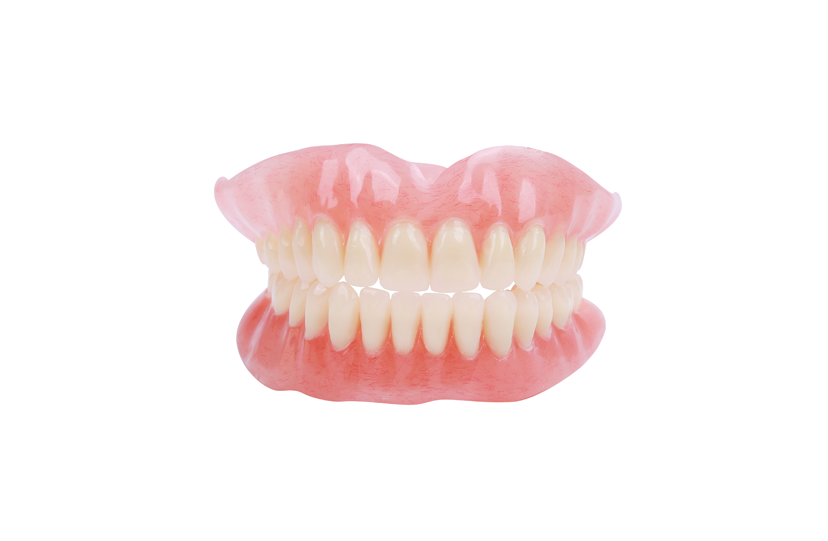
Titanium Partials are removable partial dentures that are made on a titanium frame that has been cut or cast. Compared to regular cobalt-chrome or plastic options, they are stronger, more biocompatible, and more comfortable to wear because they are lighter. Titanium is a medical-grade metal that is widely used in dental implants and orthopedic devices because of its good biocompatibility and corrosion resistance. Titanium Partials are a durable option for people who are sensitive to some other dental metals or have more complicated prosthesis needs.
Why Titanium Partials Are Gaining Ground in Modern Prosthetics
In the last ten years, the market for removable partial dentures has changed a lot. Clinicians and lab technicians say there is a growing need for frameworks that are stronger, lighter, and less likely to cause allergic reactions. The American College of Prosthodontists says that about 178 million Americans are missing at least one tooth, and a lot of them need removable prosthetic solutions.
Cobalt-chrome has been the standard material for partial frameworks for a long time, but it has some real problems, like a higher density, the possibility of nickel or beryllium content, and a less forgiving fit margin. As CAD/CAM technology becomes more common in dental labs, milled titanium frameworks have come up as a useful, high-precision option that helps address several ongoing clinical challenges.
What Are Titanium Partials?
A titanium partial is a removable prosthetic that covers several lost teeth. It is made of a precision-machined titanium metal framework. This framework holds acrylic or composite teeth in place. It is connected to the remaining teeth using clasps or precise clips.
Material Grade
These frames are mostly made of Grade 5 titanium (Ti-6Al-4V) or commercially pure titanium. The choice depends on the manufacturing method and the requirements of the case. Titanium is widely used in dental and medical applications because of its strength, corrosion resistance, and biocompatibility.
Fabrication Method
These days, CAD/CAM milling is increasingly used to make Titanium Partials instead of traditional casting. The framework is made up of rests, clasps, major and minor connectors, and retention mesh for acrylic attachment. These parts can be milled as a single, continuous unit according to the digital design. This allows the laboratory to reproduce the framework from the original CAD file when needed.
Structural Design
The framework includes rests, clasps, major and minor connectors, and retention mesh for acrylic attachment — all milled as a single, continuous unit with consistent wall thickness across the entire structure.
Benefits of Choosing a Titanium Framework
When patients and doctors switch to removable partials made of titanium, they can notice several practical differences. Here are the most important clinical and business benefits:
Exceptional biocompatibility: Titanium has a long history of use in dental implants and orthopedic applications because it is generally well tolerated by the body. It may be considered for patients who have concerns about other metal alloys.
Lightweight construction: Titanium's density is roughly 56% lower than cobalt-chrome, which can reduce the weight of the framework and improve patient comfort.
High fatigue resistance: Grade 5 titanium offers tensile strength above 900 MPa, making frameworks resistant to fracture under normal occlusal loads when properly designed and manufactured.
Dimensional precision: CAD/CAM milling allows the framework to be produced directly from a digital design, supporting consistent geometry and fit.
Because of these benefits, titanium frameworks can be a useful option for selected cases where weight, strength, material selection, and digital production are important.
Advantages Over Conventional Alternatives
Milled Titanium Partials have clear technical and clinical benefits that are useful in everyday practice compared to cobalt-chrome and plastic frames.
To make cobalt-chrome frameworks, you have to wax-up, invest, and cast them, which is a process that can require several manual steps. Titanium milling can simplify the manufacturing process and allows the laboratory to reproduce the framework from an existing digital file. If a framework needs to be replaced, this can save design time and make the workflow more predictable.
Even though acrylic-only partials are cheaper, they are not as rigid as metal frameworks and may not provide the same structural support for people with longer tooth gaps or stronger bite forces. Titanium Partials provide a rigid framework while keeping the metal component relatively light.
Honest Considerations Before Choosing Titanium
There are always pros and cons to everything. Titanium Partials do have some functional and laboratory considerations that you should talk about with your doctor or prosthodontist.
Repair Complexity
To weld titanium, you need special laser welding tools. This isn't something that every dental lab can do on-site. If the part was made digitally, on the other hand, a new framework can often be made from the existing CAD file, which can reduce downtime.
Higher Initial Cost
The upfront price per unit is higher because the costs of titanium material and CAD/CAM processing are higher than those of cobalt-chrome casting. This is something that practices that deal with cost-sensitive patient groups should really think about.
Laboratory Compatibility
CAD/CAM infrastructure and trained technicians are needed for titanium partial production to work well. Before making an order, practices should make sure that their lab partner has real experience with titanium framework design and production.
Titanium Partials vs. Cobalt-Chrome vs. Acrylic: A Direct Comparison
| Feature | Titanium | Cobalt-Chrome | Acrylic |
|---|---|---|---|
| Biocompatibility | Excellent | Good | Good |
| Weight | Very light | Heavy | Light |
| Fracture resistance | High | High | Low |
| Fit accuracy | High with CAD/CAM | Variable | Variable |
| Repairability | Requires specialized welding | Standard weld | Easy repair |
| Cost | Higher | Moderate | Low |
| Remake risk | Low with digital workflow | Moderate | Moderate |
Clinical Indications: Who Benefits Most?
Patients With Metal Allergies
Cobalt-chrome can't be used if you are sensitive to nickel or chromium. Titanium Partials offer another metal framework choice, although patients with a confirmed metal allergy should always be evaluated by a dental professional before selecting the framework material.
High-Load Cases and Bruxism
Patients who grind or bite need frames that can handle a lot of wear and tear. Grade 5 titanium provides high strength and fatigue resistance, but the final performance also depends on framework design, occlusion, and the patient's clinical condition.
Long-Span Posterior Replacements
Rigidity is important when several back teeth are missing. A properly designed titanium framework can provide stable support over longer spans while keeping the framework relatively lightweight.
Materials Used in Titanium Partial Frameworks
Grade 5 Titanium (Ti-6Al-4V ELI)
Grade 5 titanium is a high-strength titanium alloy used in medical and dental applications. It provides a combination of strength, corrosion resistance, and machinability that makes it suitable for selected dental framework applications.
Acrylic Resin Teeth
Heat-cured or cold-cured PMMA teeth connect to the framework's reinforcement mesh. The choice of material here affects how it looks and how well it resists wear over time.
Precision Attachments
In some cases, stud or bar connectors are built into the titanium framework to support implant-retained partial designs. This makes the structure more stable without making it harder to take out.
Manufacturing Workflow
Step 1 – Digital Scan and Case Design
The lab techs get either a hard copy print or a digital scan file. CAD software is used to model the case and design the framework geometry, clasp positions, and rest seats based on what the prescribing dentist wants.
Step 2 – CAD/CAM Milling
A 5-axis milling unit is filled with a certified titanium disk. The framework is cut according to the digital design. After milling, the framework is finished and inspected before the acrylic teeth and denture base are completed.
Step 3 – Quality Control and Fitting
It is checked that the cut framework matches the digital model and that it fits well on the working model. Before plastic teeth are made, the framework is checked for cracks, loose clasps, surface defects, and an incorrect fit of the rest seat.
Cost Factors That Influence Pricing
Several factors affect how much a titanium partial will cost in the end:
Titanium grade and disc size: Grade 5 ELI discs cost more than Grade 4, but deliver higher strength margins for demanding cases.
Framework complexity: More clasps, rests, and precision attachments increase milling time and design labor.
CAD/CAM vs. casting: Milled frameworks carry higher machine and labor costs, but can provide a more consistent digital workflow.
Certifications and compliance: Sourcing from ISO 13485-certified labs with appropriate material documentation adds compliance value for distributors and DSOs.
Logistics and turnaround: Expedited production and international shipping add cost but are sometimes non-negotiable for time-sensitive cases.
How to Choose a Titanium Partial Supplier
There's more to choosing the right lab partner than just looking at price lists. In real life, these are the factors that mean the most:
Verified CAD/CAM milling capability with documented experience in titanium framework production
ISO 13485:2016 certification and appropriate material documentation
Demonstrated first-time fit rates — ask for remake rate data
Turnaround transparency — standard 3–5 day production cycles with confirmed expedited options
After-sales warranty — a 1-year warranty on removable prosthetics with free reproduction during the warranty period
OEM/ODM capacity for labs and DSOs requiring design-specific customization
If a seller can regularly do all of these things, they should be given a longer-term contract, not just a trial order.
Maintenance Recommendations
Titanium frameworks last a long time, but with the right care, they can last even longer and help protect the oral tissues around them.
Daily Cleaning Protocol
Take off the part after each meal if you can. Use a soft-bristled brush and denture cleaner that doesn't scratch to clean it. Bleach-based solutions should be avoided unless specifically recommended for the materials used in the prosthesis.
Regular Professional Inspection
Plan to check the framework every six to twelve months. The dentist should check the tension of the clasps, the stability of the rest seats, and the condition of the soft tissues under the saddles.
Storage
When not in use, follow the dentist's or laboratory's storage recommendations. Removable dentures are generally kept moist when they are not being worn, but the appropriate soaking solution depends on the materials used in the prosthesis.
Key Takeaways
Titanium Partials are one of the technically useful choices for removable prostheses when low weight, strength, corrosion resistance, and digital manufacturing are important. They are particularly worth considering for patients with specific material requirements, higher functional demands, or complicated anatomy situations.
The switch to CAD/CAM-milled titanium frames can also make the laboratory workflow more repeatable and allow a framework to be reproduced from an existing digital design when necessary. There is a real cost difference at the start, but the final decision should be based on the requirements of the case rather than material price alone.
FAQ
What Are Titanium Partials?
Titanium partials are removable partial dentures that use a titanium framework to support the prosthetic teeth and acrylic components. The framework can be fabricated using digital CAD/CAM methods or other laboratory techniques, depending on the design and manufacturing process.
What Are the Main Benefits of Titanium Partial Dentures?
Titanium partial dentures offer a lightweight, strong, and corrosion-resistant framework option for removable partial dentures. Compared with conventional cobalt-chrome frameworks, titanium can provide a lower-weight alternative while maintaining the strength needed for many partial denture applications.
Are Titanium Partials Suitable for Patients With Metal Allergies?
Titanium is generally well tolerated and may be considered when a patient has concerns about certain conventional dental metals. However, material selection should be based on the patient's individual clinical situation and the dentist's recommendation.
How Are Titanium Partial Denture Frameworks Made?
Titanium partial frameworks can be manufactured using digital CAD/CAM workflows. The process generally includes digital scanning and design, framework fabrication, finishing, quality control, and fitting.
Can Dental Labs Outsource Titanium Partial Denture Frameworks?
Yes. Dental laboratories can outsource titanium partial denture frameworks to a qualified dental laboratory or manufacturing partner when they need additional production capacity, CAD/CAM support, or access to titanium framework fabrication. This can be useful for overflow cases or when a laboratory does not have the equipment required to manufacture titanium frameworks in-house.
How Do Titanium Partials Compare With Cobalt-Chrome Partials?
Titanium is lighter than cobalt-chrome and can provide a strong framework option for removable partial dentures. Cobalt-chrome remains widely used because of its established laboratory workflow and cost advantages. The better choice depends on the case requirements, design, and laboratory capabilities.
Who May Benefit Most From Titanium Partials?
Titanium partials may be considered for patients who need a lightweight framework, patients with certain material sensitivities, and selected cases where strength and reduced framework weight are important considerations.
How Much Do Titanium Partials Cost?
The cost of a titanium partial depends on factors such as the framework design, material, manufacturing method, number of teeth, attachments, finishing requirements, and laboratory workflow. Pricing can vary between cases and suppliers.
How Should Dental Labs Choose a Titanium Partial Supplier?
Dental labs should evaluate a titanium partial supplier based on framework material, manufacturing method, CAD/CAM capabilities, quality control, production time, communication, and experience with dental laboratory cases. It is also important to confirm whether the supplier can follow the laboratory's design requirements and provide consistent fit and quality across cases.
How Should Titanium Partials Be Maintained?
Titanium partials should be cleaned regularly according to the dentist's instructions. Patients should maintain good oral hygiene and have the partial and supporting teeth checked regularly by a dental professional.
Get Custom Titanium Partials From HYC — Trusted Manufacturer for Dental Labs and Clinics
HYC has been making dental restorations for 22 years and brings that experience to every case. HYC provides titanium partial denture frameworks for dental laboratories and clinics, with ISO 13485:2016 certification and digital manufacturing capabilities. We offer milled titanium frameworks with a normal production cycle of 3–5 days and expedited delivery options for urgent orders. Our warranty on removable prosthetics lasts for one year and covers free replacements for eligible quality issues.
To get a price, email us at info@hycdentallab.com or go to hycdentallab.com.
References
1. American College of Prosthodontists. Removable Partial Dentures: Clinical and Laboratory Manual. 2020.
2. Wataha, J.C. "Biocompatibility of Dental Casting Alloys: A Review." Journal of Prosthetic Dentistry. 2000.
3. Lautenschlager, E.P., & Monaghan, P. "Titanium and Titanium Alloys as Dental Materials." International Dental Journal. 1993.
4. Benic, G.I., & Hämmerle, C.H. "Horizontal Bone Augmentation by Means of Guided Bone Regeneration." Periodontology 2000. 2014.
5. Zarb, G.A., Hobkirk, J.A., Eckert, S.E., & Jacob, R.F. Prosthodontic Treatment for Edentulous Patients. 13th ed. Mosby. 2013.
6. Taylor, T.D., & Wiens, J. "Evidence-Based Considerations for Removable Prosthodontic and Dental Implant Occlusion." Journal of Prosthetic Dentistry. 2005.
YOU MAY LIKE
_1779414359377.webp "FMZ (Fully Milled Zirconia)")
.webp "Ni-Cr PFM (Nickel-Chrome)")