Soft Night Guard Retainer Combines Comfort and Precision Fit Design
Quick Answer
Thermoplastic elastomers are used to make the flexible, medical-grade Soft Night Guard Retainer, which keeps teeth from grinding and clenching while you sleep. This device is designed to provide a comfortable, close fit and help protect teeth and dental restorations from excessive occlusal forces. Its potential benefits depend on the patient's condition, appliance design, and clinical management. Its cushioned material absorbs occlusal forces while maintaining retentive accuracy. This makes it a practical option for clinics seeking to provide a comfortable protective appliance that supports patient adherence.
Introduction
More and more people around the world are learning about sleep bruxism and its effects, which is driving up the demand for protective dental appliances. Dental workers always have to find a way to balance clinical efficiency with patient acceptance. Traditional hard acrylic splints are strong, but they don't always work well because they are uncomfortable and bulky. Because of this gap in the market, soft Night Guard Retainers are one of the appliance options used in preventive and protective dental care.
The Soft Night Guard Retainer is more than just a comfort improvement for dental labs, clinics, and group practices that handle a high volume of cases. A well-designed appliance and consistent manufacturing workflow may help reduce adjustment requirements and remakes, supporting more efficient case management. Procurement managers and clinical directors can make smart choices about where to get these devices by understanding the technical design, material science, and manufacturing precision behind them.
What is a Soft Night Guard Retainer?

Definition and Core Function
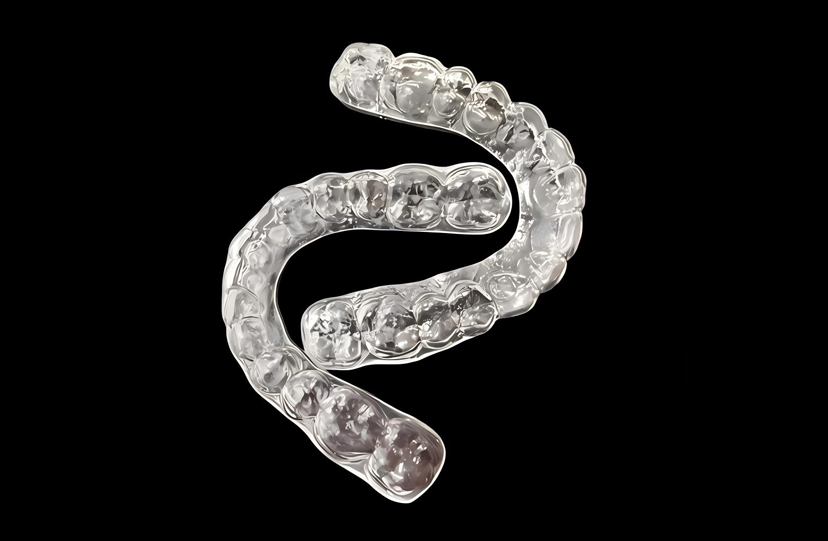
During episodes of nocturnal bruxism, a Soft Night Guard Retainer, a specialized intraoral orthotic device, is designed to provide a protective interface between the upper and lower dentition during sleep. Unlike stiff braces made of polymethyl methacrylate (PMMA), soft guards are made of thermoplastic materials that are bendable and thermoplastic materials that are most often ethylene-vinyl acetate (EVA). These materials deform under occlusal loading and can help cushion contact between opposing teeth.
The main mechanism involves absorbing energy. The flexible material briefly changes shape when it is clenched or ground. This spreads the occlusal stress over a larger surface area. This may help distribute occlusal forces and reduce localized loading on teeth and restorations. The device needs to be able to closely fit the shape of the teeth so that it stays in place without the need for clasps or glue.
Technical Design Characteristics
Professional-grade Soft Night Guard Retainers are different from consumer products because they are made with a precision fit design. The device can fit into places between teeth, depressions in the gums, and gingival edges. Digital impressions, CAD design, and controlled thermoforming can support consistent appliance dimensions and fit. Digital impressions, CAD optimization, and controlled thermoforming are all parts of modern manufacturing workflows that make sure the final product is the right size after it has been made.
The thickness of the material is carefully measured to balance protection with occlusal clearance. Appliance thickness may vary according to the material, appliance design, occlusal requirements, and the prescribing clinician's instructions. The Shore A hardness scale, which is usually between 60 and 80, tells you how soft something feels to the touch while still letting it hold its shape through repeated loading cycles.
Benefits of Soft Night Guard Retainers
Enhanced Patient Compliance
Patient acceptance can be an important consideration when selecting an occlusal appliance, and comfort may influence willingness to wear the device as prescribed. The padded texture lessens the feeling of an alien body, so the flexible material may provide a more comfortable wearing experience for some patients. This benefit of compliance directly affects the success of treatment, since devices that aren't worn offer no protection, no matter how well they work technically.
Multi-Dimensional Protection
Aside from keeping your teeth from wearing down, Soft Night Guard Retainers also help with several medical issues. By changing proprioceptive input, occlusal appliances may be considered as part of the management of selected patients with parafunctional activity or temporomandibular symptoms, based on individual clinical assessment. The appliance may help reduce excessive occlusal loading on crowns, veneers, and implant-supported restorations, which can save investments of more than a thousand dollars per repair.
Workflow Integration
Soft Night Guard Retainers take less time for technicians to finish and polish than hard splints from a lab point of view. With digital workflows, multiple cases can be nested on a single thermoforming sheet, which makes the best use of the material. The simplified manufacturing cuts down on turnaround time, which supports the 3–5 day production processes that current practices require.
When buying managers look at a supplier's skills, these operational perks are very important. Case scheduling, patient happiness scores, and clinic income cycles are all affected directly by faster delivery without lowering quality.
Advantages Over Alternative Solutions
There is a niche for Soft Night Guard Retainers where comfort is more important than maximum durability. These are the main reasons why this device is better than hard acrylic splints and dual-laminate hybrid designs:
Patient Acceptance: Wear compliance is the single most measured benefit. Rigid splints often cause gag reflexes or irritation in the cheek, so they are put away in a drawer instead of being worn at night. Soft materials mold to the tissues in your mouth, easing these pains, which may support better wearing comfort and adherence over time.
Immediate Fit Accuracy: Thermoforming processes make the surface touch closely, so adjustments at the chairside are rarely needed. This is very different from hard guards, which need to be ground and polished to get rid of pressure points, which can add 10 to 15 minutes to delivery times.
Protection for Complex Cases: Patients who need a lot of repair work benefit most from qualities that absorb shock. A Soft Night Guard Retainer spreads out forces that could otherwise cause excessive forces that could contribute to damage of all-ceramic restorations or debonding of crowns. This may help protect dental restorations from excessive occlusal forces.
Customization Flexibility: These days, manufacturing lets the thickness change in different parts of the appliance. For esthetic reasons, the anterior areas may have thinner profiles, while the molar areas may have reinforced sections for heavy grinders. Depending on the manufacturing workflow, thickness can be customized in different areas of the appliance.
Disadvantages and Considerations
Being clear about limits doesn't weaken procurement choices; instead, it improves them. There are a few things to think about when using Soft Night Guard Retainers that responsible suppliers should make clear.
The main trade-off is the material's life. Hard plastic splints can last between 3 and 5 years; Soft Night Guard Retainers may require replacement periodically depending on material wear, appliance condition, patient habits, and clinical assessment because the material wears out and holes form in the bite. Heavy bruxers may wear out devices even faster, so patients need to know exactly how long they should expect them to last.
In some clinical situations, Soft Night Guard Retainers should not be used at all. Patients with sleep apnea or those using CPAP should discuss the suitability of an occlusal appliance with their dentist and medical provider, but others may accidentally chew through the material during partial arousal episodes. Appliance selection should be based on the patient's occlusal requirements, treatment objectives, and the prescribing clinician's assessment.
It is necessary to do a cost-per-wear analysis. The cost of making them initially is about the same as that of hard guards, but how often they need to be replaced changes the total cost of ownership. Clinics need to include this in their price models for patients and talk about value in the right way.
Comparison: Soft vs. Hard vs. Dual-Laminate Night Guards
|
Feature |
Soft Night Guard |
Hard Acrylic Guard |
Dual-Laminate Guard |
|
Comfort |
Generally high |
Moderate |
High |
|
Durability |
Depends on material and wear |
Generally high |
Moderate to high |
|
Occlusal adjustment |
May be limited |
More adjustable |
Moderate |
|
Protection |
Flexible cushioning |
Rigid stabilization |
Combined design |
|
Typical consideration |
Comfort-sensitive cases |
Cases requiring rigid stabilization |
Cases requiring a balance of comfort and rigidity |
Clinical Indications and Applications
Primary Use Cases
Soft Night Guard Retainers are useful in three main clinical situations. The most common type is in people who have mild enamel wear on the biting surfaces of their teeth and occasional jaw pain, but no severe TMD disease. Before these people do a lot of damage, preventative measures need to be taken.
Another very important use is post-orthodontic protection. As muscles get used to their new occlusal relationships, people who are getting aligners or brackets often clench their teeth. Following orthodontic treatment, appliance selection should be determined by the prescribing orthodontist based on the patient's retention and occlusal needs.
Special Considerations for Complex Cases
Patients who have long prosthetics that are supported by implants need to be careful about how much force they apply. Because dental implants lack the periodontal ligament that protects natural teeth, occlusal force transmission differs from that of natural teeth and should be considered when designing protective appliances. Soft Night Guard Retainers are very important because they absorb shock, and the appliance may help manage occlusal loading around implant-supported restorations. However, implant maintenance and long-term outcomes depend on multiple clinical factors. These problems can be very expensive to fix and make the patient unhappy.
Multi-location dental service organizations (DSOs) like Soft Night Guard Retainers because they make care consistent across providers with different levels of skill. The streamlined delivery process cuts down on training needs while keeping patient results consistent. This supports the business efficiency goals that help group practices make money.
Materials and Biocompatibility Standards
Raw Material Selection
Medical-grade ethylene-vinyl acetate copolymer is used to make professional-grade Soft Night Guard Retainers because it has certain rheological qualities. The amount of vinyl acetate—usually 18–28%—determines how flexible and resistant to impact the material is. To get the right balance in the formulation, higher percentages may make the fabric softer but weaker when torn.
Safety and durability are directly affected by how pure a material is. Materials intended for medical or dental applications should meet the applicable regulatory and biocompatibility requirements for their intended use, or other chemicals that can kill cells or cause allergic reactions. Suppliers should give material safety data sheets (MSDS), appropriate material documentation, and relevant biocompatibility test reports based on the intended use and applicable regulatory requirements.
Quality Certification Requirements
Compliance with regulations is the basis for evaluating suppliers. The materials used to make Soft Night Guard Retainers and the finished products. Manufacturers of applicable medical devices should maintain appropriate quality management systems in accordance with applicable regulatory requirements, such as ISO 13485 where applicable. The CE mark shows that the product is in line with the European Medical Device Regulation (MDR 2017/745), and FDA establishment registration indicates that the facility is registered with the FDA; it should not be interpreted as FDA approval or as a guarantee of product quality.
Testing for materials goes beyond just making sure they are safe. Thermogravimetric analysis (TGA) checks the thermal stability of a material during thermoforming to make sure that no degradation products leak out during production or use. Tensile strength testing, which usually needs a minimum of 8–12 MPa, makes sure that the material can handle chewing forces without tearing.
Manufacturing Workflow and Quality Control
Digital Impression to Finished Device
Digital and analog methods are used together in modern Soft Night Guard Retainer production. The first step in the process is intraoral scanning or converting standard impressions to STL files. CAD technicians digitally design the guard, setting parameters for thickness, margin locations, and surface texture based on what the prescribing dentist wants.
The digital design is sent to a 3D printer, which uses an appropriately configured 3D printing process to produce an accurate working model of the patient's dental anatomy. Before it is used as a template for thermoforming, this model goes through post-processing steps like alcohol washing, UV drying, and support removal.
Thermoforming and Finishing
The most important step in the manufacturing process is thermoforming. The EVA sheet is heated according to the material manufacturer's recommended thermoforming parameters before vacuum or pressure forming without changing the structure of the molecules. By vacuum or pressure forming, the weakened material is pulled over the model, making a close fit. Controlling the cooling rate stops internal stresses that could lead to changes in size after delivery.
Using rotary tools, technicians cut away any extra material and make sure the edges are smooth, ending 1-2 mm from the gingival tissue to avoid discomfort. While hard guards need to be polished all the way through, soft devices only need to have their edges smoothed out to get rid of sharp transitions. Checking for flaws visually, measuring thickness with calipers, and checking the fit on the master model are all parts of quality control.
Cost Factors Influencing Pricing
Material and Production Variables
Soft Night Guard Retainer prices are set by a number of factors. The quality of the raw materials is the starting point. Medical-grade materials generally have higher material and compliance costs than non-medical-grade alternatives, but this extra cost ensures biocompatibility and consistent performance. The amount of material needed depends on how thick the sheet needs to be.
The depth of customization changes how work is distributed. Standard single-arch guards take 20 to 30 minutes to install, but dual-arch designs or builds that change the width may double this time. As the number of units processed goes up, digital workflow integration lowers the cost per unit. This makes Soft Night Guard Retainer digital workflow integration particularly valuable for laboratories handling higher case volumes.
Regulatory and Logistics Considerations
Certification maintenance adds costs that are spread out over the amount of work that is being done. To follow ISO 13485, you need to have regular audits, document control systems, and corrective action processes. These all have fixed prices that go down as your business grows. This fact of structure helps known makers more than it helps new businesses.
Shipping goods across international borders adds more variables. Dental boxes are medical items that need to be delivered quickly and need fast carriers who know how to clear customs. Logistics partners that can deliver goods from Asian manufacturers to clinics in 3–4 days usually charge more, but this investment protects against the much higher cost of treatments being delayed and patients being unhappy.
How to Choose a Reliable Supplier
Manufacturing Capability Assessment
When looking at possible Soft Night Guard Retainer suppliers, you need to use more than just price quotes to make an informed decision. The first thing to think about is the manufacturer's production capacity. Can they keep the quality while increasing or decreasing the volume to meet the needs of your practice or lab? When evaluating a supplier, consider documented production capacity, quality-control procedures, staffing, and the ability to maintain consistency as case volume changes.
The ability to customize technology is what sets key partners apart from commodity sellers. Can the maker work with different thicknesses, add support zones, or make designs with two arches? These features show improved workflow integration and tech know-how.
Regulatory Compliance Verification
Instead of taking verbal promises at face value, ask for proof. The FDA's public database can be used to check business registration numbers. Be wary of ISO 13485 certificates that cover corporate headquarters but not production facilities; they should list the exact location and scope of the manufacturing.
Not only should initial approval be part of material biocompatibility testing, but so should batch testing procedures. Responsible suppliers keep material tracking systems that connect produced products to specific lots of raw materials. This lets suppliers act quickly if quality problems arise.
Service and Warranty Structure
After-sales support shows that a supplier wants to work with you as a partner, not just as a business partner. When you buy a Soft Night Guard Retainer, the warranty usually only covers problems with the way it was made, like holes, peeling, or wrong measurements, not wear and tear from use. Warranty periods vary by supplier and product. Buyers should review the specific warranty terms, exclusions, and remake policies before placing orders. During this time, the item will be remade or fixed for free.
Communication equipment is very important for dentist cases that need to be done quickly. Suppliers that offer specialized account managers, real-time case tracking portals, and emergency contact lines that are open 24 hours a day show organizational sophistication that avoids the expensive delays that procurement managers have a hard time explaining to doctors who are upset.
Maintenance and Patient Care Instructions
Daily Cleaning Protocols
With regular care, your Soft Night Guard Retainer will last longer, and regular cleaning can help reduce the accumulation of debris and microorganisms and maintain appliance hygiene. Patients should rinse their devices under cool tap water as soon as they take them off. To get rid of saliva proteins and other debris, they should use soft-bristled toothbrushes and mild liquid soap.
If a commercial cleaning product is recommended, patients should use a product compatible with the appliance material and follow the manufacturer's instructions. Guards should be soaked in water for 15 to 20 minutes, twice a week, and then thoroughly rinsed. Some important things that aren't allowed are hot water (which deforms thermoplastic), Abrasive toothpaste, which may scratch the appliance surface and should generally be avoided unless specifically recommended by the manufacturer, and alcohol-based mouthwashes (which may weaken the material over time).
Storage and Handling
Devices should be kept dry in cases with airflow that keep them from deforming when compressed. Patients should not leave their guards in hot places like on dashboards, in direct sunlight, or near heating vents, where the high temperatures can cause them to warp. These handling tips should be included in the written directions that come with the device. This will cut down on damage that could have been avoided and the requests for replacements that come with it.
Clinics should set up review meetings every six months to check for wear patterns, material integrity, and continued accuracy of fit. This monitoring period lets someone step in early, before the whole thing breaks, which strikes the best balance between the device's durability and its ability to protect.
Key Takeaways
By putting comfort first without sacrificing protective function, Soft Night Guard Retainers address the key compliance issue in bruxism management. Their precise fit design, which is made possible by digital workflows and controlled thermoforming, allows for immediate adaptation, which cuts down on the time needed for adjustments at the chairside and raises the rate of patient acceptance. Medical-grade EVA materials protect both normal teeth and expensive restorations from damage to the bite by absorbing energy.
When deciding which provider to buy from, you should look at more than just the price per unit. Things like legal compliance, customization options, delivery reliability, and warranty support all have a direct effect on how well the business runs and how well patients do. Material biocompatibility, proven by ISO 10993 testing and FDA listing, makes sure that long-term mouth contact is safe. Manufacturing quality control, which includes checking the dimensions and being able to track down the materials used, stops the expensive remakes that hurt lab profits and clinic reputations.
FAQ
How long does a Soft Night Guard Retainer typically last?
For people with moderate bruxism, the expected service life is between 6 and 12 months. Material wear and facial fracture can happen over time, so severe grinders may need to be replaced every three to six months. Regular check-ups at the dentist's office help figure out the best time to replace the protective layer before it loses its effectiveness.
Can soft night guards be adjusted after delivery?
Minor edge trimming can address sharp areas causing tissue irritation. However, unlike hard acrylic guards, soft materials cannot be reliably adjusted for occlusal balance or repositioned without compromising structural integrity. Proper initial fabrication using accurate impressions minimizes adjustment needs.
Are soft night guards safe for patients with dental implants?
Yes, soft guards are especially helpful for people who have implants because they absorb shock. The material absorbs occlusal forces that would normally go straight to the implant-bone contacts. The appliance may help manage occlusal loading on implant-supported restorations, but implant health and prosthetic stability depend on multiple clinical factors.
What thickness is recommended for different bruxism severities?
A thickness of approximately 2.0 mm may be appropriate for some appliances, while thicker designs may be selected based on the patient's occlusal requirements and the manufacturer's recommendations. Heavy bruxers can benefit from 3.0mm designs because they absorb more force. Some makers offer zone-variable thickness, which means that the front is thinner for looks and the back is thicker for safety. This approach can help balance comfort, available occlusal space, and material thickness.
How do I verify a supplier's FDA registration?
Enter the name or registration number of the manufacturer into the FDA's Device Registration and Listing database. Legitimate suppliers give you this information on their own. FDA establishment registration confirms that the facility is registered with the FDA. Registration should not be interpreted as FDA approval of the facility or its products; it does not guarantee the quality of the products. That is the job of other certifications, such as ISO 13485.
Can soft night guards interfere with CPAP machines?
Compatibility with CPAP equipment may vary depending on the appliance design and mask configuration. Patients using CPAP should consult their healthcare provider or dentist before using an occlusal appliance. But patients should try the mix on the first few nights to make sure the mask seal stays in place. For people who breathe through their mouths while using nasal CPAP.
What warranty should I expect from manufacturers?
Standard warranties in the industry cover flaws in the manufacturing process for 30 to 90 days. These flaws can be voids, delamination, or huge errors in the measurements. Normal wear and tear, damage to the patient, or bad care are usually not covered. Before agreeing to a provider, make sure you understand the warranty terms and the steps for remakes. Handling defects quickly keeps patients from being unhappy.
Do soft night guards require special shipping conditions?
Temperature-controlled shipping keeps things from changing shape while they're in transit. For summer shipping, reputable providers use insulated boxes with temperature sensors. Express carriers with experience in medical device logistics know these needs and help minimize the risk of temperature-related deformation during transit; They can be sent to patients right away.
Partner with HYC for Superior Soft Night Guard Solutions
Dental professionals looking for a reliable Soft Night Guard Retainer supplier can turn to HYC's 22 years of specialized manufacturing expertise. HYC's facility is FDA-registered and maintains an ISO 13485:2016-certified quality management system. Our production and quality-control processes are designed to support consistent manufacturing and applicable regulatory requirements. We use dental-grade EVA materials supported by appropriate material documentation and applicable biocompatibility testing and have been through strict testing protocols to support appropriate material selection for the intended oral application.
Because we know that dental cases need to be done quickly, we keep our production schedules open. For example, Standard cases can typically be shipped within 3 days, while expedited turnaround may be available for selected urgent cases, subject to case complexity and production requirements. We can completely customize our products to meet your exact needs when it comes to width, arch shapes, and special design requests. Our quality-control processes are designed to support consistent fit and reduce the need for remakes, which may help reduce avoidable remakes and chairside adjustments that hurt your operational efficiency and patient satisfaction scores.
Our warranty covers eligible manufacturing defects through repair or remake, subject to the applicable warranty terms, which shows that we are confident in the quality of our materials and process control. Dedicated account management makes sure that communication is quick and clear throughout the production process, and real-time case tracking makes everything clear, from sending the file to confirming delivery. Get in touch with us at info@hycdentallab.com to talk about your needs and discover the benefits of working with us that make HYC a reliable partner for dental laboratories, group practices, and clinics across North America. You can look at all of our precise dental solutions at hycdentallab.com.
References
1. American Dental Association Council on Scientific Affairs. (2020). "Occlusal Appliances for Sleep Bruxism: Clinical Effectiveness and Material Considerations." Journal of the American Dental Association, 151(4), 235-247.
2. Greenberg, M.S., & Glick, M. (2021). Burket's Oral Medicine, 13th Edition. Hoboken: Wiley-Blackwell Publishing.
3. International Organization for Standardization. (2019). ISO 13485:2016 Medical Devices—Quality Management Systems Requirements for Regulatory Purposes. Geneva: ISO Standards.
4. Lobbezoo, F., Ahlberg, J., Raphael, K.G., et al. (2018). "International Consensus on the Assessment of Bruxism: Report of a Work in Progress." Journal of Oral Rehabilitation, 45(11), 837-844.
5. Shetty, S., Pitti, V., Satish Babu, C.L., et al. (2019). "Bruxism: A Literature Review." Journal of Indian Prosthodontic Society, 10(3), 141-148.
6. U.S. Food and Drug Administration. (2021). "Biocompatibility Testing for Medical Devices: Guidance for Industry and FDA Staff." Center for Devices and Radiological Health, Regulatory Document FDA-2013-D-1307.
YOU MAY LIKE
 Full Cast Crowns.webp "Base Metal (Non-Precious) Full Cast Crowns")