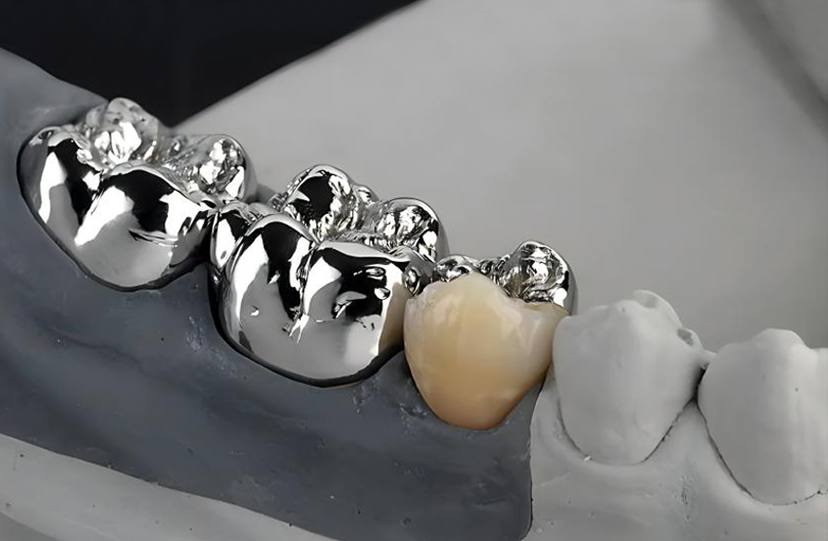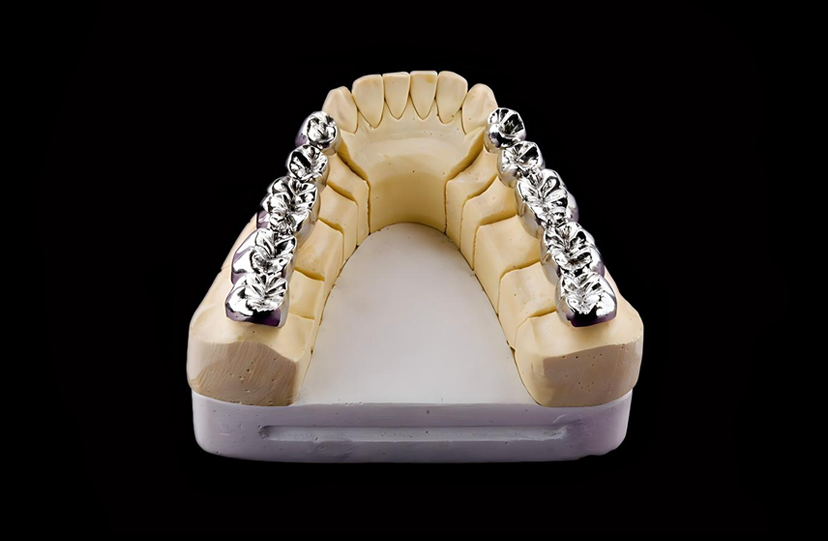
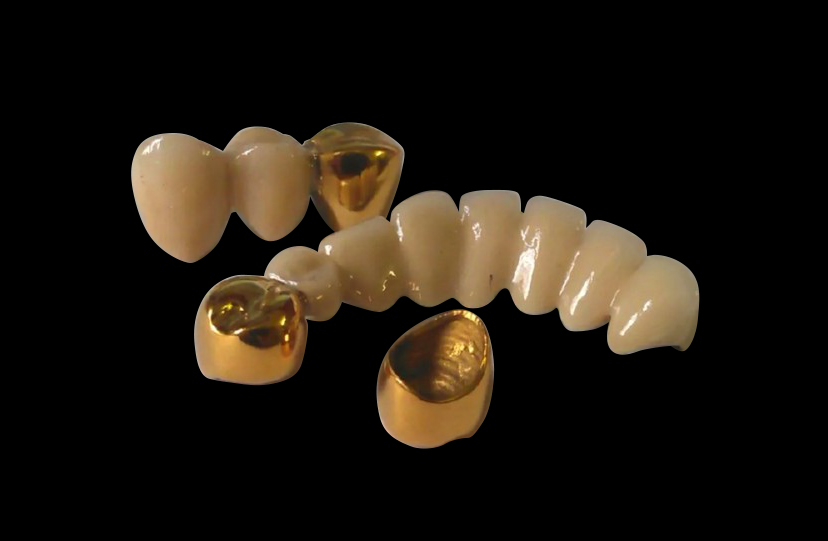
Full Cast Metal Crown
Full Cast Metal Crown - Premium Posterior Restoration Solution
When you need a restoration that truly lasts, a Full Cast Metal Crown delivers unmatched durability for your posterior teeth. At HYC Dental Laboratory, we've spent over 22 years perfecting these restorations, serving dental professionals across Europe and the United States with precision-cast crowns that offer exceptional strength and longevity. Our ISO 13485-certified facility and US FDA registration ensure every crown meets the highest international medical device standards. With a 2-year warranty on fixed restorations, an extremely low remake rate, and standard 3-day turnaround times, we provide the reliability your practice demands for challenging posterior cases.
What Makes Our Metal Crowns the Right Choice for Your Practice
You face tough decisions every day about which restoration will serve your patients best. Metal crowns might not win beauty contests, but they win the longevity race every time.
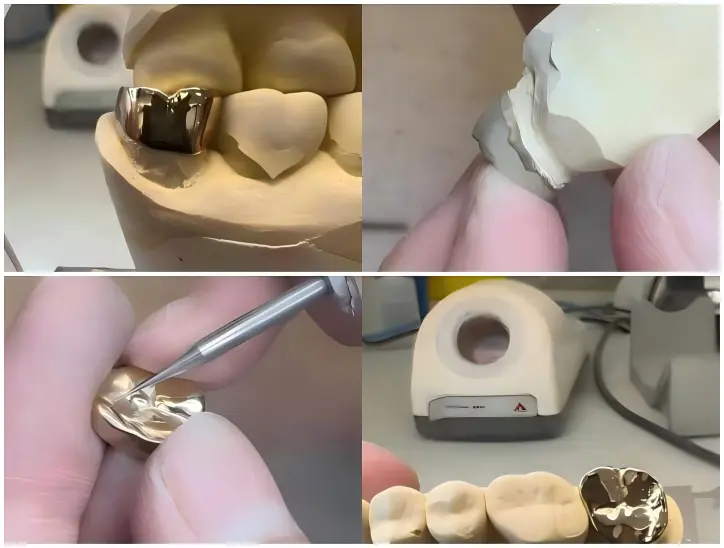
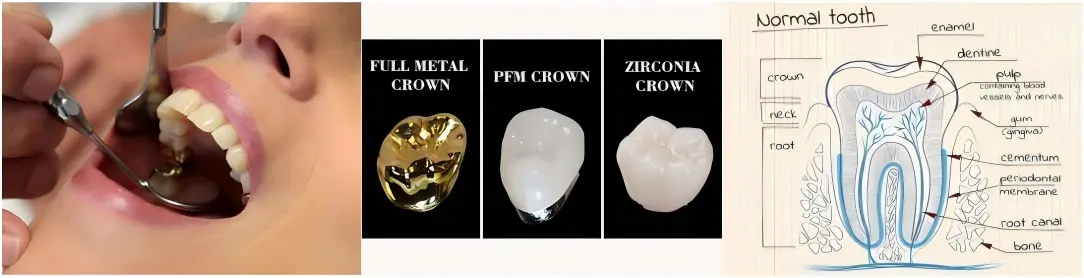
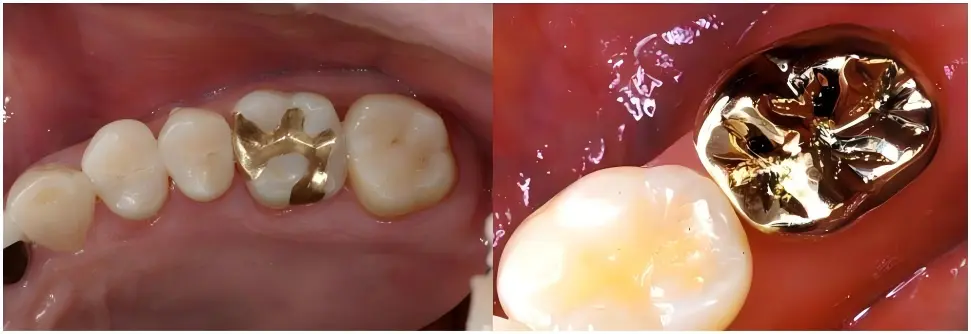
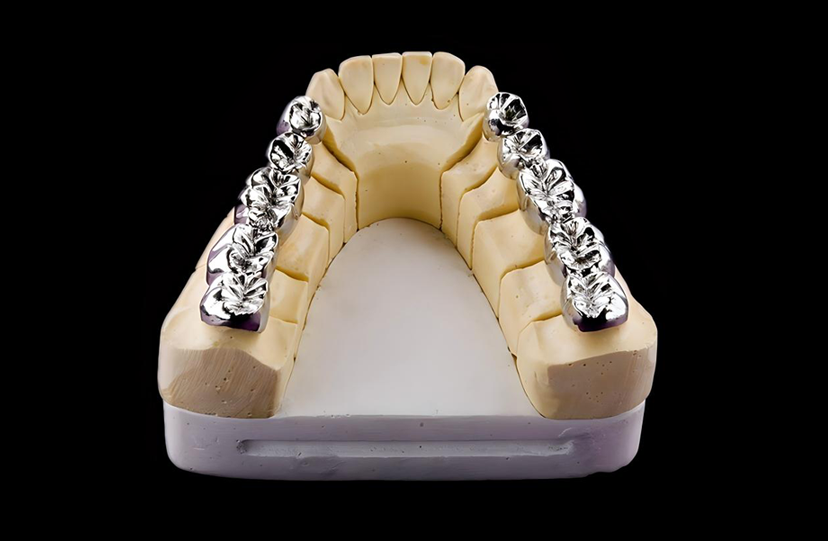
These restorations are cast from high-quality alloys—high-noble gold, noble silver-palladium, or base-metal cobalt-chromium. Each material brings specific advantages to your clinical toolkit. Gold alloys offer superior biocompatibility and can be burnished chairside for a perfect marginal seal. Base metal options provide maximum strength at a more accessible price point.
The real advantage? You preserve more natural tooth structure. Because metal performs exceptionally well in thin sections, you only need 0.5–1.0 mm of axial reduction and 1.0–1.5 mm of occlusal clearance. Compare that to the bulkier preparations required for all-ceramic options.
Your bruxism patients will thank you too. The wear coefficient of high-noble gold closely matches natural enamel, protecting opposing teeth far better than ceramics. And when patients have limited interocclusal space, the product becomes your only practical solution—ceramic would simply be too thin and fracture-prone.
Technical Specifications of Full Cast Metal Crown
| Feature | Specification |
|---|---|
| Material Options | High-noble gold, noble silver-palladium, base-metal cobalt-chromium alloys |
| Occlusal Reduction | 1.0–1.5 mm (following natural cuspal anatomy) |
| Axial Reduction | 0.5–1.0 mm (3–6° taper) |
| Functional Cusp Bevel | 1.5 mm on load-bearing cusps |
| Margin Design | Chamfer or feather-edge configuration |
| Expected Longevity | 20–40 years with proper maintenance |
| Biocompatibility | FDA-listed, CE-certified materials |
| Production Time | Standard 3-day shipment; 4–5 days for complex cases |
| Warranty | 2 years (fixed restorations) |
Clinical Applications and Contraindications
Ideal Applications:
- Posterior molars with extensive structural loss
- Abutment teeth for fixed dental prostheses
- Patients with diagnosed bruxism or heavy occlusal forces
- Endodontically treated posterior teeth requiring full coverage
- Cases with minimal interocclusal clearance
- Occlusal plane corrections for tilted or supraerupted teeth
When to Consider Alternatives:
- Anterior teeth or premolars in the aesthetic zone
- Patients with documented metal allergies (particularly nickel sensitivity)
- Situations where conservative partial-coverage restorations are clinically sufficient
Why Dental Professionals Choose HYC Laboratory
You need a lab partner who understands the pressures of modern Full Cast Metal Crown practice. Speed matters. Accuracy matters. Consistency matters most of all.
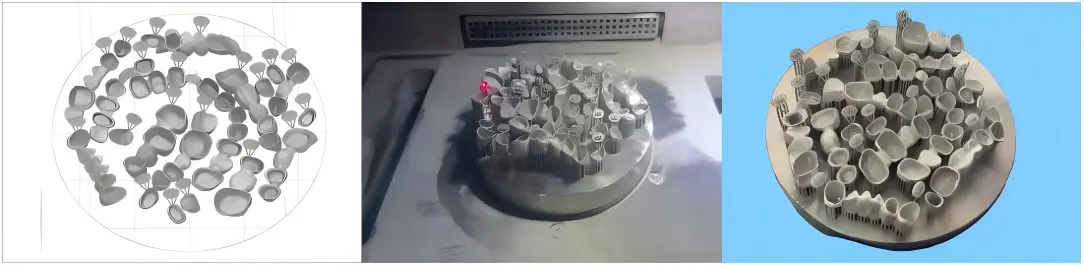
Our advanced CAD/CAM integration ensures every crown achieves excellent first-time fit rates. This means less chair time adjusting, fewer remakes, and happier patients. We've built our reputation on getting it right the first time.
For digital workflows, we employ dual-scan techniques that account for the specific shrinkage rates of different alloys—approximately 2% for gold versus 3% for base metals. This technical precision eliminates the common problem of crowns that fit too tight or rock on the die.
Need something faster? Our flash delivery service offers same-day shipment with next-day delivery to selected regions. We also provide free priority processing for expedited orders when your patients can't wait.
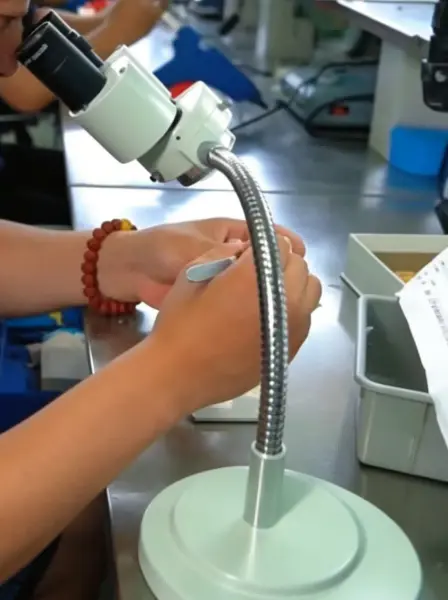
Every restoration undergoes strict quality inspection before shipment. With over two decades serving international clinics, we've developed deep expertise in both European and US market standards.
Frequently Asked Questions
Q:What is the absolute minimum clearance required for a full gold crown?
A:While 1.0–1.5 mm is ideal, a high-noble product can technically function at 0.5 mm on functional cusps when properly bonded. However, the preparation taper (6–10 degrees) is more critical for retention than metal thickness itself.
Q:How do I choose between high-noble, noble, and base metal for posterior teeth?
A:High-noble gold offers the best marginal adaptation—you can burnish it chairside for a perfect seal. Noble palladium-silver alloys provide excellent strength and value but are harder to adjust. Base metal cobalt-chromium delivers maximum strength at the lowest cost, though it's virtually impossible to burnish and more difficult to penetrate if endodontic access becomes necessary later. For bruxism patients, gold's wear-compatibility with opposing enamel makes it the superior choice regardless of cost considerations.
Q:Why might my crown fit too tight or rock on the die?
A:In digital workflows using milled or 3D-printed wax patterns, die spacer settings must be increased because metal shrinks more aggressively than zirconia. Different alloys have different shrinkage rates. We use dual-scan techniques to ensure internal geometry accounts for the specific alloy you've selected, preventing fit issues before they occur.
Q:Should I choose base metal or zirconia for budget-conscious patients?
A:Consider failure modes carefully. Zirconia typically fails catastrophically through fracture. Base metal crowns usually fail through recurrent decay at margins—a repairable situation. For patients with short clinical crowns where you cannot achieve adequate height for reliable zirconia bonding, metal provides superior mechanical retention through the casting process. This makes full cast metal the more predictable choice in challenging anatomical situations.
Q:What about patients concerned about metal appearance?
A:Educate them on location and function. Second molars are rarely visible during normal conversation or smiling. The exceptional durability—potentially 20 to 40 years—often outweighs aesthetic concerns for teeth that don't show. For patients who grind heavily, a metal crown on a second molar might protect their entire dentition by absorbing forces that would otherwise damage more visible restorations.
Ready to Experience Laboratory Excellence?
Partner with a laboratory that values your time and your patients' Full Cast Metal Crown outcomes. Contact our team at info@hycdentallab.com to discuss your case requirements today.
HYC Dental Laboratory Co., Limited – Delivering precision dental restorations since 2004
SC-Bold
YOU MAY LIKE
.webp "Full Gold Crown (FGC)")
.webp "High-Noble Gold (HNG)")
.webp "Co-Cr Crown (Cobalt-Chrome)")
.webp "Silver-Palladium Crown (Ag-Pd)")
 Full Cast Crowns.webp "Base Metal (Non-Precious) Full Cast Crowns")