Porcelain Layered Zirconia vs PFM: Choosing a Crown for Esthetic Cases
Choosing the right restorative material is an important part of treatment planning. Porcelain-layered zirconia and porcelain-fused-to-metal (PFM) restorations are both used in fixed prosthodontics, but they differ in aesthetics, framework material, and clinical considerations.
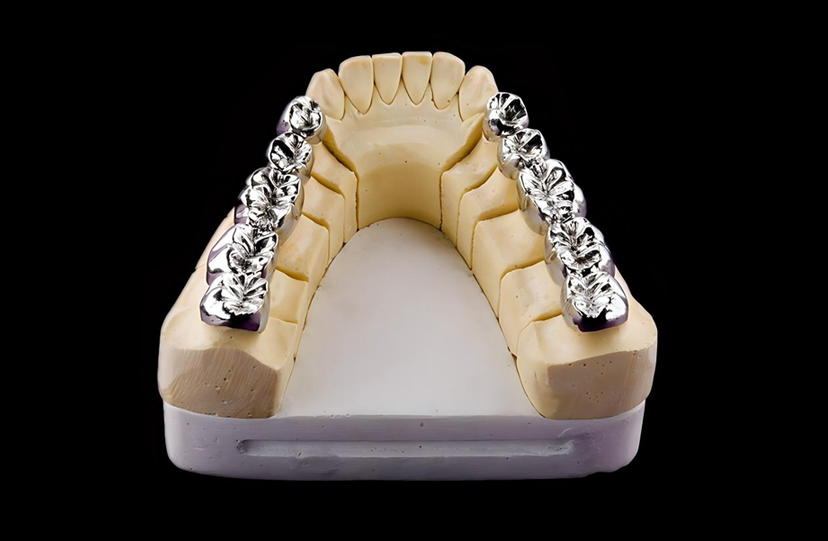
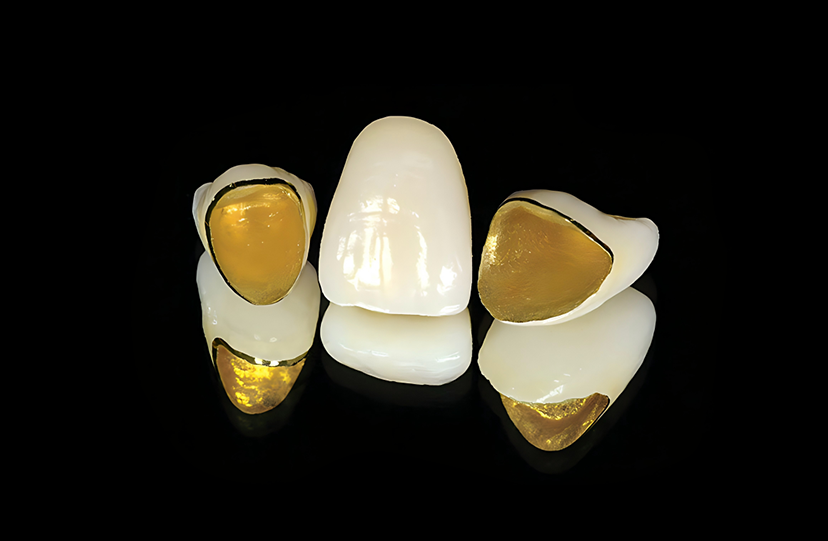
Porcelain layered zirconia combines a zirconia framework with an external porcelain layer. PFM restorations use a metal substructure covered with dental porcelain. Both have established clinical applications, and neither is the right choice for every case.
For dentists, the decision often comes down to the location of the restoration, the patient's aesthetic expectations, available restorative space, and occlusal conditions.
What Is Porcelain Layered Zirconia?
Porcelain-layered zirconia, also called porcelain-veneered zirconia (PVZ), consists of a zirconia framework covered with veneering porcelain.
The zirconia framework provides structural support, while the porcelain layer allows the dental technician to reproduce natural tooth characteristics such as translucency, shade variation, and surface texture.
This combination is often used for anterior restorations and selected posterior cases where aesthetics and structural support are both important. The final result depends on the zirconia material, framework design, porcelain compatibility, and laboratory technique.
Key Benefits of Porcelain Layered Zirconia
1. Natural Aesthetics
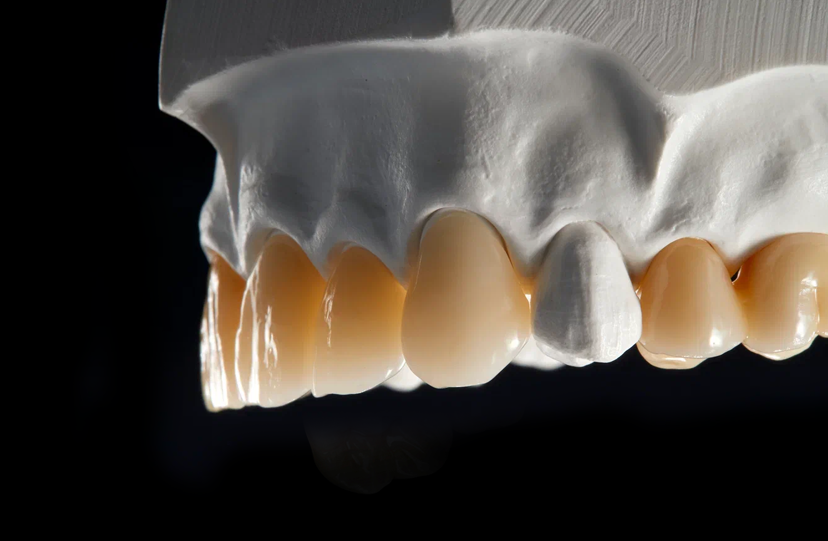
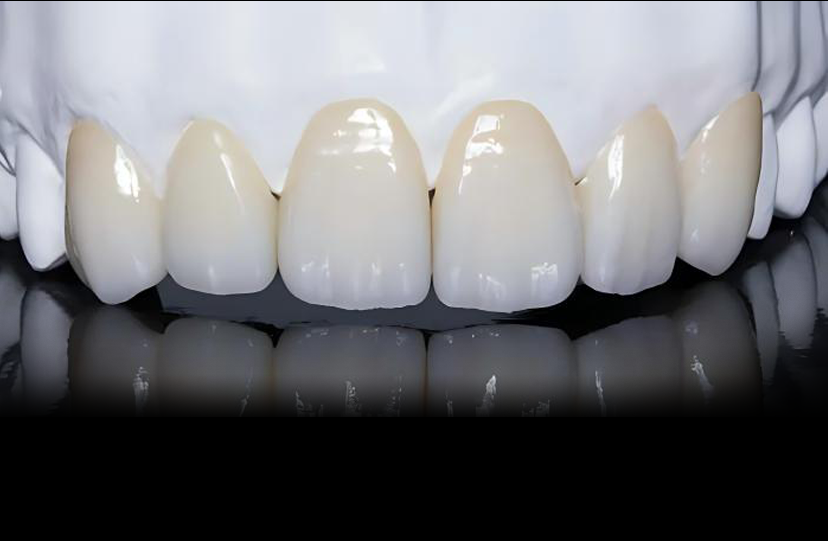
The veneering porcelain gives technicians more flexibility when matching the shade and appearance of adjacent teeth. Different layers and surface details can be used to reproduce incisal translucency, color transitions, and other natural tooth characteristics.
This is particularly useful for anterior crowns, where small differences in shade and contour can be noticeable. Photographs, shade information, and clear communication with the dental laboratory help guide the result.
2. Metal-Free Structure
Unlike PFM restorations, porcelain-layered zirconia uses a zirconia framework rather than a metal substructure. This avoids the possibility of a metal margin becoming visible, particularly in cases where gingival recession or thin gingival tissue makes the restoration margin more noticeable.
It is also an option for patients who prefer metal-free restorations, provided the material is suitable for the clinical situation.
3. Customization
The porcelain layer allows technicians to adjust shade, translucency, contour, and surface texture. This flexibility can be useful when a restoration needs to blend with natural teeth rather than simply match a single shade.
For demanding anterior cases, the quality of the final result depends on both the information provided by the dentist and the technician's experience with porcelain layering.
4. Structural Support
Zirconia is known for its high strength. Many dental zirconia materials have reported flexural strength values above 900 MPa, although the actual value varies by product and formulation.
The zirconia framework supports the restoration, while the porcelain provides the external appearance. However, a strong framework does not eliminate the possibility of chipping or fracture of the veneering porcelain. Framework support, veneer thickness, occlusal design, and adjustment all matter.
Porcelain Layered Zirconia vs. PFM: Key Differences
Both materials combine a supporting framework with an aesthetic porcelain layer. The main differences are the framework material, optical properties, and clinical considerations.
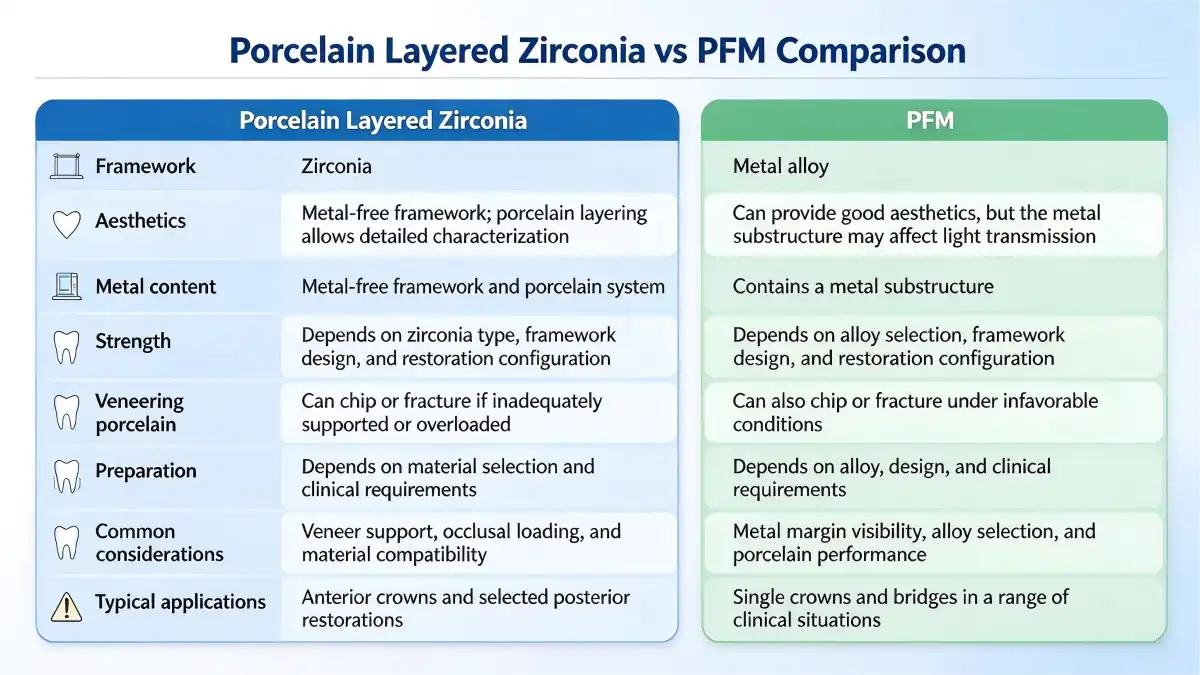
The choice should be based on the clinical indication, available space, occlusion, aesthetic expectations, and the dentist's treatment plan—not on material strength alone.
Clinical Indications for Porcelain Layered Zirconia
Anterior Crowns
Aesthetics are often a major consideration for anterior teeth. The porcelain layer allows technicians to reproduce shade variation, translucency, and surface details that help the restoration blend with adjacent teeth.
The dentist should consider available restorative space, the desired optical effect, and the condition of the surrounding teeth and gingival tissues.
Posterior Crowns
Porcelain-layered zirconia can also be used for selected posterior crowns. Because posterior teeth are exposed to substantial occlusal forces, framework design, veneer thickness, and occlusal adjustment need careful attention.
For patients with heavy occlusal loading, another material or restoration design may be more appropriate.
Dental Bridges
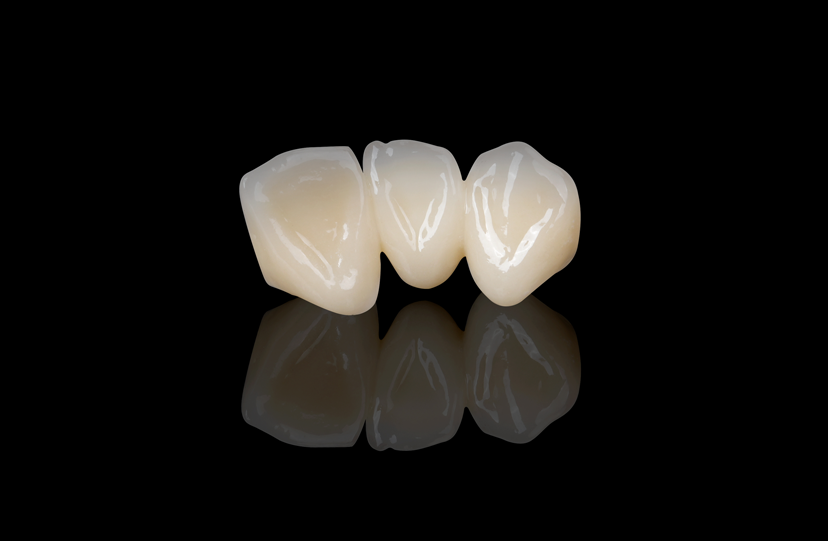
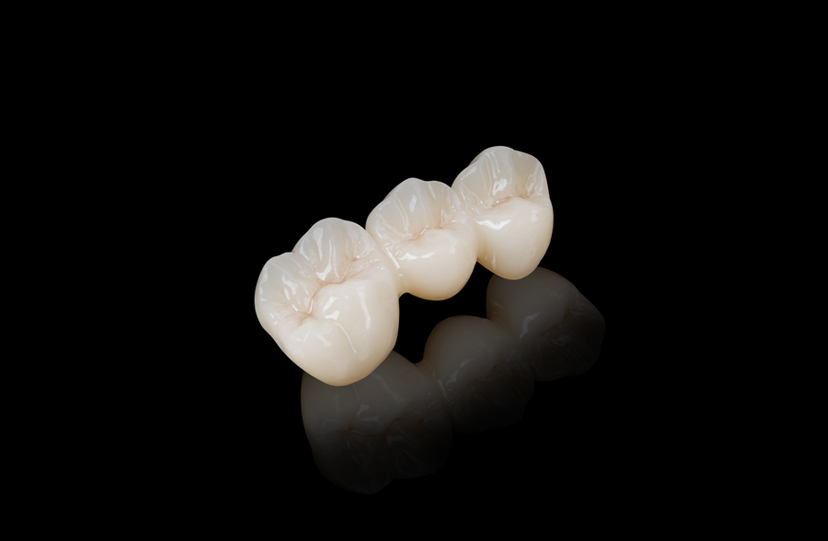
Zirconia frameworks can be used for fixed dental bridges when the material and design are suitable for the case.
Bridge selection involves more than span length. The number and position of missing teeth, connector dimensions, occlusal forces, abutment conditions, and the manufacturer's material instructions all need to be considered. The dentist and laboratory should review these details before production.
Limitations and Clinical Considerations
Porcelain layered zirconia offers aesthetic flexibility, but there are a few limitations to consider.
Veneer Chipping
Chipping or fracture of the veneering porcelain is one of the main concerns with porcelain-veneered zirconia. It may occur when the veneer is poorly supported, occlusal forces are unfavorable, or material processing and adjustment are not properly controlled.
A well-designed framework, compatible materials, and careful occlusal adjustment can help reduce the risk, although they cannot eliminate it.
Technique Sensitivity
The final result depends on more than the zirconia framework. Shade matching, porcelain layering, firing cycles, contouring, and finishing all affect the restoration's appearance and fit.
A well-designed framework needs to be paired with appropriate laboratory procedures and clear communication between the dentist and technician.
Case Selection
For patients with bruxism or other parafunctional habits, occlusal forces and restoration design require particular attention. Porcelain layered zirconia may not be the best option in every case.
A monolithic zirconia restoration or another material may be considered depending on the patient's risk factors and clinical needs.
Manufacturing Workflow for Porcelain Layered Zirconia
The fabrication process usually involves several stages.
1. Case Review and Digital Design
The laboratory reviews the prescription, scans or impressions, shade information, preparation details, and restoration requirements. The framework is designed to provide appropriate support for the veneering porcelain.
2. Zirconia Milling and Sintering
The framework is milled from a zirconia blank and sintered according to the manufacturer's instructions. Proper processing helps achieve the intended fit and material properties.
3. Framework Inspection
The framework is checked for fit, contour, connector design where applicable, and support for the porcelain layer. Any necessary adjustments should be made before veneering.
4. Porcelain Layering
Dental porcelain is applied and fired to achieve the required shade, translucency, and surface characteristics. Multiple layers may be used to reproduce the appearance of natural teeth.
5. Finishing and Quality Control
The completed restoration is checked for marginal fit, contour, proximal contacts, occlusion, shade, and surface finish before delivery.
Factors Affecting the Cost of Porcelain Layered Zirconia
The cost varies by case and supplier. Common factors include:
Material selection: Different zirconia products and veneering porcelains have different material costs and indications.
Case complexity: A single crown may require less work than a complex anterior restoration or multi-unit bridge.
Laboratory craftsmanship: Detailed shade matching and custom characterization can require additional technician time.
Digital workflow: Scanning, CAD/CAM design, milling, and other production processes contribute to the overall cost.
Turnaround time: Rush orders may involve additional fees.
Shipping and service: Delivery arrangements, remake policies, warranty terms, and technical support can affect the overall value.
When comparing laboratory prices, dentists should also consider consistency, fit, communication, and how the supplier handles adjustments or remakes.
How to Choose a Dental Laboratory Supplier
Price is only one part of choosing a dental laboratory. Restoration quality, technical experience, communication, and delivery reliability also matter.
Material Knowledge and Technical Experience
Ask which zirconia materials the laboratory uses and whether it can provide relevant material documentation. For layered restorations, it is worth asking how the framework is designed to support the porcelain veneer.
Quality Management and Documentation
Review the laboratory's quality-management practices, relevant certifications, and documentation for the products and services it provides. Regulatory status should be checked against the specific product, manufacturer, and destination market.
Communication and Case Support
Before production, the dentist and laboratory should have a clear understanding of shade selection, preparation details, occlusal requirements, and delivery expectations. A practical process for resolving questions can help avoid unnecessary adjustments and delays.
Turnaround Time and Remake Policy
Confirm standard production times, shipping arrangements, and the procedure for adjustments or remakes before starting a working relationship.
For practices and laboratories handling regular case volumes, consistent production and dependable communication can be just as important as the quoted price.
Maintenance and Long-Term Care
The longevity of a porcelain-layered zirconia restoration depends on the clinical situation, material quality, occlusion, oral hygiene, and patient habits.
Patients should maintain good oral hygiene and attend regular dental checkups. For patients with bruxism, a night guard may be recommended when clinically indicated.
During follow-up visits, dentists can check for veneer chipping, wear, changes in occlusion, marginal problems, and the condition of the surrounding teeth and gingival tissues.
There is no single service-life estimate that applies to every restoration. Clinical and laboratory factors both influence long-term outcomes.
FAQ
1. What Is Porcelain Layered Zirconia?
Porcelain layered zirconia is a dental restoration made with a zirconia framework covered by veneering porcelain. The framework provides structural support, while the porcelain layer allows customization of shade, translucency, and surface details.
2. Is Porcelain Layered Zirconia Better Than PFM?
Neither material is better for every case. Porcelain layered zirconia avoids a metal framework and allows detailed aesthetic characterization. PFM has a long history of clinical use and remains suitable for many crowns and bridges. The choice depends on the clinical indication, aesthetic requirements, occlusion, and restoration design.
3. What Is the Difference Between Layered Zirconia and Monolithic Zirconia?
Layered zirconia has a zirconia framework covered with veneering porcelain. Monolithic zirconia is made primarily from zirconia without a separate veneering porcelain layer. Monolithic designs avoid the specific risk of chipping of a separate veneer, while layered designs can offer more flexibility for detailed aesthetic characterization.
4. Does Porcelain Layered Zirconia Contain Metal?
Porcelain layered zirconia uses a zirconia framework rather than a metal substructure, making it a metal-free restoration system. PFM restorations contain a metal framework beneath the porcelain.
5. Can Porcelain Layered Zirconia Be Used for Dental Bridges?
Yes, it can be used for selected bridges when the material and design are suitable. The dentist and laboratory should consider the bridge span, connector dimensions, abutment conditions, and occlusal forces before fabrication.
6. Is Porcelain Layered Zirconia Suitable for Patients With Bruxism?
It may be suitable in selected cases, but bruxism increases the need for careful evaluation. Heavy occlusal forces can contribute to veneer chipping or other complications. The dentist should assess the patient's occlusion and restoration design before choosing the material.
7. How Long Does a Porcelain Layered Zirconia Crown Last?
There is no single lifespan that applies to every crown. Longevity depends on material selection, restoration design, occlusal forces, oral hygiene, and maintenance. Regular dental follow-up helps identify potential problems early.
8. Is Porcelain Layered Zirconia FDA-Approved in the United States?
The answer depends on the specific product and its regulatory status. FDA establishment registration or device listing should not automatically be described as FDA approval or clearance of a particular restoration. US customers should verify the applicable status and documentation for the product and manufacturer.
9. What Should Dentists Check When Choosing a Dental Laboratory?
Dentists should review restoration quality, material documentation, quality-management practices, communication, turnaround time, shipping arrangements, and remake or warranty policies. For international suppliers, they should also confirm which regulatory documents apply to the products being supplied.
10. What Factors Affect the Cost of Porcelain Layered Zirconia Restorations?
Cost depends on material selection, case complexity, aesthetic requirements, laboratory workflow, turnaround time, shipping, and service policies. Comparing these factors gives a more complete picture than looking at the unit price alone.
Partner With HYC Dental Laboratory
HYC Dental Laboratory works with dental professionals and laboratories to provide zirconia products and other dental restorations.
With 22 years of experience, HYC supports customers through its production workflow, case communication, and laboratory services. The company states that it maintains FDA-related registration or listing, CE-related documentation, and ISO 13485:2016 quality-management certification. Customers should verify the applicable documentation and regulatory status for the specific product and destination market.
Standard production is typically quoted at 3–5 days, while dispatch timing depends on the case and shipping requirements. HYC also states that it offers a two-year warranty. Customers should confirm the terms and conditions before placing an order.
For product information, case requirements, or cooperation opportunities, contact HYC Dental Laboratory:
Email: info@hycdentallab.com
Website: https://hycdentallab.com
References
International Organization for Standardization. ISO 6872: Dentistry — Ceramic Materials.
International Organization for Standardization. ISO 13485: Medical Devices — Quality Management Systems.
U.S. Food and Drug Administration. Medical Devices: Overview of Regulatory Requirements.
U.S. Food and Drug Administration. Establishment Registration and Device Listing.
Manufacturer instructions for use and technical documentation for the specific zirconia and veneering porcelain systems used.
Peer-reviewed dental materials literature on zirconia restorations, veneering porcelain chipping, and clinical outcomes.
Material properties, indications, regulatory status, and clinical outcomes should be confirmed against the specific products and current manufacturer documentation.
YOU MAY LIKE