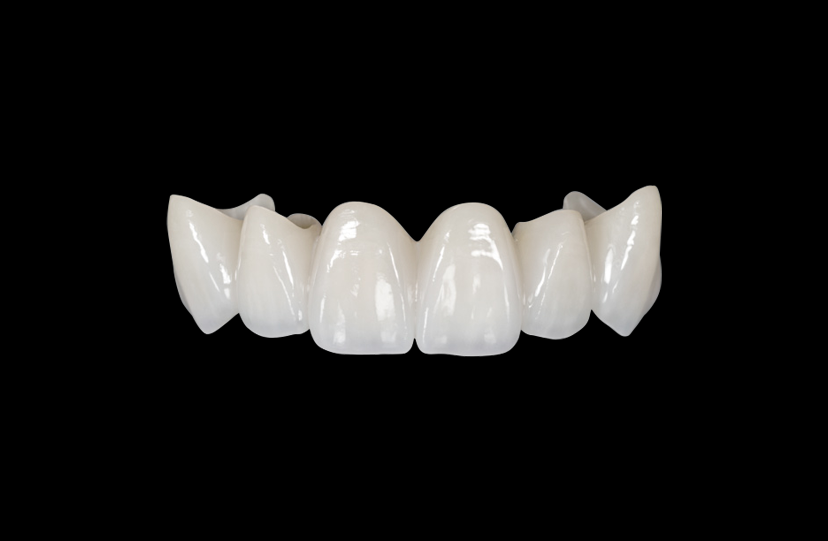
What Are Titanium Partial Dentures? Benefits, Materials, Cost and Manufacturing
Titanium partial dentures use a lightweight titanium framework to replace missing teeth while providing strength, corrosion resistance, and improved comfort compared with traditional metal frameworks. They are commonly selected by dental laboratories and clinics looking for durable removable prosthetic solutions。
Understanding Titanium Partials: Material and Benefits
Titanium frameworks have become an increasingly popular option for removable partial dentures because they combine excellent strength, low weight, and outstanding biocompatibility. Titanium is widely used in dental implants and orthopedic devices because of its excellent biocompatibility and long clinical history. Because titanium is naturally biocompatible, it is the best choice for people who are sensitive to or allergic to other metal alloys. Titanium's light weight makes it much more comfortable to wear because it reduces the bulk that comes with metal partials while still keeping structural integrity under constant biting forces.
Key Benefits That Drive Clinical Adoption
Titanium offers a high strength-to-weight ratio, allowing frameworks to remain durable while improving patient comfort; it has real benefits for both doctors and patients. Its high tensile strength keeps the framework from breaking, so fixes and replacements aren't needed as often. Because the material doesn't corrode, it stays stable in the mouth for a long time, keeping its good looks and usefulness over time. Dental labs like Titanium Partials because they work well with digital workflows. Frames designed with CAD/CAM can be made using precision milling or laser sintering technologies, which makes sure that the accuracy is the same for all cases.
Economic Value for Procurement Strategies
Professionals in procurement know that Titanium Partials may cost more up front than cobalt chrome alternatives, but that the total cost of ownership is lower with titanium. Longer service life, lower remake rates, and less time spent adjusting chairs at the chairside all add up to operating savings that more than cover the initial investment. Patients who wear Titanium Partials are happier, which helps clinics' reputations and gets more people to recommend them. Titanium Partials are a good choice for dental service organisations that deal with a lot of patients and want to improve quality ratings because they are durable and biocompatible.
Titanium Partials vs. Competing Materials: A Comparative Analysis
Are titanium partial dentures better than Co-Cr?
Cobalt chrome frameworks have been the standard choice in the dentistry business for a long time, but Titanium Partials have some clear benefits. Nickel sensitivity can happen with cobalt chrome alloys, which could make people who are sensitive feel bad or have bad reactions. Titanium frameworks significantly reduce the risk of metal hypersensitivity compared with some conventional alloys, so they can be used by a wider range of patients. Titanium frameworks are generally lighter than cobalt-chromium frameworks, which may improve patient comfort and adaptation, depending on the design, which makes them easier for patients to adapt to and lessens irritation to soft tissues during the first few weeks of use.
| Feature | Titanium | Co-Cr |
|---|---|---|
| Weight | About 40% lighter | Heavier |
| Biocompatibility | Excellent | Good |
| Corrosion Resistance | Excellent | Good |
| Strength | Excellent | Excellent |
| Patient Comfort | High | Moderate |
| Digital Manufacturing | Excellent | Good |
Titanium and cobalt-chromium frameworks are manufactured using different fabrication techniques. Most cobalt-chromium frameworks are made using casting methods, but Titanium Partials can be made using modern digital production methods that make them more precise and repeatable. When buying for practices with multiple locations, procurement managers like the uniformity that digitally milled Titanium Partials offer. This is because standardised quality cuts down on differences between labs or production batches.
Comparing Titanium to Flexible and Acrylic Alternatives
Some people like the look of flexible partial dentures made from thermoplastic materials better than metal ones, but they aren't rigid enough to distribute weight properly. In addition to being more stable, the rigidity of titanium frameworks provides stable support and helps distribute occlusal forces more evenly than flexible thermoplastic materials, which can cause pain or bone loss over time. Acrylic partials are cheap, but they aren't very strong or long-lasting, and they usually need to be replaced after a few years. With proper maintenance, titanium frameworks can provide long-term clinical service if they are properly cared for, which makes them the most cost-effective choice when looking at long-term costs.
Procurement Essentials: Sourcing Titanium Partial DenturesIdentifying Qualified Suppliers in Global Markets
Finding manufacturers who can prove they follow international dental standards is the first step to effective sourcing. Suppliers should use FDA-registered materials where applicable and operate under appropriate quality management systems, CE marking under the EU Medical Device Regulation (MDR), where applicable for European markets, and paperwork for ISO 13485:2016 quality management. These credentials show that strict production rules and traceability systems are being followed, which protects buyers from regulatory risks. Purchasing departments benefit from working with sellers who offer clear ways to communicate and help with technical issues during the buying process.
Understanding Production Timelines and Customization
Making Titanium Partials involves several precise steps, such as checking the digital design, making the framework using milling or laser sintering, finishing the surface, and checking the quality. Lead times for custom bulk orders are usually between three and five weeks, but makers with modern production tools may offer faster choices. For procurement professionals, titanium frameworks may have a higher initial cost but often provide lower lifetime ownership costs due to their durability and reduced maintenance requirements. This keeps treatment from being held up; delivery delays may affect treatment scheduling and patient satisfaction.
Customisation options are an important part of the review process. For each partial denture case, there are specific design requirements that must be met in order to fit the patient's mouth and jaw. When dental teams send digital files or physical impressions to suppliers that offer 100% customised production, they can get the best fit possible while reducing the number of chairside changes and remakes. Flash production services give businesses more working freedom by letting them handle urgent cases. This is especially helpful for practices that have to manage complicated treatment plans.
Negotiating Pricing and Terms for Long-Term Partnerships
Titanium Partials have different cost structures depending on how they are made, where the materials come from, and how many are made. Professionals in charge of buying things should ask for detailed quotes that break down the costs of building the framework, the materials used, and shipping. Discounted prices are often available for large purchases, which makes buying in bulk appealing for dental shops and labs that get a steady run of cases. To protect against problems with quality or delivery delays, it is important to carefully negotiate payment terms, warranty coverage, and return policies.
Choosing the Right Titanium Partial Denture Supplier
Certification and Regulatory Compliance as Foundation
Choosing a supplier depends on making sure they follow the rules, which protects both the business and the patients. Manufacturers who are registered with the FDA demonstrate their commitment to testing products for biocompatibility and to tracking. Conformity with the European Medical Device Regulations is confirmed by the CE mark, which is important for wholesalers who sell to foreign markets. When you get ISO 13485:2016 approval, it means your quality management system is robust and controls every step of the production process, from receiving raw materials to performing final inspection.
These licenses should be up-to-date and easy to find when the seller is being evaluated. To lower the risk, procurement teams ask for proof of credentials up front and check them against regulatory databases. Working with certified suppliers protects against fake materials and makes sure that the quality of the products is the same from one order to the next. This is a must for clinics to keep their good names and follow the law.
Evaluating Production Capabilities and Innovation
The manufacturing skills of a supplier have a direct effect on the quality of the product and the reliability of delivery. Advanced labs with five-axis milling machines or laser sintering systems make frames with high dimensional accuracy. This makes sure that the edges are perfect and support accurate occlusal relationships. If a supplier invests in research and development, they can offer new technologies like hybrid frameworks or better surface treatments that improve surface quality, durability, or the way the tooth looks. This is important to think about when planning for future needs.
Site trips, virtual tours of facilities, or audits by a third party can give you useful information about work settings. Operational maturity is shown by clean manufacturing spaces, well-organised workflows, and skilled technical staff. When suppliers accept transparency, it shows that they trust their methods and want to work with you in a way that builds trust.
After-Sales Support and Warranty Programs
Comprehensive service after the sale is what sets great sellers apart from average ones. The terms of the warranty should be made clear. Usually, fixed restorations are covered for two years, and removable prosthetics are covered for one year. Free repair or reproduction during warranty periods protects budgets for procurement from unexpected costs and shows that the supplier cares about the quality of the product. Technical support teams that are quick to respond and help with fitting problems or design changes are very helpful, especially when dealing with complicated cases or pressing patient needs.
Long-term ties with suppliers work best when contact is consistent, and problems are solved quickly. When purchasing managers first ask a seller a question, they should see how responsive they are. This is because early interactions often show how well the relationship will go in the future. Setting up clear escalation procedures and a single point of contact makes it easier to solve problems and boosts confidence in the stability of the supply chain.
Maintenance, Installation, and Aftercare of Titanium Partials
Proper Installation Protocols for Optimal Fit
For the Titanium Partials installation to go well, lab technicians, dentists, and patients must all work together. Before the frames are sent out, they are checked to make sure they meet the design specifications. The margins must fit all the way around, and the clasps must stay in place so the frames are secure but comfortable. When inserting teeth, dentists should carefully check for pressure spots or interference that could hurt long-term success during placement appointments. It's normal to make a few small changes at delivery, but well-made Titanium Partials usually only need a few changes, which saves important chairside time.
Routine Maintenance and Patient Education
Teaching people how to take care of their Titanium Partials properly increases their longevity and upholds cleanliness standards. Plaque and debris can be removed every day with mild soap and brushes that don't scratch the framework. Patients shouldn't use strong chemicals or ultrasonic tools unless their dentist tells them to, because the wrong way to clean can change the way surfaces work. Regular professional exams let you find wear patterns, loose clasps, or changes in mouth tissues early on, which may mean that the framework needs to be adjusted.
Even though titanium has a great biocompatibility profile, it is still important to keep an eye out for rare allergic reactions. Even though reactions are very rare, making notes on how comfortable the patient is during follow-up visits ensures that any problems are dealt with right away. This proactive approach builds trust with patients and shows that doctors are committed to good outcomes.
Repair and Replacement Considerations
Titanium Partials are very strong, but they may need to be fixed if your mouth changes a lot or if they get damaged by accident. Titanium partial repairs can be trickier than cobalt chrome changes because they need special laser welding tools. However, companies that make frameworks keep digital copies of the design files, that make copies quickly. This digital benefit means that when replacements are needed, there is no need for new prints. This speeds up the process of making the new teeth and makes it easier for the patient.
Knowing the costs over the course of a product's life helps procurement managers make smart choices. Frameworks that need to be fixed should be weighed against the cost of replacing them, taking into account how much guarantee coverage is left and how many changes need to be made. Digital file store providers who offer lifetime keeping are more valuable because archived designs can be used to make copies in the future at lower costs than making brand-new cases.
Conclusion
Titanium partial dentures are considered an advanced option for removable prosthetic frameworks due to their lightweight design, biocompatibility, and corrosion resistance, because they are biocompatible, durable, and comfortable for the patient. Those who work in procurement should know about the material advantages, supplier evaluation criteria, and production timelines that affect decisions about what to buy. Following the rules by getting FDA registration, CE marking under the EU Medical Device Regulation (MDR), where applicable, and ISO 13485:2016 quality systems protects the business and makes sure patients are safe. Long-term value comes from lower remake rates, longer service lives, and Clinical studies have shown that the lower weight of titanium frameworks may improve patient comfort and adaptation compared with conventional cobalt-chromium frameworks, all of which boost the name of clinics. Partnering with experienced manufacturers can help dental laboratories and clinics maintain consistent product quality, reliable turnaround times, and predictable supply while maximising cost control and operating efficiency.
FAQ
Are titanium frameworks safe?
Yes. Titanium frameworks are considered safe for most patients and have been widely used in dentistry due to their biocompatibility, strength, and corrosion resistance. Titanium is lightweight, durable, and generally well tolerated by oral tissues, making it a suitable material for removable partial dentures.
Do titanium partial dentures cause allergies?
Titanium allergies are extremely rare compared with some other dental metals. Most patients can wear titanium partial dentures comfortably. However, patients with a known history of metal sensitivity should discuss their concerns with their dentist before choosing a titanium framework.
How long do titanium partial dentures last?
With proper care and regular dental check-ups, titanium partial dentures can often last 10 years or longer. Their lifespan depends on factors such as oral hygiene, chewing habits, changes in the patient’s mouth, and the condition of the artificial teeth and acrylic components.
Can titanium partial dentures be repaired?
In many cases, repairs are possible, but the approach depends on the type and extent of damage. Repairs involving the acrylic base or replacement teeth are usually more straightforward. Repairs to the titanium framework may require specialized dental laboratory techniques and should be evaluated by a dental professional.
Can titanium partial dentures be relined?
Yes, titanium partial dentures can often be relined to improve fit as the shape of the gums and supporting tissues changes over time. The relining method depends on the denture design and the condition of the framework, so a dentist or dental technician should assess the best option.
How should titanium partial dentures be cleaned?
Titanium partial dentures should be cleaned daily with a soft denture brush and a suitable denture cleanser. Avoid using abrasive toothpaste or harsh chemicals that may damage the acrylic components. Removing the denture at night and following your dentist’s cleaning recommendations can help maintain comfort and hygiene.
Who is a good candidate for titanium partial dentures?
Titanium partial dentures may be a good option for patients who are missing several teeth and need a removable partial denture with a strong, lightweight framework. They are commonly considered for patients who value durability, comfort, and a thinner framework design. A dentist can determine suitability based on oral health, remaining teeth, and individual needs.
Are titanium partial dentures worth the cost?
For many patients, titanium partial dentures can be a worthwhile investment because they offer advantages such as a lightweight feel, high strength, corrosion resistance, and long-term durability. The overall value depends on the patient’s oral condition, treatment goals, budget, and expectations.
Is Titanium Safer Than Traditional Metal Dentures for Sensitive Patients?
Titanium is considered one of the most biocompatible dental framework materials and is often recommended for patients with known sensitivities to certain metal alloys. It is made of the same medical-grade material that is used in tooth implants and hip replacements, so it has demonstrated excellent biocompatibility in long-term clinical use. Nickel, which can cause allergic reactions in some people, may be present in traditional cobalt chrome frameworks. Titanium frameworks may reduce concerns associated with certain metal sensitivities compared with some traditional alloys, making them safe and suitable for almost all patient groups. It has a history of being biocompatible in orthopaedic and implant settings, which directly applies to removable prosthetics. This gives both clinicians and patients peace of mind.
Can Titanium Frameworks Be Repaired After Damage or Oral Changes?
Titanium Partials last a very long time, but fixes can be harder and might need a lab that can do laser welding. The specialised tools make sure that the bonding is done right without affecting the integrity of the framework. If the framework was made digitally, on the other hand, a duplicate can often be made quickly from old records without having to make a new print. When compared to standard workflows, this digital edge makes it much faster to make changes. Suppliers who keep digital file archives should be included in procurement plans because they make future service needs easier and lower long-term costs.
What Are Typical Lead Times for Custom Titanium Partial Orders?
Standard orders of custom Titanium Partials are usually made in three to five weeks, which includes checking the design, manufacturing, finishing, and quality inspection. Suppliers with advanced production tools may be able to offer faster services, and some will even turn around urgent cases in four to five days. Flash delivery choices can get things to you the next day when you need to meet important deadlines right away. Before committing to a partnership, procurement managers should make sure they have clear communication with suppliers about expected delivery dates and make sure they can offer expedited service. This will allow for operational flexibility during times of high demand.
How much do titanium partial dentures cost?
The cost of titanium partial dentures depends on factors such as framework design, manufacturing method, customization requirements, and supplier location. For dental laboratories and clinics, the overall value should be evaluated based on durability, remake rates, and long-term service requirements.
Partner with HYC for Reliable Titanium Partial Denture Supply
HYC has been manufacturing high-quality dental restorations for over 22 years, specializing in precision Titanium Partials for dental laboratories, clinics, and distributors worldwide. We use FDA-registered materials where applicable and operate under an ISO 13485:2016-certified quality management system to ensure consistent manufacturing quality and a high level of fit accuracy, helping reduce chairside adjustments and remake rates.
Understanding the importance of timely case delivery, we offer standard three-day shipping, four- to five-day turnaround for fixed and removable restorations, and expedited services for urgent cases. As an experienced Titanium Partials manufacturer, we provide fully customized solutions tailored to your clinical and laboratory requirements.
Warranty coverage varies by product type, including up to two years for fixed restorations and one year for removable prosthetics. Customers worldwide value our responsive communication, consistent product quality, and compliance with applicable regulatory requirements, including FDA registration and CE marking under the EU Medical Device Regulation (MDR), where applicable.
Contact our team at info@hycdentallab.com to discuss your case requirements, request a quotation, or explore how our OEM/ODM manufacturing services can support your business.
References
1. Carr, A. B., & Brown, D. T. (2020). McCracken's Removable Partial Prosthodontics (13th ed.). Elsevier Health Sciences.
2. Phoenix, R. D., Cagna, D. R., & DeFreest, C. F. (2019). Stewart's Clinical Removable Partial Prosthodontics (5th ed.). Quintessence Publishing.
3. Brudvik, J. S. (2018). Advanced Removable Partial Dentures. Quintessence Publishing.
4. International Organization for Standardization. (2022). ISO 13485:2016 Medical Devices — Quality Management Systems — Requirements for Regulatory Purposes. ISO Standards Catalogue.
5. Zarb, G. A., Hobkirk, J. A., Eckert, S. E., & Jacob, R. F. (2022). Prosthodontic Treatment for Edentulous Patients: Complete Dentures and Implant-Supported Prostheses (14th ed.). Mosby.
YOU MAY LIKE
.webp "Gold-Platinum PFM (Au-Pt)")
.webp "PAEK (Polyaryletherketone)")
.webp "Silver-Palladium Crown (Ag-Pd)")