Dental Labs Adopt PEEK Framework for Flexible Restoration Design
Quick Answer
Dental labs are using PEEK Frameworks more and more for flexible restoration design because this advanced thermoplastic material is biocompatible, very light, and has an elasticity similar to bone. Concerns about metal allergies are addressed by the PEEK framework, which also provides better fit accuracy and patient comfort in removable partial dentures, implant-supported prosthetics, and full-arch restorations. With a modulus of elasticity close to that of natural bone (about 4 GPa), these frameworks spread occlusal forces evenly. This may lower the number of times teeth need to be replaced and support long-term clinical outcomes for dental practices all over the world.
Introduction
Modern restorative dentistry is under more and more pressure to make prostheses that are both strong and comfortable for the patient. Traditional cobalt-chromium and titanium frames are strong mechanically, but they come with problems like being too heavy, metal hypersensitivity responses, and stress-shielding effects that may affect the health of the bones around them. A big change has happened in the dentistry business in favor of high-performance polymers. Polyetheretherketone (PEEK) has become a widely used material in prosthodontics. Dental labs that work with private practices, multi-location DSOs, and implant centers now see PEEK Frameworks as a good alternative that addresses important problems like accurate first fits, better esthetic integration, and faster production times. This change is due to a greater need for biomimetic materials that have properties similar to real tissue and also meet applicable FDA and ISO 13485 requirements.
What is a PEEK Framework?
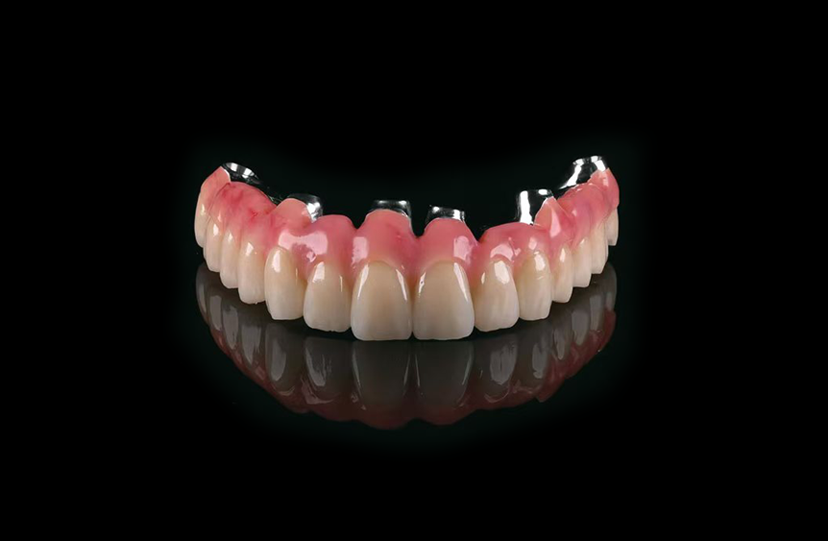
A PEEK Framework is a carefully designed structural skeleton made from polyetheretherketone, a semi-crystalline thermoplastic polymer that is known for being strong and biocompatible. In restorative dentistry, this framework is the main part that supports removable partial dentures, implant-retained overdentures, and difficult prosthodontic cases that need metal-free solutions.
Core Structural Characteristics
The material has a density of about 1.32 g/cm³, which is much lower than titanium alloys, and its tensile strength is higher than 90 to 100 MPa. Its melting point is 343°C, and its glass transition temperature is 143°C. This helps maintain dimensional stability in the mouth. Unlike most metal frameworks, PEEK is radiolucent, which means that X-rays can pass through it to the bone structures below during diagnostic imaging.
Problem-Solving Capabilities
The framework addresses three problems that have been bothering the business for a long time. It eliminates the potential for allergic reactions associated with cobalt-chromium clasps, especially in people who are sensitive to nickel or chromium. The bone-mimicking flexibility may help reduce the stress-shielding effect, which can occur when frames are too stiff and transfer less load to the surrounding bone. The neutral color of the material also makes it easier to blend in with gingival-colored acrylics without leaving gray metal shadows that affect the front appearance.

Benefits
There are measurable benefits in both clinical and operational areas when PEEK Frameworks are used. Less heavy prosthetics make patients much more comfortable—frameworks weigh about 75% less than equivalent metal structures, which reduces irritation to soft tissues and may improve retention stability. The low thermal conductivity of the material reduces the transfer of temperature changes, which may improve patient comfort when eating hot or cold foods.
From the point of view of a lab, these frameworks may lower the number of remakes. The material's natural flexibility may accommodate small differences in jaw relationships, which cuts chairside adjustment time by about 30 to 40 percent compared to hard metal options. With CAD/CAM milling, dimensions can be accurate to within ±20 microns, which means that the edges can be adjusted in a way that meets the high standards of prosthodontists.
When properly cared for, clinical longevity can be favorable. Testing for fatigue resistance can evaluate performance under repetitive loading conditions that mimic mastication forces. The framework is chemically resistant—it is resistant to many commonly used chemicals and cleaning agents—so it can remain stable when exposed to oral conditions and denture maintenance agents.
Advantages
Technical Superiority Over Metal Alternatives
PEEK Frameworks do better than standard materials in a number of ways. The elastic stiffness is very close to that of cortical bone (4 GPa vs. 18 GPa for bone and 110 GPa for titanium). This may help the body distribute stress in a way that supports the alveolar ridge. This physical fit may help reduce excessive loading on implants in bar-retained overdentures.
Digital workflows raise the level of accuracy in manufacturing to a whole new level. Unlike frameworks made of cast metal, which need investment casting and have inherent shrinkage variables, milled PEEK parts accurately copy CAD designs every time. Finishing the surface takes less polishing, which speeds up the lab's work while keeping a regular texture that may reduce plaque accumulation.
Clinical and Operational Benefits
In front uses, the esthetic results are better than those of metal frames. The tooth-colored material gets rid of concerns about show-through in thin tissue types. This is especially helpful for Kennedy Class IV cases where labial undercuts show framework margins. Radiolucency is helpful for post-operative evaluations because it lets doctors see how well the bone is integrating without the framework getting in the way of the images.
Patients may be more likely to accept it because it is considered a modern material option. Dental offices may report fewer requests for remakes because of initial discomfort or concerns about how the tooth looks. The frameworks can accommodate changes to the secondary abutments without affecting the structure. This is in contrast to cast metals, which may need to be remade for significant changes.
There are still a lot of ways to customize things. Laboratories can mill frames to exact specs for clasp undercuts, add strategic relief areas, and create link setups that fit the shape of each arch. This adaptability is very important in tricky situations where implants are tilted, or the structure of the ridge is damaged.
Disadvantages
PEEK Frameworks have a lot of benefits, but they also have some problems that need to be evaluated objectively. Material costs are 40–60% higher than traditional cobalt-chromium, but savings from fewer remakes and faster workflows may offset this higher cost. Smaller labs that want to switch from traditional casting methods may find it hard to make the initial investment in milling equipment and trained technicians.
For surface bonding to work, certain conditioning steps must be followed. Due to its chemical resistance, the material needs to be treated with plasma, etched with sulfuric acid, or primed with special materials in order to bond well to acrylic veneering resins. Laboratories that aren't familiar with these surface treatment methods might have problems with delamination in the beginning stages of implementation.
Wear patterns on real teeth need to be watched closely. Abrasive properties are still lower than those of feldspathic ceramics, and there isn't as much long-term clinical data (more than ten years) as there is for metal frameworks, which have been used for many decades. For occlusal adjustments, you need special carbide burs because diamond instruments may produce too much heat, which can damage the material.
Radiolucency is good for imaging, but it makes it harder to check the framework during delivery appointments. Clinicians who are used to seeing metal clasps on X-rays have to rely on physical inspection and visual examination, which means they have to make some small changes to how they do their work.
Comparison
| Property | PEEK Framework | Cobalt-Chromium | Titanium |
|---|---|---|---|
| Density | 1.32 g/cm³ | 8.5 g/cm³ | 4.5 g/cm³ |
| Elastic Modulus | 4 GPa | 230 GPa | 110 GPa |
| Biocompatibility | Very good (USP Class VI) | Moderate (risk of allergies) | Very good |
| Radiolucency | Yes | No | No |
| Fabrication Method | CAD/CAM cutting | Made by casting or milling | Made by casting or milling |
| Adjustment Ease | Moderate | Not easy | Not easy |
| Aesthetic Integration | Very good | Bad | Moderate |
| Cost | Moderate to High | Low to Moderate | High |
Clinical Indications
Removable Partial Dentures
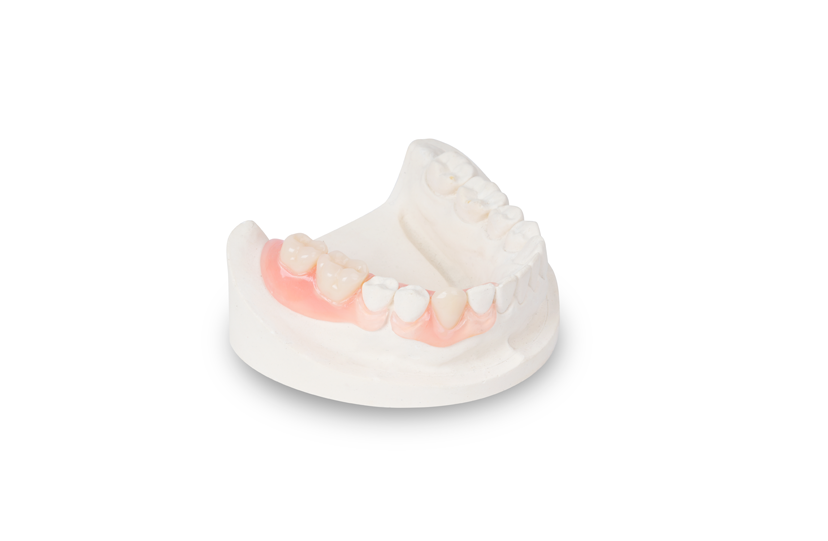
PEEK Frameworks change the way RPD designs are made for Kennedy Classes I–IV. The material makes clasps that stay in place and engage undercuts without the metal fatigue fractures that can happen with wrought wire designs. Lingual plates and palatal connections keep things stiff for security while letting them bend a little during function. This may help the patient tolerate the changes at first.
Implant-Supported Overdentures
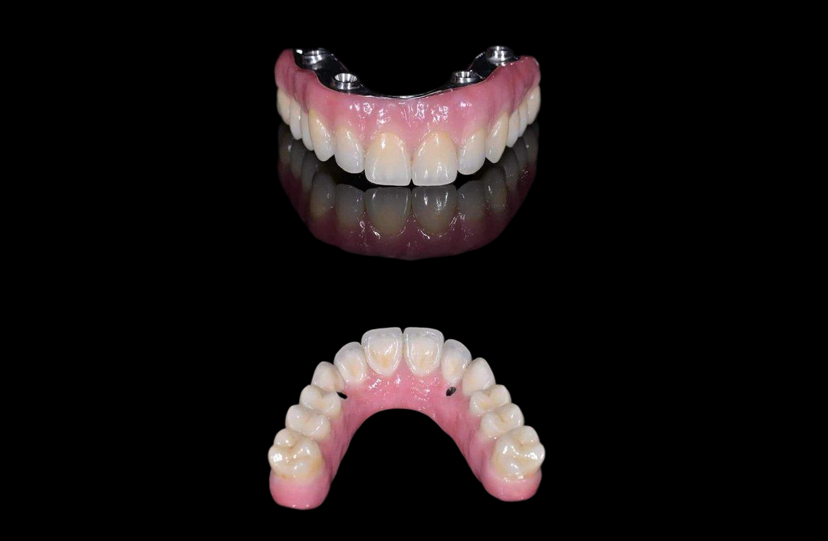
The shock-absorbing qualities of PEEK may make bar-retained and locator-supported overdentures more comfortable. During mastication, the framework distributes stress and may help protect the implant-abutment interfaces from excessive lateral force. This is especially helpful for people who have less bone volume and need to carefully manage their load because of how implants work.
Full-Arch Rehabilitation Cases
PEEK is used for immediate loading protocols in both temporary and permanent full-arch frameworks. During osseointegration periods, the material can handle occlusal forces without adding to the weight of traditional acrylic-metal provisionals. Prosthodontists who work with older people may prefer smaller prosthetics because they can reduce the risk of swallowing and improve muscle control.
Materials
Medical-Grade PEEK Composition
Medical-grade polyetheretherketone that meets ASTM F2026 and applicable ISO 10993 biocompatibility requirements is used in PEEK Frameworks. The polymer is made up of repeating aromatic rings connected by ether and ketone groups. This gives it chemical and thermal stability. Materials with appropriate regulatory documentation support consistency from batch to batch, which is important for making controlled dental devices.
Verification of quality is a big part of material buying. Pollutants or recycled material can hurt the mechanical qualities and make it harder to follow the rules. Reliable sellers give out records of analysis that show the molecular weight distribution, crystallinity percentage (usually between 30 and 35%), and lack of substances that can be leached.
Surface Treatment Additives
Some mixtures have radiopaque fillers (like barium sulfate or zirconia nanoparticles) that make the structure easier to see on X-rays when diagnostic imaging needs to do that. These modified versions keep the basic mechanical properties while meeting certain clinical needs. Surface-activated variants that have already been treated with plasma discharge cut down on the number of steps needed in the lab, which speeds up the production process.
Manufacturing Workflow
Digital Case Planning
CAD software is used to digitize intraoral scans or models before production starts. Technicians design frameworks using prosthodontic principles, such as making sure the framework is the right thickness for structural rigidity (at least 1.5 mm for major connectors), that the clasps are placed securely in surveyed undercut zones, and that there are relief areas to keep soft tissues from being pinched. Before milling is allowed, design files go through virtual articulation analysis to make sure there is occlusal clearance.
Precision Milling Operations
Five-axis CNC milling tools use pre-made PEEK disks or blocks to make frames. The factors for cutting need to be optimized. Spindle speeds between 15,000 and 20,000 RPM and controlled feed rates keep temperatures from building up and affecting the crystallinity of the material. Compressed air is used for cooling instead of liquid coolants, which PEEK's hydrophobic nature makes less suitable for this application.
Quality Control Checkpoints
For dimension checking, articulated CMM scanners or optical measurement tools are used to make sure that the tolerances are within ±20 microns of the original CAD shape. Using micro-CT imaging to look for surface porosity lets you find internal holes that could let fatigue cracks spread during repeated loading. Visual checking under magnification is done on frameworks to look for milling marks or edge flaws that need to be fixed.
Surface Conditioning and Finishing
As a post-milling treatment, sulfuric acid etching or oxygen plasma activation is used to raise the bonding surface energy. This important step raises the surface roughness from 0.1µm to 1.5–2.0µm, which makes mechanically connected spots for the acrylic veneer to stick to. When labs use their own primers, they can get shear bond strengths of more than 20 MPa, which may support long-term clinical durability.
Final Assembly and Delivery
Using compression or injection molding, technicians put tooth-colored acrylic resins on top of framework areas that have been cleaned up. To reduce the amount of monomer left over, polymerization cycles are done according to the manufacturer's instructions. Polished restorations go through one last check before being safely packed up with advice on how to handle them and guarantee paperwork.
Cost Factors
PEEK Framework price systems are affected by a number of factors. The cost of raw materials makes up 25 to 35 percent of the total cost of production. Medical-grade polymer costs more because it needs to be certified and the supply chain can be tracked. When you buy a CAD/CAM milling machine, you have to pay for it over five years, with the payments usually spread out over the number of cases you make.
The level of customization has a direct effect on the price. Kennedy Class III frameworks with two-way clasps take two to three hours to design and mill, while complex full-arch cases with many attachments take six to eight hours of technical work. Requests for urgent deliveries that require extra work or faster shipping add 20–40% to the cost.
Compliance with regulations adds to overall costs. The costs of maintaining the ISO 13485 quality management system, keeping records of biocompatibility tests, and registering with the FDA are spread out over the amount of production that is made. This means that smaller labs have to pay more per unit. Risk-adjusted price models are needed for warranty clauses that cover free remakes within certain time frames.
Economies of scale help providers who do a lot of business. Laboratories that process more than 50 PEEK cases every month are able to negotiate better prices for materials and get higher rates of equipment utilization. This lets them offer competitive prices while keeping healthy profit margins. When buying one case at a time, dental service companies usually charge 30 to 50 percent more per unit than when buying in bulk.
How to Choose a Supplier
Manufacturing Capability Assessment
Carefully look at the technical foundation of possible partners. Verified suppliers should be able to show that they can mill on five axes and keep precise tolerances. They should also have temperature-controlled production environments that keep materials from breaking down, and they should be able to integrate digital workflows that support common file formats like STL, PLY, and DCM. Ask for sample frames with complicated shapes—complex clasp designs and thin connectors show that the company knows how to machine PEEK Frameworks.
Quality Management and Certifications
Give priority to providers who keep their ISO 13485:2016 certification and keep records of their yearly surveillance audits. Check to see if medical device companies are registered with the FDA and make sure their goods meet the applicable requirements of the FDA Quality Management System Regulation (QMSR). Ask for reports of analysis for batches of PEEK material to make sure they meet the requirements of ASTM D638 tensile tests and applicable ISO 10993 biocompatibility methods.
Customization and Communication Efficiency
Check how responsive they are during the inquiry phase. Suppliers who answer technical questions within 24 hours usually provide strong customer support throughout production cycles. Check how flexible they are with customization: Can they work with non-standard clasp configurations, add strategic stress-breakers, or change the designs of connectors in the middle of a project? Technical help in multiple languages and contact channels that work with different time zones make it easier for people in different countries to work together.
Turnaround Times and Logistics Reliability
Standard production times for routine cases should be between 3 and 5 working days, but there are faster choices for pressing clinical needs. Make sure you're sending with reputable companies that offer damage insurance and trackable delivery. Suppliers that offer next-day flash delivery show a level of logistical sophistication that is useful in practice-critical situations.
After-Sales Support and Warranty Terms
Full warranty coverage shows that the manufacturer is confident in their product. Look for suppliers that offer at least a two-year warranty on the integrity of the framework. This warranty should cover structural failures that aren't caused by patient misuse. Make remake policies clearer: what are defects that are covered by the warranty versus requests for design changes? Having access to technical help for bonding problems or advice on how to make adjustments adds value beyond the original deal.
Maintenance
Teach your patients how to properly clean up right after delivery. Standard denture cleaners can be used on PEEK Frameworks, but non-abrasive cleaners are better because they keep the surface from getting scratched. For daily cleaning, suggest soft-bristle brushes and cold water. Stay away from hot water above 60°C, as that is close to the material's glass transition temperature. Soaking in enzymatic cleaners overnight gets rid of organic buildup without causing chemical degradation.
Patient Care Instructions
Educate patients on proper cleaning protocols immediately following delivery. PEEK Frameworks tolerate standard denture cleansers but benefit from non-abrasive formulations that help prevent surface scratching. Recommend soft-bristle brushes and lukewarm water for daily cleaning—avoid boiling water exceeding 60°C, which approaches the material's glass transition temperature. Overnight soaking in enzymatic cleaners removes organic deposits without chemical degradation.
Professional Maintenance Schedules
Set up follow-up appointments every six months for a prosthodontic evaluation. Use light finger pressure to check the retention of the clasp. If it comes loose too easily, it could mean that the acrylic base is breaking down instead of the framework deforming. Check the occlusal wear patterns on the opposing teeth; too much faceting is a sign of hyperocclusion that needs to be fixed. Professional ultrasonic cleaning gets rid of calculus buildup in framework holes that patients can't reach with home care.
Adjustment and Repair Protocols
For small changes, cross-cut carbide finishing burs are used at modest speeds (up to 15,000 RPM) with short breaks for cooling. Stay away from prolonged contact that causes thermal heating above 150°C. For making changes to clasps, selective grinding changes retention instead of bending because PEEK's elastic memory doesn't allow it to permanently change shape. Standard acrylic methods are used for rebasing, and surface conditioning routines are used to repair the adhesion between the framework and acrylic.
Lifespan Optimization Strategies
With careful maintenance, the service life can last longer than seven years. Tell your patients not to do para-functional habits like biting their nails or chewing on their pens, which put a lot of stress on the anterior clasps. When not in use, keep prostheses in moist places. Dry conditions don't hurt PEEK, but they can change the size of plastic bases. Keep baseline photos during delivery so that you can compare them during recall visits and keep an objective record of how the wear is progressing.
Key Takeaways
PEEK Frameworks are a scientifically studied material option in prosthodontics that directly addresses important problems dental labs face: making sure the prosthetics fit the first time correctly, providing an alternative to metal materials, and supporting efficient production without sacrificing structural integrity. The material's bone-like flexibility may help reduce stress-shielding effects, and its light weight may make patients more comfortable and help the prosthesis stay in place. PEEK frameworks are compatible with modern quality standards for dental offices that care about reducing the number of repairs needed, getting good results, and following the rules. For implementation to go smoothly, you need to work with suppliers who can show they have strong CAD/CAM skills, ISO-certified quality management, and quick technical support. The higher cost of the materials at first may be supported by lower remake rates, less time spent adjusting at the chairside, and higher patient satisfaction. As the use of digital dentistry grows, PEEK Frameworks will continue to gain market share among labs that serve prosthodontists and implant specialists.
FAQ
Is PEEK suitable for patients with metal allergies?
PEEK doesn't have any metals in it, which makes it an option for people who are known to be highly sensitive to cobalt, chromium, or nickel. PEEK is a polymer material and does not contain metallic components. It may be evaluated for biocompatibility according to applicable standards, including ISO 10993 and USP Class VI testing, where applicable.
How does PEEK compare to titanium in weight?
PEEK Frameworks are about 70% lighter than titanium structures of the same size because they have a density of 1.32 g/cm³ compared to 4.5 g/cm³ for titanium. This weight reduction may make it easier for the patient to wear the prosthesis for longer periods of time and may improve comfort during use.
Can PEEK frameworks be repaired if damaged?
Specialized carbide burs and surface conditioning methods can still be used to make small changes and fixes. Broken clasps may be repaired using appropriate surface conditioning and bonding systems. However, replacing the whole section is usually a more reliable option than making repairs in the field.
Does PEEK cause wear on opposing natural teeth?
Clinical studies have reported that PEEK's wear properties can be lower than those of feldspathic ceramics, although performance depends on the specific PEEK formulation and clinical application. The 4 GPa stiffness of the material may help reduce wear on the antagonistic dentition and support long-term dental stability.
Why is PEEK radiolucent on X-rays?
The molecular structure of the polymer is based primarily on carbon, hydrogen, oxygen, and other non-metallic elements rather than electron-dense metals. This makes it relatively radiolucent for diagnostic radiography. This feature lets you see through to the underlying bone structures, implant positions, and pathological changes without the framework getting in the way. However, radiopaque-modified versions are available for when you need to see through the framework.
Partner with HYC for Precision PEEK Framework Manufacturing
Join forces with HYC to make precise PEEK Frameworks. HYC has 22 years of experience making tooth restorations and maintains ISO 13485:2016 certification and applicable FDA registration. Our advanced CAD/CAM facilities make fully customized PEEK frameworks that fit the first time over 96% of the time. This cuts down on expensive remakes and time spent adjusting them at the chairside by a large amount. We know how important it is to get things done quickly. Our standard production cycle takes three days to handle routine cases, and we offer flash delivery options for next-day arrival in urgent clinical situations. As a reliable PEEK framework provider, we use medical-grade plastics with applicable regulatory documentation and go through multiple steps of quality control, such as scanning the dimensions to within ±20 microns. Our warranty program covers the integrity of the framework for two years and includes free repair or replacement, which shows that we are confident in the quality of our manufacturing. Get in touch with our technical team at info@hycdentallab.com to talk about your unique case needs and see why dental pros all over the world rely on us.
References
1. Najeeb S, Zafar MS, Khurshid Z, Siddiqui F. Applications of polyetheretherketone (PEEK) in oral implantology and prosthodontics. Journal of Prosthodontic Research. 2016;60(1):12-19.
2. Bathala L, Majeti V, Rachuri N, Singh N, Gedela S. The role of polyether ether ketone (PEEK) in dentistry – A review. Journal of Medicine and Life. 2019;12(1):5-9.
3. Schwitalla AD, Spintig T, Kallage I, Müller WD. Flexural behavior of PEEK materials for dental application. Dental Materials. 2015;31(11):1377-1384.
4. Zoidis P, Papathanasiou I, Polyzois G. The use of a modified poly-ether-ether-ketone (PEEK) as an alternative framework material for removable dental prostheses: A clinical report. Journal of Prosthodontics. 2016;25(7):580-584.
5. Steinberg EL, Rath E, Shlaifer A, et al. Carbon fiber reinforced PEEK Optima—A composite material: biomechanical properties and wear/debris characteristics of CF-PEEK composites for orthopedic trauma implants. Journal of the Mechanical Behavior of Biomedical Materials. 2013;17:221-228.
6. Tannous F, Steiner M, Shahin R, Kern M. Retentive forces and fatigue resistance of thermoplastic resin clasps. Dental Materials. 2012;28(3):273-278.
YOU MAY LIKE
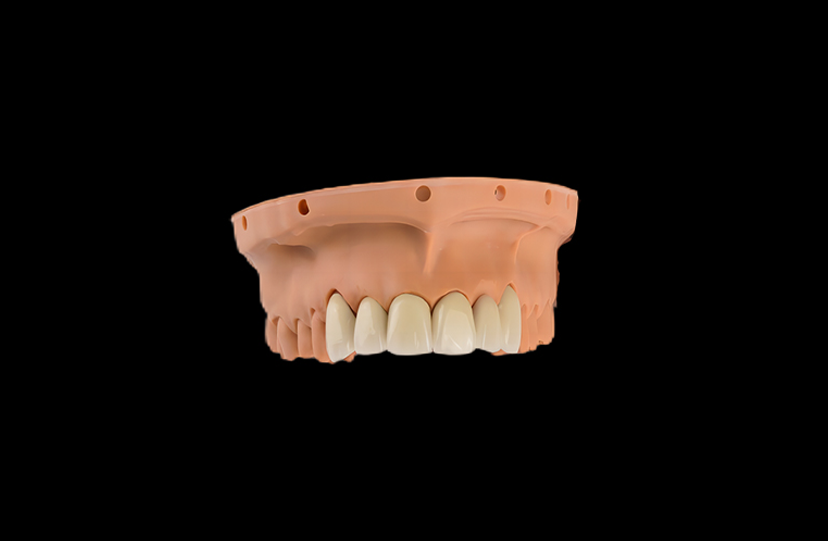
 Framework.webp "High-Performance Polymer (HPP) Framework")
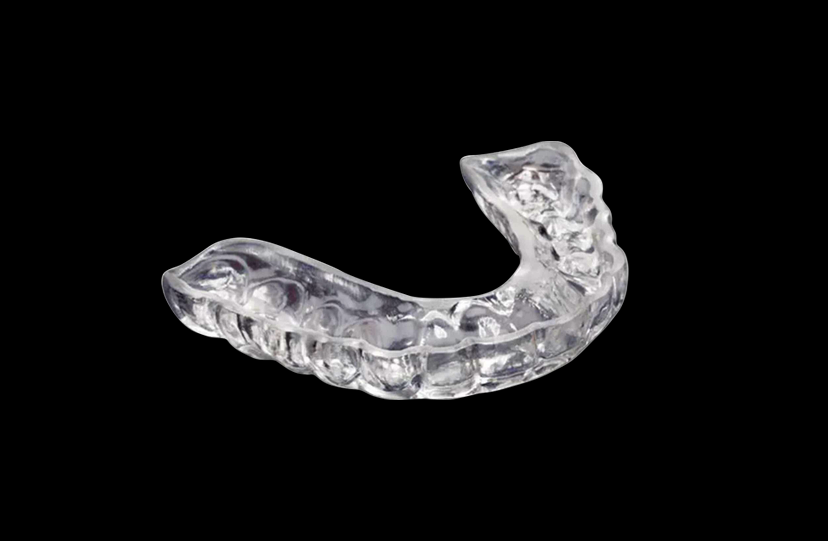
 Partial.webp "Cobalt-Chrome (Co-Cr) Partial")