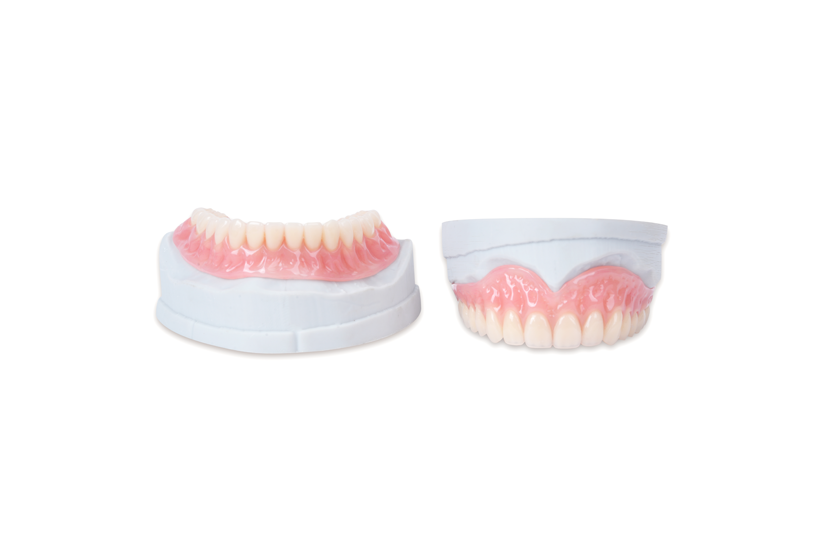
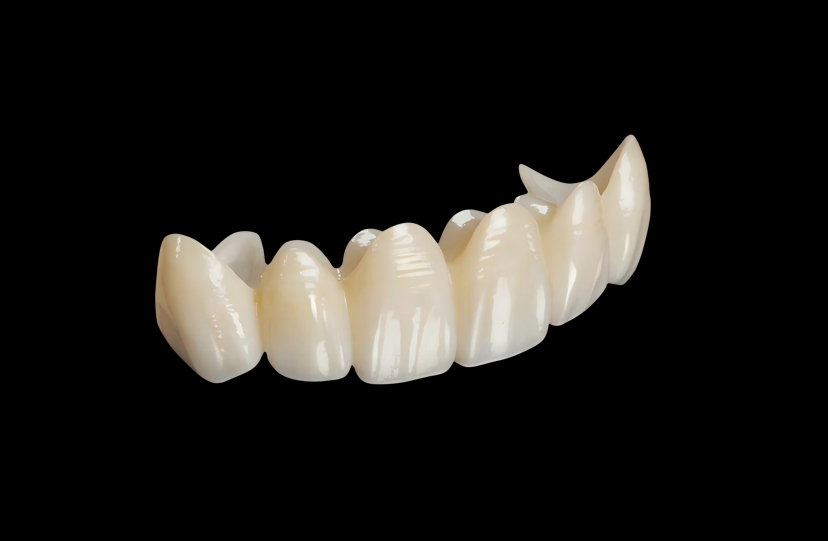
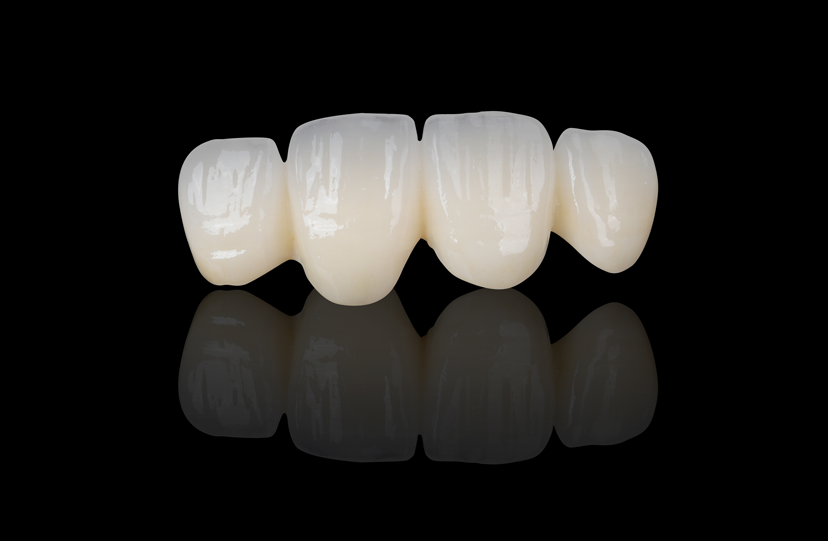
Why Choose White Gold PFM for Premium Dental Crown Fabrication?
Quick Answer
White Gold PFM (porcelain-fused-to-metal) restorations combine a high-noble alloy framework containing palladium, platinum, and gold with layered ceramic, providing strength for posterior crowns and long-span bridges. This material choice offers good biocompatibility when appropriately formulated and processed, predictable marginal fit, thermal stability during firing cycles, and the potential for long-term clinical service. Dental laboratories use white gold noble alloys for cases requiring durability under occlusal forces while maintaining corrosion-resistant performance in the oral environment.
Introduction
Making dental restorations requires materials that balance mechanical performance with patient safety and clinical reliability. Posterior restorative cases have special challenges: patients bite down hard on the back teeth, bridges that span multiple units need rigid frames to help prevent bending, and dentists want accurate fits to reduce remakes and adjustments made in the chair.
In recent years, the market for dental materials has grown beyond basic metal alloys and toward high-quality choices that address biocompatibility considerations without losing structural integrity. White Gold PFM restorations are used by prosthodontists, implant specialists, and dental laboratory professionals who need reliable results in demanding clinical situations. This technology combines the long-established use of noble metals with the accuracy of current CAD/CAM technology to produce restorations designed for long-term clinical service.
What Are White Gold PFM Restorations?
White Gold PFM crowns and bridges have a metal base made of high-noble alloys with controlled amounts of palladium, platinum, and gold. They are then covered with dental-grade porcelain that is designed to resemble natural teeth. "White gold" refers to these silver-toned noble metal frameworks that are different from regular yellow gold alloys.
In order to meet applicable requirements for high-noble dental alloys, the core framework may contain a substantial proportion of precious metals by weight, depending on the specific alloy formulation. Adding palladium and platinum to the alloy can increase stiffness and raise its melting point compared to some yellow gold formulations. Adding silver can reduce material cost in certain formulations. When appropriately formulated, these ingredients provide a base designed to support porcelain during controlled firing processes.
Precision wax casting and modern CAD/CAM milling from alloy blocks that have already been made are two ways that frameworks are made. The metal coping can help mask discolored abutment teeth by providing an opaque substructure, and the feldspathic porcelain layers provide the visible surfaces with translucency and shade matching. The chemical bond between the ceramic and metal oxide layers helps maintain the ceramic-metal interface under functional stress when the materials and processing procedures are properly selected.
Benefits of White Gold PFM Technology
Exceptional Mechanical Durability
For posterior dental cases, crowns need to be able to handle frequent compressive forces during chewing. White Gold PFM frames can provide high mechanical strength that helps support thin sections when appropriately designed. This can allow conservative tooth preparation while maintaining structural integrity. This mechanical performance can also be beneficial for patients with parafunctional habits when the restoration is appropriately designed and indicated.
When building a long-span bridge, the framework needs to be sufficiently rigid to help limit bending, which could contribute to retainer loosening or connector failure. Because palladium and platinum can increase alloy stiffness, certain white gold formulations can provide greater rigidity than some yellow gold formulations. This makes three-unit and larger prosthetics possible in posterior areas when the material is appropriately selected and designed.
Superior Biocompatibility Profile
Many noble metals offer good corrosion resistance in the oral environment. Nickel-chromium base metal alloys may cause allergic reactions in people who are sensitive to nickel, while appropriately formulated white gold alloys can be selected for patients where noble metal composition is preferred. Noble metal compositions generally offer good resistance to corrosion when exposed to saliva and other oral conditions, helping maintain the integrity of the restoration.
Clinical performance depends on alloy composition, processing, finishing, and individual patient factors. The risk of gingival staining may be lower when reactive base metals are not present. However, dentists should be aware that silver components in some versions may sometimes contribute to slight grayish shadowing in thin gingival biotypes under certain lighting conditions.
Predictable Marginal Precision
The way thermal expansion works has a direct effect on how well the restoration fits. White gold alloys can be selected with coefficients of thermal expansion that are compatible with specific ceramic systems. This thermal compatibility helps maintain the fit of the restoration during controlled porcelain firing cycles.
Controlled dimensional behavior can help reduce potential microleakage pathways when the restoration is properly designed, fabricated, and cemented. Dental labs can achieve precise margin adaptation by using appropriate casting or milling methods and quality control procedures. Properly fabricated white gold frameworks can reduce the need for extensive occlusal or proximal modification, helping practitioners spend less time adjusting patients during delivery.
Advantages Over Alternative Restorative Materials
When you compare White Gold PFM technology to other options, you can see that it has several clinical advantages depending on the case:
Versus Base-Metal PFM Alloys: White gold noble metal alloys can offer good corrosion resistance and may be preferred when nickel sensitivity or noble metal composition is a consideration. Their corrosion resistance can support long-term restoration performance when properly formulated and maintained. Even though the materials may cost more, the overall value can be influenced by case requirements, remake rates, and maintenance needs.
Versus Yellow Gold PFM: Certain white gold formulations can provide additional stiffness for long-span bridges because of their palladium and platinum content. The appropriate melting temperature and thermal compatibility can help reduce framework distortion during repeated porcelain firing when proper laboratory procedures are followed. Thermal compatibility during cooling cycles can also help manage stress at the metal-ceramic interface.
Versus All-Ceramic Restorations: White gold frames can provide structural support in limited vertical spaces where ceramic materials may require careful thickness management. Metal substructures can allow relatively thin framework designs in selected areas while maintaining support for the ceramic layers. Because the metal substructure is opaque, it can also help mask heavily discolored abutments that may be difficult to mask with more translucent ceramic systems.
Versus Zirconia-Based Systems: Zirconia offers excellent esthetics and strength, while White Gold PFM can be used with metal-occlusal designs in selected cases where an alternative occlusal approach is desired. Compared with monolithic zirconia staining protocols, established porcelain layering techniques can give experienced ceramists additional control over shade matching and characterization.
These benefits make white gold noble alloy restorations an option when biocompatibility considerations, established clinical use, and posterior strength are important factors in material selection.
Disadvantages and Considerations
To do a balanced review, you have to be aware of your limits. Certain limitations that affect case selection are present in White Gold PFM restorations.
Due to the precious metal content, material costs are generally higher than base-metal alternatives. However, the overall value can be influenced by total case costs, including remakes, laboratory procedures, and expected service requirements. Practices need to consider whether investing in premium materials fits with the types of patients they have and how much they charge.
The metal frame makes it opaque, which means it may be less suitable for highly esthetic front areas where maximum translucency is important. In some lighting situations, patients with thin gingival tissues and deep smile lines may see some dark shadowing at the gingival margins. This can be reduced through appropriate margin placement, material selection, and clinical technique.
Some white gold products contain silver, which may contribute to gingival discoloration in certain situations over long periods of time. This may be more noticeable in people with very thin gingival tissues. The effect can vary according to alloy composition and individual patient conditions.
Porcelain fracture is still a possible complication with any PFM restoration. This can happen because the framework design is inadequate, the occlusal design is inappropriate, the ceramic thickness is not properly controlled, or other clinical factors are present. This risk can be reduced when the connectors are appropriately sized, the porcelain has suitable thickness, and patients receive appropriate instructions regarding parafunctional habits.
Comparison With Related Dental Alloy Systems
| Property | White Gold PFM | Yellow Gold PFM | Base-Metal PFM | Zirconia Crown |
|---|---|---|---|---|
| Noble metal content | Varies by alloy formulation | 40-80% (high-noble) | <25% (non-noble) | 0% (ceramic) |
| Flexural strength | High, depending on alloy | High | Very high | Extremely high |
| Biocompatibility | Good, depending on composition | Excellent | Good (allergy considerations) | Excellent |
| Thermal stability | Good to superior | Good | Variable | N/A |
| Framework rigidity | Excellent, depending on alloy | Good | Excellent | Excellent |
| Cost efficiency | Moderate | Lower (precious metal) | Highest | Moderate |
| Aesthetic potential | Good (opaque substructure) | Good (opaque substructure) | Good (opaque substructure) | Excellent (translucent) |
| Ideal applications | Posterior crowns, long bridges | Posterior single units | Cost-sensitive cases | Anterior/posterior single units |
This comparison shows that White Gold PFM has a balanced profile for posterior multi-unit cases where rigidity, material composition, and clinical requirements need to be considered together.
Clinical Indications and Application Scenarios
In certain clinical situations, White Gold PFM noble alloy frameworks can work especially well:
Posterior Crown Fabrication: The material can provide strength even when there isn't much space between the teeth, which can be useful for single molar and premolar restorations. Cases with a clearance of 1.0 to 1.5 mm can be designed to provide appropriate structural support while limiting unnecessary tooth reduction.
Long-Span Bridge Construction: Frames for three-unit prostheses and larger ones need to be sufficiently stiff to help limit bending under functional loads. White gold can be considered for second-premolar-to-second-molar gaps and longer designs when its rigidity and other material characteristics are appropriate.
Bruxism and Parafunctional Cases: Patients who grind their teeth place additional stress on restorative materials. The wear resistance and mechanical properties of white gold can make it a consideration for these cases when appropriate occlusal design and maintenance are provided.
Implant-Supported Restorations: The precision and thermal stability of the metal can support screw-retained and cement-retained implant crown applications when the framework, abutment, and ceramic systems are appropriately matched.
Discolored Abutment Coverage: Metal posts, tetracycline staining, and darkened dentin may require opaque substructures. The metal frame can help mask discoloration that might remain visible through highly translucent all-ceramic materials.
Patients who are sensitive to specific alloy components, high-aesthetic front areas that need maximum light transfer, and situations where all-ceramic materials would meet functional needs and provide the desired appearance are all examples of situations where this method may not be appropriate.
Materials and Alloy Composition
White Gold PFM dental alloys are made up of several metals that are mixed to achieve the desired chemical and physical properties:
Palladium: Primary alloying element (typically 30–60% by weight in some formulations) that can raise the melting point, increase hardness, and improve corrosion resistance. Palladium contributes to the metal's distinctive white color and can support biocompatibility when appropriately formulated.
Platinum: Added in smaller amounts (5–15% in some formulations) to raise the melting point and make the structure more rigid. Platinum can contribute to noble metal classification and corrosion resistance.
Gold: Present in varying amounts depending on the alloy formulation to maintain noble metal characteristics and support casting performance. The amount of gold in white gold alloys varies according to the intended material properties and composition.
Silver: Added to some mixtures to modify color and material cost. Silver can affect thermal conductivity and may contribute to gingival shadowing in certain thin-tissue biotypes.
Minor Elements: Tiny amounts of indium, gallium, or tin can act as ceramic bonding agents to support adhesion between metal and porcelain. During the first firing, these elements oxidize and contribute to the chemical bonding layer.
The choice of material has a direct effect on how well it works. Higher amounts of palladium and platinum can influence material rigidity and stability at high temperatures. Controlling the amount of silver can help balance material cost and other material properties. Alloy composition and biocompatibility should be evaluated according to the applicable material standards and testing requirements.
Manufacturing Workflow and Production Process
White Gold PFM is made according to organized procedures that guarantee uniform quality:
Case Evaluation and Planning: Lab workers look at the specifics of the prescription, photos of the preparation design, and relationships between opposing arches. The base shape is made from digital photos or traditional impressions.
Framework Design: CAD software makes the metal base with the right connector sizes, margin adjustments, and porcelain support structure. Designs include a framework width of 0.3 to 0.5 mm and enough bulk in stress-bearing areas.
Framework Fabrication: There are two main ways to make frameworks. The first is traditional lost-wax casting, which involves pouring molten alloy into wax patterns and casting them under vacuum or centrifugal force. Modern CAD/CAM milling tools use multi-axis accuracy to cut frames from white gold blocks that have already been made.
Framework Finishing: The surface of cast or milled copings is smoothed out to get rid of investment dust or machining lines. Careful smoothing is done on the margins to make the transition smooth. To get bonding surfaces ready, frameworks are cleaned with ultrasonication and oxidized.
Porcelain Application: Dental ceramists use opaque layers to hide the color of the metal, then build up dentin and enamel porcelain layer by layer to get the right shade and shape. Porcelain layers are fired at controlled temperatures (usually 900–950°C) according to the ceramic manufacturer's instructions.
Characterization and Glazing: The surface texture, the way the stain is applied, and the final firing of the glaze all contribute to the tooth-like appearance and surface characteristics. Controlled rates are used during cooling processes to help reduce thermal stress between metal and ceramic parts.
Quality Control Inspection: Before being sent out, every restoration goes through a quality control inspection that checks the margins, the occlusal relationship, the shade, and the surface quality. Digital records keep track of the condition before delivery.
Cost Factors Influencing White Gold PFM Pricing
The final cost of White Gold PFM noble metal restorations depends on several factors, including:
Material Content: The prices of precious metals change with market prices. Higher percentages of palladium and platinum can raise the cost of raw materials while contributing to specific material properties.
Unit Configuration: Single crowns need less work and materials than bridges with multiple units. Long-span prostheses need more framework reinforcement and more time to be made.
Needs for Customization: Standard shade matching from manufacturer guides takes less technical time than custom characterization matching next to natural teeth or photos.
Fabrication Method: For waxing and finishing, traditional casting methods need skilled workers. While CAD/CAM milling is consistent, it needs a large investment in capital equipment, which is represented in the price of the service.
Turnaround Time: Standard production scheduling makes the most of the flow of work. There may be extra fees for expedited cases that need to be handled right away, but some labs offer fast service at regular prices.
Regulatory Compliance: Materials that meet applicable FDA requirements, ISO 13485-certified production systems, and written quality procedures are all extra costs that support quality management and regulatory compliance.
Volume Relationships: Practice-laboratory partnerships that have been around for a while often benefit from volume pricing structures that offer better rates for steady case flow.
How to Choose a White Gold PFM Supplier
To find a trustworthy dental laboratory partner, you need to carefully consider several factors for your White Gold PFM needs:
Manufacturing Capability: Make sure the facility has both traditional casting machines and newer CAD/CAM milling systems, so it can meet a wide range of case needs. Offering tours or thorough information about the facility shows that it is open and transparent.
Quality Management Systems: The lab's ISO 13485:2016 certification shows that it follows documented quality standards for checking materials, monitoring the production process, and performing final review. Ask for proof of certification and relevant audit documentation.
Regulatory Compliance: Make sure that facilities that ship to the United States have the applicable FDA registration and device listing status required for their products. FDA registration or listing should not be presented as FDA approval or endorsement. For products to be sold in Europe, applicable CE marking and Medical Device Regulation requirements should be verified for the specific product and market.
Technical Knowledge: Find out how much experience the lab has making things out of white gold. Ask for examples of work that show how well the margins are aligned, the porcelain layers are applied, and the colors can be matched. Laboratories that have worked with noble metals for 15 years or more may offer relevant experience for complex cases.
Customization Flexibility: Find out how willing the company is to meet special requests like custom color formulations, non-standard preparation designs, and needs that are specific to the case. Rigid labs that don't allow customization might not work for complicated cases.
Communication Responsiveness: Check how quickly questions are answered and how easy it is to get in touch with expert help. Laboratories that let technicians talk to each other directly about cases show that they are committed to working together to solve problems.
Delivery Dependability: Make sure you can keep your normal return promises and use fast service when it's available. Reliable logistics partnerships help ensure that cases that need to arrive quickly do so on time. Practice security comes from having emergency help for important scenarios.
Warranty and After-Sales Support: Look at the terms of coverage for problems with quality. Warranty programs, such as 2+ years for fixed restorations where offered, with clear rules on how to repair or replace work, provide additional clarity for practices.
Client References: Ask current clients of similar types of practices for their contact information. Direct feedback from peers shows practical truths that marketing materials might not show.

Maintenance and Service Life Optimization
With the right care, a White Gold PFM restoration can provide long-term clinical service:
Patient Education: Talk to your patients about how to clean their teeth properly with fixed prosthetics. Focus on cleaning between teeth around the edges of the crown and bridge pontics. Don't let people get into bad habits like eating ice or opening packages with their teeth.
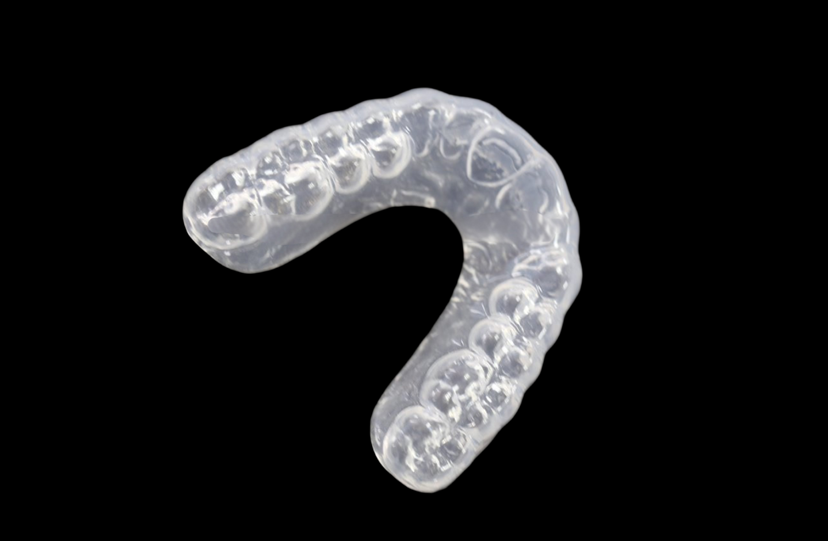
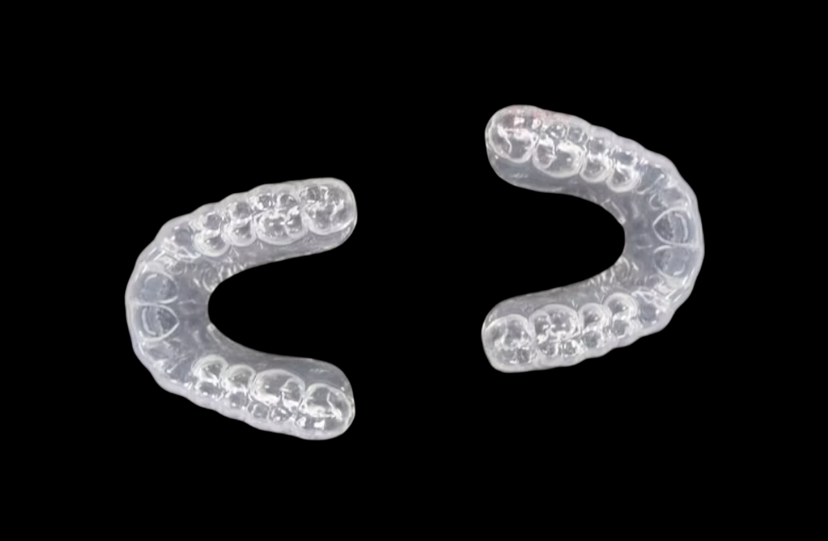
Occlusal Monitoring: Check the occlusion at reminder appointments and make any necessary adjustments to avoid excessive loading that could break porcelain or affect the opposing teeth. People who bruxism need to have a nightguard made to protect their restorations while they sleep.
Margin Integrity Assessment: Check the points where the cement and tooth meet to see if the seal has broken. If marginal defects are found early, they can be addressed before secondary cavities form. Putting the margins in the right place during preparation—0.5 to 1 mm below the gum line in the cosmetic zones—can make home care easier.
Professional Cleaning Rules: Hygienists should avoid abrasive prophylaxis pastes on porcelain surfaces because they could damage the glaze. To keep the margins from getting damaged, ultrasonic scalers need to be carefully angled at the tip.
Periodic Radiographic Evaluation: Bitewing radiographs can help identify cavities or changes in the bone around bridge teeth before they cause complaints. Early action can help protect the restoration and supporting structures.
White gold noble alloy restorations can provide long-term clinical service when properly designed, maintained, and monitored.
Key Takeaways
White Gold PFM technology provides posterior cases with mechanical performance, biocompatibility considerations, and fit characteristics that can meet a range of clinical requirements. The high-noble alloy is made up of controlled amounts of palladium, platinum, gold, and other alloying elements depending on the formulation. It is used to make frameworks designed to withstand functional biting forces and resist corrosion in the oral environment. Appropriate thermal compatibility helps support the metal-ceramic interface during porcelain firing and can reduce the risk of processing-related complications.
Clinical applications include posterior crowns, long-span bridges, bruxism cases, implant restorations, and situations where the abutment needs to be covered in a discolored material. The material can provide greater rigidity than some yellow gold formulations, which makes it an option for multi-unit prostheses where framework rigidity is an important consideration.
Proper maintenance through patient education, occlusal tracking, and professional care routines can help these restorations provide long-term service, supporting value for practices and lasting function for patients.
FAQ
What makes white gold different from yellow gold in dental restorations?
White gold metals can contain more palladium and platinum than traditional yellow gold formulations, which gives them a silver-white color and can make them stiffer. The melting temperature and thermal expansion characteristics can support compatibility with selected porcelain systems when the appropriate materials and firing protocols are used. Because some White Gold PFM frameworks can provide increased rigidity, they may be considered for long-span bridges that need structural support. Yellow gold, on the other hand, can still be suitable for single-unit posterior crowns depending on the case requirements, material selection, and cost considerations.
Can white gold PFM cause allergic reactions?
White gold high-noble alloys are generally selected for their corrosion resistance and biocompatibility characteristics, but the risk of sensitivity depends on the specific alloy composition and individual patient factors. Base metal alloys may contain nickel, which can cause sensitivity in susceptible individuals. White gold formulations can contain palladium, platinum, gold, silver, and other elements depending on the specific alloy. Patients with a known metal allergy should discuss the alloy composition with their dentist before a permanent restoration is made. Some white gold formulations contain silver components that may contribute to minor discoloration of the gums in certain cases.
How long do white gold crowns typically last?
When made correctly and properly maintained, White Gold PFM restorations can provide long-term clinical service. How long something lasts relies on many things, such as the occlusal forces, how well the patient cleans their teeth, how well the margins are placed, and how well they are maintained. Patients who receive good home care, regular professional cleaning, and appropriate protection for bruxism may achieve extended service life. The noble metal framework is highly corrosion resistant; porcelain fracture, marginal changes, biological factors, or other clinical conditions may determine when replacement is needed.
Is there thermal shock risk when layering porcelain on white gold?
If the firing instructions are wrong, differences in the coefficients of thermal expansion between metal and ceramic can cause stress during cooling. The temperature curves for white gold alloys and yellow gold formulations may not be the same. For the appropriate technique, the cooling cycles should follow the porcelain and alloy manufacturer's recommendations so that the metal and porcelain can stabilize appropriately. Laboratories should use porcelain systems recommended for the selected alloy to support chemical compatibility and bonding performance. Delamination problems can be reduced by following manufacturer schedules.
Why choose white gold over zirconia for posterior crowns?
When strength in a limited space, established clinical use, and occlusal considerations are more important than maximum transparency, White Gold PFM frameworks can be an appropriate option. Metal substructures allow conservative preparations in selected cases, can help mask severe discoloration, and allow metal-occlusal designs when indicated. Zirconia provides high strength and translucency options, but preparation requirements depend on the specific zirconia system and clinical design. Both materials can be suitable for posterior restorations, but the best choice depends on the individual case.
Partner With HYC for Precision White Gold PFM Manufacturing
HYC Dental Laboratory brings 22 years of specialized expertise in high-noble metal restoration fabrication, delivering White Gold PFM crowns and bridges designed to meet the standards dental professionals demand. Our ISO 13485:2016-certified facility combines advanced CAD/CAM precision with master ceramist craftsmanship, producing restorations with a focus on fit accuracy and consistent quality. We use materials that meet applicable regulatory and material requirements, with product-specific compliance documentation available for applicable markets. Standard cases ship within three days, with expedited service available for urgent clinical needs at no additional charge. Our comprehensive warranty program—two years for fixed restorations—includes repair or remake for eligible quality-related concerns according to applicable warranty terms, supported by responsive technical consultation throughout the coverage period. Whether your practice requires single posterior crowns or complex multi-unit implant bridges, HYC's experience serving dental clinics, laboratory partners, and DSO organizations positions us as a reliable supplier. Contact our technical team at info@hycdentallab.com to discuss your specific case requirements and learn more about HYC's approach to restorations that combine clinical performance with patient-focused results.
References
1. Anusavice, K.J., Shen, C., and Rawls, H.R. (2013). Phillips' Science of Dental Materials (12th Edition). St. Louis: Elsevier Saunders.
2. Rosenstiel, S.F., Land, M.F., and Fujimoto, J. (2016). Contemporary Fixed Prosthodontics (5th Edition). St. Louis: Mosby Elsevier.
3. Craig, R.G. and Powers, J.M. (2012). Restorative Dental Materials (13th Edition). Philadelphia: Mosby.
4. Wataha, J.C. (2012). "Biocompatibility of Dental Casting Alloys: A Review." Journal of Prosthetic Dentistry, 83(2), 223-234.
5. Goodacre, C.J., 6. Bernal, G., Rungcharassaeng, K., and Kan, J.Y. (2003). "Clinical Complications with Implants and Implant Prostheses." Journal of Prosthetic Dentistry, 90(2), 121-132.
6. McLean, J.W. and von Fraunhofer, J.A. (1971). "The Estimation of Cement Film Thickness by an In Vivo Technique." British Dental Journal, 131(3), 107-111.
YOU MAY LIKE
 Framework.webp "High-Performance Polymer (HPP) Framework")