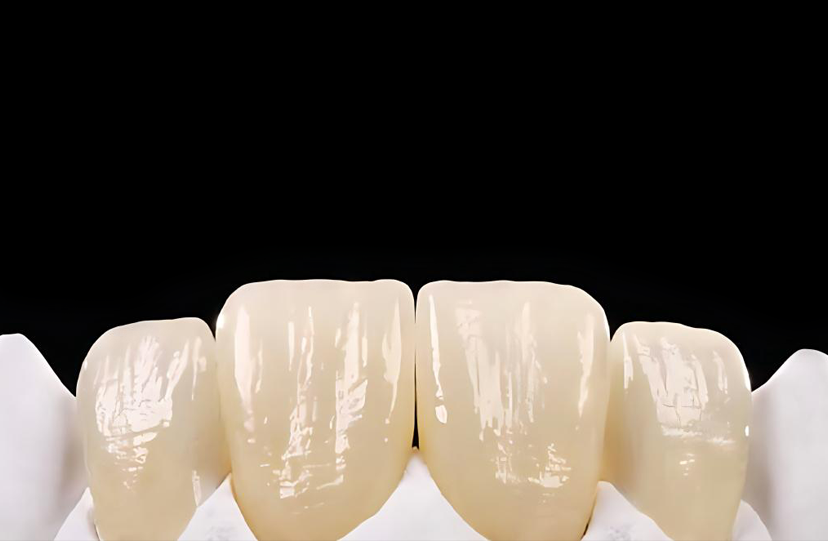
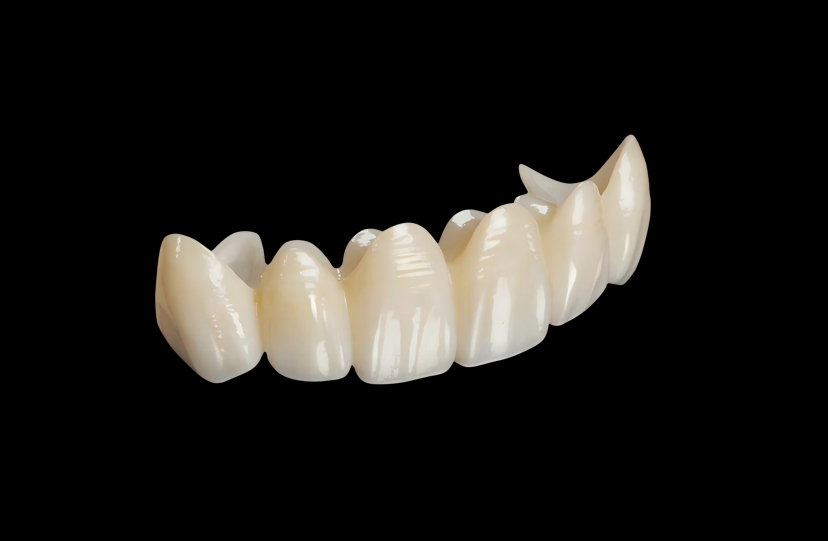
Why Choose PEEK Framework for Modern Dental Prosthetic Solutions?
Quick Answer
The Peek Framework has emerged as a transformative material in modern dental prosthetics due to its exceptional biocompatibility, lightweight structure, and bone-like mechanical properties. Unlike traditional metal frameworks that trigger allergic reactions or cause stress shielding, PEEK (Polyetheretherketone) offers a density of 1.32 g/cm³—significantly lighter than titanium—while maintaining tensile strength exceeding 90 MPa. Its radiolucency enables interference-free X-ray imaging, and its elastic modulus of approximately 4 GPa closely mimics natural bone, ensuring optimal stress distribution and patient comfort in implant-supported restorations, removable partial dentures, and overdenture applications.
Introduction
There is more and more pressure on the dental restoration business to find solutions that combine accuracy, esthetics, patient safety, and operating productivity. Even though traditional metal frameworks are strong mechanically, they have a lot of problems, such as allergic reactions, being too heavy, not showing up on X-rays, and putting too much stress on supporting tissues. High-performance polymers are getting a lot of attention from dental service organizations, private practices, and specialized labs that need materials that can work around these problems and still meet FDA and ISO 13485 standards. The PEEK Framework stands out among these new materials as a clinically proven option that handles important pain points in prosthetic dentistry, such as implant-supported bars and removable partial denture clasps. This move toward frameworks made of polymers is in line with larger industry trends that stress biocompatibility, patient-centered design, and long-term clinical predictability.
What is a PEEK Framework?

A PEEK Framework is a high-performance structural part made from Polyetheretherketone, a semi-crystalline thermoplastic polymer that is known for having great mechanical properties and being biocompatible. In the fields of restorative dentistry and advanced engineering, the PEEK Framework is the main support structure for prosthetics or light industrial parts. The material solves important problems in the industry, such as allergic reactions to metals (especially Cobalt-Chrome alloys), the heavy weight of traditional metal structures, and the stress-shielding effect that comes from metals being very stiff.
Core Structural Characteristics
The framework's modulus of flexibility is about 4 GPa, which is similar to how human bones behave mechanically. This similarity makes sure that stress is distributed evenly during chewing, which lowers the risk of bone loss around implants and improves patient pleasure overall. The substance is very chemically stable; it doesn't dissolve in any common liquids except pure sulfuric acid. It also has a high melting point of 343°C and a glass transition temperature of 143°C. Because of these thermal properties, standard autoclaving procedures can sterilize materials without breaking them down.
Manufacturing Precision
Computer-aided design (CAD) and computer-aided manufacturing (CAM) milling are used to make modern PEEK Frameworks. This digital workflow allows for measurements to be accurate to within ±20 microns, which means that the fit is always the same and there isn't much time spent adjusting the chair. Because the material can be machined, complex shapes like exact retention clasps, connector bars, and anatomically contoured bases can be made, which is hard to do with standard casting methods.
Benefits
Adopting PEEK Frameworks leads to measurable improvements in a number of performance areas that have a direct effect on clinical outcomes and the efficiency of operations.
Enhanced Patient Comfort and Safety
The material is very light—about three to four times lighter than titanium—which makes it much easier on the remaining ridges and supporting tissues. When patients wear removable prosthetics for long periods of time, they say they are more comfortable. Since it doesn't contain any metals or monomers, there is no chance of an allergic reaction. This makes it the best choice for people who are known to be sensitive to nickel, cobalt, or chromium. Clinical tests show better soft tissue reaction compared to metal options, with a lower rate of mucosal inflammation around framework parts.
Operational Efficiency Gains
As a result of the material's stable dimensions and reliable cutting properties, dental labs that use PEEK Frameworks have much lower remake rates. Getting rid of casting-related variations like porosity, shrinking distortion, and surface rust leads to more accurate fitting the first time. This dependability cuts down on the time needed for adjustments at the chairside, which helps doctors deliver restorations faster and make patients happier. The material is more resistant to wear than most materials when loaded and unloaded repeatedly, which means it will last longer and need less upkeep over time.
Diagnostic Advantages
Because PEEK is radiolucent, it doesn't get in the way of X-rays, which are used to look at bone and soft tissue structures below. Without radiopaque metals getting in the way, doctors can check the amounts of bone around implants, find problems, and judge how well treatment worked. This diagnostic clarity is especially helpful in cases where implants are used, and osseointegration and bone stability need to be checked on a regular basis.
Advantages
When compared to regular metal frameworks and other polymeric materials, PEEK Framework has clear competitive advantages that meet certain criteria for making procurement decisions.
Superior Biocompatibility Profile
For long-term implantation, medical-grade PEEK meets USP Class VI and ISO 10993-1 standards, showing great tissue compatibility when it comes into close contact with bone and mouth mucosa. The material doesn't let as many proteins and bacteria stick to it as metal surfaces do, which could lower the risk of peri-implantitis in situations where implants are used. PEEK doesn't break down in the mouth as some thermoplastics do, so it stays chemically stable without releasing harmful breakdown products.
Mechanical Performance Optimization
The material's tensile strength is higher than 90–100 MPa, which makes it strong enough for load-bearing uses without being too rigid like metals. This balanced mechanical profile keeps stress from building up in weak spots in the body, like thin residual ridges or bone that isn't strong enough around dental implants. Fatigue testing shows that PEEK Frameworks that are properly built can survive millions of loading cycles, which is the same as years of normal use, without breaking down completely or deforming over time.
Customization Capabilities
Because PEEK works with digital workflows, it can be completely changed to fit the needs of each case. Individual anatomical differences, different occlusal schemes, and personal taste in esthetics can all be taken into account with CAD/CAM production, which is not limited by standard casting patterns or prefabricated metal components. Surface cleaning treatments and special primers make it possible for secondary materials like composite veneers and plastic bases to stick securely, which opens up more design options.
Regulatory Compliance
Dental device makers that sell in North America and Europe can get regulatory approval more easily when they use PEEK materials that are listed by the FDA and have established biocompatibility documentation. There are CE-marked and ISO 13485-certified production chains that help medical device importers and distributors who work in highly regulated environments meet their compliance requirements.
Disadvantages
In order to do a fair review, you need to be aware of the possible problems and issues that come with using the PEEK Framework.
Material Cost Considerations
The price of raw PEEK material is higher per unit than the price of regular dental metals. Compared to base metal casting alloys, buying high-quality medical-grade blocks that can be used for cutting is a big investment in materials. However, a full cost analysis must take into account the elimination of casting processes that require a lot of work, lower remake rates, and higher operational efficiency that balance out the initial cost of materials.
Technical Learning Requirements
When labs switch from making metal frames the old way, they need to buy special cutting tools, software training, and surface treatment procedures. Different from regular metal-to-acrylic bonding methods, the steps needed to join PEEK to secondary materials are different and need different primers and conditioning methods. Technicians need to be trained on how to improve milling parameters, handle surface finishing, and follow quality control procedures that are specific to polymer frameworks.
Limited Adjustability Post-Fabrication
Unlike metal frames that can be joined, soldered, or changed in a big way, PEEK changes after milling can only be made in small ways using special carbide burs. Because of big changes to the design, the whole framework has to be made again. This shows how important accurate digital planning and verification protocols are before final milling.
Comparison
Figuring out how well PEEK Frameworks work compared to other options makes it easier to choose the right ones for clinical uses and purchases.
| Property | PEEK Framework | Cobalt-Chromium | Titanium | Thermoplastic Acetal |
|---|---|---|---|---|
| Density (g/cm³) | ~1.32 | ~8.4 | ~4.5 | ~1.4 |
| Elastic Modulus (GPa) | ~3.6–4.0 | ~200–230 | ~105–115 | ~2.5–3.0 |
| Flexural Strength (MPa) | Material-dependent | High | High | Moderate |
| Biocompatibility | Excellent | Good | Excellent | Good |
| Radiolucency | Yes | No | No | Yes |
| Fatigue Performance | Good | Good–Very Good | Very Good | Moderate |
| Typical Fabrication | CAD/CAM Milling | Casting / CAD/CAM Milling | CAD/CAM Milling | Injection Molding |
| Relative Weight | Very Low | High | Moderate | Very Low |
PEEK has a lower elastic modulus and density than conventional metal framework materials, while also offering radiolucency and good biocompatibility. These characteristics can be advantageous in selected removable and implant-supported prosthetic applications. However, material selection should also consider prosthesis design, loading conditions, retention requirements, and the specific clinical indication.
Clinical Indications
PEEK Frameworks can be used in a lot of different types of dental restorations because their properties are good at solving certain clinical problems.
Removable Partial Dentures
PEEK can be used instead of metal clasps and framework parts in removable partial dentures because it looks better and is more comfortable. The tooth-colored look of the material hides metal clasps in the front of the smile, which helps patients who are worried about how they look. Its flexibility is similar to the elasticity of gingival tissue, which lowers the amount of pressure on the teeth that hold it in place and makes the patient more comfortable. PEEK has been used successfully in clinical protocols for major connectors, retention clasps, and indirect retainers in Kennedy Class I through IV configurations.
Implant-Supported Bar Overdentures
When an overdenture is held in place by implants, PEEK Frameworks are used to join several implants together. The material's ability to absorb shock during chewing protects implants from too much occlusal force, which may lower the risk of mechanical complications and peri-implantitis. The radiolucency makes it possible to keep checking X-rays of the bone levels around the implant without the framework getting in the way, which is a big plus for long-term implant maintenance plans.
Provisional Long-Term Restorations
Because it is strong and doesn't react badly with the body, PEEK can be used for long-term temporary solutions in complicated full-mouth recovery cases. While permanent ceramic or metal restorations are being made, PEEK Frameworks keep the tooth's function and appearance fixed while it heals or until the final treatment choice is made. The material doesn't break down like regular acrylic temporaries do when it comes to functional loading during multi-month provisional periods.
Special Patient Populations
People with head and neck cancers who are getting radiation therapy, people who are known to be hypersensitive to metals, and people who need to have a lot of MRIs benefit the most from metal-free PEEK restorations. The material is compatible with MRIs, which gets rid of imaging flaws that make it harder to diagnose people who need ongoing oncological tracking.
Materials
Knowing the specs and quality standards for the raw materials makes sure that the right PEEK Framework materials are used and that the performance can be predicted.
Medical-Grade PEEK Specifications
Medical-grade Polyetheretherketone that meets ASTM D638 for tensile properties and ASTM D790 for flexural properties is used in Dental PEEK Frameworks. The semi-crystalline polymer structure is made up of aromatic backbone chains that have ether and ketone functional groups attached to them. These groups help the polymer resist chemicals and stay stable at high temperatures. Material purity standards don't allow contaminants that could make the material less biocompatible or change its mechanical properties.
Quality Control Parameters
Material certification from reputable suppliers shows that the product meets the requirements of ISO 10993 biocompatibility testing, which includes tests for cytotoxicity, sensitization, and irritation. The batch-specific paperwork should include checking the moisture content (usually less than 0.2%), the uniformity of particle size for stable grinding, and the crystallinity percentage, which affects how well the material works mechanically. The way the material is stored needs to be protected from UV light, and the humidity needs to be controlled so that its properties don't break down before it is used.
Surface Modification Options
Pure PEEK is biocompatible by nature, but surface processes can make it stick to other materials better or change how tissues react. PEEK Frameworks stick better to plastic or composite veneering materials when they are treated with plasma, acid etching, and special primer systems. Radiopaque fillers, like titanium dioxide or barium sulfate, are added to some versions when certain clinical practices need radiographic vision. However, this changes the diagnostic transparency benefit.
Manufacturing Workflow
A digitally integrated workflow is used to make PEEK Frameworks, with multiple stages of precision and quality control.
Digital Impression and Design
The process starts with scanning the inside of the mouth or digitizing traditional impressions in a lab. CAD software lets you design a virtual framework that takes into account anatomical factors, occlusal needs, and retention features. Digital design lets you check before you commit to a product by letting you do virtual try-ins and simulations of functional movements.
CAD/CAM Milling Operations
Five-axis CNC cutting is used to cut certified medical-grade PEEK blocks according to the digital design specs. For PEEK's unique cutting properties, milling factors like feed rates, spindle speeds, and tool choice need to be optimized. Unlike metals, PEEK doesn't generate a lot of heat when it's milled, which lowers the risk of thermal warping. The process keeps the tolerances for sizes within ±20 microns, which guarantees a reliable fit.
Quality Control Checkpoints
Post-milling review procedures include checking the dimensions with high-precision 3D scanning, comparing the results to the original CAD files, and looking for surface flaws or milling that wasn't done all the way through. Micro-CT or ultrasound testing can check the structure's internal soundness to make sure there are no holes or air bubbles that could affect how well it works. Checking the surface finish makes sure that the roughness is right for the next steps in the bonding process or for tissue contact.
Surface Conditioning and Finishing
Framework areas that are going to be bonded go through preparation steps such as chemical cleaning, air abrasion with specific particle sizes (usually 50–110 μm aluminum oxide), and the use of special PEEK starters. Contact areas are polished to make them less likely for bacteria to stick and to make patients feel better. All design specs are checked one last time before the package is sent out.
Regulatory Documentation
Each framework comes with paperwork that includes information on how to make it, how to make sure it is biocompatible, how to make it, and how to track it. This paperwork backs up regulatory requirements and gives medical device quality systems that meet ISO 13485 standards the chains of custody they need.
Cost Factors
Clear knowledge of the factors that affect prices helps with making smart choices about purchasing the PEEK Framework and giving accurate case quotes.
Material Investment
The main cost of raw materials is medical-grade PEEK blocks, whose prices depend on the size of the blocks, their level of approval, and the seller relationships. Volume buying deals can lower the cost of materials per unit, but small labs may not be able to meet the minimum order amounts.
Equipment and Technology Costs
To make CAD/CAM milling tools that can work with PEEK, you need to buy five-axis milling systems, special tools, and systems for collecting dust. Costs keep going up because of software licensing for design and machining tasks. To find out how much technology costs per case, labs that are looking at adopting PEEK must spread the costs of new equipment over the expected number of cases.
Production Efficiency Variables
The milling time depends on the complexity of the framework, the size of the blocks, and the finish you want on the surface. Simpler designs with fewer retention features take less time on the machine than complicated frames for removable partial dentures that have a lot of clasps and connections. When planning production, it's important to think about how fast tools will wear out, since PEEK is rough and cutting tools need to be replaced every so often.
Customization Requirements
When compared to semi-standardized designs, fully personalized frames cost more. Adaptations to the patient's anatomy, custom holding setups, and changes to the way the device looks all add time and complexity to the design and production processes. On the other hand, laboratories that work with DSOs and use standard protocols may be able to improve their efficiency by using template-based design methods.
Regulatory and Certification Compliance
Documentation, testing, and compliance verification costs apply to products that are going to FDA-registered centers or CE-marked distribution outlets. Costs for ongoing operations like maintaining quality management systems, material traceability systems, and biocompatibility testing are built into pricing structures.
Logistics and Delivery Speed
Usually, it takes three to five days to make set restorations and four to five days to make removable prostheses. For urgent cases, expedited processing costs more because of priority scheduling, overtime work, and faster shipping methods. Flash delivery services that allow items to arrive the next day can help with medical emergencies, but they charge a lot more.
How to Choose a Supplier
To find the right manufacturing partner for your PEEK Framework, you need to carefully look at their skills, quality systems, and service reliability.
Manufacturing Capability Assessment
Potential suppliers should show that they have a CAD/CAM system that is already set up and ready to work with medical-grade PEEK. Site trips or virtual walks of a building show how well the equipment works, how much it can produce, and how well the work is organized. Ask for case examples that show the level of complexity that fits your case mix, such as difficult recall designs or lengthy frameworks.
Quality Management Verification
ISO 13485:2016 certification is a basic guarantee that quality control systems are suitable for making medical devices. Review writing techniques, such as how to track batches, how to do inspections, and how to handle nonconformances. Ask for examples of quality control reports that show how dimensions are checked and materials are certified.
Regulatory Compliance Documentation
Check that the source is registered with the FDA and that FDA-listed PEEK materials are used in labs that sell to people in the U.S. For European distribution, you need to follow the rules for CE marking. Ask for copies of material biocompatibility testing results (ISO 10993 series) and make sure that paperwork is sent with every package for your records.
Customization Flexibility
Check to see if the supplier is willing and able to meet specific design needs that go beyond standard framework configurations. Talk about how to make changes, how to do design iterations, and how to communicate in complicated situations. When suppliers show collaborative problem-solving methods during initial consultations, they usually provide better help as the relationship goes on.
Communication Efficiency
Responding quickly to questions and quotes is a good indicator of how well the conversation will go in the future. Set up clear ways for people to submit cases, check designs, and handle urgent situations. Make it clear what time zones to think about, what languages can be spoken, and whether there are technology support staff available who know how to use clinical apps.
After-Sales Service Commitment
Full warranty terms show that the supplier is confident in the quality of the product. Standard guarantee terms should cover flaws in the way the product was made, incorrect measurements, and material failures within certain time frames, usually two years for set restorations and one year for portable prostheses. Make it clear what the rules are for remakes, such as whether shipping costs for broken items are covered and how long it takes to get a warranty replacement.
Long-Term Partnership Potential
Check the stability of the provider by looking at how long they've been in business, customer reviews, and case number data. Established suppliers with track records spanning several years show that they can keep doing business and have improved their production methods. Talk about pricing structures for large orders, chances to form exclusive partnerships, and the chance to work together on developing specialized applications.
Maintenance
Following the right care instructions will make your PEEK Framework last longer and keep it working and looking its best.
Patient Care Instructions
Removable prosthetics that use PEEK Frameworks need to be cleaned every day with denture cleaners that aren't too rough. Patients should stay away from strong chemicals, like bleach-based products, that can damage the bonding surfaces between PEEK and plastic parts. Biofilm doesn't build up on framework surfaces when soft-bristle brushes are used for mechanical cleaning. Keeping things in clean, dry containers when they're not in use keeps them from getting dirty or broken by accident.
Professional Maintenance Protocols
Professional evaluations done on a regular basis during recall appointments let doctors check the integrity of the framework, the function of the retention elements, and the response of the tissue. Clinicians should look for wear patterns, make sure the retention clip works, and check the opposite teeth for too much wear, though this isn't as much of a problem with PEEK because it's not very rough. Professional cleaning with the right chemicals and ultrasonic tools gets rid of calculus buildup and polishes surfaces.
Longevity Considerations
When properly cared for, PEEK Frameworks in portable applications can last for 5 to 7 years, which is as long as or longer than metal options. Implant-supported frameworks may last longer than tissue-borne removable prosthetics because they are not subject to as many mechanical stresses. Service life is based on occlusal forces, how well patients take care of their teeth, and the quality of the initial fabrication.
Repair Capabilities
Specialized carbide burs can be used at slower speeds to avoid heat damage while making small changes to PEEK Frameworks. To keep the structure's integrity, retention adjustments on removable partial denture clasps need to be carefully reshaped. To add more material or fix broken acrylic-to-PEEK interfaces, the surface needs to be prepared with special primers according to the manufacturer's instructions.
Key Takeaways
The PEEK Framework is a clinically proven improvement in oral prosthetic technology that fixes problems that have been present with older metal frames for a long time. Its bone-like mechanical qualities, high biocompatibility, light structure, and radiolucency make it a great choice for implant-supported restorations and portable prostheses. When purchasing PEEK, people in charge should give more weight to providers who can show that they are ISO 13485 certified, follow FDA rules, have dimensions that are accurate to within ±20 microns, and offer full insurance support. The higher original cost of the material is balanced by lower rates of remakes, better patient acceptance, and no longer having to worry about metal allergies. For implementation to go well, money needs to be spent on CAD/CAM infrastructure, technicians need to be trained on how to condition surfaces, and quality control procedures need to be set up. Biocompatibility and patient-centered outcomes are becoming more important in regulatory frameworks. PEEK technology puts practices and labs at the forefront of evidence-based prosthetic dentistry.
FAQ
Is the PEEK Framework suitable for patients with metal allergies?
Of course. The PEEK Framework doesn't contain any metals or monomers, so it's perfect for people who are known to be sensitive to Cobalt-Chrome, Nickel, or other popular dental alloys. The material is biocompatible (meets ISO 10993-1 standards) and can be in contact with flesh for a long time without causing allergic reactions. When compared to metal frameworks, clinical studies show that these frameworks are better at accommodating soft tissues and causing less inflammation.
How does the PEEK Framework compare to Titanium in weight?
PEEK Framework is about three to four times lighter than titanium-based options because it has a density of 1.32 g/cm³ instead of 4.5 g/cm³ for titanium. This weight loss makes patients much more comfortable, especially when using removable prosthetics, and the weight of the framework affects the residual ridge loading. The fact that they are light also makes the support teeth in portable partial dentures less stressed.
Can the PEEK Framework be repaired or adjusted after fabrication?
Specialized carbide burs can be used at controlled speeds to make small adjustments without damaging the material with heat. Retention parts like clasps can be carefully reshaped as long as they don't affect the structure. But big changes need to be made to the framework again. Surface preparation treatments and PEEK-specific binders can be used to fix bonds, but planning accurately during the design phase reduces the need for adjustments.
Does the PEEK Framework cause wear on opposing natural teeth?
Due to its low abrasive properties and bone-like elastic modulus, PEEK does not speed up the wear on natural teeth that are next to it. On the other hand, harder materials may cause enamel to wear away. The material's flexibility actually spreads forces more evenly, which means that opposite teeth don't have to deal with as much stress during operation.
Is PEEK material visible on X-rays?
Standard forms of PEEK are radiolucent, which means that they show up clear on X-ray images. This feature lets doctors see the bone structures below, keep an eye on how well the implant is integrating, and find problems without the framework getting in the way. Some specialized PEEK formulations use radiopaque fillers when framework visibility is needed for certain clinical protocols. However, this change makes it harder to see for diagnostic purposes.
What is the expected service life of a PEEK Framework?
If you properly make and take care of your PEEK Frameworks, they should last between 5 and 7 years in removable use. Implant-supported frameworks may last longer because they are not subject to as many mechanical loads. Longevity depends on how much the teeth are loaded, how well the patient takes care of them, and how well they were made at the start. The material has better fatigue protection under cyclic loads than some options, which means it lasts longer.
How long does production and delivery take for PEEK Frameworks?
For most applications, standard production times are between 3 and 5 days, but for more complicated cases, extra time may be needed. Reliable suppliers offer faster processing options, and for urgent clinical situations, rush services cut the time it takes to complete the work to just one or two days. Shipping methods affect the total delivery time. For example, in many areas, express services allow packages to arrive the next day. During case planning, production plans should be approved to work with patients' appointment times.
What quality certifications should I verify when choosing a PEEK Framework supplier?
Priority certifications include ISO 13485:2016 for medical product quality control systems, FDA registration to get into the U.S. market, and CE marking to sell in Europe. Material certificates should show that they meet the requirements of ISO 10993 for biocompatibility and ASTM D638/D790 for mechanical properties. Ask for proof of how the batches can be tracked, how the measurements are checked, and what the warranty covers in terms of production flaws and fit correctness.
Partner with HYC for Premium PEEK Framework Manufacturing
Dental professionals in North America and Europe can get precision-engineered PEEK Frameworks from HYC, which has been making these frames for 22 years. Our FDA-registered facility operates under ISO 13485:2016 quality management systems, utilizing exclusively FDA-listed medical-grade PEEK materials that meet rigorous biocompatibility and performance standards. We understand the critical importance of first-time fit accuracy and maintain dimensional tolerances within ±20 microns through advanced five-axis CAD/CAM milling technology and comprehensive quality verification protocols.
Our production capabilities support flexible delivery schedules, including standard 3–5 day turnaround for most cases, with expedited processing and next-day flash delivery available for urgent clinical situations. Every framework undergoes rigorous dimensional verification, surface quality inspection, and documentation review before dispatch, ensuring consistent excellence that minimizes remake rates and chairside adjustment time. We provide comprehensive warranty coverage including two years for fixed restorations and one year for removable prosthetics, with free repair or reproduction for any manufacturing-related issues.
As an experienced PEEK Framework supplier, HYC offers complete customization capabilities tailored to your specific case requirements, treatment philosophy, and patient populations. Our technical support team collaborates to ensure optimal outcomes for every restoration. Contact HYC at info@hycdentallab.com to discuss your PEEK Framework requirements and discover a reliable manufacturing partnership for your dental restoration needs.
References
1. Schwitalla A, Müller WD. PEEK dental implants: a review of the literature. Journal of Oral Implantology. 2013;39(6):743-749. doi: 10.1563/AAID-JOI-D-11-00002. PMID: 21905892.
2. Zoidis P, Papathanasiou I, Polyzois G. The Use of a Modified Poly-Ether-Ether-Ketone (PEEK) as an Alternative Framework Material for Removable Dental Prostheses. A Clinical Report. Journal of Prosthodontics. 2016;25(7):580-584. doi: 10.1111/jopr.12325. PMID: 26216668.
3. Harb IE, Abdel-Khalek EA, Hegazy SA. CAD/CAM Constructed Poly(etheretherketone) (PEEK) Framework of Kennedy Class I Removable Partial Denture: A Clinical Report. Journal of Prosthodontics. 2019;28(4):e595-e598. doi: 10.1111/jopr.12968. PMID: 30345575.
4. Tannous F, Steiner M, Shahin R, Stein JM. Retentive forces and fatigue resistance of thermoplastic resin clasps. Dental Materials. 2012;28(3):273-278.
5. Skirbutis G, Dzingutė A, Masiliūnaitė V, Šulcaitė G, Žilinskas J. A review of PEEK polymer's properties and its use in prosthodontics. Stomatologija. 2017;19(1):19-23. PMID: 29243680.
6. Gonçalves TM, et al. Clinical performance of polymer frameworks in dental prostheses: A systematic review. The Journal of Prosthetic Dentistry. 2022. doi: 10.1016/j.prosdent.2022.03.002. PMID: 35422333.
YOU MAY LIKE
.webp "PAEK (Polyaryletherketone)")