Custom Hard Night Guard Retainer Manufacturing for Dental Clinics
Quick Answer
Custom Hard Night Guard Retainer manufacturing provides dental clinics with precision-engineered occlusal appliances for bruxism protection and post-orthodontic retention. These rigid thermoplastic appliances are designed to provide consistent fit accuracy and support efficient clinical workflows and regulatory compliance, with production cycles ranging from 3-5 days to next-day turnaround for urgent cases. HYC operates under an ISO 13485-certified quality management system and provides dental appliance manufacturing services supported by documented quality procedures, warranty policies, and responsive technical support, addressing critical procurement priorities of dental professionals across private practices, DSOs, and laboratory networks.
Introduction
The demand for custom hard night guards has intensified across North American dental markets as practitioners recognize the limitations of over-the-counter solutions and soft appliances. Professional-grade bruxism management requires devices designed to provide durable occlusal protection and maintain shape stability during long-term use. Dental clinics handling complex cases—from severe grinding patients to post-orthodontic retention protocols—need manufacturing partnerships that deliver consistent quality, rapid turnaround, and regulatory compliance. This specialized segment of dental laboratory services directly impacts clinical efficiency, patient satisfaction, and practice profitability. Understanding manufacturing capabilities, material science, and supplier selection criteria becomes essential for dental professionals seeking to optimize treatment outcomes while controlling operational costs and minimizing chairside adjustments.
What Are Hard Night Guard Retainers?
Definition and Core Concept
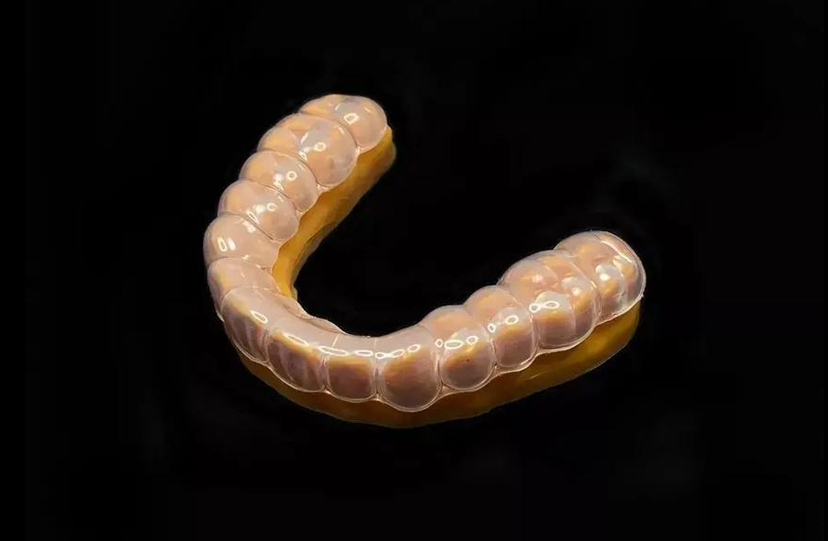
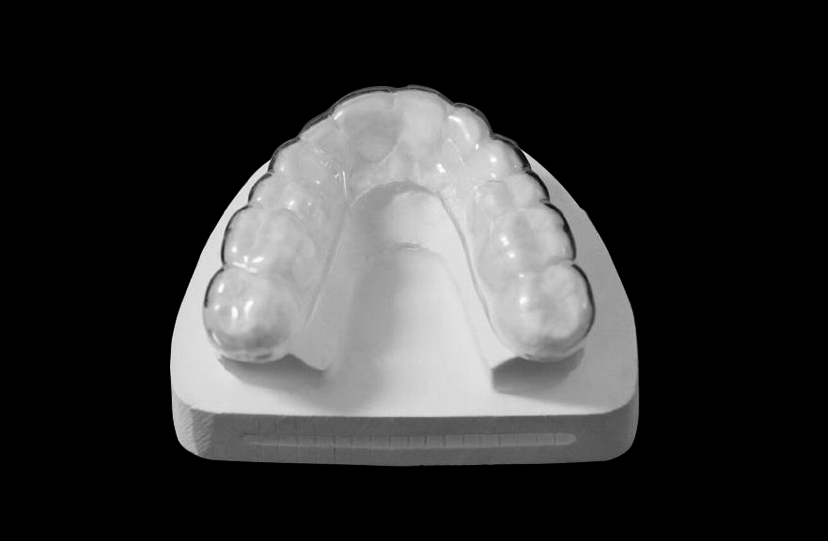
Hard Night Guard Retainers are a type of rigid intraoral device made from high-density thermoplastics, mostly medical-grade acrylic or PETG. These devices feature a rigid occlusal surface designed to resist deformation during normal clinical use. This keeps teeth from damaging each other during bruxism episodes at night. The basic idea behind engineering is to build a stable barrier that deflects mechanical forces away from natural teeth, reducing wear patterns and muscle strain. Rigid designs provide a stable occlusal surface that helps manage contact forces during bruxism, which stops clenching. Softer materials may compress under occlusal loading depending on their design characteristics.
Working Principle and Structure
The structure is made up of a perfectly shaped base that can passively conform to either the maxillary or mandibular arch. This base usually covers all occlusal surfaces with controlled contact points. The thickness is between 2mm and 3mm, which is designed to withstand repetitive occlusal loading during normal clinical use. When choosing materials, Material hardness is selected according to the required balance between rigidity, durability, and patient comfort because they make sure the materials won't bend when they are loaded and unloaded many times. The appliance works by putting the jaw in a neutral position. This helps provide a stable occlusal platform during functional movements and spreads the forces evenly across the entire dental arch, which keeps any single tooth from getting damaged.
Technical Characteristics
Digital workflows enable manufacturers to achieve controlled dimensional accuracy according to production specifications, which is one of the most important technical requirements. This can be reached through CAD/CAM milling or thermoforming. To keep soft tissues from getting irritated. Biocompatibility approval based on ISO 10993 standards proves that there are no leftover monomers or chemicals that damage cells. PETG versions still have good optical clarity, but acrylic versions can be adjusted better for better occlusal refinement. The smooth, non-porous surface design supports easier cleaning and hygiene maintenance, which is important for devices that are worn 6–8 hours a night for years at a time.
Benefits of Hard Night Guard Retainers
Professional-grade hard guards have real clinical benefits that directly fix problems in the dental office. The gadget makes the patient more comfortable because it helps protect teeth and restorations from excessive occlusal contact without control. When hard materials stay in shape, they don't get distorted over time as soft materials do; may help reduce fabrication-related remakes when accurately designed and manufactured. Because the appliance keeps the bite in the same place during the retention period, it's easier to predict how the treatment will go.
Financial benefits go beyond making patients happy. Service life varies depending on material selection, patient habits, grinding intensity, and maintenance, so they don't need to be replaced as often as soft guards, which need to be replaced every 6 to 12 months. Because the gadget lasts longer, patients don't have to come in as often to get it replaced, which makes better use of chair time. Precision production cuts down on the time needed to adjust devices at the chairside, so practitioners can place devices with little occlusal equilibration. When there are a lot of patients, these efficiency gains add up, especially when DSOs are in charge of handling standard treatment methods across multiple sites.
From a medical point of view, hard guards make it easier to make diagnoses. The wear patterns on hard surfaces show clearly parafunctional habits, which helps doctors plan treatment for TMJ cases that are more complicated. The stability of the material makes it possible to combine diagnostic waxing methods with occlusal analysis protocols that would not be possible with materials that yield. Hard guards are important tools for prosthodontists who work on full-mouth recovery cases where occlusal relationships need to be carefully documented.
Advantages Over Alternative Appliance Solutions
Superior Material Performance
Hard Night Guard Retainers outperform soft or dual-laminate alternatives in terms of technology. The rigid structure provides a rigid occlusal surface that behaves differently from softer materials under loading, which, strangely enough, makes bruxism worse instead of better. Acrylic and PETG have been evaluated for material durability and resistance to repeated loading, which is the same as using them every night for three years without any structural failure or surface degradation. This mechanical resistance directly lowers the number of remakes that happen when bad materials are used.
Customization Flexibility
For hard guards, the manufacturing processes allow for a lot of customisation needs that fit the anatomy of each patient and meet clinical goals. Laboratories can carefully control thickness zones, making lingual flanges that are smaller for patients with gag responses while still making sure that the occlusal thickness is right for distributing force. The material lets changes be made after it's been made by selectively grinding and polishing, which isn't possible with soft guards that are already formed. This flexibility is very important in tricky situations involving dental restorations, implant-supported implants, or orthodontic retention where regular devices don't work well enough to passively fit.
Regulatory and Quality Assurance
Professional hard guards made with ISO 13485 quality systems give you the proof of compliance and tracking that you need for working in controlled settings. Materials supported by appropriate documentation, including biocompatibility testing where applicable, help manufacturers meet regulatory requirements using standard procedures. This lowers the risk of liability issues that come up with bad tissue reactions. From material certification to production records, the paper trail helps DSOs and institutions that are subject to regulatory audits meet quality assurance requirements. When purchasing managers look at a supplier's skills, these compliance benefits become important factors in their decisions.
Disadvantages and Considerations
Material stiffness is good for controlling the bite, but it makes adjustments harder and needs skilled chairside handling. Patients sometimes feel pain at first during the adaptation period, especially those who are switching from soft guards. The hard surface needs exact dental equilibration to stop interference patterns that could make TMJ symptoms worse instead of better. To make sure patients follow through, practitioners must take the time for proper insertion training and follow-up appointments.
When comparing hard guards to mass-produced soft ones, cost comes into play. Custom production always costs more in the lab because the materials and manufacturing are more precise. Clinics need to let patients who usually get their guards from pharmacies know about this difference in price and stress that the investment is worth it because of the longer life and better clinical results. Practices that don't have set protocols for educating patients may have trouble with the way the prices are set.
Extreme force events can cause the non-yielding nature to break, but current materials have made this a much smaller worry. People who have serious bruxism may sometimes break their tools, which means they need to be replaced. Good manufacturers deal with this through warranty programs, but practices need to manage what patients expect when it comes to possible remake scenarios. It's important to choose the right material. For high-risk people, PETG is a better option because it can withstand impacts better than regular plastic.
Comparison: Hard vs. Soft vs. Hybrid Night Guards
| Feature | Hard Night Guards | Soft Night Guards | Hybrid Guards |
|---|---|---|---|
| Material Characteristics | Rigid thermoplastic design | Flexible material design | Combination structure |
| Occlusal Protection | Designed for higher rigidity requirements | Designed for comfort-focused applications | Balanced design |
| Adjustment Capability | Can usually be adjusted by grinding and polishing | Limited modification options | Depends on design |
| Patient Adaptation | May require adjustment period | Often comfortable initially | Moderate adaptation |
The comparison shows why dental labs and clinics are increasingly asking their main patients to wear Hard Night Guard Retainers. Long-term results are better for the initial investment, which lowers the total cost of ownership over the patient relationship. Hard guards are necessary for practices that deal with complicated cases, while soft options are only good for patients with light symptoms or who can't handle rigid devices. Hybrid designs try to be better than both of them, but they often take the bad things from both and don't offer clear benefits.
Clinical Indications and Application Scenarios
Severe Nocturnal Bruxism Management
Patients who grind their teeth a lot, which wears down their teeth quickly, need rigid appliances to protect their teeth. The hard surface keeps opposing teeth from grinding against each other, which would create damaging shear forces. This means less parafunctional activity. When dentists treat this group of people, hard guards are commonly considered among appliance options for selected patients. They are often combined with strategies for changing people's behaviour for more complete care.
Post-Orthodontic Retention and Protection
Orthodontic offices have to keep teeth in place while also keeping facial structures safe from damage caused by grinding. Hard Night Guard Retainers do both of these things. They last longer against bruxism. As more Invisalign cases are finished, dentists are prescribing hard guards instead of replacement aligners for long-term retention. This is because hard guards are cheaper and easier for patients to follow. The rigid structure helps maintain tooth positioning after orthodontic treatment when properly prescribed in people who still have periodontal adaptation.
TMJ Disorder Therapeutic Support
Hard guards may be used as part of occlusal appliance therapy for selected patients requiring stabilization, such as disc movement or muscle pain syndromes. The appliance puts the jaw in a therapeutic position that opens up the joint space. When prosthodontists take care of these patients, they need precise manufacturing to meet the neutral position specification. This makes the supplier's ability very important. The hard material makes it possible to add anterior guide ramps and make other treatment changes that would not be possible with soft materials.
Materials Used in Hard Night Guard Manufacturing
Medical-Grade Thermoplastics
Polymethyl methacrylate (PMMA) acrylic and polyethylene terephthalate glycol (PETG) are the main types of materials used in manufacturing. PMMA is very stable in terms of its shape, and its thermal expansion coefficients are the same as those found in natural teeth. The material can have high-polish finishes that make it easier to clean and reduce the amount of plaque that sticks to it. Different types of PETG are better at resisting impact, which lowers the chance of fracture in people with serious bruxism. If you buy these products from a reputable polymer maker, they may be supported by biocompatibility testing according to applicable ISO 10993 standards.
Material Properties Affecting Performance
The temperature at which certain plastics turn into glass directly affects how well they work in service. Because PETG is more resistant to heat, it doesn't warp when it comes in contact with hot water during cleaning, which is a common way that cheaper acrylics fail. Specifications for flexural strength above 60 MPa make sure that the device can handle dental forces without permanently deforming. When it comes to patient satisfaction, optical qualities are important. Clear PETG formulations stay clear over time, but acrylics can turn yellow over time if stabilisers are not added. When choosing a material to produce a Hard Night Guard Retainer, these qualities must be weighed against the needs for preparation and the cost.
Biocompatibility and Safety Standards
Materials must be free of leftover monomers, phthalates, BPA, and other substances that could kill cells in order to meet regulatory requirements. Material safety data sheets from reputable manufacturers show that they have tested the extraction according to ISO 10993-5 (cytotoxicity), 10993-10 (sensitisation), and 10993-11 (systemic toxicity). These certifications are necessary for businesses that work with people who are sensitive to chemicals or who have problems with their immune systems. Quality providers keep track of each lot, which lets them respond quickly to any reports of bad events by having the ability to return materials.
Manufacturing Workflow for Custom Hard Night Guards
Digital Impression and Design Phase
When clinics send digital scans (STL files) or actual prints to the manufacturing lab, production of a custom Hard Night Guard Retainer can begin. CAD experts check the quality of scans by looking for errors or missing data that could affect the accuracy of the fit. Digital design software makes the shape of the appliance based on clinical requirements, such as the coverage area, thickness zones, and patterns of occlusal contact. As part of the design step, virtual articulation is done against opposite arch scans when they are available. This finds possible interference places before the fabrication process starts.
Fabrication Methods and Quality Checkpoints
There are two main ways to make things: thermoforming over milled master models and direct CAD/CAM milling from material pucks. To do thermoforming, you have to heat sheets of material above the point at which they turn into glass and then vacuum-form them over precise models made from scans of patients. This method works great for making a lot of things at once without affecting the quality. Direct milling can provide high manufacturing precision for complex appliance designs to work with complicated shapes. In both processes, coordinate measuring tools are used to check the sizes of finished appliances against the original design specifications.
Finishing and Sterilization Procedures
How comfortable and long-lasting a patient is depends on the post-fabrication finishing. Technicians use rotating tools to cut away extra material, and then they polish the sides one by one to get rid of any sharp edges that could hurt soft tissue. The occlusal surface is controlled in its roughness so that it is smooth enough to avoid damaging the tissue but rough enough to give tactile feedback. Appliances are cleaned with ultrasonic waves to get rid of any leftover dirt, and then they are cleaned and processed according to applicable handling procedures. Before packing for shipping, a final check makes sure that there are no surface flaws, that the margins have been properly adjusted, and that the measurements are correct.
Cost Factors Influencing Hard Night Guard Pricing
Choosing the right material has a big effect on the unit cost. For example, high-performance PETG formulations cost more than regular acrylics. Different manufacturing methods have different effects. For example, thermoforming offers economies of scale for standard designs, while CAD/CAM milling justifies higher costs by being more precise and allowing for more customisation. Regulatory compliance expenses, such as maintaining ISO 13485 certification and testing materials for biocompatibility, are spread out over a company's entire production output, which changes how much each Hard Night Guard Retainer unit costs.
When cases need special features like multiple thickness zones, integrated reinforcement structures, or therapeutic placement beyond standard neutral bite relationships, the cost of production goes up. How customised something is directly relates to how much work it takes and how strict quality control needs to be. The amount of an order affects the price because of batch processing efficiencies. For example, setup costs for a single unit are spread out over one piece, while production optimisation leads to volume discounts for big orders from DSOs.
Logistics issues affect the total landing cost, especially when boxes need to be shipped quickly because of time constraints. Pricing models for manufacturing partners that offer normal response (3-5 days) versus flash production (next day) take into account the ability to change schedules. There are a lot of things that can go wrong with international shipping, such as clearing customs, getting the right paperwork, and trusting the carrier. When purchasing managers look at seller offers, they need to figure out the total cost of ownership, which includes the possible costs of remakes, the value of the warranty, and the missed opportunities that come with delaying case completion.
How to Choose a Reliable Manufacturing Supplier
Manufacturing Capability Assessment
Dental clinics and labs should look at building certificates and equipment stocks to figure out how much a provider can make. Registration with ISO 13485 means that quality management systems have been in place for a while and that processes are documented and can be tracked. The fact that the facility and materials were registered with the FDA shows that they follow the rules, which is necessary to get into the U.S. market. Questions should be asked about CAD/CAM platforms, relationships for getting materials, and output number limits to make sure that suppliers can keep up with the growth of the business without lowering quality for each Hard Night Guard Retainer.
Quality Management and Consistency Verification
Request case paperwork that shows how the dimensions were checked. Reliable makers use 3D scanning of finished appliances to compare them to the original designs. Remake rate data gives concrete measures of quality; the Suppliers should monitor remake rates internally as part of their quality management processes by tightening up their processes. Ask for examples from private clinics, DSOs, and high-volume labs that are similar to yours to make sure that the performance is the same for all types of customers. Quality providers are happy to have site audits or virtual walks that show how they make things and check for quality.
Communication Infrastructure and Technical Support
Check how responsive a supplier is by looking at how quickly and correctly they answer your first question. Quick, accurate answers show that the customer service system is strong. Make it clear how to communicate: there should be specialised account managers, technical help for case discussions, and emergency contact information for serious cases. Language skills are important for international suppliers; being able to communicate clearly in English avoids mistakes that cost a lot of money in case specifications. Check the digital workflow interface to see what file types are compatible, how the submission site works, and how you can see the progress of each case throughout the production cycle.
After-Sales Service and Warranty Terms
Manufacturers who offer comprehensive guarantee programs are sure that their products will last. For hard screens, standard coverage should include free repair or replacement for problems with the way they were made within one to two years. Make it clear what the warranty covers—what a defect is versus damage caused by the patient—how long warranty claims take to be processed, and who pays for shipping. Check the technical help for remake situations. Reputable providers do case studies to find fit problems and offer design changes to stop them from happening again instead of just making copies of broken appliances.
Maintenance and Longevity Optimization
Following the right maintenance steps will make your appliances last longer and keep them clean. Patients should clean hard guards right away after taking them off with cool water and cleaners that don't scratch. They should avoid hot temperatures that get close to the material's glass transition points. Soft-bristle brushes keep surfaces from getting scratched, which is what makes places where bacteria can stick. Biofilm builds up in tiny surface flaws that can be removed by deep cleaning with ultrasound devices on a regular basis.
How you store your Hard Night Guard Retainer has a big effect on how long it lasts. For hard guards to work, they need rigid cases with airflow to keep moisture from building up, which helps microbes grow. Stay out of direct sunlight because it speeds up the breakdown of polymers by breaking chains. Patients should check their tools once a week for stress fractures or damage to the margins and report any problems right away to avoid catastrophic failure while they are being used.
In clinical monitoring, patients are seen every six months again so that doctors can check the fit, look at how the teeth are wearing, and see how the tissues are responding. Adjusting high-contact areas ahead of time stops faster wear and keeps the bite in the right place for therapy. Photographs should be used to record the state of appliances so that standard records can be used for warranty claims or to teach patients about when to replace their appliances. These protocols make sure that the therapeutic effect stays the same over the 2–5 year service period.
Key Takeaways
Hard Night Guard Retainers are the best way for dentists to help people with serious bruxism and post-orthodontic retention needs. Improvements in material science for medical-grade thermoplastics make them last longer and be more compatible with living things, which are important for both patients and regulators. To meet the high standards of modern dental practices, manufacturing partnerships must focus on precise measurements, fast turnaround times, and full support services. Cost-effectiveness is shown by how long something lasts and how often it needs to be replaced, not by how much it cost to buy in the first place. When choosing a supplier, you should look at things like quality certifications, communication infrastructure, and past performance with similar practices. Following the right upkeep steps will increase the service life and keep the treatment effective. In the end, the choice to buy is based on a mix of factors that set professional-grade solutions apart from generic ones. These include precise manufacturing, regulatory compliance, shipping reliability, and full warranty support.
FAQ
Why should clinics choose hard guards over soft versions for bruxism patients?
Hard Night Guard Retainers provide a rigid occlusal surface designed to manage grinding forces that soft materials unintentionally encourage, which means that the grinding response is lowered instead of raised. The hard surface spreads the force evenly across the whole dental arch, which keeps individual teeth from getting damaged, which can happen with soft guards that compress unevenly. There is clinical evidence that treating severe bruxism leads to better long-term outcomes.
What service life should practices expect from quality hard night guards?
Hard guards made from medical-grade materials that are properly made may provide extended service life depending on usage conditions and maintenance under normal use. Lifespan depends on how bad the bruxism is, how well the patient follows cleaning instructions, and the material chosen. In high-force settings, PETG versions usually last longer than regular acrylics.
How do regulatory certifications affect clinical safety and liability?
With ISO 13485 approval, you can be sure that the products you make are made in a way that controls quality and can be fully tracked. Biocompatibility testing according to ISO 10993 standards is done on FDA-registered materials to make sure they don't contain any cytotoxic compounds. These certifications help support quality assurance and documentation requirements related to bad reactions in tissues or failures of materials.
Can hard guards be adjusted if initial fit requires modification?
Controlled grinding and polishing techniques can be used to make precise adjustments to hard acrylic and PETG materials. Chairside, dentists can cut off overly long edges, fix occlusal contact points, and smooth out areas of uneven thickness. This level of flexibility is better than soft guards, which can't be changed in a useful way after they've been made.
What cleaning methods preserve material integrity long-term?
Everyday cleaning with soft brushes and cool water and non-abrasive cleaners that don't scratch surfaces is possible. If the water is hotter than 60°C, which is close to the glass transition point and can cause cracking, don't use it. Biofilm can be removed by ultrasonic cleaning on a regular basis. Harsh chemicals or abrasive pastes damage the surface of a material.
How do manufacturing turnaround times compare across suppliers?
Production takes three to five business days from case submission to shipment, which is standard in the industry. Premium makers give fast services with a 48-hour turnaround time, and expedited production options may be available for urgent cases for cases that need to be done right away. Purchasing managers should check to see if the times given include shipping time or are just for production.
What warranty coverage should practices expect from reputable manufacturers?
Professional providers offer guarantees that last between one and two years and cover manufacturing flaws like wrong measurements, material failures, and early wear caused by mistakes in the manufacturing process. Good warranties cover free repairs or replacements, but patient-caused damage is usually not covered. Explain how long it takes to make a new one and who pays for the shipping within the guarantee terms.
How does customization capability affect clinical outcomes?
Complete customisation based on each patient's anatomy ensures a passive fit without pressure points that can irritate tissues or make the patient not want to follow the instructions. Controlling the thickness zone helps people who have gag responses or other comfort needs. When standard designs don't work for complicated cases like dental implants or orthodontic retention, customisation is the only way to go.
Partner with HYC for Precision Hard Night Guard Manufacturing
Professional-grade Hard Night Guard Retainers are made by HYC, which has 22 years of experience in dental restoration and full regulatory compliance. Our manufacturing processes follow ISO 13485:2016 quality management requirements and use selected dental materials supported by appropriate documentation thanks to our ISO 13485:2016 certification, FDA registration, and CE marking. We know what dental clinics, labs, and DSO networks want when they buy things. Accurate measurements, quick turnaround, and consistent manufacturing processes designed to reduce fabrication-related issues all have a direct effect on how well your practice runs and how happy your patients are. Standard production times for our products are three to five days, but we can also offer faster options, all the way down to next-day flash delivery for urgent cases. Each device goes through strict quality checks to make sure it fits correctly, which helps support efficient chairside workflows. We offer full customisation based on your design requirements, and we can handle complicated cases for both fixed and removable uses. Our warranty program covers set restorations for two years and portable devices for one year. If there are any problems with the making, we will fix them or make a new one for free. As a reputable provider, we want you to experience the same high quality and excellent customer service that dentists all over the world depend on. Email our team at info@hycdentallab.com to talk about your unique needs, ask for case samples, or get custom quotes for the number of cases you see.
References
1. American Dental Association Council on Scientific Affairs. "Occlusal Guards and Nightguards: Clinical Practice Guidelines for Bruxism Management." Journal of the American Dental Association, 2021.
2. GD, Rei N, Lavigne GJ. "Sleep Bruxism Etiology: The Evolution of a Changing Paradigm." Journal of the Canadian Dental Association, 2015.
3. Machado E, Dal-Fabbro C, Cunali PA, Kaizer OB. "Prevalence of Sleep Bruxism in Children: A Systematic Review." Dental Press Journal of Orthodontics, 2014.
4. Poluha RL, Canales GT, Costa YM, Grossmann E, Bonjardim LR, Conti PCR. "Temporomandibular Joint Disc Displacement With Reduction: A Review of Mechanisms and Clinical Presentation." Journal of Applied Oral Science, 2019.
5. Sobolewska E, Makiej A, Wychowanski P, Królak M, Semczuk J, Dzierżanowski M. "Comparison of Hard and Soft Occlusal Splints in the Management of TMJ Disorders: A Systematic Review." Journal of Clinical Medicine, 2022.
6. U.S. Food and Drug Administration. "Medical Devices; Dental Devices; Classification of Intraoral Devices for Snoring and Obstructive Sleep Apnea - Guidance for Industry and FDA Staff." FDA Medical Device Guidance Documents, 2020.
YOU MAY LIKE
.webp "Full Gold Crown (FGC)")
.webp "PAEK (Polyaryletherketone)")