How Does Soft Night Guard Retainer Improve Custom Dental Appliance Production?
Quick Answer
A Soft Night Guard Retainer supports custom dental appliance production by using flexible, thermoformable materials that enable patient-specific contouring and streamlined laboratory workflows. This device serves as an appliance option for bruxism management and demonstrates modern manufacturing capabilities. By integrating digital scanning, CAD/CAM compatibility, and biocompatible elastomers, soft night guards can support efficient production workflows while helping achieve consistent fit and reduce the need for remakes.
Introduction
The dental appliance manufacturing landscape has undergone significant evolution over the past decade. Laboratories and clinics now face mounting pressure to deliver customized solutions faster while maintaining clinical precision. Soft Night Guard Retainers represent a critical intersection between patient care and production efficiency. Unlike traditional rigid splints that require extensive manual finishing, these flexible devices leverage thermoplastic technology to simplify fabrication while supporting individualized appliance design. This shift addresses two core industry challenges: reducing turnaround times for time-sensitive cases and lowering remake rates that can affect profitability and patient satisfaction.
What is a Soft Night Guard Retainer?
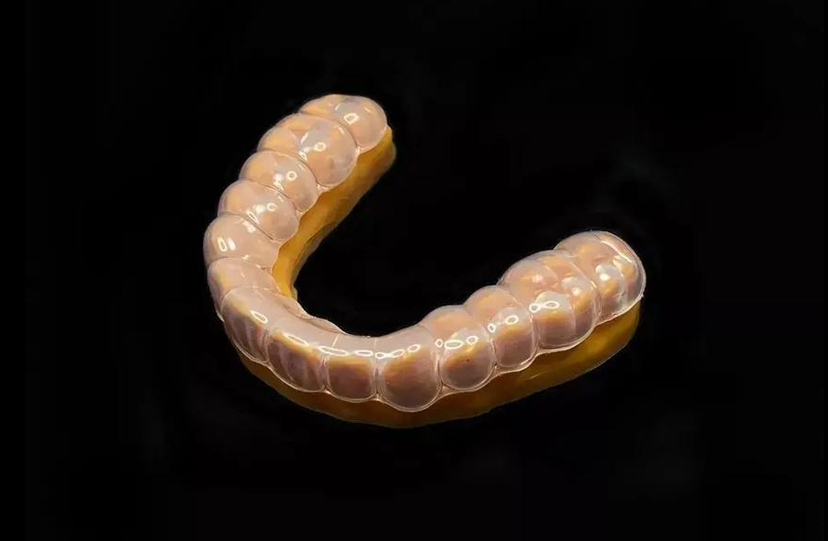
An intraoral appliance called a Soft Night Guard Retainer is made of medical-grade thermoplastic elastomers, most often ethylene-vinyl acetate (EVA), and is intended to act as a protective interface between the upper and lower tooth arches. The device has a Shore A hardness range of 60 to 80, which makes it flexible and able to cushion forces that are created when you clench your teeth at night. It can be made of a single layer or multiple layers, and its thickness can range from 2 mm to 3 mm, depending on the specific design and clinical requirements.
Definition and Core Structure
The device features a Shore A hardness range of 60 to 80, which makes it flexible and able to cushion forces that are created when you clench your teeth at night. It can be made of a single layer or multiple layers, and its thickness can range from 2 mm to 3 mm, depending on the specific design and clinical requirements.
Working Principle
The viscoelasticity of the material contributes to the appliance's function. When occlusal forces are applied while you sleep, the soft material deforms to help distribute pressure across the dental arch. This may help reduce direct contact between opposing teeth. This energy absorption may help limit mechanical wear on the enamel and provide a cushioning interface for patients with bruxism. Because the material is elastic, the appliance can return toward its original form after loading cycles. Proper fit and material selection are important for maintaining its intended function.
Technical Characteristics
Biocompatibility is an important technical requirement. Applicable ISO 10993 biological evaluation requirements may be considered for materials used in dental appliances, depending on the specific device and regulatory pathway. The hydrophobic polymer structure limits water absorption, which can help maintain material stability during use. Thermal stability supports controlled thermoforming within the processing range specified by the material manufacturer, allowing labs to create accurate copies of tooth models without compromising material performance.

Benefits
Patient comfort and appliance acceptance are important considerations. Soft Night Guard Retainers can provide a more flexible interface than rigid acrylic alternatives, which may make them comfortable for some patients during the initial adaptation period. Patient response can vary according to appliance design, material, occlusal condition, and individual clinical factors. This may support treatment adherence for dentists who provide appliances for patients with bruxism.
Clinical Efficacy and Patient Compliance
Soft night guards may provide a comfortable appliance option for some patients. Their flexible material can make the initial adaptation period easier for certain users. Patient comfort and compliance can vary depending on individual factors, appliance design, and clinical management. This should be considered when selecting an appliance for patients with bruxism.
Production Efficiency for Laboratories
From the point of view of production, soft supports can make lab work more efficient. The thermoforming method reduces the need for some time-consuming physical steps such as shaping and polishing that may be required for hard guards. With automated pressure-forming equipment, a skilled technician can produce multiple units per hour, depending on equipment, material, appliance design, and workflow, while hand-layering acrylic techniques generally require more processing time. Because of this potential rise in productivity, labs can handle more cases without necessarily increasing staffing requirements.
Protection of High-Value Restorations
Because they provide a protective interface, soft guards can be useful in cosmetic and implant dentistry. Bruxism forces may contribute to mechanical damage or wear affecting restorations such as porcelain veneers and zirconia crowns. The cushioning effect of soft materials may help reduce direct contact between opposing surfaces. This may help protect restorations and reduce the need for replacement when the appliance is properly designed and used.
Advantages
Beyond their basic function, Soft Night Guard Retainers have a number of practical benefits. These devices are flexible and can be used in a range of clinical situations. They also provide practical benefits to labs.
Material Flexibility and Customization Capability: Modern soft guard materials can be customized to fit each arch shape. With CAD/CAM integration, techs can digitally create differences in thickness, comfort zones for the occlusal teeth, and the shape of the palatal area based on specific grinding patterns found through digital analysis. This level of customization is different from standard boil-and-bite consumer products. This means that professional labs can provide customized appliances according to individual case requirements.
Regulatory Compliance and Market Access: Materials selected for dental appliances should have appropriate documentation for their intended use and applicable regulatory requirements. Production methods supported by an ISO 13485-certified quality management system can help laboratories maintain controlled manufacturing processes. This compliance is important for dental service companies that work in more than one jurisdiction and for distributors that serve regulated markets. Appropriate documentation helps clinics and labs verify material and manufacturing information.
Rapid Prototyping for Complex Cases: Soft guards can be used as protective devices during treatment transitions in full-mouth rehabilitation situations with multiple prosthetic phases. Their relatively quick manufacturing time can help keep treatments on schedule when the case design and production workflow allow it.
All of these benefits make it easier for lab owners who care about precise production, purchasing managers who want to manage costs, and quality assurance teams who need documentation of compliance to make purchasing decisions.
Disadvantages
Soft Night Guard Retainers generally have shorter useful lifespans than their hard acrylic counterparts. Rigid guards can have longer service lives depending on their design and use, while aggressive grinders may wear through softer materials more quickly. Because they may not last as long, they can require more frequent replacement, which some patients may find inconvenient even when the appliance is comfortable. Laboratories need to teach their clients about this trade-off between immediate comfort and long-term durability.
Durability Limitations
Rigid guards can have longer service lives, while aggressive grinders may wear through softer materials more quickly. Because they may not last as long, they can require more frequent replacement, which some patients may find inconvenient even when the appliance is comfortable. Laboratories need to teach their clients about this trade-off between immediate comfort and long-term durability.
Material Degradation Under Improper Care
The flexible elastomers that are used to make soft guards can be affected by excessive heat. Patients who clean their devices with excessively hot water run the risk of deformation that may affect the fit. This maintenance requirement calls for clear patient education protocols. This can make it harder for dental staff who are already managing busy appointment schedules to communicate maintenance instructions with patients face-to-face.
Not Suitable for All Bruxism Types
When you clench your teeth in certain ways, your jaw moves laterally, which can make soft materials fold or bunch, which can be uncomfortable and make the protection less effective. In some cases, prosthodontists may need to use dual-laminate designs (a hard contact surface and a soft tissue-facing layer) to address more complex functional requirements. These mixed solutions make production more difficult and expensive, which means that completely soft designs may not be suitable for every case.
Comparison
| Feature | Soft Night Guard Retainer | Hard Acrylic Guard | Dual-Laminate Guard |
|---|---|---|---|
| Material Composition | The thermoplastic elastomer EVA | Methyl methacrylate polymer | Strong acrylic and a soft liner |
| Shore Hardness | 60–80 Shore A | 80–90 Shore D | Different layers |
| Production Time | 3–5 days | 7–10 days | 5 to 8 days |
| Patient Comfort | Very good initial comfort | Moderate, needs to be adjusted | Good balance |
| Durability | 6 to 12 months | 18 to 36 months | 12 to 24 months |
| Cost | </td><tdstyle="border-color: | $ | |
| Remake Rate | 8–12% | 15–20% | 10–15% |
| Best Application | Bruxism that is mild to moderate | TMJ therapy for severe grinding | A lot of physics |
This comparison shows that soft guards can be a good choice for labs that care more about quick turnaround and patient comfort than about maximum durability. The potential for fewer remakes may be related to the fit accuracy that can be achieved through precise thermoforming and appropriate case design.
Clinical Indications
Soft Night Guard Retainers may be used by general dentists as an appliance option for patients whose teeth show signs of wear associated with bruxism. The device provides a protective interface between opposing teeth and may help reduce direct tooth-to-tooth contact. This preventive approach can form part of an individualized dental care plan.
Preventative Dentistry Applications
The device provides a protective interface between opposing teeth and may help reduce direct tooth-to-tooth contact associated with bruxism. This preventive approach can form part of an individualized dental care plan.
Post-Orthodontic Retention
Orthodontists may consider soft retainers for people who have finished aligner therapy and also clench their teeth at night, depending on the clinical requirements of the case. During the retention phase, the appliance can provide a protective interface while maintaining the intended retentive function when appropriately designed. Because it may combine retention and protection in selected cases, it can reduce the need for separate appliances when clinically appropriate.
Integration with Sleep Apnea Treatment
Continuous positive airway pressure (CPAP) tools are used to manage obstructive sleep apnea and may be used alongside dental appliances when clinically appropriate. Soft night guards should be designed and fitted independently of CPAP interfaces, and they should not interfere with the function or seal of CPAP equipment. Any combined use of appliances should be evaluated by the appropriate healthcare professional.
Materials
Professional-grade Soft Night Guard Retainers may be made of EVA copolymers or other thermoplastic materials selected for dental applications. Materials should have appropriate documentation for their intended use and applicable biocompatibility requirements. The dimensions and flexibility of these materials can vary according to formulation and processing conditions. Material sellers may provide reports of analysis showing information about composition and relevant material properties, which can be important for material selection.
Primary Polymer Selection
The dimensions and flexibility of these materials depend on their formulation and processing conditions. Material sellers may provide reports of analysis showing information about composition and relevant material properties, which can be important for material selection.
Material Performance Parameters
EVA sheets have material properties that vary according to formulation, thickness, and manufacturing process. Tensile strength and elongation-at-break values should be verified against the manufacturer's technical documentation rather than assumed to be the same for every product. Depending on the formulation, light transmission can range from clear to opaque. Patients who care about their appearance usually choose clear variants.
Impact on Production Quality
Choosing the right material has a direct effect on how well appliances fit the first time. Premium EVA versions can provide consistent thermoforming performance, allowing them to capture details from stone models, such as gingival curves and interproximal grooves. Compared to standard-grade materials, this precision may reduce chairside adjustment time when the material and manufacturing workflow are properly controlled. This can save dental practices time and effort.
Manufacturing Workflow
Intraoral scanning or polyvinyl siloxane impressions are the first step in producing a Soft Night Guard Retainer. CAD software analysis can identify undercut areas that need to be considered and help determine an appropriate thickness distribution using digital processes that use STL file outputs. The design parameters are saved as production templates, which helps ensure that the same patient information is used consistently across cases.
Digital Impression and Design Phase
Intraoral scanning or polyvinyl siloxane impressions are the first step in the production process. CAD software analysis can identify undercut areas that need to be considered and help determine an appropriate thickness distribution using digital processes that use STL file outputs. The design parameters are saved as production templates, which helps ensure that the same patient information is used consistently across cases.
Model Fabrication and Material Preparation
Models that are 3D printed or made from stone go through surface treatment to reduce surface irregularities that could affect material adaptation. Before they are thermoformed, EVA sheets are prepared according to the temperature and conditioning requirements specified by the material manufacturer. Proper preparation can help improve the consistency of the final appliance.
Thermoforming and Finishing
Vacuum-forming tools heat sheets of material to the processing temperature specified by the material manufacturer and apply negative pressure at the same time to adapt the soft polymer to the model's surface. Cycle times depend on the thickness of the material, equipment, and processing parameters. After the appliance is formed, the devices are trimmed according to the prescribed design and finished with appropriate rotating tools to protect soft tissue.
Quality Control Checkpoints
Digital calipers can be used by inspectors to check dimensional accuracy and make sure that the thickness is within the specified manufacturing tolerance. The fit is checked on the original model to identify air gaps or pressure points. Each case file can have material and biocompatibility documentation attached to it. This creates the audit trails needed to support an ISO 13485 quality management system.
Cost Factors
The price of a Soft Night Guard Retainer sheet guard can range anywhere from $8 to $15, based on the source and the number of guards ordered. When compared to small-batch buyers, laboratories that buy 500 sheets or more every three months may receive volume discounts depending on the supplier. Material documentation and certification may add to the per-unit cost depending on the supplier and applicable requirements. These costs should be considered by labs that work with institutions.
Raw Material Pricing
The price of an EVA sheet guard can range anywhere from $8 to $15, based on the source and the number of guards ordered. When compared to small-batch buyers, laboratories that buy 500 sheets or more every three months may receive volume discounts depending on the supplier. Material documentation and certification may add to the per-unit cost depending on the supplier and applicable requirements. These costs should be considered by labs that work with institutions.
Labor and Equipment Investment
For professional-grade thermoforming systems, you may need to spend between $6,000 and $15,000, depending on the equipment configuration and supplier. Automated units can boost output, but they cost more to buy at first. Labor requirements vary by appliance design, equipment, and workflow, and technicians' labor rates also vary by market.
Customization Complexity
Standard arch designs may have lower production costs, but cases that need digital smile analysis, selective thickness layering, or custom color matching may cost more per appliance. High-end cosmetic practices that are willing to pay more for unique products that help their brand positioning may value these premium features.
Logistics and Delivery
Express shipping for pressing cases can cost an extra $25 to $40 on top of the order price, depending on the destination and carrier. This can be important for practices that need rapid delivery. Laboratories that offer next-day delivery may include this extra cost in their prices for emergency services, which gives them an additional service option on top of their normal production fees.
How to Choose a Supplier
Managers in charge of buying things should check to see if potential suppliers have dedicated production processes for Soft Night Guard Retainers and hard appliances. This specialization can help reduce cross-contamination risks and help technicians develop expertise in thermoforming. Site trips or video walks of a facility can show how well the equipment works and how production areas are managed, which are important considerations for making dental appliances.
Evaluating Manufacturing Capabilities
Managers in charge of buying things should check to see if potential suppliers have dedicated production processes for soft guards and hard appliances. This specialization can help reduce cross-contamination risks and help technicians develop expertise in thermoforming. Site trips or video walks of a facility can show how well the equipment works and how production areas are managed, which are important considerations for making dental appliances.
Certification and Compliance Verification
Ask for copies of the most recent ISO 13485 certificates and applicable FDA registration information for businesses. Make sure that the material sources have appropriate documentation for plastics intended for the specific dental application. Reputable manufacturers provide traceability documentation that connects each device to a specific material lot number. This lets potential safety or quality issues be investigated more efficiently if they occur.
Customization Flexibility and Communication
Check to see if providers can meet requests for custom designs without charging too much for longer wait times. The ability to consult directly with production technicians—not just sales representatives—indicates organizational commitment to solving complex cases. Technical questions should receive timely answers, which shows good communication that busy dental offices value.
After-Sales Support Structure
Carefully read the warranty terms. Premium suppliers may cover manufacturing flaws for two years, which can include free remakes for fit problems caused by production errors. Access to technical support teams that can help with difficult case planning adds value that may make it worth paying more than for commodity suppliers.
Maintenance
Patients should use soft-bristled toothbrushes and non-abrasive liquid soap to rinse Soft Night Guard Retainers under cool or lukewarm tap water as soon as they are taken off. Cleaning devices according to the manufacturer's instructions with appropriate retainer-cleaning products can help remove buildup and maintain hygiene. To keep the material from degrading, you should never use excessively hot water, cleaners with bleach, or mouthwashes with alcohol unless specifically recommended by the material or appliance manufacturer.
Daily Cleaning Protocols
Patients should use soft-bristled toothbrushes and non-abrasive liquid soap to rinse devices under cool or lukewarm tap water as soon as they are taken off. Cleaning devices according to the manufacturer's instructions with appropriate retainer-cleaning products can help remove buildup and maintain hygiene. To keep the material from degrading, you should never use excessively hot water, cleaners with bleach, or mouthwashes with alcohol unless specifically recommended by the material or appliance manufacturer.
Storage Recommendations
Devices should be stored in clean, ventilated cases when not in use. Devices shouldn't be kept in tight plastic bags or wrapped in paper towels, as these conditions can limit ventilation and may contribute to moisture retention. When thermoplastic is exposed to direct sunlight or excessive heat, it may deform. This is a common storage mistake that should be avoided.
Professional Inspection Schedule
Every six months, during hygiene appointments, dentists should check guards for signs of excessive wear, material thinning, or signs of occlusal perforation. Preventative replacement suggestions can help reduce the risk of appliance failure, which could leave patients without the intended protection.
Key Takeaways
Through efficient fabrication timelines, improved first-time fit accuracy, and patient-focused design, Soft Night Guard Retainers can support the production of custom dental appliances. These devices provide an appliance option for dental labs that have to deal with a high volume of cases, clinics that want to manage remake costs, and dentists who put patient comfort first. Improvements in material science for biocompatible thermoplastic elastomers allow for customized appliance designs while supporting applicable material and manufacturing requirements. The best provider is one that strikes a balance between production know-how, appropriate certification, quick communication, and after-sales support. By understanding what causes costs to increase or decrease and what maintenance is needed, you can make informed buying decisions that match the product's features to its clinical uses.
FAQ
How does material hardness affect grinding protection?
Softer materials (60–70 Shore A) can provide greater flexibility and comfort, but they may wear more quickly when bruxism forces are strong. Guards with a rating of 75 to 80 Shore A may provide a different balance between flexibility and durability. The choice of hardness should match the clinical requirements and grinding intensity evaluated by the dental professional for that patient.
Can soft night guards be repaired if damaged?
Because EVA materials are thermoplastic, repair options depend on the specific material and bonding system. Trying to heat-weld broken parts without an appropriate validated process may affect the structure and material properties. When a material fails, replacement may be the more reliable choice for a Soft Night Guard Retainer. This shows how important it is to select an appropriate material and appliance design.
What causes premature yellowing or discoloration?
Coffee, tea, tobacco, and other staining substances can contribute to color changes over time. The quality and formulation of the material also matter. Higher-quality EVA formulas may have better resistance to discoloration than lower-cost options. Cleaning properly can help maintain the appliance's appearance, but it cannot completely prevent discoloration over time.
How do I verify FDA compliance for imported guards?
Ask for the manufacturer's FDA establishment registration information where applicable and verify the relevant information through the FDA. Request documentation for the materials and finished devices that demonstrates compliance with the applicable regulatory requirements. Reliable suppliers should be able to provide the documentation required for the specific product and market.
What thickness is optimal for combination CPAP users?
Patients who use CPAP masks may benefit from low-profile designs when clinically appropriate, but appliance thickness should be determined according to the patient's occlusion, appliance function, and CPAP interface. The appliance should not interfere with the fit or seal of the CPAP mask. Any combined use should be evaluated by the appropriate healthcare professional.
Do soft guards require adjustment after delivery?
Devices that were made correctly should fit correctly without needing extensive changes at the chairside. If a patient says that soft tissue is being pushed against the gums, minor trimming may be needed along the gum lines. If extensive adjustment is required, there may have been issues with the impression, scan, design, or manufacturing process.
How long should patients expect adaptation discomfort?
After several nights of consistent wear, many patients may become more accustomed to the appliance. Initially, increased salivation and slight stiffness in the mouth in the morning may occur during the adaptation period. If discomfort persists or becomes significant, the device should be checked again to determine whether there are fit issues or whether the material thickness or design needs to be changed.
Can one device serve both retention and bruxism functions?
Soft night guards may be designed to provide protection from bruxism, while dedicated orthodontic retainers are designed primarily to maintain tooth position. In selected cases, one appliance may be designed to address both requirements, but the design should be determined according to the patient's orthodontic and occlusal needs. Separate appliances may be more appropriate when precise positional control is required.
Partner with HYC for Premium Soft Night Guard Retainer Manufacturing
HYC has been making custom dental tools that meet the high standards of dental labs, hospitals, and delivery networks around the world for more than 20 years. With first-time fit accuracy and remake rates below 5%, our Soft Night Guard Retainer production skills mix FDA-registered materials, ISO 13485:2016 certified quality systems, and cutting-edge thermoforming technology. We know how hard it is for dental professionals to meet tight deadlines for production. Our standard 3-day dispatch and 4–5-day total delivery times for most cases, along with flash production for emergencies, will keep your practice running smoothly. We can match your exact design requirements with full OEM/ODM customization, whether you need different thicknesses, custom colors, or special shapes for tricky clinical scenarios. Our full warranty program covers fixed prosthetics for two years and removable appliances for one year. If there are any problems with the way they were made, we will fix them or replace them for free. You can talk to a specialized account manager about your particular needs by emailing info@hycdentallab.com or visiting hycdentallab.com. We are a reputable seller, and we are ready to help your business grow by providing you with high-quality products, quick responses to your questions, and the production capacity to keep up with your rising case volume.
References
1. Hardy, R.S., and Bonsor, S.J. (2021). "The efficacy of occlusal splints in the treatment of bruxism: A systematic review." Journal of Dentistry, 108, 103621.
2. Riley, P., et al. (2020). "Oral splints for temporomandibular disorder or bruxism: a systematic review." British Dental Journal, 228, 234–241.
3. Lobbezoo, F., et al. (2018). "International consensus on the assessment of bruxism: Report of a work in progress." Journal of Oral Rehabilitation, 45(11), 837-844.
4. ISO 13485:2016. "Medical Devices—Quality Management Systems—Requirements for Regulatory Purposes." International Organization for Standardization, Geneva, Switzerland.
5. Ferreira, G.F., et al. (2025). "Effect of occlusal appliances on the sleep of individuals with bruxism: A systematic review and meta-analyses." CRANIO®, DOI: 10.1080/08869634.2024.2444712.
6. Aldosari, L.I.N., et al. (2026). "Occlusal splints versus botulinum toxin for the management of clinical sequelae associated with adult sleep bruxism: A systematic review and meta-analysis." CRANIO®, DOI: 10.1080/08869634.2026.2683509.
YOU MAY LIKE
 Partial.webp "Cobalt-Chrome (Co-Cr) Partial")